Artwork
In the Studio
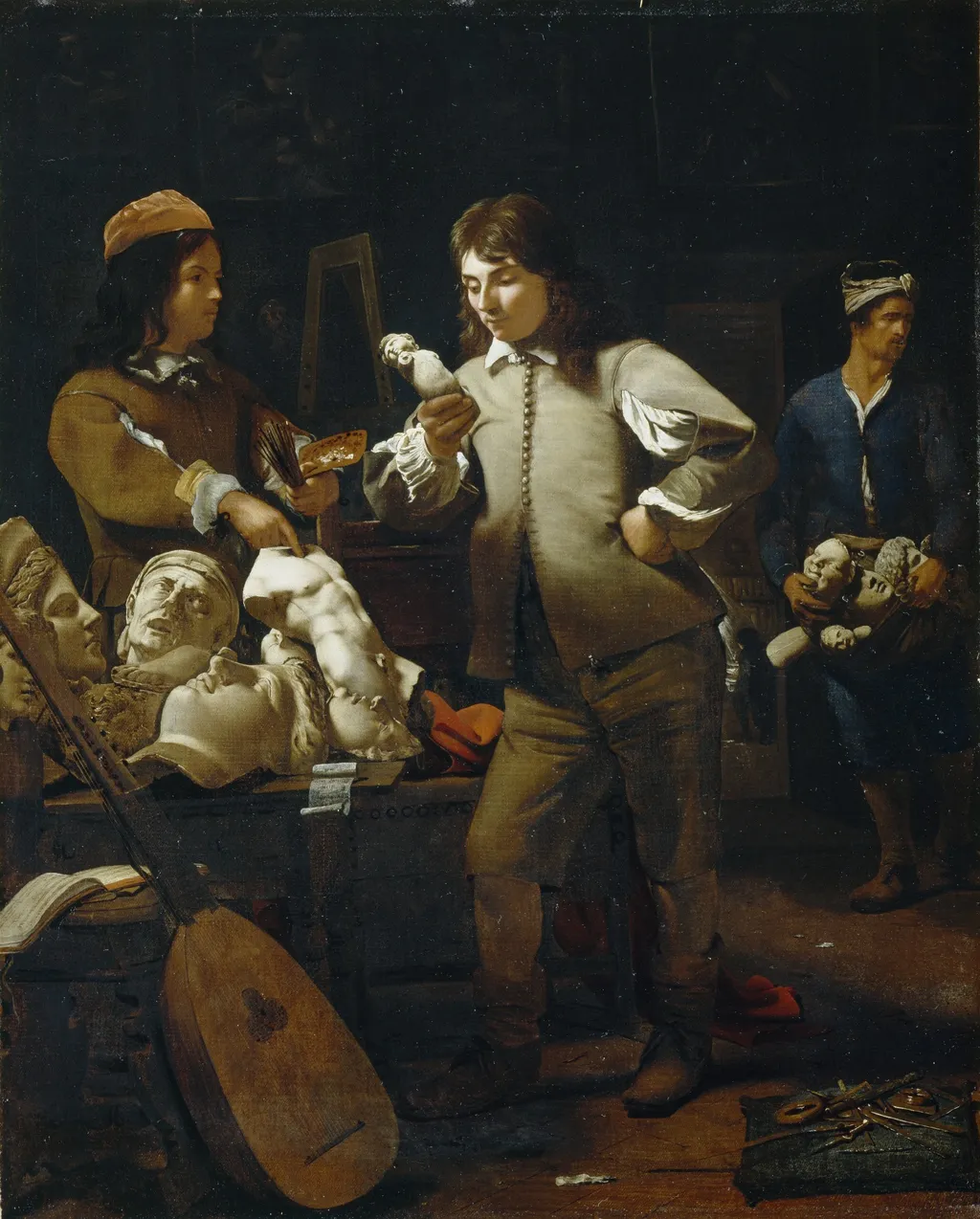
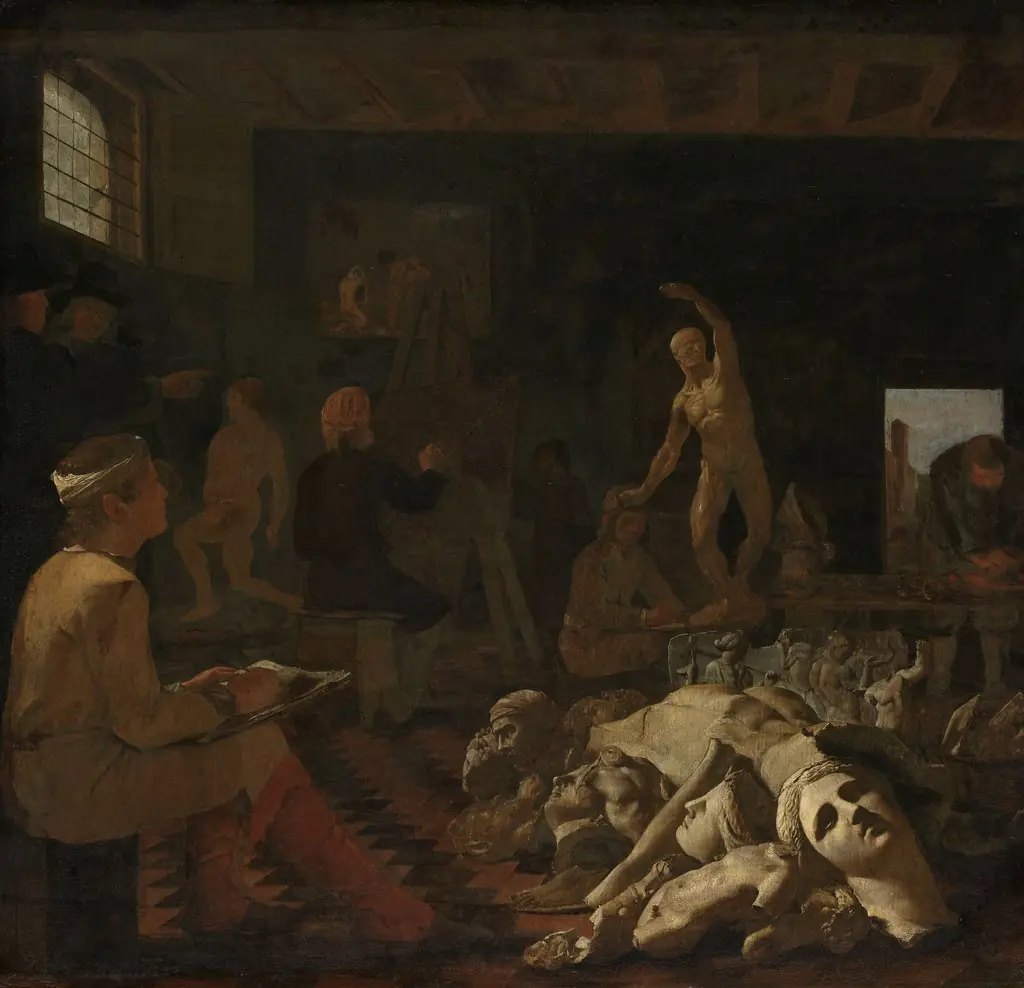
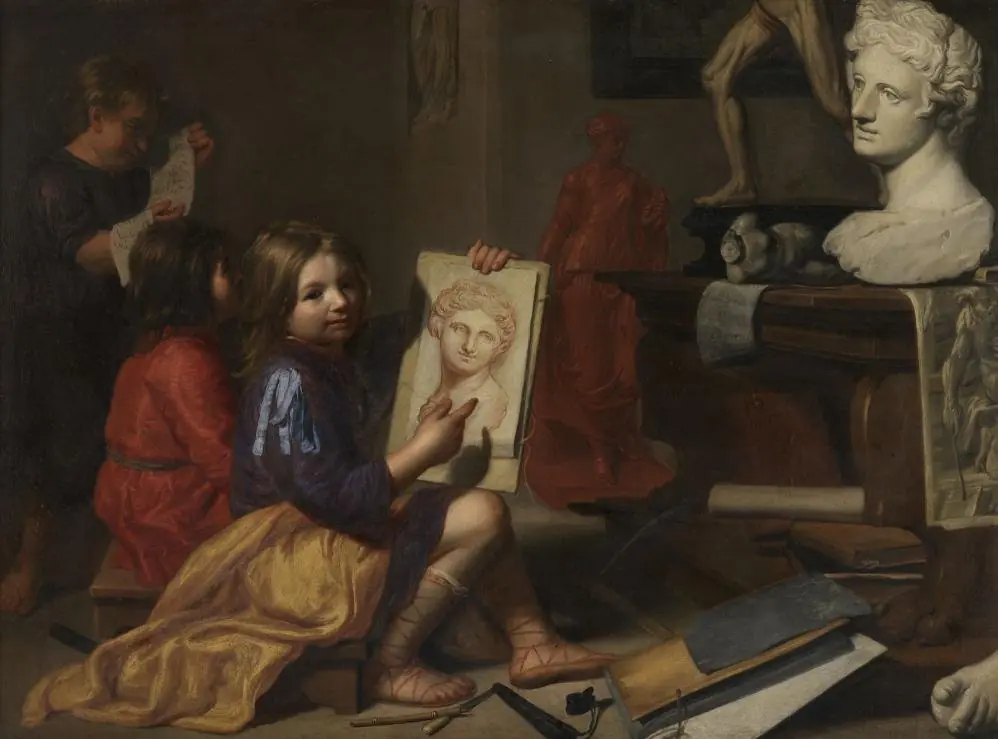
In the Studio is an oil painting by the Dutch Golden Age artist Michiel Sweerts. It dates from 1652 and is held in the collection of the Detroit Institute of Arts.
About this work
Subject & Meaning
An assistant brings additional casts, including fragments of Duquesnoy’s Apollo and Cupid and the antique Juno Ludovisi and Juno Cesi.
The painting shows a painter’s studio where an artist points to the torso of a plaster cast of Apollo while a richly dressed visitor examines a fragmentary putto (a fly rests on his coat). An assistant brings additional casts, including fragments of Duquesnoy’s Apollo and Cupid and the antique Juno Ludovisi and Juno Cesi. Visual arts are signaled by brushes, palette and easel; music by a chitarrone; drawing tools lie on a cushion. The diagonal light highlights the sculptures and casts subtle shadows, while the signed paper and trompe‑l’oeil fly allude to the paragone debate, asserting painting’s capacity to rival and surpass sculpture through imitation of Duquesnoy’s bronze.
Technique & Style
In the Studio is executed in oil paint on a canvas support, a medium typical of Sweerts’ Baroque Flemish practice. The artist applies the paint with careful brushwork to render the plaster casts and figures with a sculptural clarity, emphasizing the torso’s musculature more sharply than the original bronze. A diagonal light falls across the scene, creating dramatic chiaroscuro that enhances the illusion of depth and, combined with subtle light‑and‑shadow effects, seeks to surpass the lifelikeness of the Duquesnoy sculpture. Sweerts further employs trompe‑l’œil devices, his signature on a curling sheet of paper and a painted fly, to demonstrate his mastery of illusionistic detail. The colour palette is restrained, dominated by brown, gray and dark blue tones punctuated by white highlights, a hallmark of his stylistic approach.
History & Provenance
Michiel Sweerts created the oil painting *In the Studio* in Rome in 1652, a date and location confirmed by the work's signature and inscription. The canvas depicts a scene within an artist's workshop, reflecting Sweerts' presence in the city where he is first documented in 1646. The painting likely originated from the collection of the Deutz brothers, wealthy Dutch collectors in Amsterdam with whom the artist was closely associated; an inventory of Joseph Deutz lists a small painter's academy in his residence's purple salon that may correspond to this work. Following the Deutz ownership, the canvas was sold at auction in London in 1833. It remained in private hands until 1930, when the Detroit Institute of Arts acquired the painting.
In the Studio is held in the collection of the Detroit Institute of Arts in Detroit, United States. The painting was acquired by the museum in 1930, having previously appeared at an auction in London in 1833. Prior to the nineteenth century, the work belonged to the Deutz brothers, a family of wealthy Dutch collectors; an inventory of Joseph Deutz lists a small painter's academy in his residence on the Herengracht in Amsterdam that may correspond to this piece. The canvas is signed and dated by the artist to 1652, indicating it was executed in Rome.
Context
Critical reception of Michiel Sweerts’s In the Studio has emphasized its role in the seventeenth-century paragone, positioning painting as superior to sculpture through visual argument. Scholars note that Sweerts stages the scene to demonstrate painting’s capacity to surpass Duquesnoy’s celebrated bronze Apollo and Cupid, which appears only as plaster fragments, thereby asserting the medium’s ability to render light, texture, and illusion more convincingly than bronze. The painting’s art-historical significance lies in its articulation of academic classicism in Rome during the 1650s. Sweerts aligns himself with a circle that privileged antique exemplars and emulation as a path to artistic excellence, using the studio visit to encode a manifesto of painterly ambition. Its later provenance, from the Deutz collection through London sales to the Detroit Institute of Arts in 1930, anchors the work within elite Northern European collecting networks and American museum formation in the early twentieth century.
Legacy
The painting has attracted sustained art-historical attention as a key document of the seventeenth-century paragone debate between painting and sculpture. Lara Yeager-Crasselt devoted a 2011 article in Dutch Crossing to Sweerts's dialogue with the sculptor François Duquesnoy, and expanded this analysis in her 2013 doctoral dissertation at the University of Maryland, treating the work within the academic tradition. Thomas Döring's 1994 study in the Wallraf-Richartz-Jahrbuch examined related questions of sculptural reception in Sweerts's oeuvre. Roland Recht's 2010 essay in Studiolo situated the painting within broader discussions of the painter's private studio as an artistic configuration. Earlier, W. R. Valentiner published a study in the Bulletin of the Detroit Institute of Arts upon the museum's 1930 acquisition, and Jonathan Bikker's 1998 Simiolus article used provenance records from Elisabeth Coymans's journal to clarify the work's early ownership by the Deutz brothers.
The painting is frequently cited alongside Sweerts's related Atelier d'artiste with a Sewing Woman as a comparative case, and it remains a touchstone for scholarship on Flemish classicism in Rome.
Own this work as a print
Artist & collection

Artist
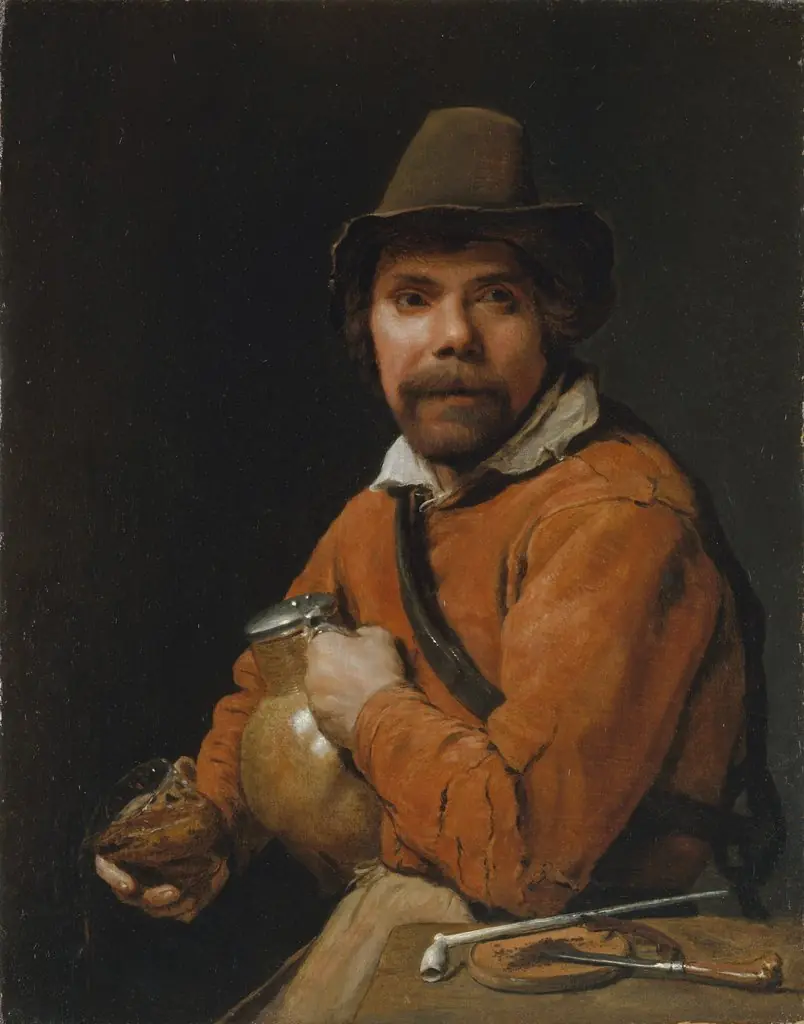
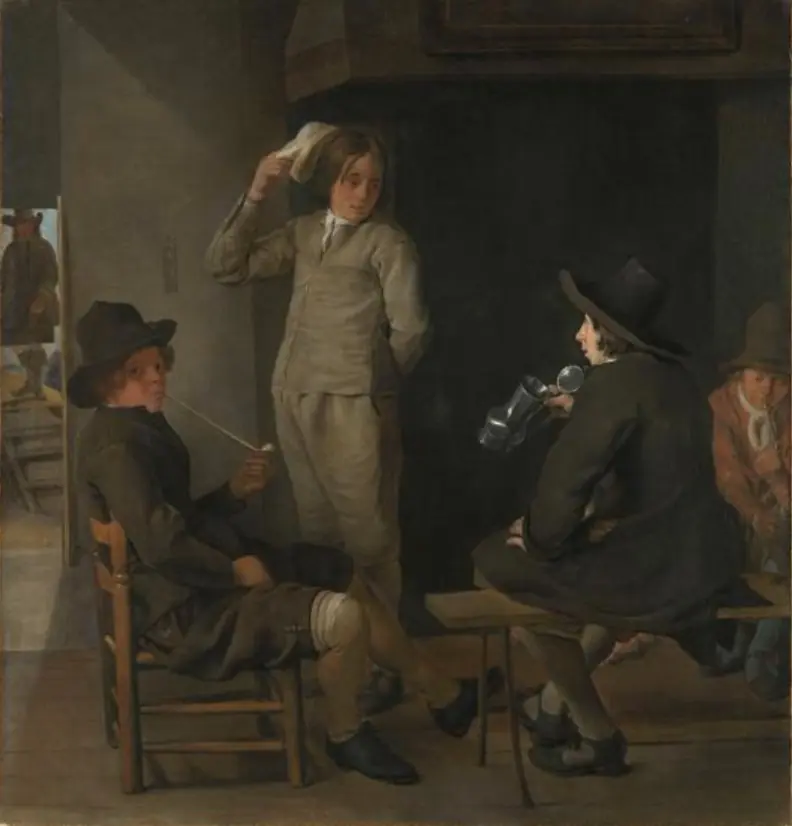
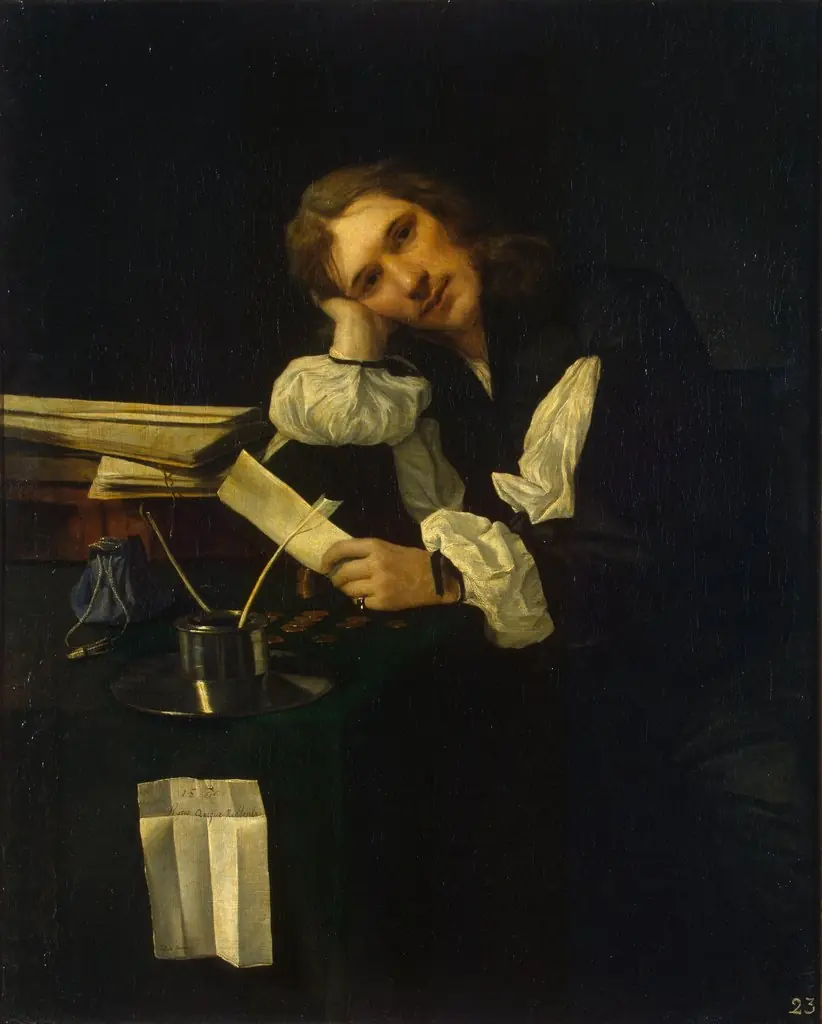
Michiel Sweerts or Michael Sweerts (29 September 1618 – 1 June 1664) was a Flemish painter and printmaker of the Baroque period, who is known for his allegorical and genre paintings, portraits and tronies.