Artwork
My Second Sermon
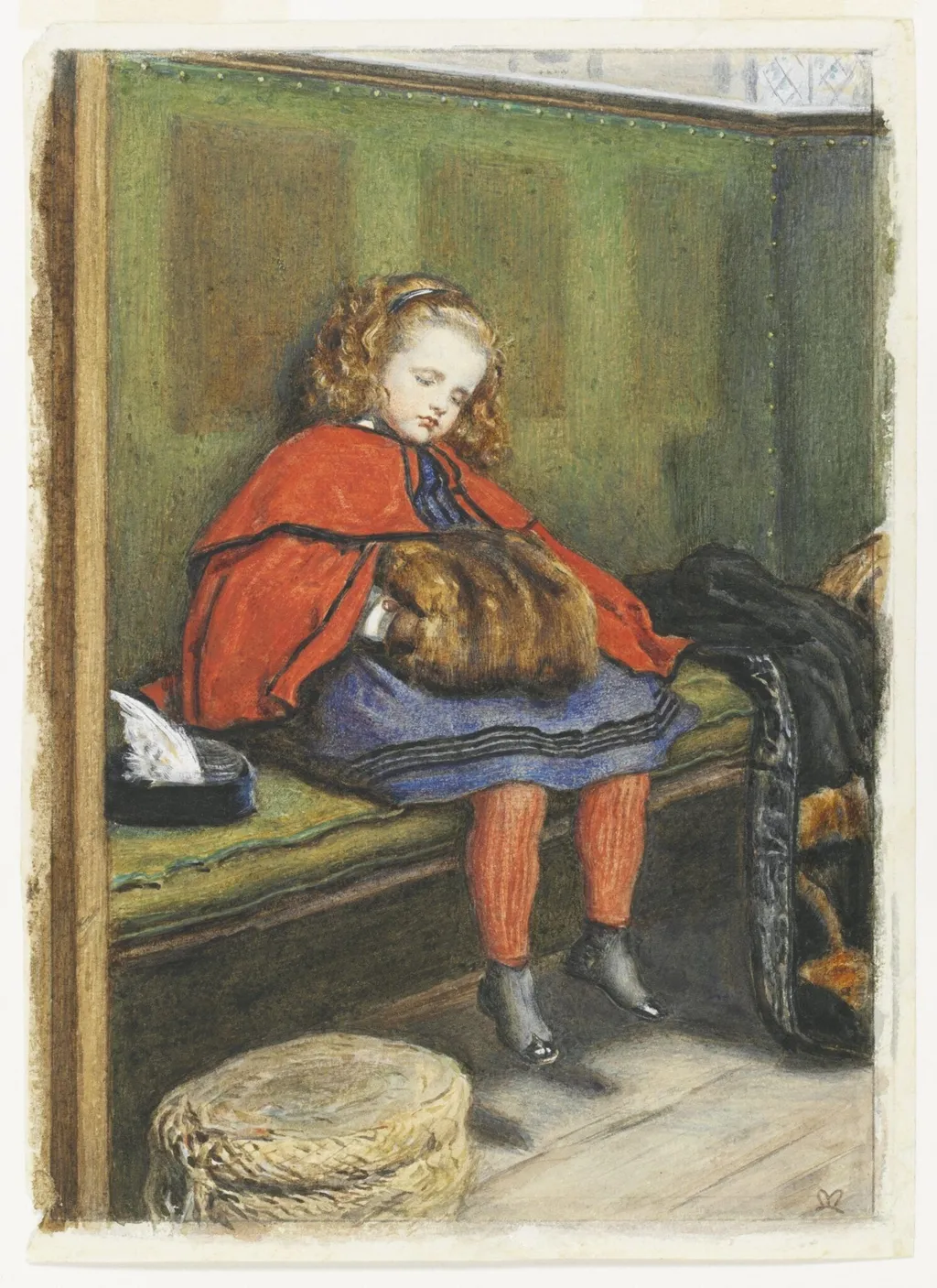
My Second Sermon is a watercolor work on paper by the Impressionist artist John Everett Millais. It dates from 1864 and is held in the collection of the Victoria and Albert Museum.
About this work
Overview
The work was produced shortly after the public acclaim of its predecessor, and Millais used the same familial model to explore evolving emotional states.
My Second Sermon is a watercolour by John Everett Millais, created as a companion piece to his 1863 oil painting My First Sermon. Painted in 1864, it revisits the same child subject in a church setting, reflecting a shift in tone from innocent curiosity to restless distraction. The work was produced shortly after the public acclaim of its predecessor, and Millais used the same familial model to explore evolving emotional states.
Subject & Meaning
The painting depicts a young girl seated in church, her posture slumped and gaze wandering, signaling boredom rather than reverence. Unlike the attentive child in My First Sermon, this figure embodies the fading novelty of religious ritual for a child. The scene subtly critiques lengthy sermons, suggesting that spiritual instruction must engage its audience, particularly the youngest, or risk irrelevance.
Technique & Style
Millais employed watercolour with precision, using delicate washes to render light filtering through stained glass and the soft textures of fabric. The medium allowed for a quieter, more intimate tone than his earlier oil version. His attention to detail in the child’s clothing and the church interior reflects the Realist commitment to observed truth, while the composition directs focus to the girl’s disengaged expression.
History & Provenance
Created in 1864, the watercolour was likely made for private circulation rather than public exhibition. It followed the success of the oil painting shown at the Royal Academy, where audiences responded strongly to the domestic realism of the child’s experience. The work remained in Millais’s possession until his death, later entering a private collection before being acquired by its current holder.
Context
The painting emerged during a period when Victorian society increasingly valued moral and educational clarity in religious practice. Millais’s focus on a child’s reaction aligned with broader cultural debates about the role of sermons and the need for accessible spiritual communication. His choice of a child as subject reflected Realism’s interest in everyday life, particularly the inner lives of ordinary people.
Legacy
My Second Sermon contributed to Millais’s reputation for capturing psychological nuance in domestic scenes. Though less celebrated than his early Pre-Raphaelite works, it remains a quiet example of how Realist artists used intimate moments to comment on social norms. The painting’s enduring interest lies in its unembellished portrayal of childhood attention, and its absence.
Own this work as a print
Artist & collection
Artist
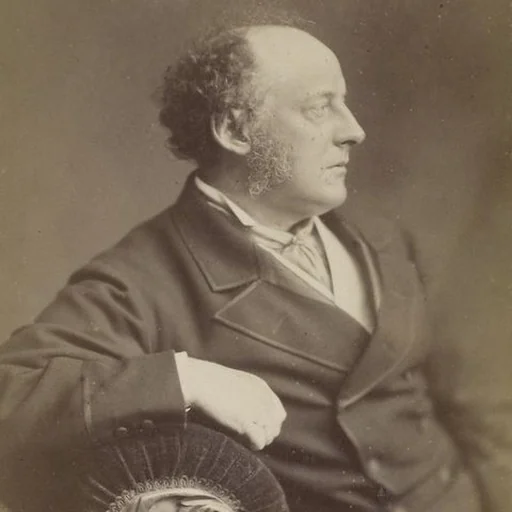
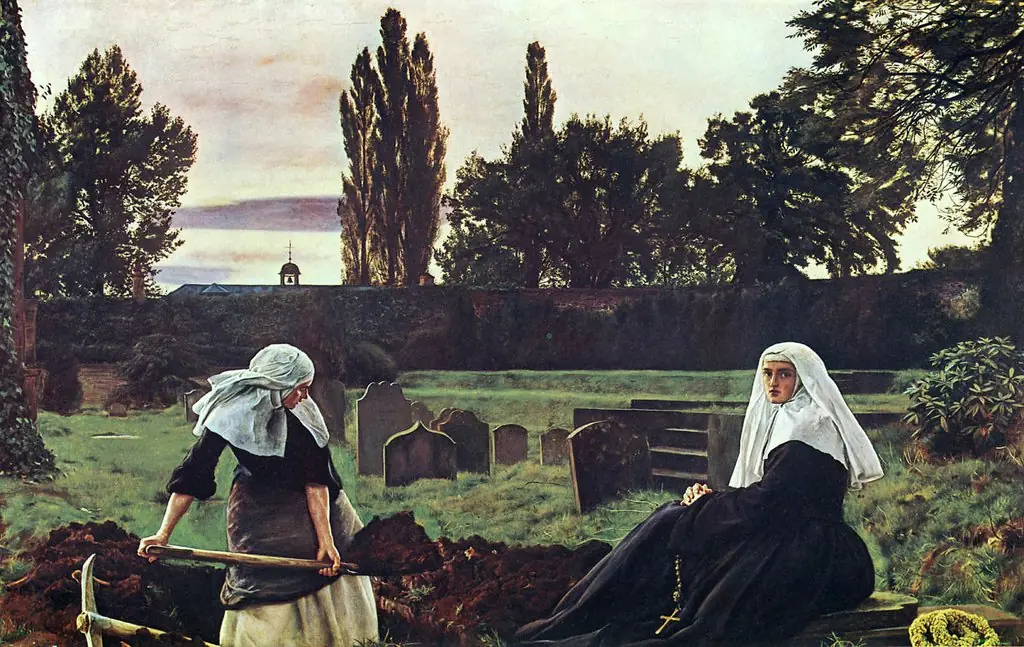
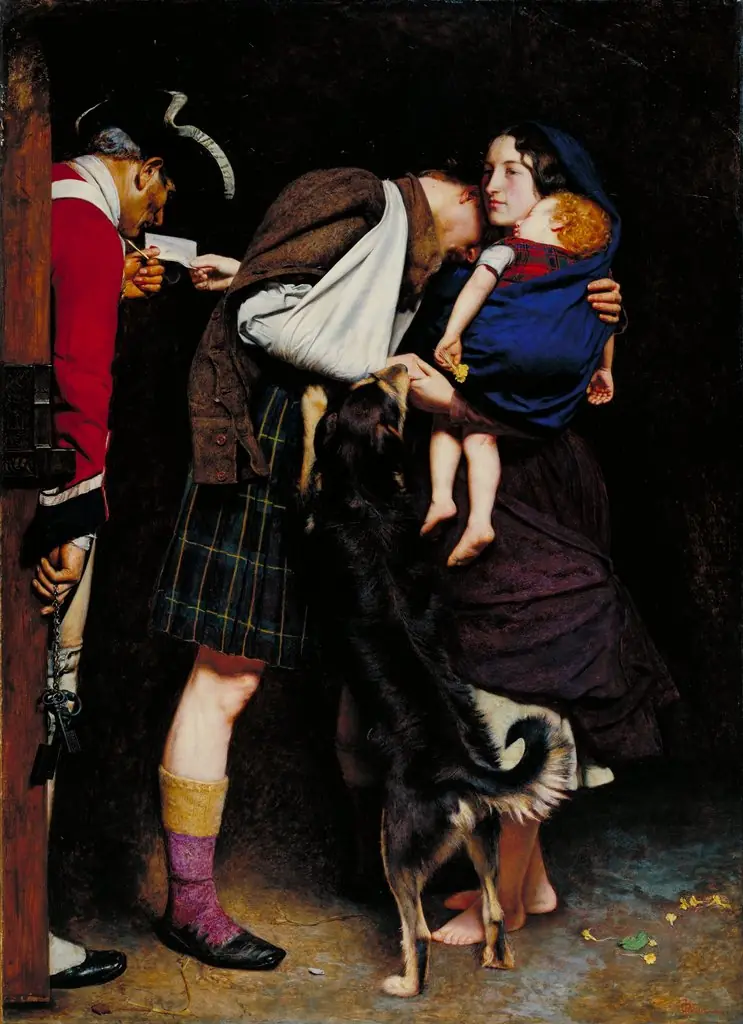
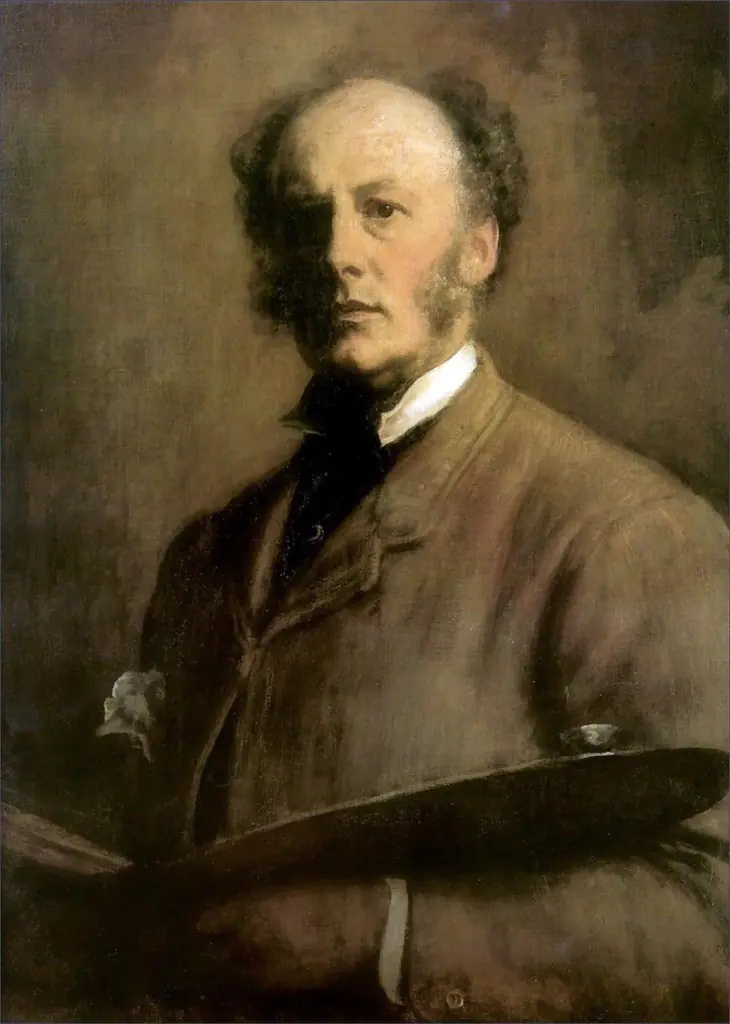
Sir John Everett Millais, 1st Baronet ( MIL-ay; 8 June 1829 – 13 August 1896) was an English painter and illustrator who was one of the founders of the Pre-Raphaelite Brotherhood.

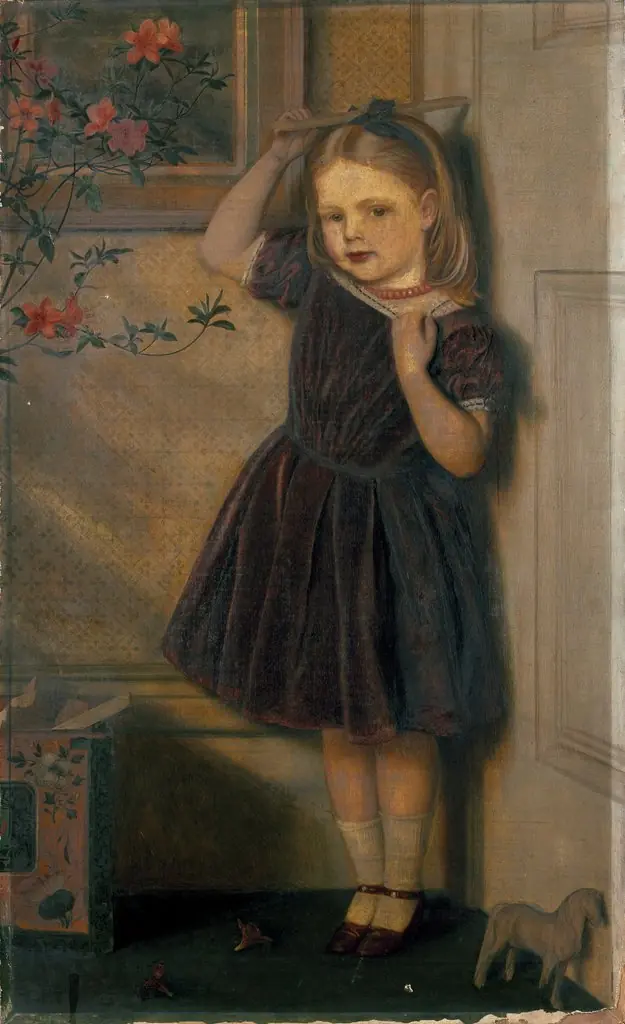 Cecily Ursula, aged three years
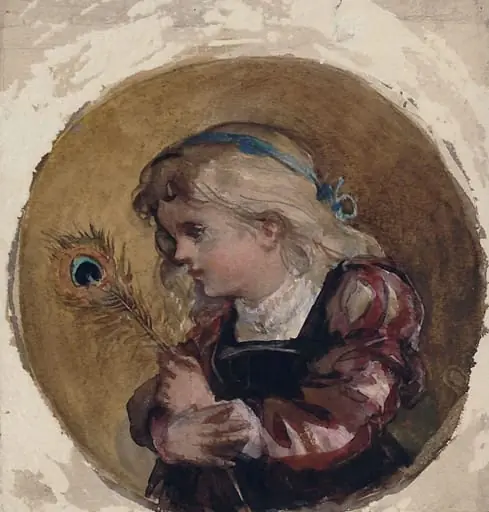 Child with a Peacock Feather
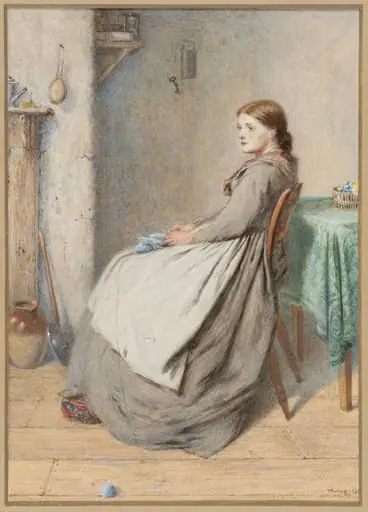 A Day-Dream
![A Young Girl Seated, [perhaps Annie Susan, known as Poppie, the daughter of the artist], by Joseph Clark](https://artifactworldgallery.com/img/joseph-clark--a-young-girl-seated-perhaps-annie-susan-known-as-poppie-the--053607342d92fcb2-w320.webp) A Young Girl Seated, [perhaps Annie Susan, known as Poppie, the daughter of the artist]
A Young Girl Seated, [perhaps Annie Susan, known as Poppie, the daughter of the artist]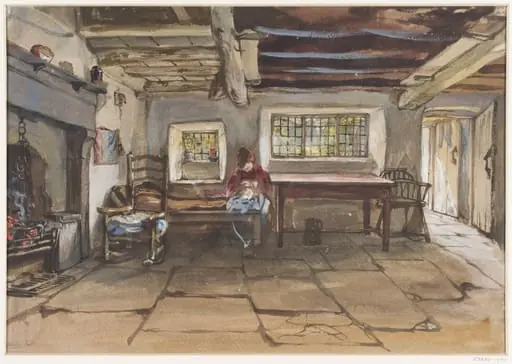 Interior of a cottage
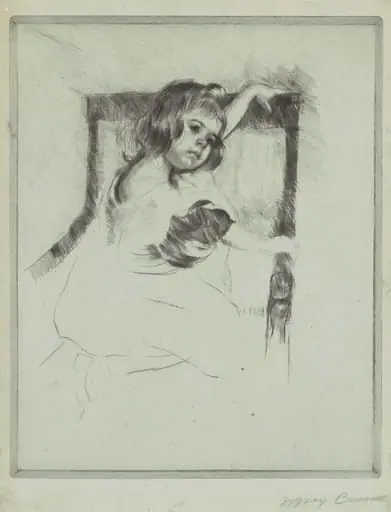 Kneeling in an Armchair
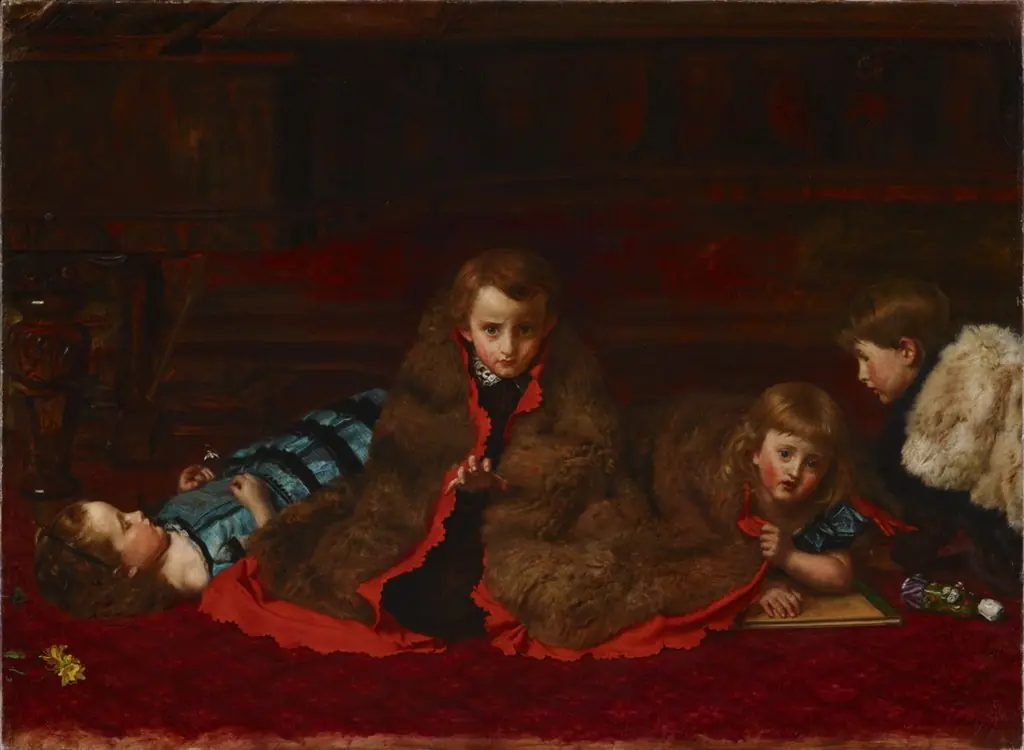 The Wolf’s Den
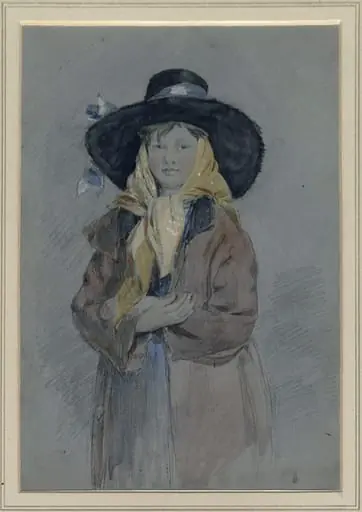 Miss Louisa Oakley
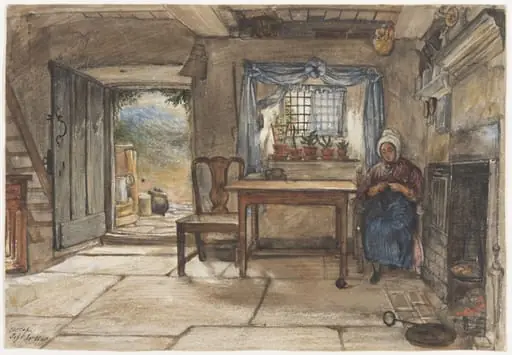 Interior of a cottage at Rievaulx, Yorkshire
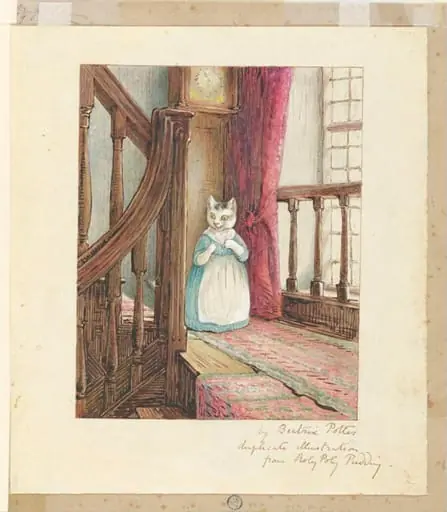 Variant illustration of Mrs. Tabitha Twitchit standing on a staircase landing