Subject
Cat
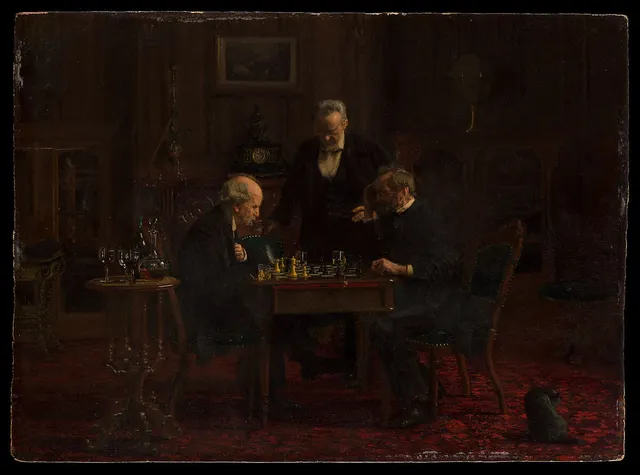
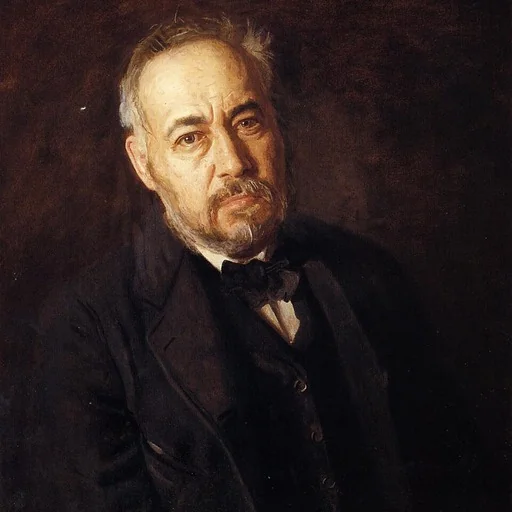
Cat is a subject in art. The gallery holds 101 works in this subject in art, including works by Thomas Eakins, Lodewijk Tieling and John Bradley.
The cat (Felis catus) is among the oldest and most charged of artistic subjects, an animal whose ambivalent character—at once domestic and untamable, affectionate and aloof—has made it a uniquely flexible vehicle for meaning. Its iconography begins in ancient Egypt, where wild cats were drawn into human settlements and gradually domesticated by roughly 2000 BCE. There the cat became sacred to Bastet, the feline-headed goddess of fertility, home, and pleasure, who had evolved from an earlier lioness form as cats grew tame. Egyptian tomb painting and statuary show collared cats seated beneath chairs, while pilgrims left bronze figurines and mummified cats at her temples—not as gods themselves but as vessels of divine energy.
Medieval Europe inverted this reverence. Increasingly linked to witches, lust, and the Devil, the cat became a marker of sin and deceit. The association hardened into a visual convention: in Domenico Ghirlandaio's 1480 Last Supper at San Marco in Florence, a cat crouches on Judas's side of the table, embodying his treachery. Yet the Renaissance also rehabilitated the animal. Leonardo da Vinci filled sheets with studies of cats washing, stretching, and pouncing—his "Study of Cat Movements and Positions" treats them as subjects of anatomical science—and Federico Barocci placed a cat in his "Holy Family with a Cat" (c. 1575) as a benign domestic presence.
Dutch and Flemish genre painting of the seventeenth century made the cat a moralizing prop. In disorderly households it signals misrule, appetite, and sexual license, a warning hidden in plain sight—a tradition exemplified in our collection by Jan Steen's The Dissolute Household, where the prowling cat underscores the chaos of a family abandoning virtue.
The cat reached its fullest celebration in the modern era. Japanese ukiyo-e masters, above all Utagawa Kuniyoshi—whose "Cats Suggested as the Fifty-Three Stations" and feline proverbs reflect a lifelong devotion—rendered cats with wit and economy. In France, Théophile Steinlen made the cat an Art Nouveau emblem with his 1896 Le Chat Noir poster, while Pierre Bonnard, Tsuguharu Foujita, and Balthus turned it into a vessel of intimacy, line, and unease. From sacred idol to moral symbol to beloved modern muse, the cat charts shifting human attitudes as faithfully as any subject in art.
Key artists


Overview
The domestic cat (Felis catus) is one of the most frequently depicted animals in art history, appearing in at least 108 works in the collection under discussion. A small domesticated carnivorous mammal and obligate carnivore, the cat descends from the African wildcat (Felis lybica) and was first domesticated in the Near East around 7500 BCE. Its representation spans genres from portraiture and genre scenes to allegory and satire, reflecting both its practical role as vermin hunter and its evolving status as companion animal. The cat's distinctive physical attributes, retractable claws, acute senses, and flexible body, together with its complex behavioral repertoire of purring, meowing, and body language, have made it a compelling subject for artists across millennia.
Iconography & meaning
Cats in art carry layered and often contradictory symbolism. In ancient Egypt, they were venerated, but in medieval Europe they were diabolized, only regaining status in the eighteenth century. Asian traditions associate cats with luck, wealth, and longevity, exemplified by the Japanese maneki-neko. In Western art, cats frequently embody domesticity, sensuality, or moral warning. Their nocturnal and predatory nature allows them to signify cunning or danger, while their grooming and sleeping habits lend themselves to representations of comfort and intimacy. The cat's retractable claws and hunting prowess make it an apt symbol for latent violence or sexual aggression, as seen in Picasso's disturbing depictions. Conversely, their association with women and domestic interiors has often carried gendered connotations. Franz Marc invested cats with spiritual symbolism, using color to express purity and truth, while for Henriëtte Ronner-Knip they served primarily as subjects of sentimental bourgeois decoration.
Across movements & periods
The treatment of cats in art shifts markedly across periods and cultures. Ancient Egyptian art elevated the cat to divine status, while European medieval imagery often associated it with witchcraft and malevolence. The Renaissance and Baroque periods saw cats integrated into domestic and religious scenes as naturalistic details. Dutch Golden Age painters particularly favored cats in interior scenes, exploiting their symbolic potential for moral commentary. The eighteenth century witnessed a rehabilitation of the cat's image, coinciding with its emergence as a fashionable pet among the bourgeoisie. Nineteenth-century artists like Henriëtte Ronner-Knip specialized in sentimental cat portraiture for wealthy clients. Modernist painters transformed the cat anew: Franz Marc used it to explore color symbolism and spiritual purity, while Picasso exploited its predatory nature to express violence and power. Japanese ukiyo-e artists including Hiroshige II produced bold, minimal depictions that captured the cat's essential character with economical means. Chinese painters like Min Zhen incorporated cats into expressive, individualist works that rejected orthodox conventions.
Notable depictions
Several canonical artists have made the cat central to their work. Louis Wain, the English illustrator who became president of the National Cat Club, created an entire anthropomorphic cat society in his drawings, producing hundreds of works annually over three decades. Franz Marc painted cats in brilliant color during 1911-1912, depicting them sleeping, grooming, or resting on pillows and cloths, using blue for spirituality, yellow for feminine happiness, and red for violence. Picasso's Cat Catching a Bird (1939) explores obsessive violence on the eve of war, while Suzanne Valadon, the first woman admitted to the Société Nationale des Beaux-Arts in 1894, frequently painted her chubby cat Raminou. Marc Chagall used cats to emphasize the fantastic, dreamlike quality of his village scenes. Henriëtte Ronner-Knip constructed a special glass-fronted studio to observe her cat subjects, producing popular sentimental domestic scenes for Victorian bourgeois patrons. Hiroshige II's fan print of a white bobtail cat biting a blue string demonstrates Japanese mastery of minimal, observational depiction. Bart van der Leck, co-founder of De Stijl, moved toward radical abstraction partly through study of classical Egyptian art, suggesting the deep historical roots of feline representation.
Legacy
The cultural afterlife of the cat in art extends into dedicated institutions and continued artistic engagement worldwide. The American Museum of the House Cat, founded by Dr. Harold W. Sims, holds over 5,000 artifacts and has welcomed thousands of visitors since 2017. The KattenKabinet in Amsterdam, established as a tribute to a beloved red tomcat named John Pierpont Morgan, displays works spanning five centuries including pieces by Rembrandt and Picasso. The Cat Museum of San Francisco, founded in 2004, offers educational programs and rotating exhibitions. The Cat Museum in Kuching, Malaysia, contains over 4,000 artifacts in the world's first cat museum. The Maneki Neko Museum in Seto, Japan preserves thousands of beckoning cat figurines. These institutions, alongside exhibitions like the Natural History Museum of Los Angeles County's Fierce! The Story of Cats, demonstrate the enduring public appetite for feline imagery. Contemporary artists continue this tradition, while digital culture has amplified the cat's presence through memes and viral content, extending a representational history that began over nine thousand years ago in the Near East.
Works
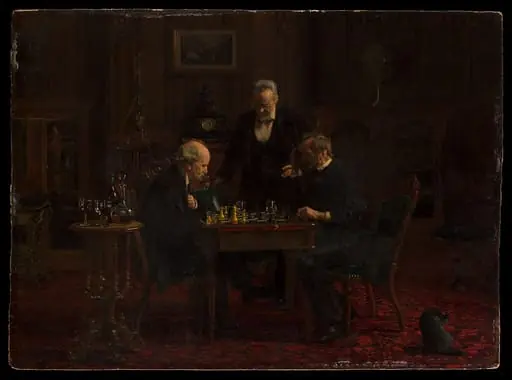 The Chess Players
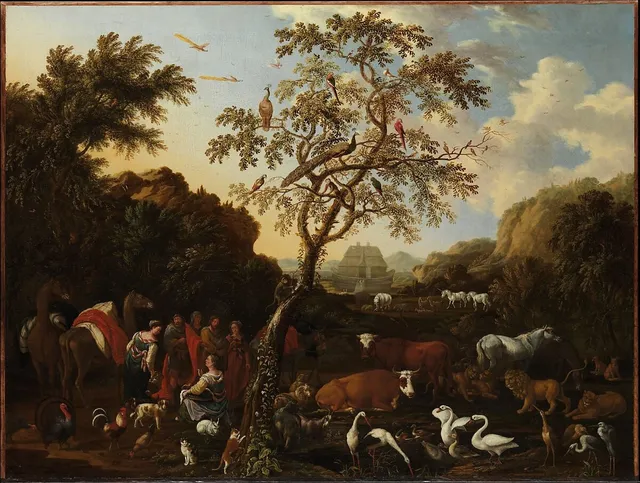
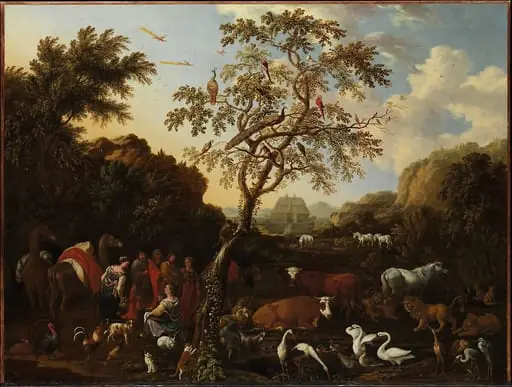 The Ark
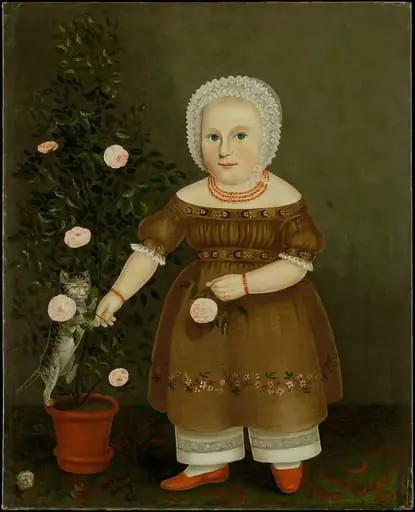 Emma Homan
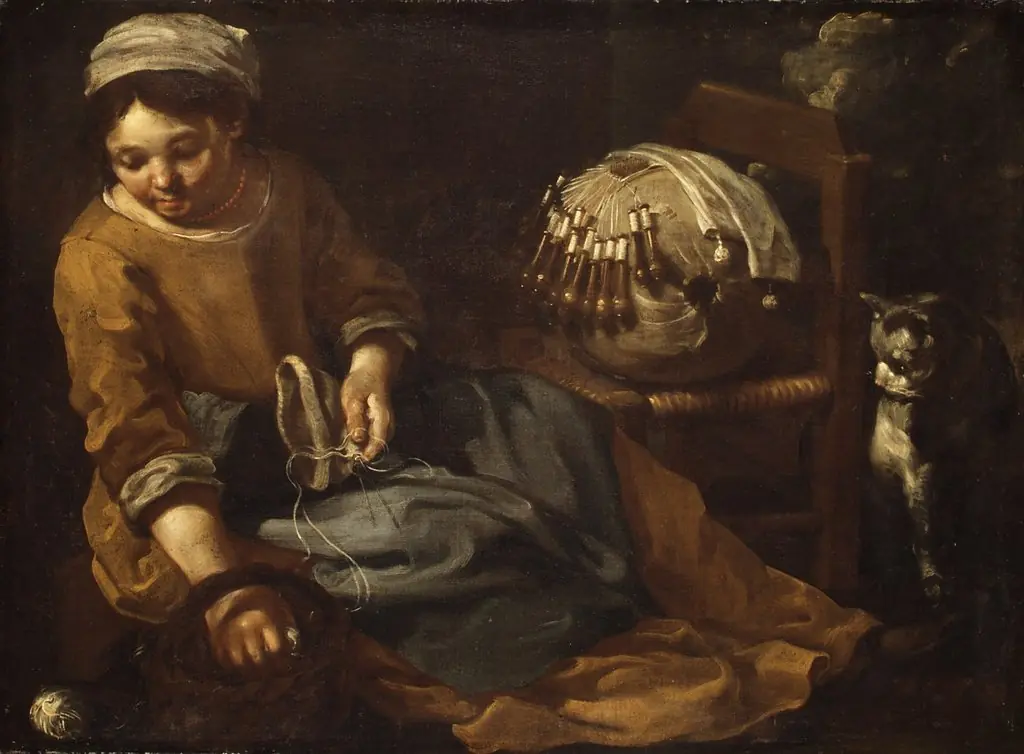 The Lacemaker
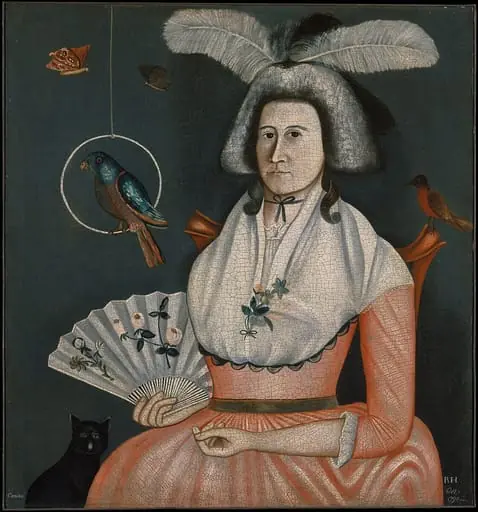 Molly Wales Fobes
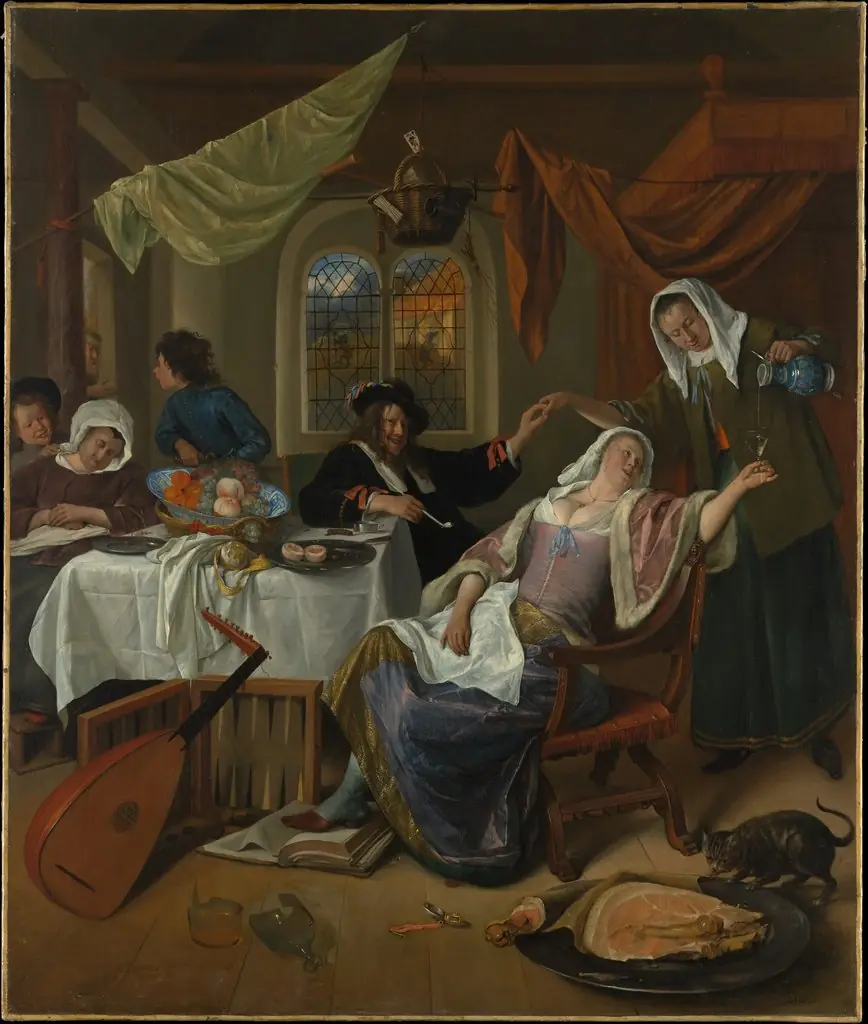 The Dissolute Household
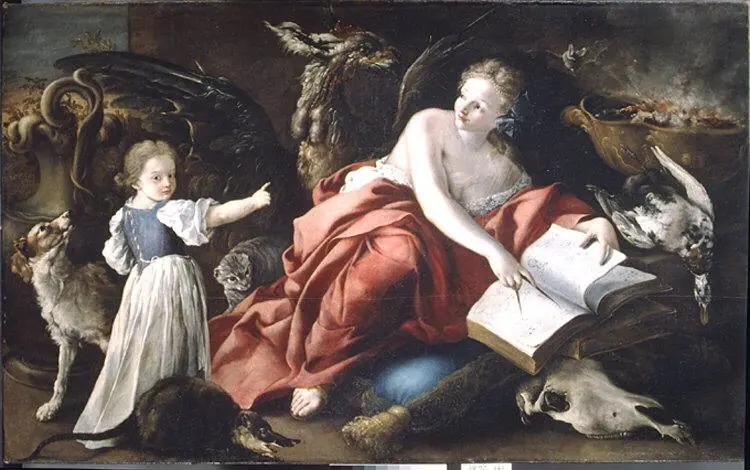 An Allegory
 Fur Traders Descending the Missouri
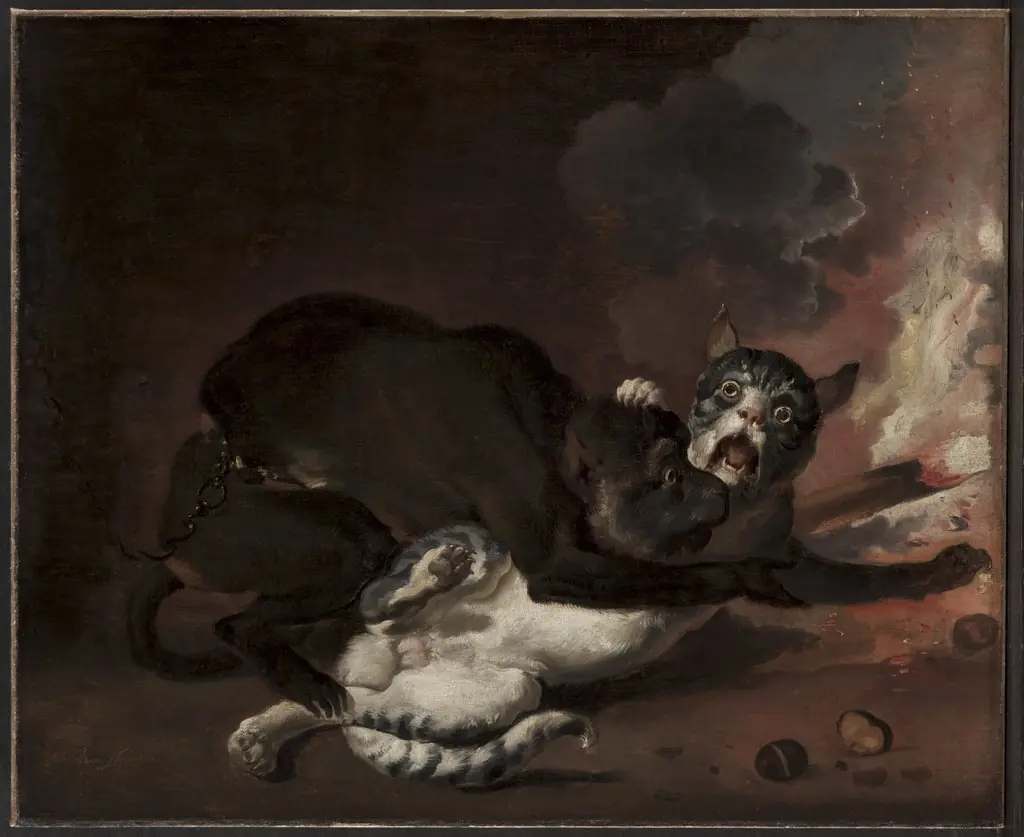 The Monkey and the Cat
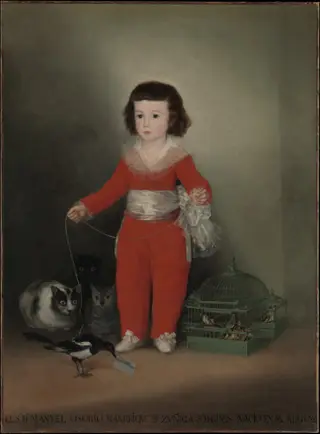 Don Manuel Osorio de Zuniga
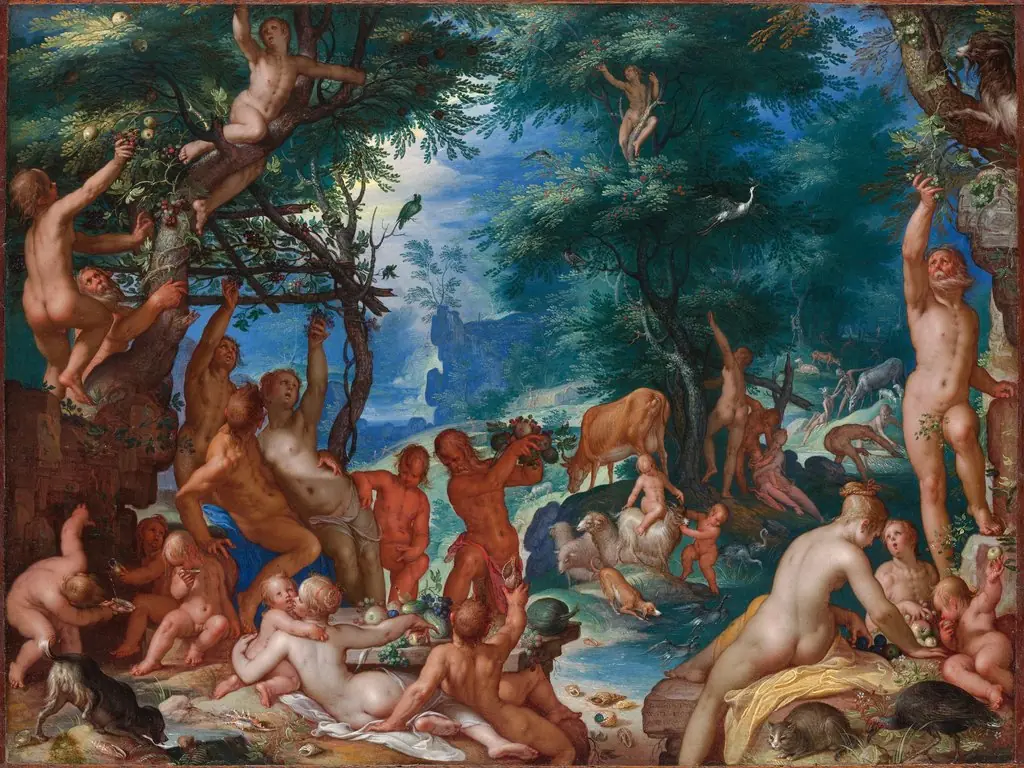 The Golden Age
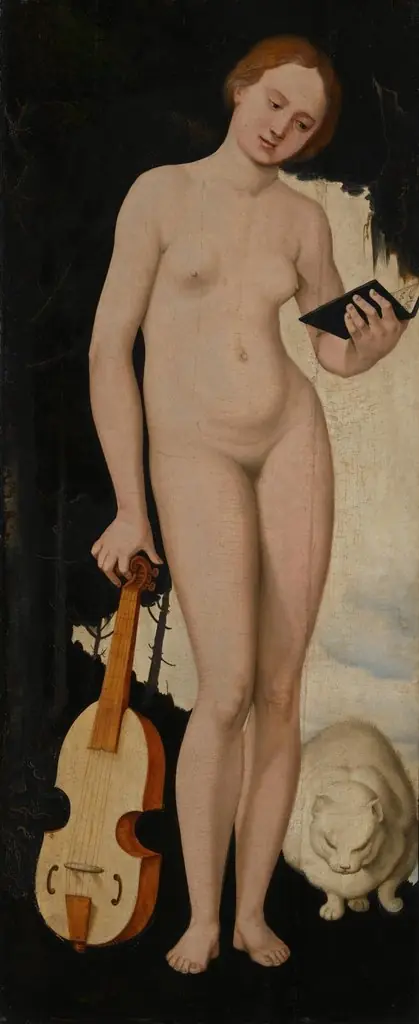 Woman with Cat
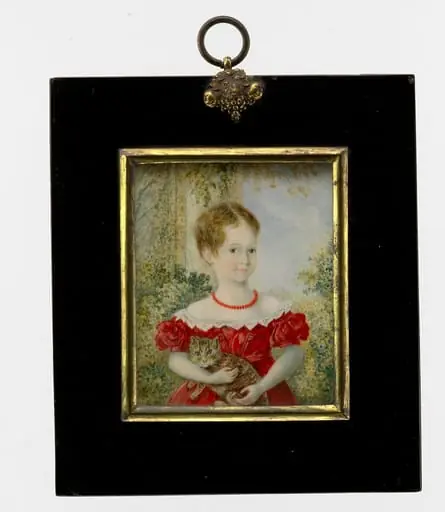 Mrs. Edward Loyd (C. Louisa Foster)
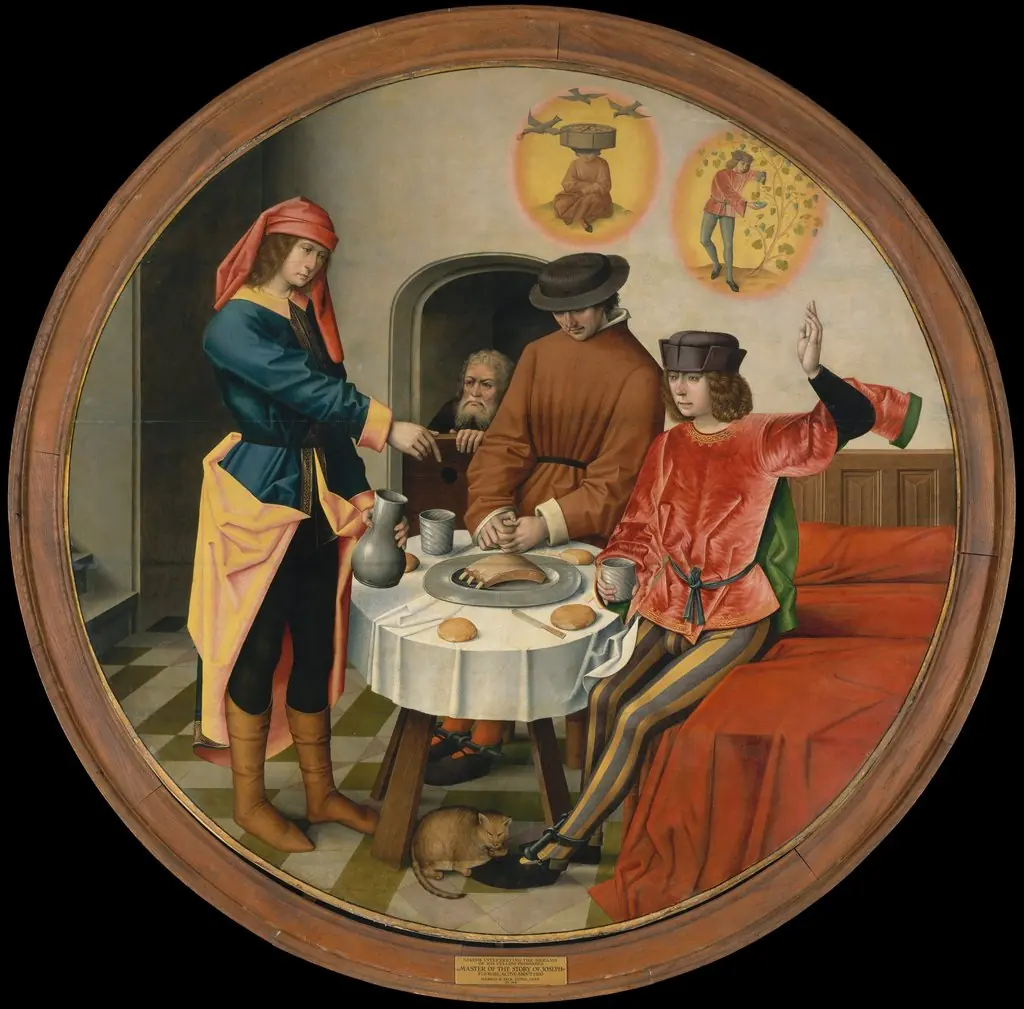 Joseph Interpreting the Dreams of His Fellow Prisoners
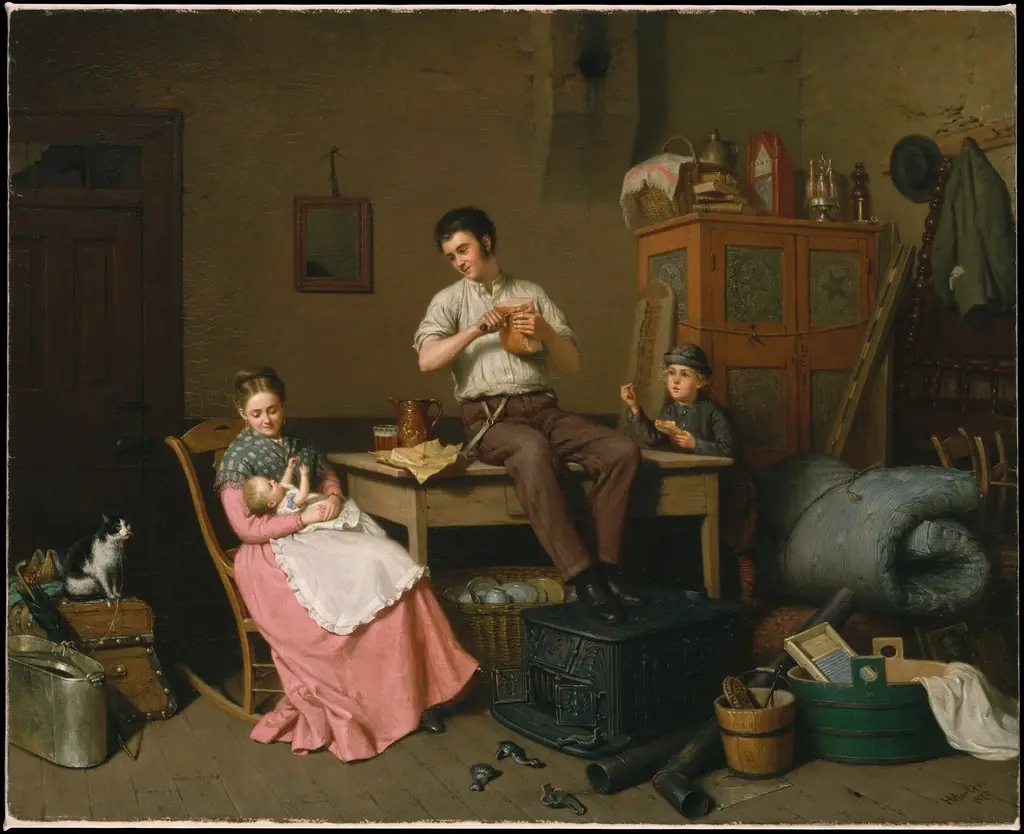 Just Moved
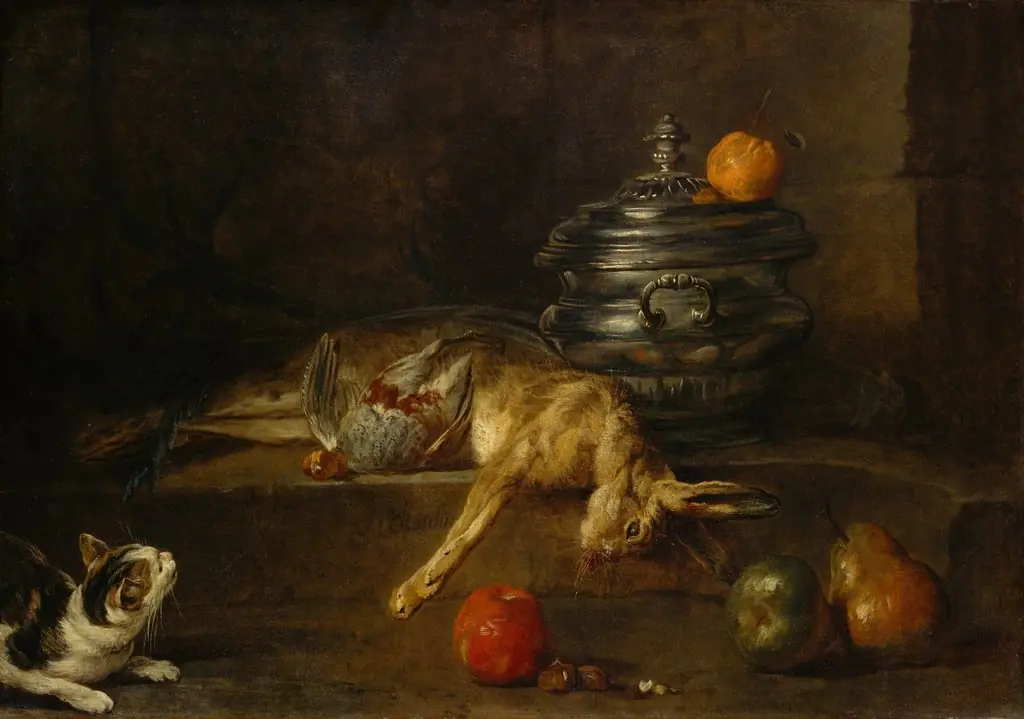 The Silver Tureen
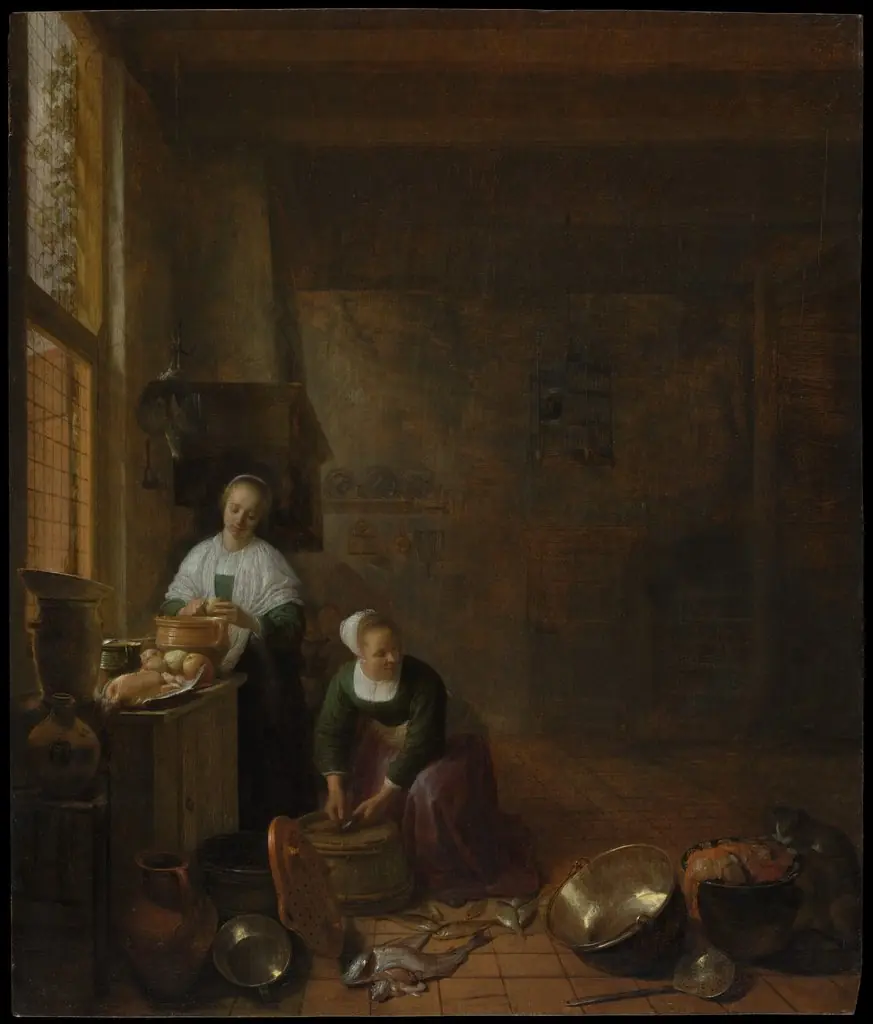 A Kitchen
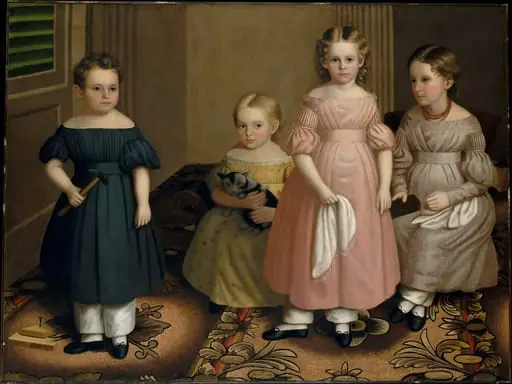 The Alling Children
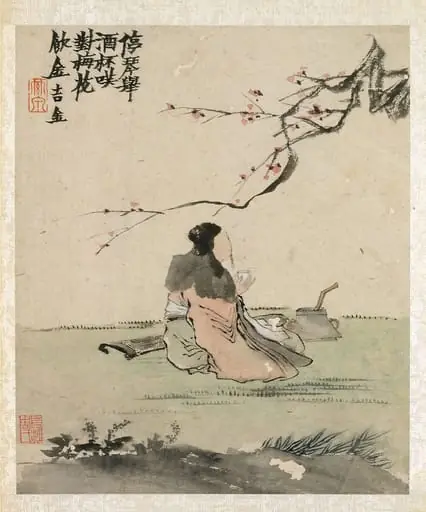 Untitled
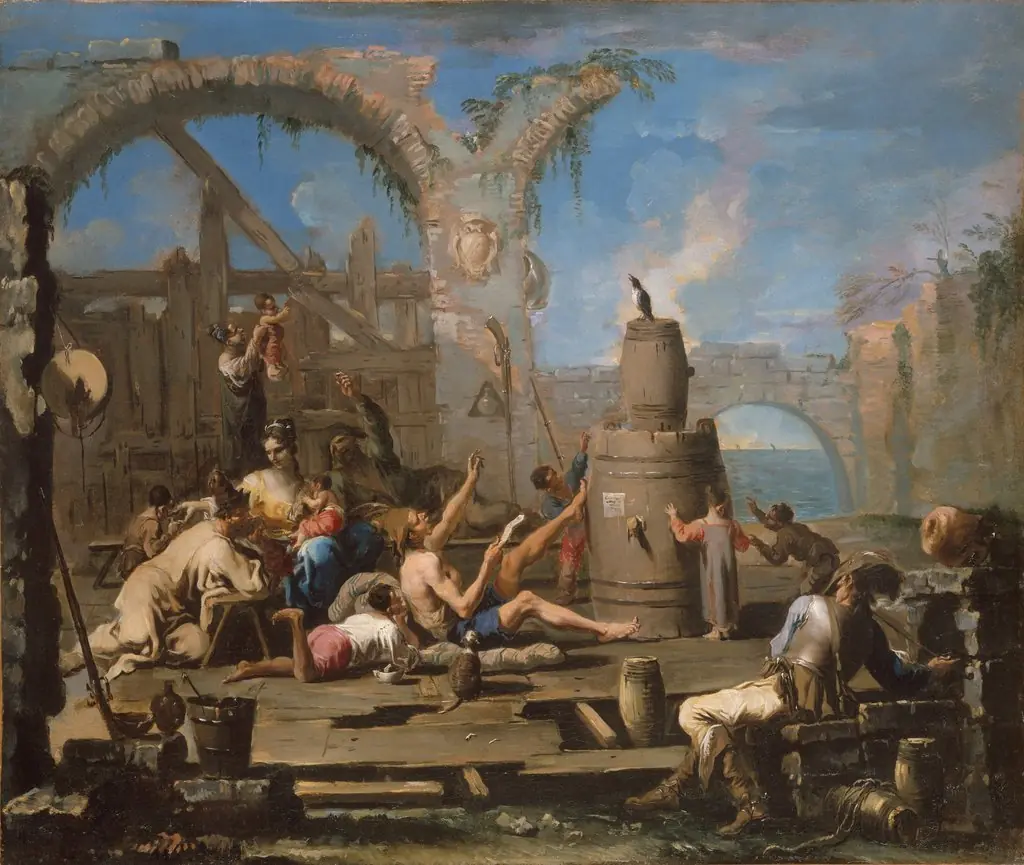 The Tame Magpie
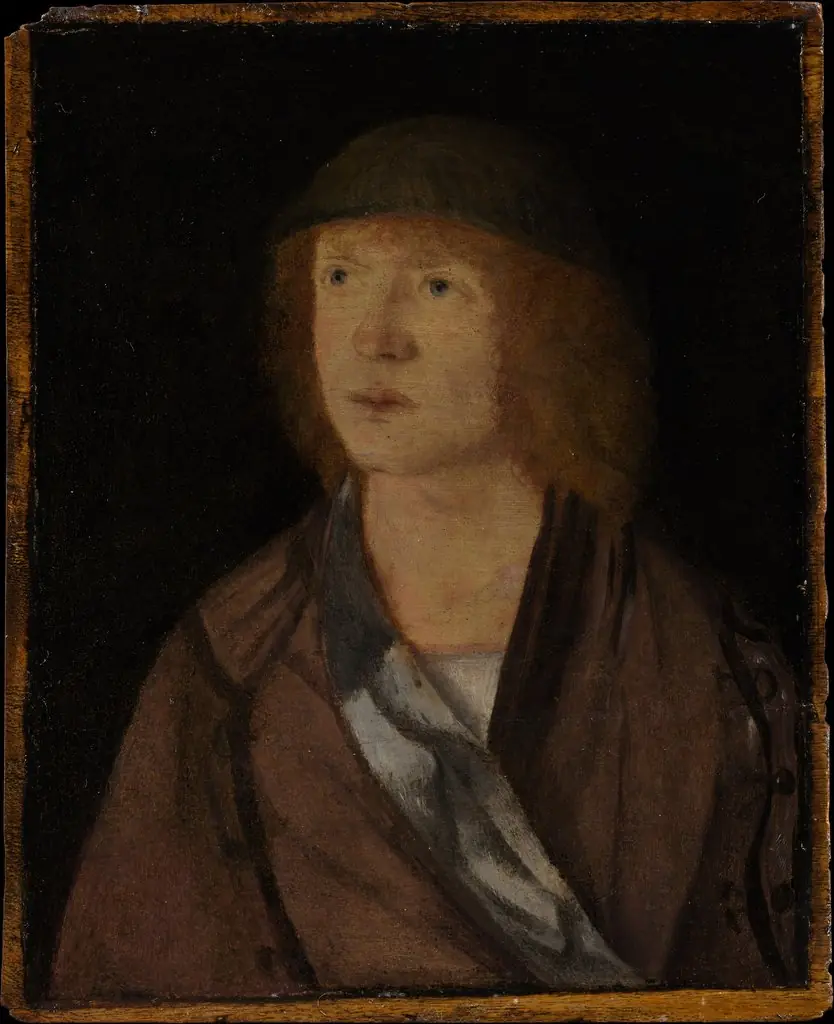 Portrait of a Young Man; (reverse) Girl Making a Garland
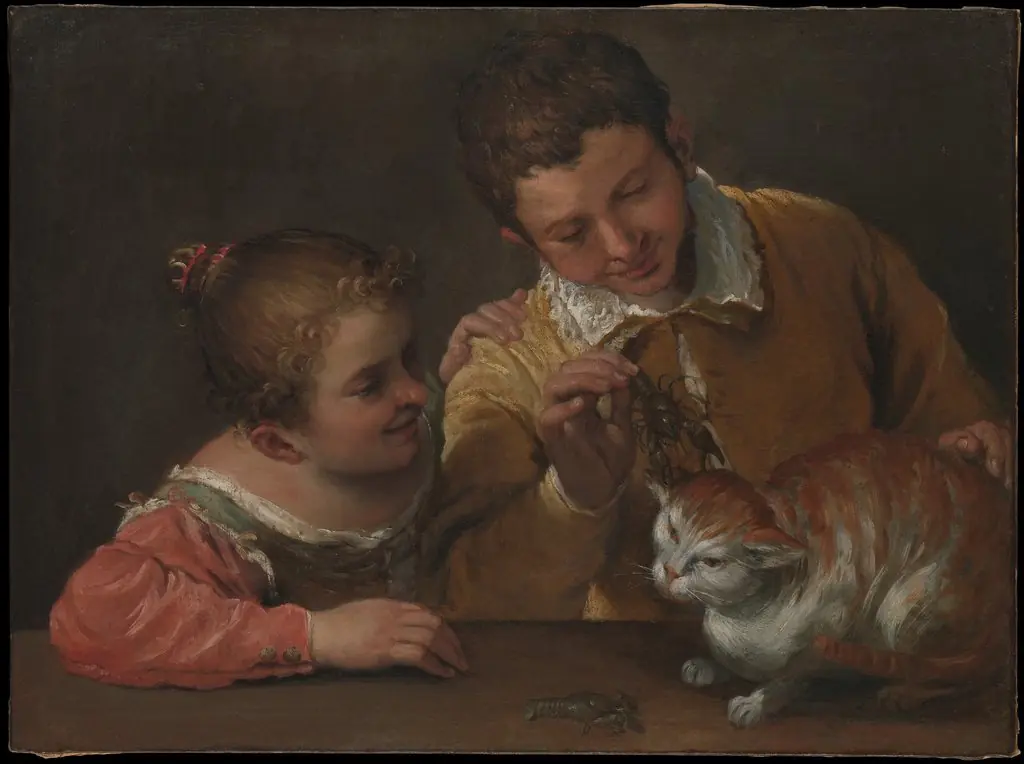 Two children teasing a cat
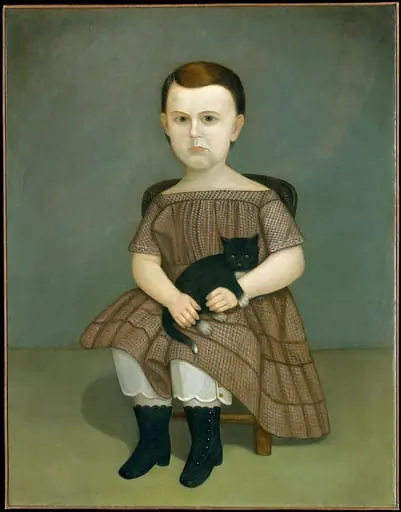 Martha Bartlett with Kitten
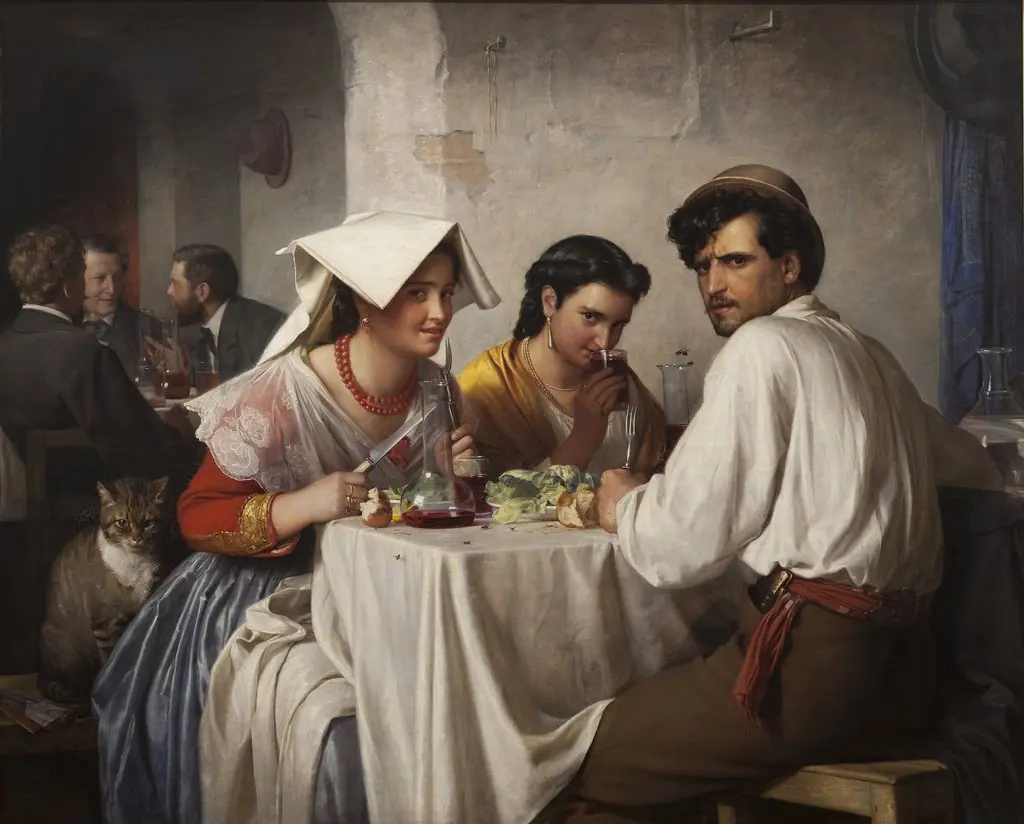 In a Roman Osteria
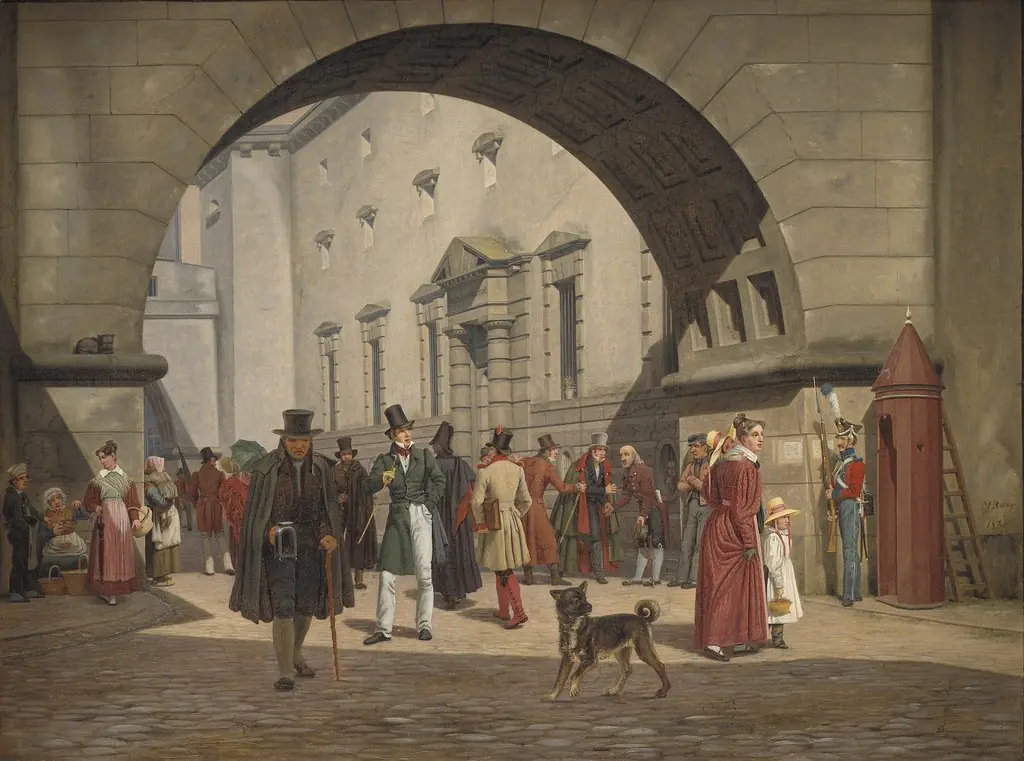 The Prison of Copenhagen
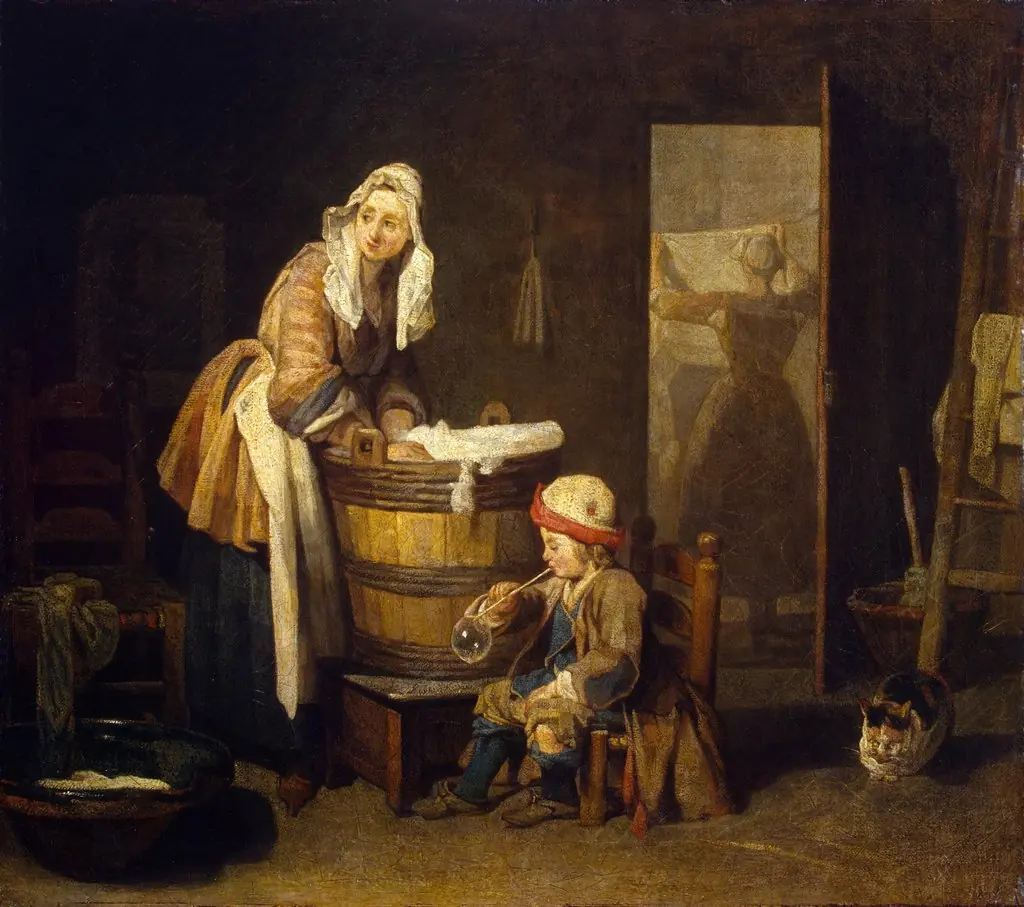 The Laundress
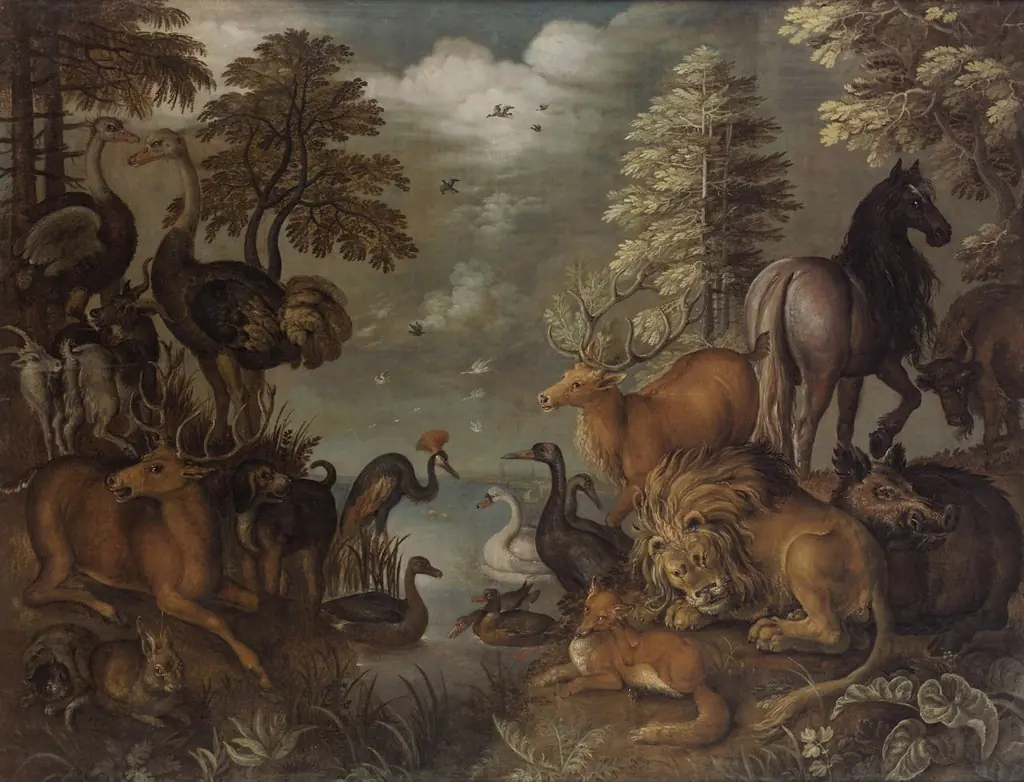 Große Landschaft mit Tieren
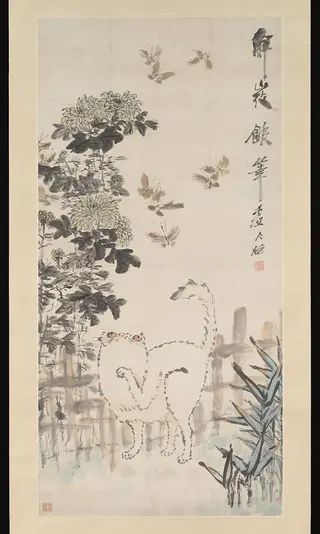 清 虛谷 蝶貓圖 軸|Cat and Butterfly
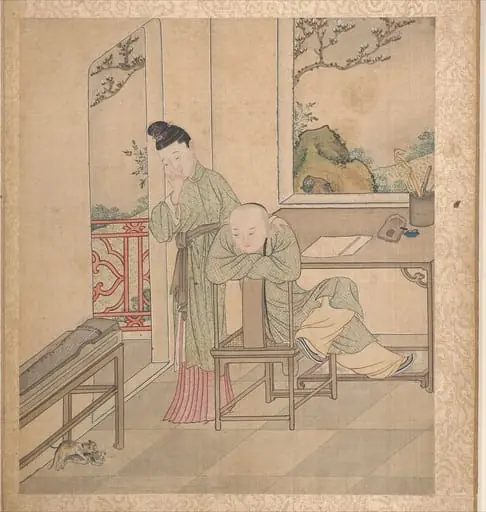 Untitled
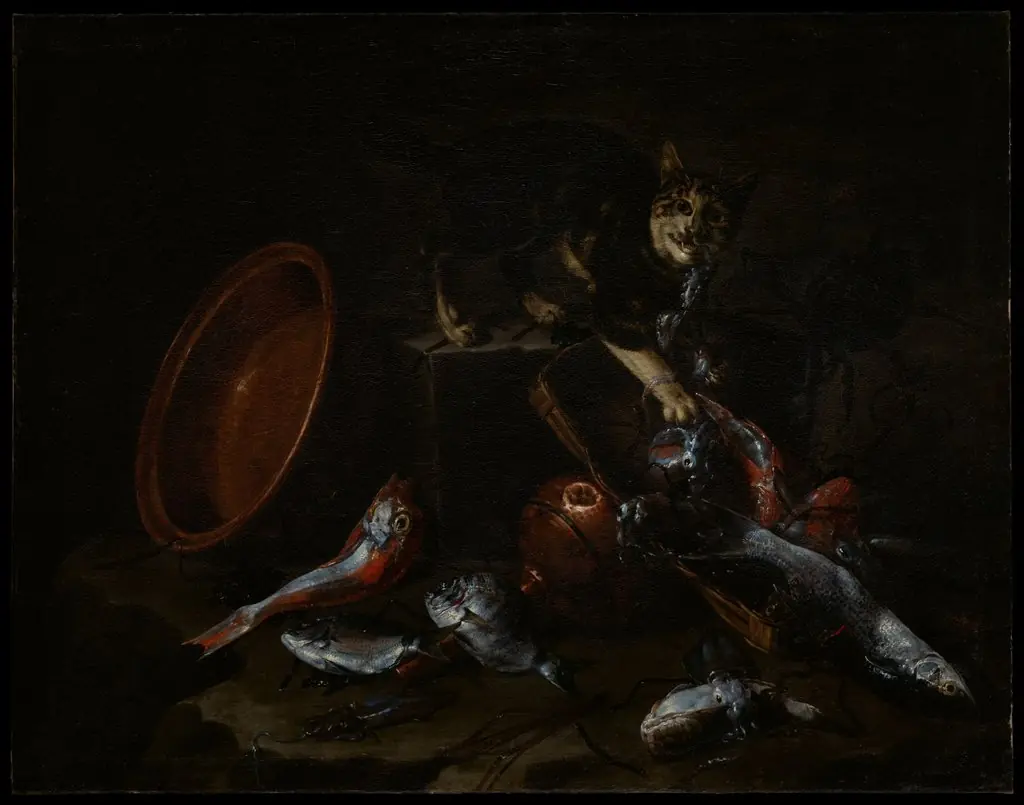 A Cat Stealing Fish
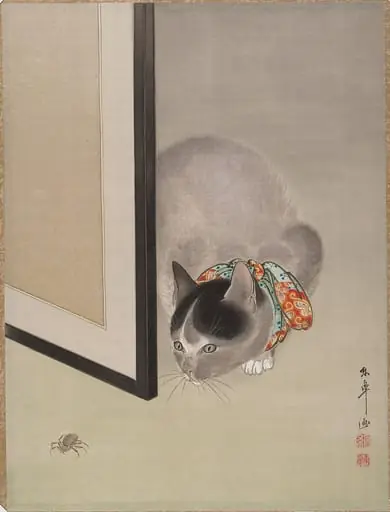 猫に蜘蛛図|Cat Watching a Spider
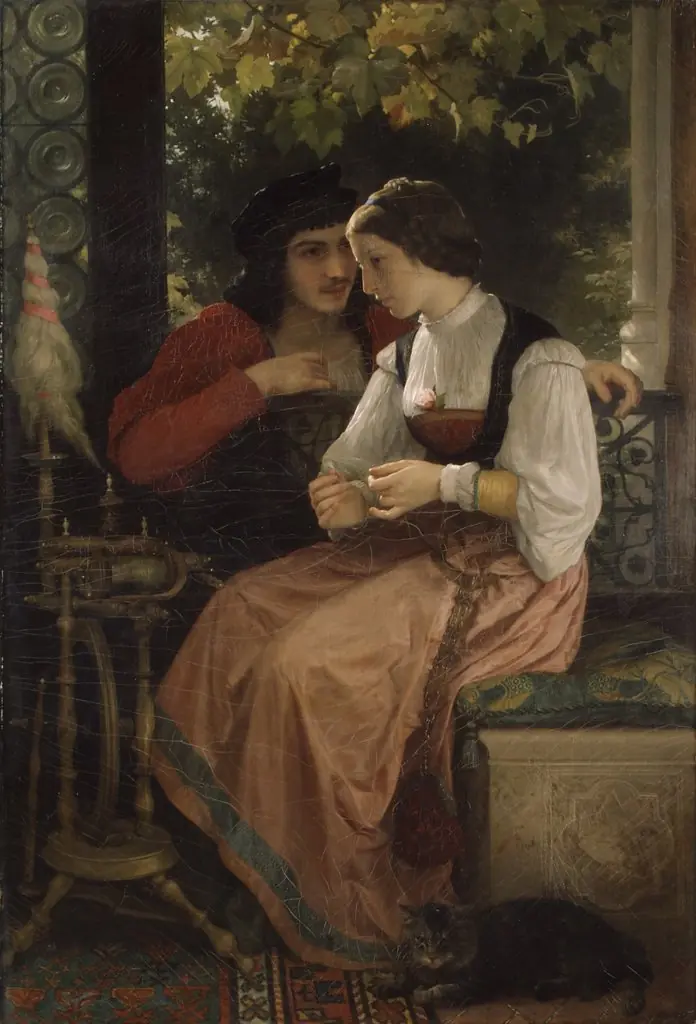 The Proposal
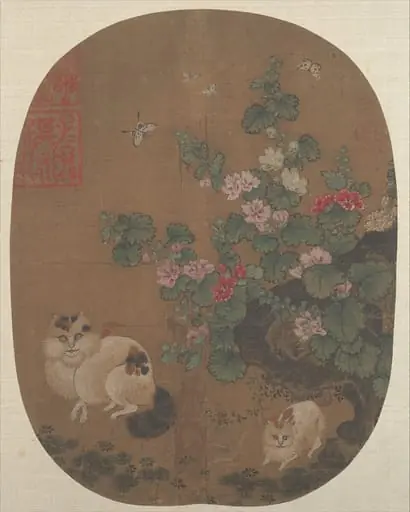 Untitled
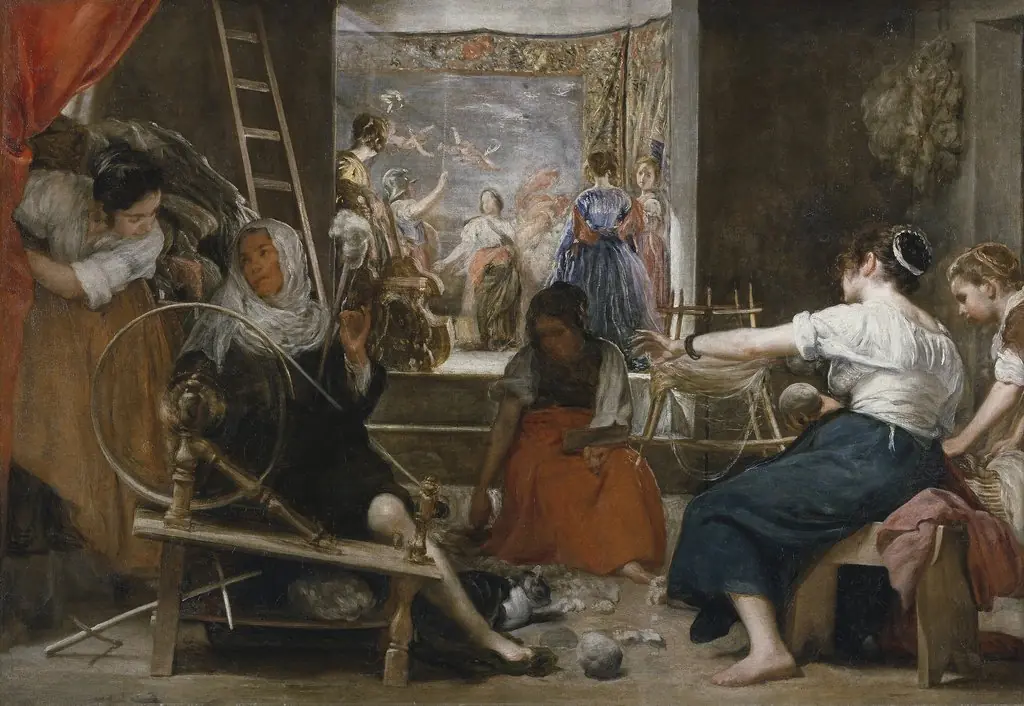 Las Hilanderas
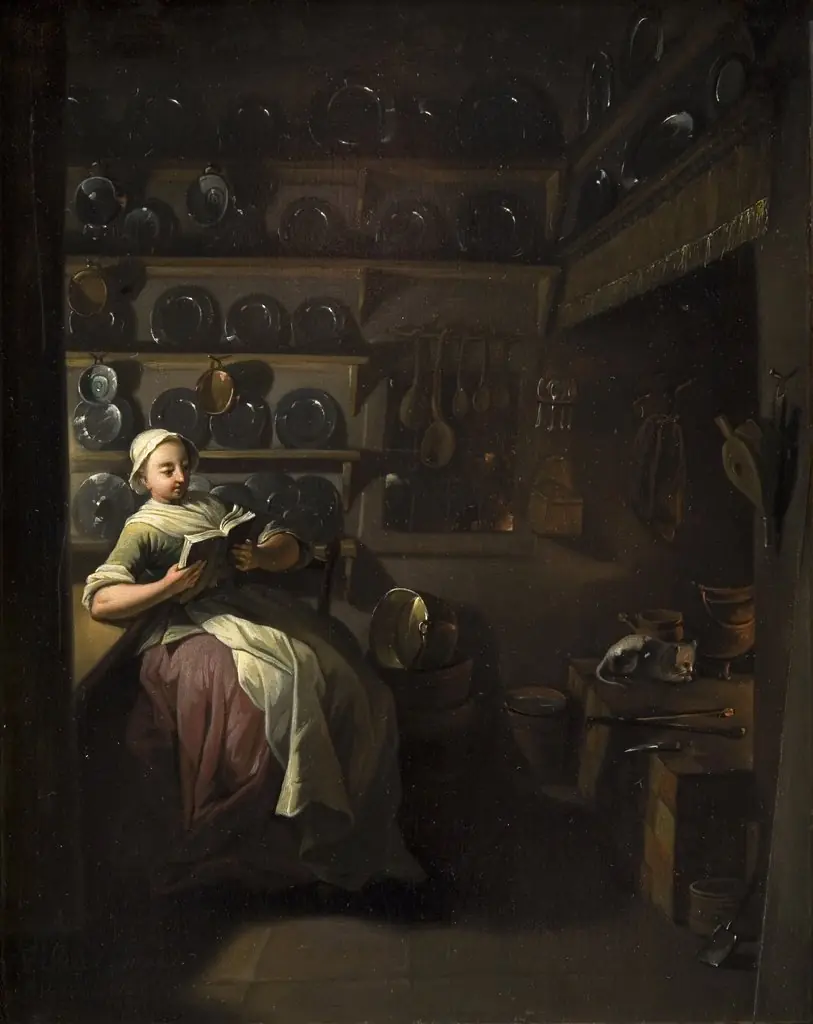 Kitchen Interior with a Girl Reading
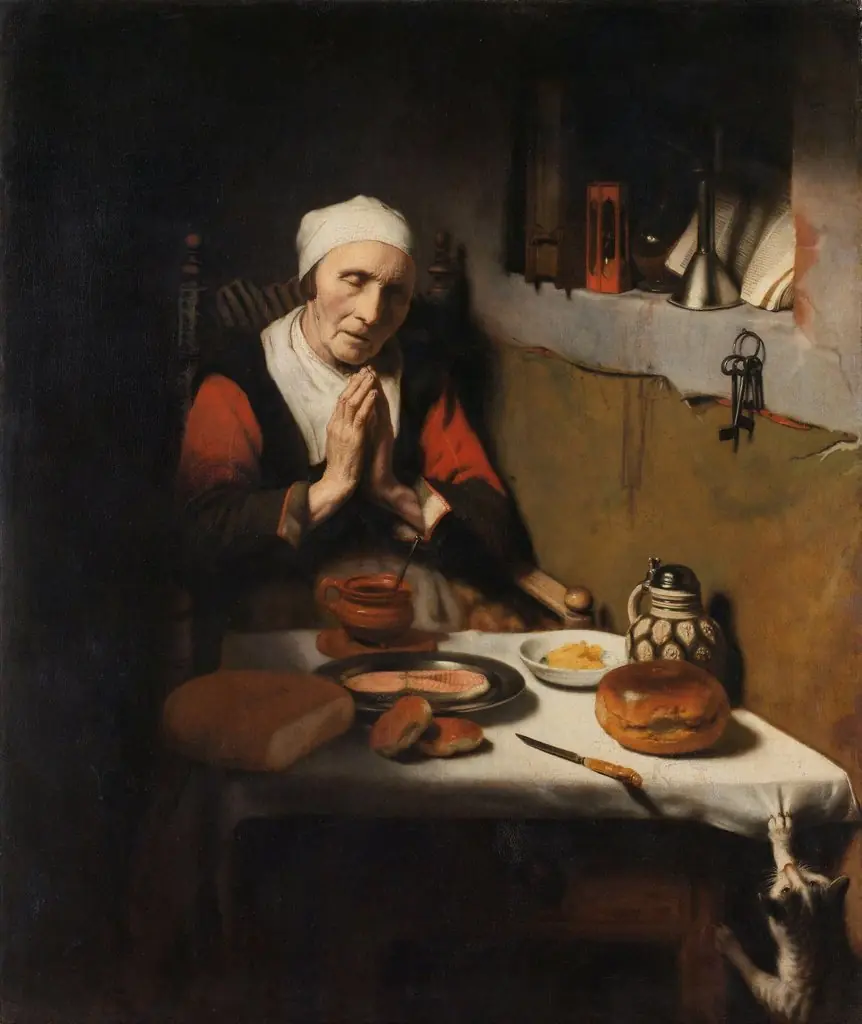 Old Woman Saying Grace, Known as ‘The Prayer without End’
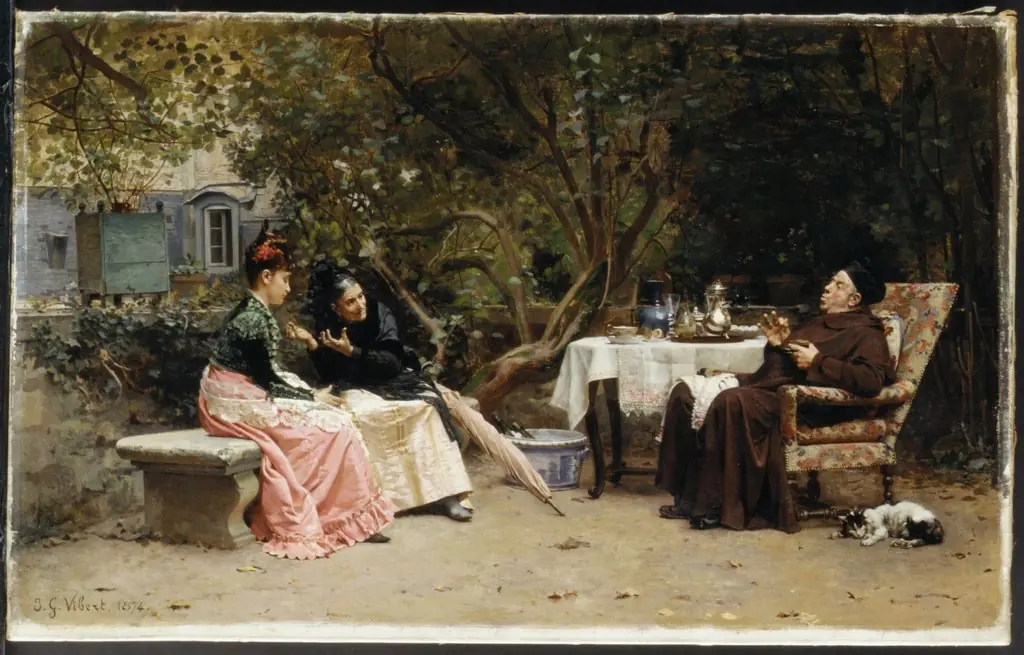 The Reprimand
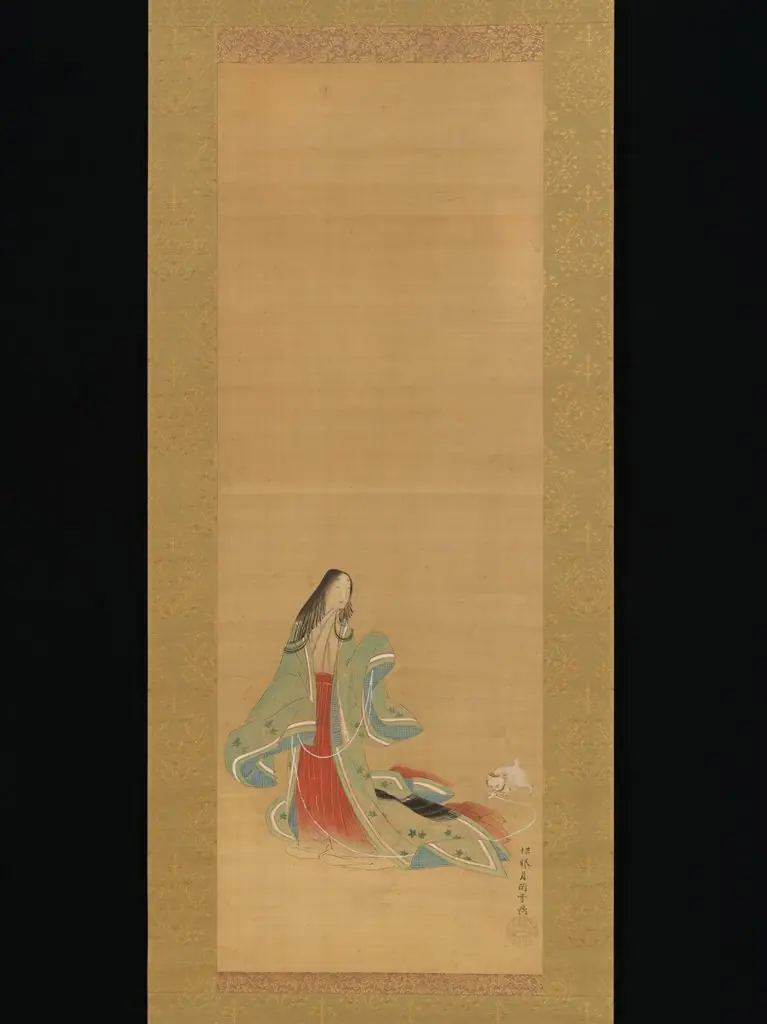 The Third Princess with her Cat, from the "New Herbs I" (Wakana I) chapter The Tale of Genji (Genji monogatari}
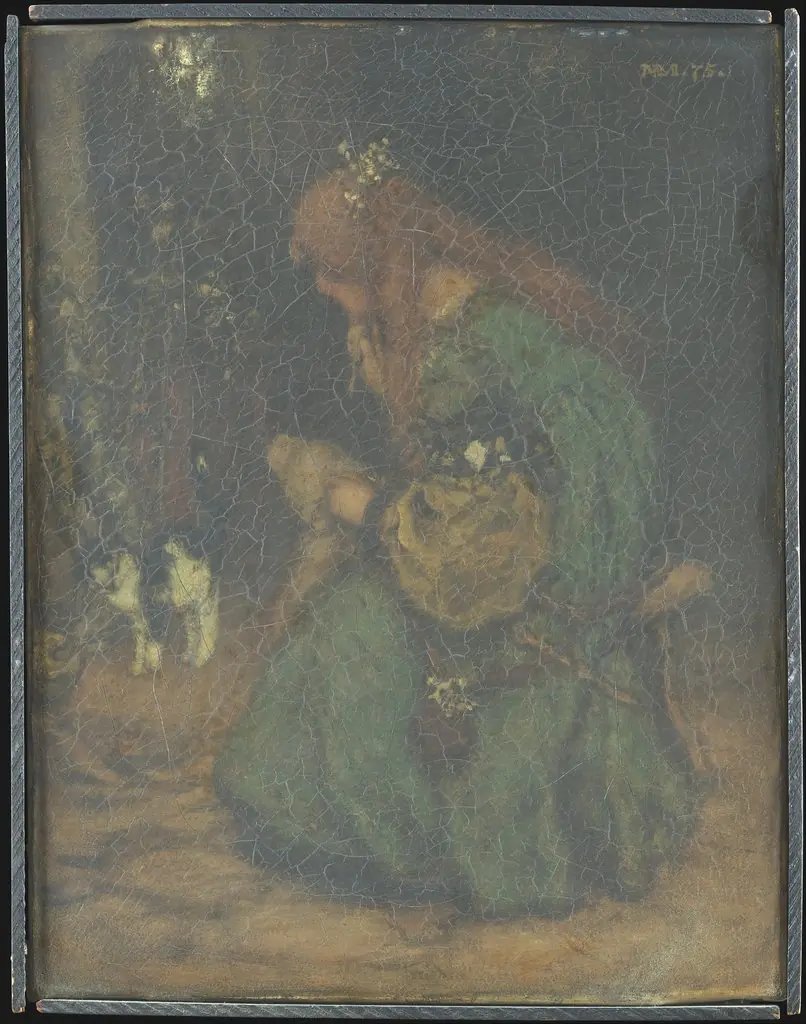 Reverie
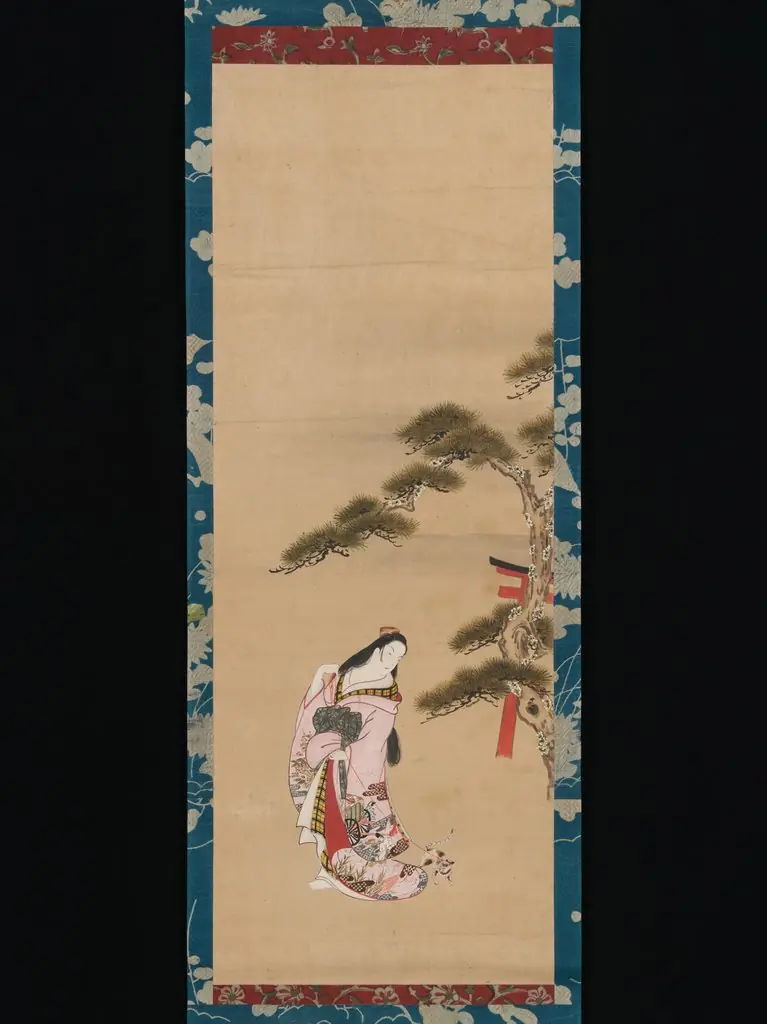 The Third Princess and a Cat, from the "New Herbs I" (Wakana I) chapter The Tale of Genji (Genji monogatari}
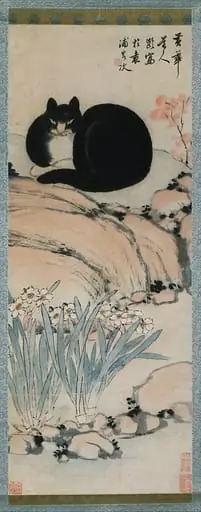 Untitled
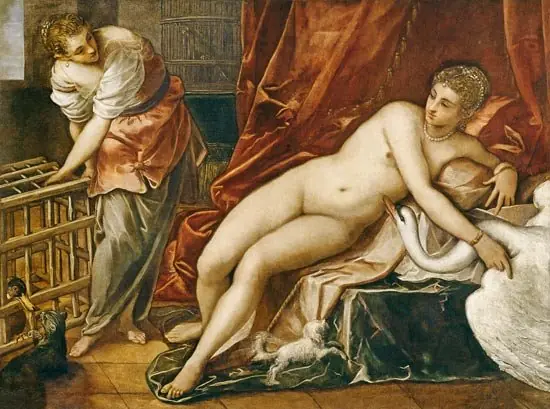 Leda and the Swan
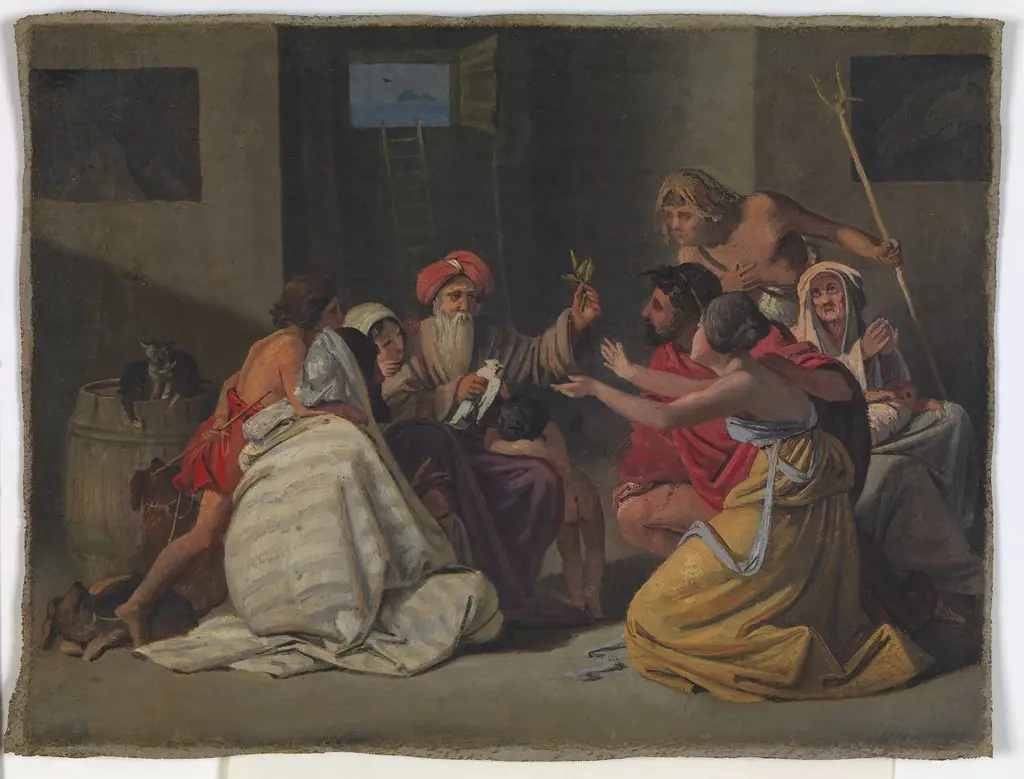 Study for the painting "Noah i arken"
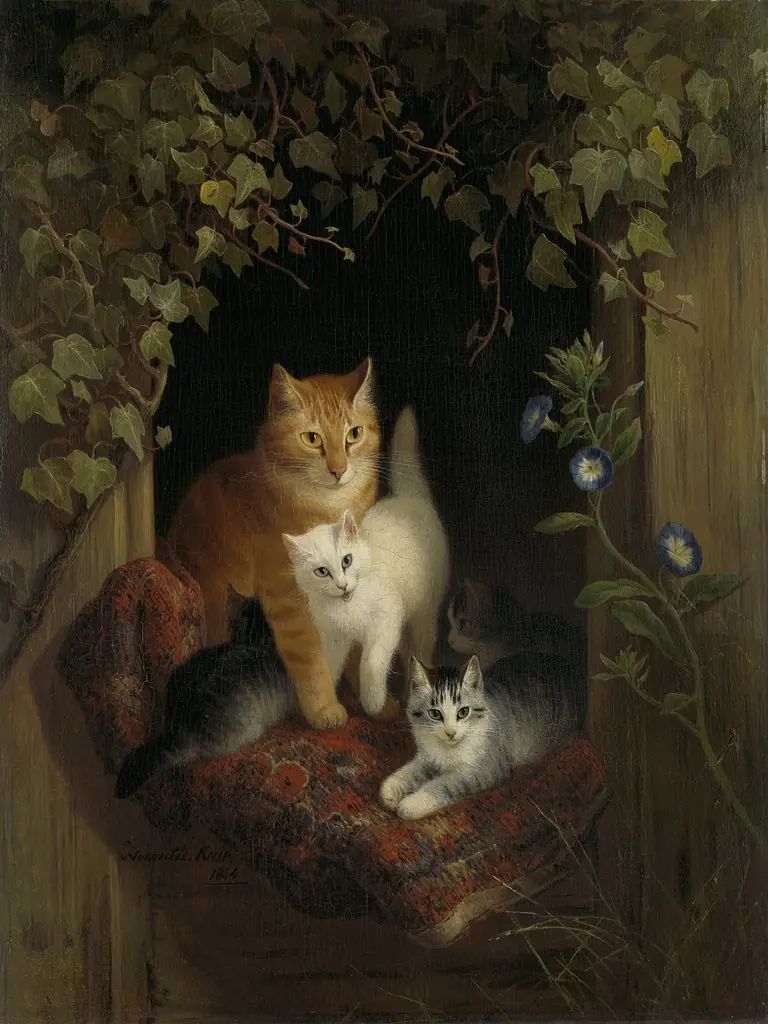 Cat with Kittens
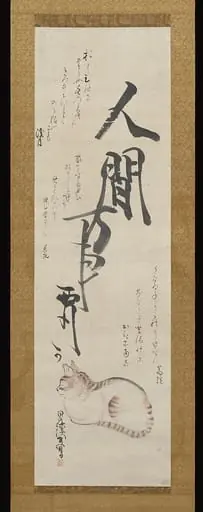 Untitled
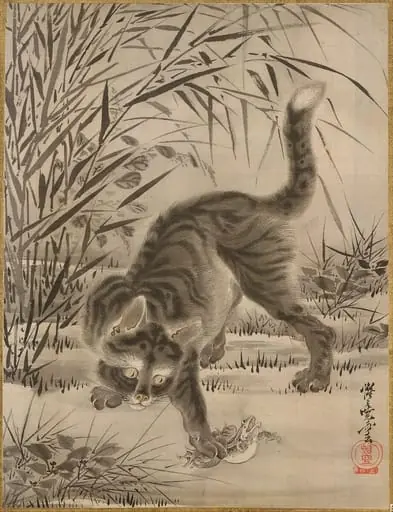 Untitled
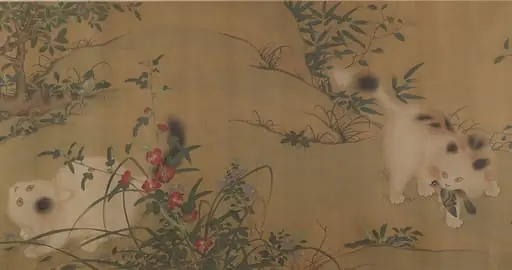 清 佚名 明宣宗(僞款) 唐苑嬉春圖 卷|Spring Play in a Tang Garden
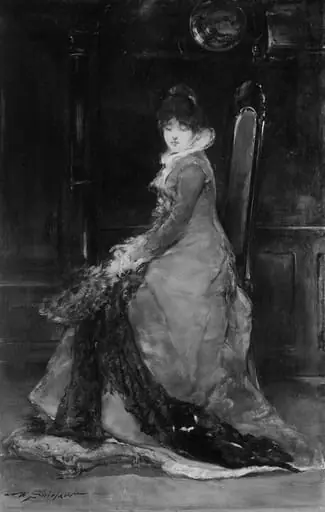 In Mischief
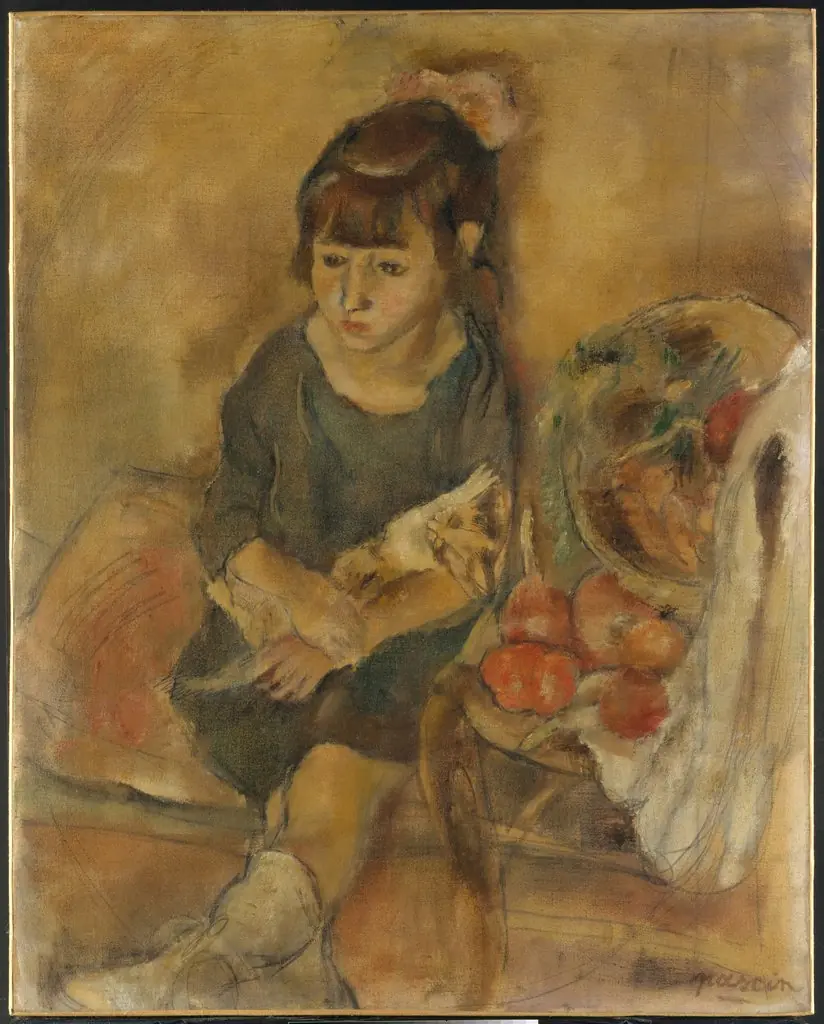 Girl with a Kitten
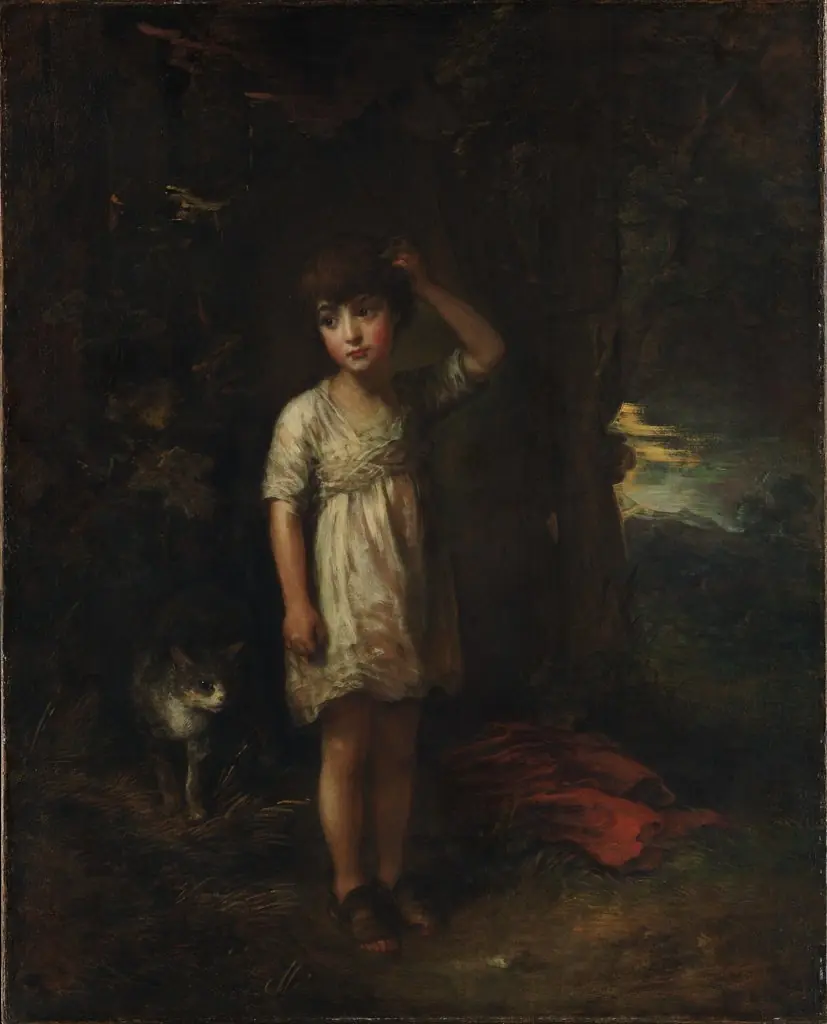 A Boy with a Cat—Morning
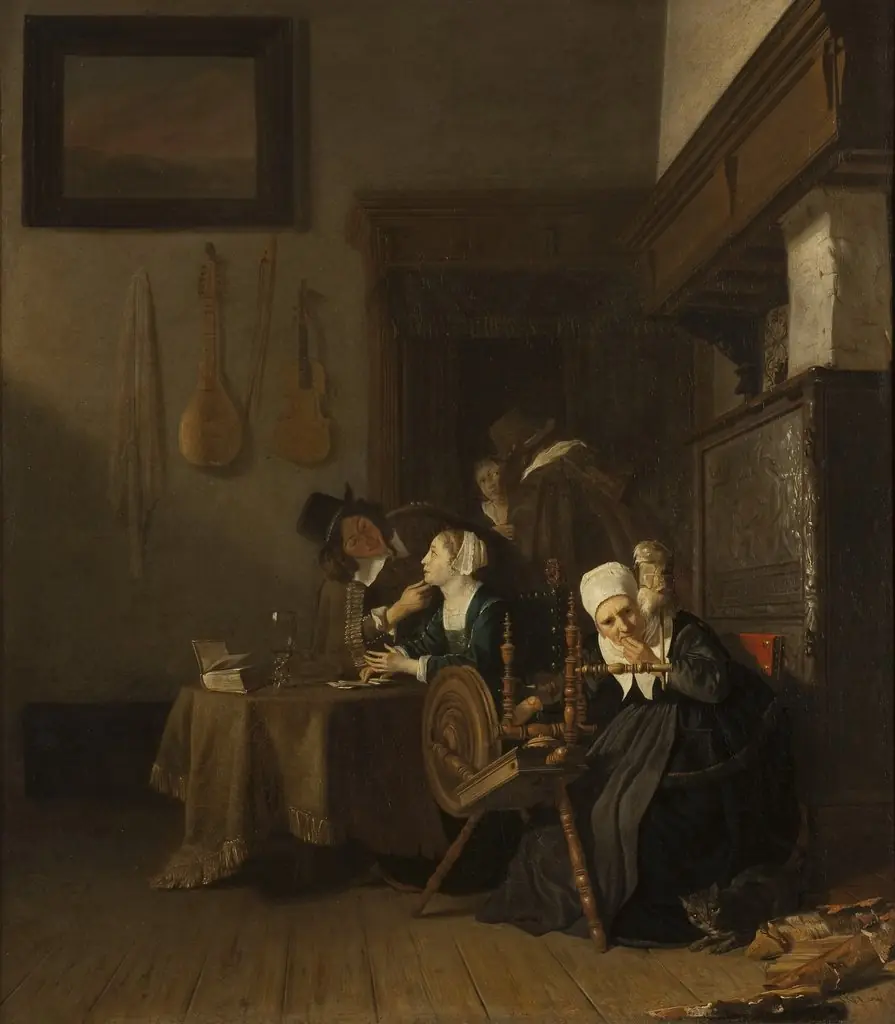 Indulgent Old Lady
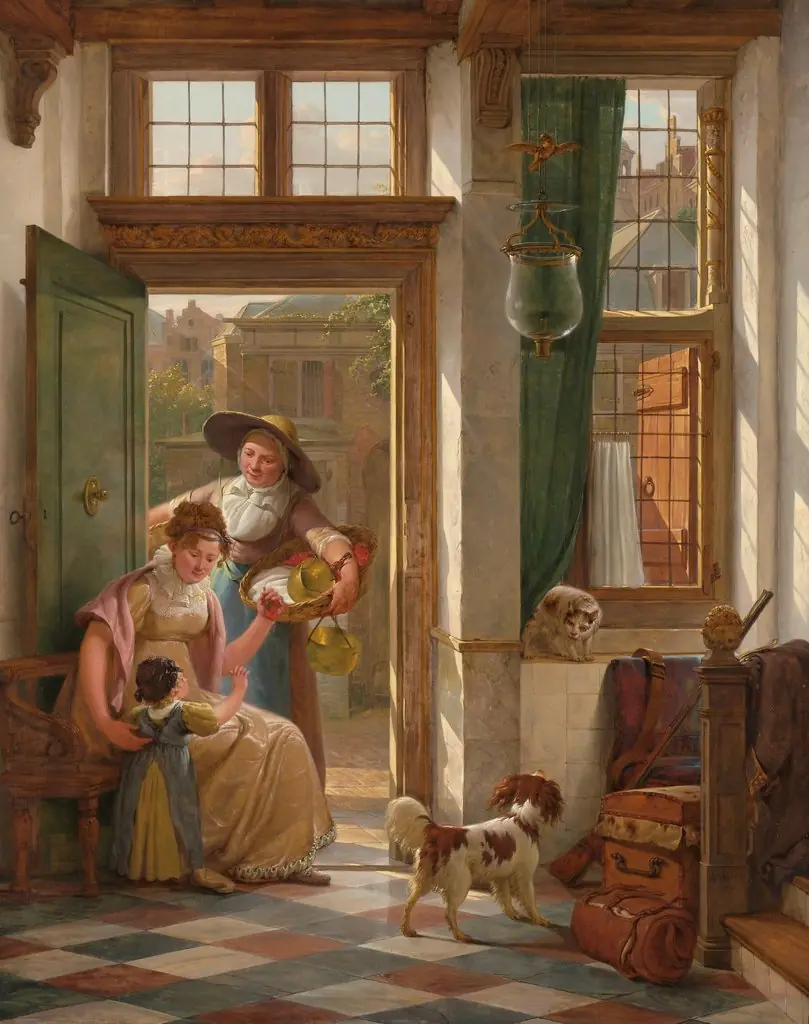 A Cherry Vendor at the Door
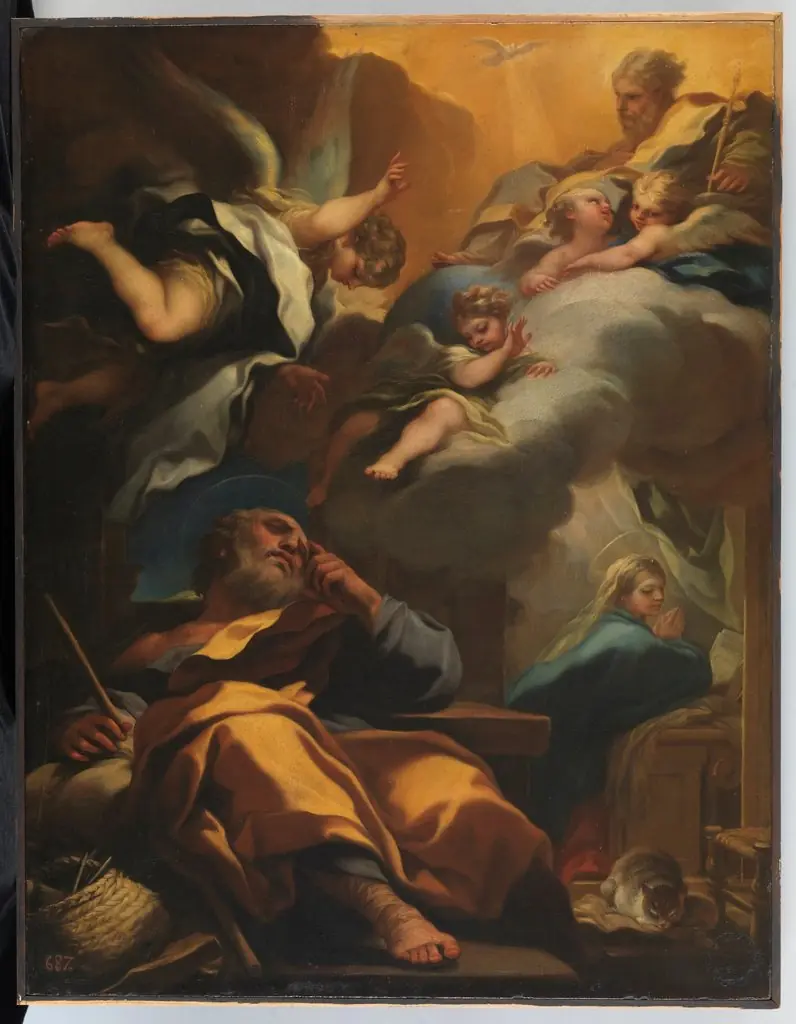 Saint Joseph’s Dream
 Cat fight
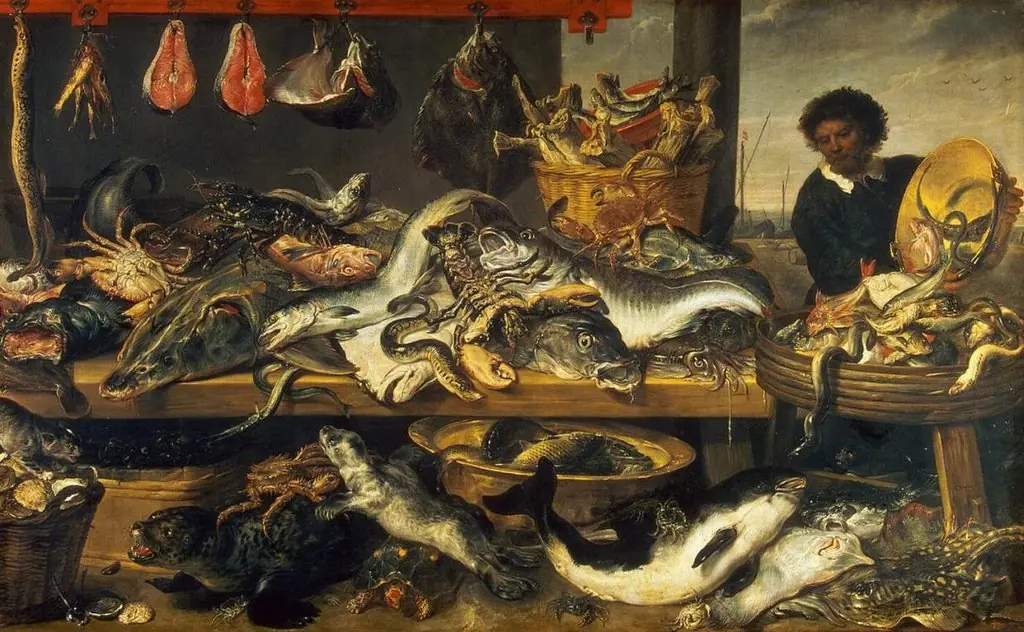 Fish Market
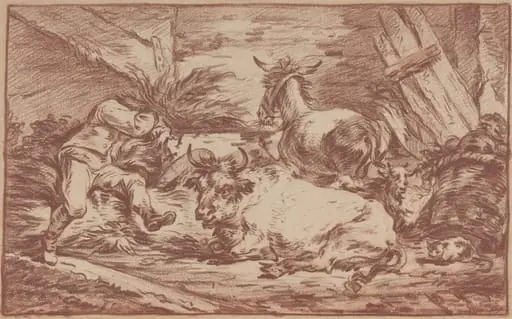 Animals in a Stable
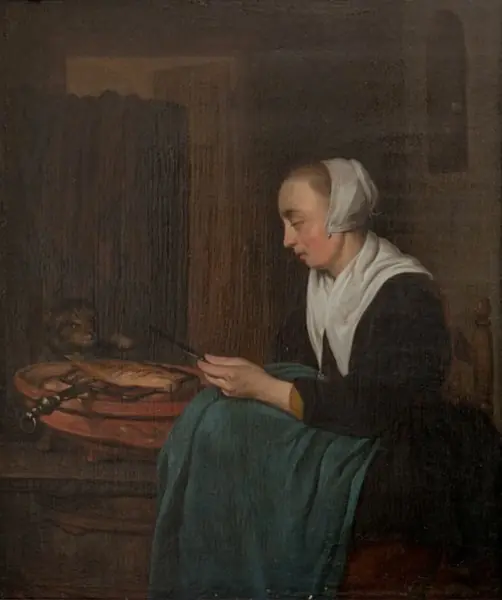 A Sleeping Saleswoman
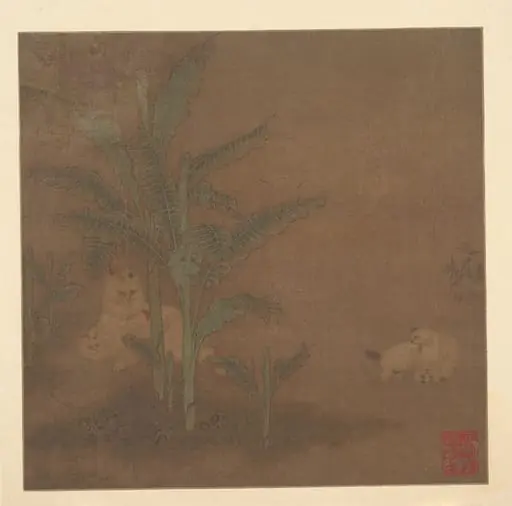 明 佚名 貍奴芭蕉圖 冊頁|Frolicking Kittens under a Banana Tree
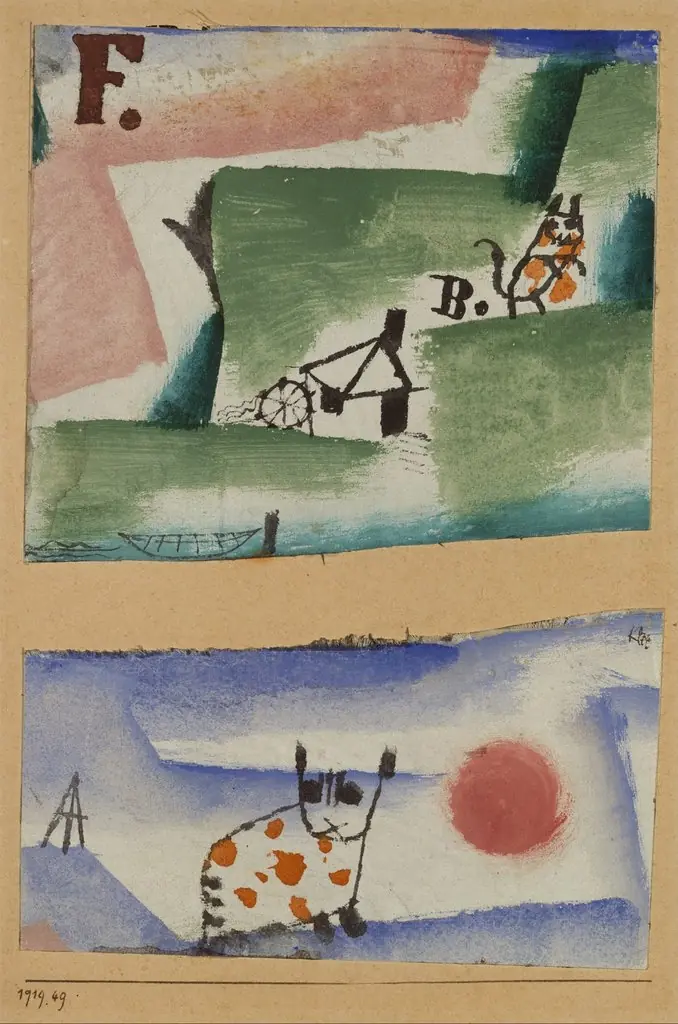 Tomcat's Turf
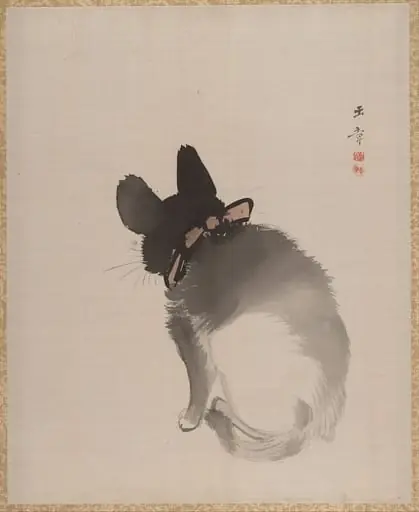 猫図|Cat Seen from Behind
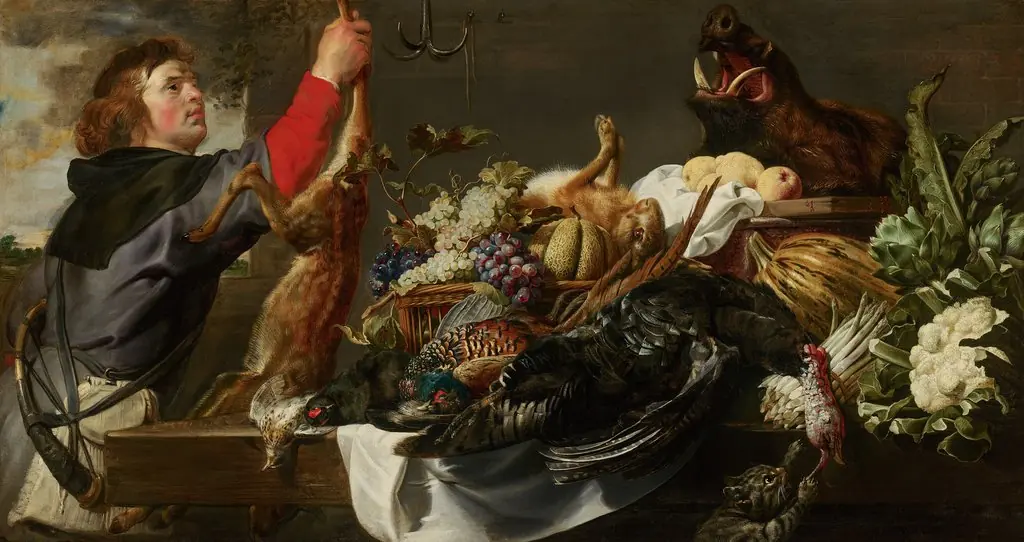 Still Life with Huntsman
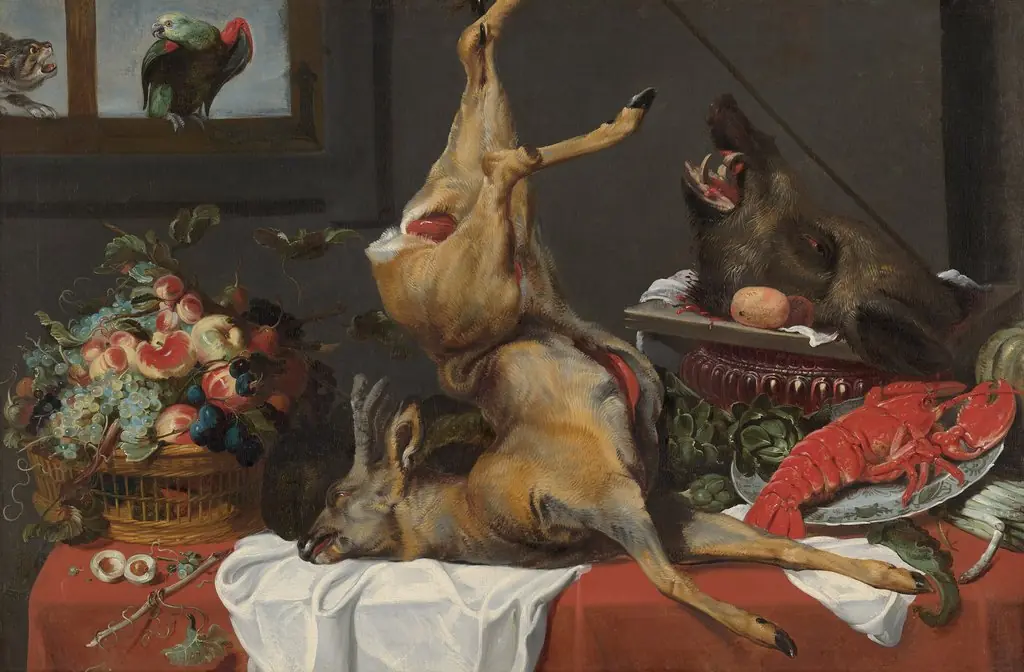 Still Life with a Dead Stag
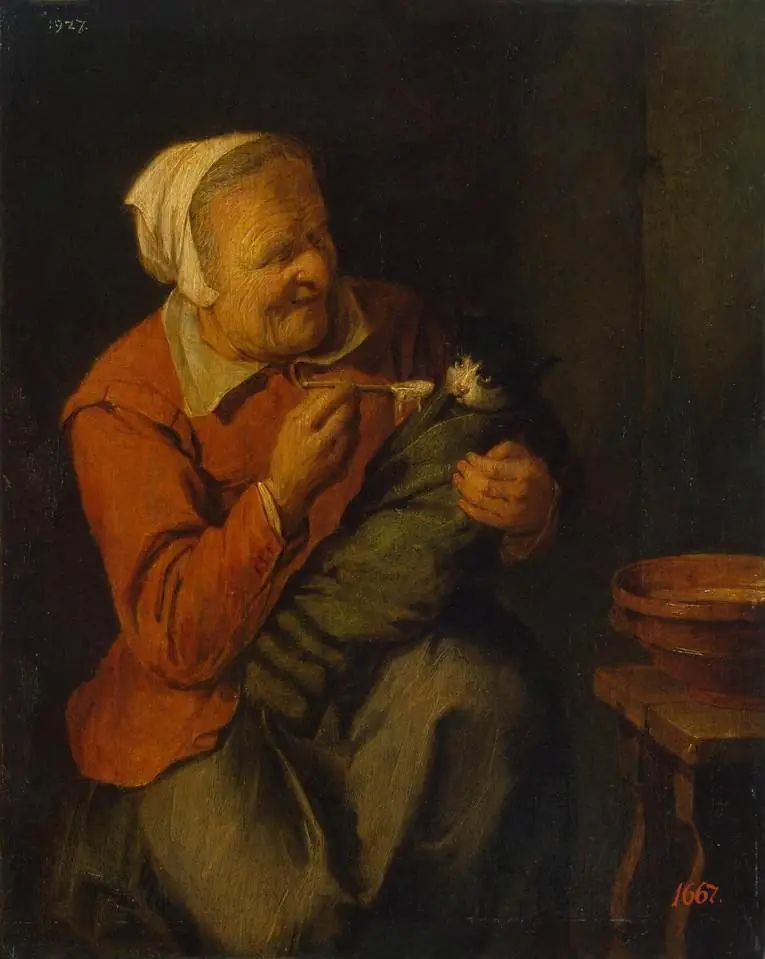 Peasant Woman with a Cat
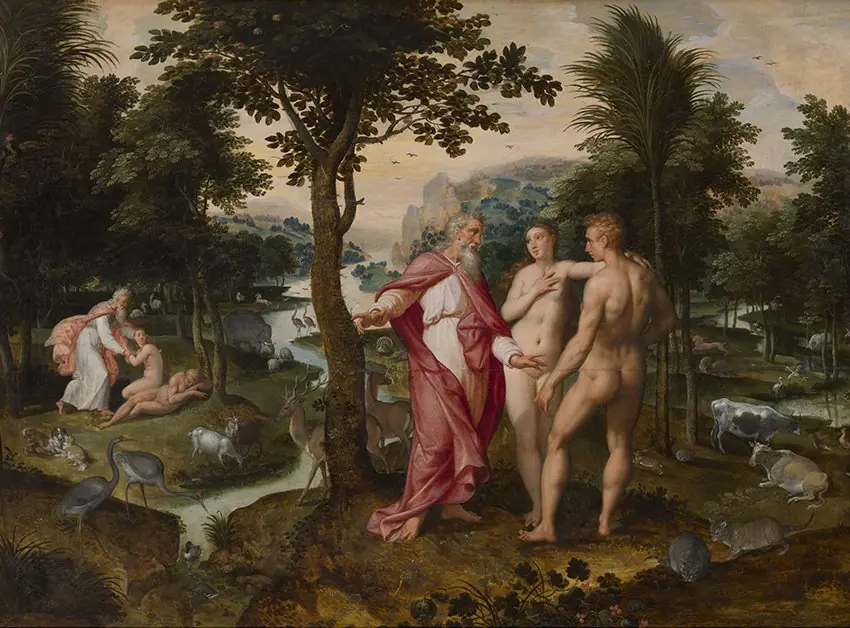 The Garden of Eden
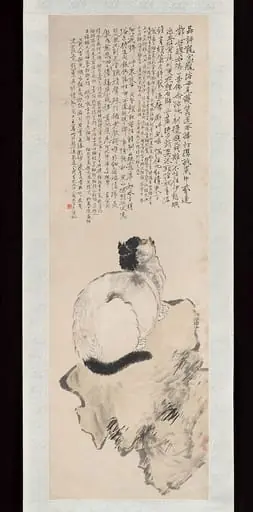 清 王禮 狸奴圖 軸|Cat
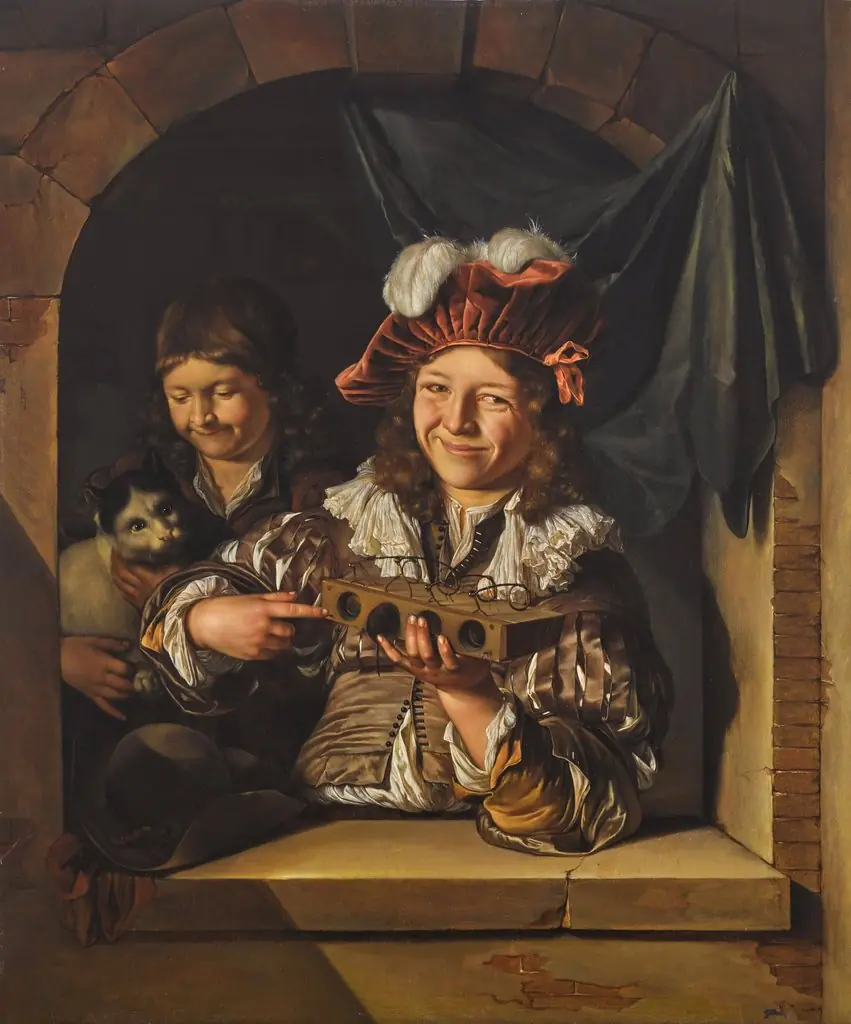 Two boys with a mouse trap and a cat at a window
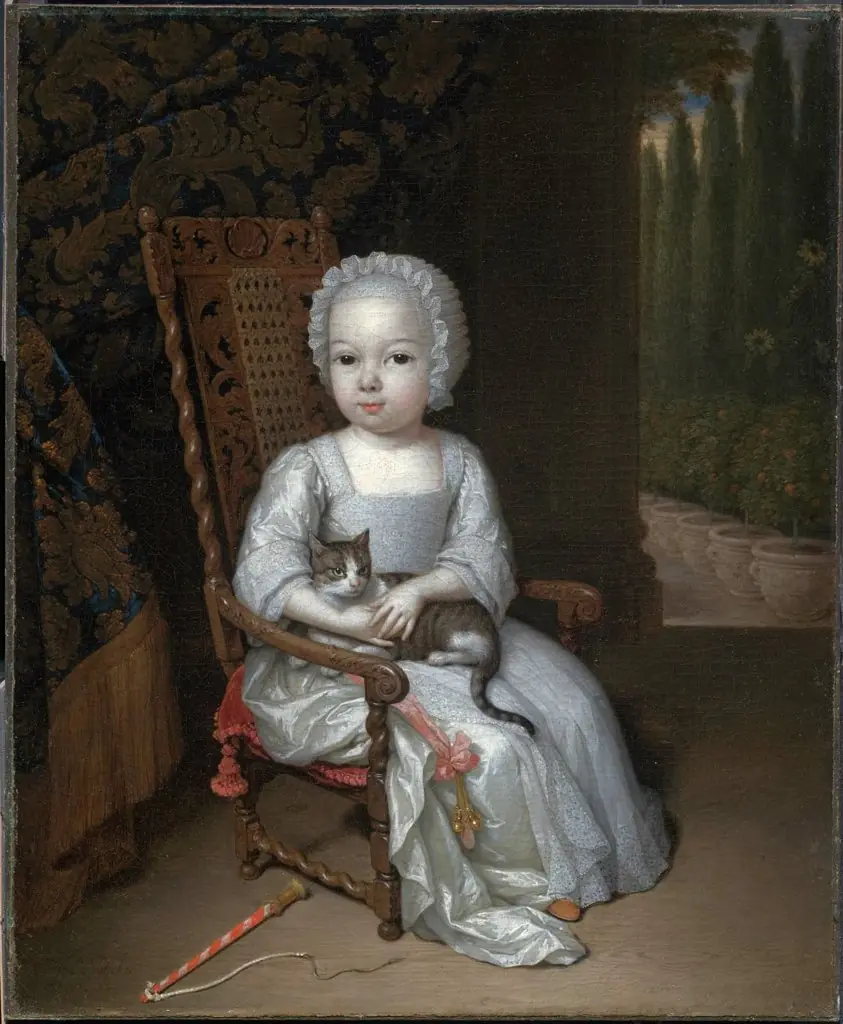 Portrait of a Young Girl Holding a Cat
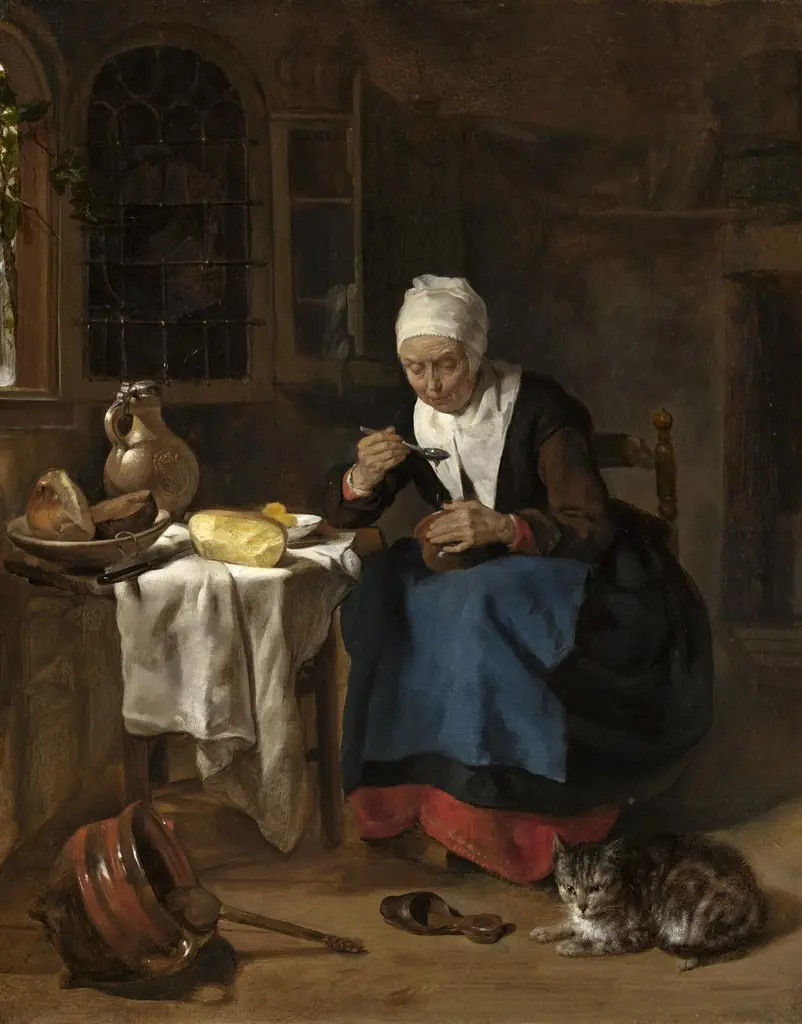 Old Woman Eating Porridge
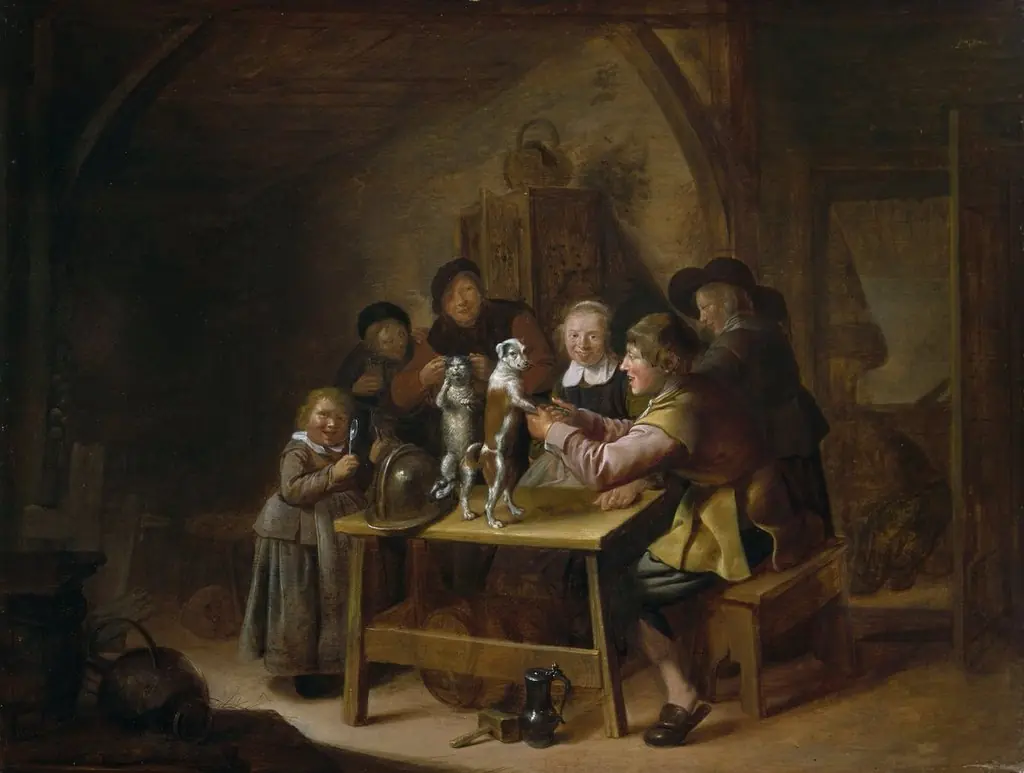 Peasants Teaching a Cat and Dog to Dance
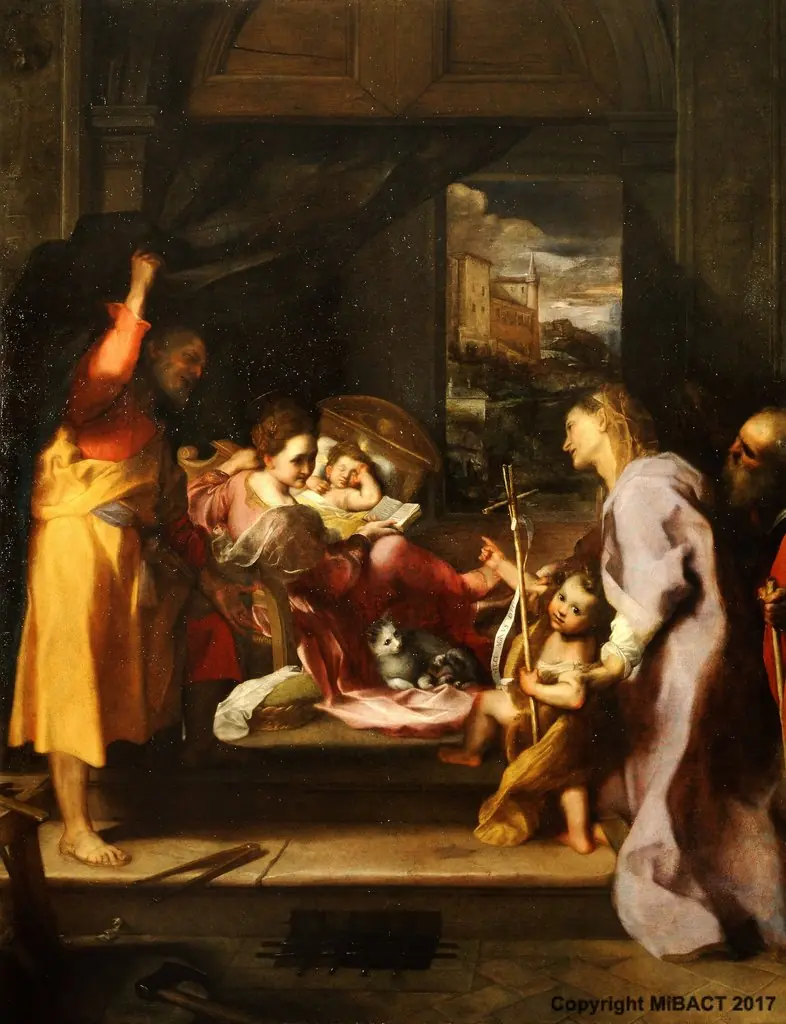 Madonna of the Cat
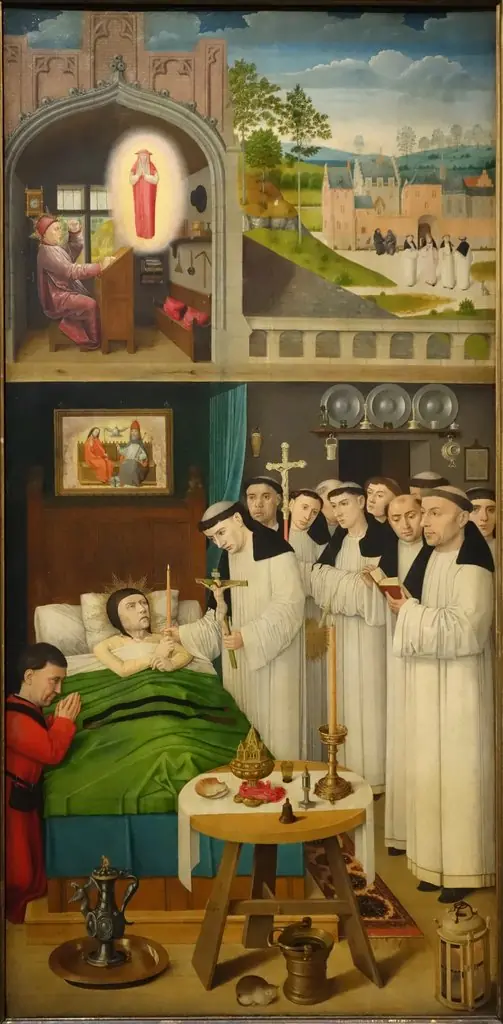 Scenes from the Life of Saint Augustine
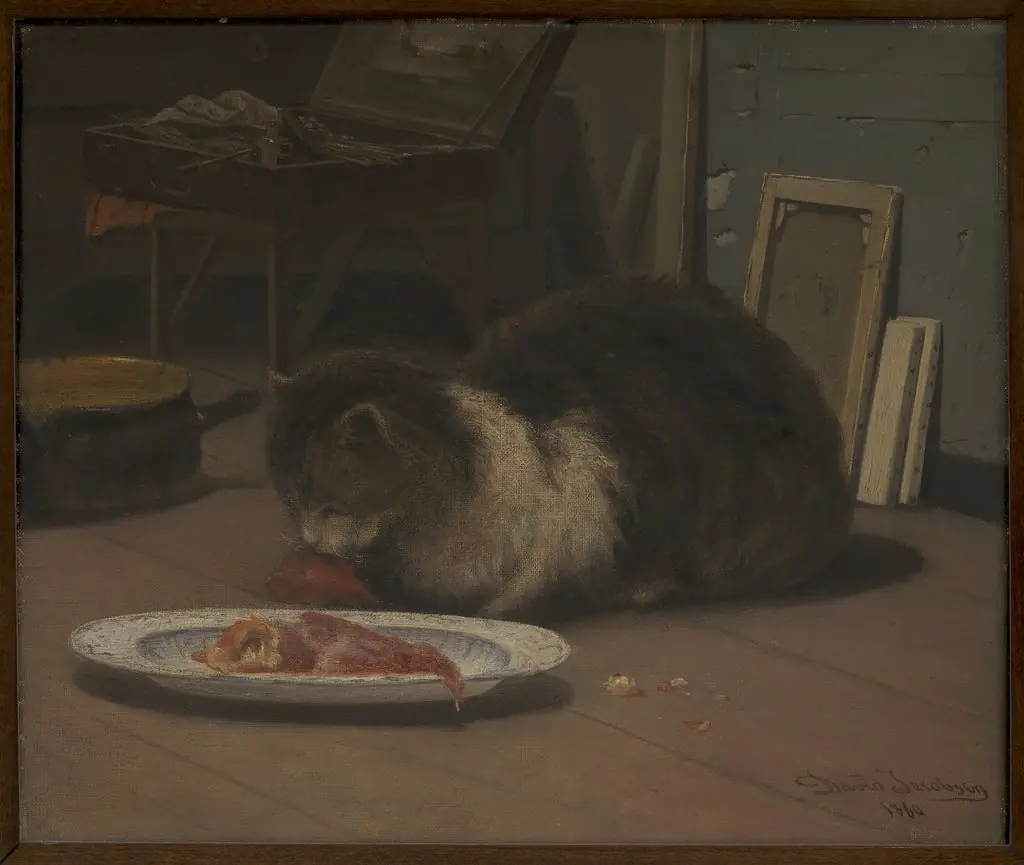 Katten i atelieret
 Untitled
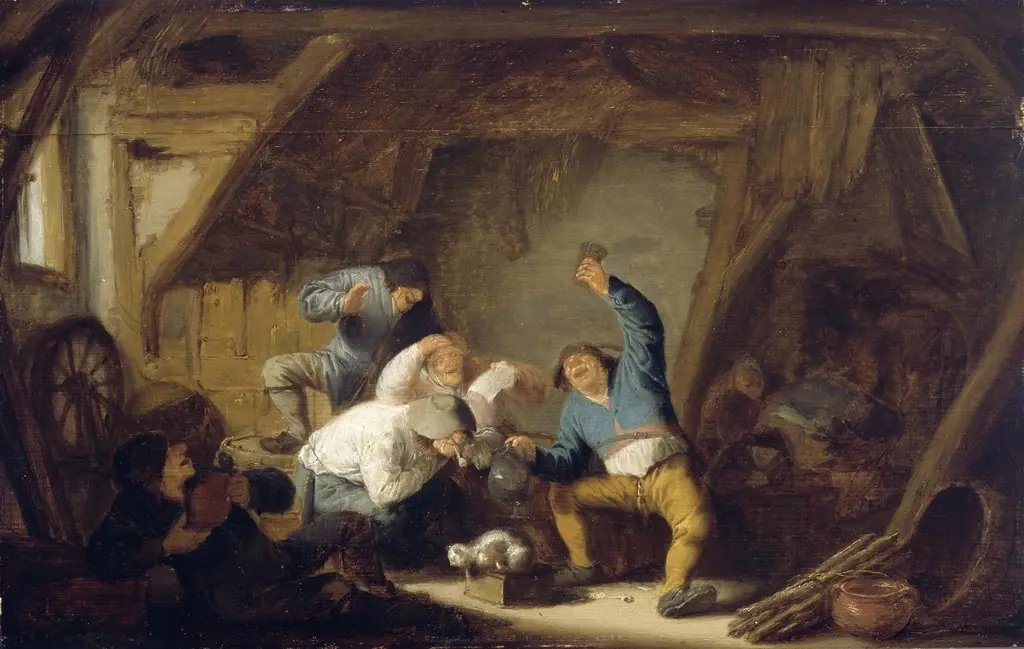 Boors Drinking in a Barn
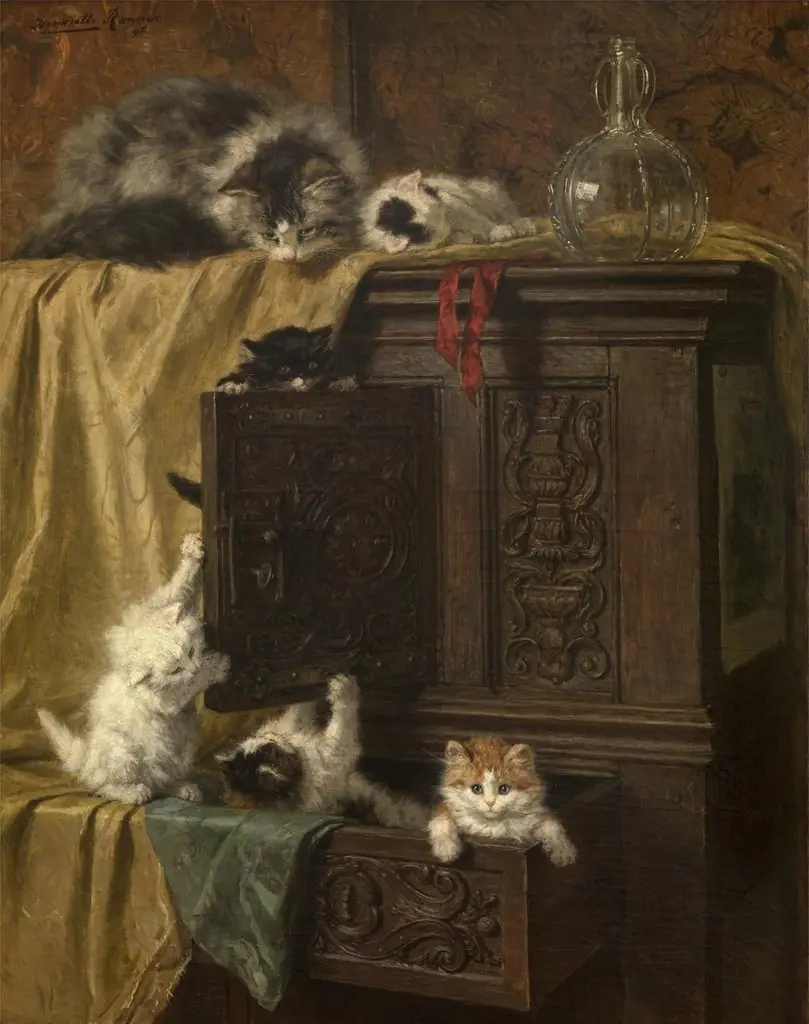 Immodest
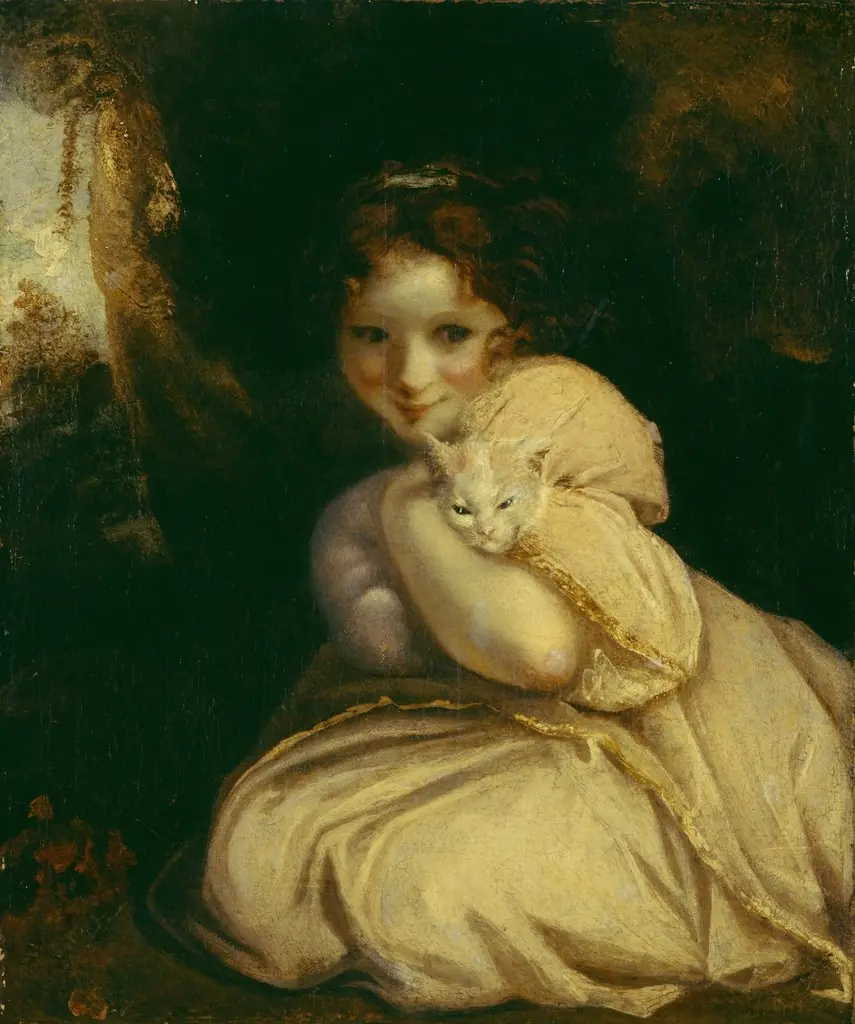 Felina with a Kitten
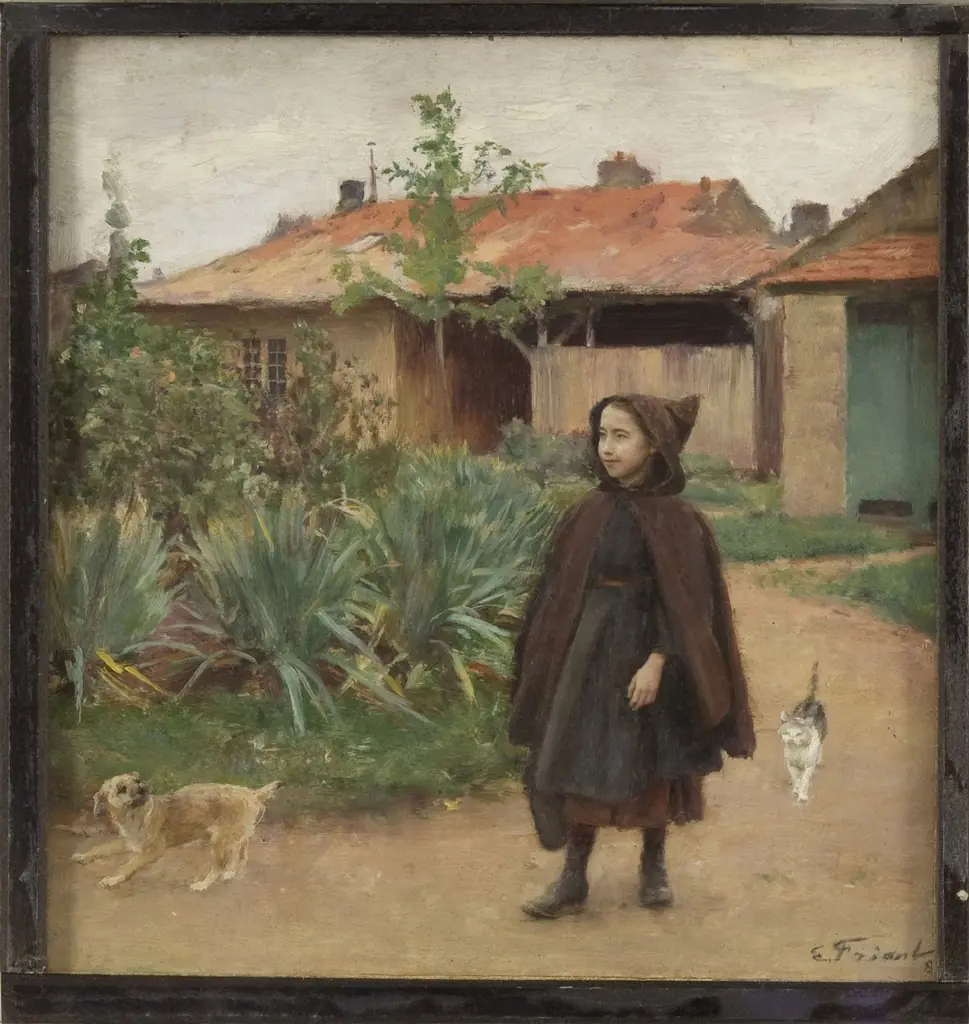 The Garden Walk
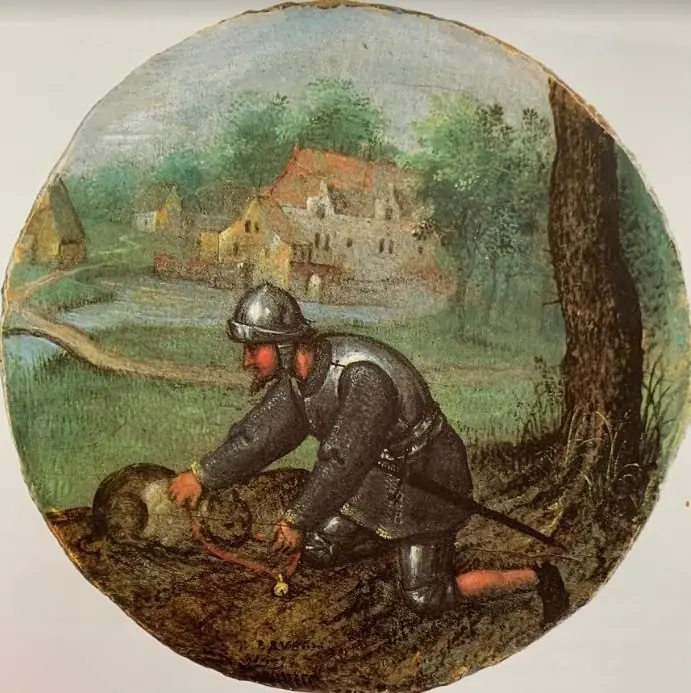 Belling the cat
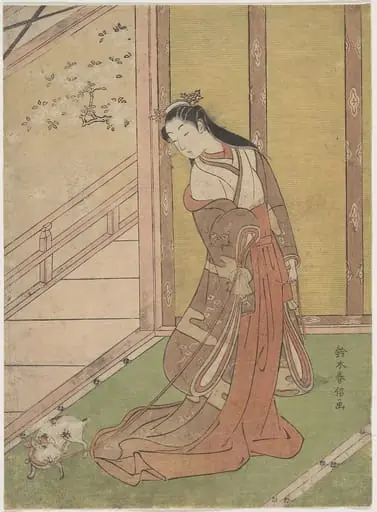 Untitled
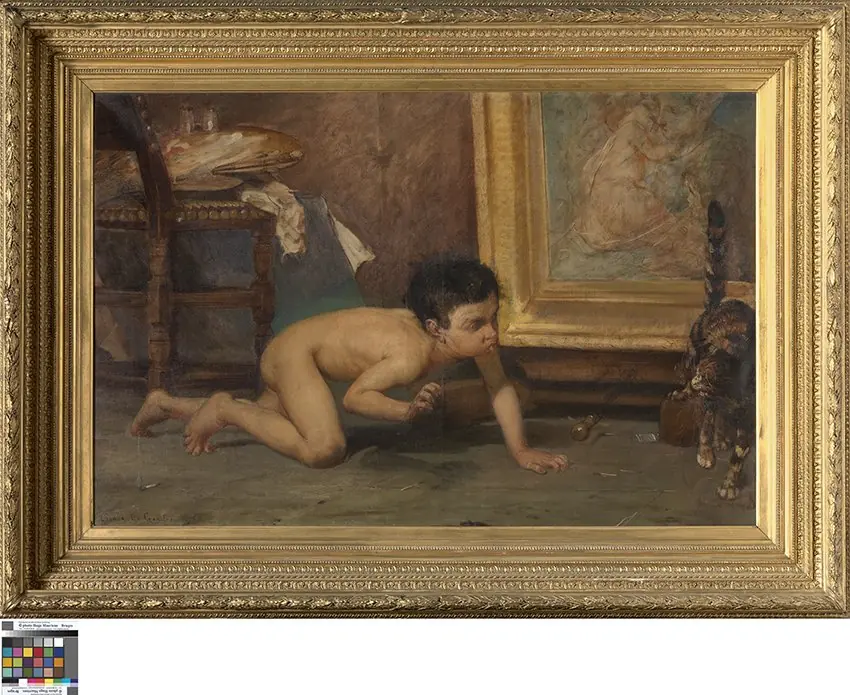 Alleen in het atelier
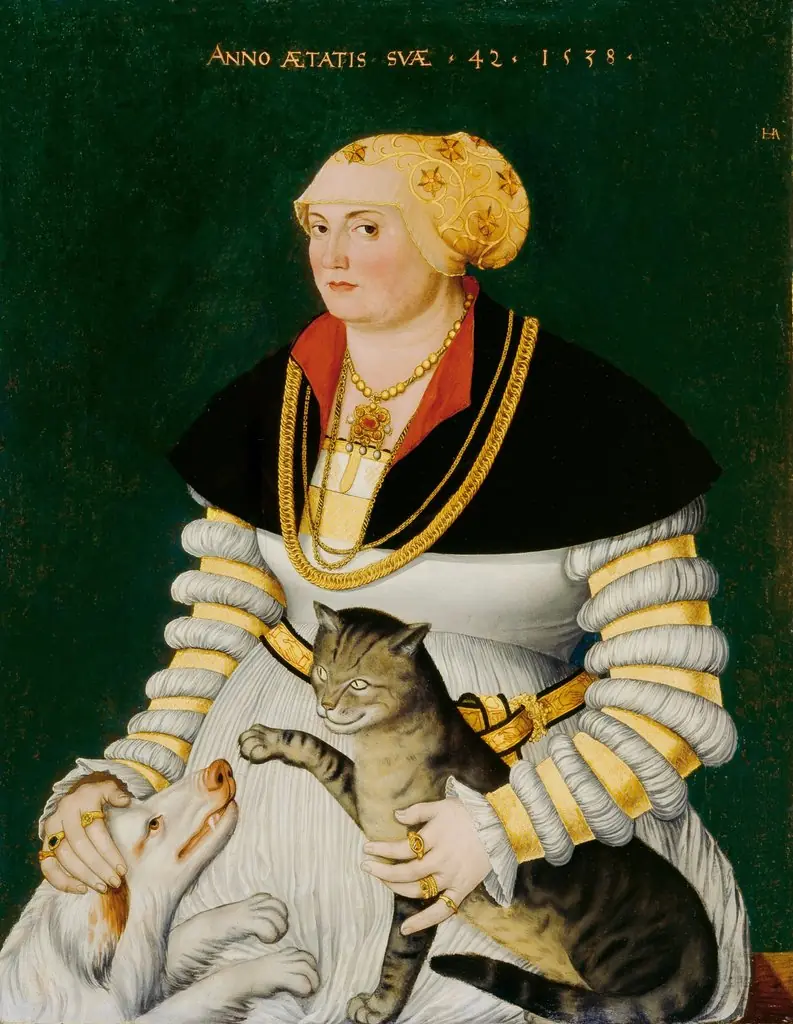 Portrait of Cleophea Krieg von Bellikon
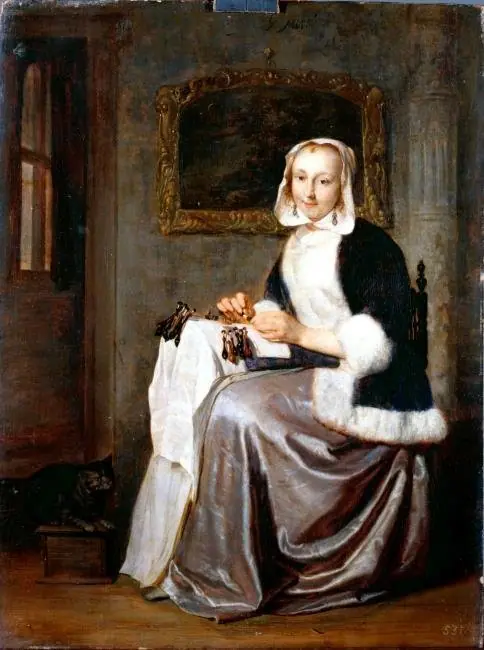 The Lace-Maker
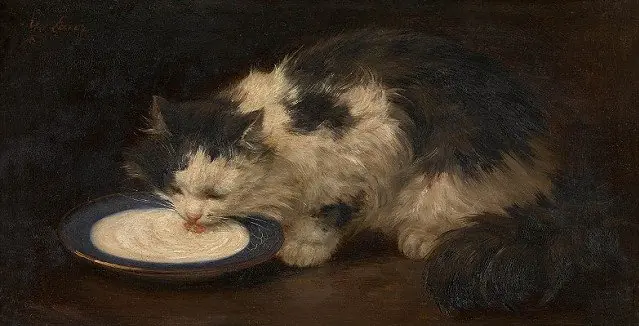 Delicious Milk
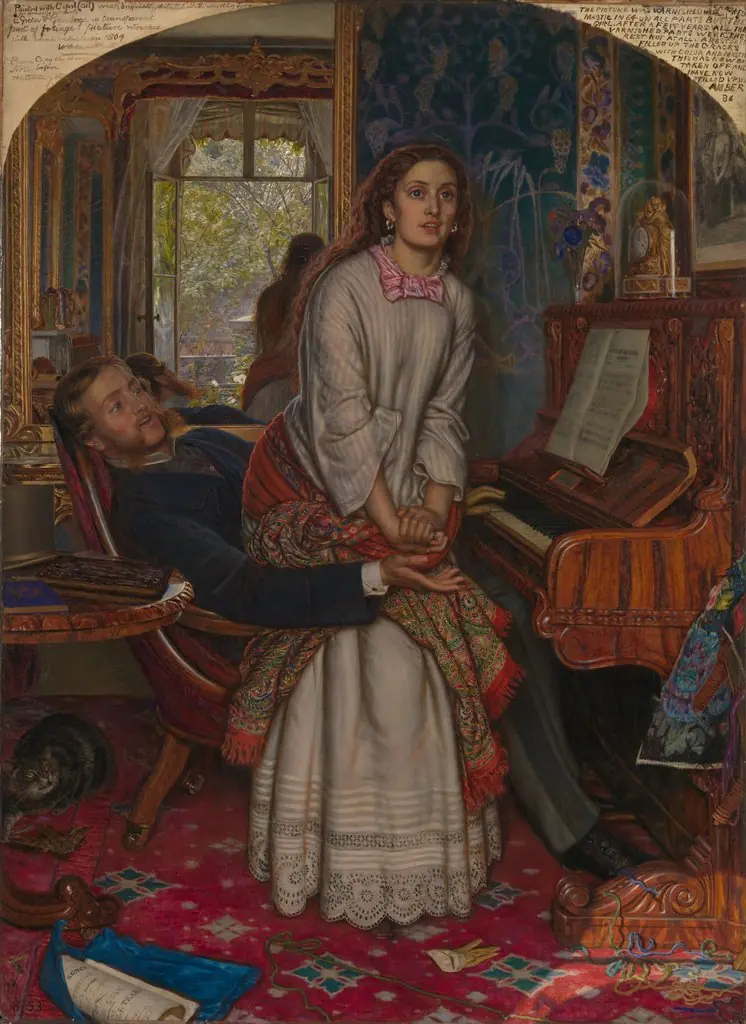 The Awakening Conscience
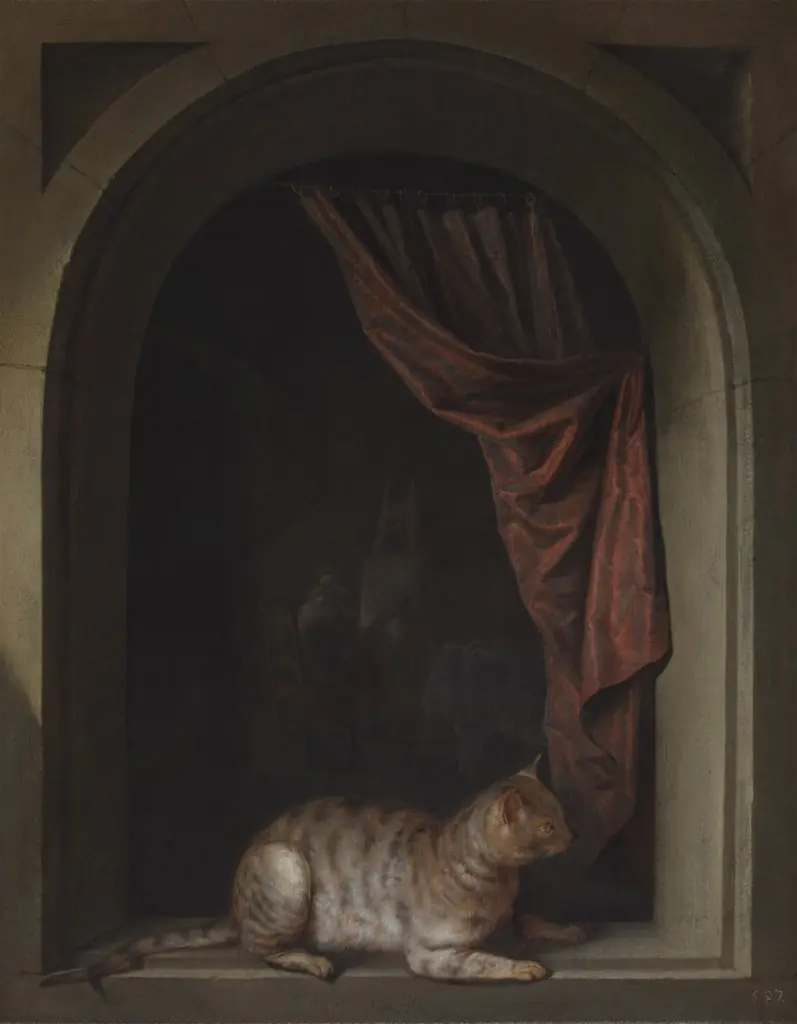 Cat on a Ledge
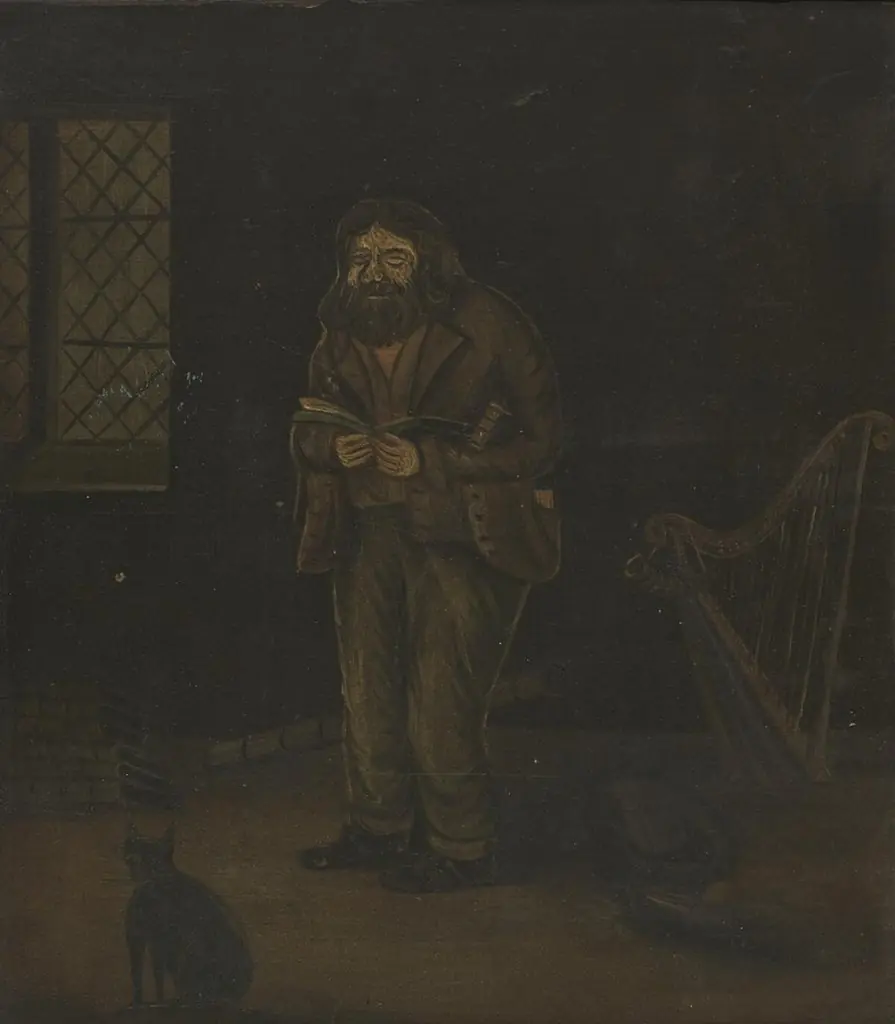 Dick Aber Daron old Welsh poet
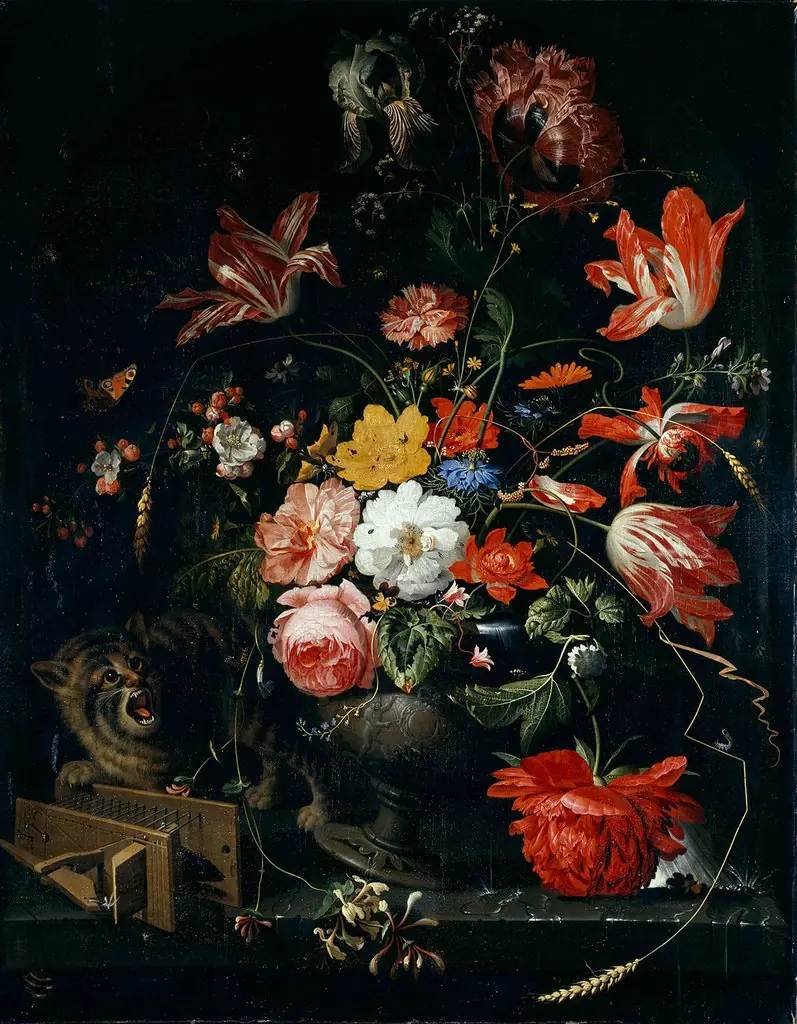 Flower piece with cat and mousetrap
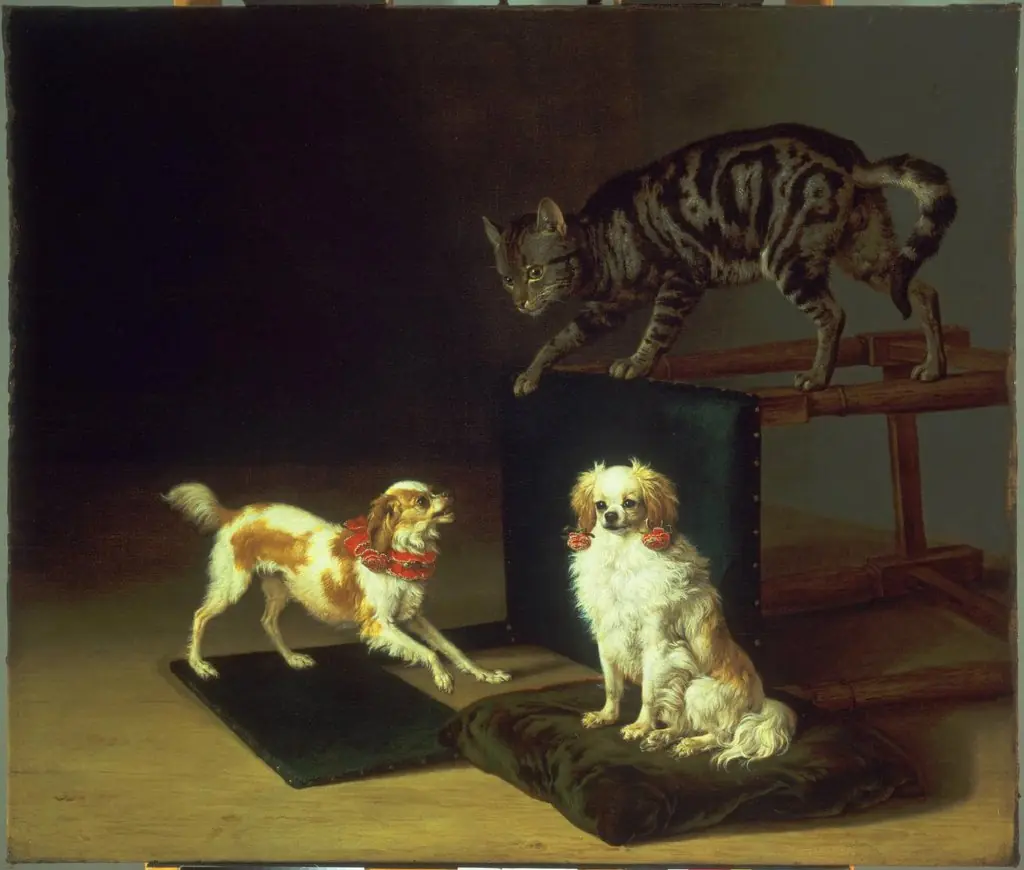 Cat Playing with Two Dogs
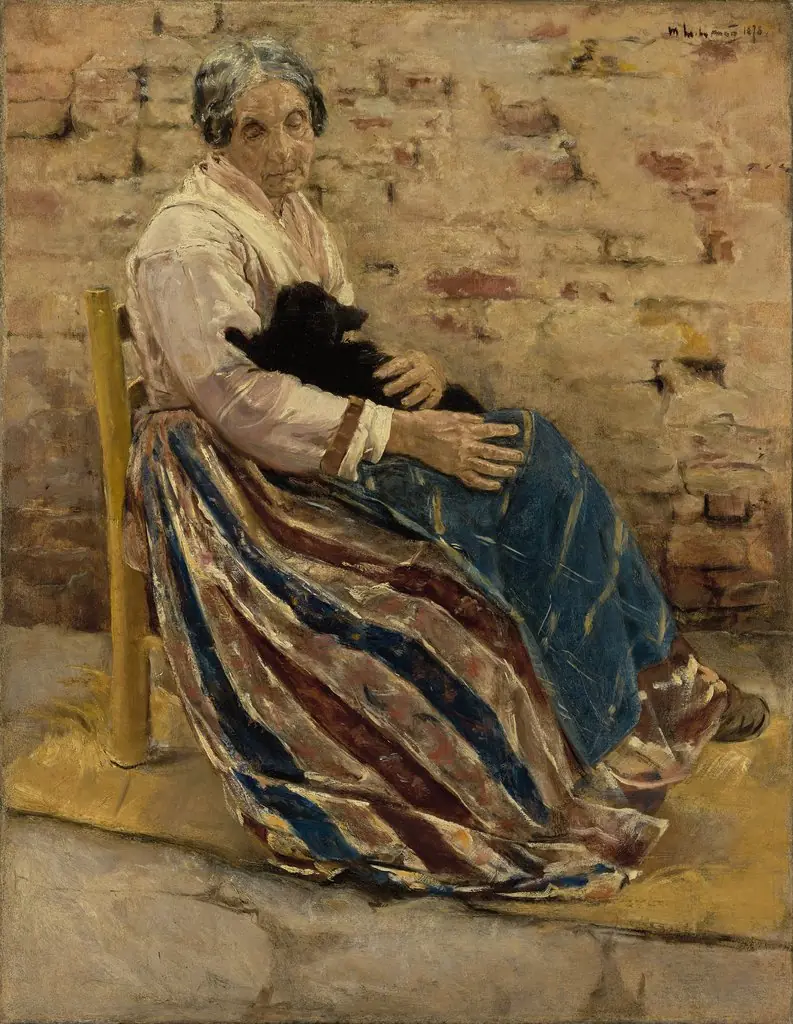 An Old Woman with Cat
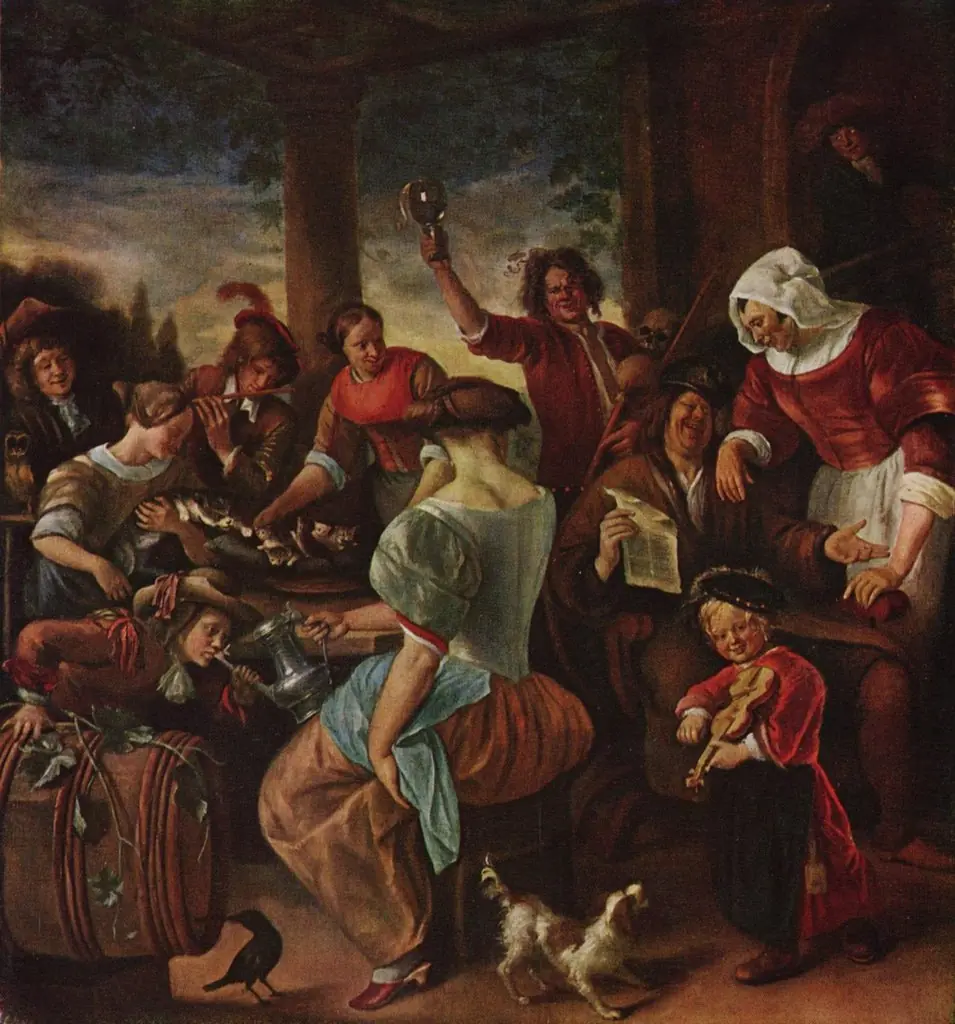 The Merry Family with Cats
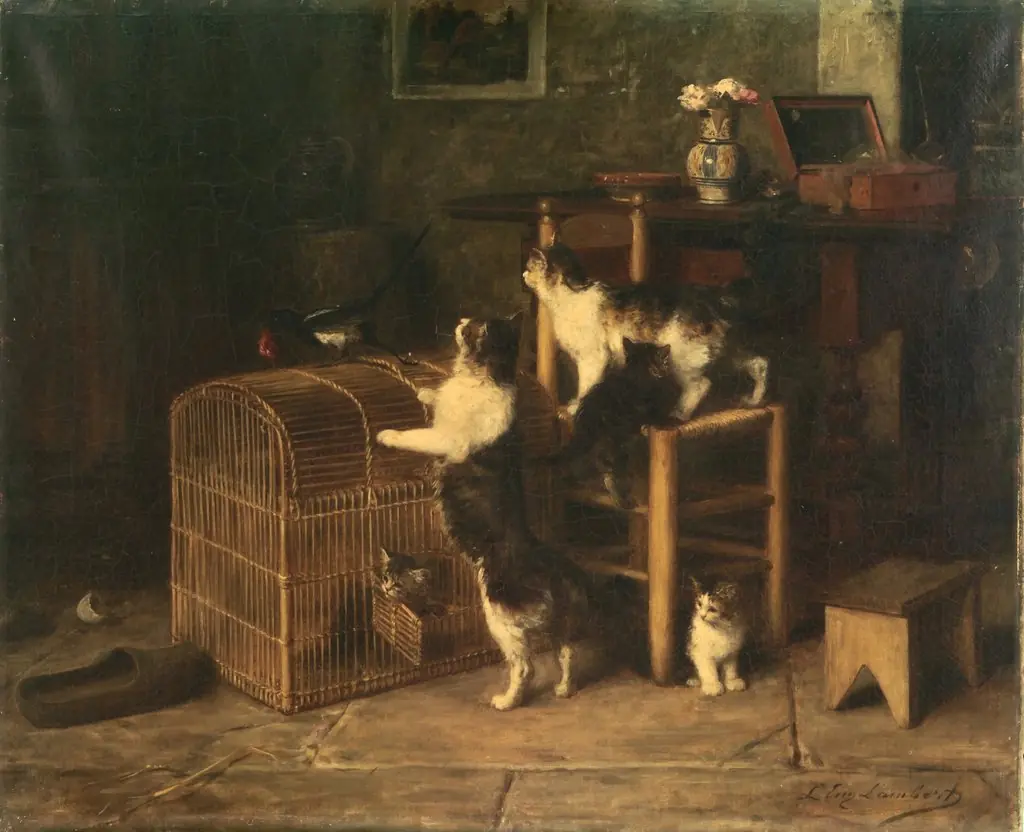 Invasion
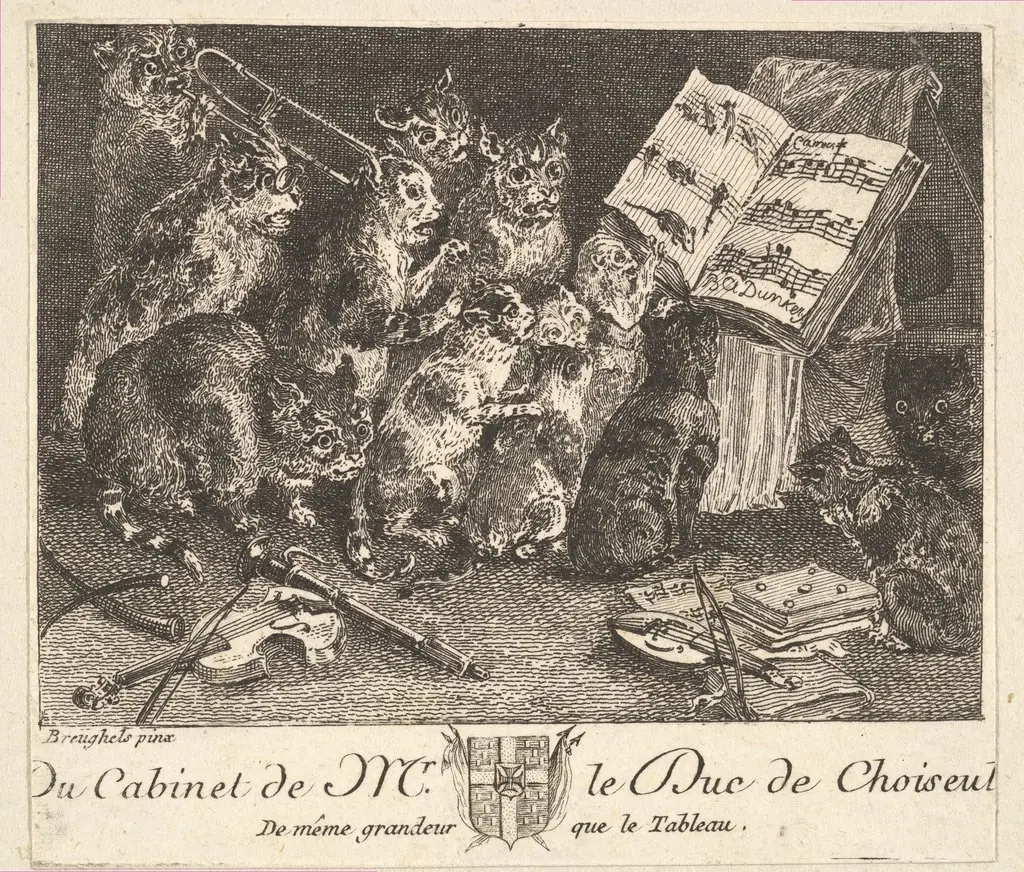 Concert of cats
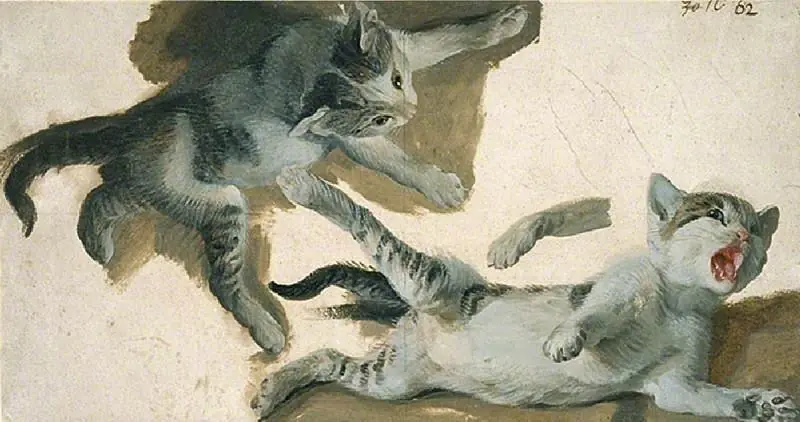 Sketches of a kitten
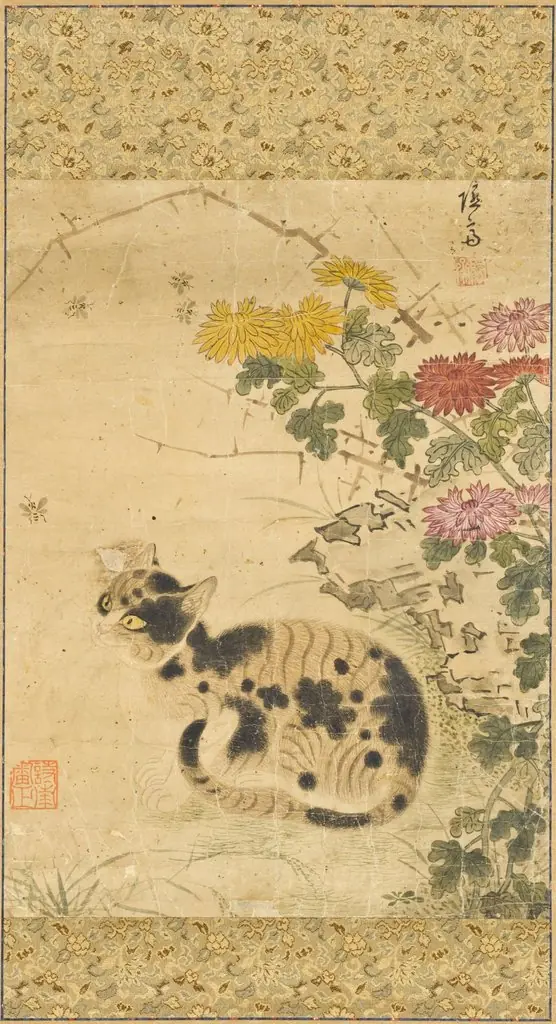 Cat under Chrysanthemums Hen and Chicks under Flower
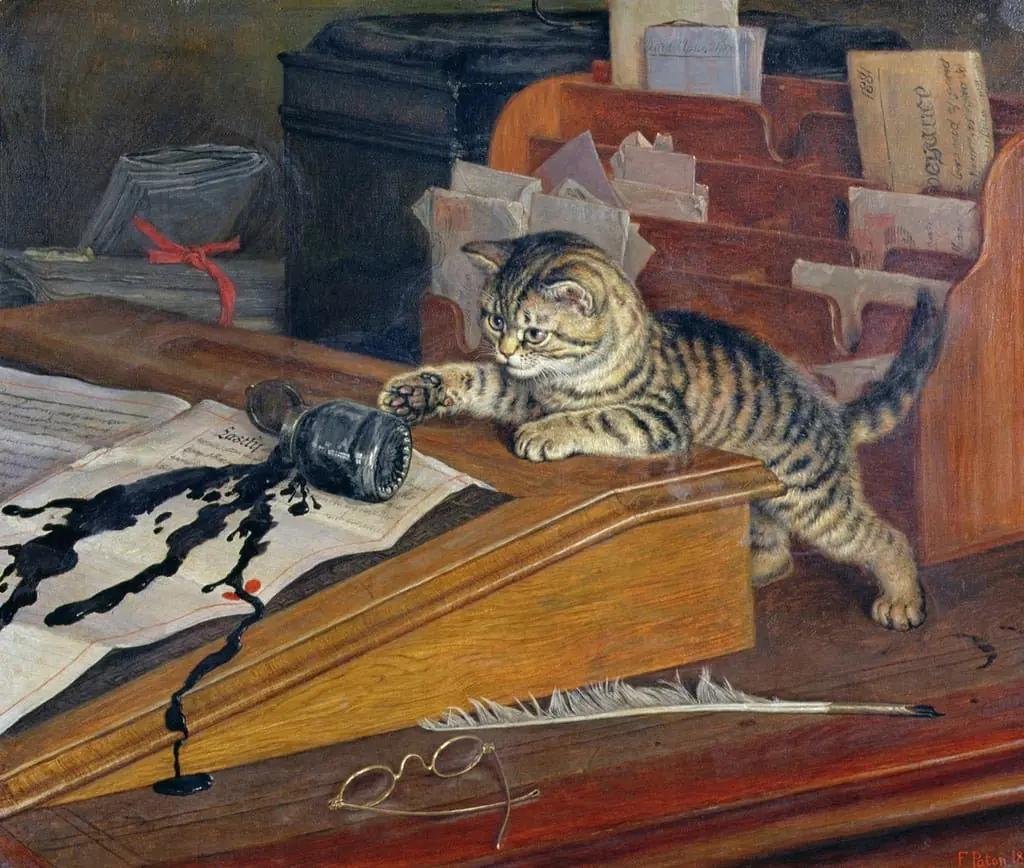 Witness my Act and Deed
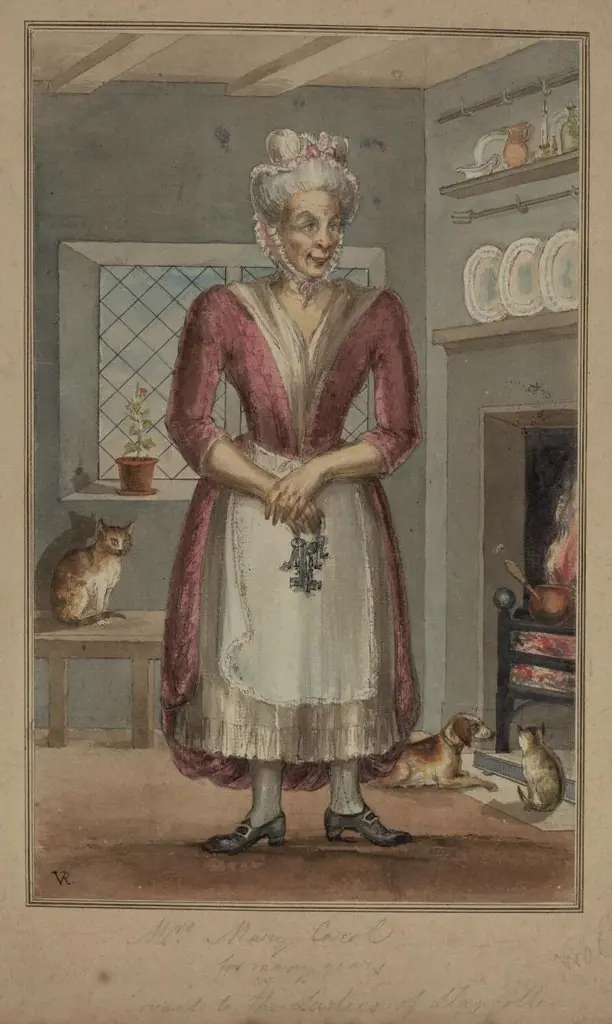 Mrs. Mary Carol
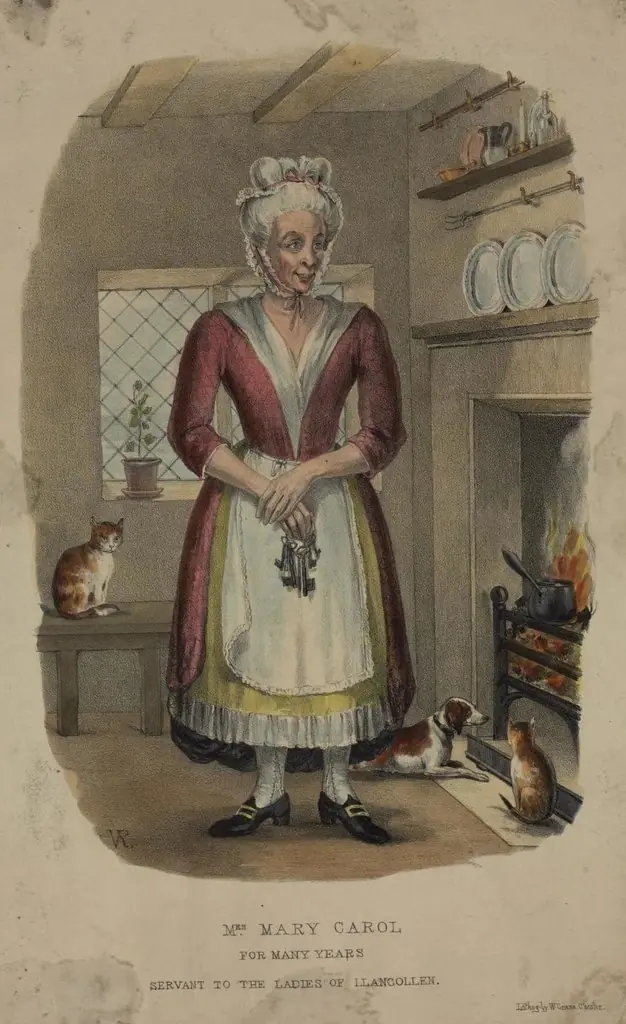 Mrs. Mary Carol
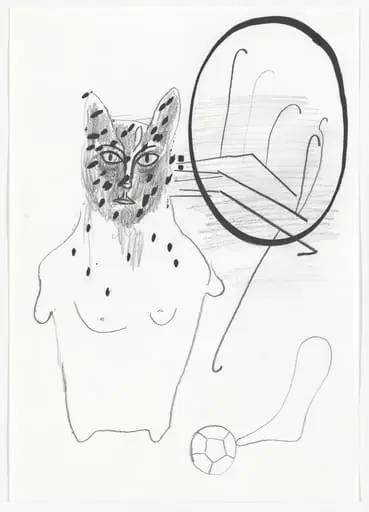 Untitled
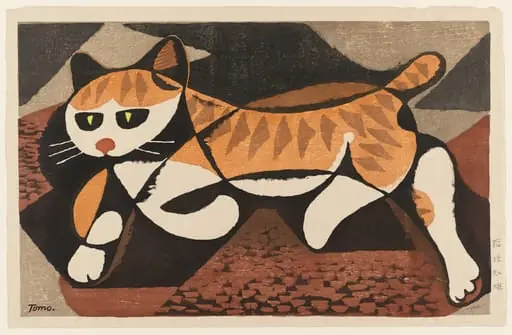 Untitled
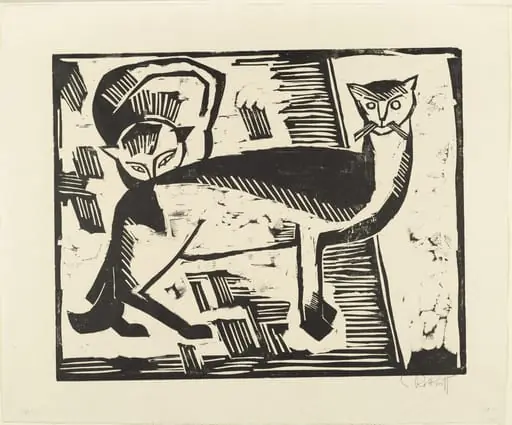 Untitled
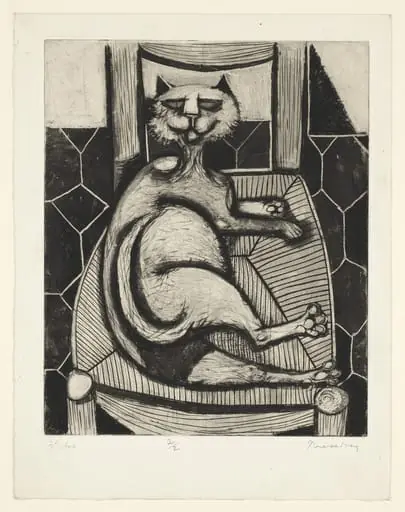 Untitled
Frequently asked questions
What is Cat?
Cat is a subject in art. The cat (Felis catus), also called domestic cat and house cat, is a small domesticated carnivorous mammal.
How many Cat works does Artifact World Gallery have?
Artifact World Gallery holds 101 public-domain Cat works, all free to view and download.
Who are the key Cat artists?
Key Cat artists in the collection include Thomas Eakins, Lodewijk Tieling and John Bradley.
Where can I see Cat works?
Cat works in the collection are held by Metropolitan Museum of Art, Statens Museum for Kunst and Museum of Modern Art.