Artwork
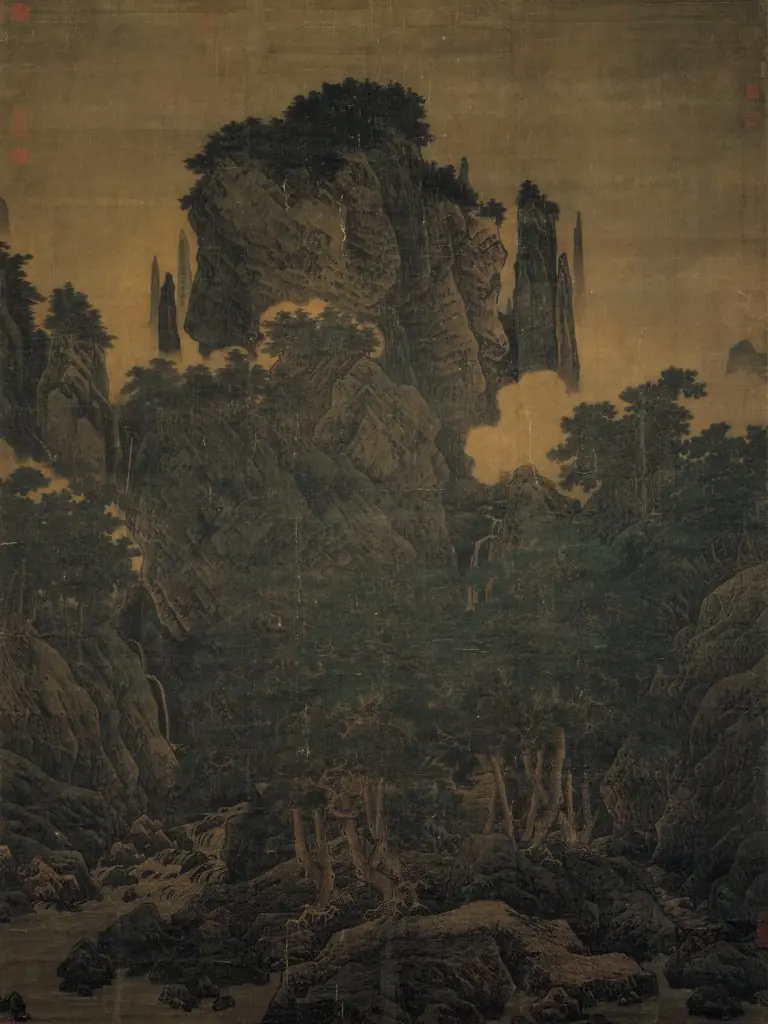
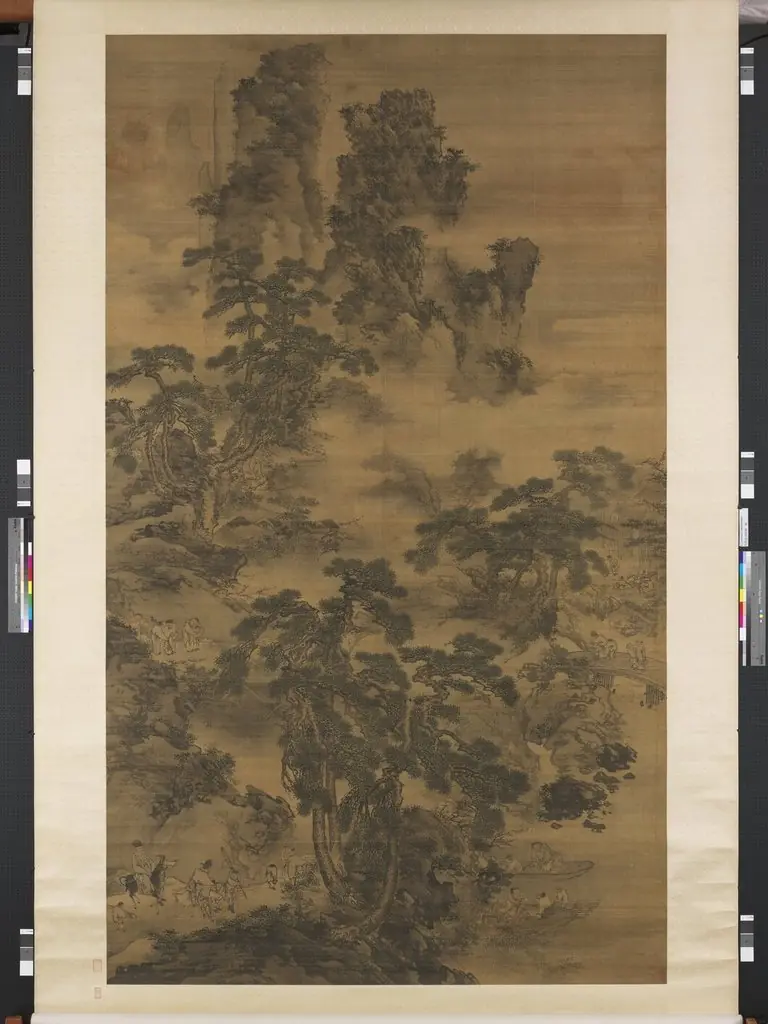
宋李唐萬壑松風圖 軸
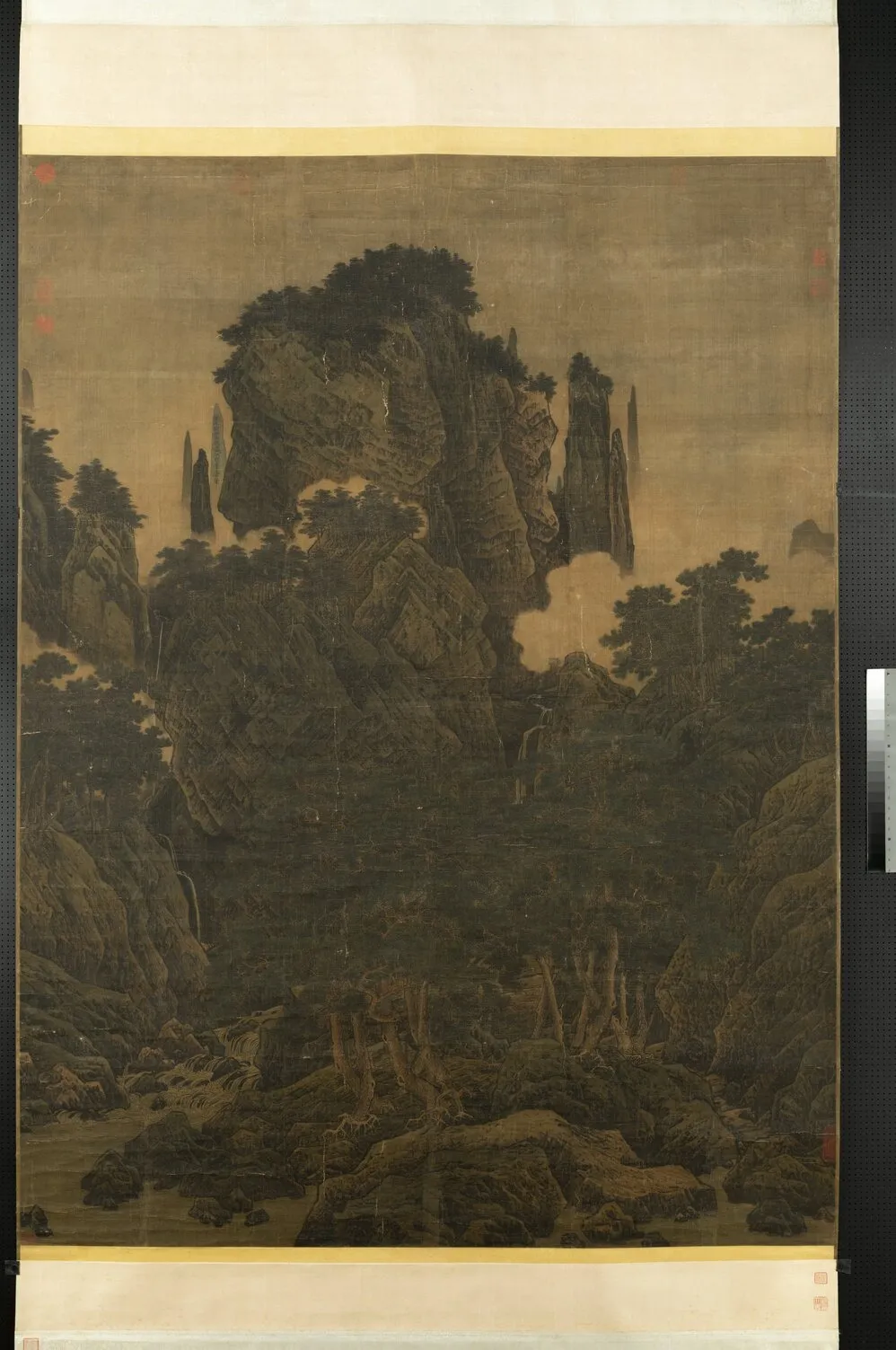
宋李唐萬壑松風圖 軸 is an unspecified painting by the Song dynasty landscape artist Li Tang. It dates from 1124 and is held in the collection of the National Palace Museum.
About this work
Overview
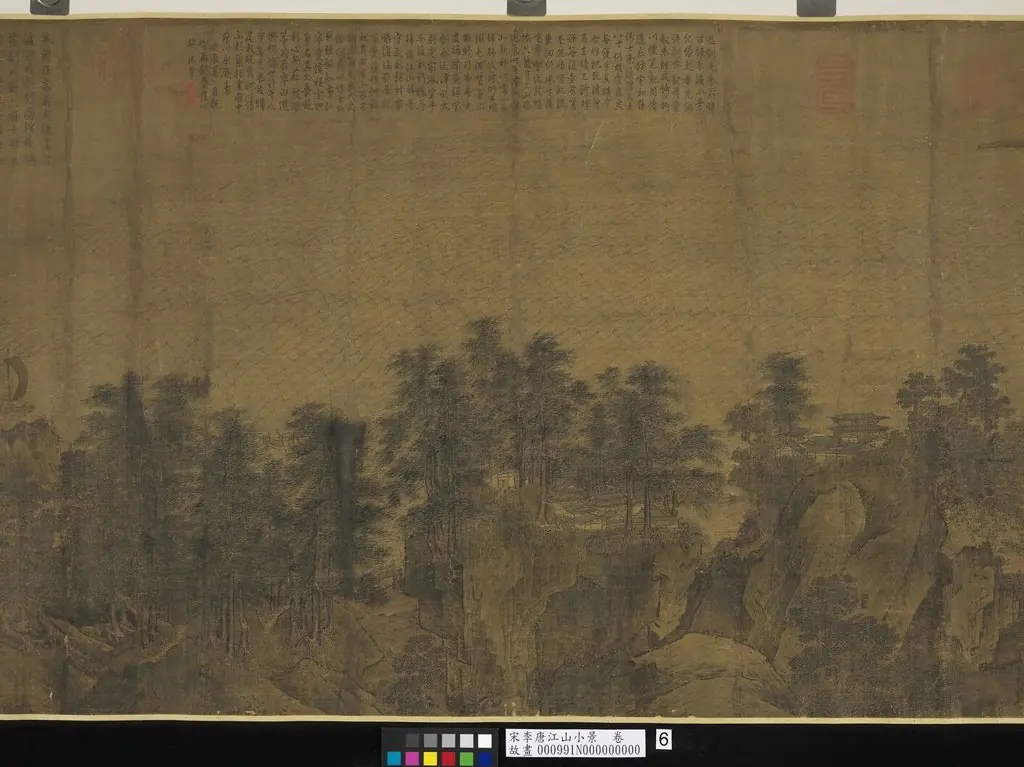
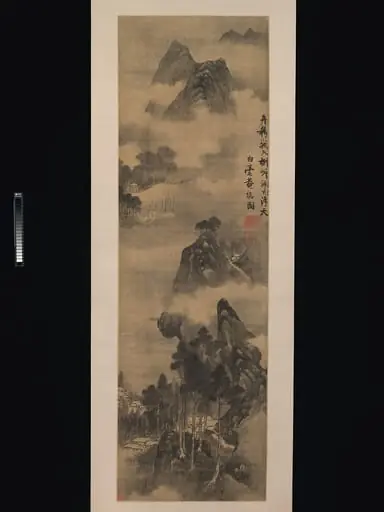
Li Tang’s hand‑scroll, dated 1124, presents a muted mountain scene rendered on silk. The composition unfolds across a light‑tan ground, where layered rock formations and sparse vegetation dominate the visual field. Earthy browns and deep blacks define the terrain, creating a quiet, contemplative atmosphere that invites the viewer into a stylized natural world.
Subject & Meaning
The work depicts a rugged landscape where craggy stones support a modest growth of trees and shrubs. By integrating flora that appears to emerge directly from the rock, the painting suggests a harmonious unity between earth and vegetation, reflecting a philosophical appreciation for the enduring yet subtle forces of nature.
Technique & Style
Executed with delicate brushwork on silk, Li Tang employs soft, layered strokes to model the contours of rock and foliage. The limited palette of brown and black tones, applied in gradual washes, produces a sense of depth while maintaining a restrained, almost monochromatic aesthetic characteristic of early Song landscape painting.
History & Provenance
The scroll, attributed to the renowned Song‑dynasty artist Li Tang, has been part of the National Palace Museum’s collection since its acquisition in the 20th century. Its provenance traces back to imperial archives, confirming its authenticity and situating it within the broader corpus of Li Tang’s surviving works.
Context
Created during a period when Chinese painters emphasized the spiritual resonance of natural scenery, this piece exemplifies the Song court’s interest in scholarly landscape art. Li Tang’s approach reflects the era’s shift toward subtle expression of mood over detailed representation, aligning with contemporary aesthetic ideals.
Artist & collection

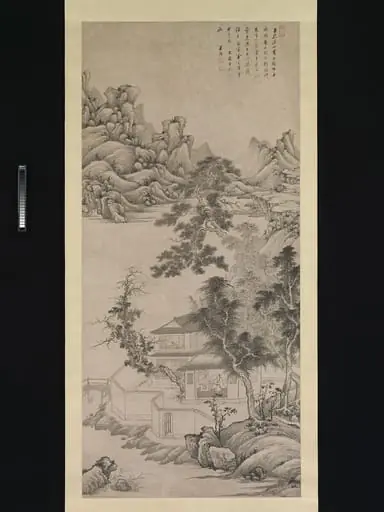
- 清 王鑑 倣巨然《溪山高士圖》 軸|Lofty Scholar among Streams and Mountains, in the manner of Juran
 明戴進春酣圖 軸
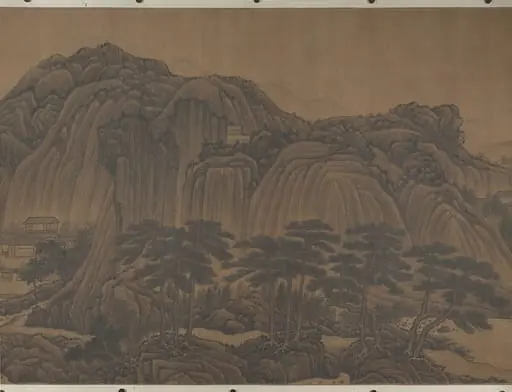 清 佚名 舊傳顧愷之 會稽山圖 卷|The Hills of Kuaiji
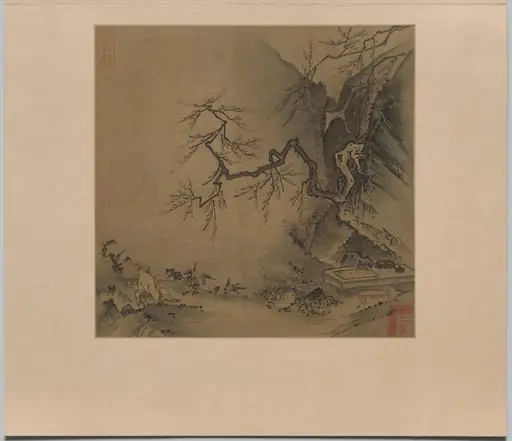 Drinking in the Moonlight
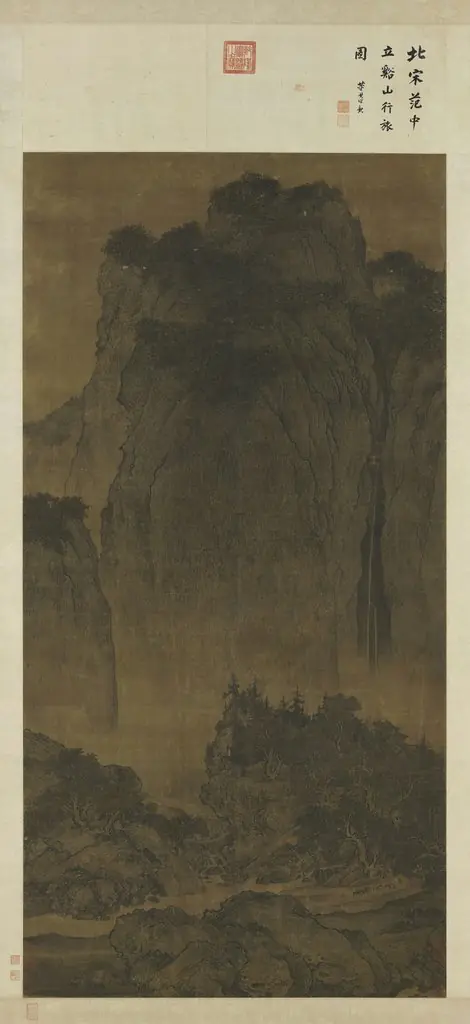 Travelers Among Mountains and Streams
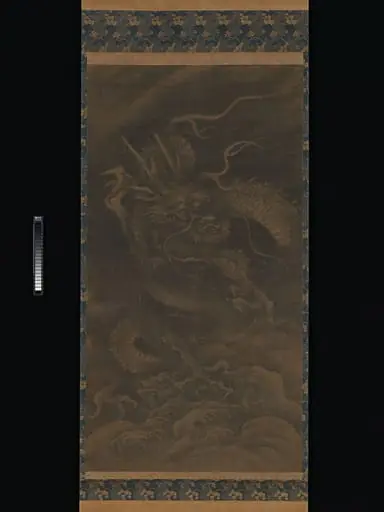 작자미상 용과 호랑이 조선 또는 일본 (에도)|簋簅痡萳 樻虎圖 朝鮮 日本 江戶|Dragon
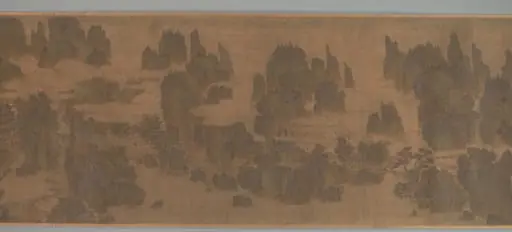 南宋 佚名 別苑春山圖 卷|Retreats in the Spring Hills
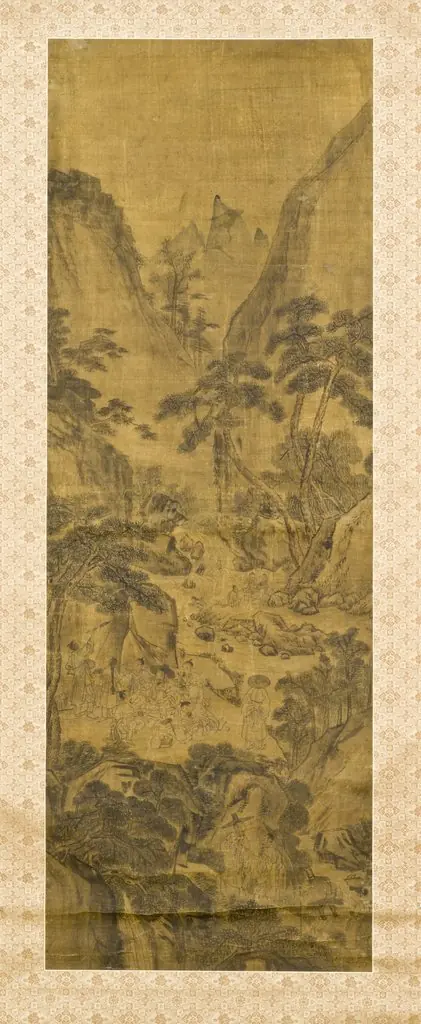 A Scholarly Outing
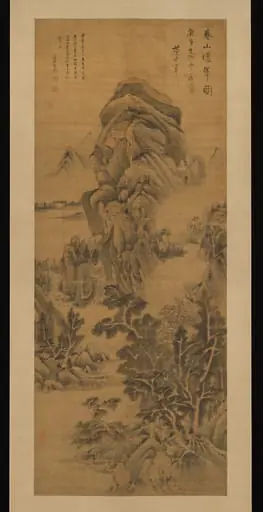 明 董其昌 春山暖翠圖 軸|Spring Mountains over Warm Greenery
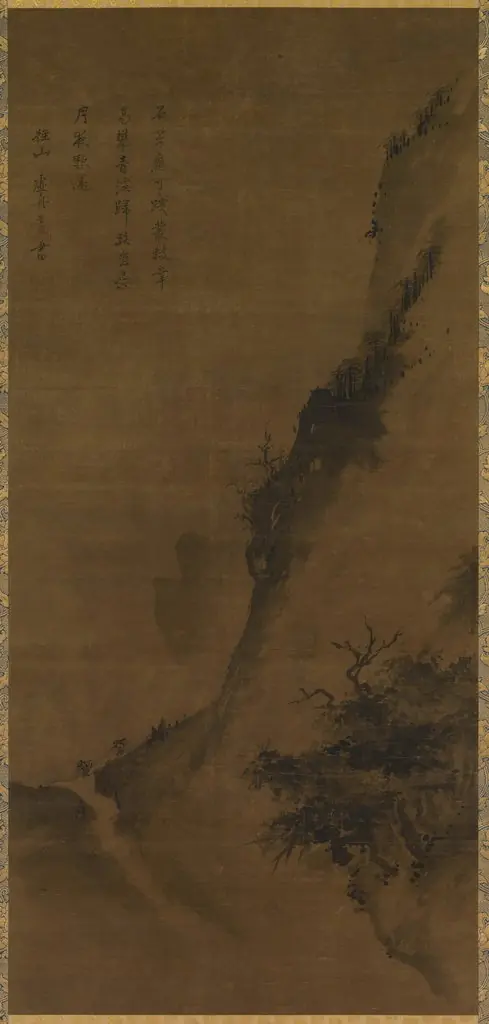 Landscape with Woodcutters Returning Home
 明 張瑞圖 山水圖 軸|Mountains Along Riverbanks