Artwork
Painting from Nature

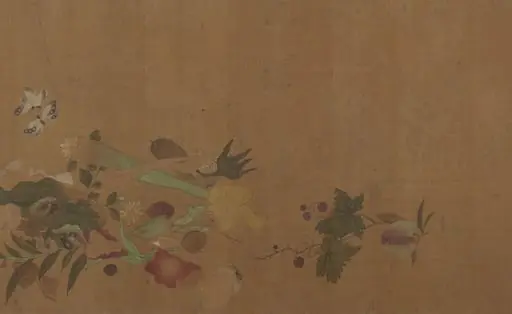
Painting from Nature is an unspecified painting by the Song dynasty landscape artist Muqi. It dates from 1255 and is held in the collection of the National Palace Museum.
About this work
Overview
The composition unfolds without formal borders, inviting the viewer to move through the scene as if walking alongside a natural stream.
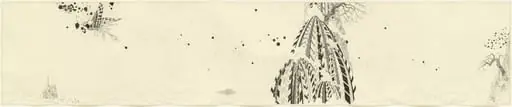
Painting from Nature, attributed to Muqi and dated around 1255, is a handscroll executed in ink on silk. It presents a continuous sequence of flora and fauna arranged along a narrow, horizontal format. The composition unfolds without formal borders, inviting the viewer to move through the scene as if walking alongside a natural stream. The work reflects the Chan Buddhist tradition’s emphasis on direct observation and quiet contemplation.
Subject & Meaning
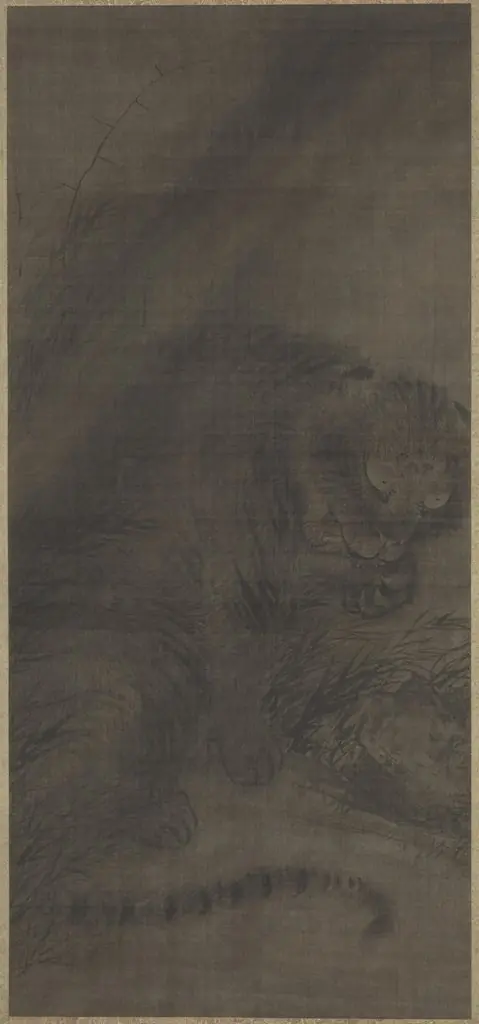
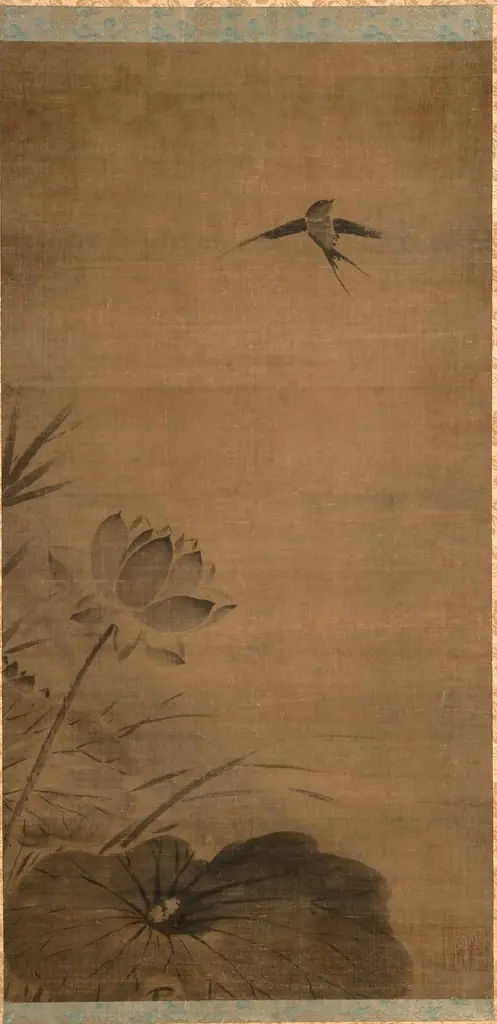
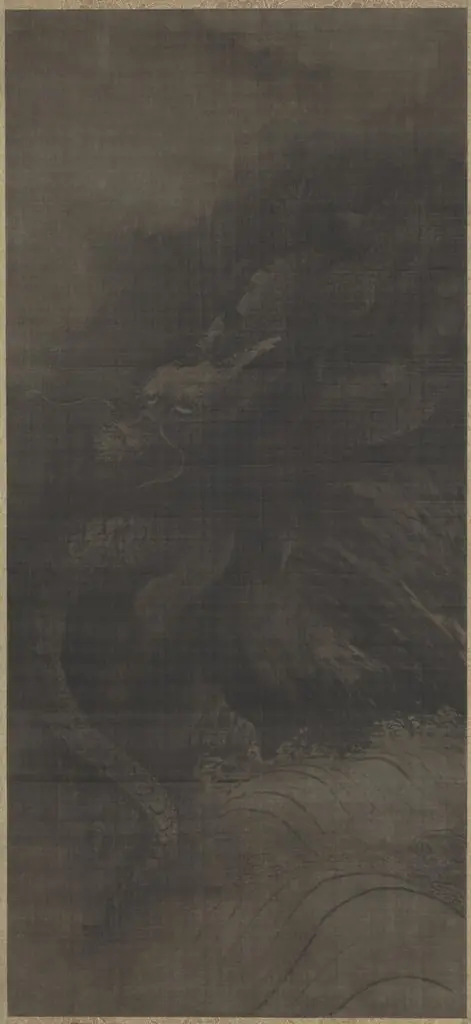
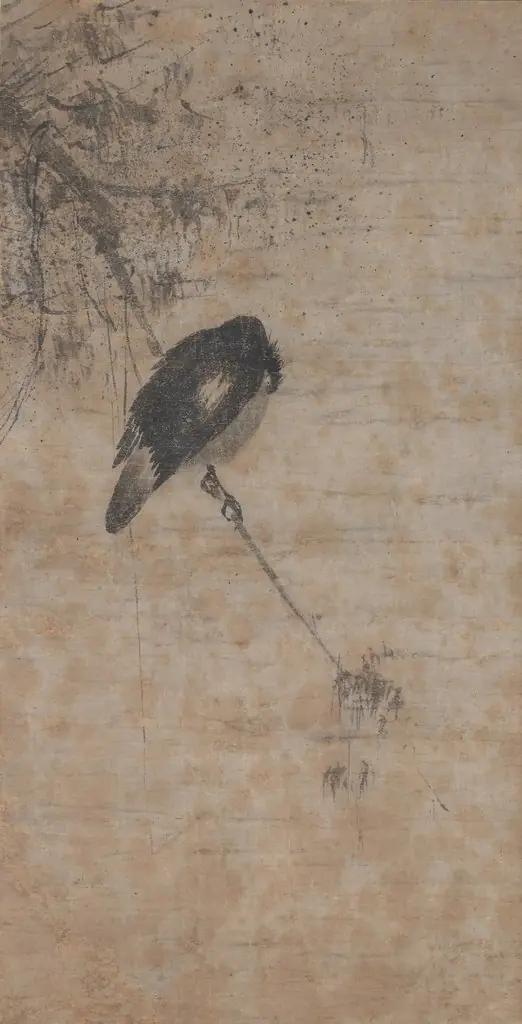
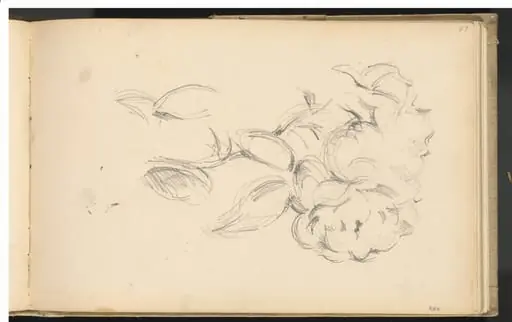
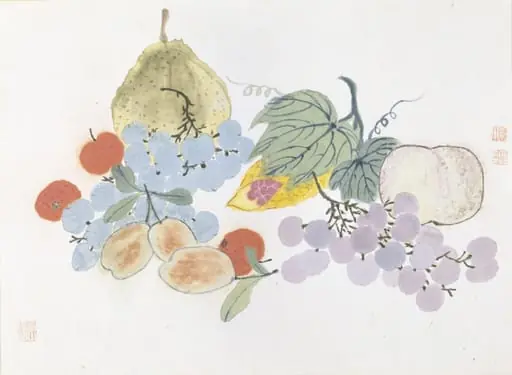
The painting depicts a variety of native plants and animals, birds, insects, blossoms, and leaves, rendered with quiet precision. Rather than symbolizing abstract ideals, these elements are presented as observed realities, each given equal attention. The absence of human figures reinforces a focus on the autonomy of the natural world, aligning with Chan Buddhist principles that value presence and impermanence over narrative or moral instruction.
Technique & Style
Muqi employs subtle gradations of ink wash to suggest texture and volume: soft feathering is achieved through delicate, layered strokes, while leaf edges are defined with sharper, drier brushwork. The light, unmodulated background allows the ink forms to emerge with clarity, enhancing their tactile presence. The technique avoids dramatic contrast, instead relying on tonal nuance to convey depth and materiality, a hallmark of Southern Song ink painting.
History & Provenance
The painting has been part of the imperial collection since at least the Yuan dynasty and was later transferred to the National Palace Museum in Taipei following the relocation of Chinese cultural artifacts in the mid-20th century. Its continuous preservation within elite collections underscores its recognized value among connoisseurs, though its original context and commission remain undocumented.
Context
Created during the Southern Song period, this work emerged from a cultural milieu where literati and Chan monks cultivated close observation of nature as a spiritual practice. Unlike courtly decorative art, such scrolls were intended for intimate viewing, often unrolled slowly in private settings. Muqi, a monk-painter, exemplified the fusion of monastic discipline and artistic expression that defined this era’s aesthetic.
Legacy
Painting from Nature influenced later East Asian ink traditions, particularly in Japan, where Muqi’s style was studied by Zen artists. Its emphasis on spontaneous yet controlled brushwork and unembellished naturalism became a model for ink painting beyond China. Though not widely known in the West until the 20th century, it remains a touchstone for understanding the philosophical underpinnings of East Asian nature art.

Artist & collection