Artwork
The Healing of the Paralytic
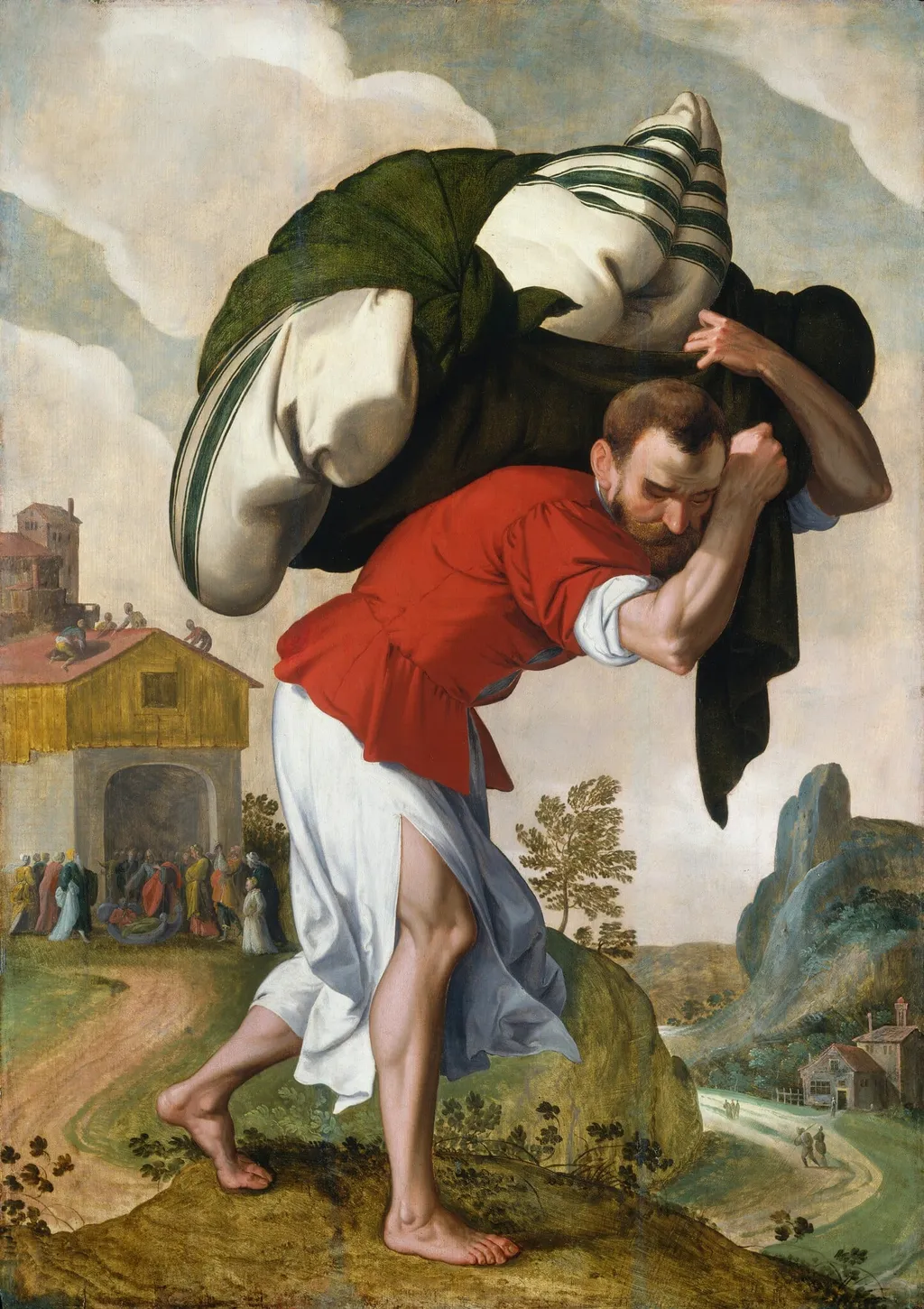
The Healing of the Paralytic is an oil painting. It dates from 1560 and is held in the collection of the National Gallery of Art.
About this work
Technique & Style
8 cm in height and 76 cm in width, presenting a substantial rectangular format typical of religious altarpieces or devotional images from the period.
Created around 1560, this Netherlandish work is executed in oil paint on a wooden panel support. The painting measures 107.8 cm in height and 76 cm in width, presenting a substantial rectangular format typical of religious altarpieces or devotional images from the period. The medium of oil on panel allowed for the detailed rendering characteristic of 16th-century Northern European art, facilitating the depiction of the biblical narrative of healing the paralytic at Bethesda. The surface remains intact as a panel painting, preserving the material qualities of the era's technical practice.
History & Provenance
Created around 1560 by an anonymous Netherlandish artist, this oil-on-panel painting depicts the healing of the paralytic at Bethesda. The work's documented ownership begins with P.M. Turner in London, who consigned it to Christie's on April 11, 1924; there it was bought in by a dealer named Lacey. It subsequently entered the collection of W. Lever, Esq., before passing through Spink & Son Ltd. and the Ehrich Galleries in New York.
The painting was offered again at the American Art Association and Anderson Galleries in New York on April 18–19, 1934, listed as a work by Jan van Hemessen. Following this sale, it was acquired by Chester Dale of New York, who bequeathed the piece to the National Gallery of Art in Washington, D.C., in 1943.
The painting is held by the National Gallery of Art in Washington, D.C., where it was accessioned in 1943 as a gift from Chester Dale. Its provenance traces back to P.M. Turner in London, followed by a 1924 Christie's sale where it was bought in by Lacey. The work subsequently passed through the hands of W. Lever and the Ehrich Galleries in New York before Dale's acquisition.
The provided sources detail this ownership chain and the current institutional location but do not contain information regarding specific exhibition history or inventory numbers.
Legacy
The Healing of the Paralytic entered the National Gallery of Art collection in 1943 through the gift of Chester Dale, marking its acceptance as a significant example of Netherlandish religious painting from the 16th century. Provenance research traces a complex ownership history, including holdings by P.M. Turner, a sale at Christie's in 1924, and later acquisition by W. Lever before its purchase by Ehrich Galleries, which facilitated its arrival in the United States. Scholarly attention to its attribution, initially linked to Jan van Hemessen and later re‑evaluated, has contributed to ongoing discussions of its artistic merit and historical context.
Its inclusion in major catalogues and museum displays underscores a lasting reputation as a representative work of early Netherlandish art.
Overview
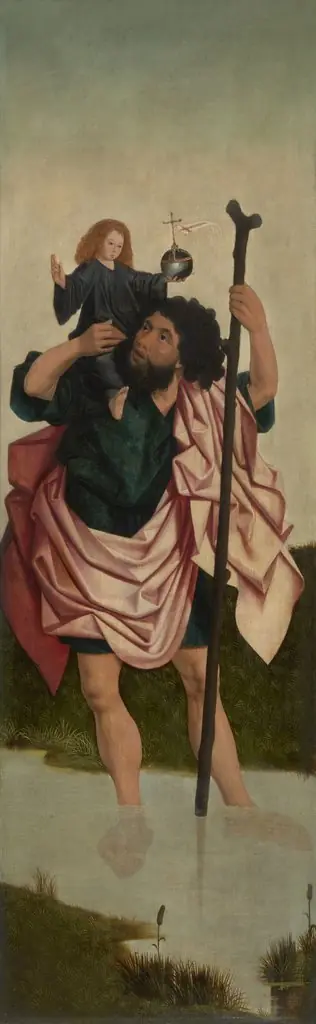
Titled "The Healing of the Paralytic," this oil on panel painting depicts a significant biblical event. It portrays one man carrying another through a rural landscape, with a village visible in the distance. This work exemplifies the artistic trends prevalent during the Renaissance, a transformative period of cultural development in Europe.
Subject & Meaning
The painting illustrates a man in a red shirt and white trousers bearing another individual, clad in a green cloak and white pants, on his back. They traverse a dirt path, suggesting a journey or passage. The title indicates this scene refers to the biblical account of the paralytic, who, after being healed, was instructed to take up his bed and walk, symbolizing divine intervention and restoration.
Context
This artwork is situated within the broader context of the Renaissance, a transformative cultural movement spanning several centuries in Europe. Artists during this era often drew inspiration from classical antiquity, emphasizing humanism, realism, and a renewed interest in perspective and anatomical accuracy, which are subtly evident in the composition and rendering.
Artist & collection