Artwork
Saint Christopher and the hermit
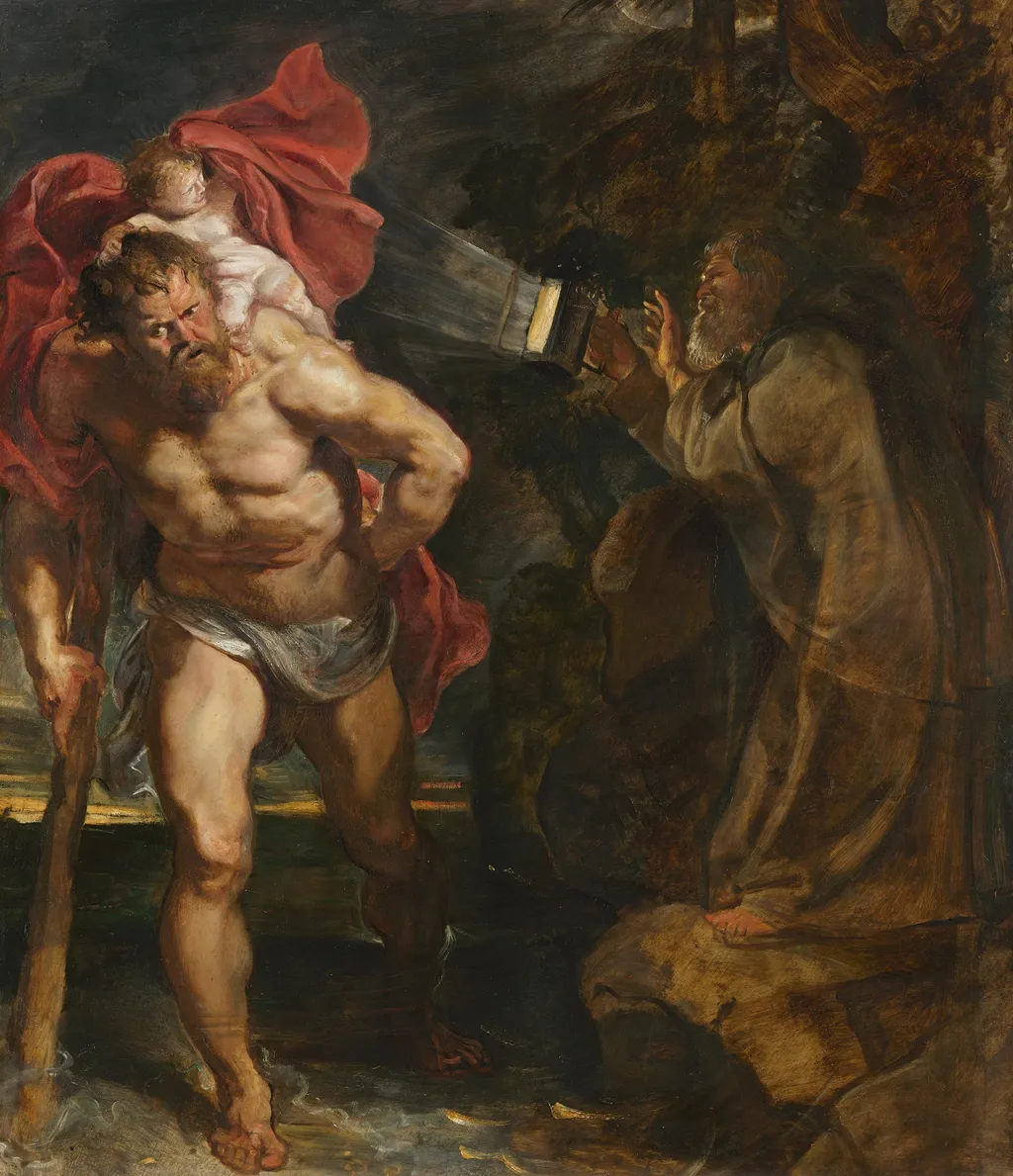
Saint Christopher and the hermit is an oil painting by the Flemish Baroque painting artist Peter Paul Rubens. It dates from 1612 and is held in the collection of the Bavarian State Painting Collections.
About this work
Subject & Meaning
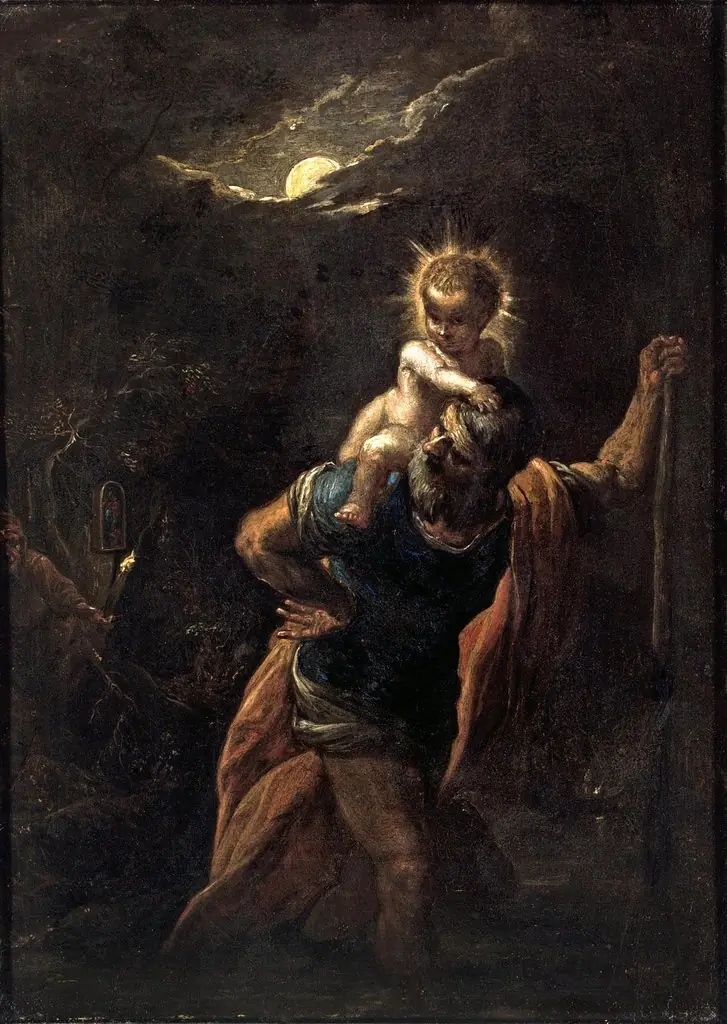
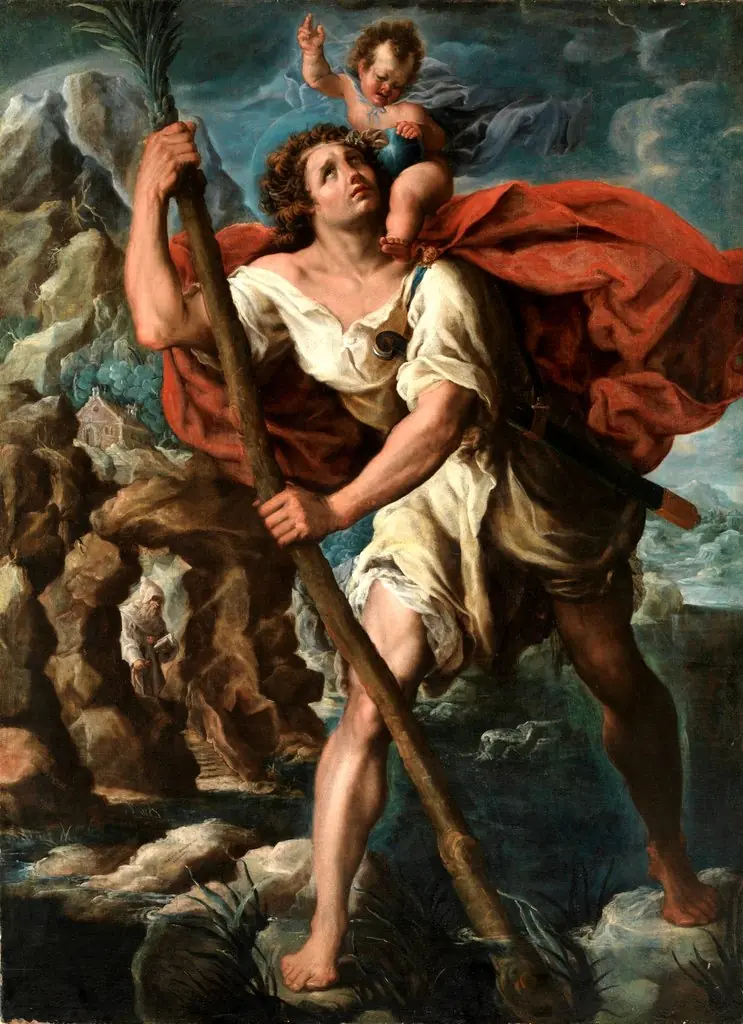
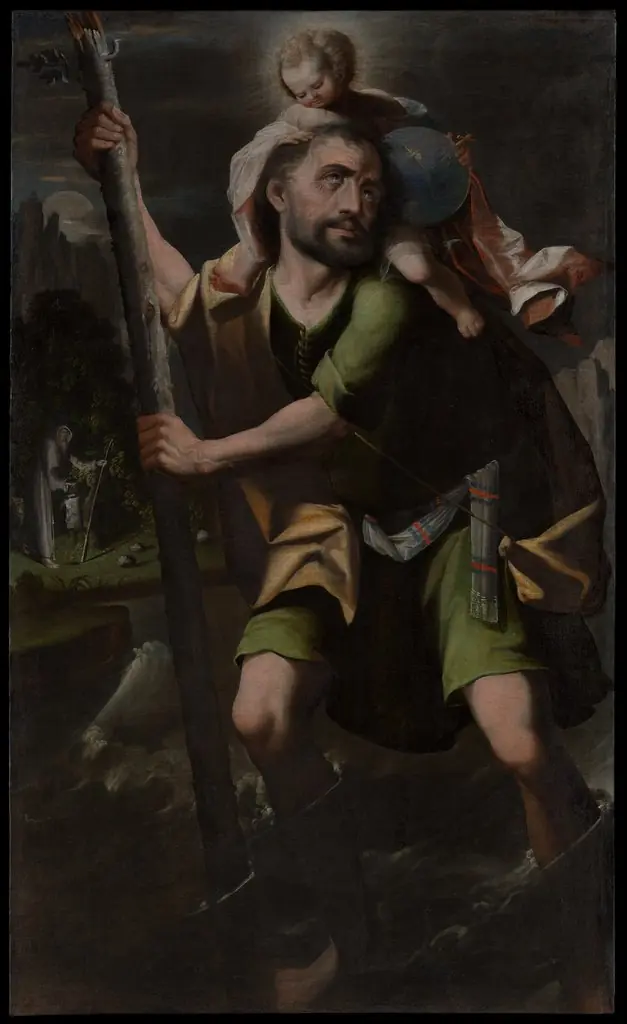
The composition features the giant saint alongside the solitary monk, with a lamp included as a specific visual element within the scene.
Painted in 1612, this religious work by Peter Paul Rubens illustrates the hagiographic meeting between Saint Christopher and a hermit. The composition features the giant saint alongside the solitary monk, with a lamp included as a specific visual element within the scene.
As a piece of religious art, the painting focuses on the narrative interaction between these two figures, representing a moment from the saint's life prior to his famous carrying of the Christ child. The inclusion of the lamp serves as a distinct iconographic detail in this depiction of the hermit's cell or the surrounding environment.
Technique & Style
The painting is executed in oil on panel, measuring 76.8 by 67.8 cm. Its compact scale and wooden support are consistent with Rubens's early seventeenth-century religious works. The medium of oil paint allows for the rich color saturation and layered glazes characteristic of his Flemish Baroque handling. The composition depicts Saint Christopher and a hermit, with the latter identified by attribute of a lamp. No specific information on current condition or detailed stylistic analysis is provided in the sources.
History & Provenance
Created in 1612 by Peter Paul Rubens, this oil painting on panel measures 76.8 by 67.8 cm and depicts Saint Christopher with a hermit and a lamp. It was part of the Johann Wilhelm von der Pfalz collection within the Bavarian State Painting Collections and was housed in the Alte Pinakothek in Munich. The work was included in the exhibition "The Touch of Pygmalion: Rubens and Sculpture in Rome," which highlighted its subject and artistic context.
The work Saint Christopher and the hermit is held at the Alte Pinakothek, part of the Bavarian State Painting Collections under the Johann Wilhelm von der Pfalz collection and Electoral Gallery Dusseldorf. It was created in 1612 by Peter Paul Rubens using oil paint on panel, measuring 76.8 cm in height and 67.8 cm in width. The painting was featured in the exhibition The touch of Pygmalion. Rubens and sculpture in Rome.
Overview
Created in 1612 by the Flemish painter Peter Paul Rubens, this oil on canvas depicts the legendary Saint Christopher alongside a solitary hermit. The composition is held in the Alte Pinakothek, Munich, and exemplifies the dramatic intensity typical of Rubens’ Baroque output, where narrative and movement are emphasized through strong contrasts of light and shadow.
Context
Rubens often drew on Christian legends and classical motifs to construct complex narratives. In this piece, the juxtaposition of the colossal saint with the humble hermit underscores the Baroque interest in contrasts, physical strength versus spiritual humility, light versus darkness, mirroring contemporary theological debates.
Own this work as a print
Artist & collection
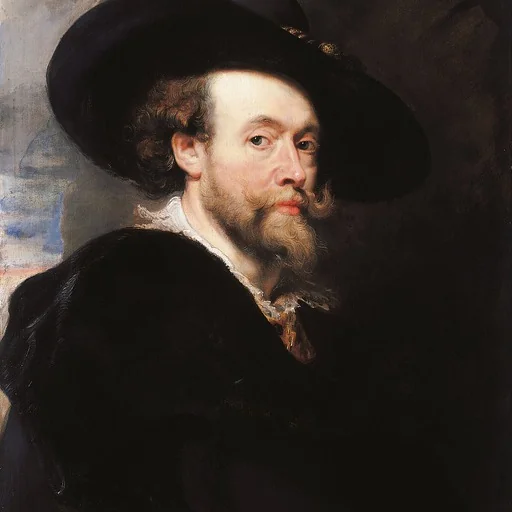
Artist
Sir Peter Paul Rubens ( ROO-bənz; Dutch:; 28 June 1577 – 30 May 1640) was a Flemish artist and diplomat.