Artwork
Portrait of a Man
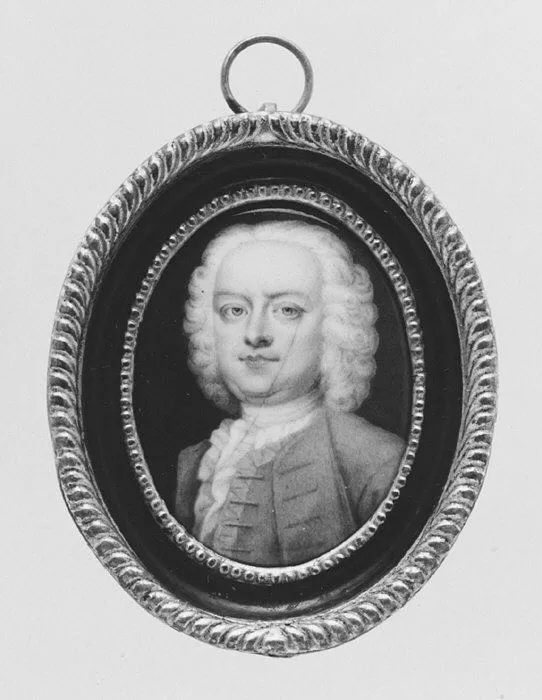
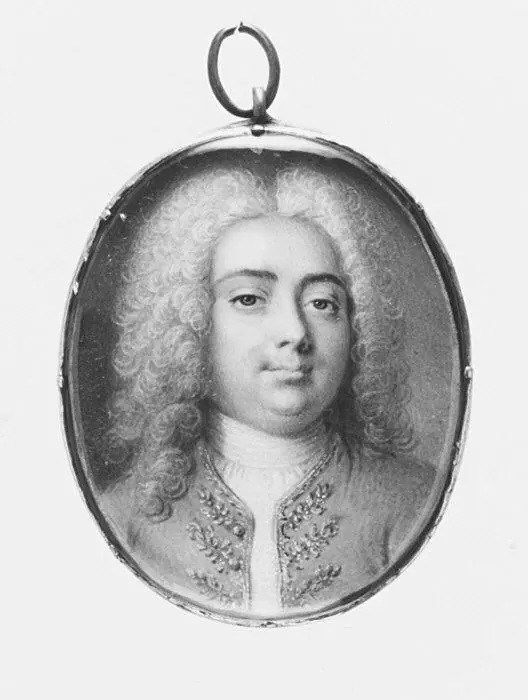
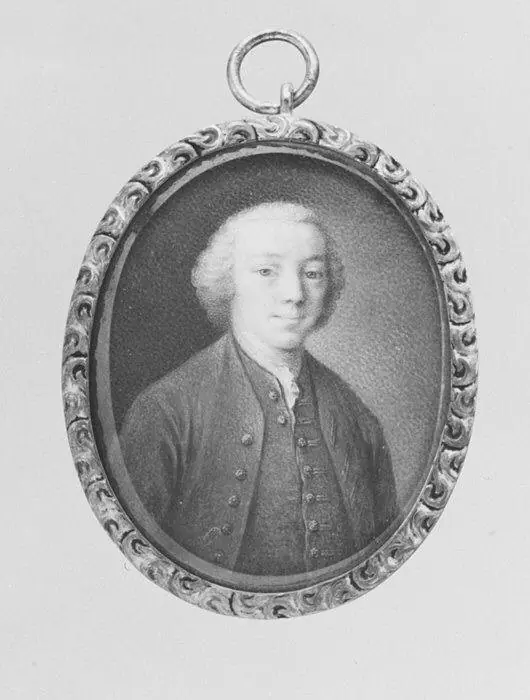
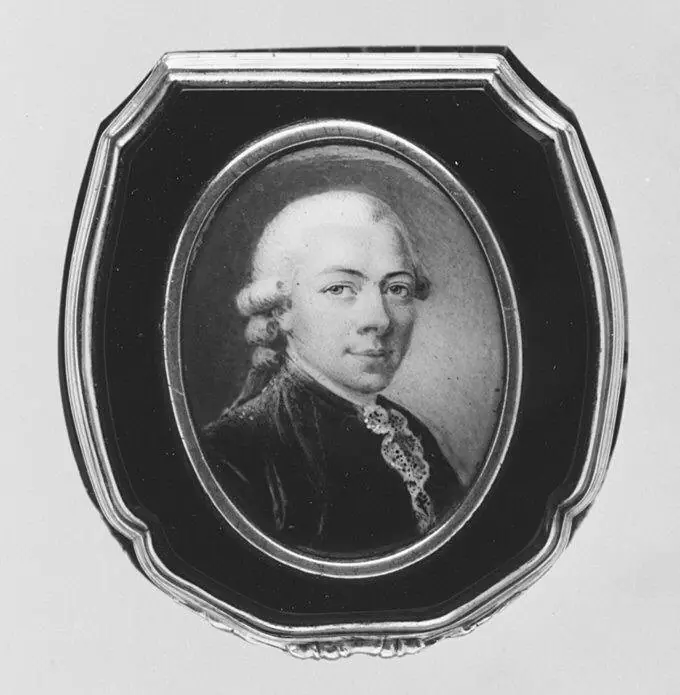
Portrait of a Man is an unspecified painting by the Rococo painting artist Noah Seaman. It dates from 1730 and is held in the collection of the Metropolitan Museum of Art.
About this work
Subject & Meaning
The subject is an unidentified man rendered in a style typical of early 18th‑century portraiture, suggesting a focus on individual identity and status.
The painting titled Portrait of a Man by Noah Seaman created in 1730 is a portrait genre work that depicts a solitary male sitter. The subject is an unidentified man rendered in a style typical of early 18th‑century portraiture, suggesting a focus on individual identity and status. As part of the Metropolitan Museum of Art’s collection the piece functions as a visual record of the sitter’s appearance and possibly his social standing though specific iconographic details or symbolic attributes are not documented.
History & Provenance
Portrait of a Man is a 1730 oil painting attributed to the American colonial artist Noah Seaman. The work, measuring 47 × 37 cm, portrays a seated male sitter and is classified as a portrait. It entered the collection of the Metropolitan Museum of Art, where it remains on view, and the museum’s records list the piece as part of their holdings.
No documentation of a specific commission or earlier private ownership is provided in the available sources, and the exact date of acquisition is not recorded. The attribution to Seaman and the 1730 date are the primary factual anchors for the work’s creation history.
Overview
Noah Seaman's Portrait of a Man, created in 1730, presents a formal depiction of an unidentified sitter. This oil painting, now part of The Metropolitan Museum of Art's collection, exemplifies 18th-century portraiture. The work focuses on the subject's dignified presence and fashionable appearance, characteristic of the era's artistic conventions for personal representation.
Technique & Style
Seaman employed a dark background to create a strong contrast, effectively drawing attention to the sitter's face and clothing. This compositional choice enhances the subject's presence, making his features and the textures of his garments stand out. The artist's technique contributes to the overall impression of solemnity and refined elegance within the portrait.
Context
This portrait reflects common trends in 18th-century European art, where individuals commissioned paintings to document their likeness and convey their social standing. The meticulous rendering of the sitter's fashionable wig and formal attire underscores the era's emphasis on appearance and decorum in public representation.
Artist & collection
Artist
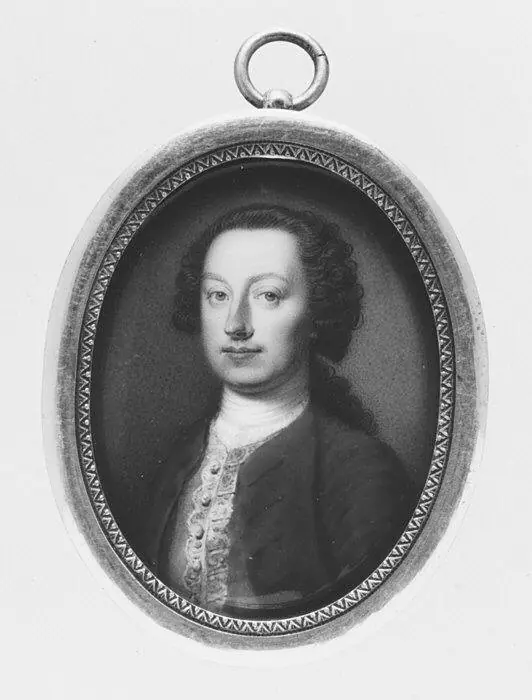
British portrait painter in the early 1700s, Noah Seaman specialized in sitters with crisp white cravats and dark coats.

- Portrait of a Man
 Portrait of a Man
 Portrait of a Man
 Portrait of a Man
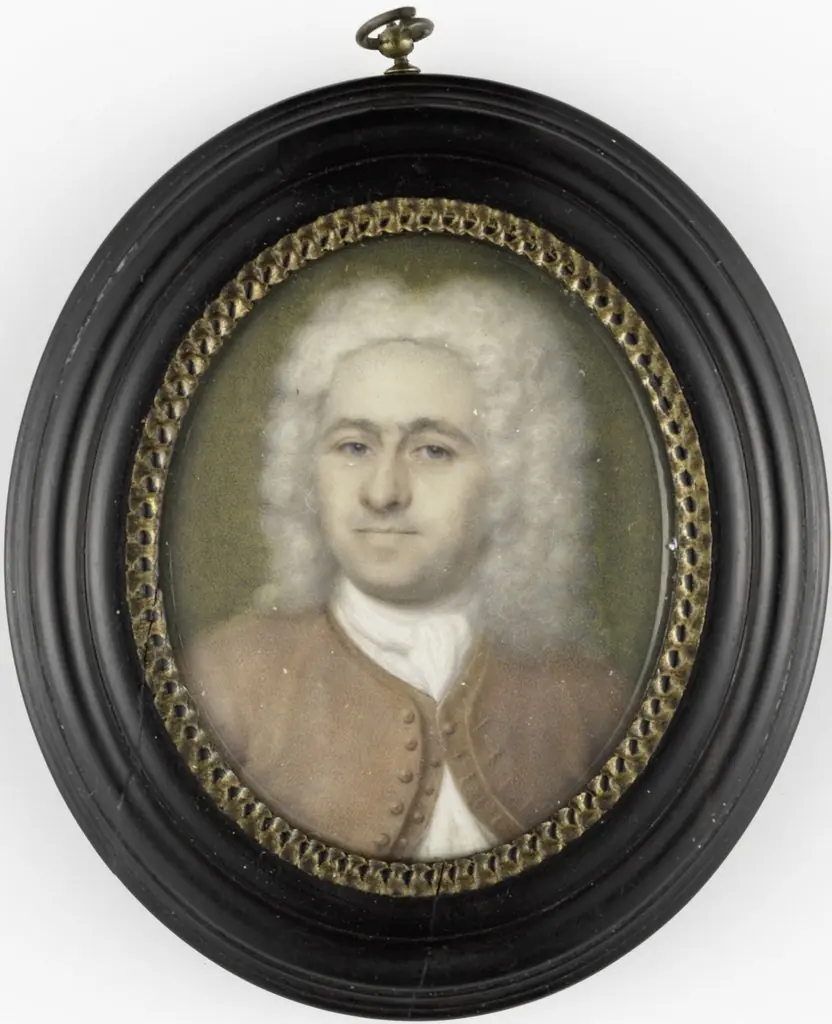 Herman Wolters (1682-1756). husband of the painter
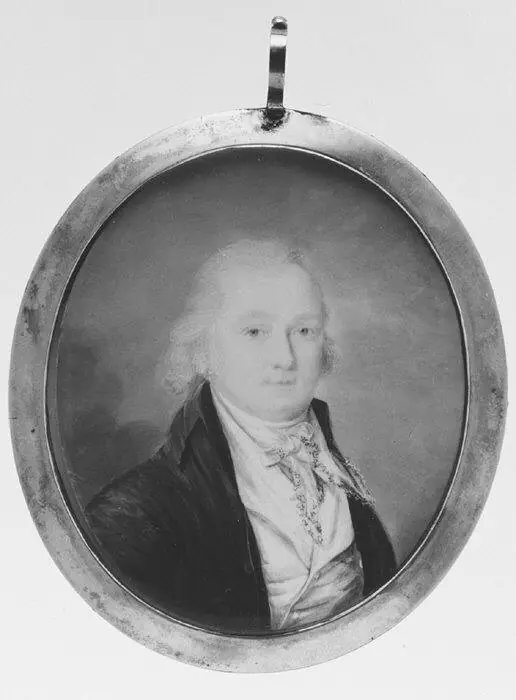 Portrait of a Man, Said to Be James Madison (1751–1836)
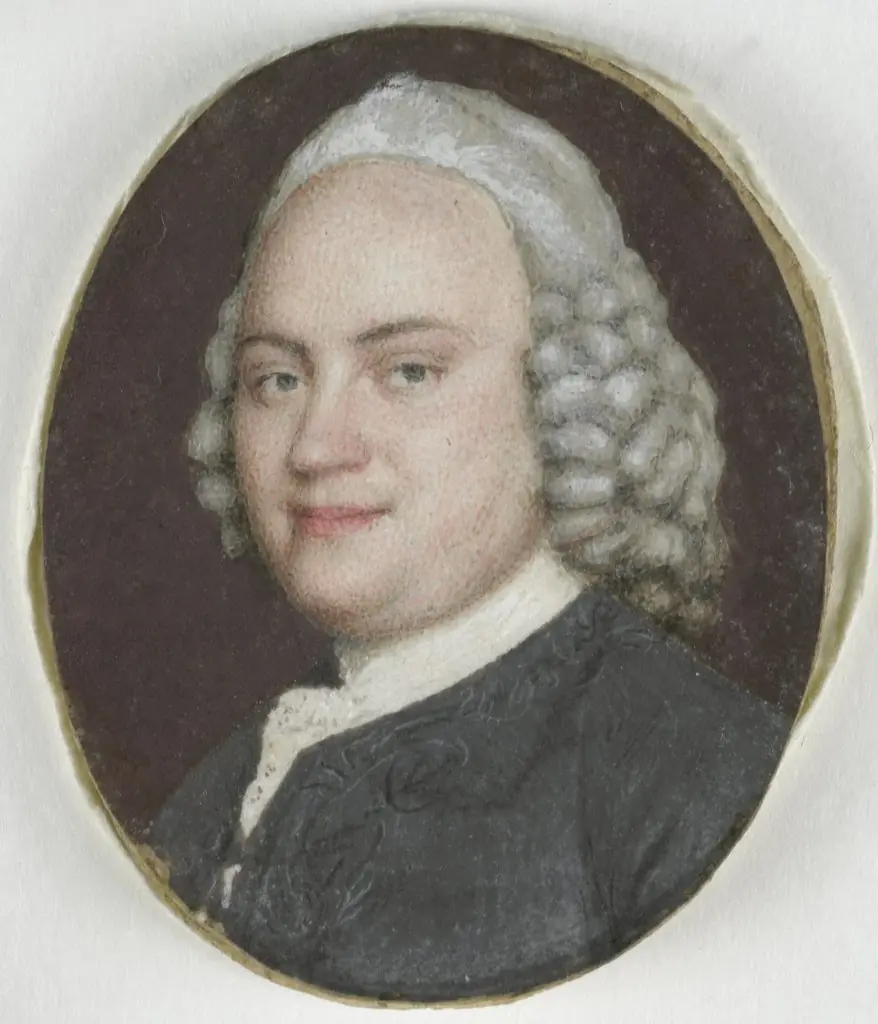 Portret van Pieter van Bleiswijk (1724-90), raadpensionaris van Holland
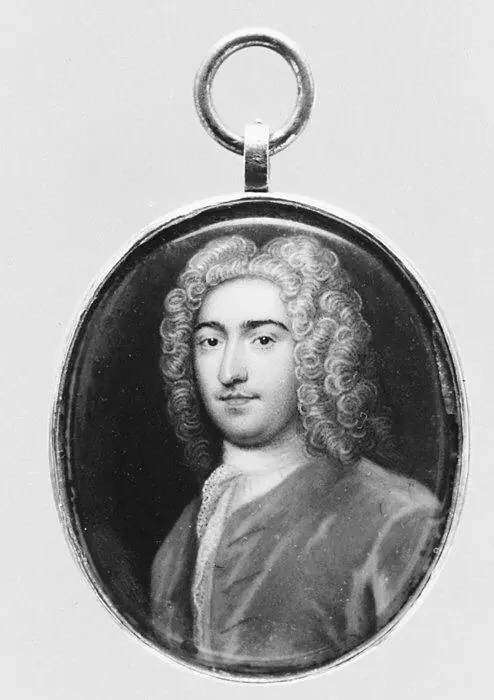 Portrait of a Man
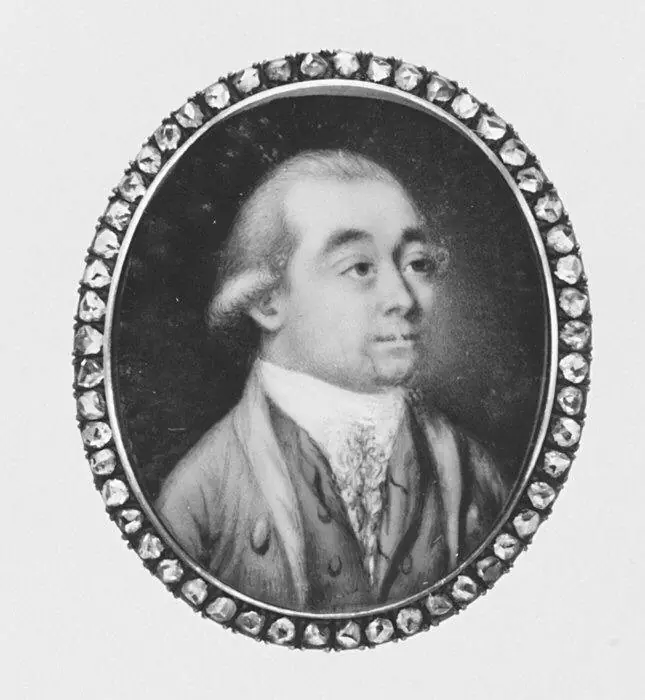 Portrait of a Man
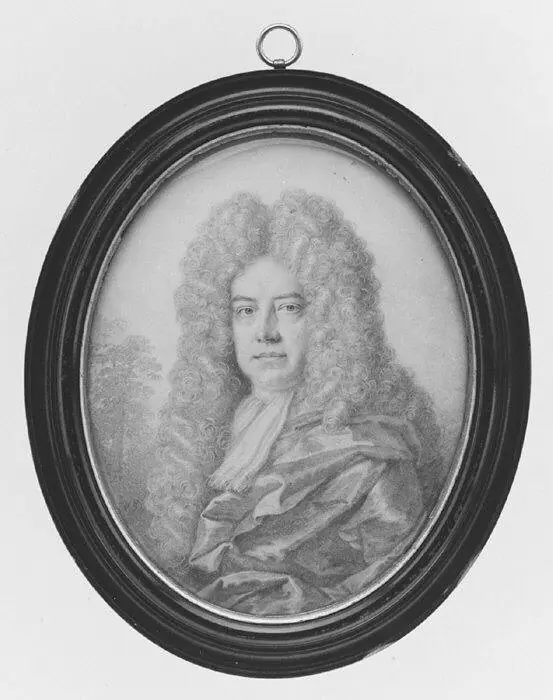 Portrait of a Man
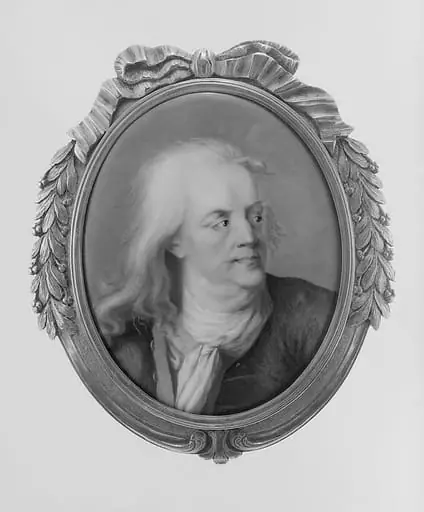 Benjamin Franklin
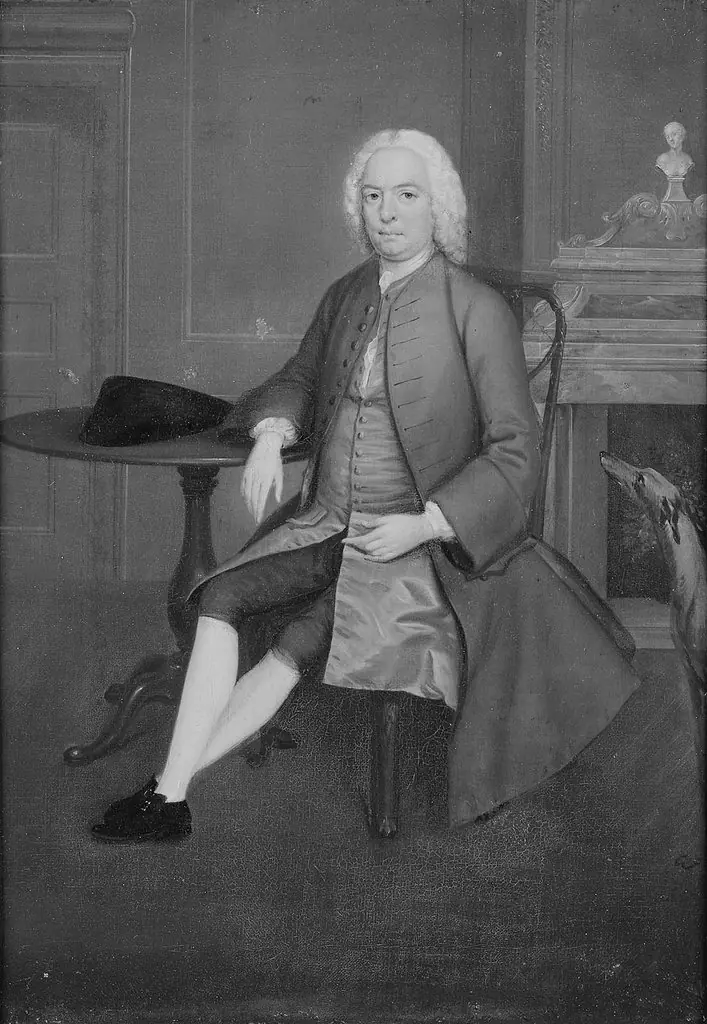 Portrait of a Man Seated beside a Table