Artwork
Chinese Landscape
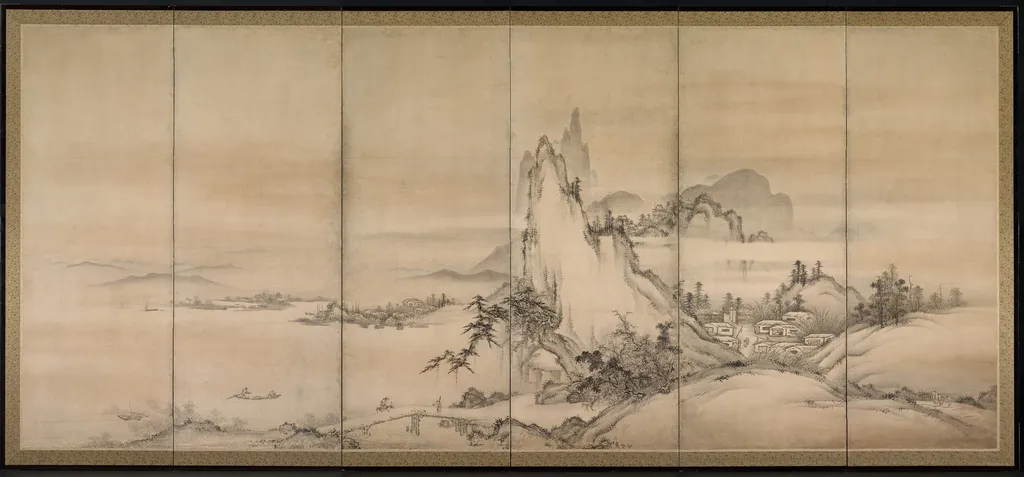
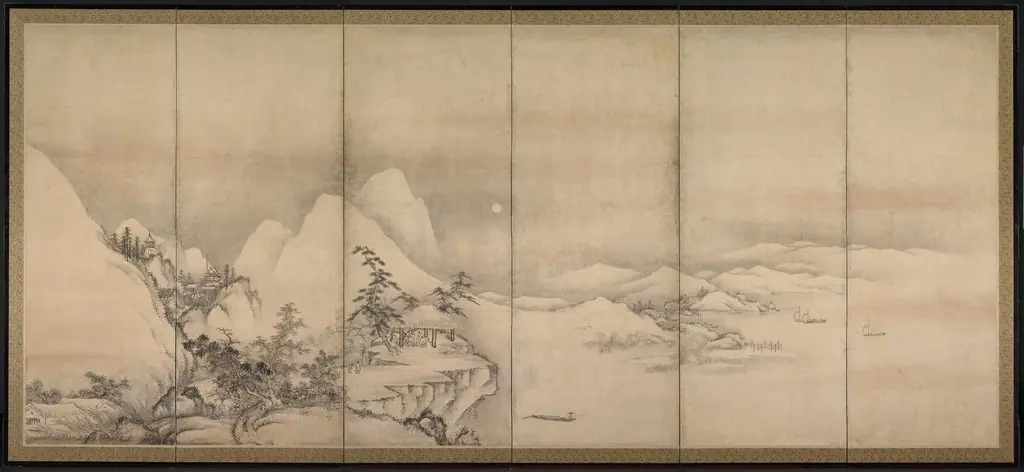
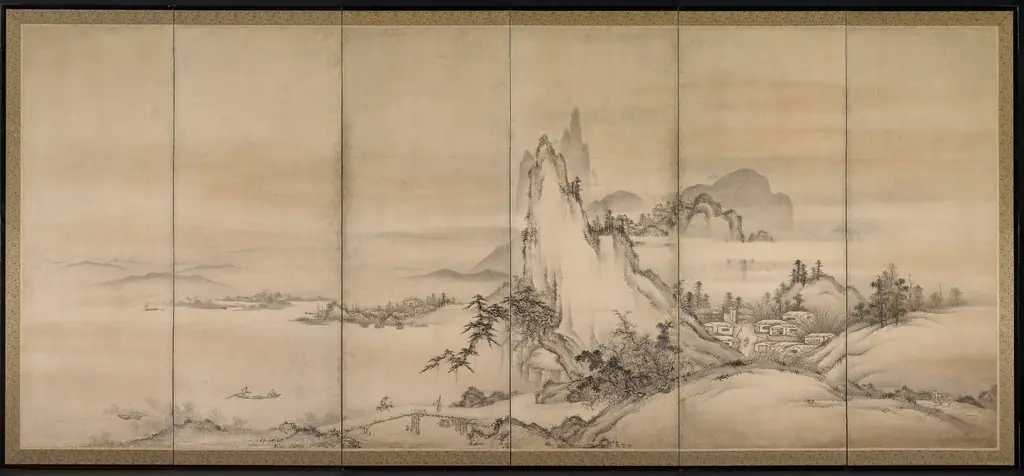
Chinese Landscape is an unspecified painting. It dates from 1549 and is held in the collection of the Cleveland Museum of Art.
About this work
Subject & Meaning
The work titled Chinese Landscape is a 1549 painting created in Japan and held by the Cleveland Museum of Art.
The work titled Chinese Landscape is a 1549 painting created in Japan and held by the Cleveland Museum of Art.
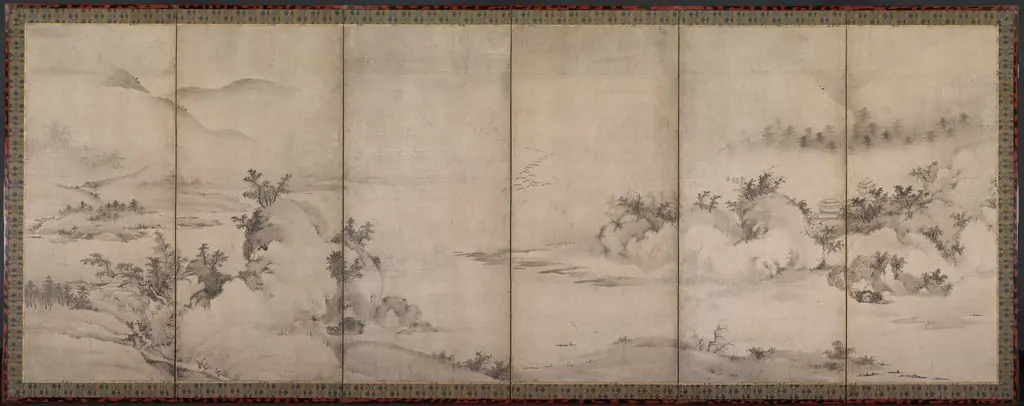
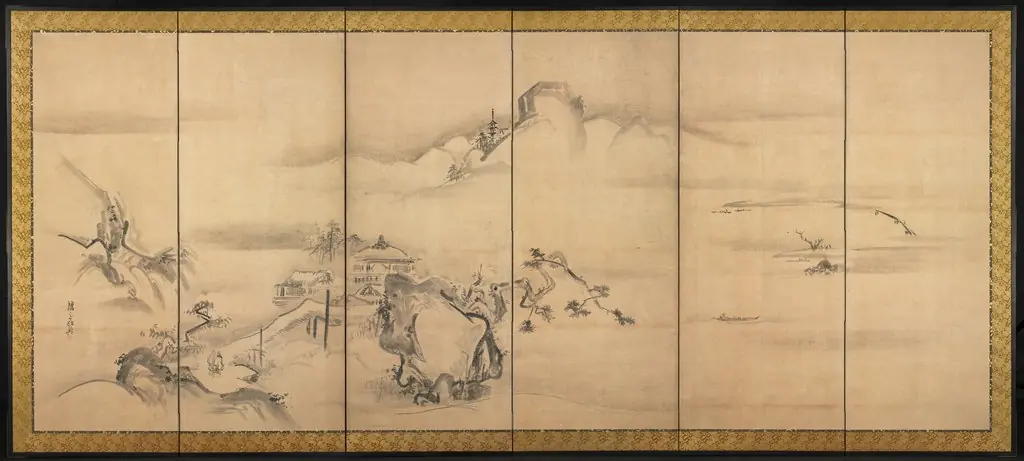
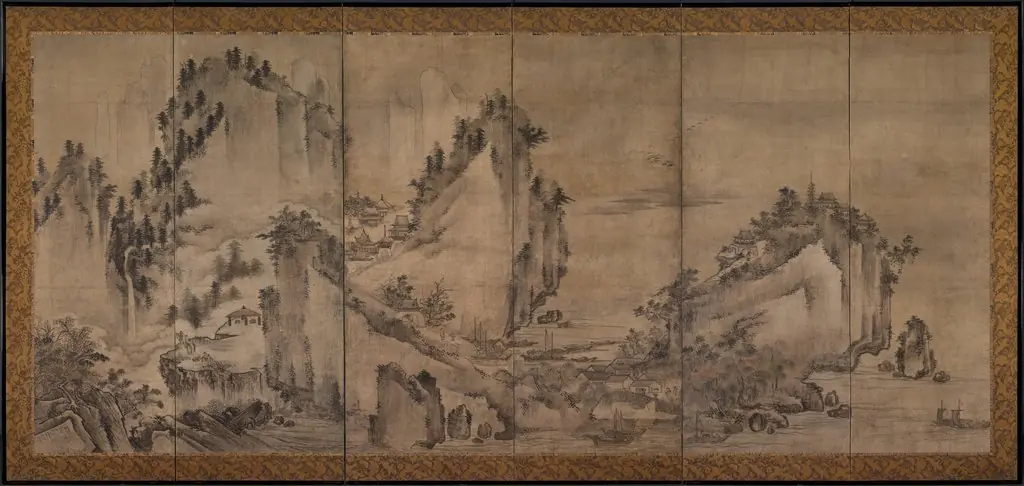
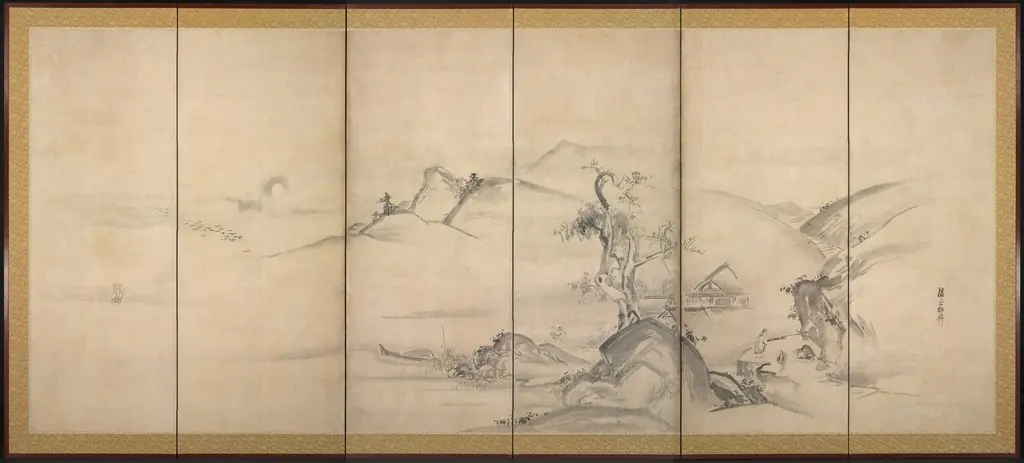
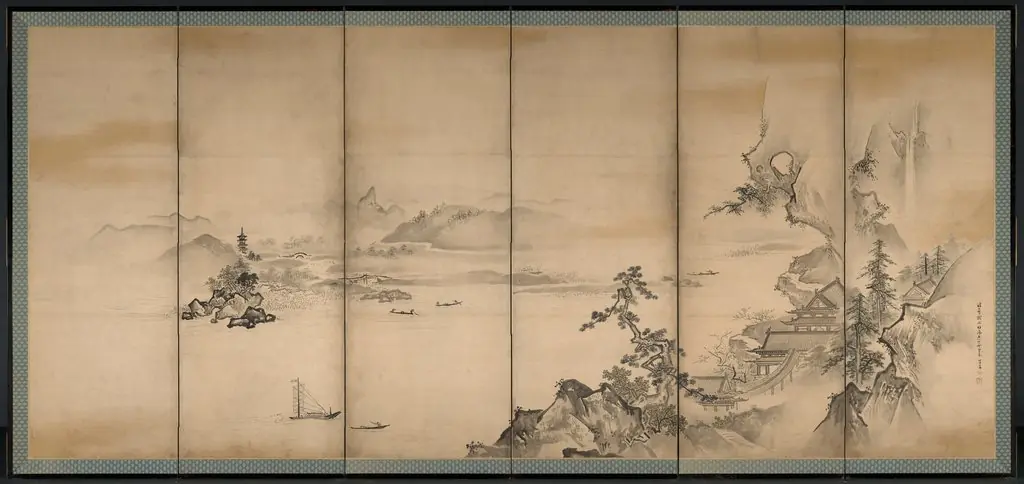
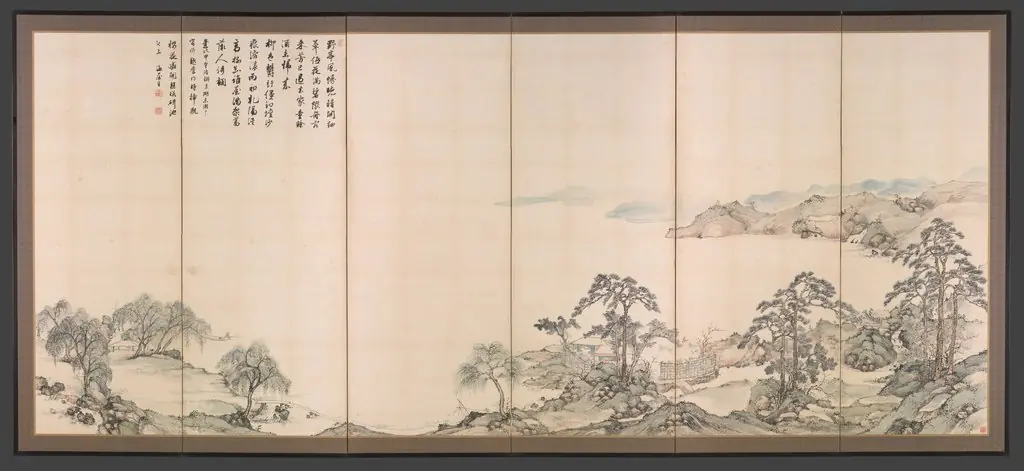
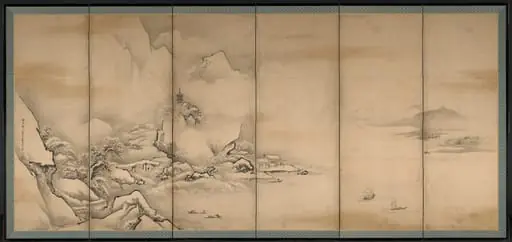
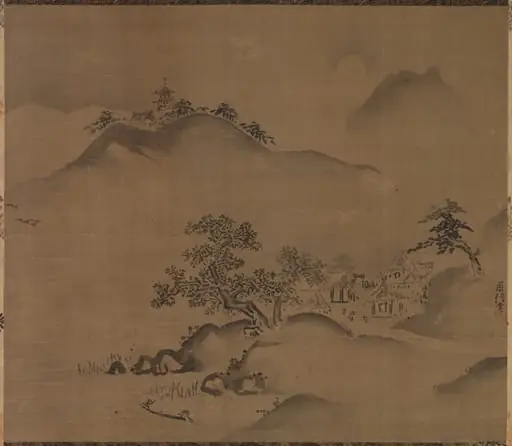
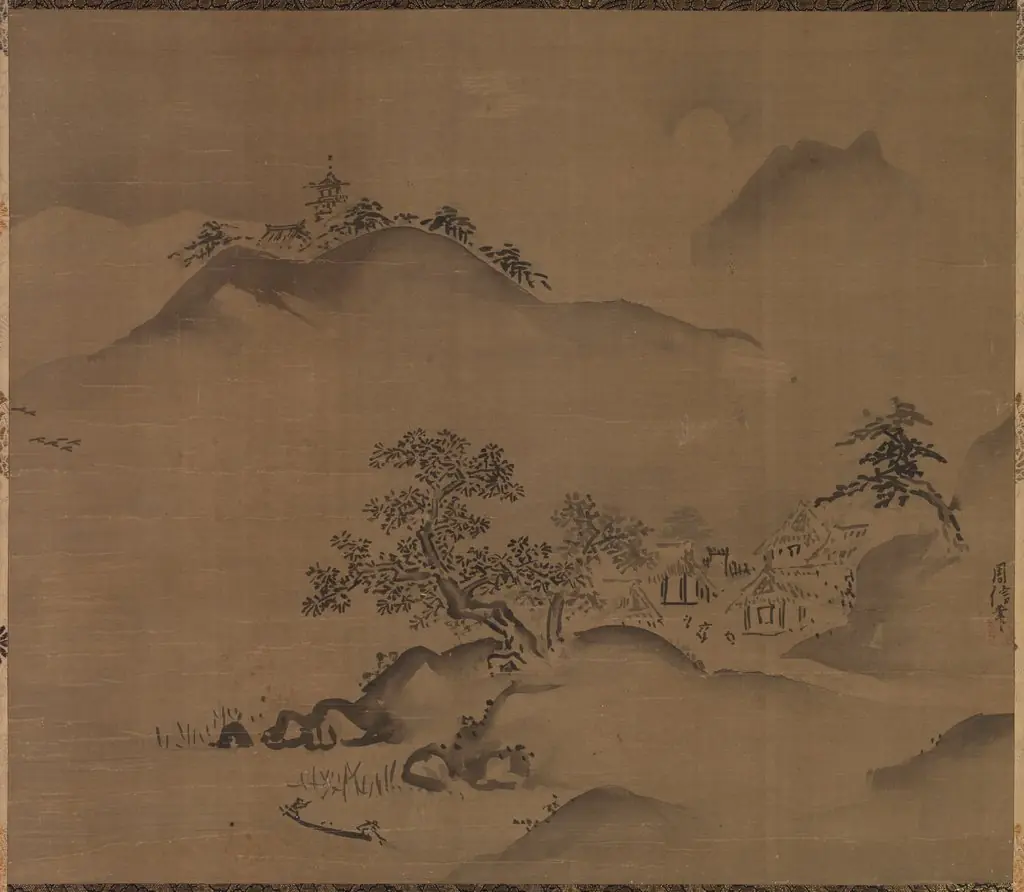
It belongs to the landscape genre and is classified as a painting, depicting a traditional Chinese scenic view that emphasizes natural topography such as mountains, water, and vegetation.
In keeping with the landscape tradition, the composition conveys a sense of spatial depth and philosophical resonance associated with the representation of nature. The anonymous artist produced this piece as part of a broader cultural exchange that brought Chinese aesthetic themes into Japanese artistic practice during the mid‑16th century.
History & Provenance
The painting titled Chinese Landscape, dated 1549, is held in the collection of the Cleveland Museum of Art in Cleveland. The work is cataloged under the accession number 1964.279.1 and is attributed to an unknown artist. Although the title suggests a Chinese origin, the source indicates the piece was made in Japan. The artwork is classified as a landscape painting within the museum's holdings.
Overview
This painting, titled Chinese Landscape, presents a tranquil natural scene across six distinct panels. The composition balances expansive water elements with rugged landforms, inviting contemplation. The artist employs visual techniques to enhance the scene's depth and tactile qualities, creating an immersive experience for the viewer.
Technique & Style
The artist skillfully utilizes variations in light and shadow, a technique known as chiaroscuro, to imbue the landscape with a profound sense of three-dimensionality and textural richness. This deliberate manipulation of illumination and darkness contributes significantly to the painting's perceived realism. The nuanced interplay of light guides the observer's gaze deeper into the depicted environment, enhancing engagement with the scene.
Artist & collection