Artwork
The Baptism of Christ
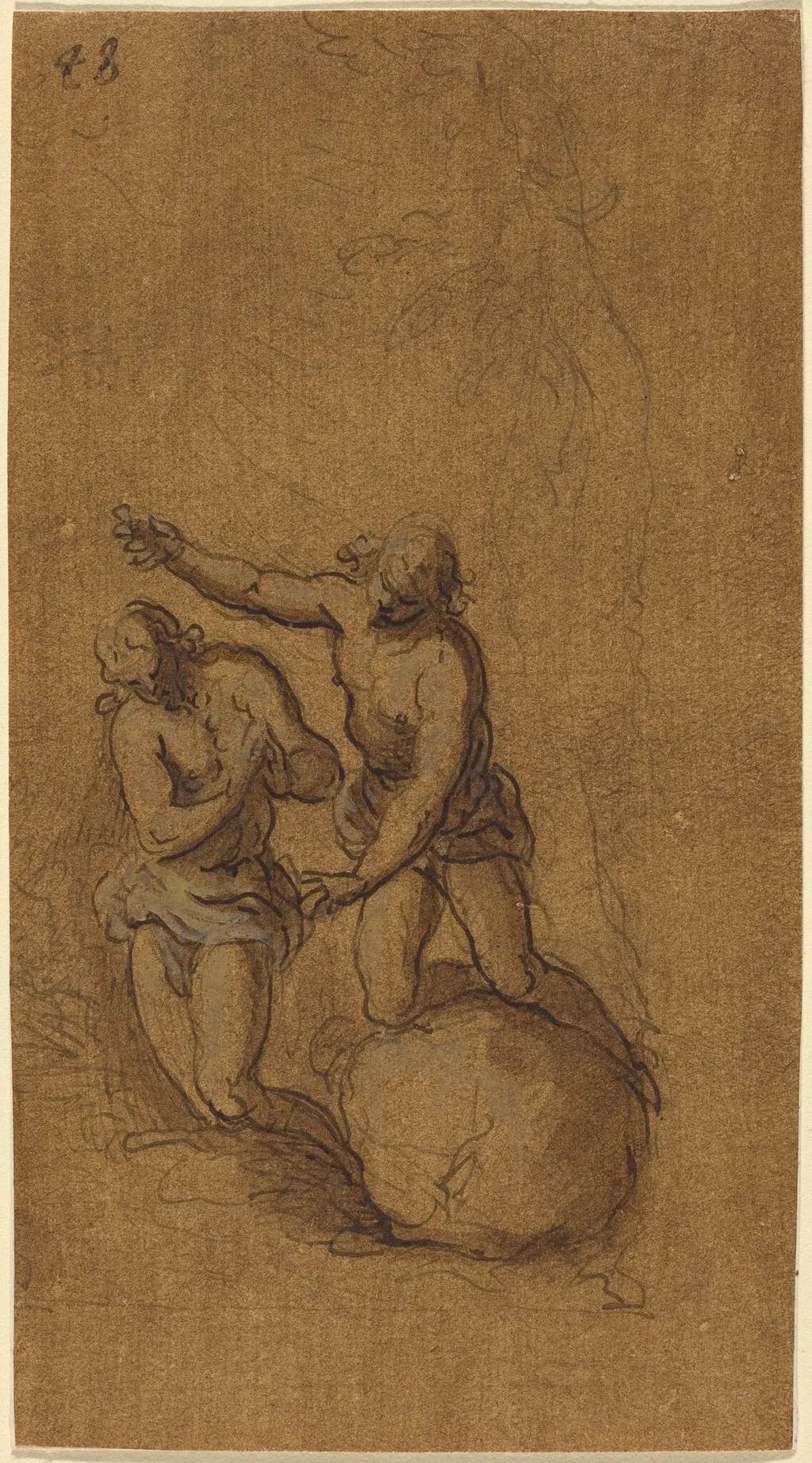
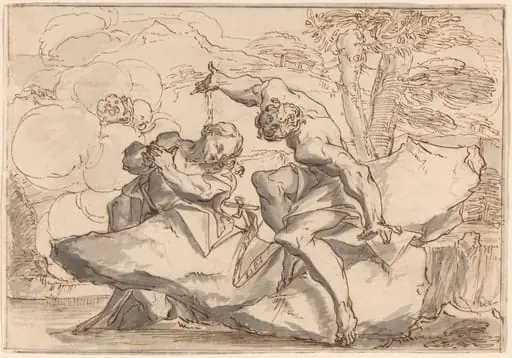
The Baptism of Christ is an ink drawing by the Renaissance artist Palma il Giovane. It dates from 1588 and is held in the collection of the National Gallery of Art.
- Inscription
- Inscribed:upper left in brown ink: 48
About this work
Overview
This work exemplifies Palma's role in the late Venetian tradition, bridging the Mannerist complexity of his uncle Tintoretto with the emerging Baroque dynamism.
Created in 1588, Jacopo Palma il Giovane's The Baptism of Christ is a preparatory drawing executed in pen and brown ink with brown wash, heightened with light gold gouache on brown washed laid paper. The composition depicts the biblical scene of Christ's baptism in the Jordan River, featuring three figures arranged dynamically within a compact space. Christ stands centrally, half-bent with arms outstretched, receiving the sacrament from John the Baptist, who kneels on a rocky outcrop to his left.
A third figure, likely an angel or witness, crouches behind the central group, holding a cloth. Palma employs a rapid, sketchy technique characterized by scratchy lines and fluid washes that define form and shadow without the finish of a final painting. The use of gold gouache adds a luminous quality to the brown-toned surface, emphasizing the divine nature of the event.
This work exemplifies Palma's role in the late Venetian tradition, bridging the Mannerist complexity of his uncle Tintoretto with the emerging Baroque dynamism. As a study, it reveals the artist's process of resolving figure placement and lighting before committing to a larger canvas, showcasing his mastery of atmospheric effects and expressive line work typical of his mature period.
Subject & Meaning
The composition presents a nascent depiction of Christ’s baptism: a kneeling figure on a rock reaches toward a partially bent figure whose arms are extended, while a third, crouched figure holds a cloth, suggesting the presence of a priest or attendant. The arrangement hints at the ritual act without fully resolving narrative details.
Technique & Style
Executed with a rapid, sketch‑like hand, the drawing features scratchy pen lines and a brown wash that establishes tonal depth. Light gold gouache highlights accentuate the figures, imparting a subtle glow against the earthy background. The mixed medium of ink, wash, and gouache reflects a preparatory approach typical of the period’s workshop practices.
History & Provenance
Created in the late sixteenth century, the drawing is attributed to Palma il Giovane, a prominent follower of the Venetian tradition. It likely served as a study for a larger painted composition, a common step in the artist’s process, though its subsequent ownership record remains limited.
Context
During the Counter‑Reformation, depictions of Christ’s baptism were frequently employed to underscore sacramental themes. Palma il Giovane’s draft aligns with this devotional climate, employing a restrained palette and gestural immediacy to explore the scene before committing to a finished altarpiece.
Artist & collection
Artist
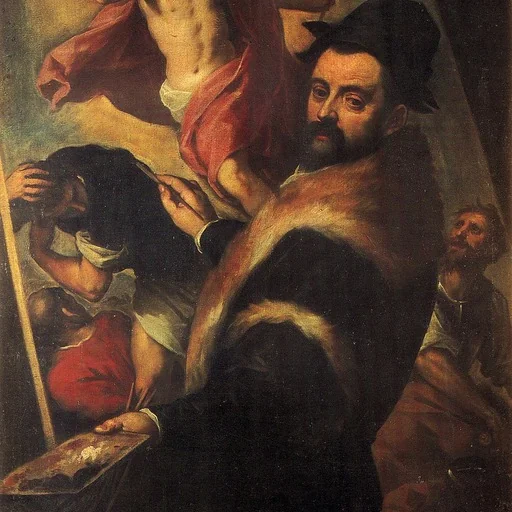
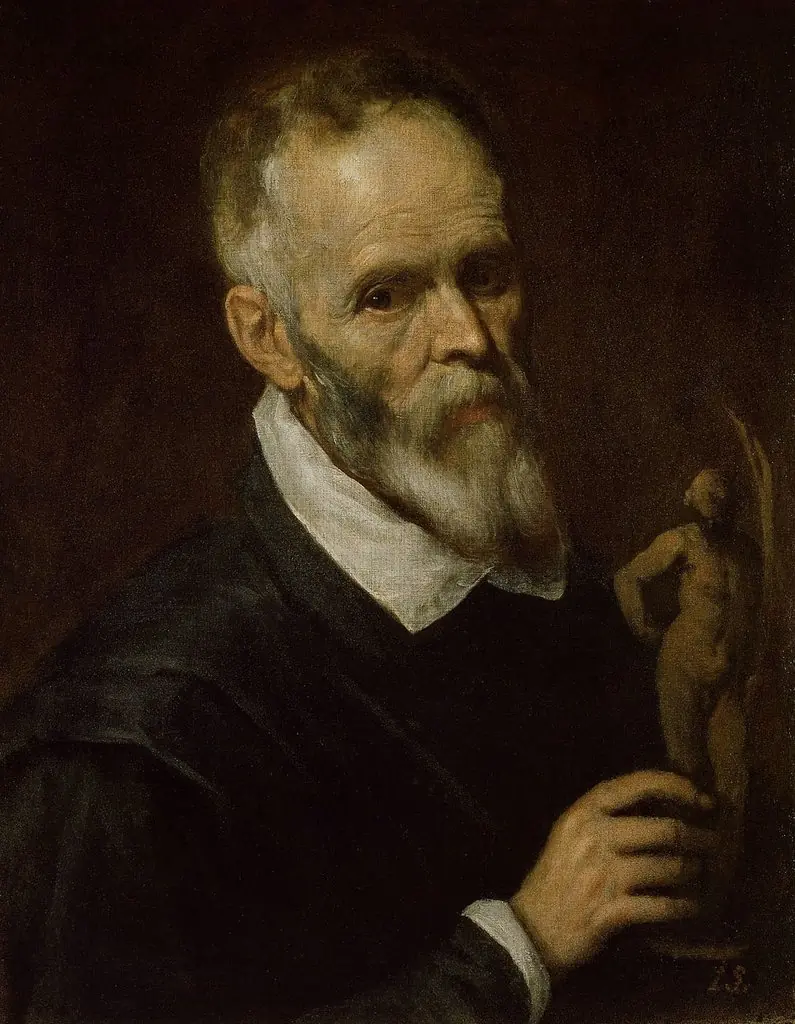
Iacopo Negretti (1548/50 – 14 October 1628), best known as Jacopo or Giacomo Palma il Giovane or simply Palma Giovane ('Young Palma'), was an Italian painter from Venice and a notable exponent of the Venetian school.

- The Baptism of Christ
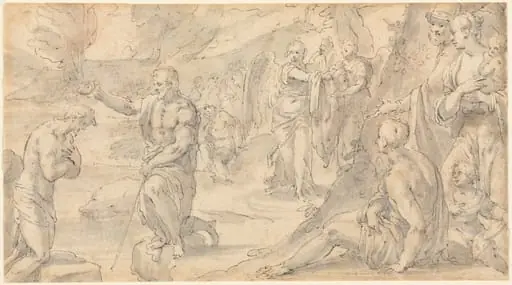
 The Baptism of Christ
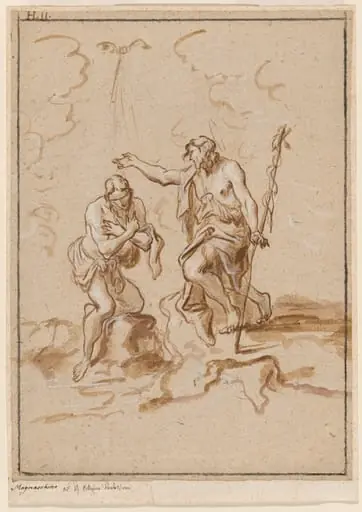 The Baptism of Christ
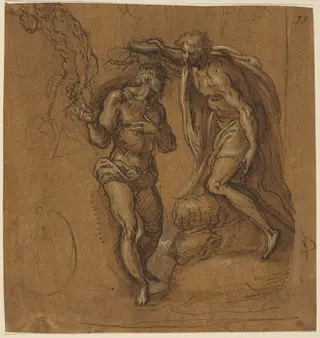 Sketch for a Baptism of Christ
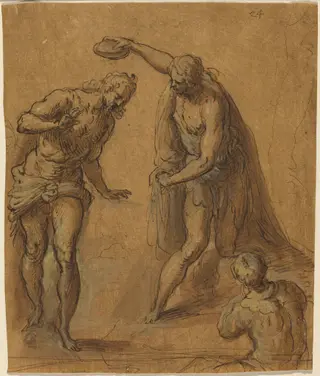 Sketch for a Baptism of Christ
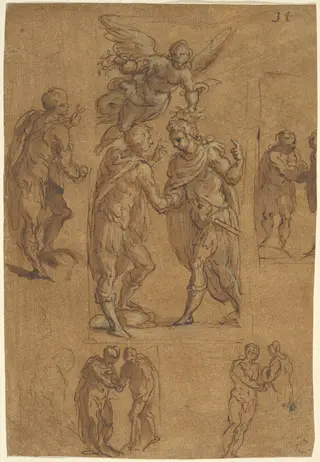 Two Soldiers Crowned by Victory
 Susanna and the Elders
 Two Men Tying a Bundle (recto)
 Apollo Flaying Marsyas (recto)
 Clap of Thunder
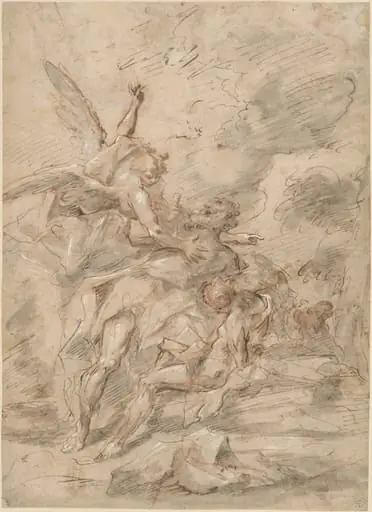 The Sacrifice of Isaac
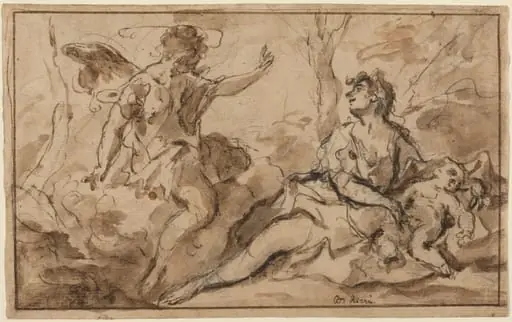 The Angel Appearing to Hagar and Ishmael