Artwork
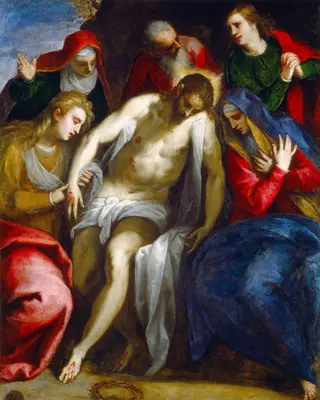
Lamentation with angels
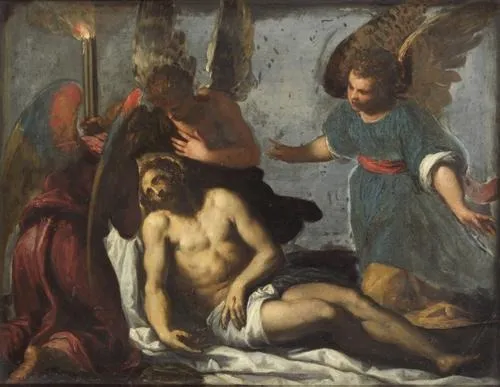
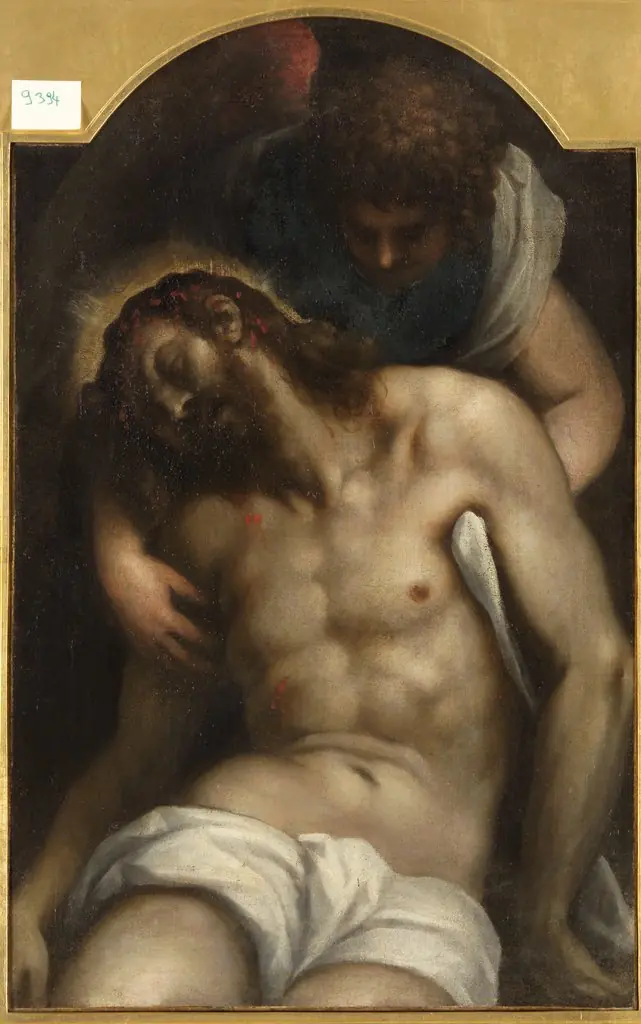
Lamentation with angels is an oil painting by the Early Baroque Italian artist Palma il Giovane. It dates from 1612 and is held in the collection of the Kunsthistorisches Museum.
About this work
Subject & Meaning
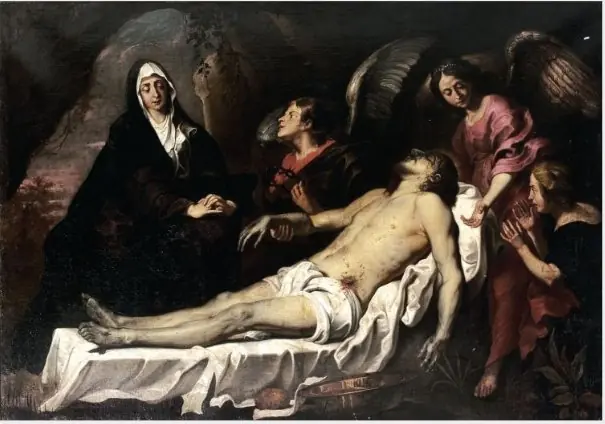
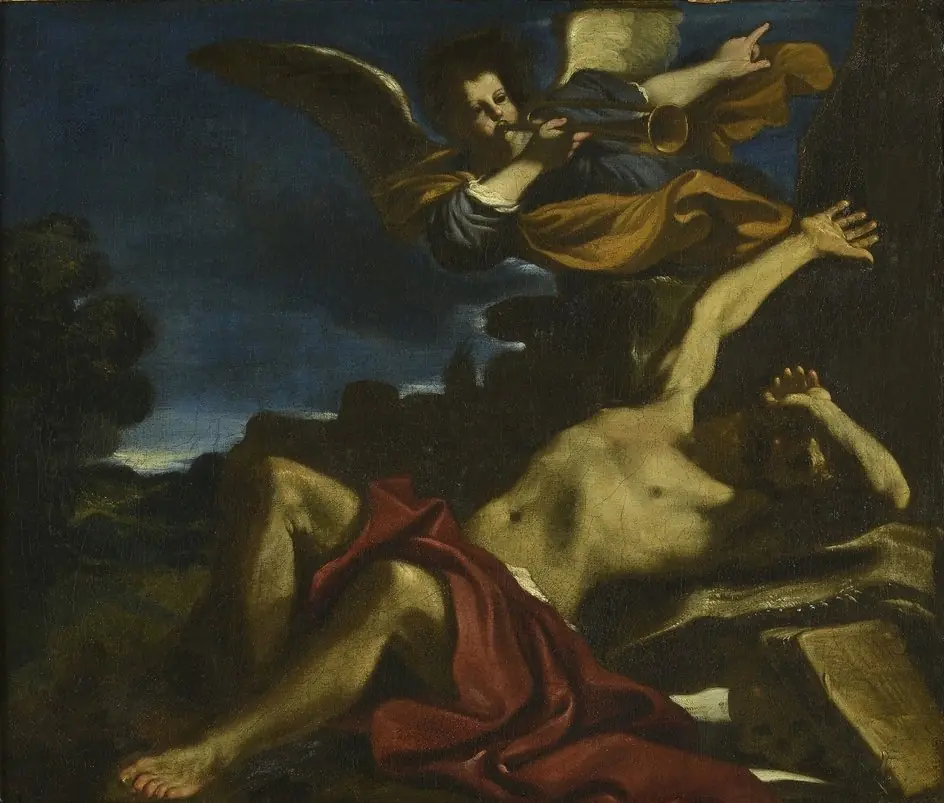
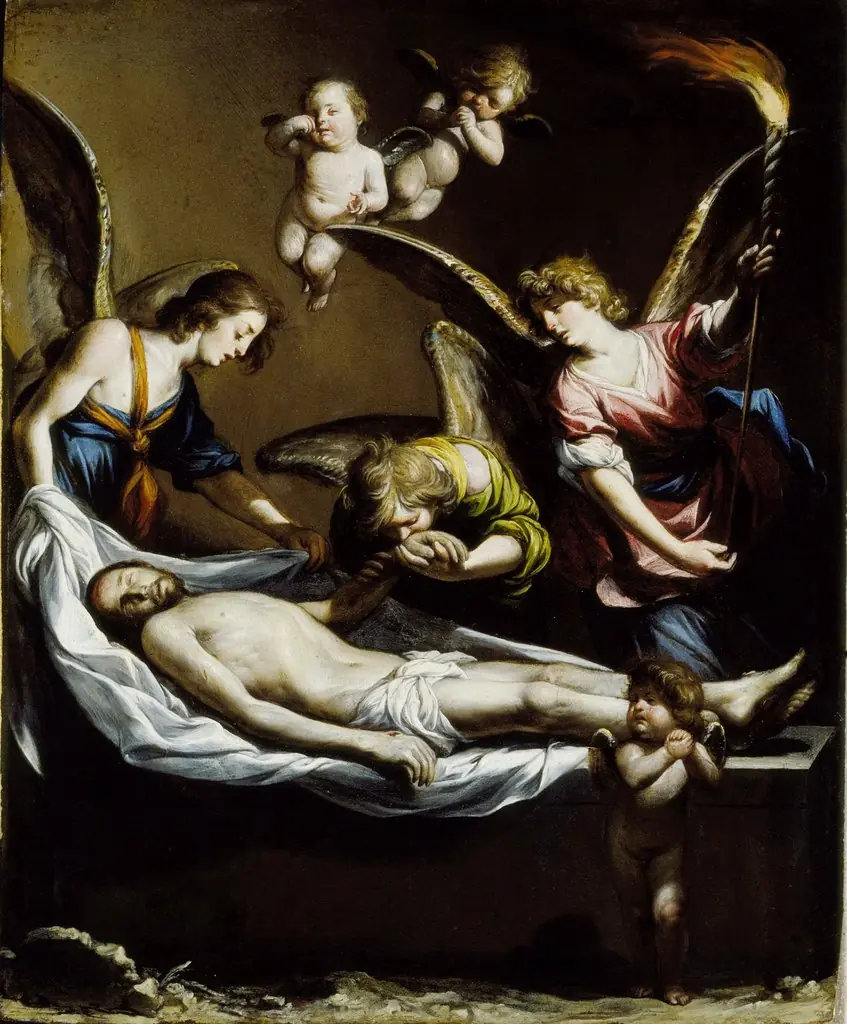
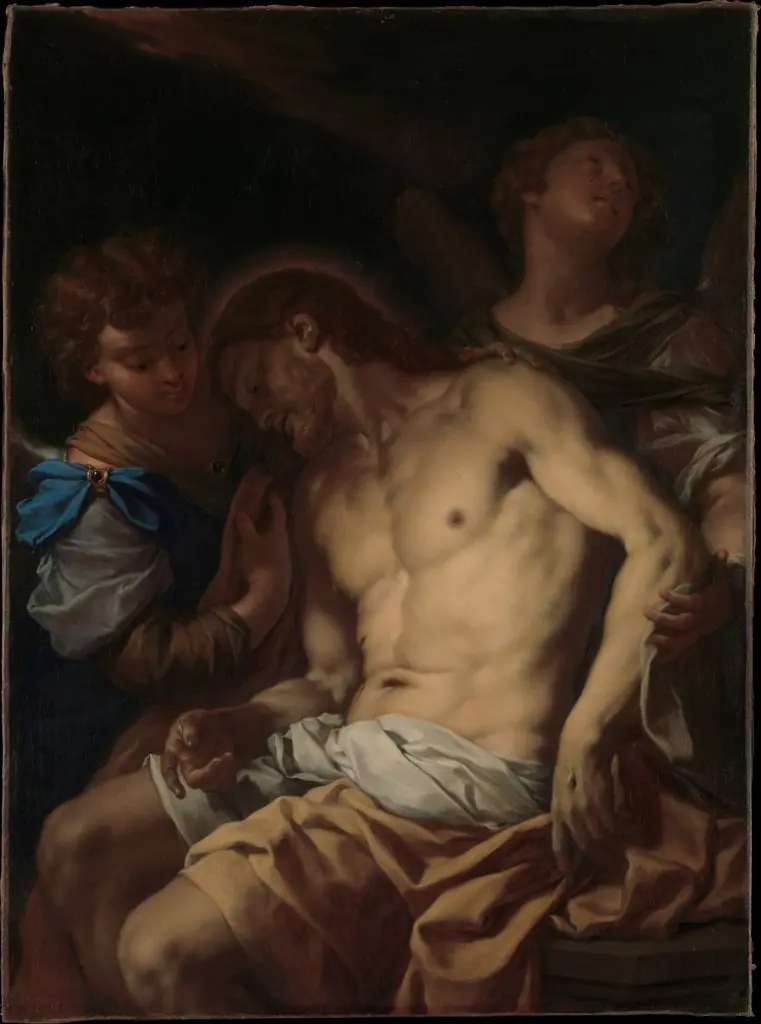
The painting depicts the Lamentation of Christ, a devotional subject drawn from the Gospel accounts of Christ's deposition from the Cross and mourning over his body. In Palma il Giovane's treatment, the dead Christ is shown surrounded by angels, a motif that joins the earthly mourning of the Passion with a heavenly retinue of celestial mourners. The angels serve both an iconographic and a symbolic function: their presence elevates the human tragedy of the Crucifixion into a cosmic event, affirming Christ's divine nature even in death and transforming the scene into a meditation on sacrifice and redemption.
The pairing of Christ's lifeless body with angelic figures invites the viewer to contemplate the mystery of the Incarnation and the promise of resurrection that the Lamentation traditionally anticipates.
Technique & Style
Lamentation with angels is executed in oil paint on slate, an unusual support that lends the surface a distinctive, smooth hardness.
Lamentation with angels is executed in oil paint on slate, an unusual support that lends the surface a distinctive, smooth hardness. The work measures 45 by 56 cm, a modest scale that concentrates the devotional drama. Palma il Giovane's handling of the medium on this unyielding ground demonstrates his technical adaptability, exploiting the slate's capacity for fine detail and luminosity.
The genre of religious art is conveyed through the depiction of Jesus Christ and attendant angels, rendered with the dramatic intensity characteristic of the artist's mature period.
History & Provenance
Palma il Giovane executed the slate painting Lamentation with angels in 1612. The work depicts Jesus Christ surrounded by angels within a religious context. Historically, the piece entered the collection of Bartolomeo della Nave before passing into the ownership of Archduke Leopold Wilhelm of Austria. It is currently held by the Kunsthistorisches Museum, where it remains part of the institution's holdings.
The painting is held in the collection of the Kunsthistorisches Museum. Its provenance includes ownership by Bartolomeo della Nave and Archduke Leopold Wilhelm of Austria before entering the museum's holdings. The provided sources do not contain specific inventory numbers or details regarding the work's exhibition history.
Context
Critical reception of Palma il Giovane’s Lamentation with angels has been shaped by its dramatic composition and emotional intensity, though specific contemporary commentary remains sparse. Scholarship situates the work within the artist’s late output, highlighting its stylistic departure from the more naturalistic trends of the early 17th century. The painting’s placement in the Kunsthistorisches Museum collection reflects its historical significance, having been owned by Archduke Leopold Wilhelm of Austria before entering the museum’s holdings.
Its religious genre and use of slate as a support material underscore both technical innovation and devotional focus in Baroque art.
Legacy
The Lamentation with angels by Palma il Giovane influenced later religious compositions through its emotive portrayal of sorrow and use of slate as a support, inspiring contemporaries to experiment with unconventional materials. Its inclusion in Archduke Leopold Wilhelm's collection elevated its status among European connoisseurs, contributing to scholarly appreciation of Venetian painting innovations in the 17th century. Modern assessments highlight its role in bridging High Renaissance spirituality with Baroque dynamism, cementing its reputation as a pivotal work in ecclesiastical art narratives.
Overview
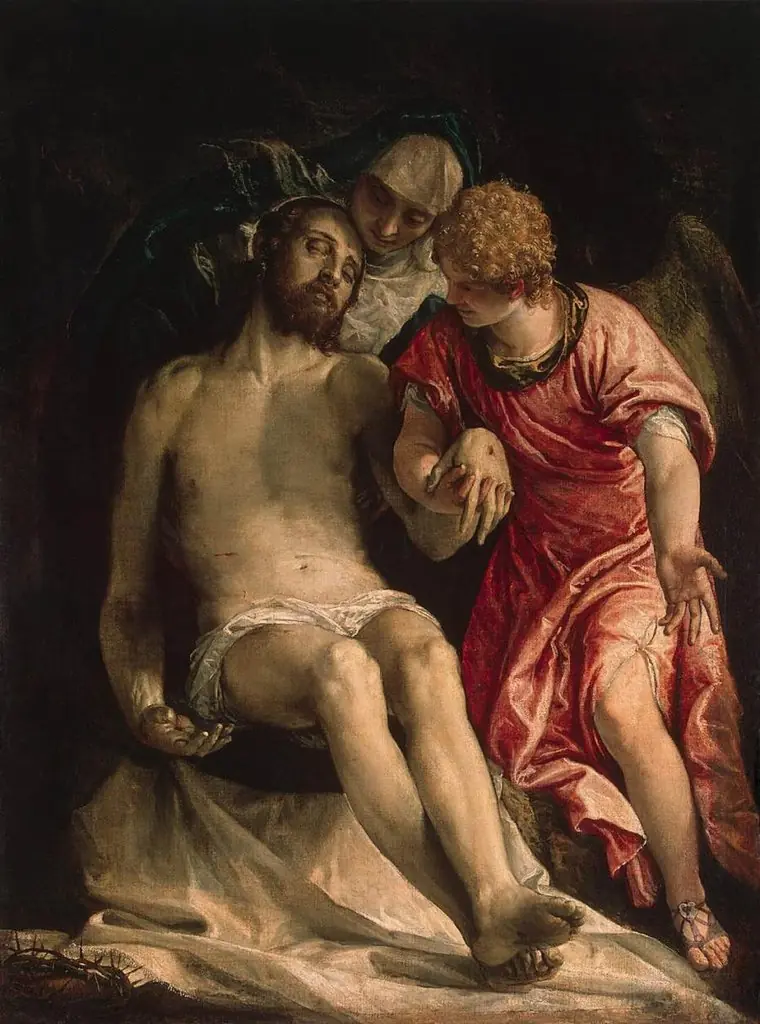
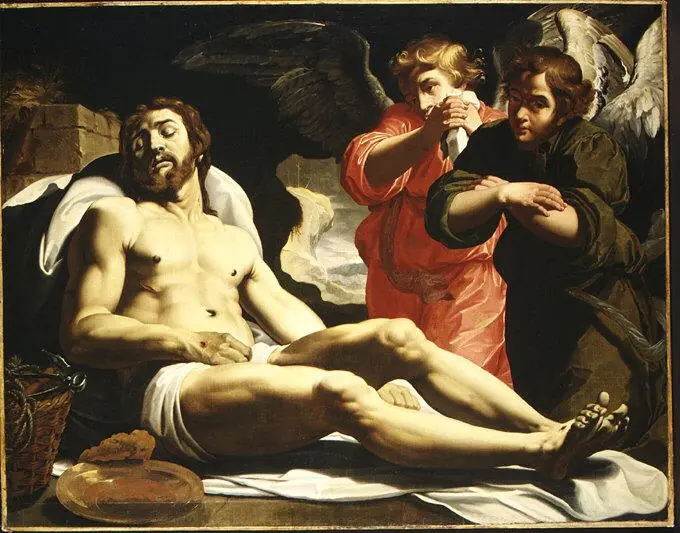
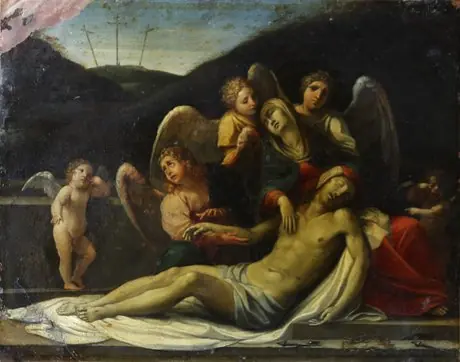
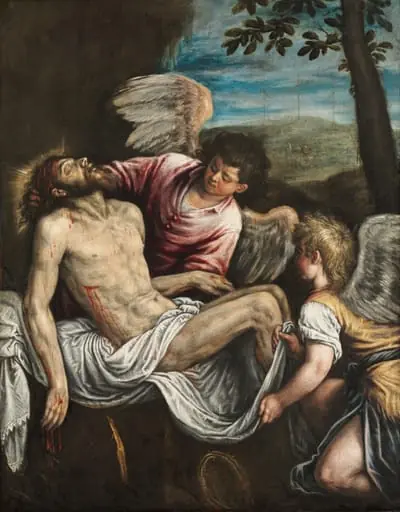
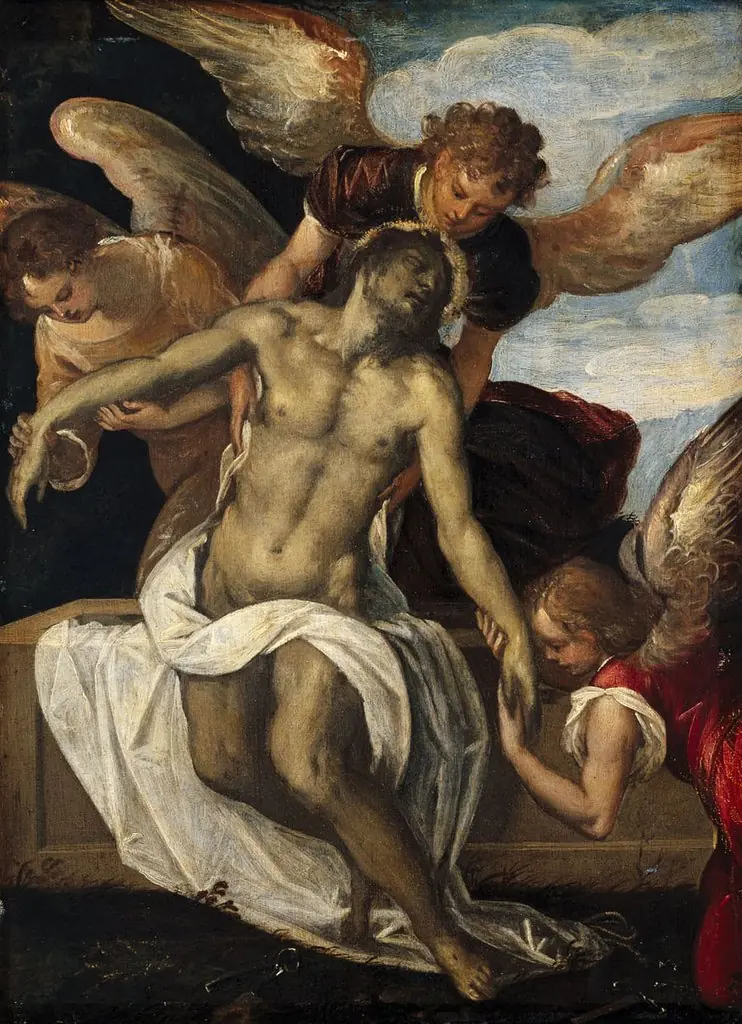
Created in 1612 by the Venetian painter Palma il Giovane, this early Baroque work portrays a biblical lamentation scene on a slate panel. The composition centers on a nude Christ figure, his torso wrapped in a white cloth and crowned with thorns, surrounded by three angels. The piece is part of the collection of the Kunsthistorisches Museum in Vienna.
Artist & collection
Artist
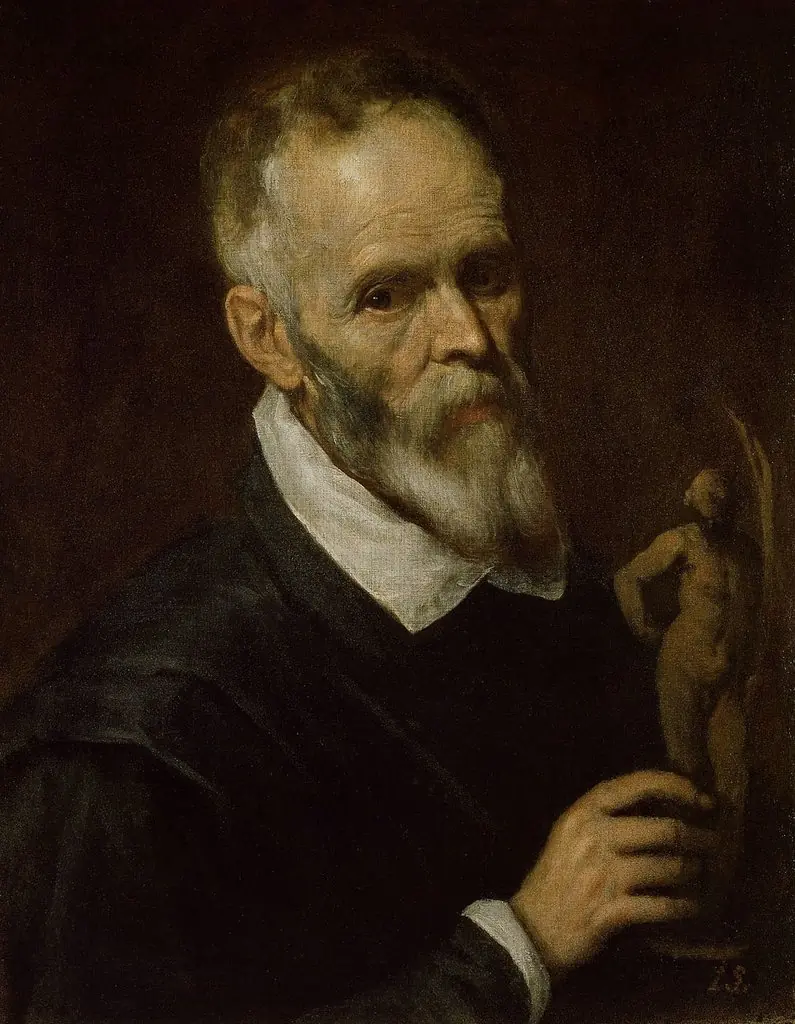
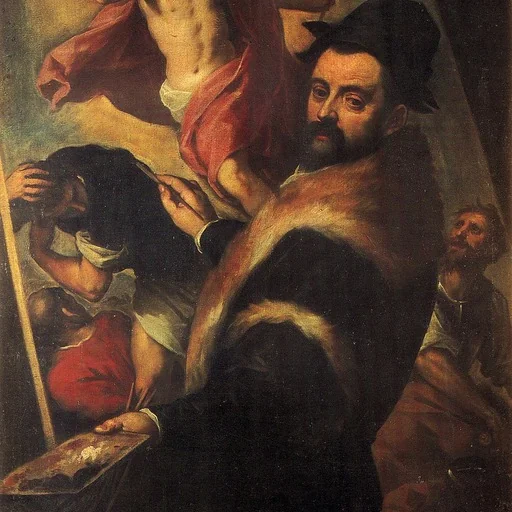
Iacopo Negretti (1548/50 – 14 October 1628), best known as Jacopo or Giacomo Palma il Giovane or simply Palma Giovane ('Young Palma'), was an Italian painter from Venice and a notable exponent of the Venetian school.