Artwork
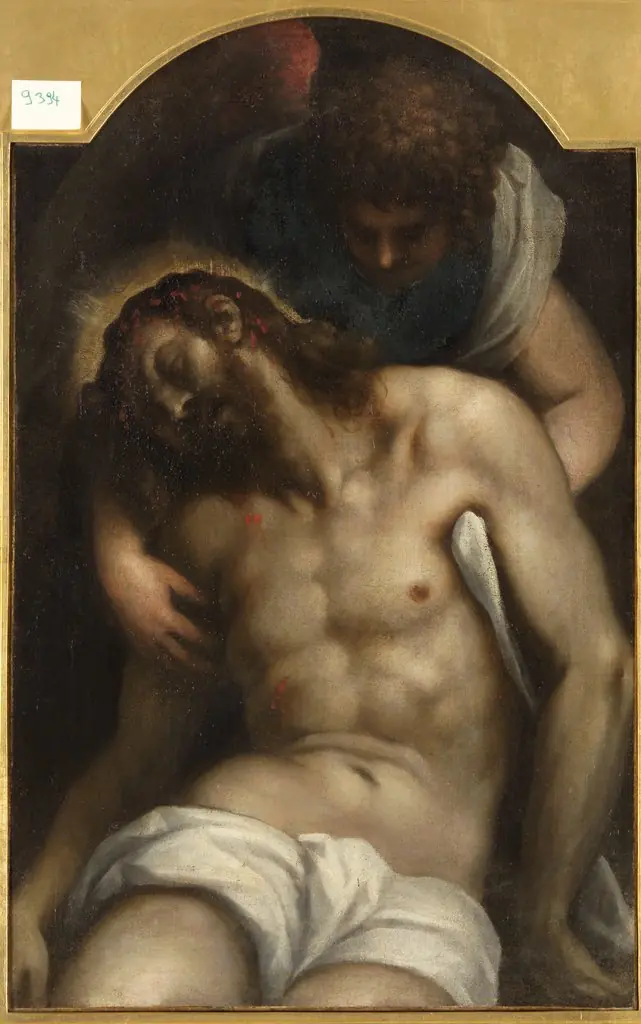
Pietà with Angels
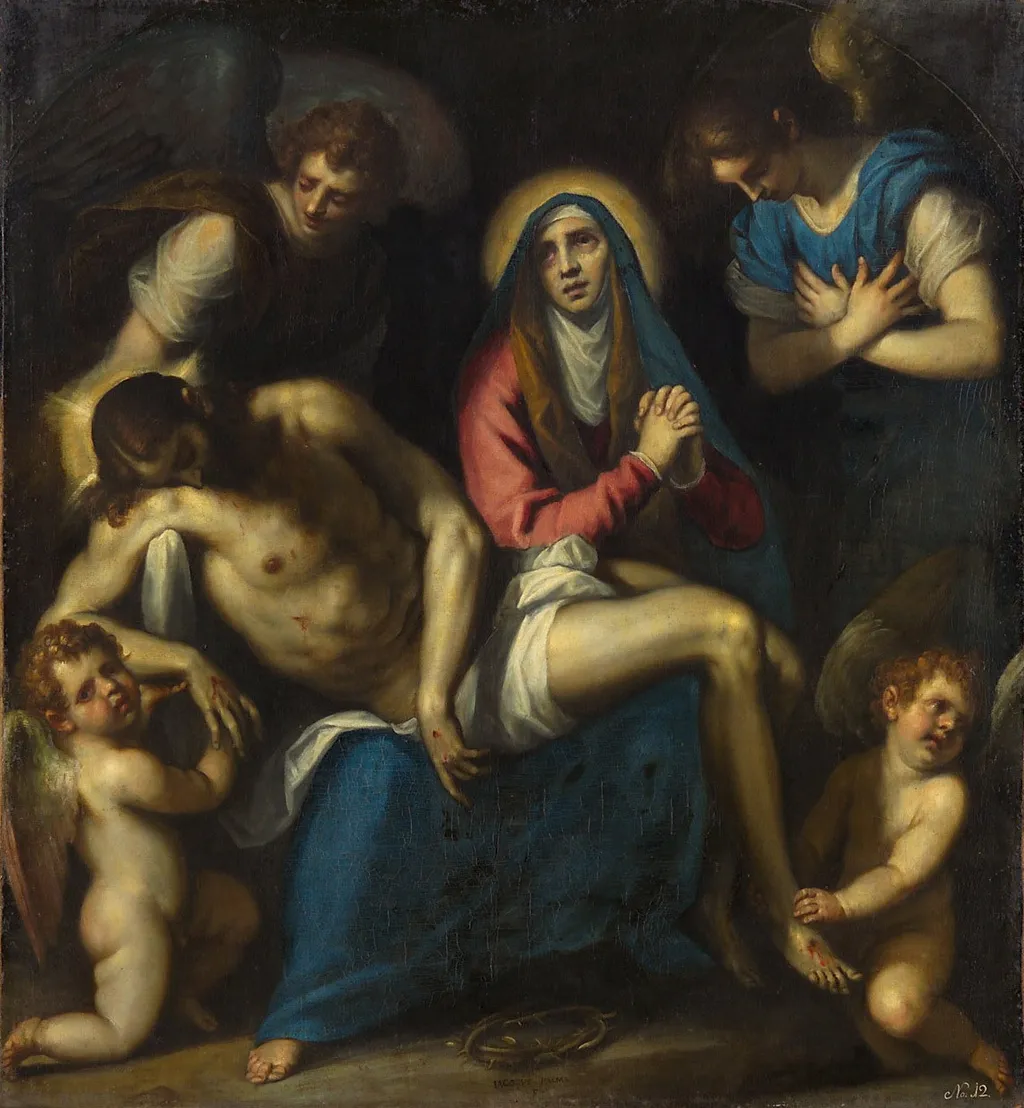
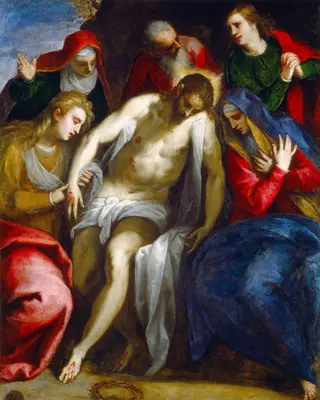
Pietà with Angels is an unspecified painting by the Early Baroque Italian artist Palma il Giovane. It dates from 1620 and is held in the collection of the Kunsthistorisches Museum.
About this work
Subject & Meaning
The presence of the angels underscores the heavenly witness to Christ's sacrifice and adds a layer of divine consolation to the mourning.
The painting portrays the lamentation of Christ after the Crucifixion, a traditional Pietà scene in which the Virgin Mary cradles the lifeless body of her son while angels hover nearby. The presence of the angels underscores the heavenly witness to Christ's sacrifice and adds a layer of divine consolation to the mourning. By combining the human grief of Mary with the celestial realm of the angels, the work conveys both the sorrow of loss and the promise of spiritual redemption inherent in the Passion narrative.
Technique & Style
Executed in 1620, this religious painting by Palma il Giovane is an oil work on canvas support. The composition depicts a lamentation scene featuring angels, adhering to the iconographic conventions of the period. The panel measures 120 cm in height and 111 cm in width.
Currently held in the collection of the Kunsthistorisches Museum, the work exemplifies the artist's late style through its specific handling of the canvas medium to render the sacred subject matter.
History & Provenance
The Pietà with Angels was painted by Palma il Giovane in 1620, as indicated by the work’s documented date and the artist’s monogram.
The painting entered the collections of the Kunsthistorisches Museum in Vienna, where it remains today. Its provenance within the museum’s holdings traces back to the imperial collections assembled by the Habsburgs, reflecting the work’s inclusion among the holdings of the Kunsthistorisches Museum by at least the early modern period.
Legacy
The work influenced the development of devotional imagery in Venetian painting during the early seventeenth century, particularly through its devotional focus on angelic intercession within the lamentation composition. Its iconographic treatment of angels contributed to contemporary understandings of sacred narrative in religious art, as documented in scholarly analyses of the period. The painting's compositional elements were referenced in later interpretations of devotional works, reinforcing its significance within the trajectory of Venetian religious painting.
Its legacy is primarily understood through its presence in the Kunsthistorisches Museum's collection and its role in shaping artistic discourse around angelic figures in sacred art.
Overview
Created circa 1620 by the Venetian painter Palma il Giovane, this oil on canvas presents a somber Pietà surrounded by celestial figures. The composition centers on a grieving woman supporting the wounded Christ, while angels and childlike attendants hover nearby. The work belongs to the early Baroque period and is part of the Kunsthistorisches Museum’s collection in Vienna.
Context
The work belongs to the early Baroque phase of Italian art, a period marked by heightened emotional expression and theatrical lighting. Palma il Giovane’s continuation of Tintoretto’s dramatic style placed him at the forefront of Venetian painting in the early 17th century, bridging the Mannerist legacy with emerging Baroque sensibilities.
Artist & collection
Artist
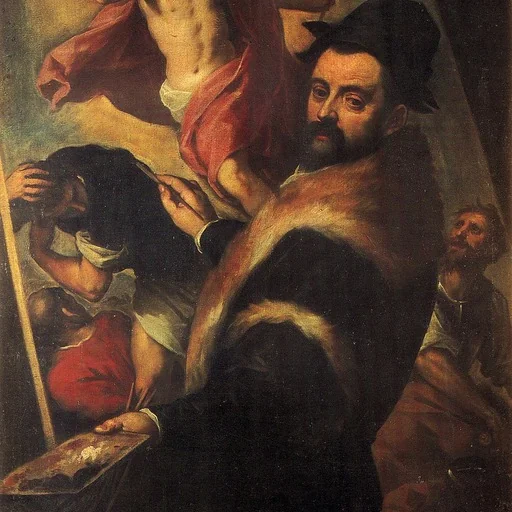
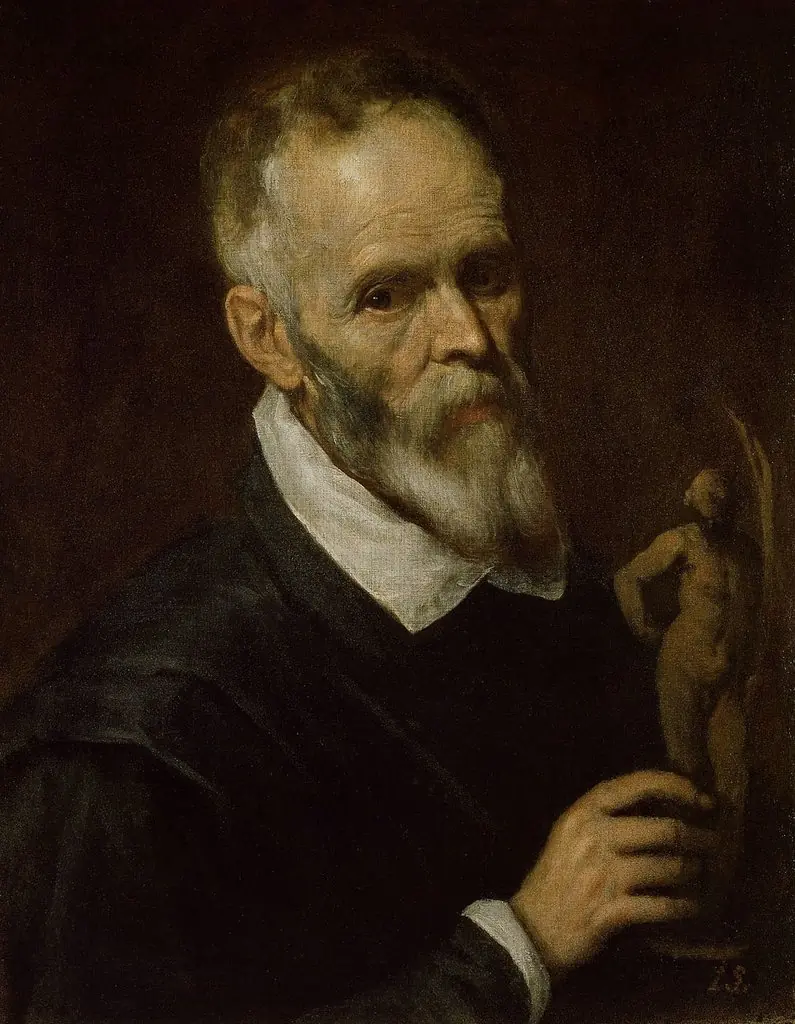
Iacopo Negretti (1548/50 – 14 October 1628), best known as Jacopo or Giacomo Palma il Giovane or simply Palma Giovane ('Young Palma'), was an Italian painter from Venice and a notable exponent of the Venetian school.

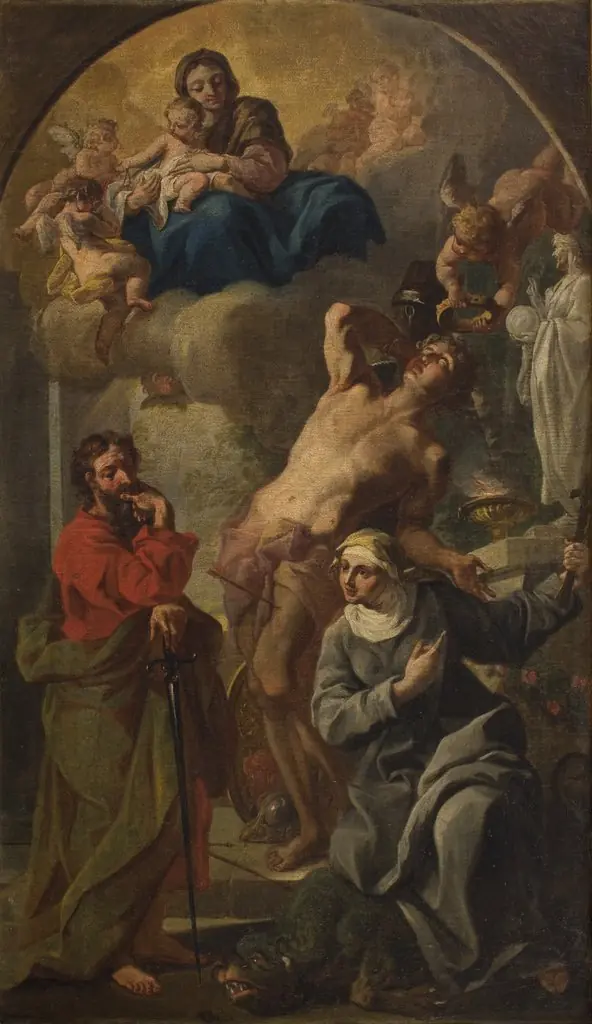 Madonna and Child with Saints Sebastian, Paul and Martha (Acceptance of Saint Sebastian Into the Group of Holy Martyrs)
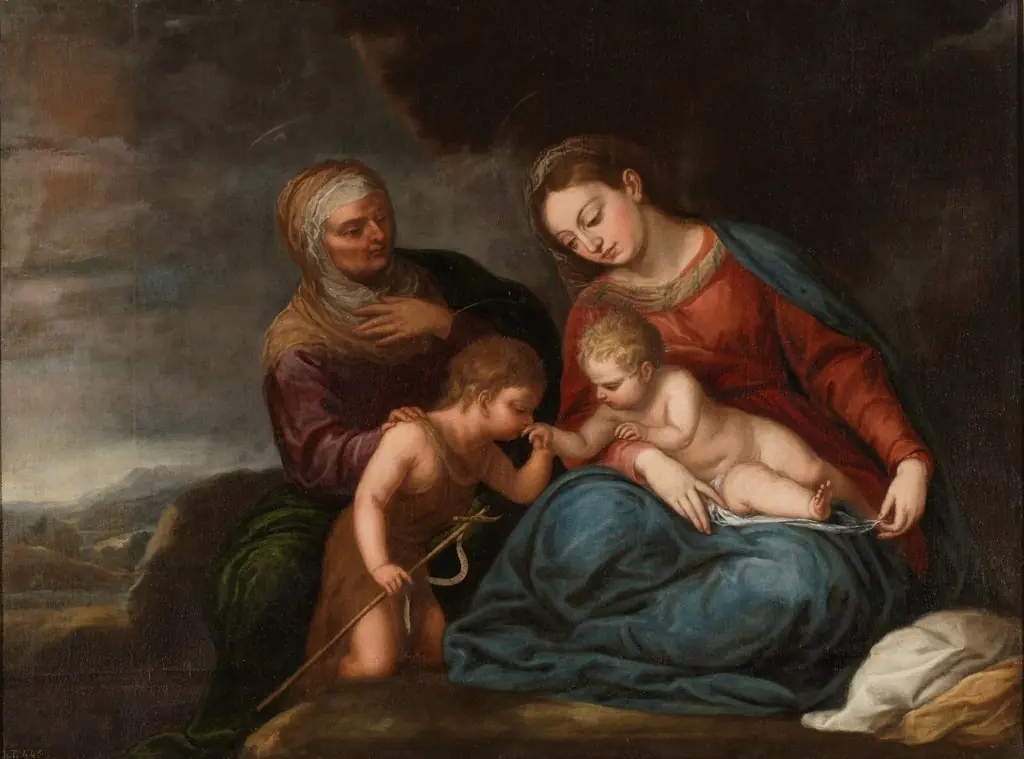 The Virgin and Child with Saints Elizabeth and John
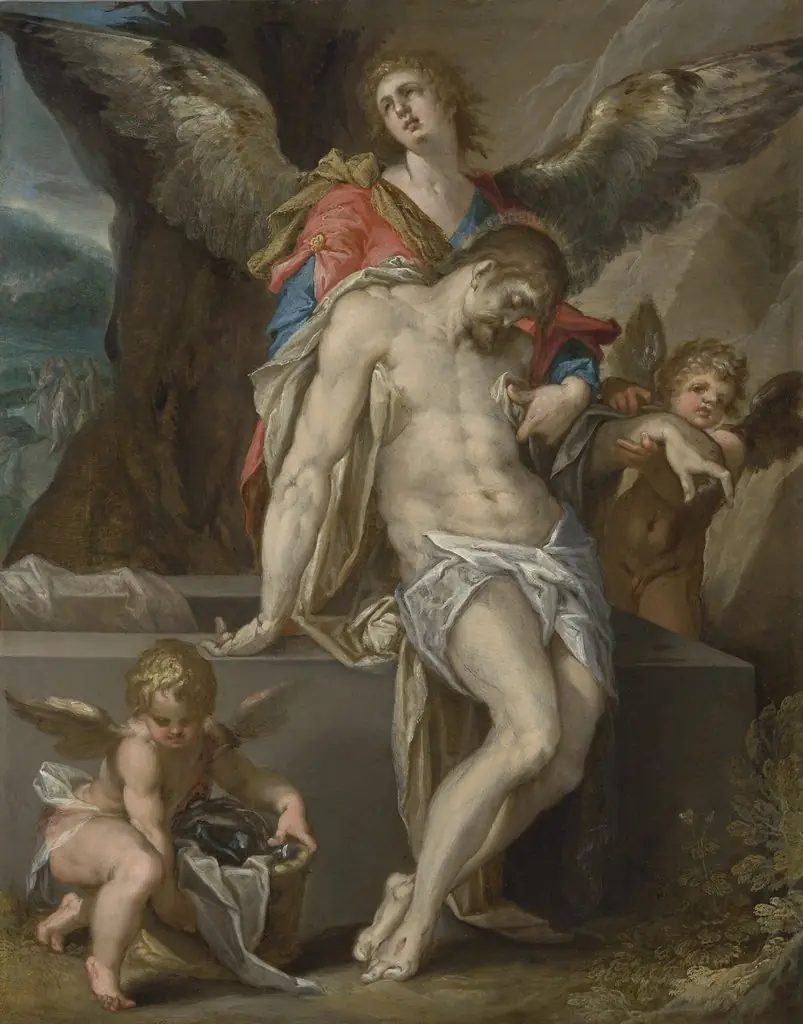 The Body of Christ Supported by Angels
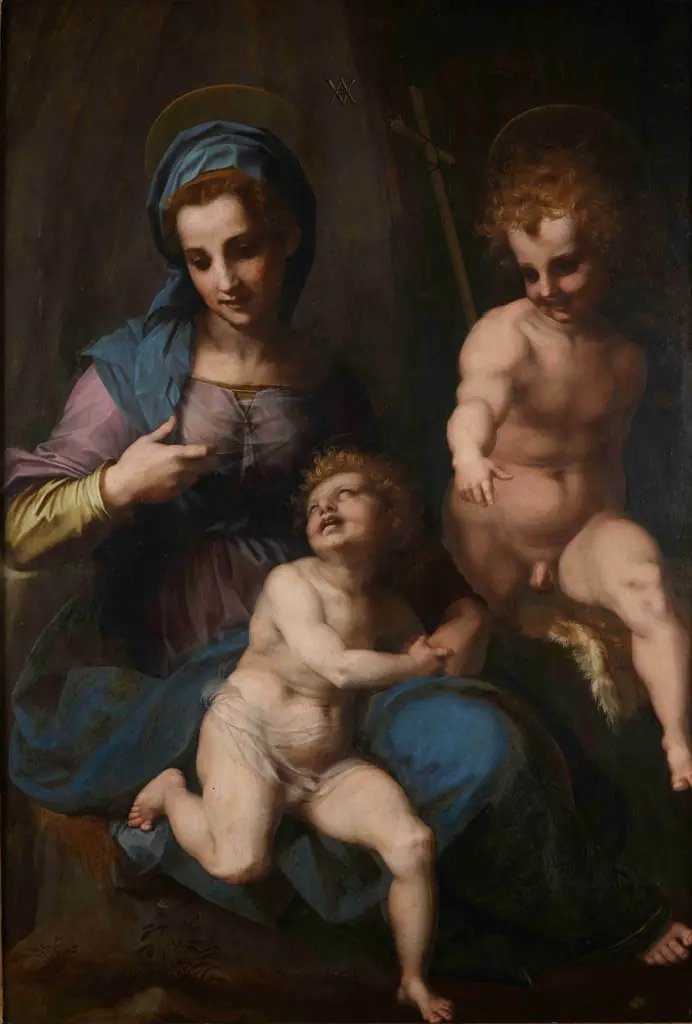 Madonna and Child with Young St John
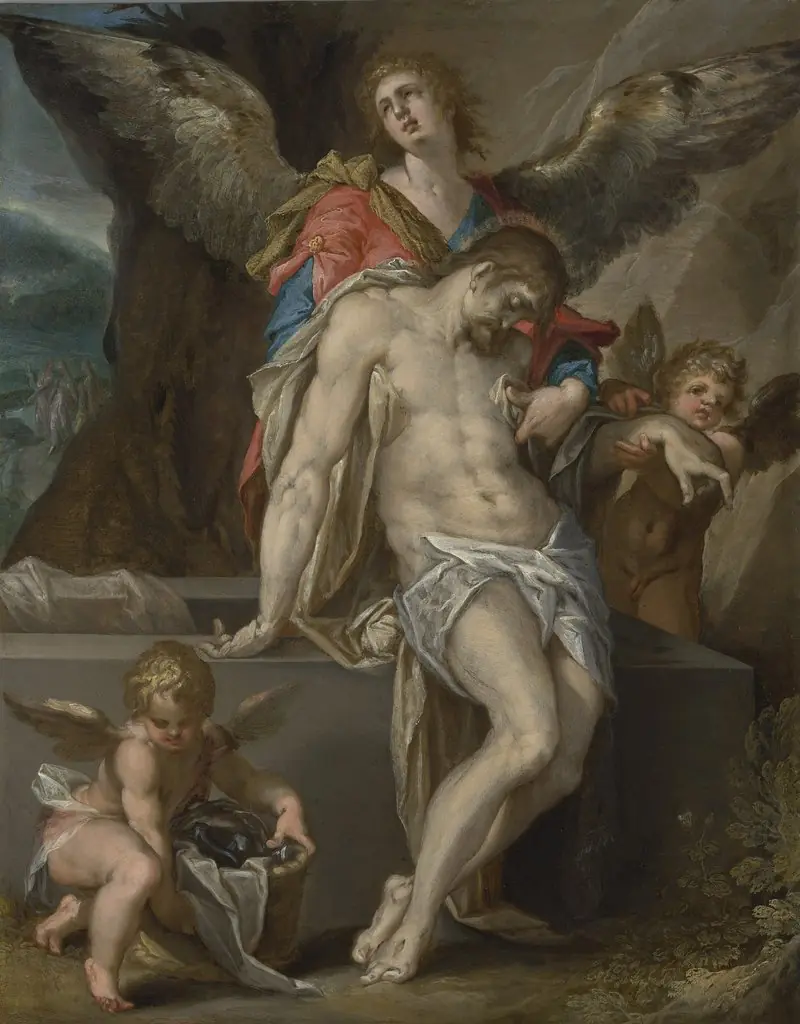 Engelen dragen het lichaam van Christus (Engelenpietà)
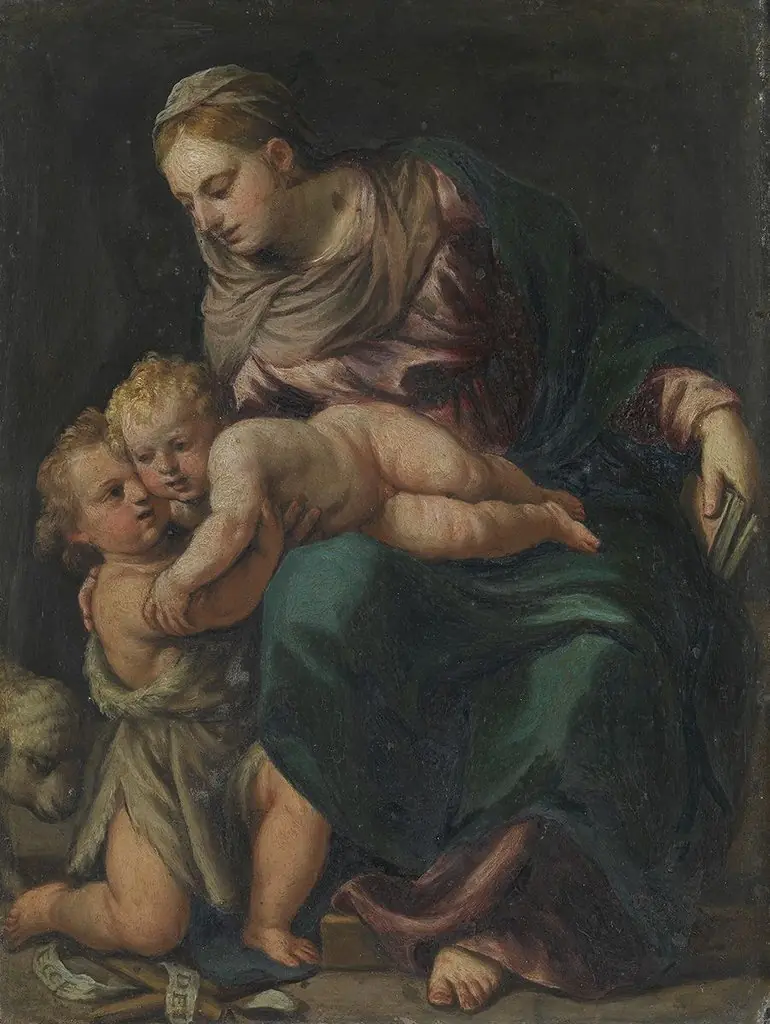 Maria mit dem Kinde und dem Johannesknaben
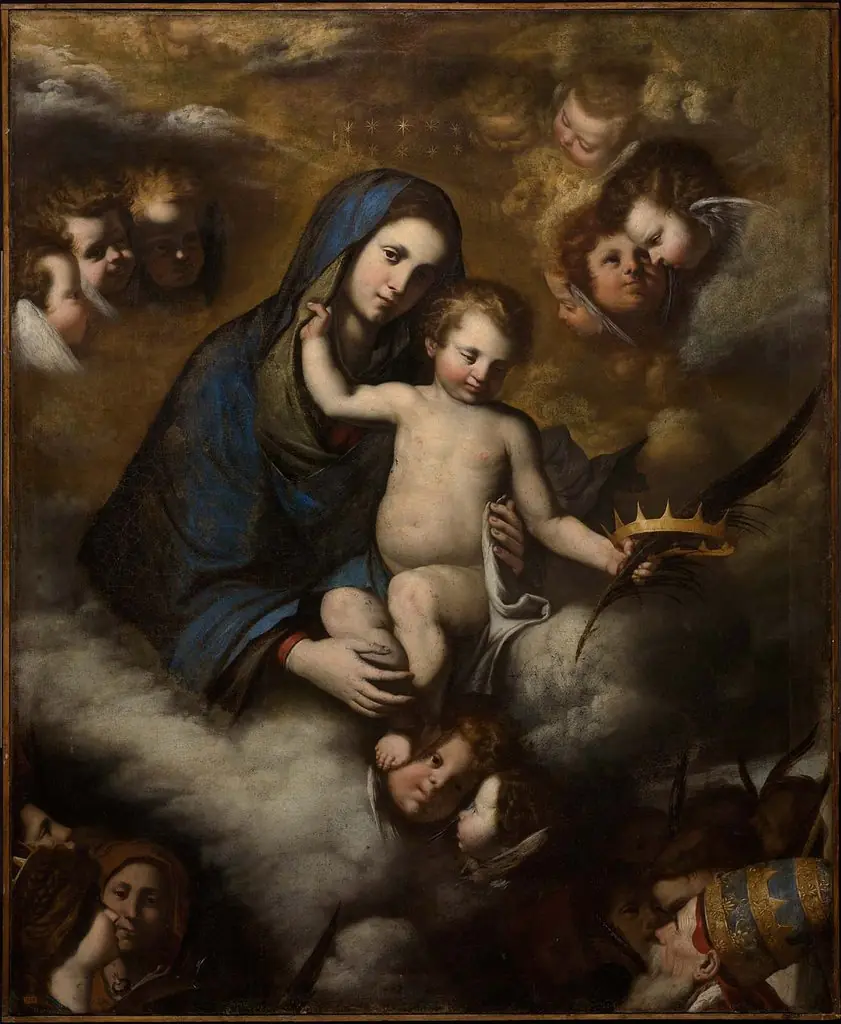 The Virgin and Child in Glory
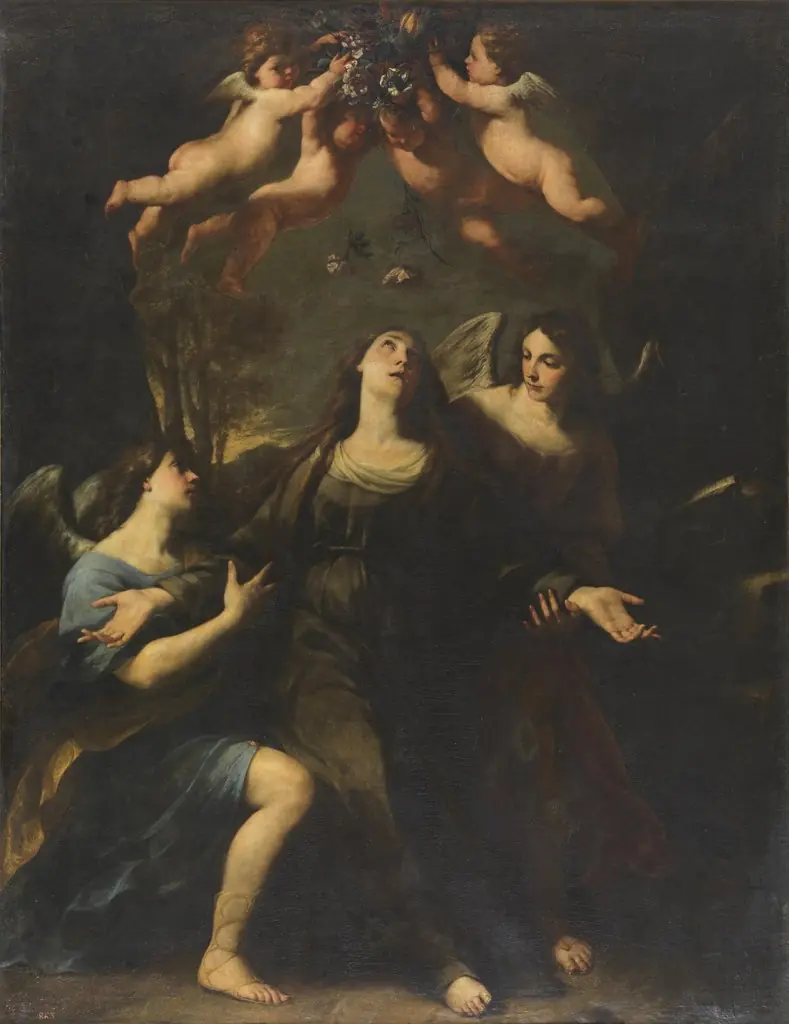 Saint Rosalie of Palermo
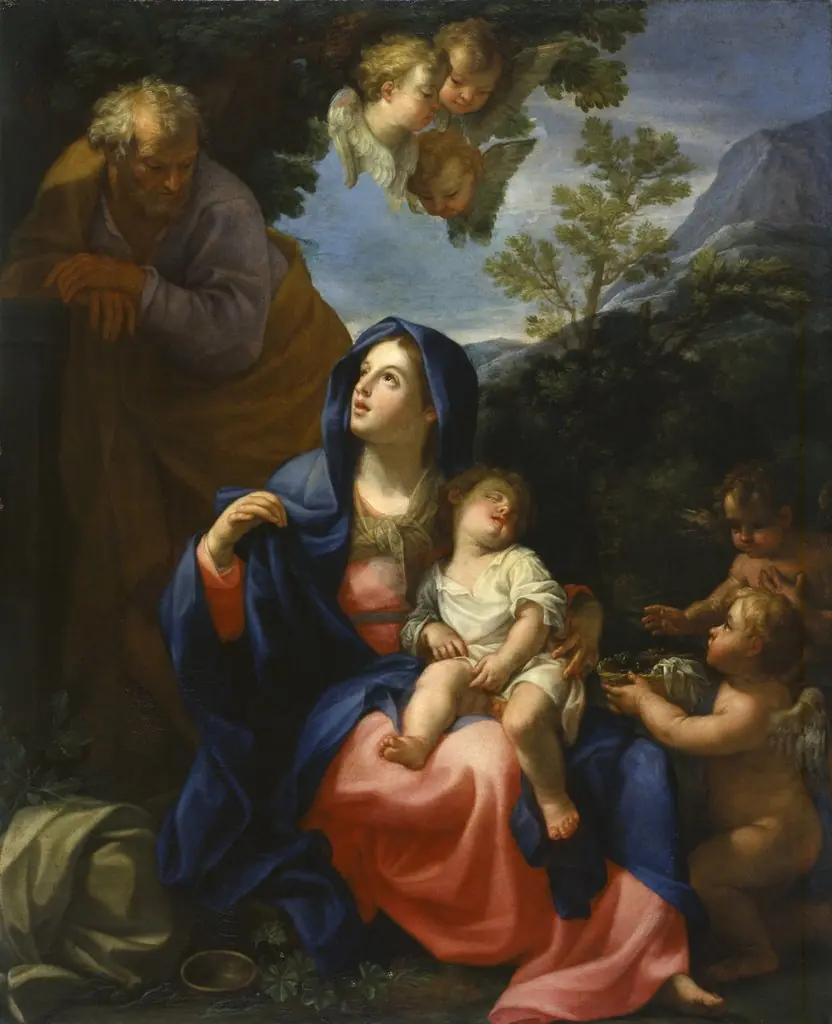 The Rest on The Flight into Egypt