Artwork
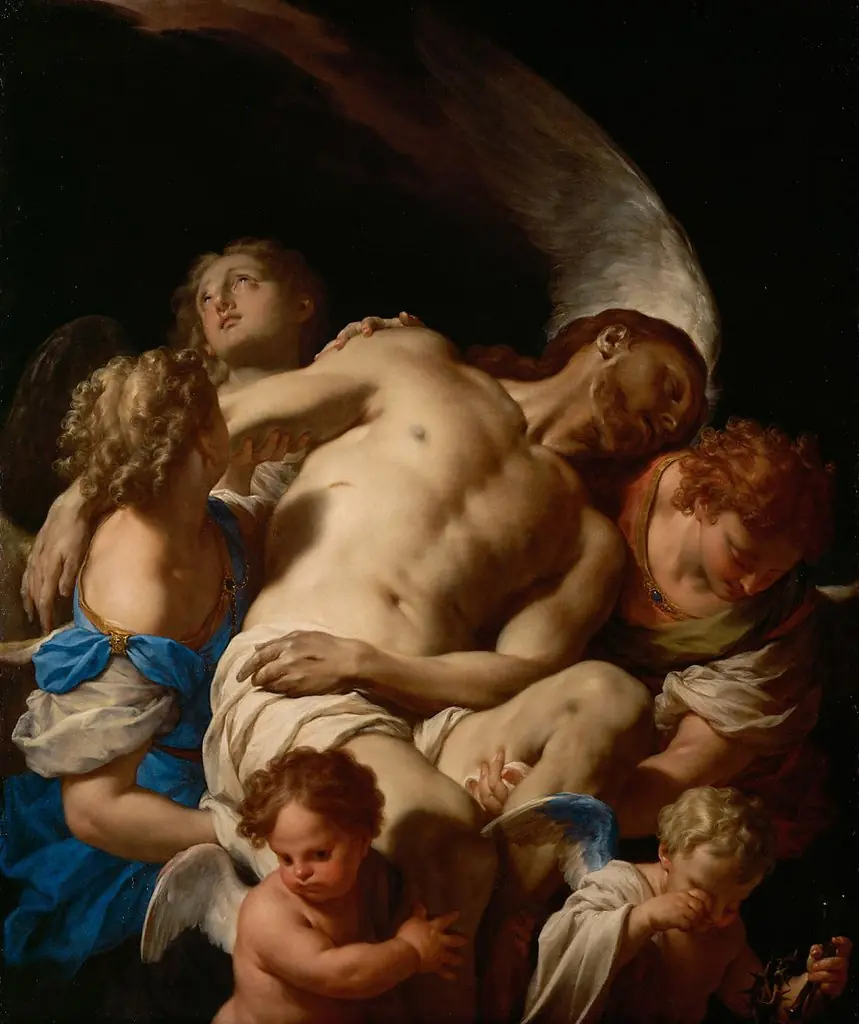
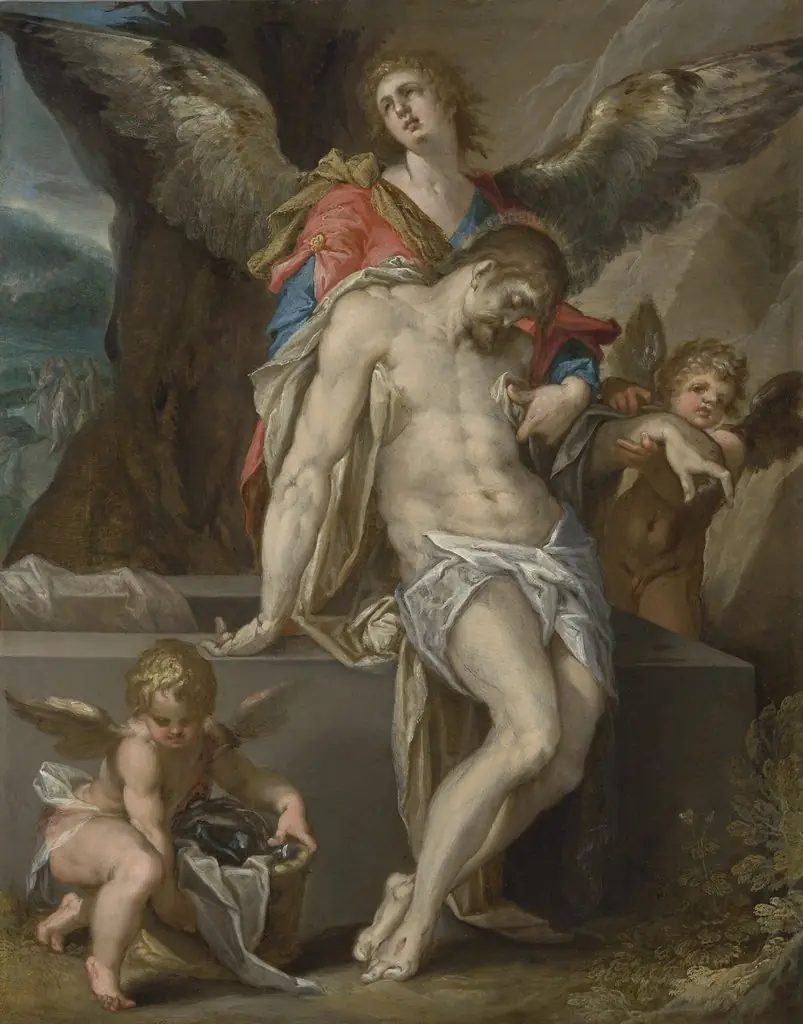
Engelen dragen het lichaam van Christus (Engelenpietà)
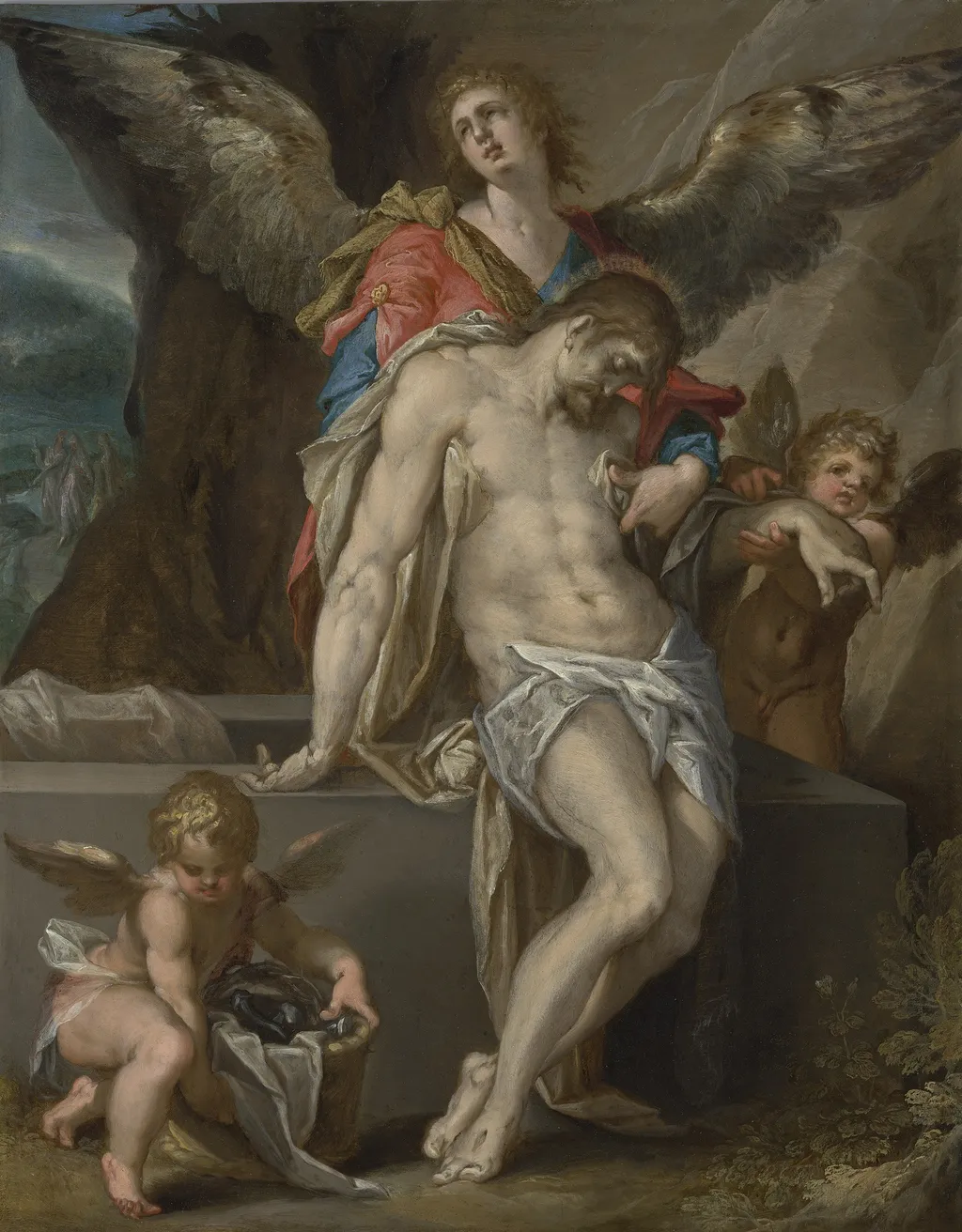
Engelen dragen het lichaam van Christus (Engelenpietà) is an unspecified painting by the Mannerist artist Bartholomeus Spranger. It dates from 1594 and is held in the collection of the Rijksmuseum.
About this work
History & Provenance
While specific inventory or accession numbers are not provided in the available records, the museum lists the piece within its holdings of religious art.
The Engelenpietà (Angels Carrying the Body of Christ) was painted by Bartholomeus Spranger in 1587 while he was active in Prague. The work was created during the artist’s service at the court of Emperor Rudolf II, where Spranger produced religious and mythological compositions for Habsburg patrons.
The painting entered the collection of the Rijksmuseum in Amsterdam, where it remains today.
The painting Engelen dragen het lichaam van Christus (also known as Engelenpietà) by Bartholomeus Spranger is held in the collection of the Rijksmuseum in Amsterdam. The work was created in Prague in 1587. While specific inventory or accession numbers are not provided in the available records, the museum lists the piece within its holdings of religious art. No exhibition history is documented in the provided sources.
Legacy
Later scholarship highlights the Engelenpietà as a pivotal work in the development of late Renaissance religious painting in Northern Europe, influencing the emotive naturalism of subsequent artists. Its presence in the Rijksmuseum collection has ensured continued public visibility, reinforcing its reputation as a key example of Bartholomeus Spranger's synthesis of Italianate composition and Northern detail. The painting's technical precision, particularly in its rendering of drapery and anatomical expression, has been cited in studies of Mannerist innovations in the late 16th century.
Overview
Engelen dragen het lichaam van Christus is a 1594 painting by Bartholomeus Spranger, a Flemish artist who worked as a court painter to Holy Roman Emperor Rudolf II.
Subject & Meaning
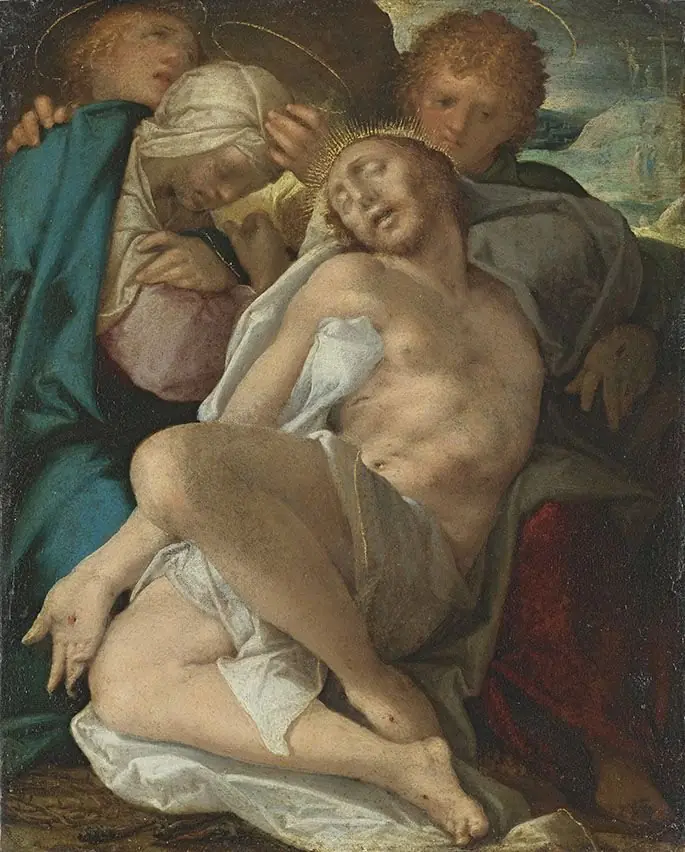
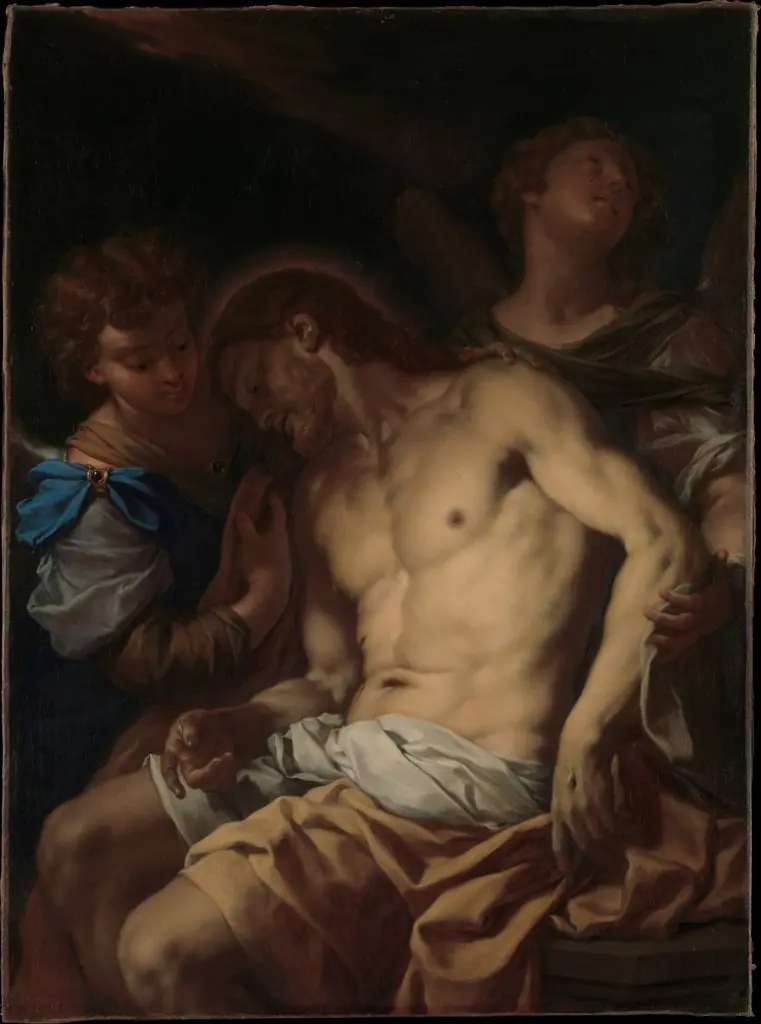
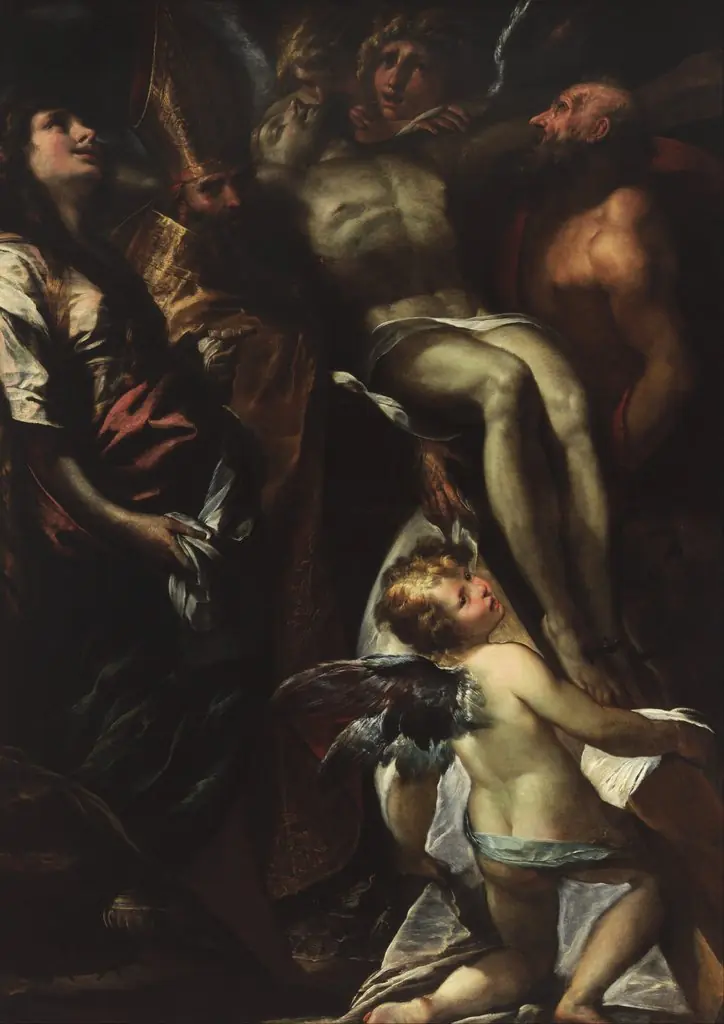
The painting depicts a scene in which angels support the lifeless body of Christ, accompanied by two kneeling cherubs, conveying a somber religious theme.
Technique & Style
The work exemplifies Northern Mannerism, characterized by elongated figures and refined composition. The artist's use of chiaroscuro creates a strong contrast between light and dark, accentuating the three-dimensionality of Christ's body.
Own this work as a print
Artist & collection
Artist
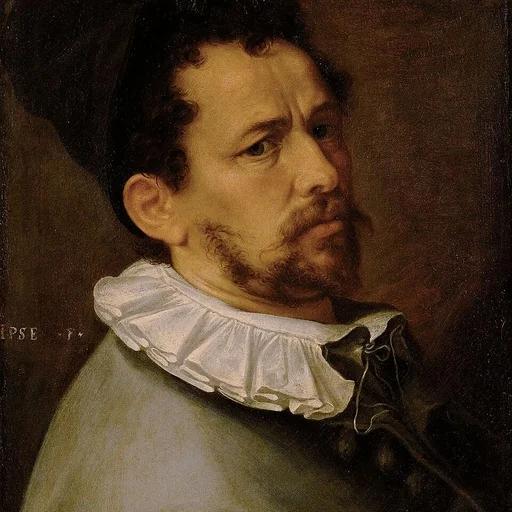
Bartholomeus Spranger or Bartholomaeus Spranger (21 March 1546 – 27 June 1611) was a Flemish painter, draughtsman, sculptor, and designer of prints.