Artwork
Anbetung der Könige
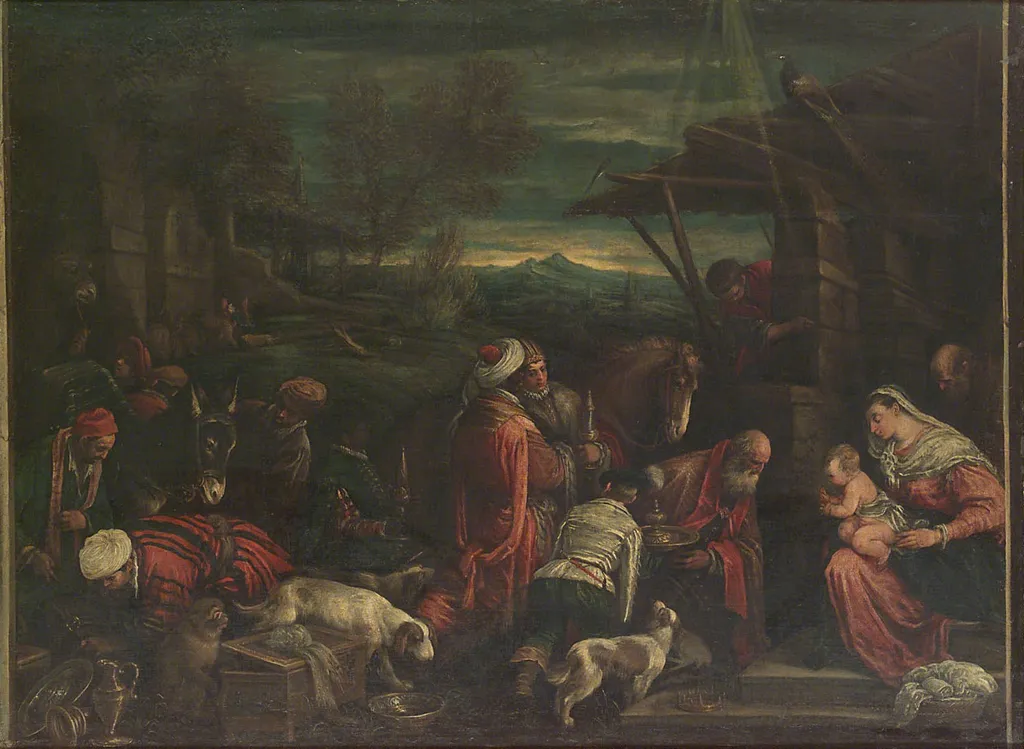
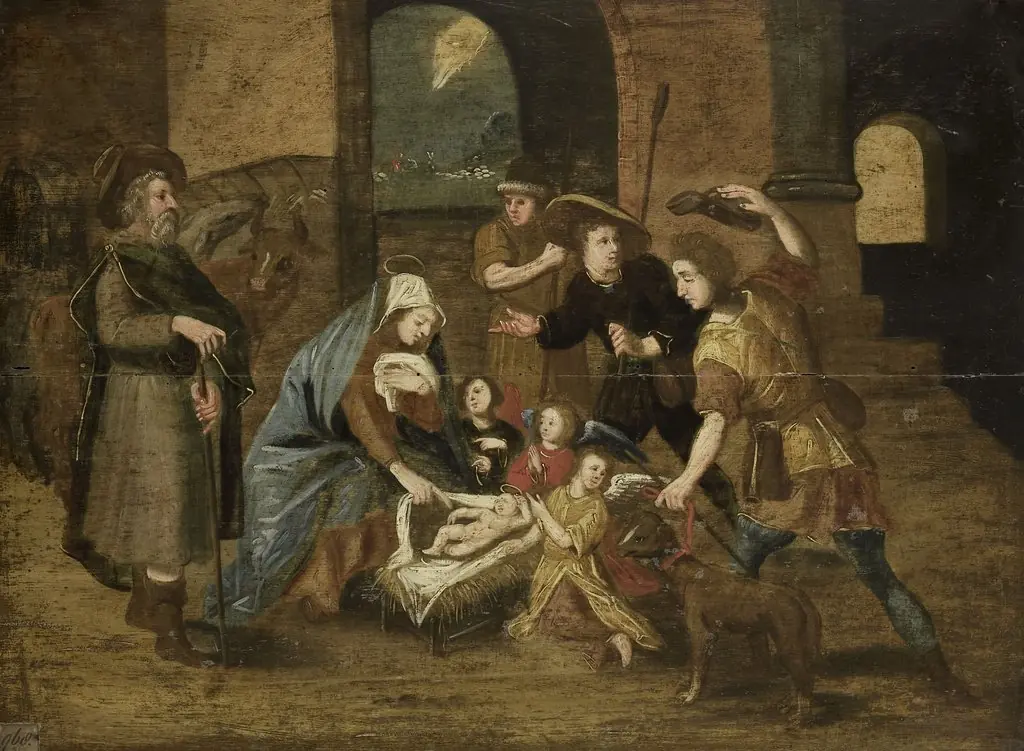
Anbetung der Könige is an unspecified painting by the Early Baroque Italian artist Unknown. It dates from 1596 and is held in the collection of the Kunsthistorisches Museum. This painting depicts the biblical scene of the Adoration of the Magi, where three visitors from the East pay homage to the infant Jesus.
About this work
Subject & Meaning
The painting depicts the Adoration of the Magi, a religious subject in which the three kings pay homage to the newborn Christ Child.
The painting depicts the Adoration of the Magi, a religious subject in which the three kings pay homage to the newborn Christ Child. This central act of veneration of the Christ Child forms the main subject of the composition, situating the work within the traditional iconography of Christian devotional imagery. As a religious painting from 1592, it engages with the long-established visual tradition of portraying the Magi's homage as a moment of revelation and reverence toward the infant Christ.
The subject carries layered symbolic meaning: the Magi's presentation of gifts to the Christ Child traditionally signifies the recognition of Christ's divinity by the wider world, while the act of adoration itself represents the convergence of earthly authority and divine kingship. By focusing on the Christ Child as the depicted figure, the work emphasizes the theological core of the Adoration narrative, the manifestation of Christ as the object of worship.
History & Provenance
The work titled Anbetung der Könige was created in 1592 and belongs to the painting genre within the religious art category. It depicts the adoration of the Magi and was produced within the workshop of Francesco da Ponte, commonly known as Gen. Francesco Bassano. The painting is part of the collection at the Kunsthistorisches Museum, where it remains on display.
The artwork was commissioned as a religious composition reflecting Counter-Reformation themes and was executed by an anonymous assistant within the Bassano workshop. Its creation history is tied to the artistic output of the Venetian school in the late 16th century, with the date of inception recorded as 1592.
Provenance is documented through its inclusion in the museum's permanent holdings, indicating continuous ownership by the Kunsthistorisches Museum since its creation.
Overview
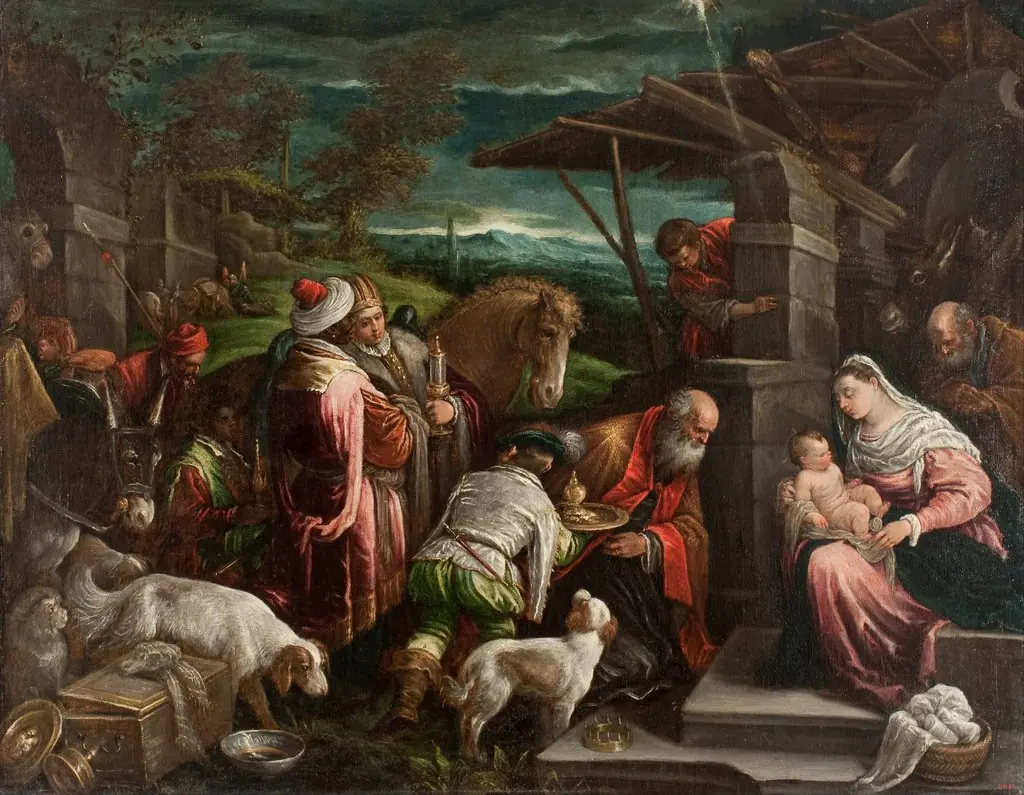
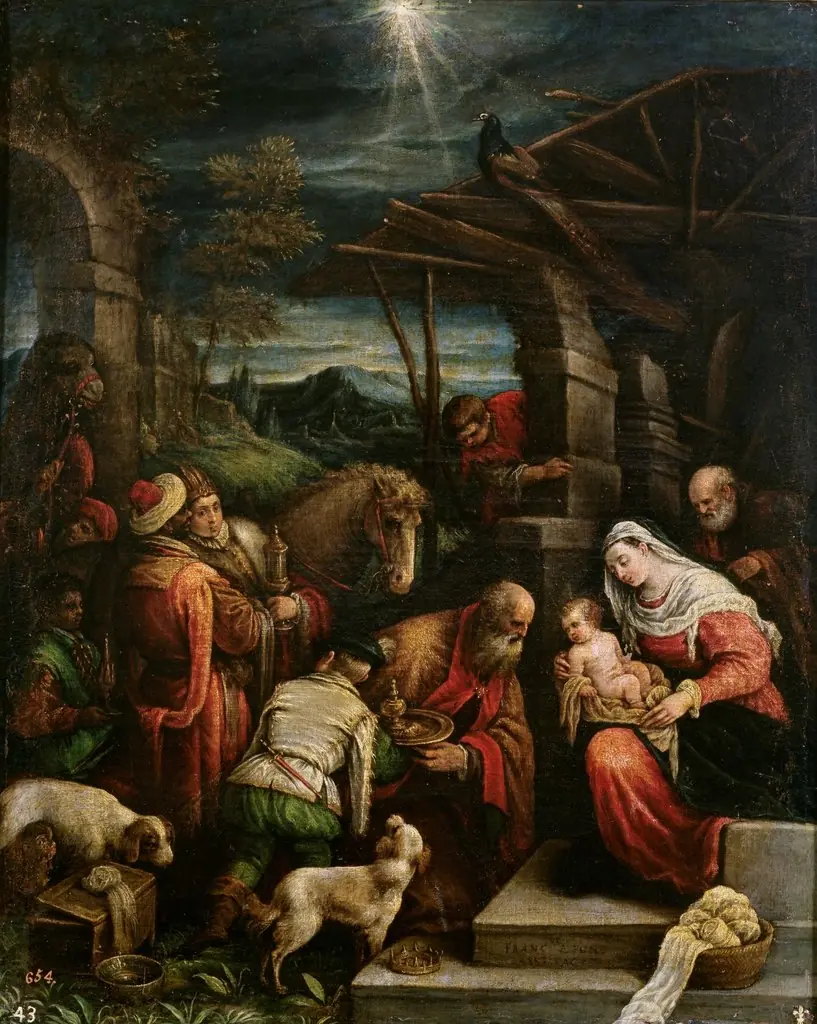
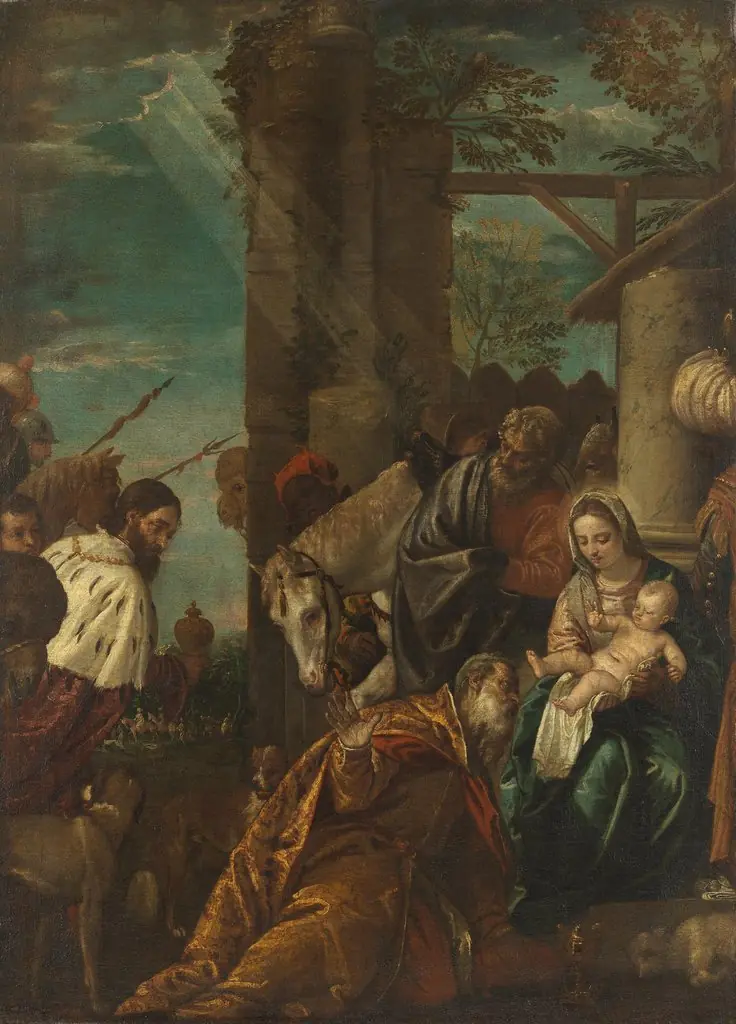
This painting depicts the biblical scene of the Adoration of the Magi, where three visitors from the East pay homage to the infant Jesus. The composition centers on the Virgin Mary holding the child, surrounded by figures in elaborate attire, with animals nearby and a distant cross hinting at the child’s future. The interplay of light and shadow creates a solemn, contemplative atmosphere, drawing attention to the central figures while grounding the scene in physical space.
Technique & Style
The artist employs chiaroscuro to model forms with dramatic contrasts, enhancing the three-dimensionality of faces and fabrics. Textures of silk, fur, and stone are rendered with careful attention, while the dark, receding landscape isolates the figures in a hushed, sacred space. The dogs and donkey add naturalistic detail, anchoring the spiritual event in a tangible, earthly setting.
Context
During this period, depictions of the Adoration were common in Christian art, often used to affirm faith and display wealth through richly detailed costumes. The inclusion of exotic elements like turbans and foreign gifts reflected contemporary European fascination with distant lands, while the spiritual focus remained central to the viewer’s contemplation.
Legacy
The painting contributes to a broader tradition of devotional imagery that balanced human emotion with theological symbolism. Its restrained composition and emphasis on quiet reverence influenced later artists seeking to convey sacred moments without theatricality, preserving a contemplative approach to religious narrative in art.
Artist & collection









- Adoration of the Magi
 Adoration of the Magi
 Die Anbetung der Könige
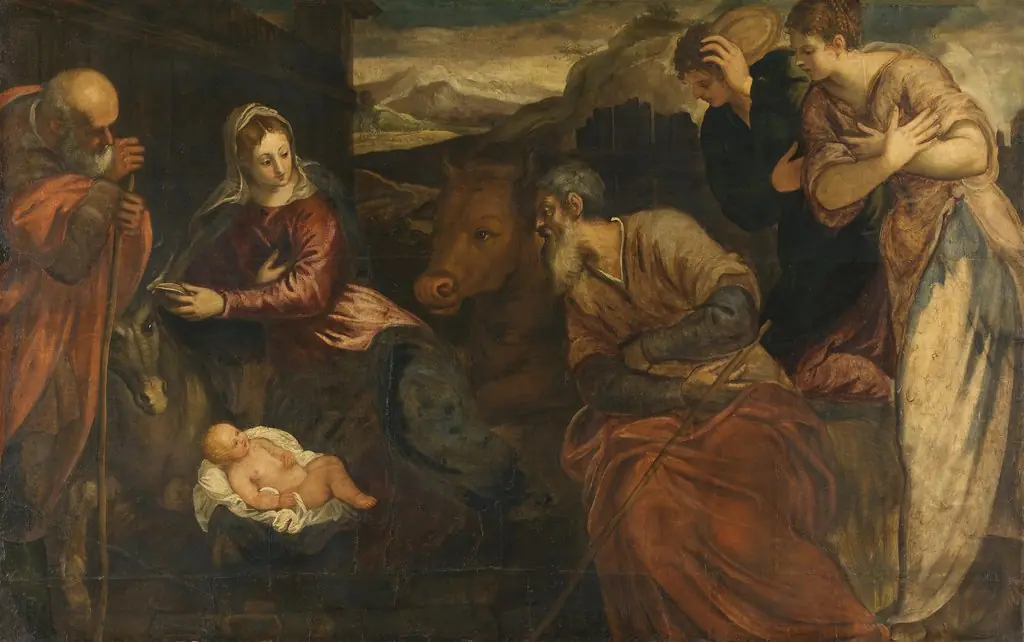 Adoration of the Shepherds
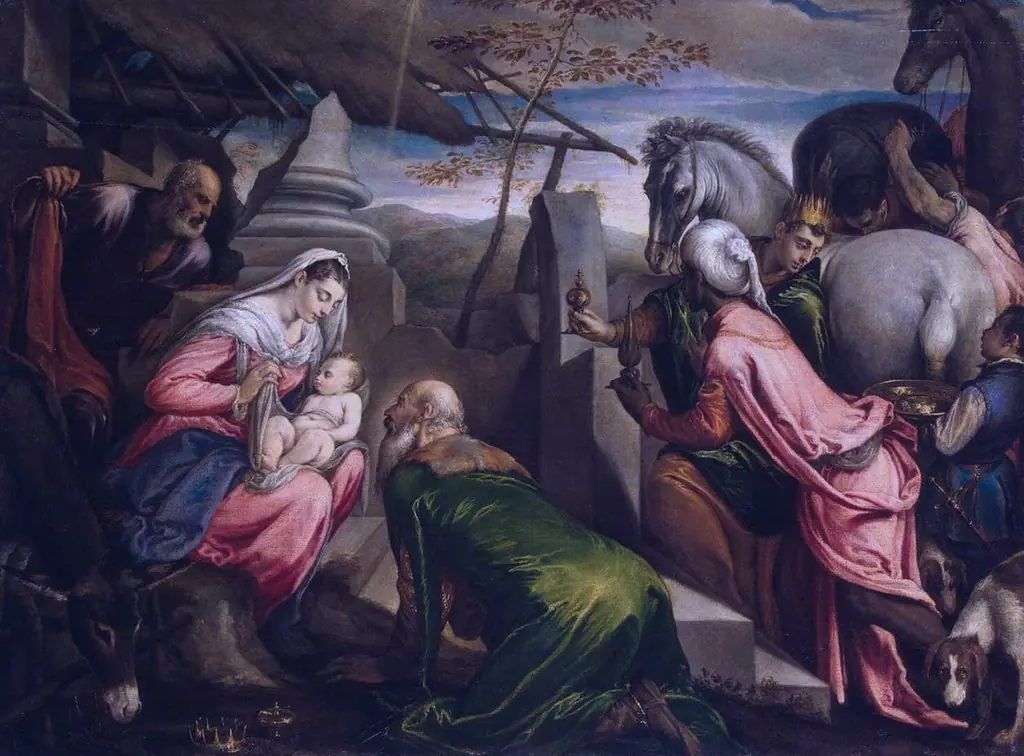 Adoration of the Magi
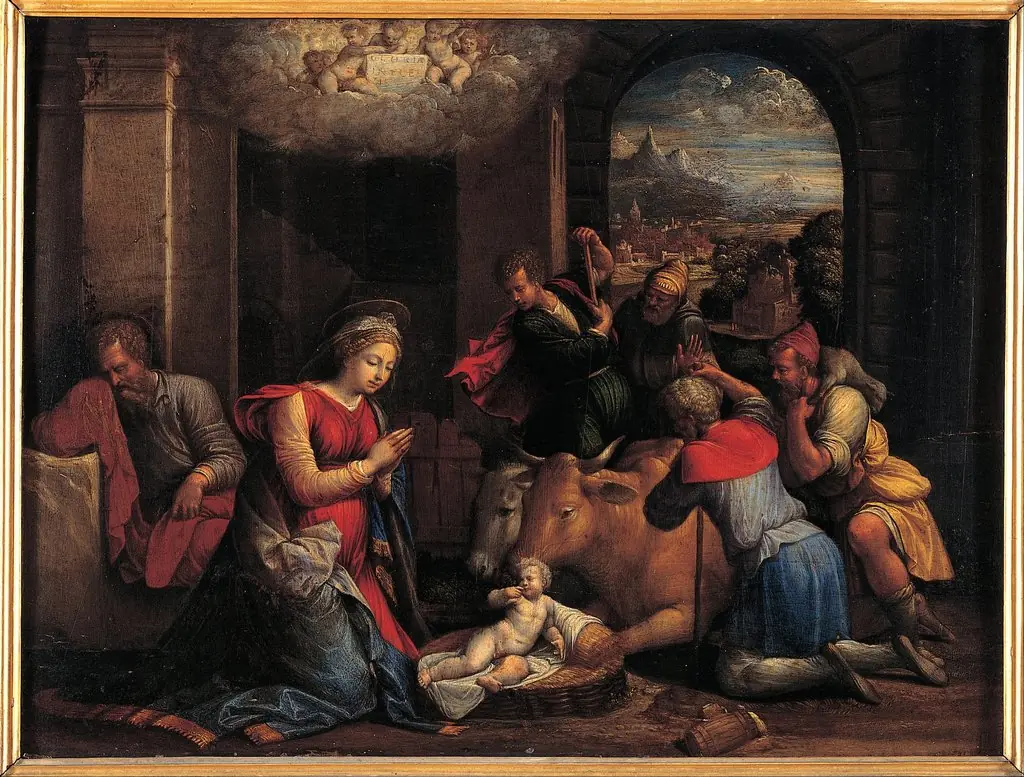 Adoration of the Shepherds
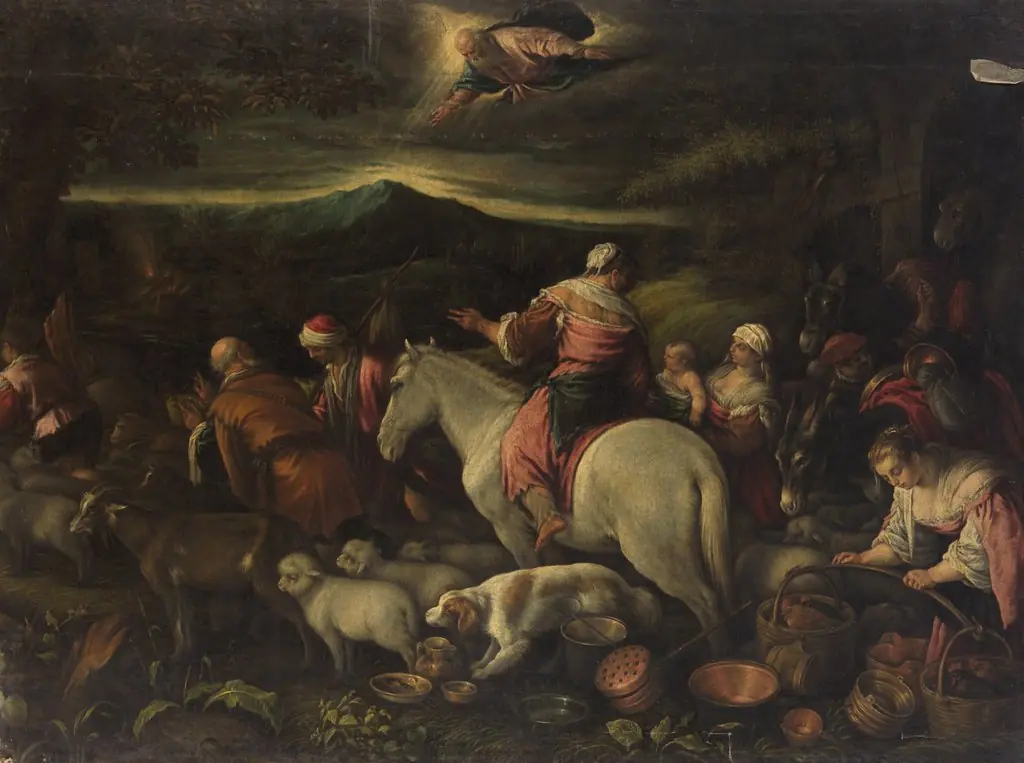 Aufbruch Abrahams ins gelobte Land
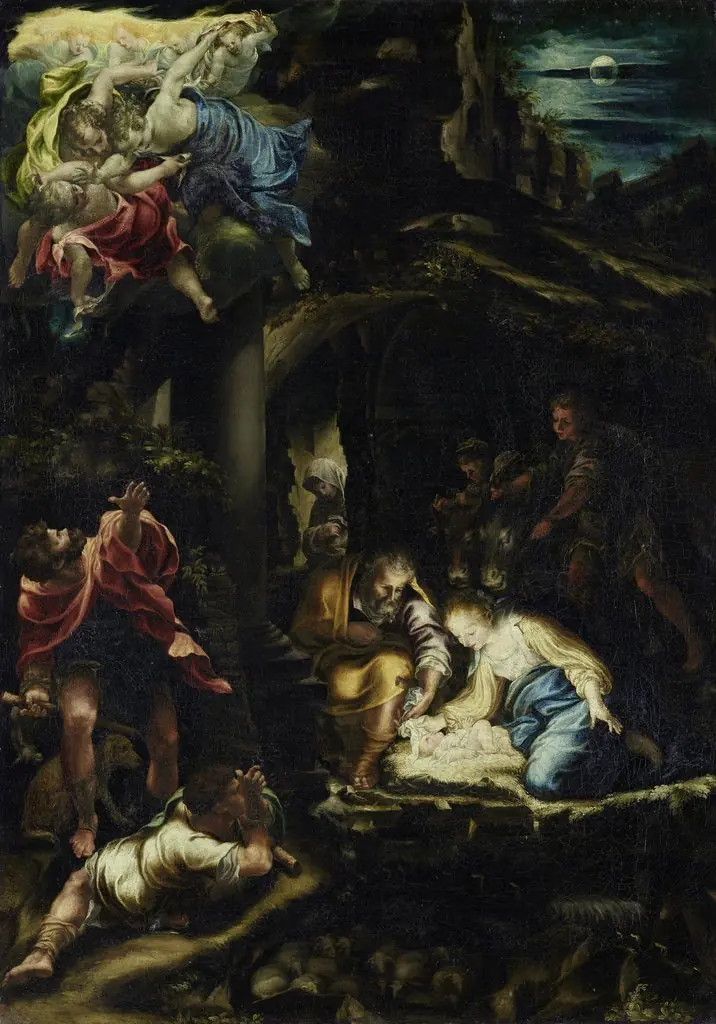 The Adoration of the Shepherds
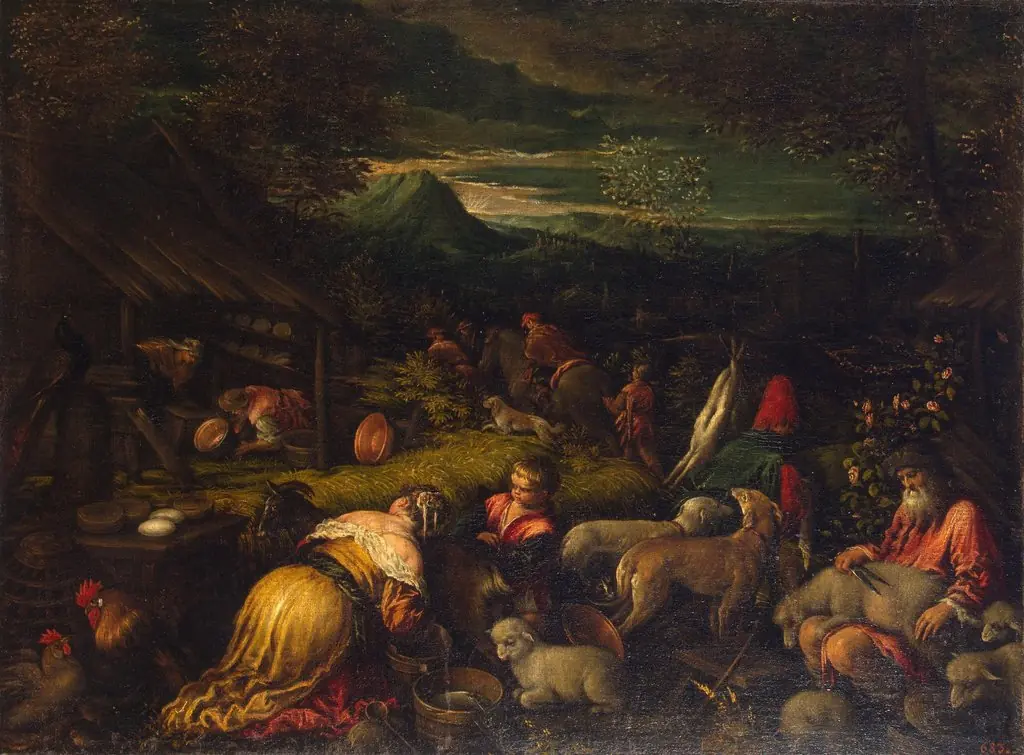 Autumn
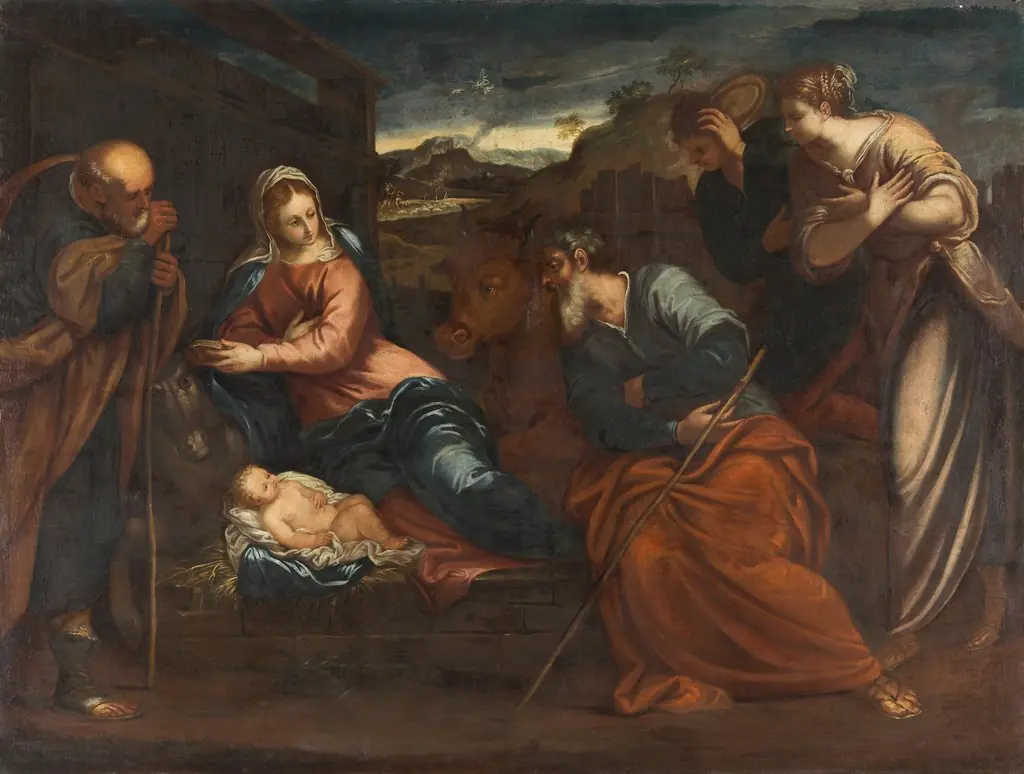 Anbetung durch die Hirten (Kopie nach)
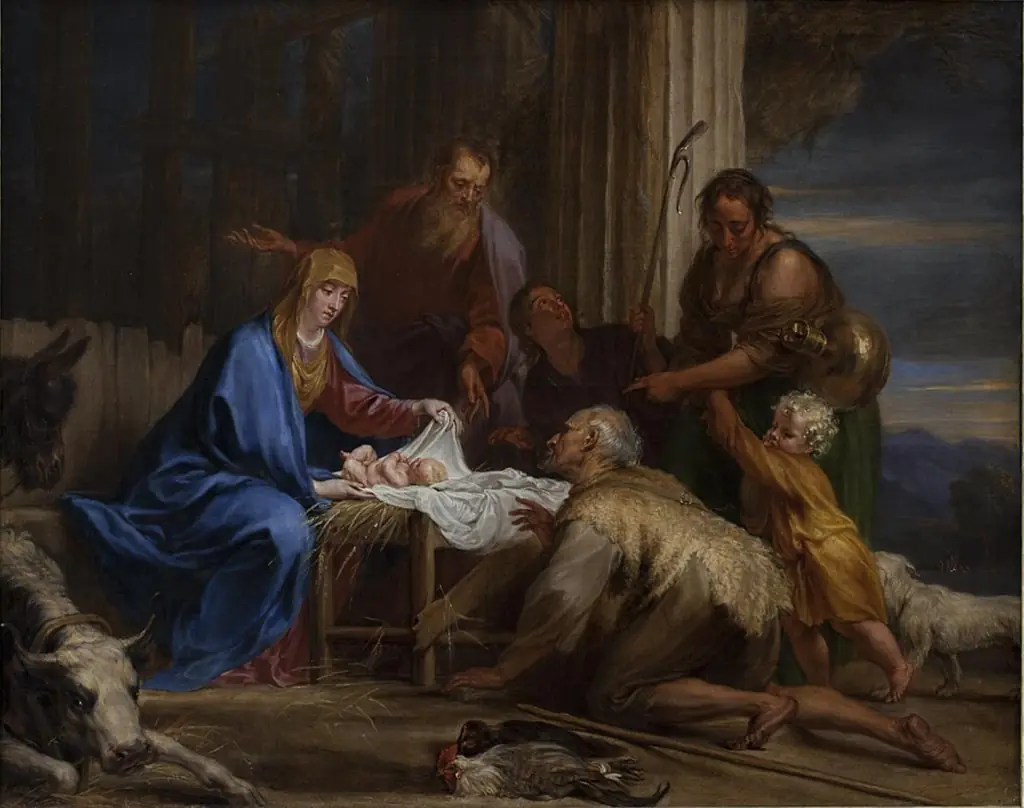 The Adoration of the Shepherds
 Adoration of the Shepherds