Artwork
Self-Portrait
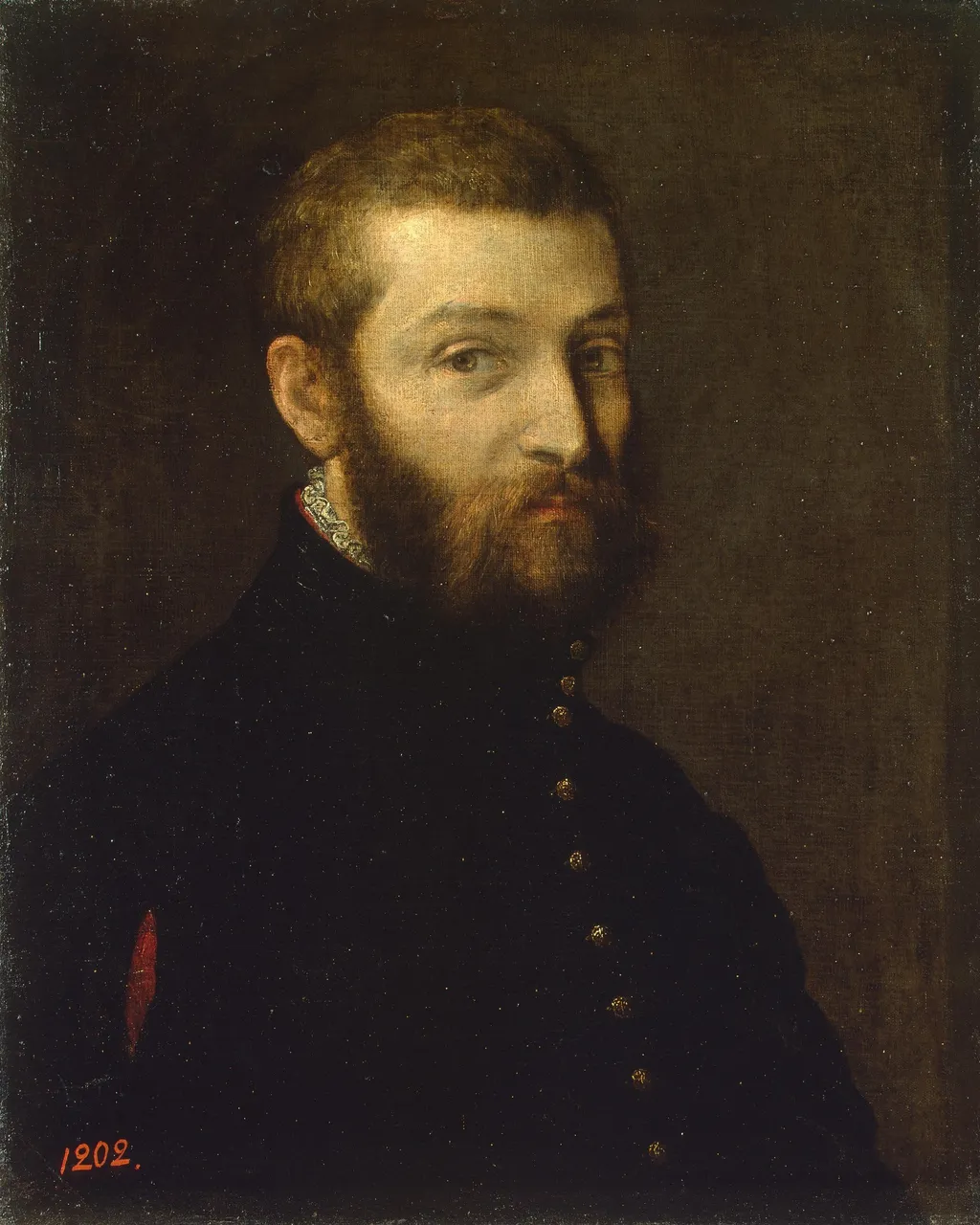
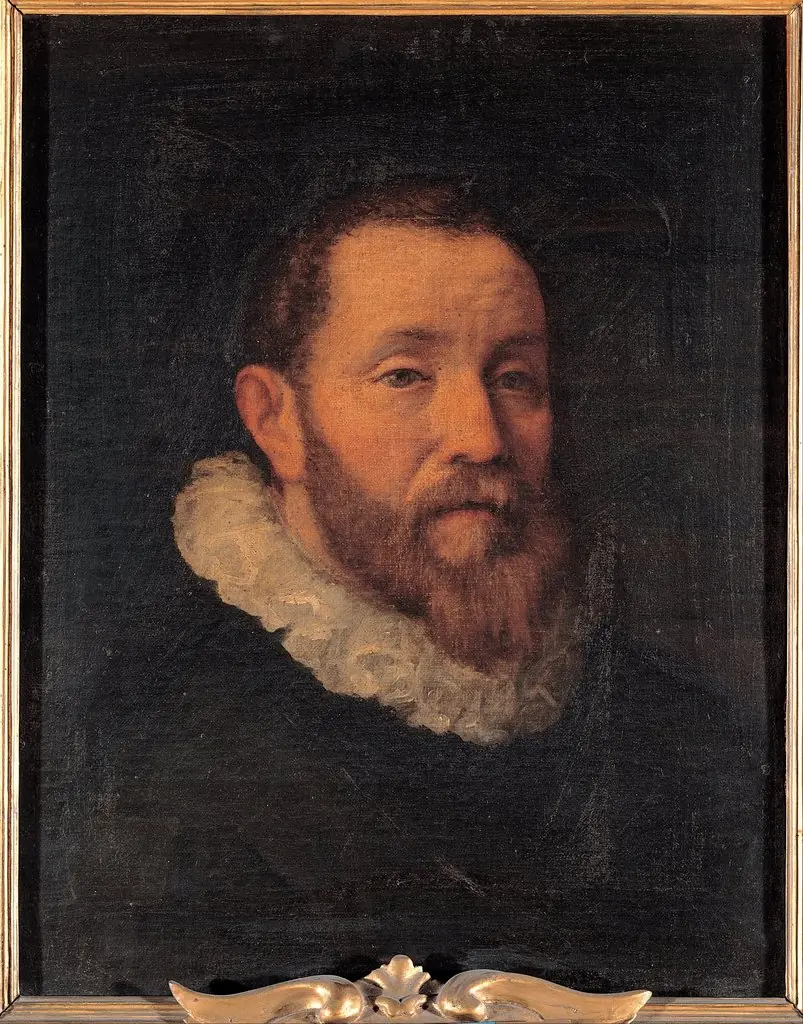
Self-Portrait is an oil painting by the Mannerist artist Paolo Veronese. It dates from 1560 and is held in the collection of the Hermitage Museum.
About this work
Subject & Meaning
The painting serves as a visual record of the artist's likeness, capturing his image in oil paint on canvas.
The work depicts the artist Paolo Veronese, presenting a direct self-representation of the creator. As a self-portrait, the subject is explicitly identified as the man shown, who is the painter himself. The painting serves as a visual record of the artist's likeness, capturing his image in oil paint on canvas.
Created in 1560, the work functions primarily as a personal documentation of the artist's appearance during that period, without additional symbolic layers or external figures described in the available records.
Technique & Style
Executed in 1560, this self-portrait by Paolo Veronese is an oil painting on canvas. The work measures 63 cm in height and 50.5 cm in width. Created in Italy, the piece employs oil paint as its primary medium to depict the artist himself.
The composition focuses strictly on the figure of the man, adhering to the conventions of the portrait genre without extraneous background elements described in the available records.
History & Provenance
The self-portrait is dated to 1560 and was executed in Italy as an oil painting on canvas. According to the sources, the work entered the collection of the Hermitage Museum, where it remains today. No further details about earlier ownership, commission, or subsequent provenance are provided in the available references.
The painting is part of the Hermitage Museum's collection and is catalogued under the inventory number that identifies it within the museum's holdings. It has been featured in several exhibitions at the Hermitage, including retrospectives of Veronese's portraiture and thematic displays on Renaissance self-portraits.
Context
Critical reception of Paolo Veronese's Self-Portrait has long underscored its significance within Venetian Renaissance portraiture, emphasizing both technical mastery and psychological depth. Scholarship identifies the work as a pivotal example of late Renaissance self-representation, reflecting broader artistic currents of the 16th century. Its placement in the Hermitage Museum's collection situates it within a key institutional narrative of European art history, where it is studied alongside contemporaries for its role in shaping self-portrait conventions.
The painting's context within Veronese's oeuvre illustrates evolving artistic identity during the Renaissance, bridging personal expression and professional ambition in late 16th-century Italy.
Legacy
The Self-Portrait of 1560 has been cited by scholars as a pivotal work in the evolution of self-representation in Venetian art, influencing later artists' approaches to identity and status. Its formal treatment of the artist's likeness and direct gaze contributed to a shift in portrait conventions during the late Renaissance, particularly noted for its dignified composition and psychological depth. The painting's presence in the Hermitage Museum has reinforced its stature as a cornerstone of Veronese's oeuvre, cited in multiple studies on 16th-century portraiture and its impact on subsequent European art movements.
Overview
Paolo Veronese’s self‑portrait, executed in oil in 1560, presents the artist at the height of his Venetian career. The work is part of the State Hermitage Museum’s collection and offers a rare glimpse of the painter’s own likeness, a subject he seldom chose.
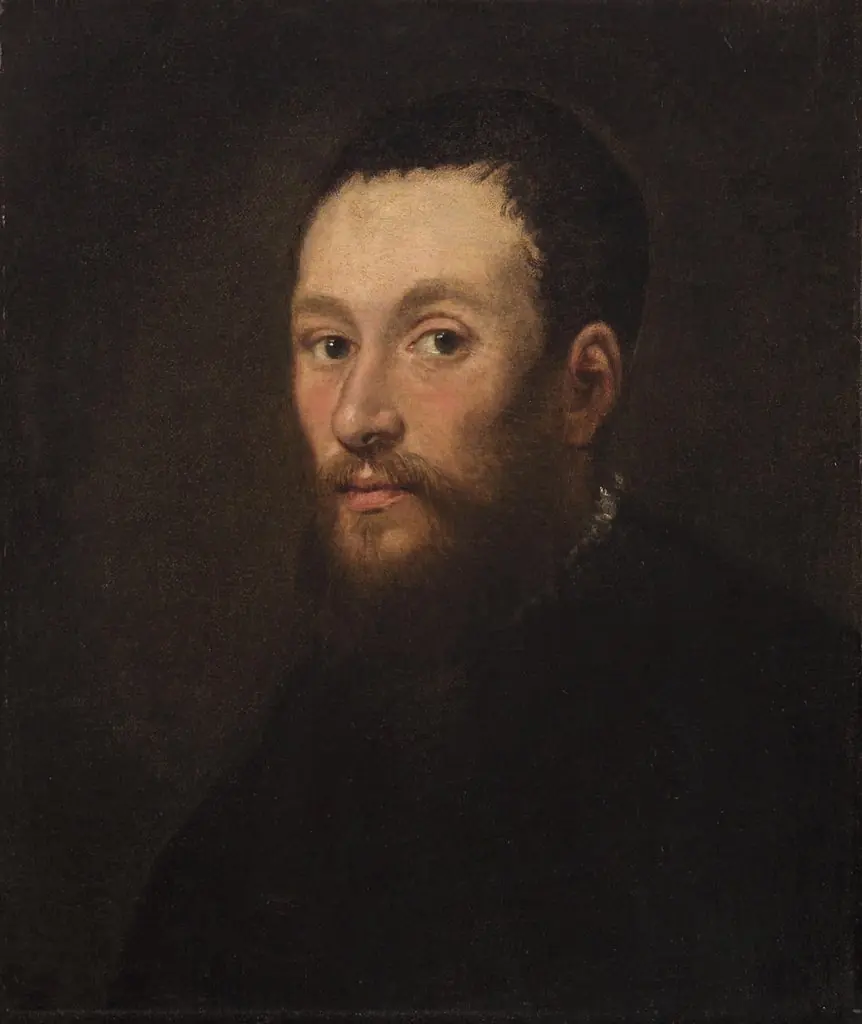
Own this work as a print
Artist & collection
Artist
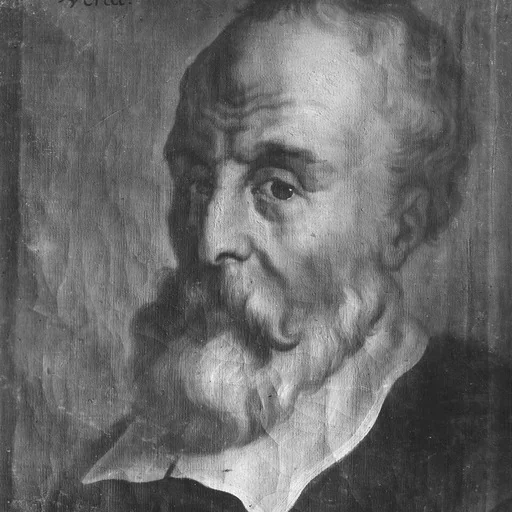
Paolo Caliari (1528 – 19 April 1588), known as Paolo Veronese ( VERR-ə-NAY-zay, -zee, US also -see; Italian: ), was an Italian Renaissance painter based in Venice, known for extremely large history paintings of…

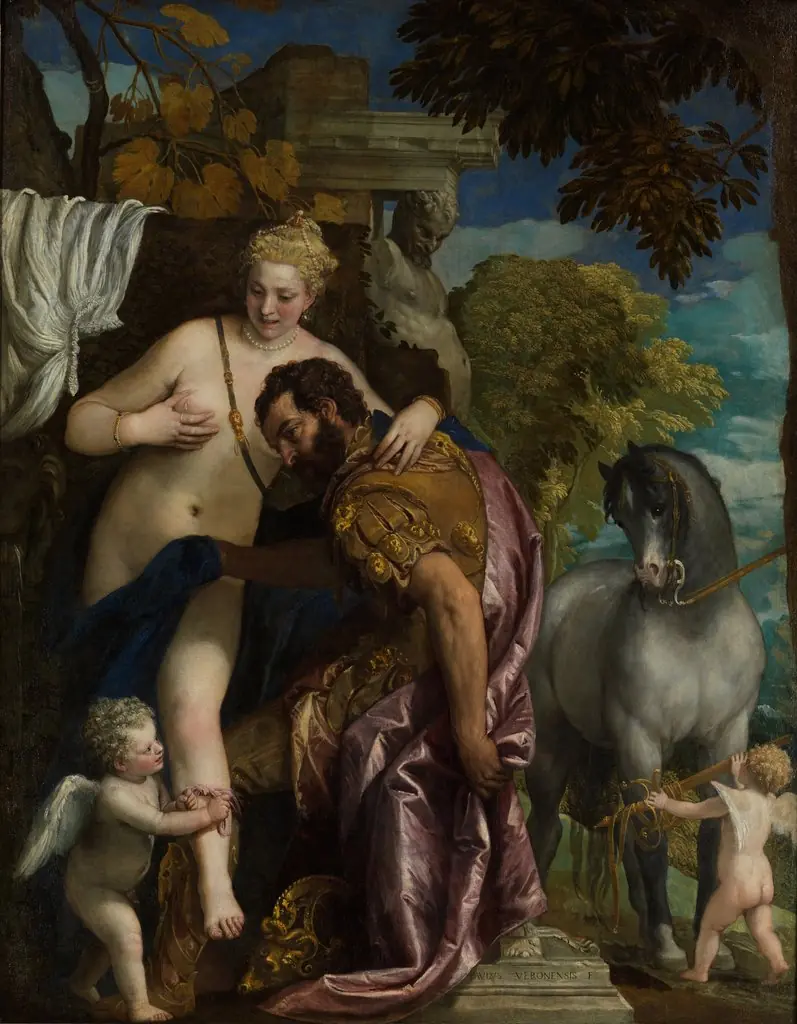
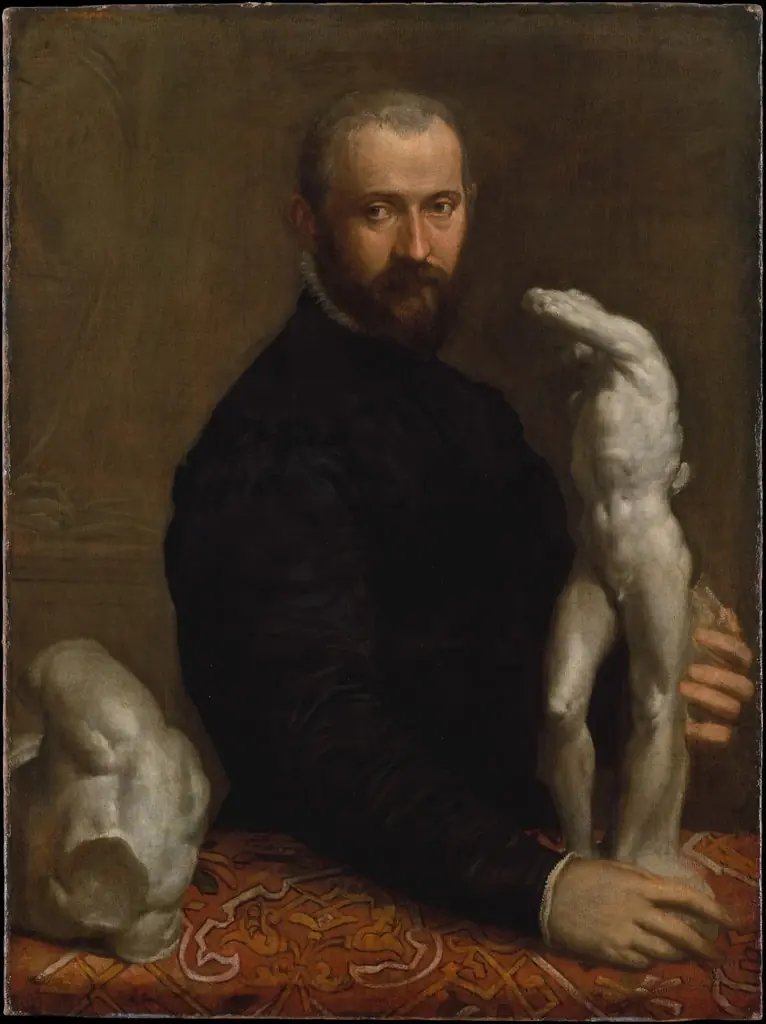
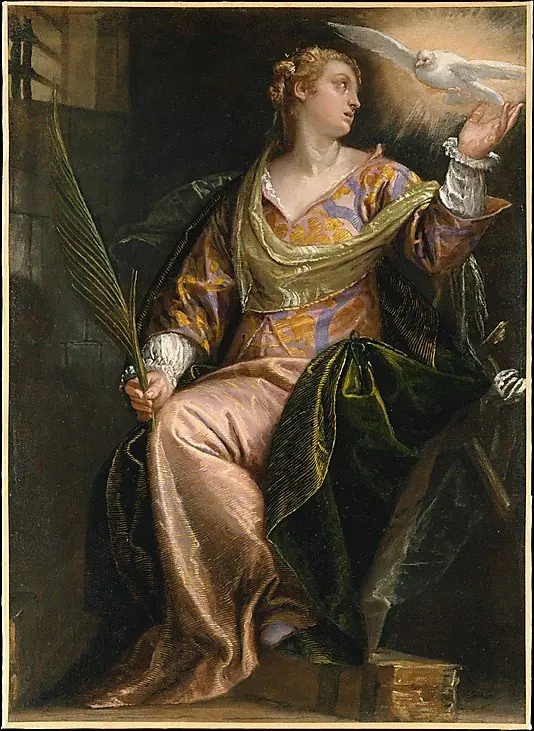
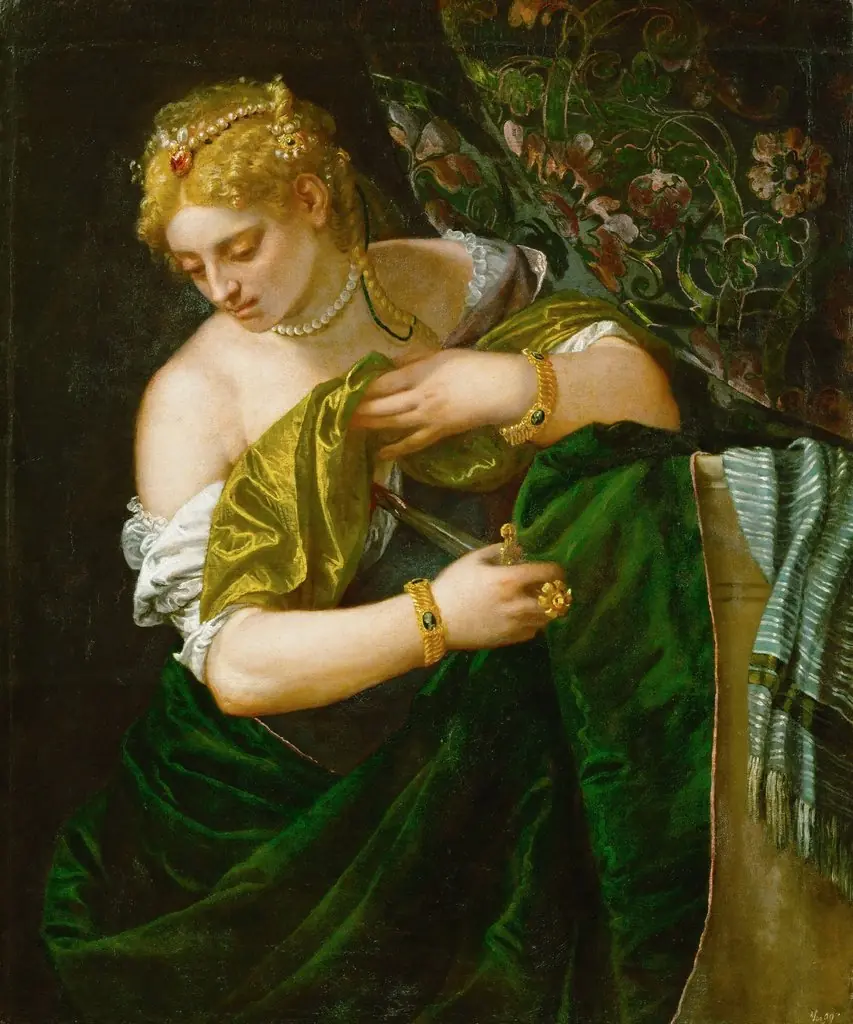
- Bildnis eines jungen bärtigen Mannes
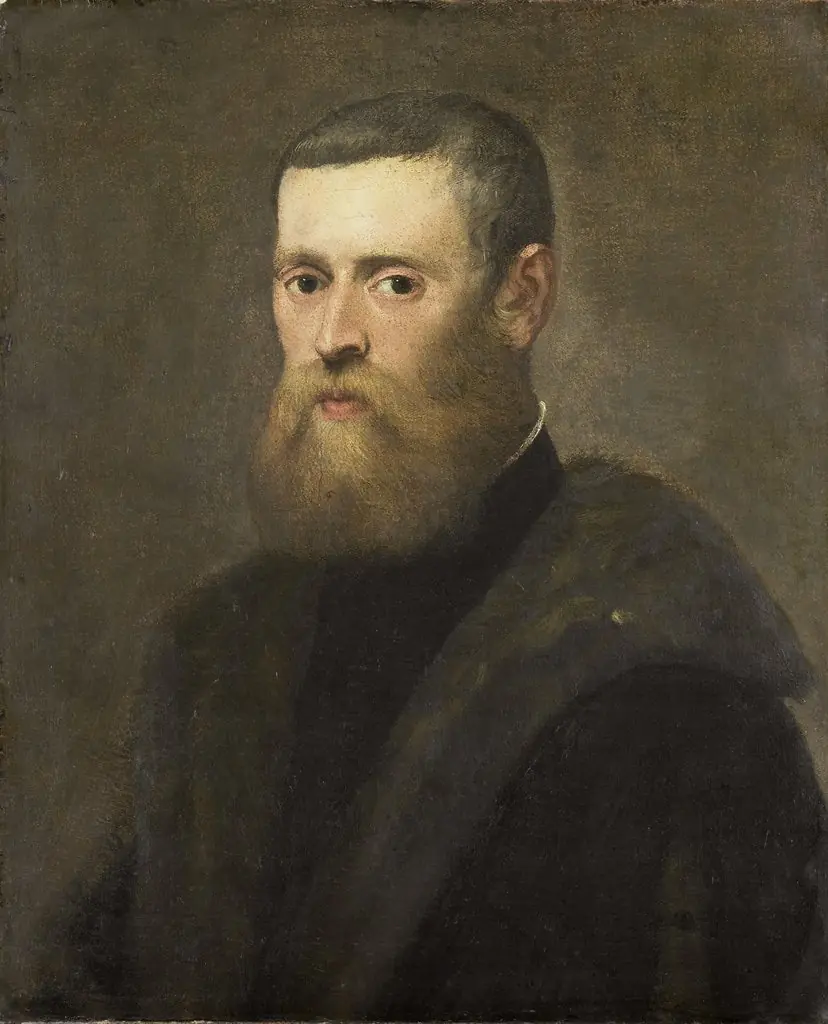 Portrait of a Man
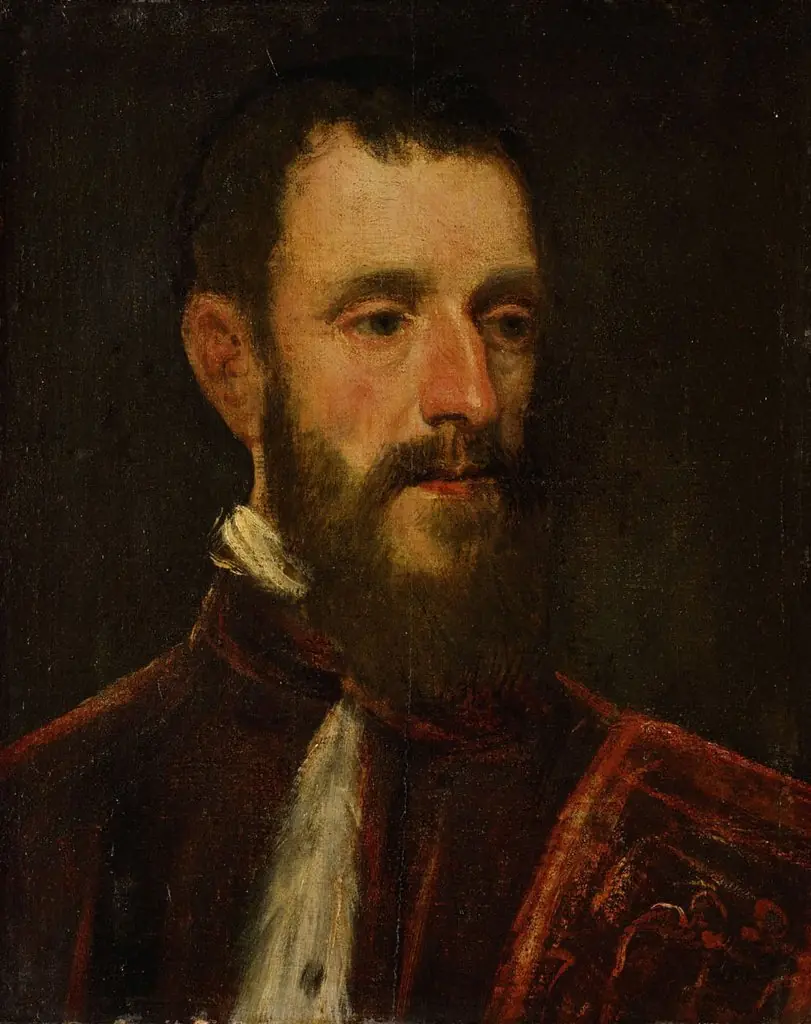 Bildnis eines Prokurators
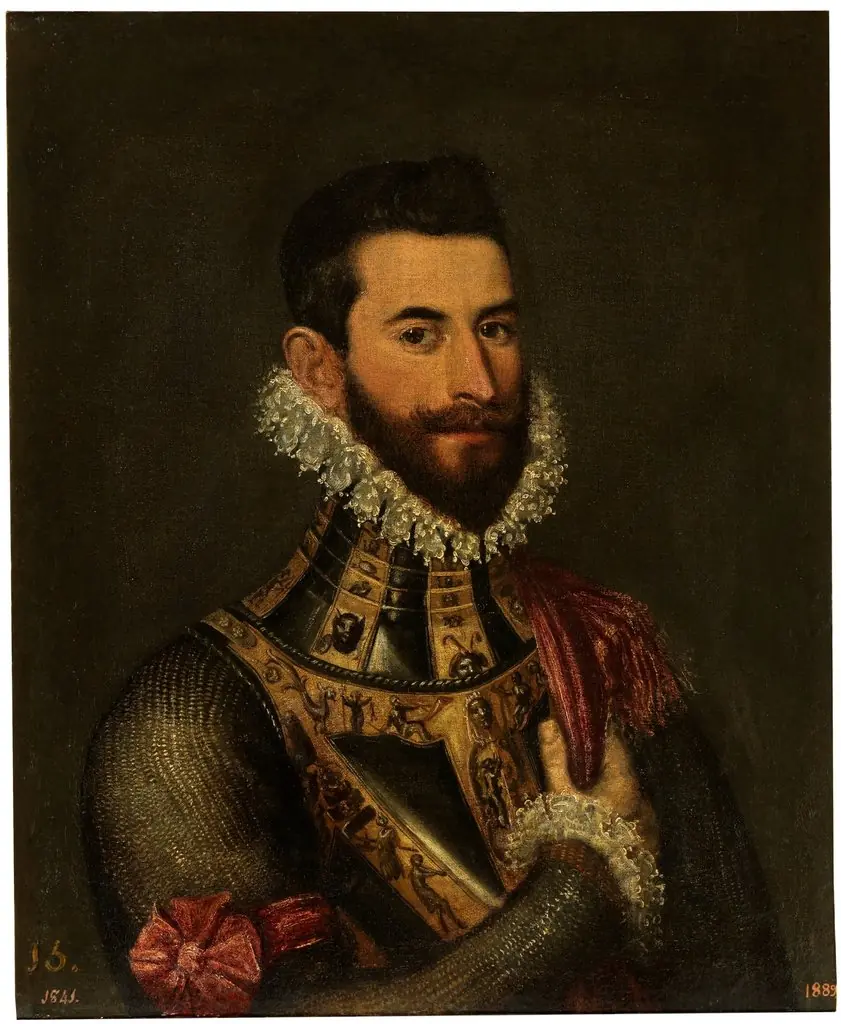 Pietro de Medici (?)
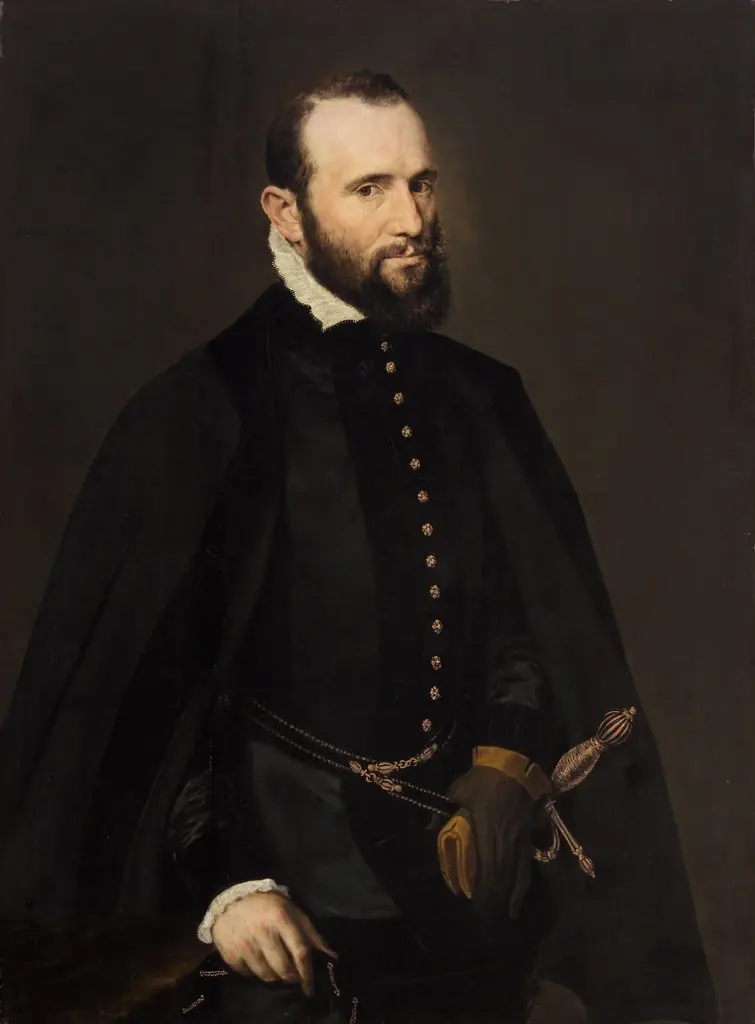 Portrait of a man
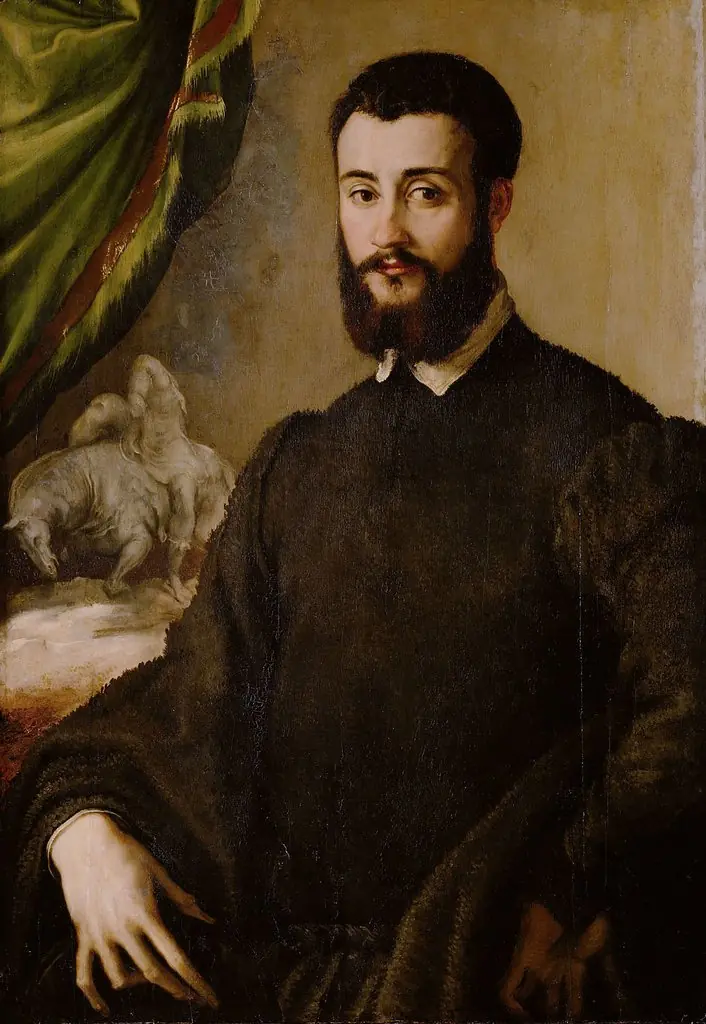 Bildnis eines Mannes aus der Familie Santacroce
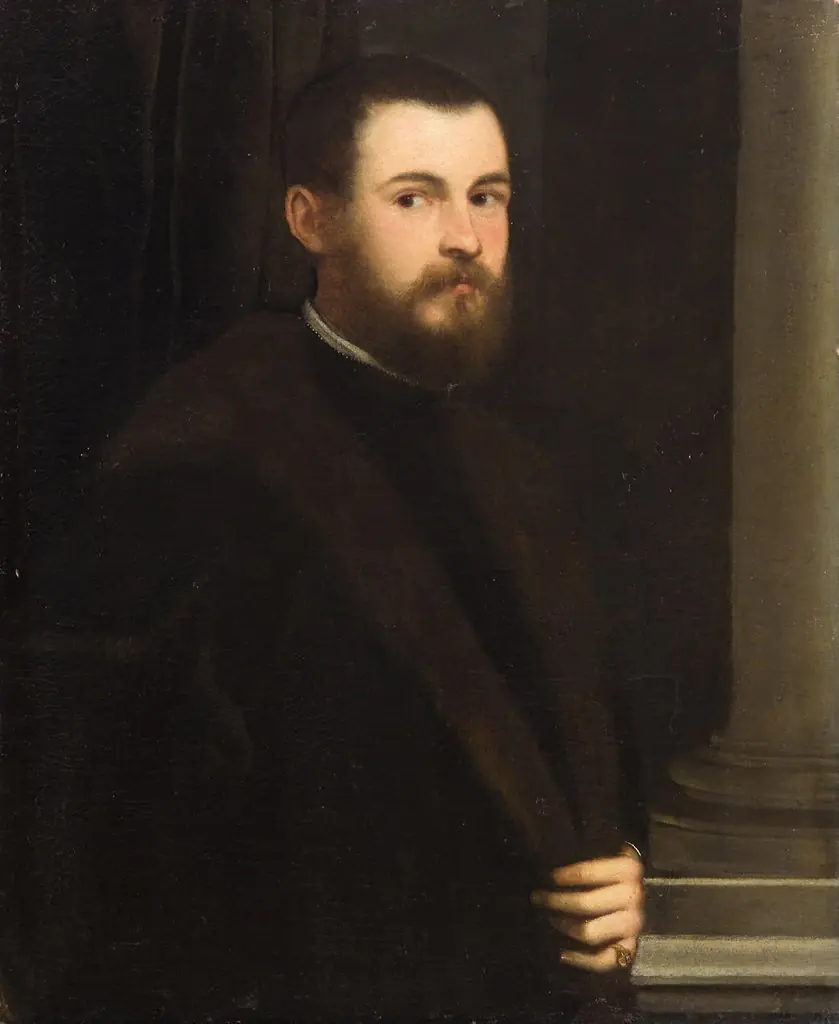 Portrait of a young bearded man
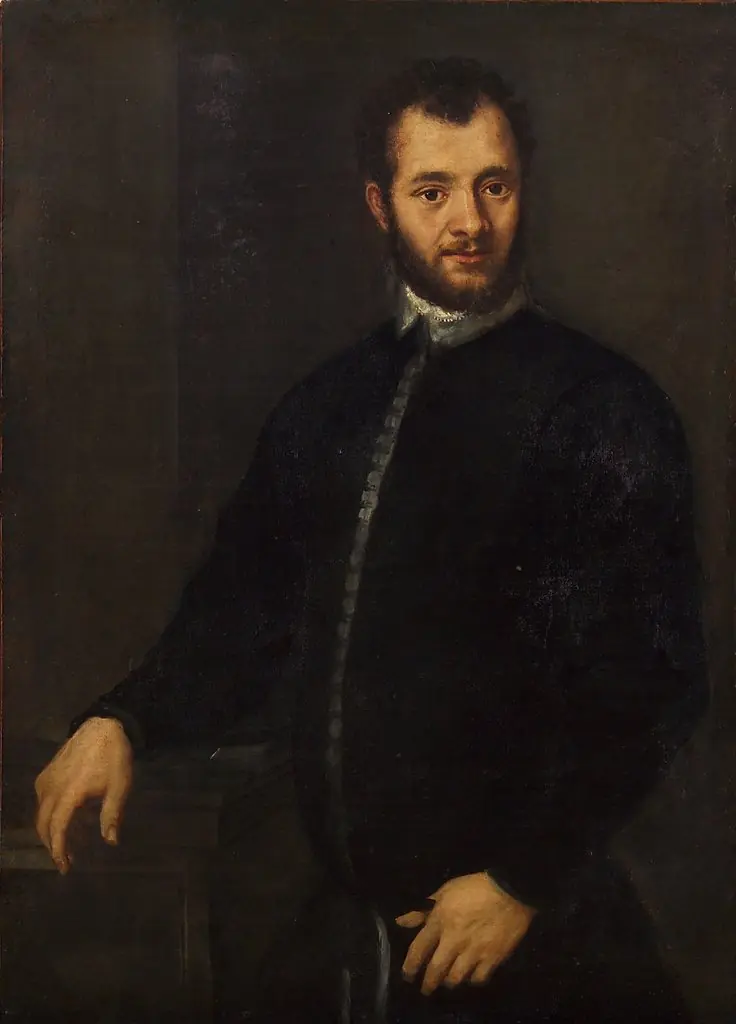 Bildnis eines jungen Mannes in Schwarz
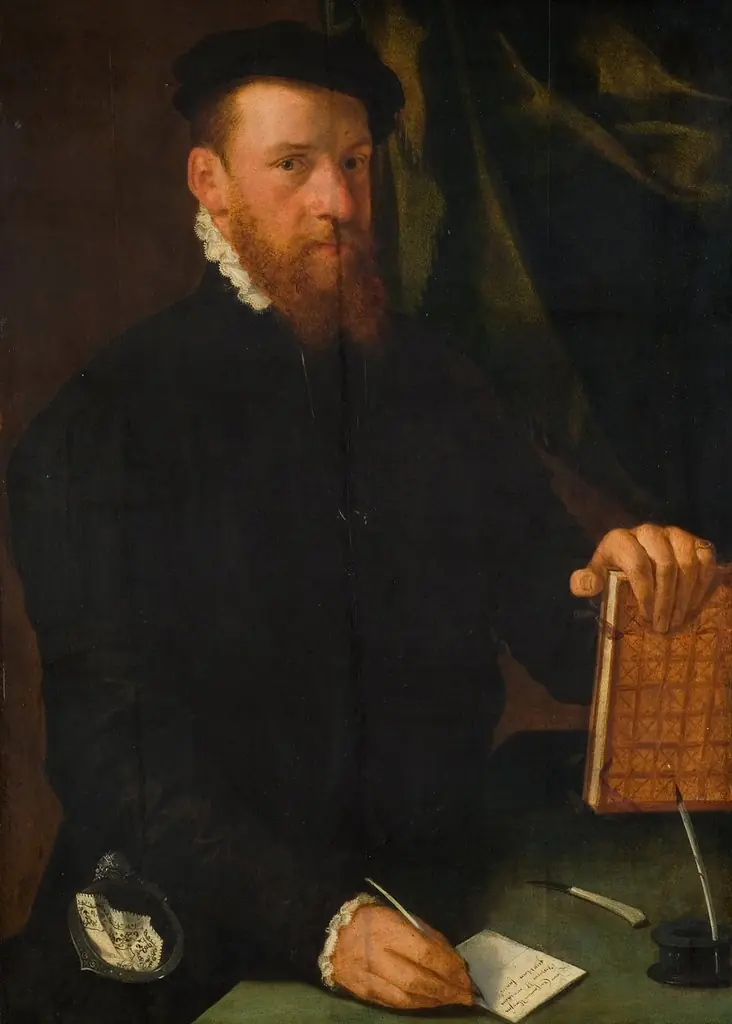 Männliches Bildnis
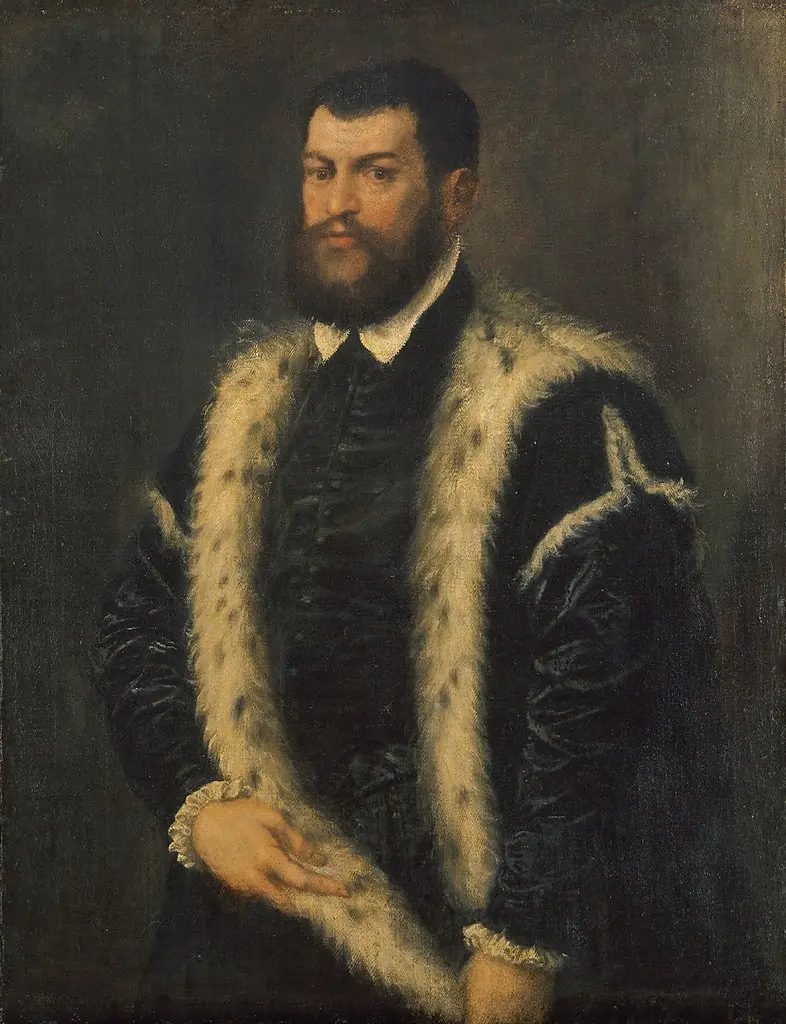 Man with Ermine Coat
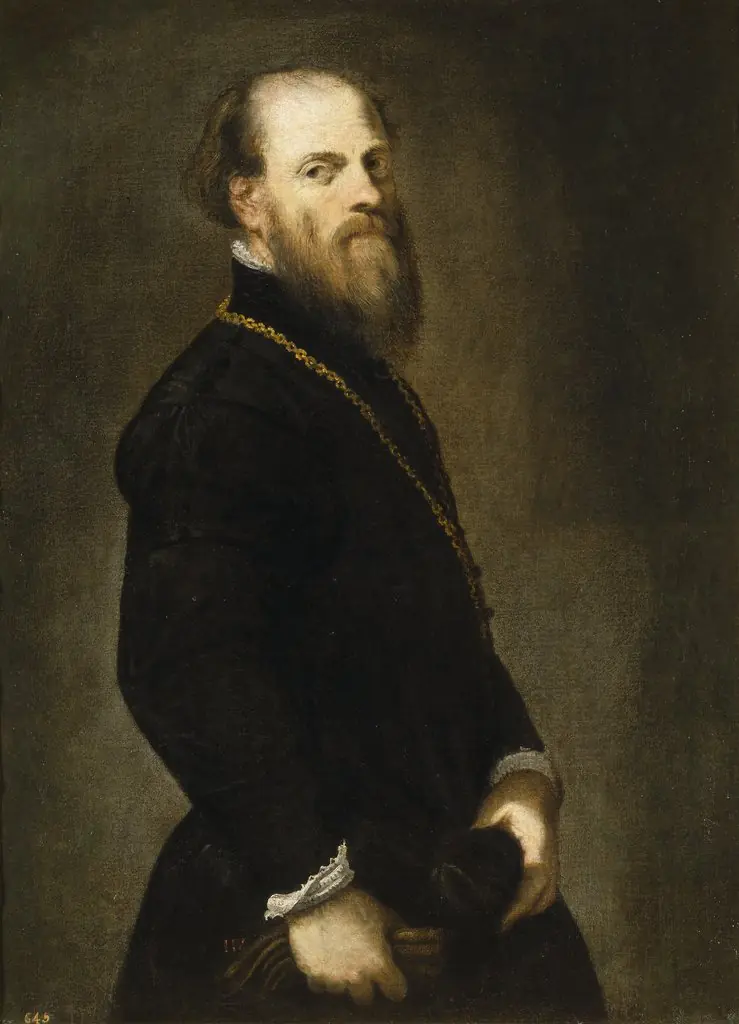 Man with a Golden Lace
 Self-portrait