Artwork
Neige fondante à Fontainebleau (Melting Snow, Fontainebleau)
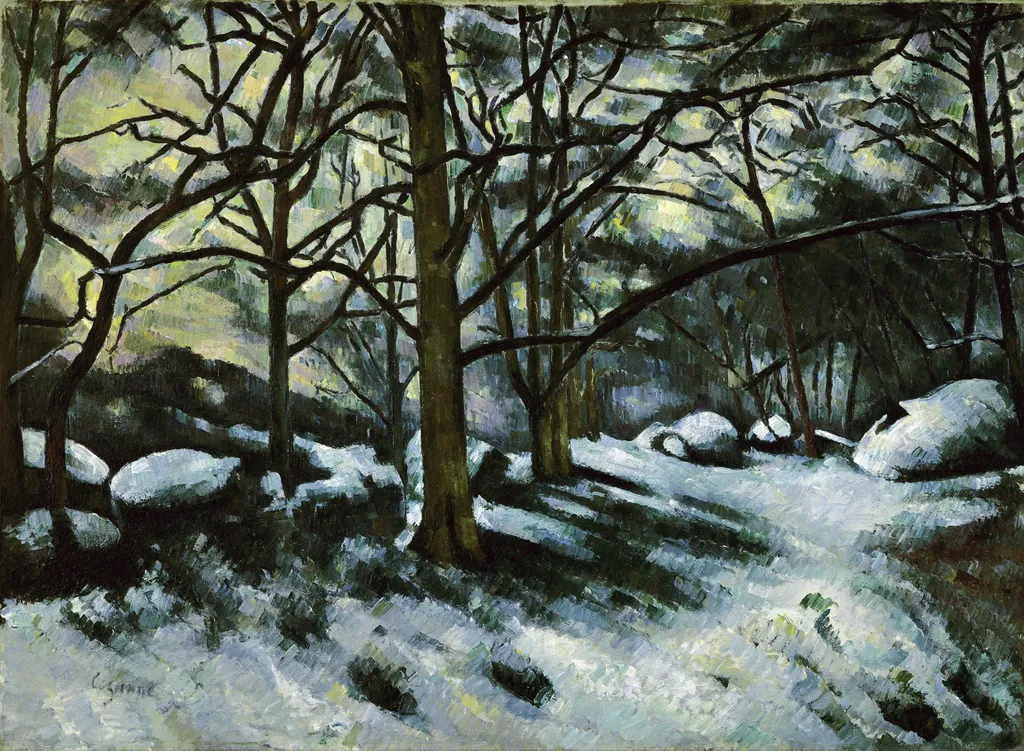
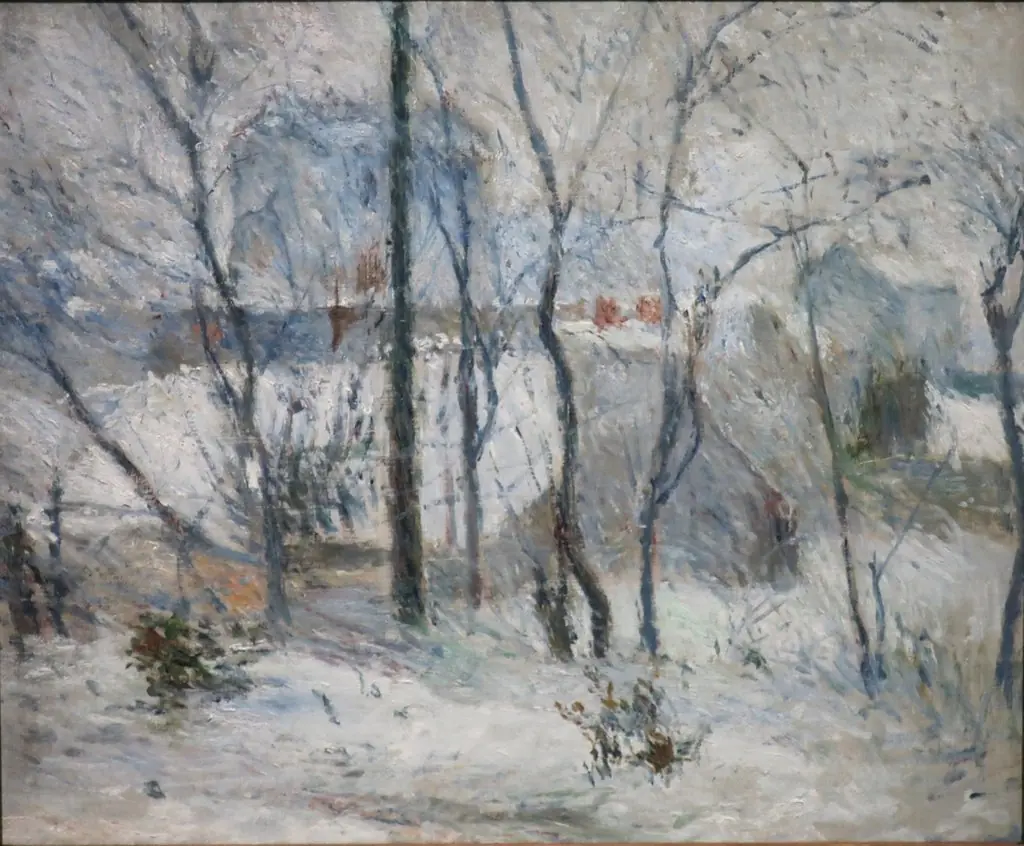
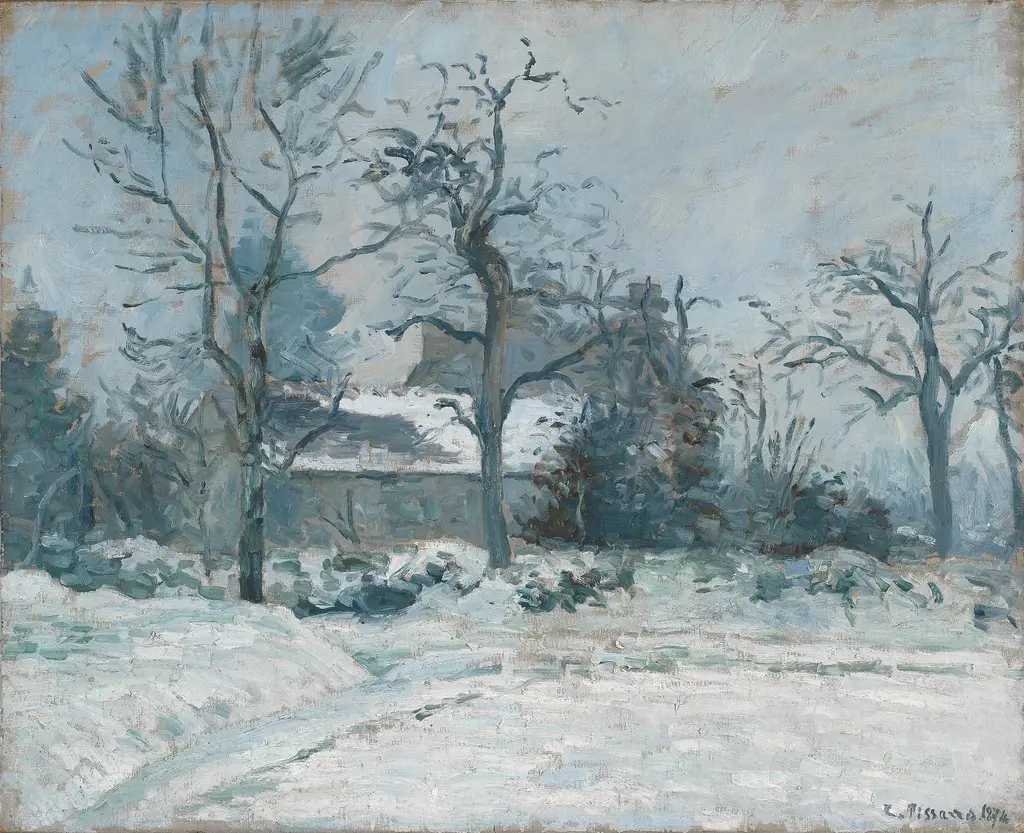
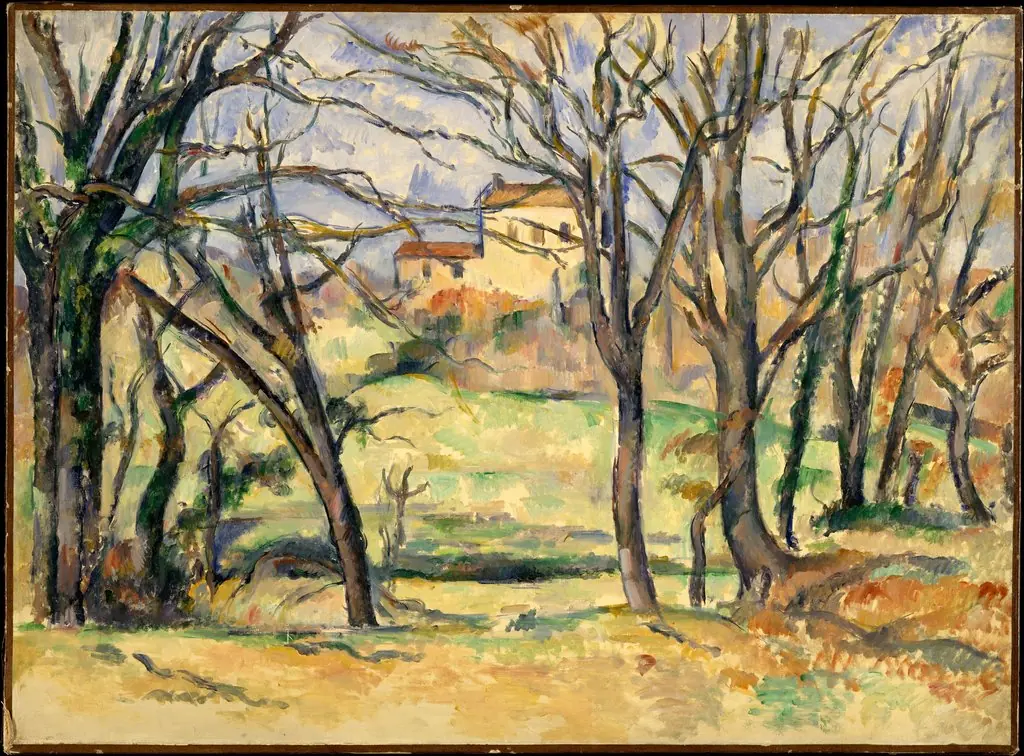
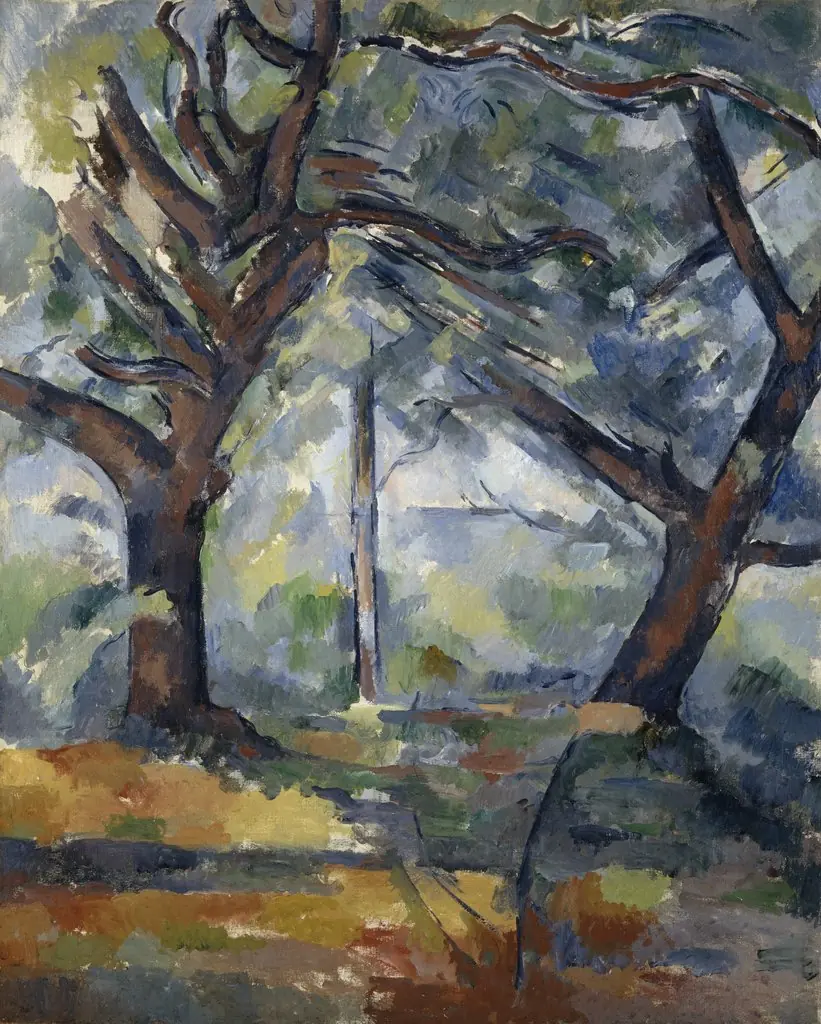
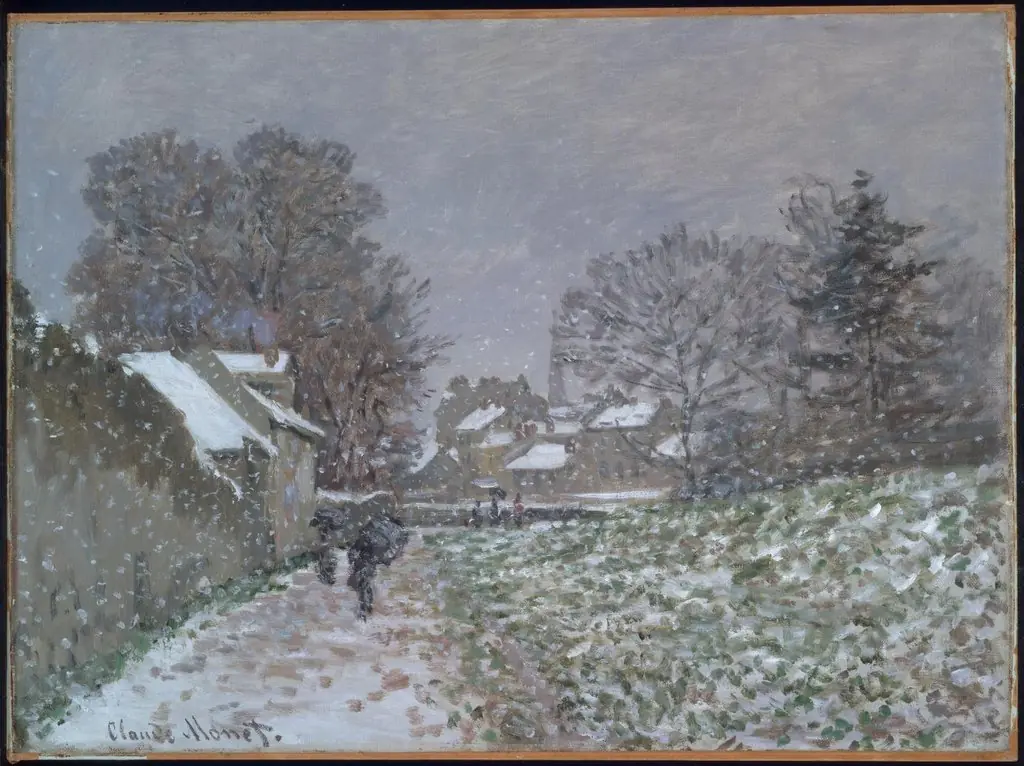
Neige fondante à Fontainebleau (Melting Snow, Fontainebleau) is an oil painting by the Post-Impressionist artist Paul Cézanne. It dates from 1890 and is held in the collection of the Museum of Modern Art.
About this work
Overview
The painting reflects his transition toward a more deliberate, geometric approach to form, laying groundwork for later modernist developments.
Painted in 1890, this oil landscape by Paul Cézanne captures a winter scene in the Forest of Fontainebleau, a location he visited frequently during the 1880s and 1890s. Unlike the fleeting atmospheric effects favored by Impressionists, Cézanne sought to convey the underlying structure of the natural world. The painting reflects his transition toward a more deliberate, geometric approach to form, laying groundwork for later modernist developments.
Subject & Meaning
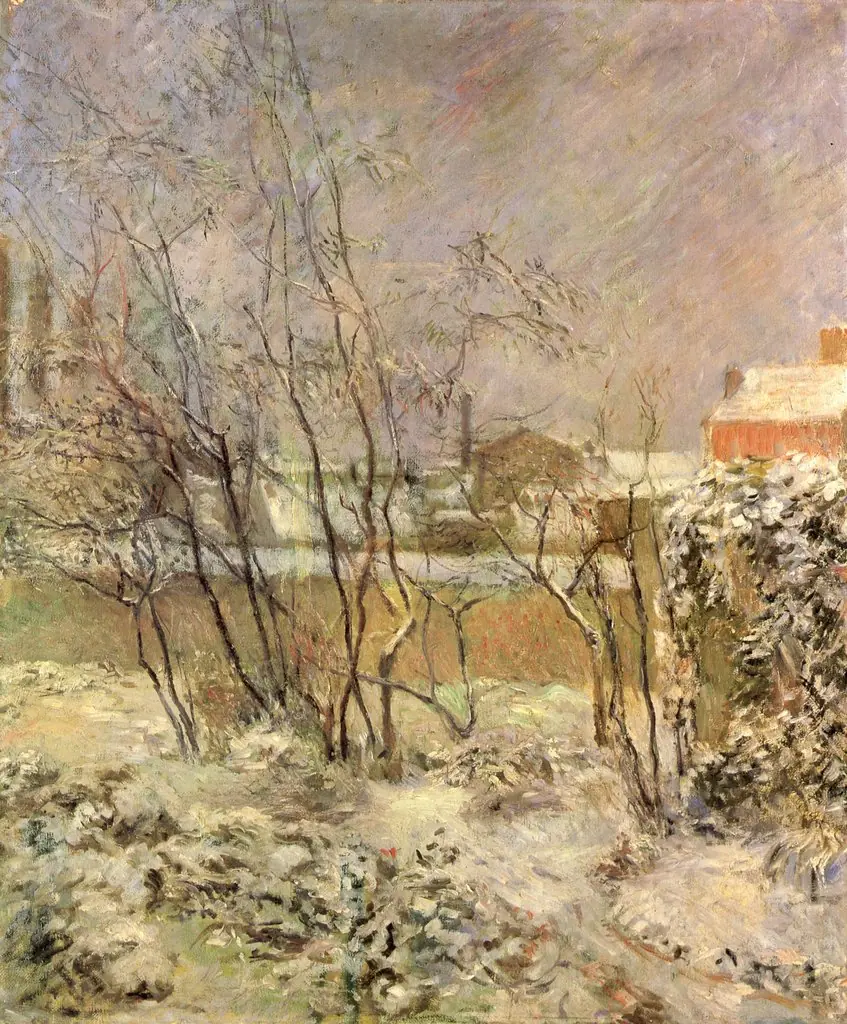
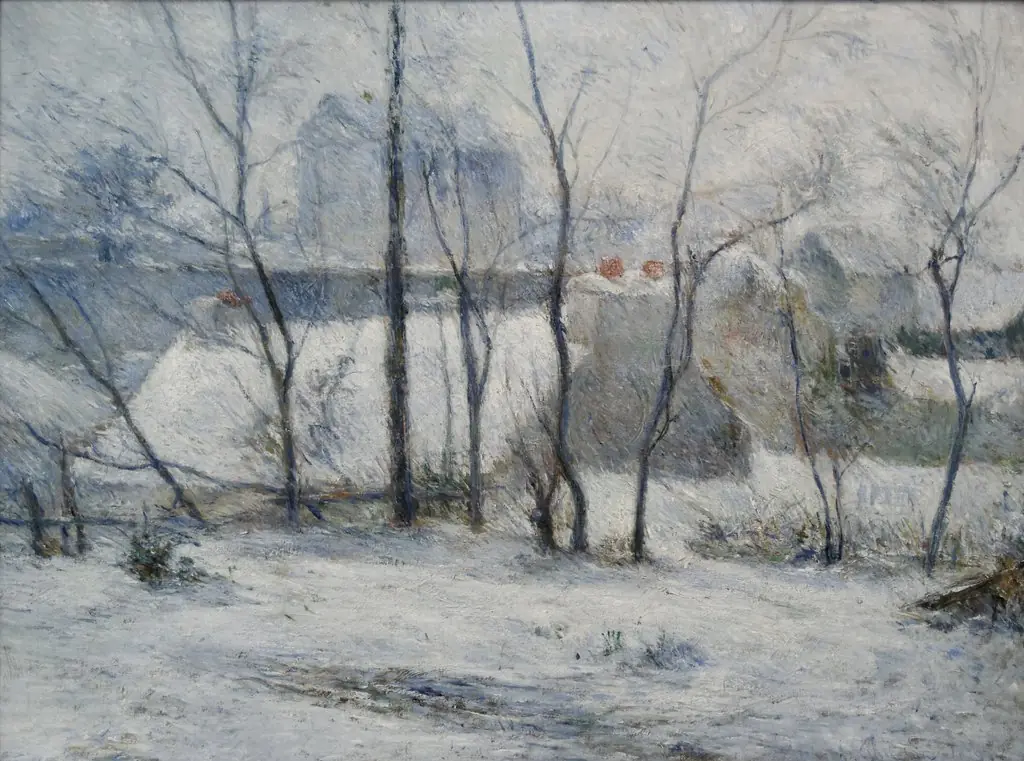
The scene portrays a forest in transition, snow melting under the winter sun, revealing damp earth and bare branches. There is no human presence; the focus is on nature’s quiet transformation. Cézanne treats the landscape not as a picturesque view but as a composition of volumes and planes, suggesting the permanence of geological forms beneath seasonal change. The stillness of the scene contrasts with the subtle motion implied by melting snow and shifting light.
Technique & Style
Cézanne applies paint in distinct, directional brushstrokes that model form rather than blend tone. Cool blues and greens define the trees, while the snow is rendered in muted grays, browns, and pale violets, avoiding pure white. Light and shadow are constructed through color relationships, not chiaroscuro.
The brushwork is deliberate and textured, emphasizing the materiality of paint and the solidity of the landscape’s architecture.
History & Provenance
Created during a period of intense experimentation, the painting remained in Cézanne’s possession until his death in 1906. It passed through private collections in France before entering the Museum of Modern Art’s collection in the mid-20th century. Its acquisition reflected growing institutional recognition of Cézanne’s role in bridging 19th-century landscape traditions and 20th-century abstraction.
Context
In the 1890s, Cézanne distanced himself from Impressionism’s emphasis on transient light, instead pursuing a more enduring structure in nature. He worked alongside other artists in Fontainebleau, but his method was solitary and methodical. This painting belongs to a series where he reduced natural forms to geometric equivalents, anticipating the fragmented planes of Cubism and influencing artists like Picasso and Braque.
Legacy
The painting exemplifies Cézanne’s enduring contribution to modern art: the idea that perception could be translated into structured, painterly logic. Its influence extended beyond his lifetime, shaping how later generations approached space, form, and color. Rather than capturing a moment, it invites contemplation of how nature is organized, a shift that redefined landscape painting in the 20th century.
Own this work as a print
Artist & collection

Artist
Paul Cézanne ( say-ZAN, UK also siz-AN, US also say-ZAHN; French: ; Occitan: Pau Cesana; 19 January 1839 – 22 October 1906) was a French Post-Impressionist painter whose work introduced new modes of representation,…

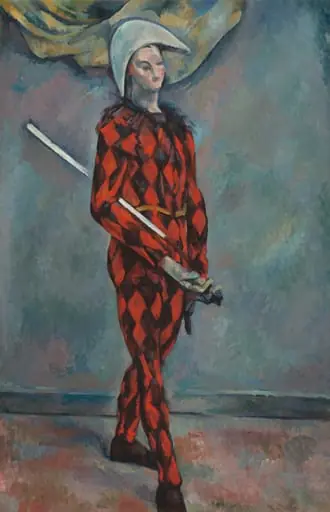 Harlequin
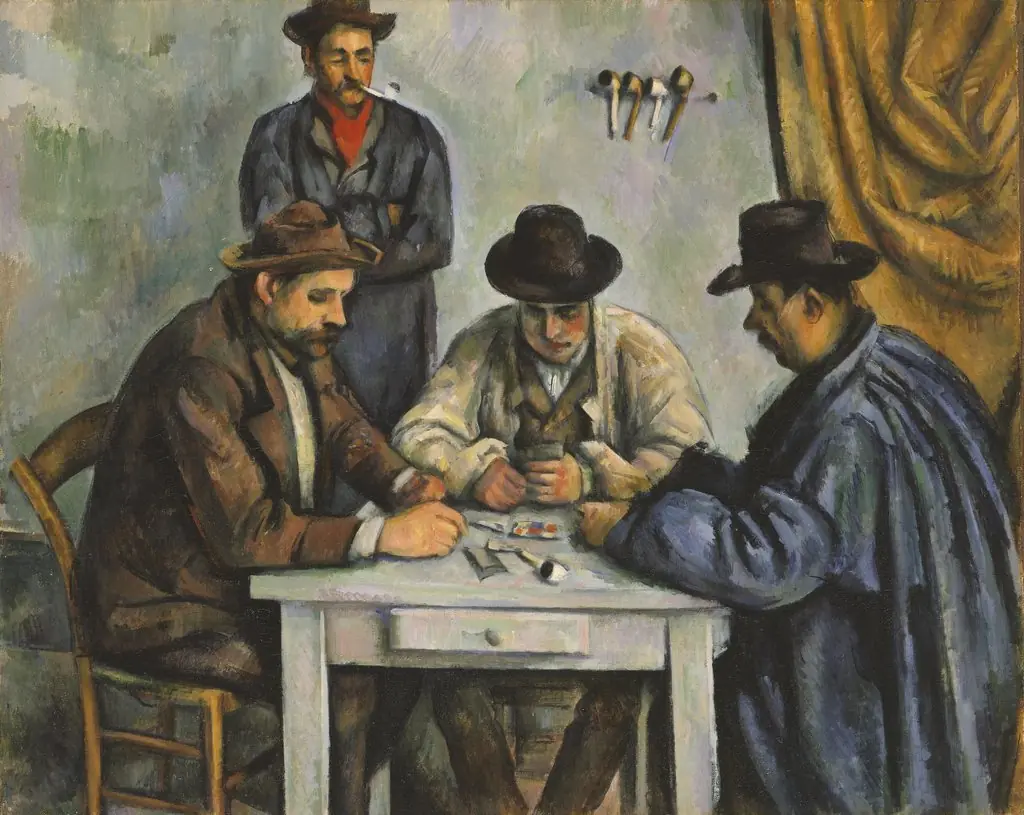 The Card Players
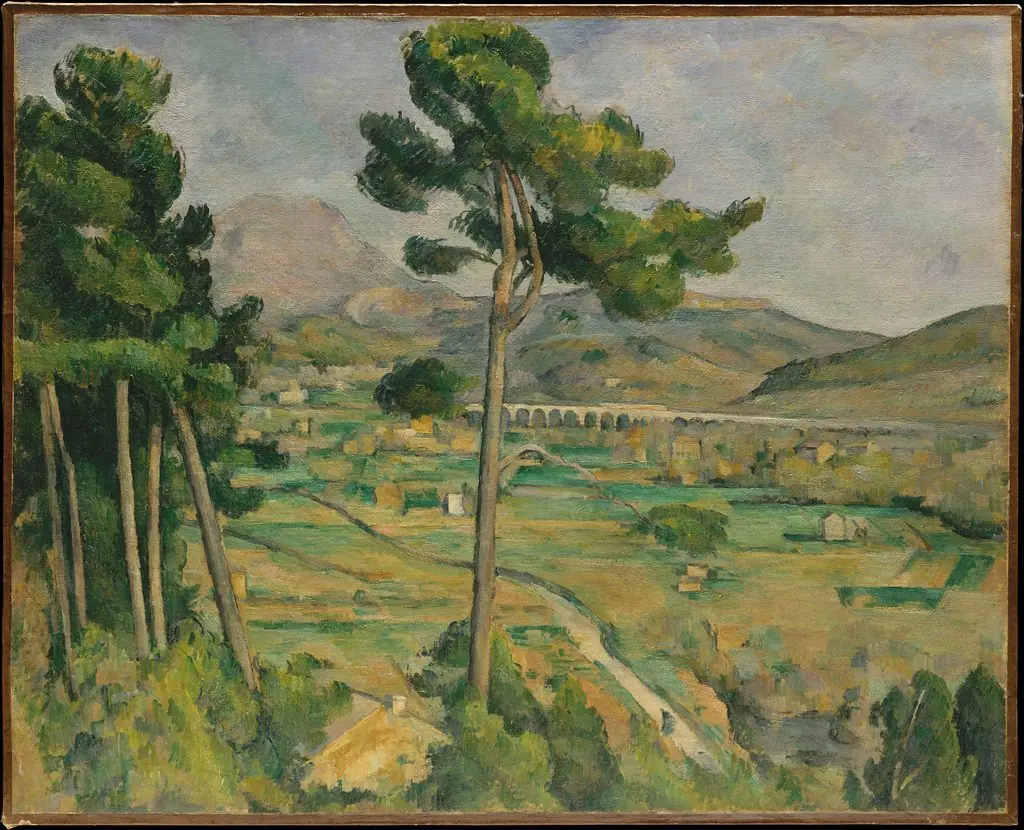 Mont Sainte-Victoire and the Viaduct of the Arc River Valley
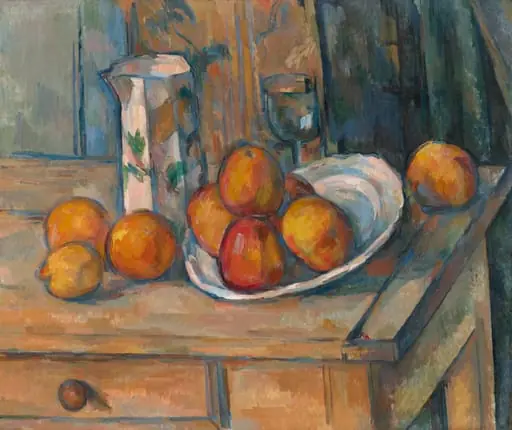 Still Life with Milk Jug and Fruit
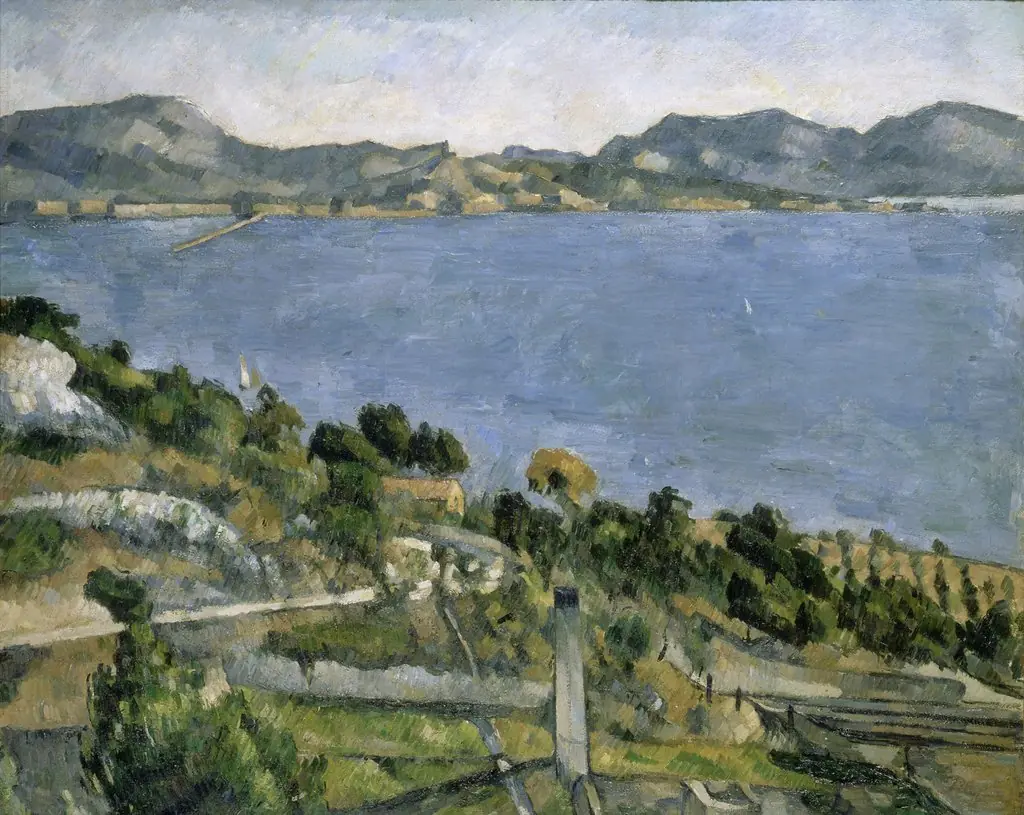 Le Golfe de Marseille vu de l'Estaque (The Gulf of Marseille Seen from L'Estaque)
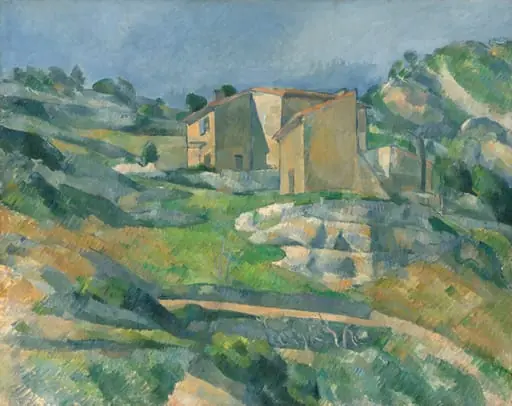 Houses in Provence: The Riaux Valley near L'Estaque
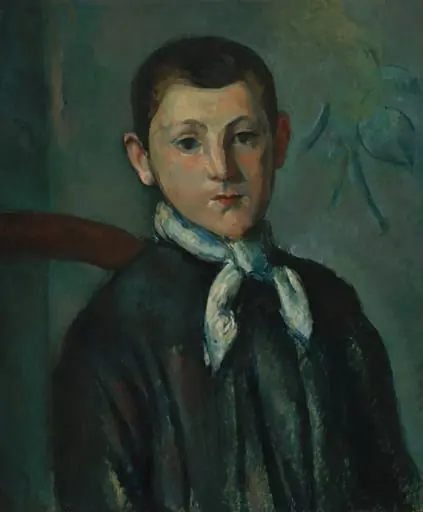 Louis Guillaume
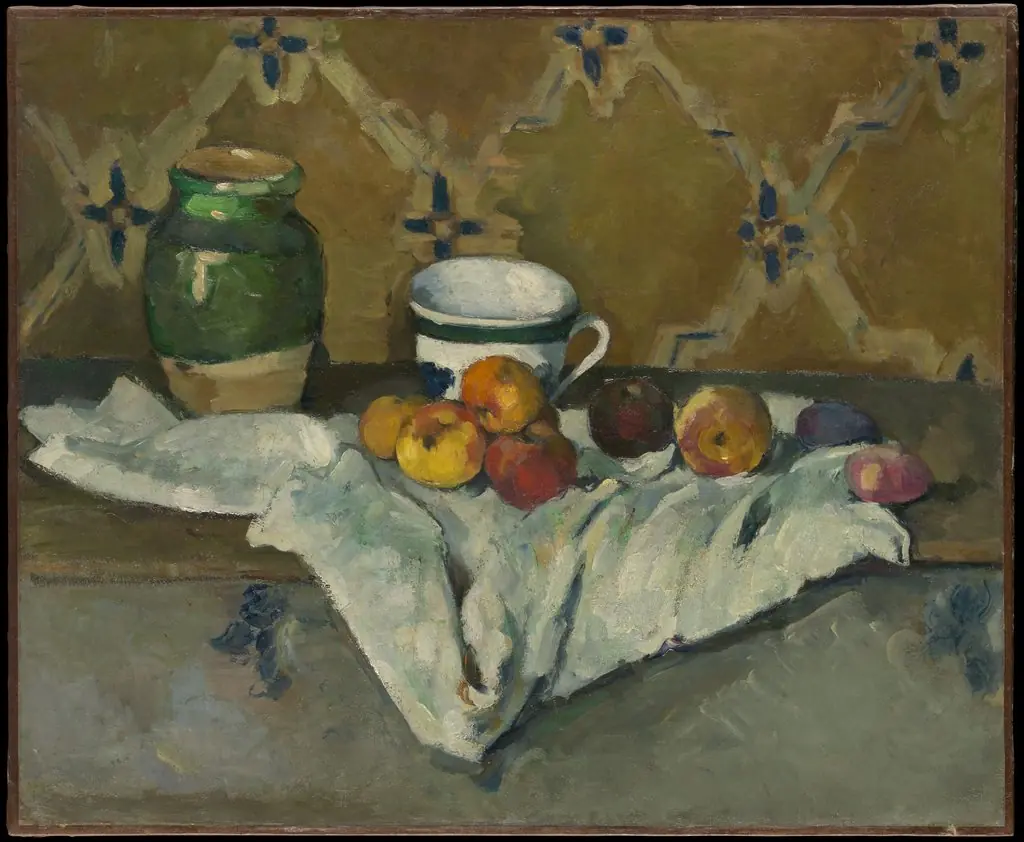 Still Life with Jar, Cup, and Apples