Artwork
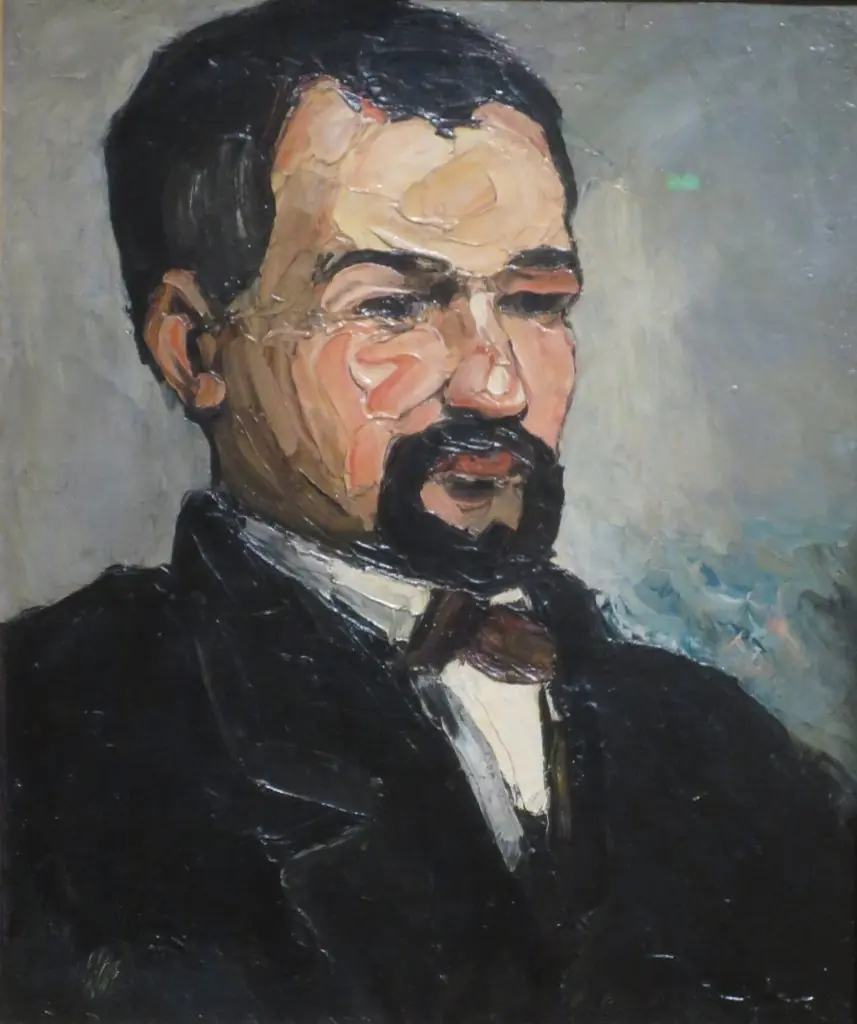
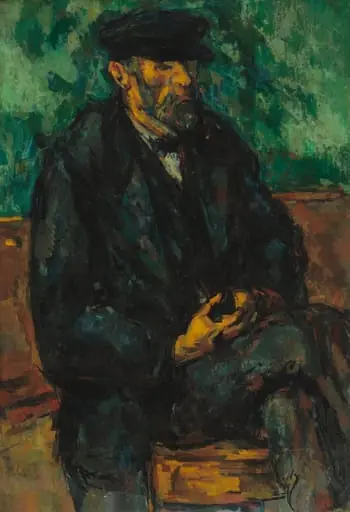
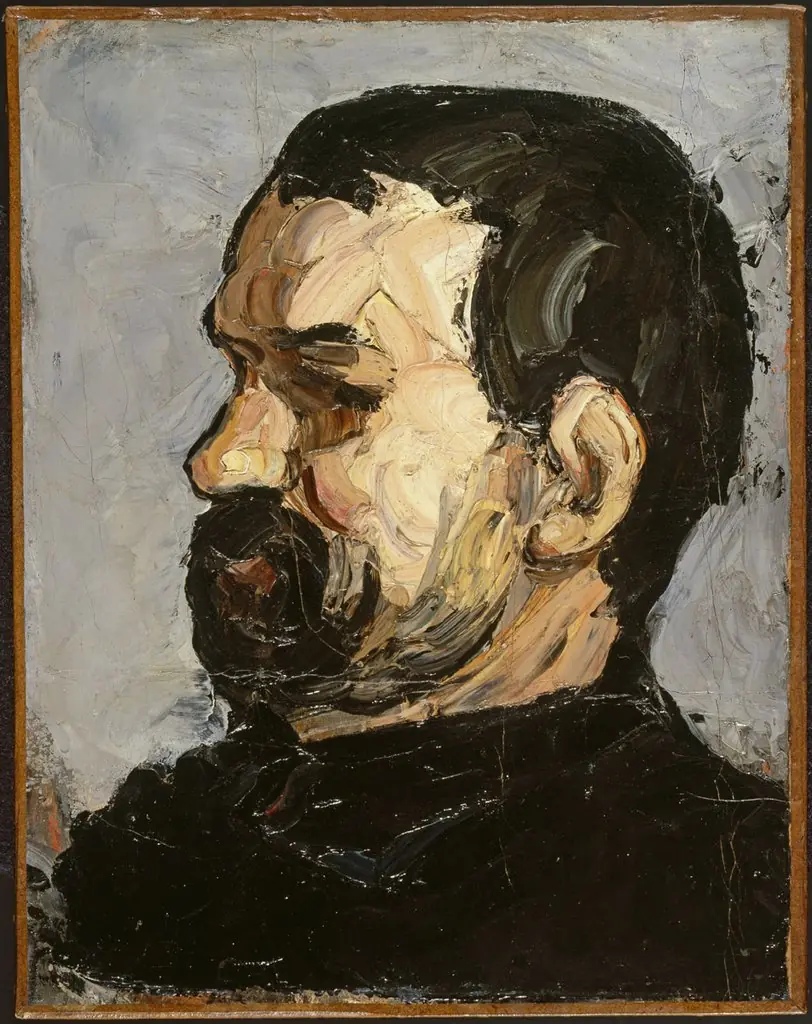
L'Homme au bonnet de coton (Antoine Dominique Sauveur Aubert, the Artist's Uncle)
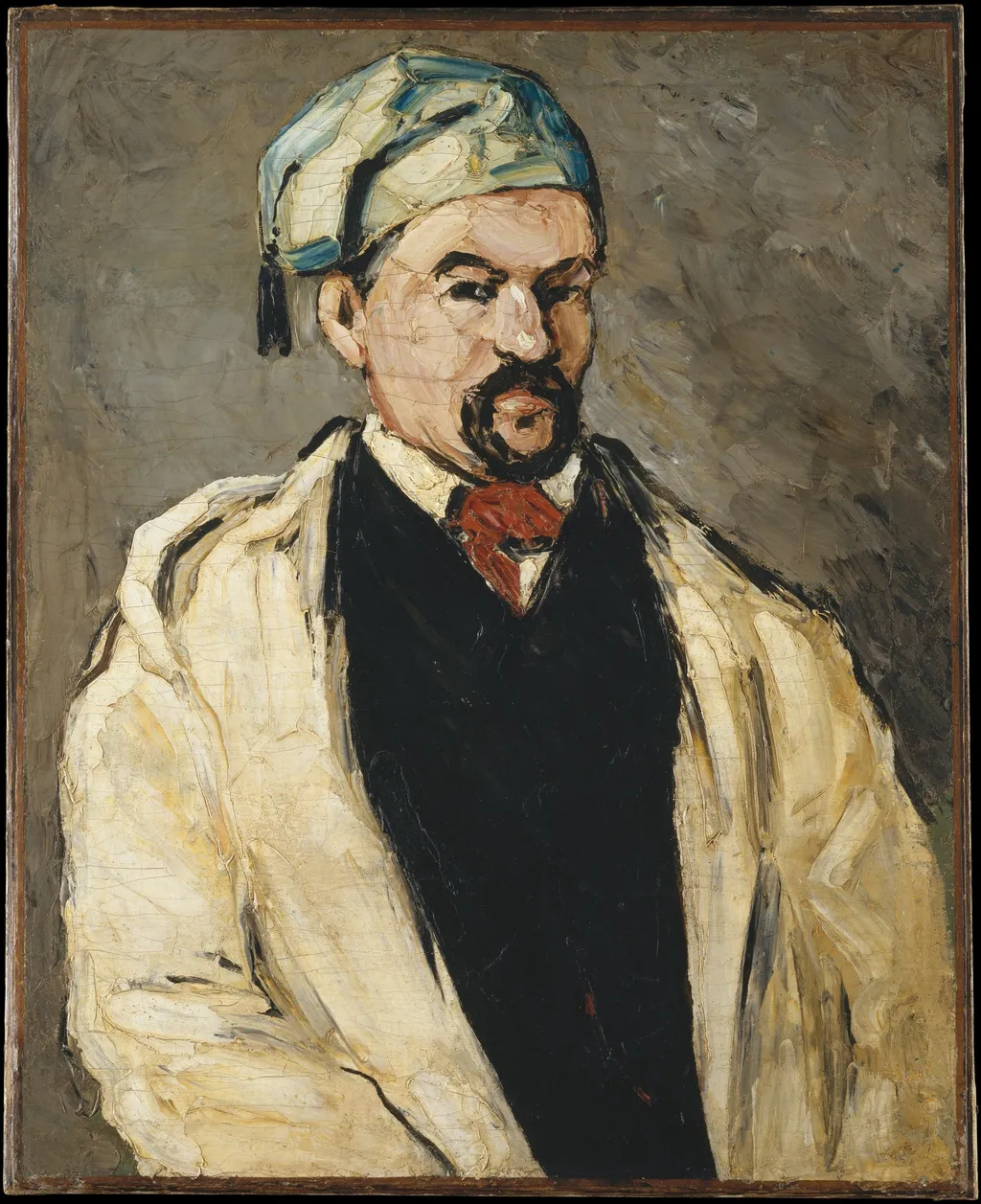
L'Homme au bonnet de coton (Antoine Dominique Sauveur Aubert, the Artist's Uncle) is an oil painting by the Realist artist Paul Cézanne. It dates from 1866 and is held in the collection of the Metropolitan Museum of Art.
About this work
Subject & Meaning
The painting shows Antoine Dominique Sauveur Aubert, Cézanne's uncle, rendered in a half‑length portrait that emphasizes his dignified posture and direct gaze.
The painting shows Antoine Dominique Sauveur Aubert, Cézanne's uncle, rendered in a half‑length portrait that emphasizes his dignified posture and direct gaze. He is identified by the cotton‑filled cap referenced in the title, a detail that signals both personal familiarity and a modest, bourgeois attire typical of mid‑nineteenth‑century French men. The work functions as a study of familial connection, presenting the sitter as a respectable elder whose calm presence conveys stability and heritage.
By positioning the subject in a straightforward manner without overt narrative elements, Cézanne foregrounds psychological presence over symbolic ornamentation, inviting viewers to consider the quiet dignity of an elder relative within the artist's immediate circle.
Technique & Style
L'Homme au bonnet de coton is an oil-on-canvas portrait executed by Paul Cézanne in 1866. The work measures 79.7 cm in height and 64.1 cm in width, depicting a male subject identified as the artist's uncle. As a painting from this period, it utilizes oil paint applied to a canvas support, consistent with Cézanne's early portraiture methods.
The piece is classified within the portrait genre and represents the artist's uncle, Antoine Dominique Sauveur Aubert. No specific details regarding the painting's current physical condition, conservation history, or distinct stylistic handling techniques such as brushwork texture are provided in the available records.
History & Provenance
Paul Cézanne executed the oil painting L'Homme au bonnet de coton in 1866. The work depicts Antoine Dominique Sauveur Aubert, the artist's uncle. While specific details regarding the initial commission or the immediate circumstances of its creation are not provided in the available records, the painting's ownership history includes possession by Marius de Zayas.
Subsequently, the work entered the collection of Lillie P. Bliss. Today, the portrait is held by the Metropolitan Museum of Art, where it remains part of the institution's permanent holdings.
Overview
Paul Cézanne's 1866 oil on canvas, titled L'Homme au bonnet de coton, portrays his uncle, Antoine Dominique Sauveur Aubert. This early work by the French artist is recognized for its Realist qualities, preceding the stylistic developments that would later connect Impressionism with Cubism. The painting is held in the collection of The Metropolitan Museum of Art.
Context
Created during the initial phase of Paul Cézanne's career, this painting aligns with the Realist movement prevalent in the mid-19th century. It predates the artist's more experimental period, during which he developed a unique approach to form and color that served as a foundational bridge between Impressionist aesthetics and the emergence of Cubism. This work offers insight into his early artistic explorations.
Own this work as a print
Artist & collection

Artist
Paul Cézanne ( say-ZAN, UK also siz-AN, US also say-ZAHN; French: ; Occitan: Pau Cesana; 19 January 1839 – 22 October 1906) was a French Post-Impressionist painter whose work introduced new modes of representation,…

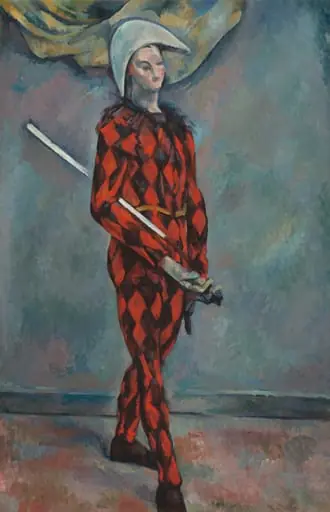 Harlequin
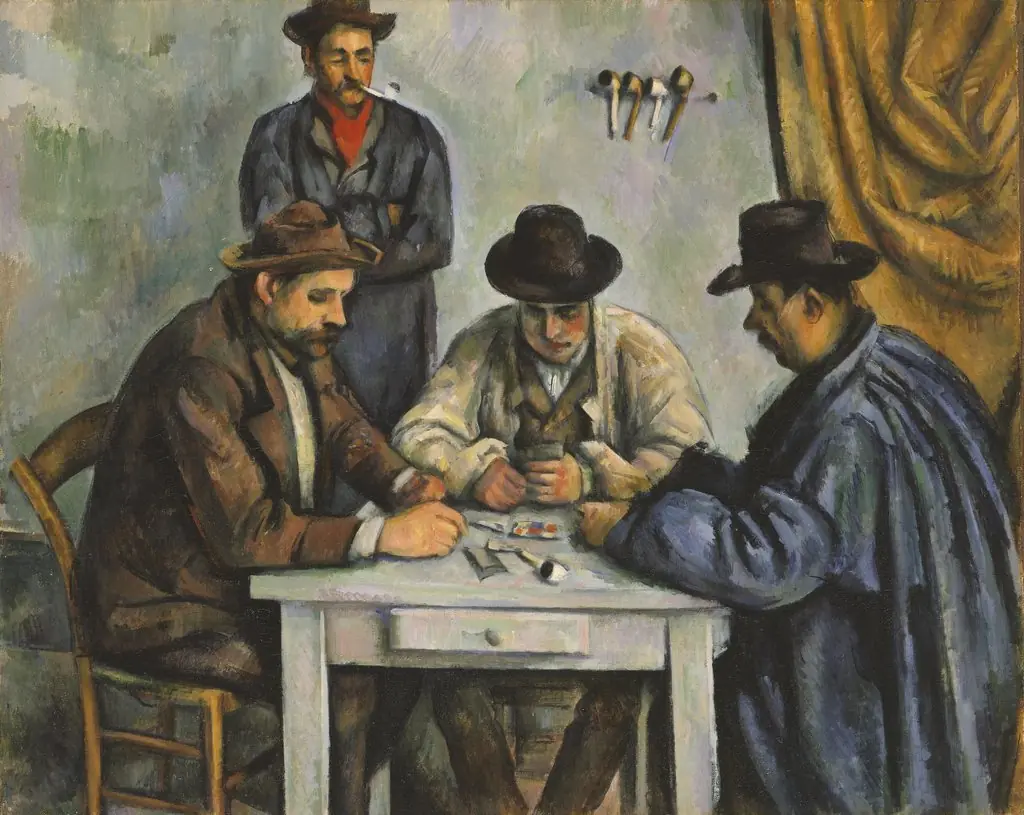 The Card Players
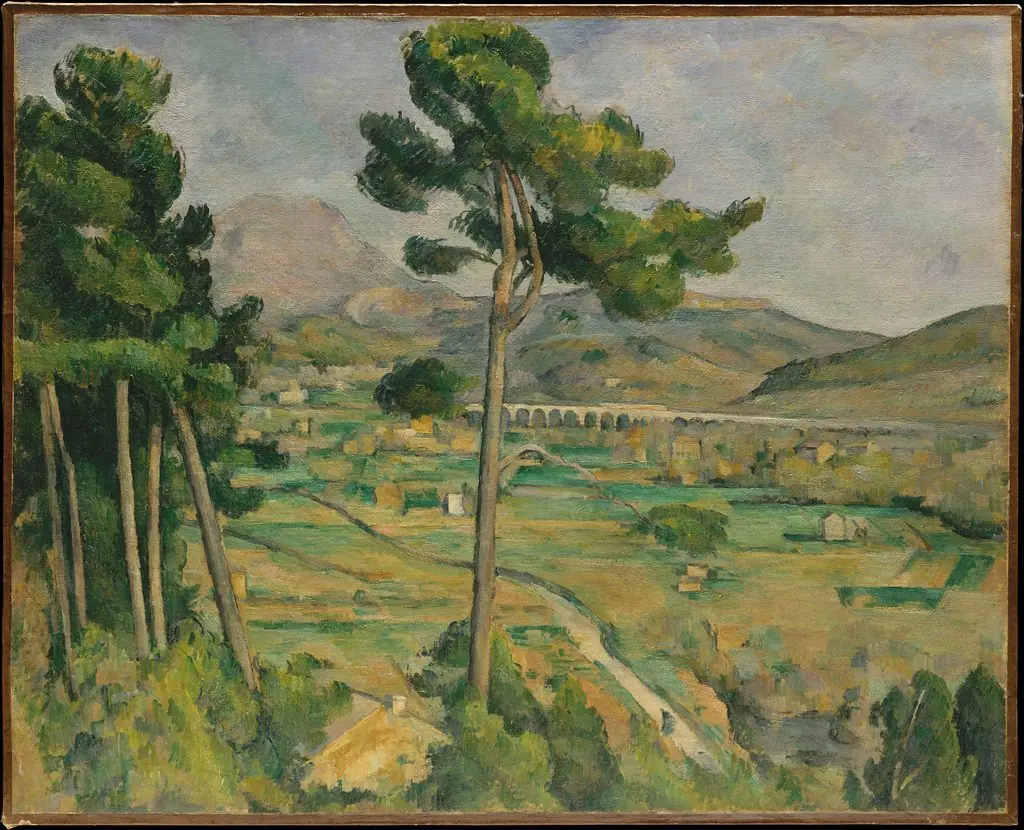 Mont Sainte-Victoire and the Viaduct of the Arc River Valley
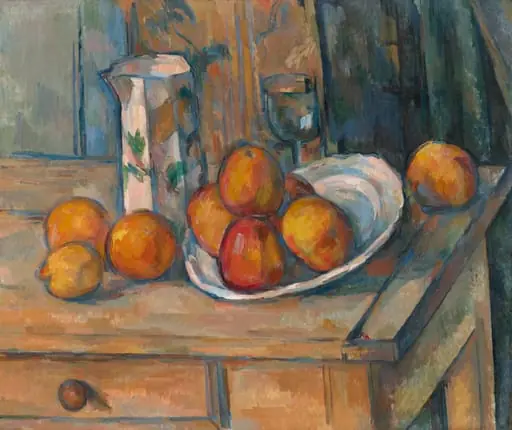 Still Life with Milk Jug and Fruit
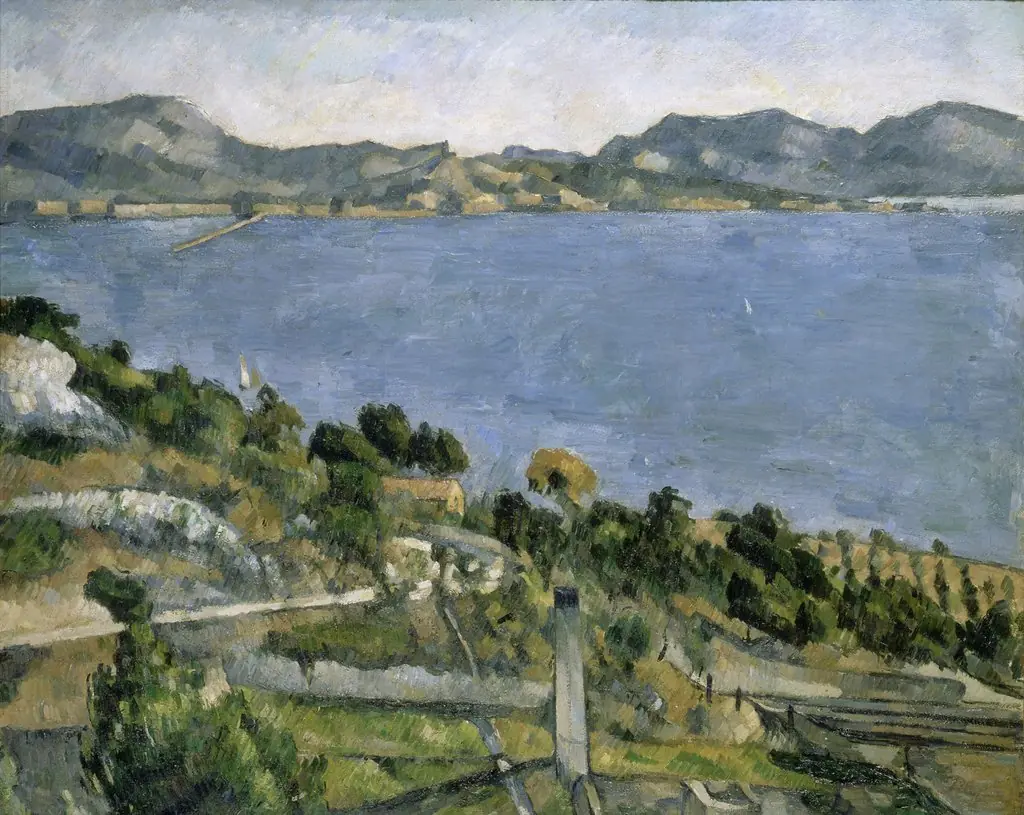 Le Golfe de Marseille vu de l'Estaque (The Gulf of Marseille Seen from L'Estaque)
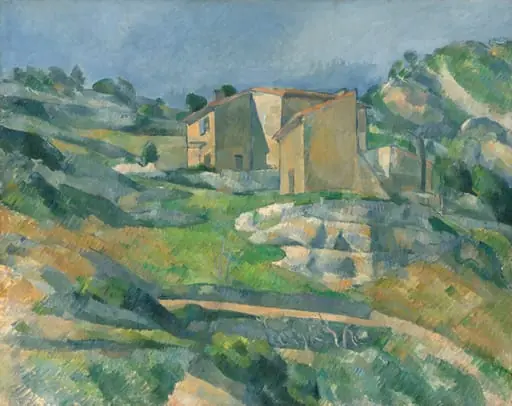 Houses in Provence: The Riaux Valley near L'Estaque
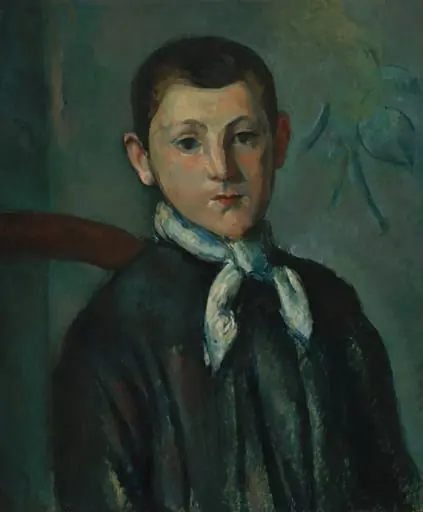 Louis Guillaume
 Still Life with Jar, Cup, and Apples