Artwork
Untitled
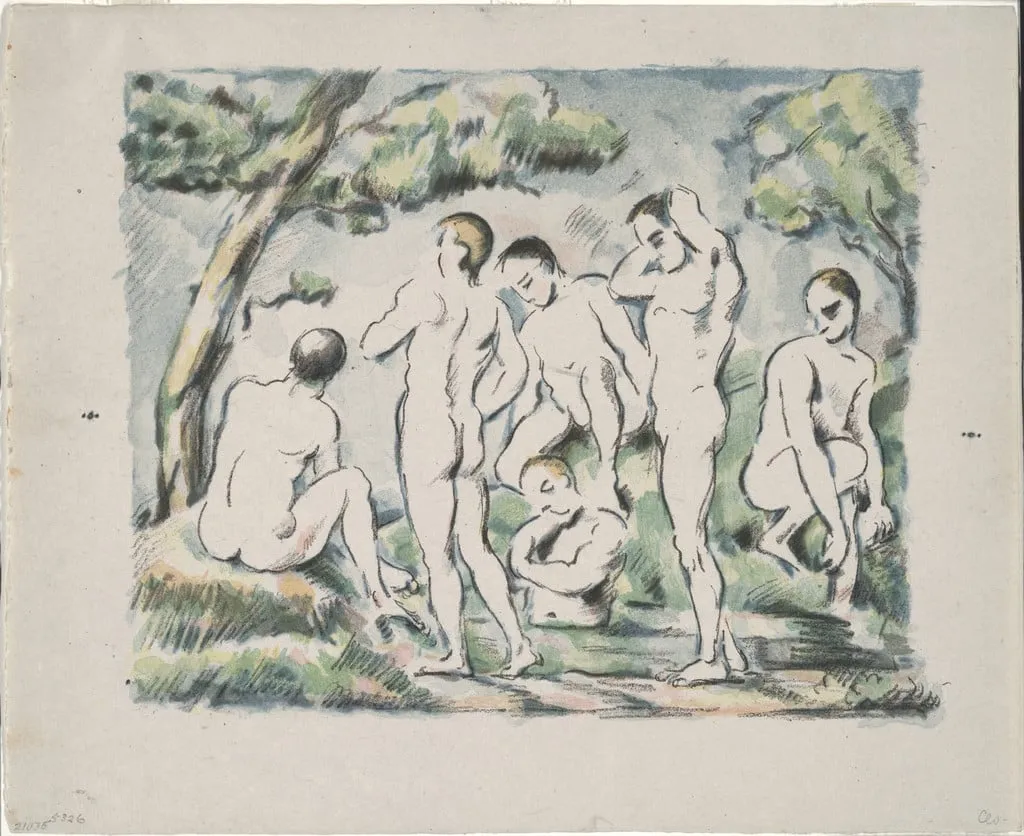
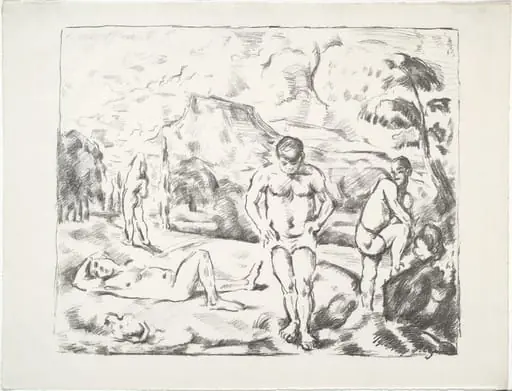
Untitled is an ink print by the Impressionist artist Paul Cézanne. It dates from 1897 and is held in the collection of the Museum of Modern Art.
About this work
Overview
Created in 1897, this lithograph by Paul Cézanne belongs to the later phase of his career, when he was probing new ways of representing space and form. Executed as a print rather than a painted canvas, the work exemplifies his shift from fleeting Impressionist effects toward a more considered, structural visual language.
Subject & Meaning
The image depicts six nude figures gathered outdoors near a body of water. One figure sits on the ground, another squats, while the remaining four stand or walk, suggesting a casual, perhaps ritualized encounter. A solitary tree and a softly rendered sky frame the scene, emphasizing the interaction of bodies within a natural setting.
Technique & Style
Rendered with quick, loose lines, the lithograph prioritizes overall shape and movement over fine detail. The background employs broad, watercolor‑like washes that soften the horizon, while the figures are reduced to gestural outlines. This approach underscores Cézanne’s interest in the underlying geometry of forms rather than surface realism.
Context
Produced during the Post‑Impressionist period, the work reflects Cézanne’s role as a bridge between Impressionism and the emerging Cubist sensibility. His systematic treatment of volume and spatial relationships marks a departure from the transient light effects favored by his predecessors, aligning with contemporary debates about the nature of representation.
Legacy
The compositional experiments evident in this lithograph foreshadowed the concerns of early 20th‑century avant‑garde movements. Cézanne’s emphasis on structural analysis of form would later inform Cubist artists, making this print a modest yet significant link in the evolution of modern art.
Artist & collection

Artist
Paul Cézanne ( say-ZAN, UK also siz-AN, US also say-ZAHN; French: ; Occitan: Pau Cesana; 19 January 1839 – 22 October 1906) was a French Post-Impressionist painter whose work introduced new modes of representation,…

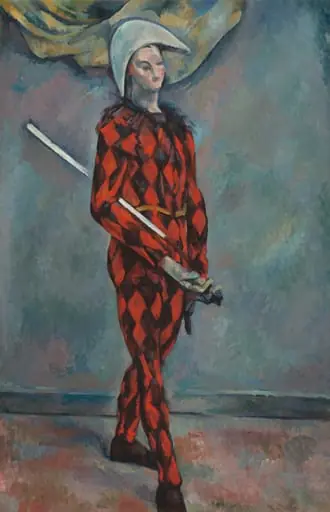 Harlequin
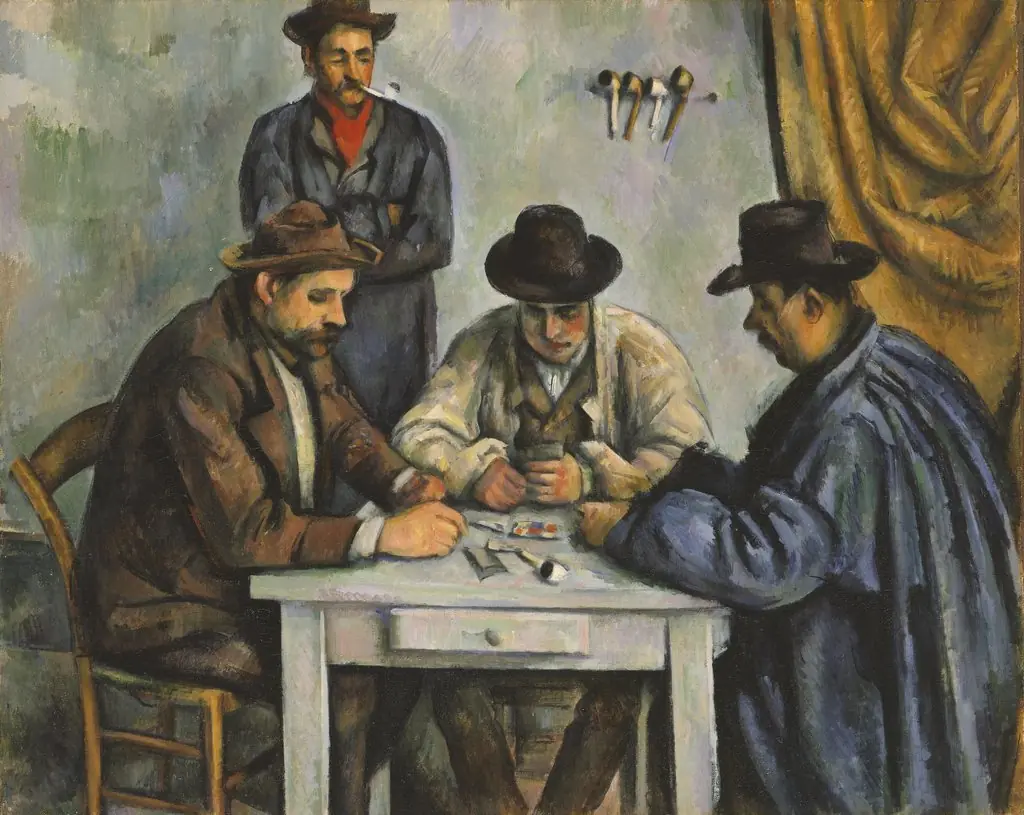 The Card Players
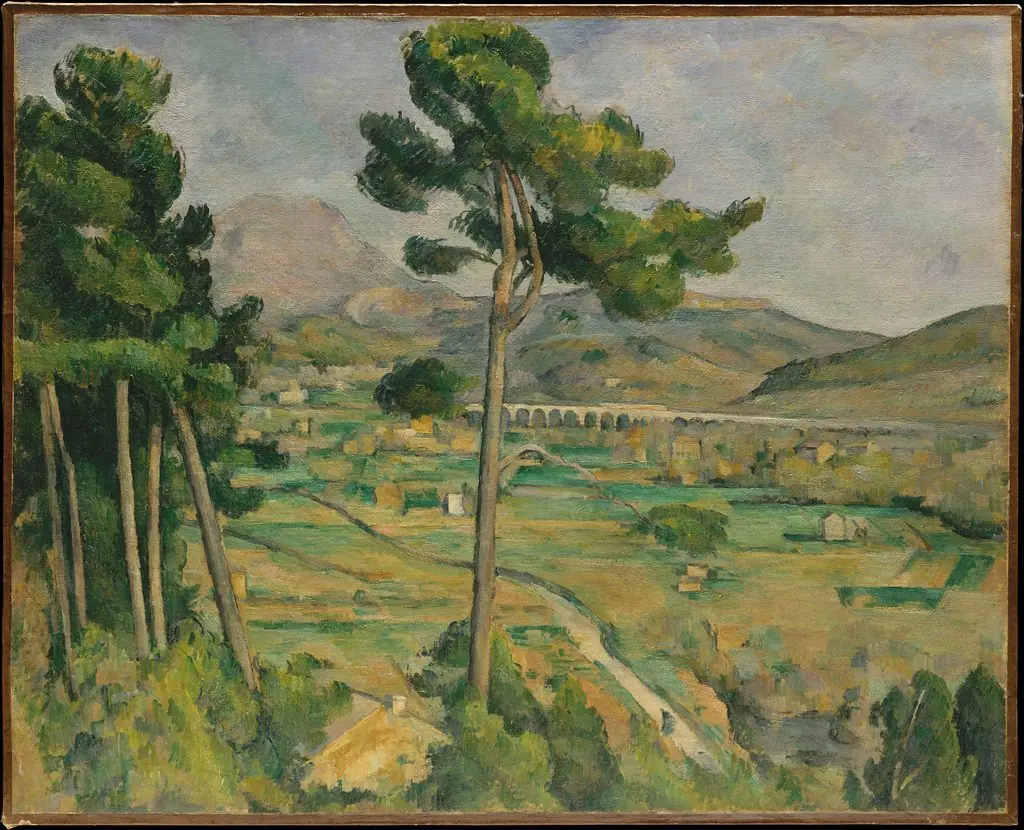 Mont Sainte-Victoire and the Viaduct of the Arc River Valley
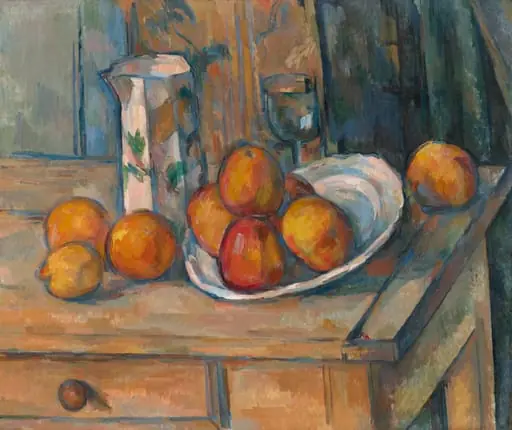 Still Life with Milk Jug and Fruit
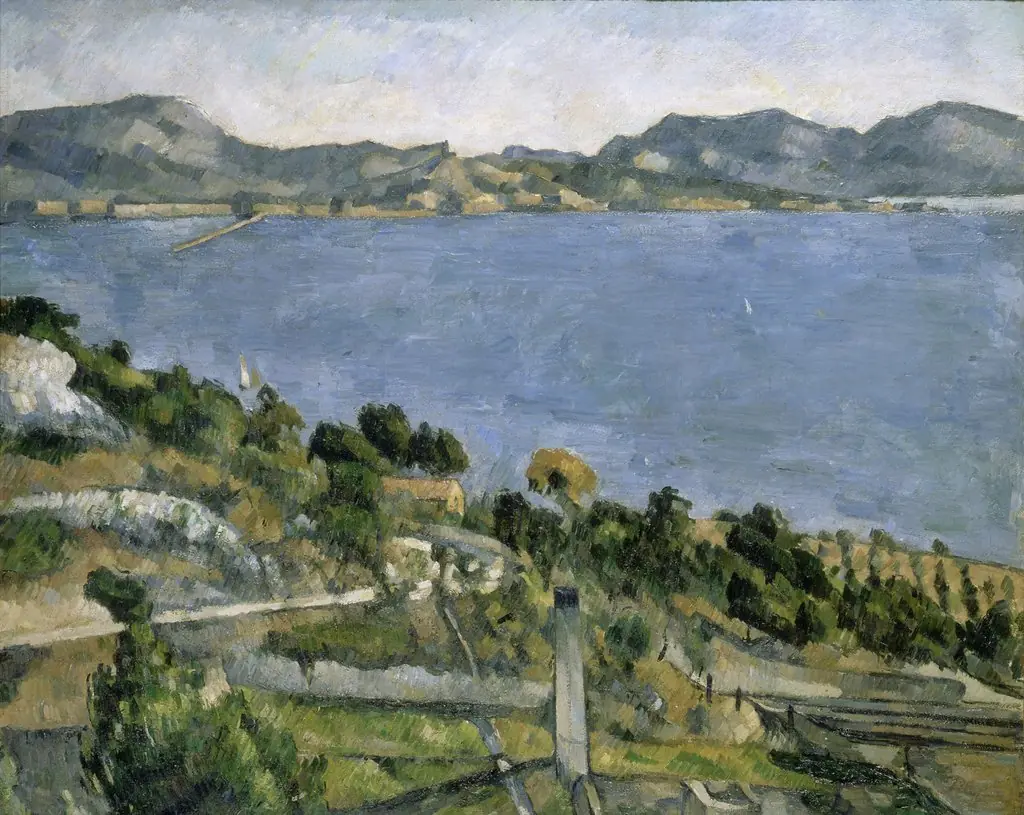 Le Golfe de Marseille vu de l'Estaque (The Gulf of Marseille Seen from L'Estaque)
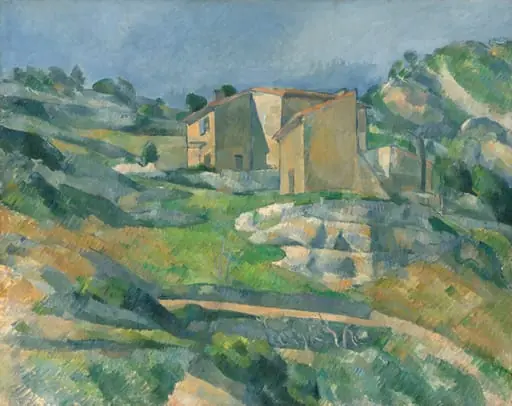 Houses in Provence: The Riaux Valley near L'Estaque
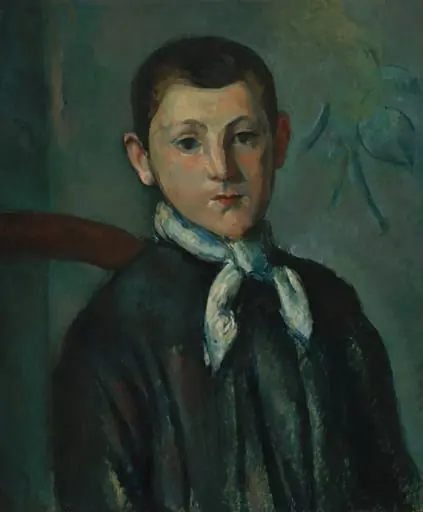 Louis Guillaume
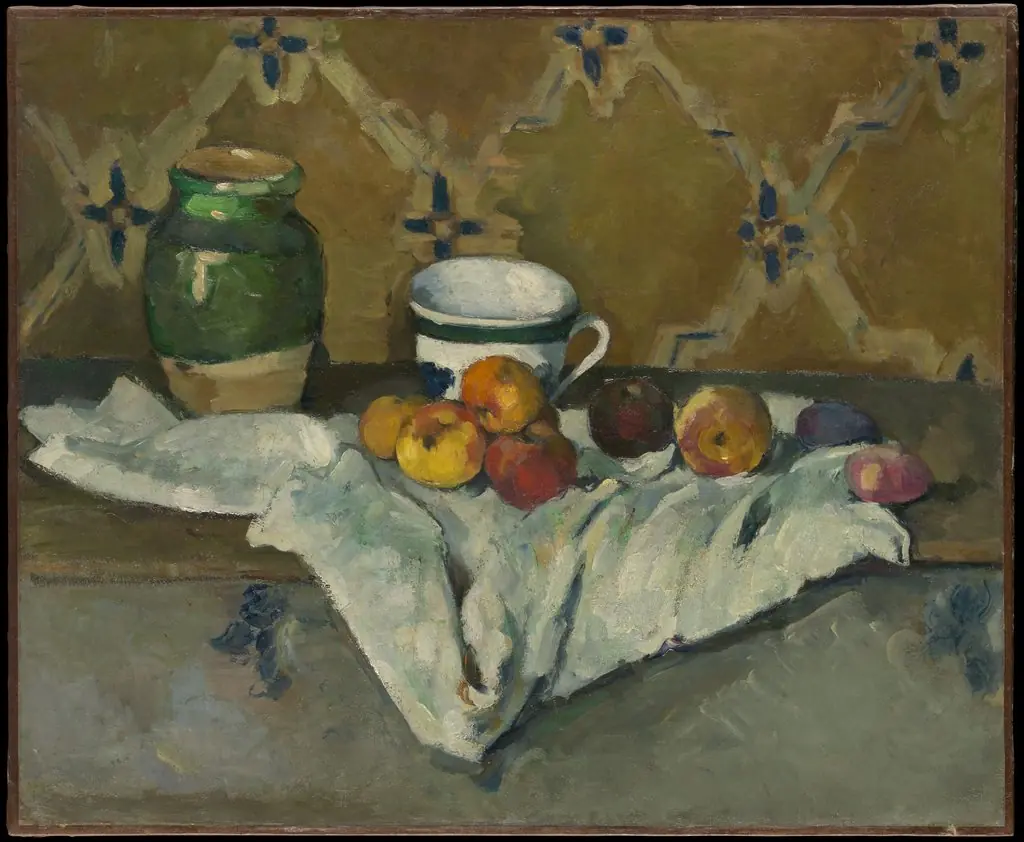 Still Life with Jar, Cup, and Apples