Artwork
Untitled
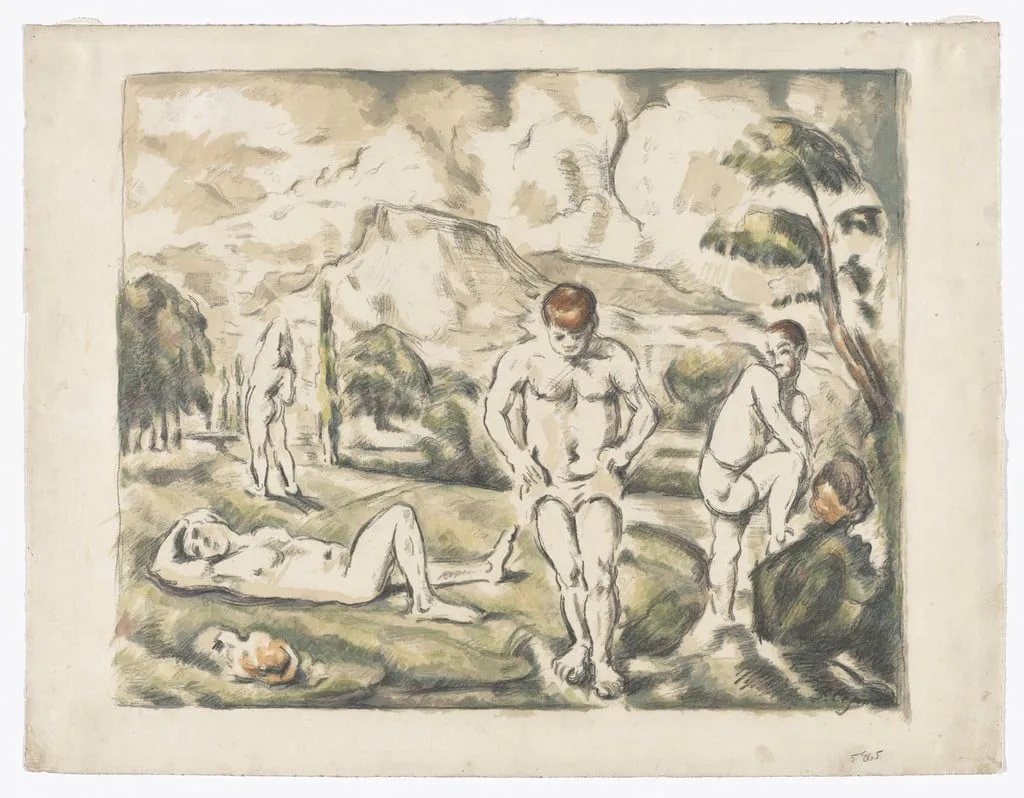
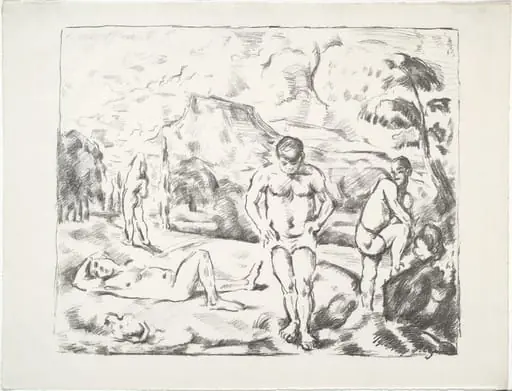
Untitled is an ink print by the Impressionist artist Paul Cézanne. It dates from 1896 and is held in the collection of the Museum of Modern Art.
About this work
Overview
Unlike his oil paintings, this work emerged from direct engagement with printmaking, allowing him to test compositional ideas with minimal means.
Paul Cézanne produced this lithograph in 1896 during a period of formal experimentation. Unlike his oil paintings, this work emerged from direct engagement with printmaking, allowing him to test compositional ideas with minimal means. The piece belongs to a small group of lithographs he made late in his career, reflecting his persistent interest in translating visual experience into structured form.
Subject & Meaning
The image depicts four nude figures in a natural setting, seated, reclining, and standing, engaged in unposed, intimate postures. There is no narrative or symbolic intent; instead, the focus lies in the physical presence of the bodies within landscape. The casual arrangement suggests observation rather than idealization, aligning with Cézanne’s broader aim to depict nature as perceived, not as conventionally represented.
Technique & Style
Executed in lithography, the work employs rapid, light pencil strokes to suggest form and atmosphere. The figures are rendered with loose contours, avoiding detail in favor of tonal suggestion. Background elements, hills, trees, sky, are barely defined, merging with the figures through fluid, sketchlike lines.
This approach mirrors his painted studies, prioritizing perception over finish, and reveals his interest in the flatness of the picture plane.
History & Provenance
This lithograph was made during Cézanne’s time in Aix-en-Provence, where he increasingly turned to printmaking as a private medium for exploration. Few of his lithographs were printed in his lifetime, and this one remained largely unseen until after his death. It entered public collections decades later, valued not for its rarity but for its insight into his working method.
Context
In the 1890s, Cézanne distanced himself from Impressionist spontaneity, seeking structural clarity in form. While contemporaries pursued color and light, he focused on volume and spatial relationships. Lithography offered him a direct, unmediated way to sketch ideas without the constraints of oil paint. This print aligns with his broader shift toward abstraction through simplified shapes and deliberate composition.
Legacy
Though not widely exhibited in his lifetime, this lithograph contributes to understanding Cézanne’s process as a bridge between observation and abstraction. Its sketchlike quality influenced later artists exploring non-traditional means of representation, particularly those interested in the reduction of form. It remains a quiet testament to his belief that art should reveal the underlying architecture of seeing.
Artist & collection

Artist
Paul Cézanne ( say-ZAN, UK also siz-AN, US also say-ZAHN; French: ; Occitan: Pau Cesana; 19 January 1839 – 22 October 1906) was a French Post-Impressionist painter whose work introduced new modes of representation,…

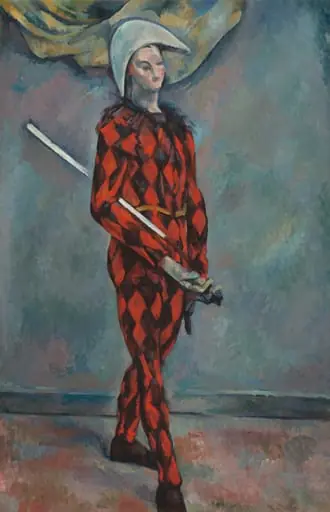 Harlequin
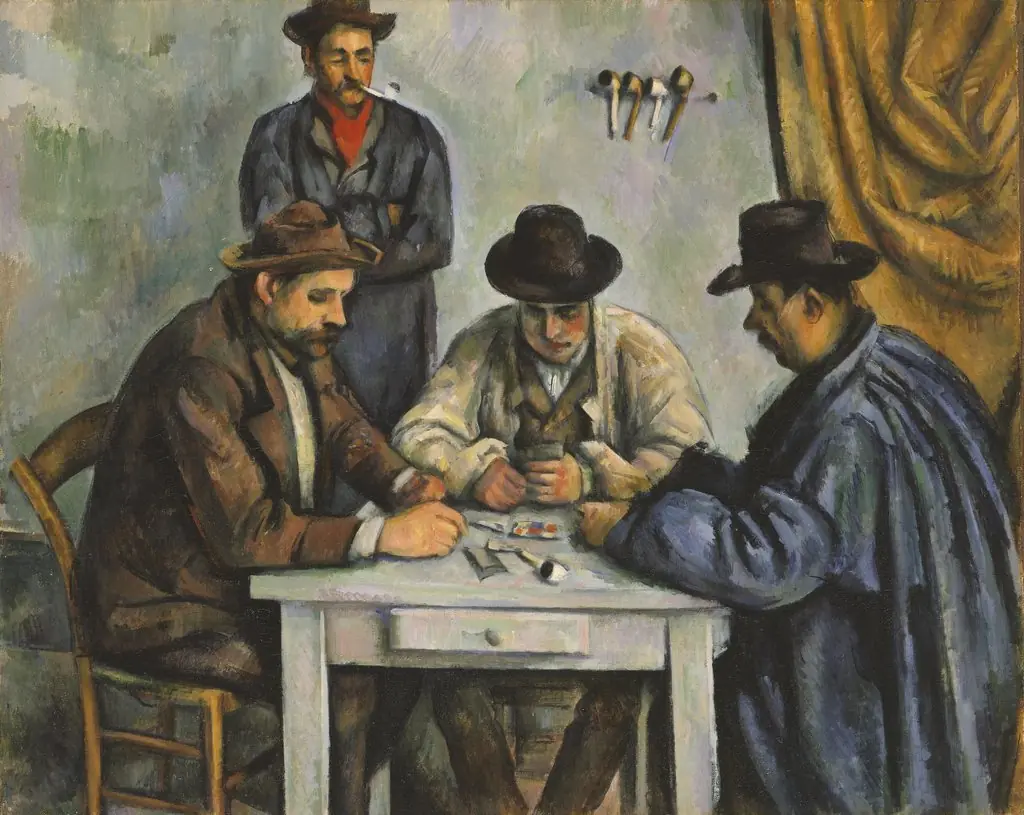 The Card Players
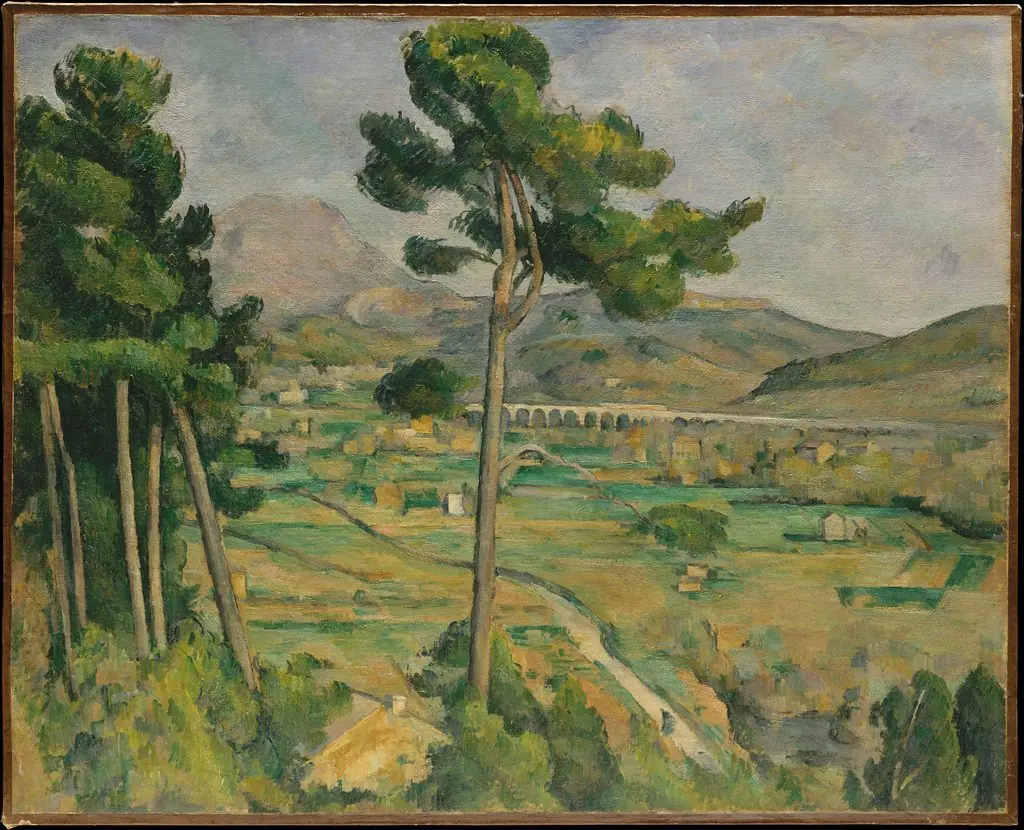 Mont Sainte-Victoire and the Viaduct of the Arc River Valley
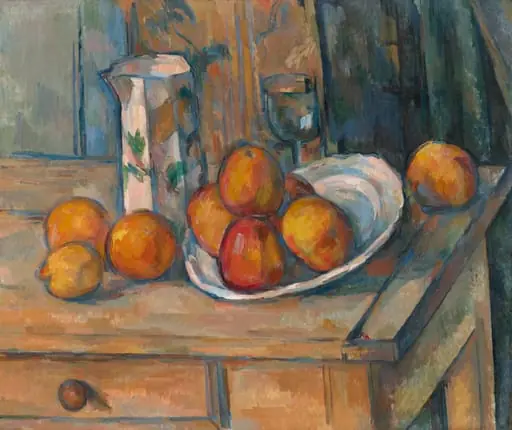 Still Life with Milk Jug and Fruit
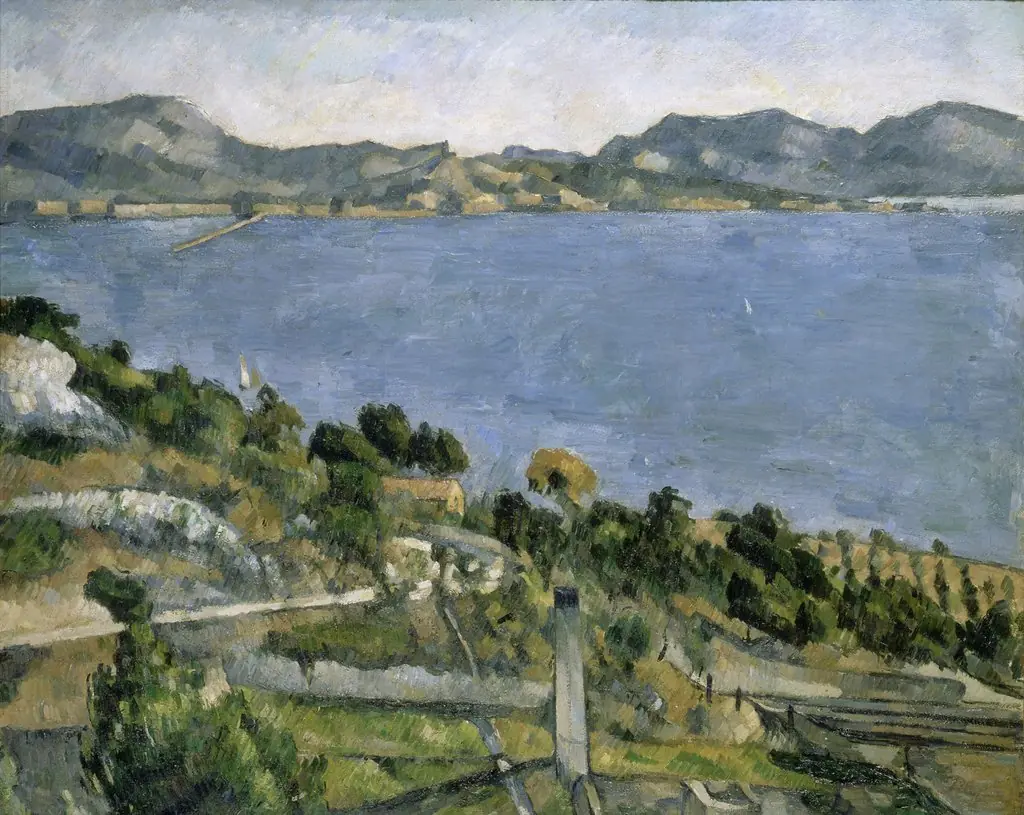 Le Golfe de Marseille vu de l'Estaque (The Gulf of Marseille Seen from L'Estaque)
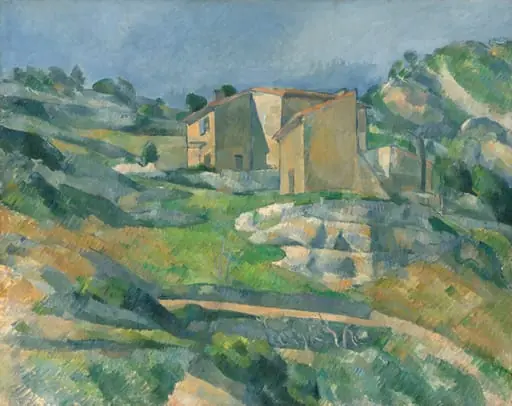 Houses in Provence: The Riaux Valley near L'Estaque
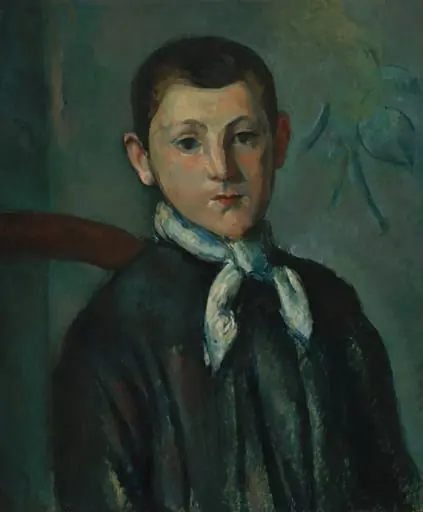 Louis Guillaume
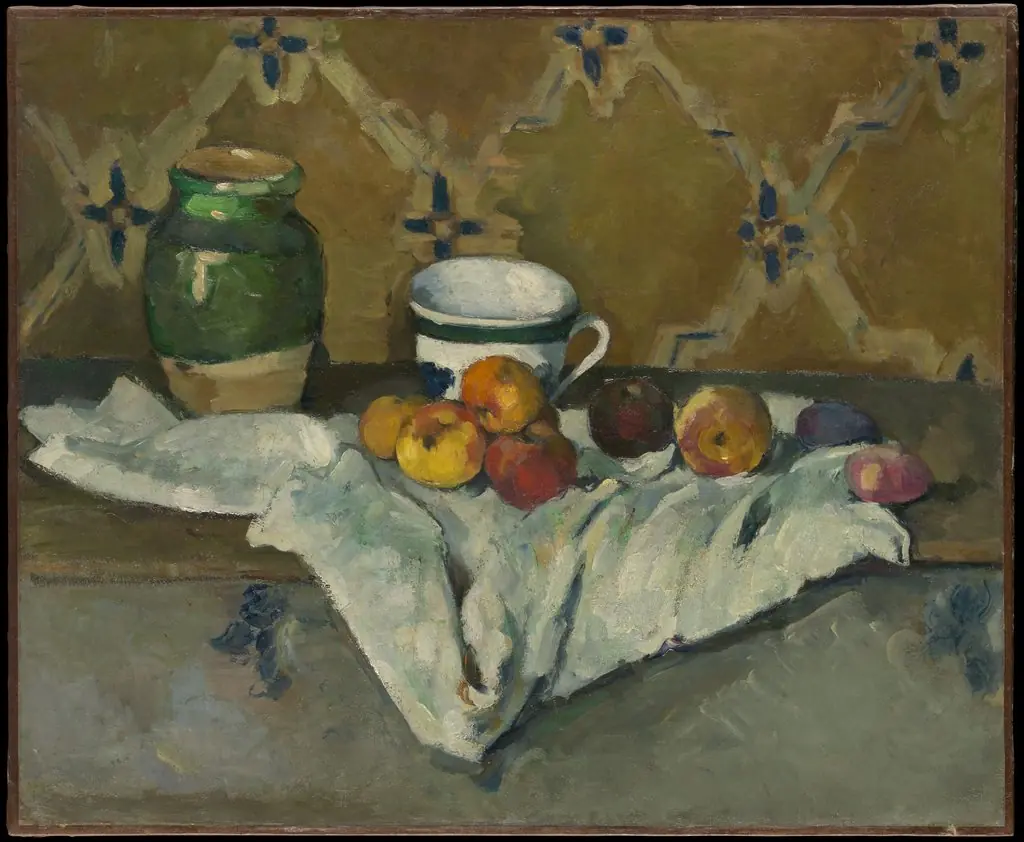 Still Life with Jar, Cup, and Apples