Artwork
Maruru (Offerings of Gratitude)
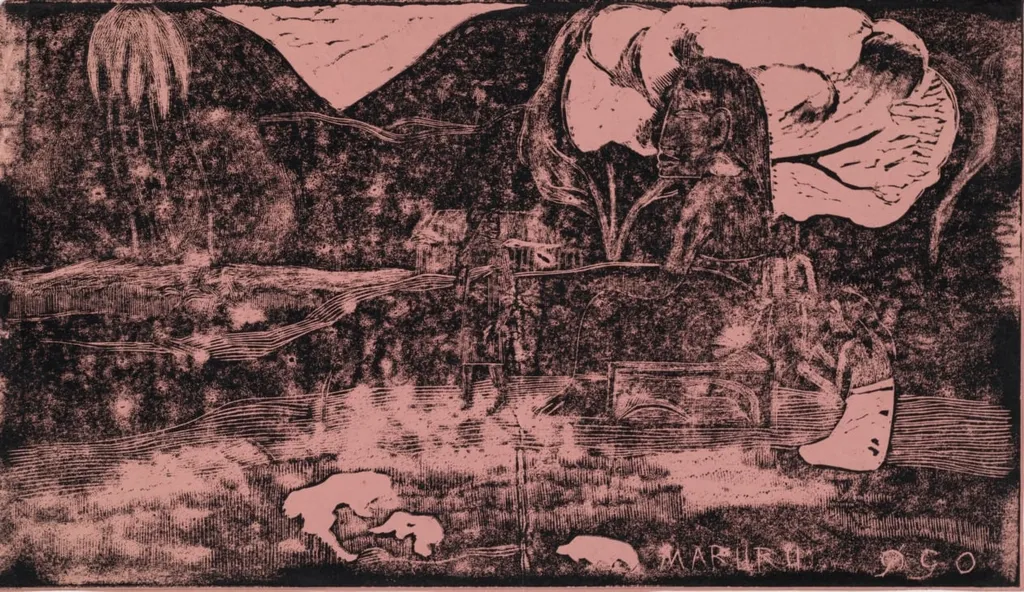
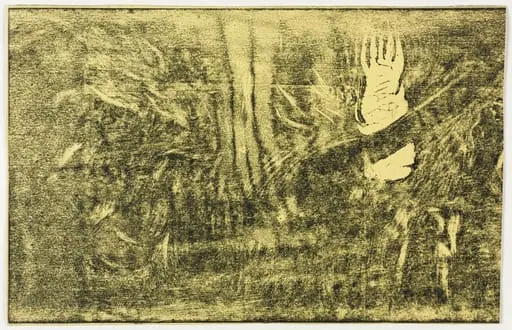
Maruru (Offerings of Gratitude) is a print by the Impressionist artist Paul Gauguin. It dates from 1894 and is held in the collection of the Cleveland Museum of Art.
- Accession no.
- 1925.987
- Credit line
- Gift of The Print Club of Cleveland
About this work
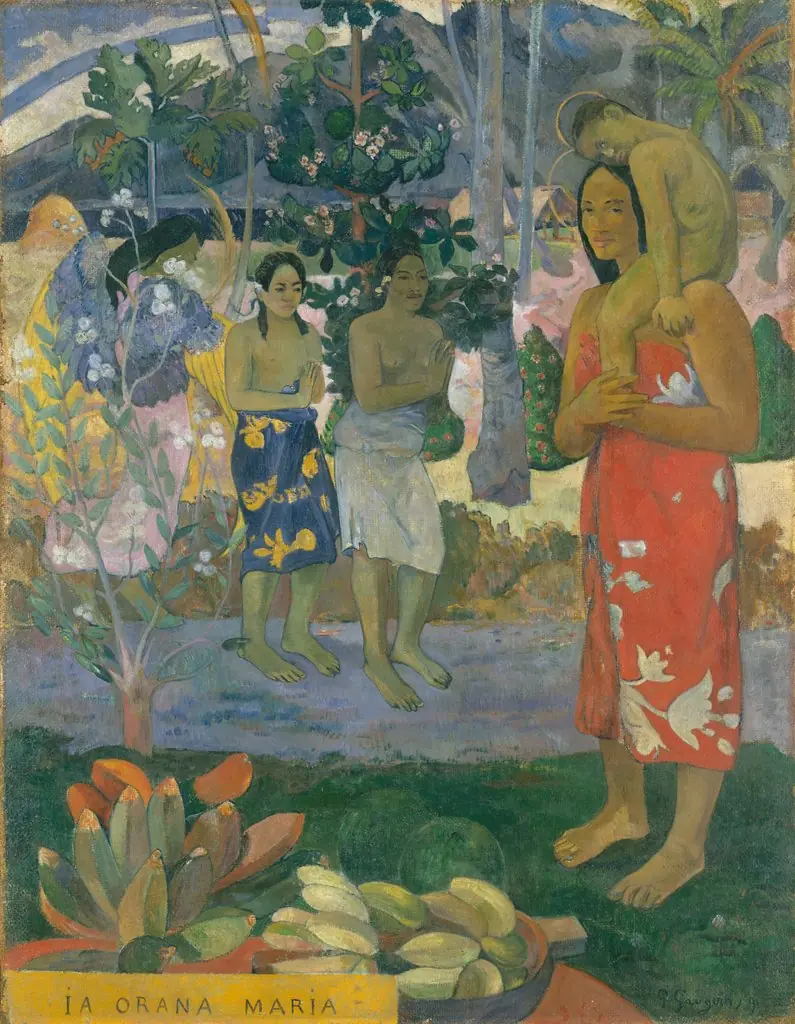
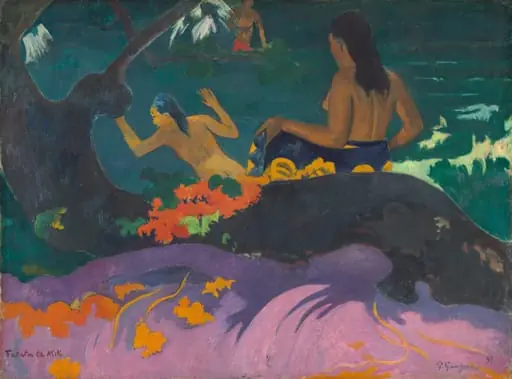
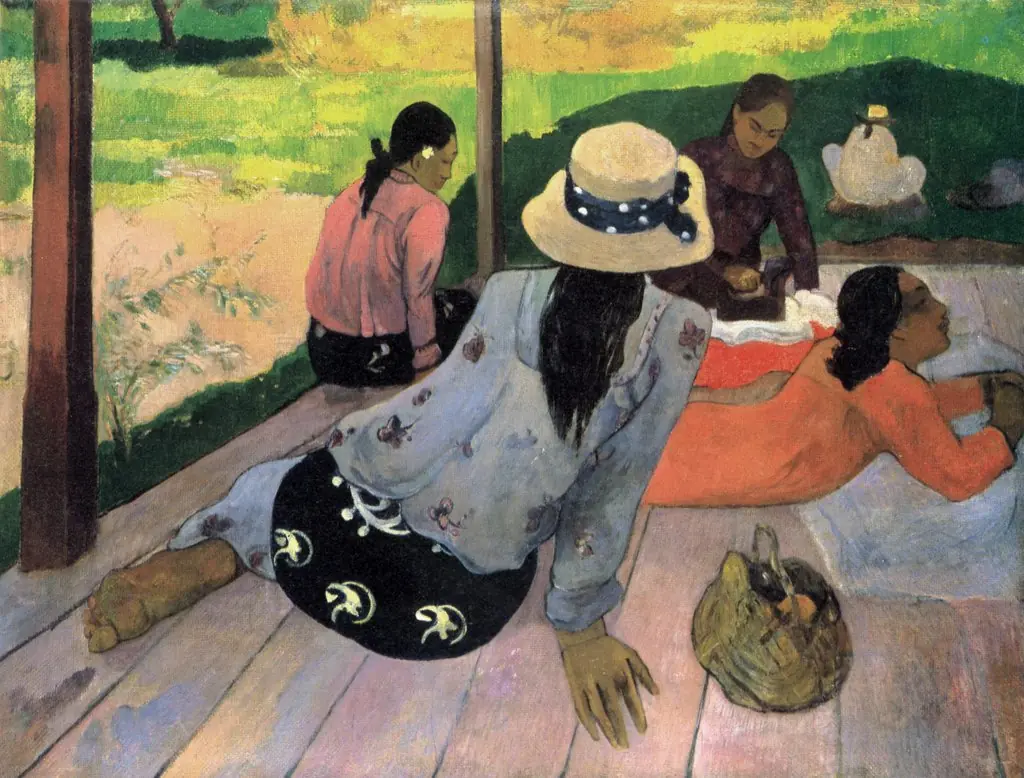
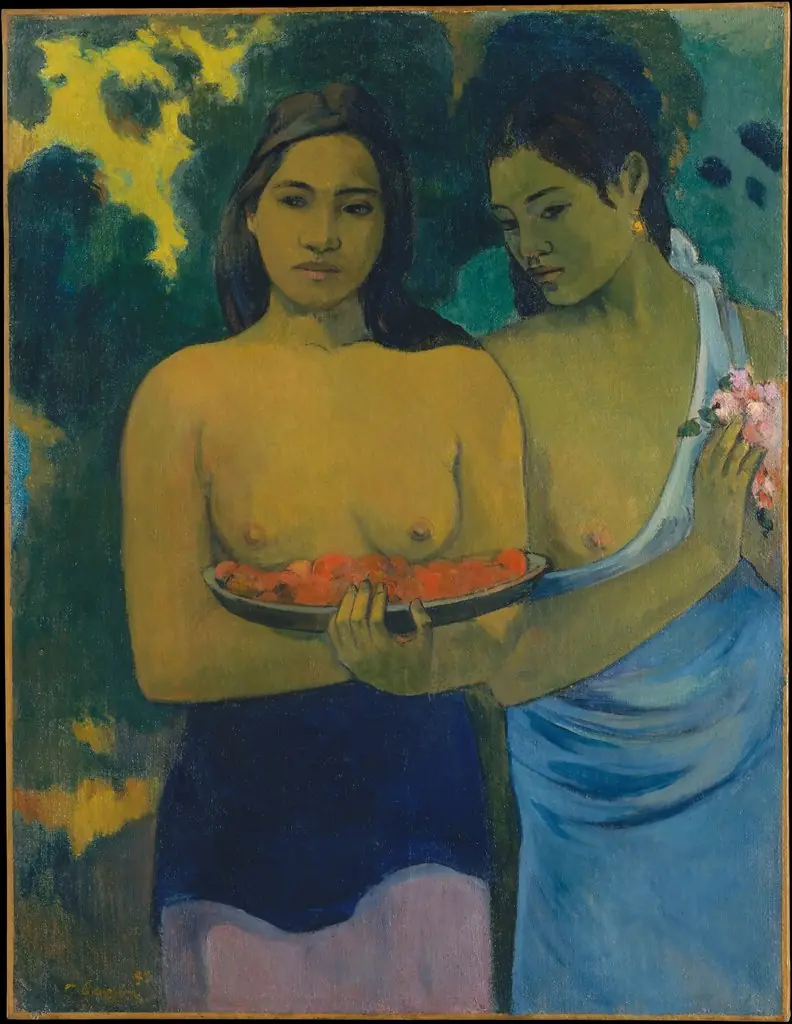
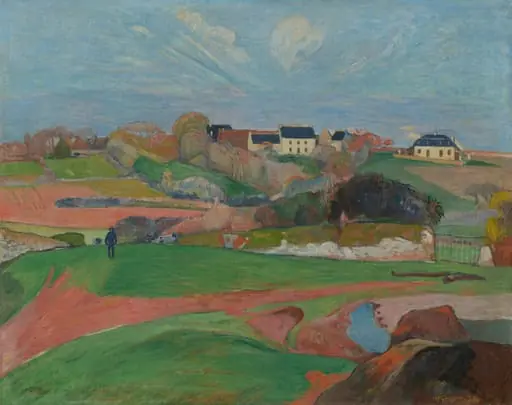
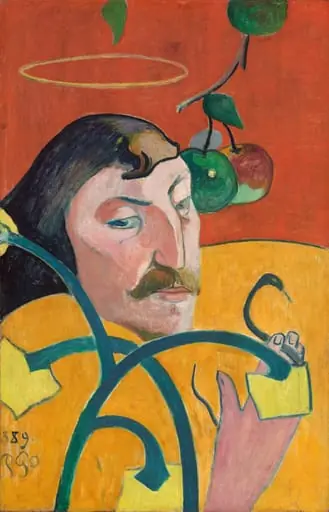
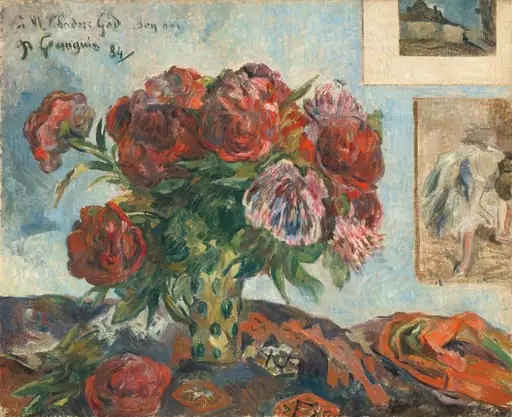
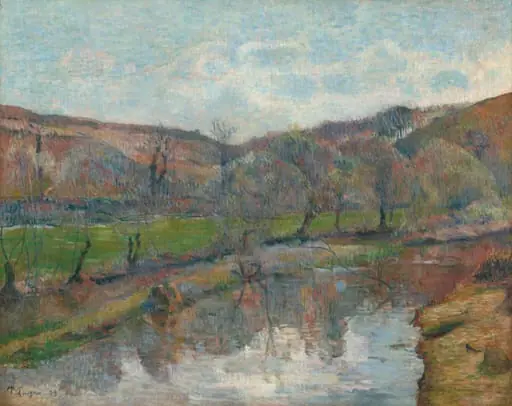
To see how he turned these same memories into oil paintings, look up more works by Paul Gauguin (French, 1848–1903).
You see two Tahitian women kneeling in a jungle clearing, offering fruit and flowers on a low stone altar.
Gauguin carved this image into a woodblock, leaving rough edges that look like chisel marks. The jagged lines were meant to mimic the carved reliefs he saw in Polynesian temples. He made it after returning to Paris, trying to explain his time in Tahiti in a book that was never finished.
To see how he turned these same memories into oil paintings, look up more works by Paul Gauguin (French, 1848–1903).
Overview
Maruru (Offerings of Gratitude) is a woodblock print created by Paul Gauguin after his return to Paris in 1893, inspired by his time in Tahiti. It was intended as an illustration for his unfinished book, Noa Noa, which aimed to recount his experiences abroad.
Subject & Meaning
The print depicts two Tahitian women kneeling in a lush jungle clearing, making offerings of fruit and flowers on a low stone altar. The scene conveys a sense of serene devotion and cultural reverence, reflecting Gauguin's fascination with Polynesian customs.
Technique & Style
Gauguin employed a distinctive technique, chiseling roughly into the woodblock to evoke the relief sculptures he encountered in Tahitian temples. The irregular ink application and visible chisel marks enhance this aesthetic, distinguishing Maruru from more refined printing methods.
History & Provenance
One of few impressions printed by Gauguin himself, Maruru remains a tangible fragment of the incomplete Noa Noa project. Created post-Tahiti, it bridges his Pacific inspirations with his Parisian practice.
Context
Maruru reflects Gauguin's broader rejection of Western artistic conservatism in favor of what he perceived as more authentic, primitive forms of expression. This shift was deeply influenced by his Tahitian sojourn.
Legacy
While part of an unfinished work, Maruru contributes to Gauguin's notable output of woodblock prints, showcasing his experimental approach to the medium and his enduring Tahitian inspirations. For a broader view of how these memories influenced his oeuvre, his oil paintings on similar themes provide complementary insight.
Artist & collection
Artist
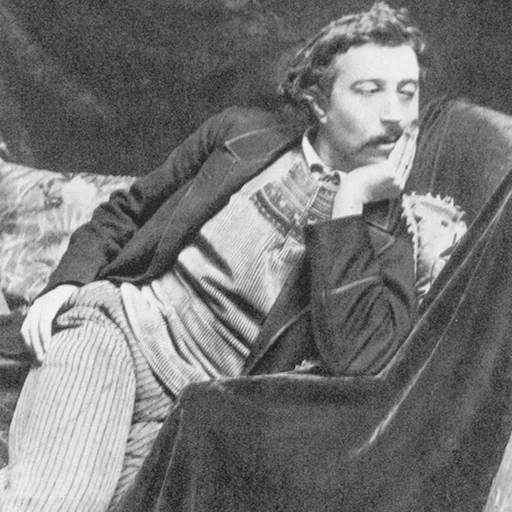
Eugène Henri Paul Gauguin (; French:; 7 June 1848 – 8 May 1903) was a French painter, sculptor, printmaker, ceramist, and writer, whose work has been primarily associated with the Post-Impressionist and Symbolist movements.