Artwork
Three Tahitian Women
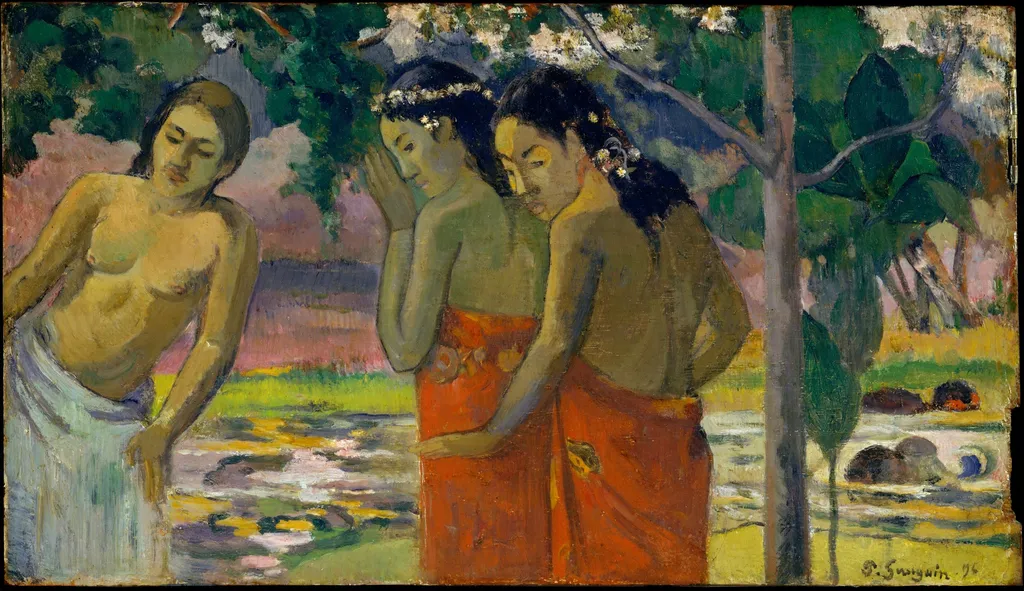
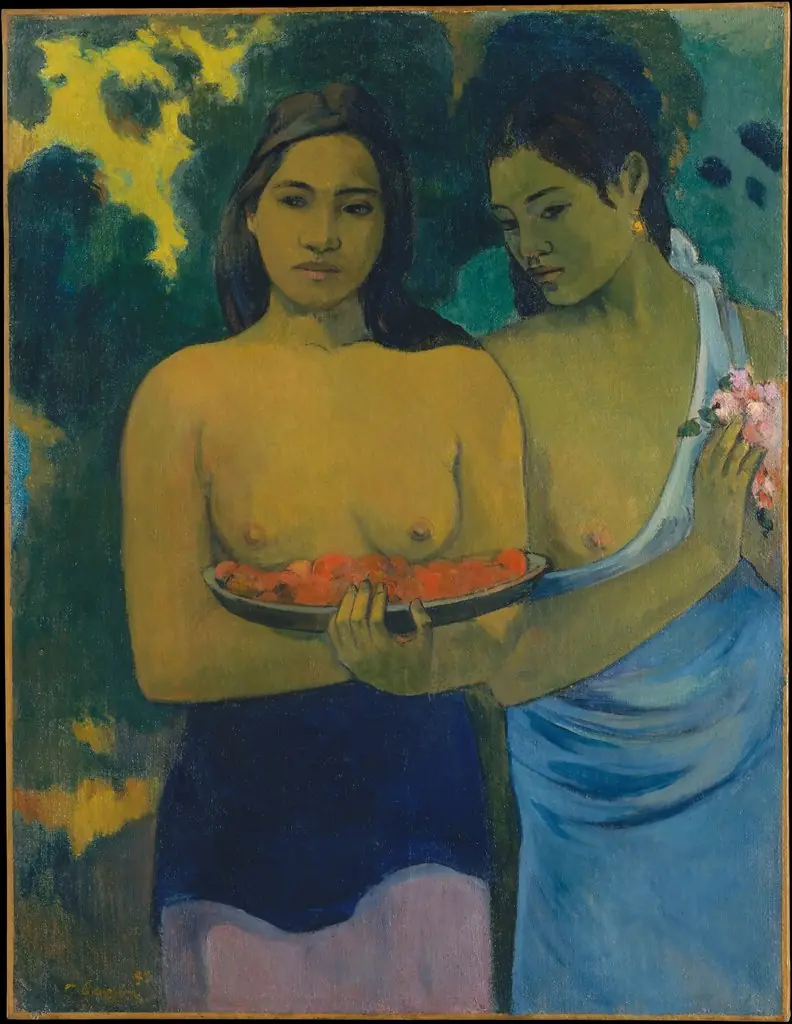
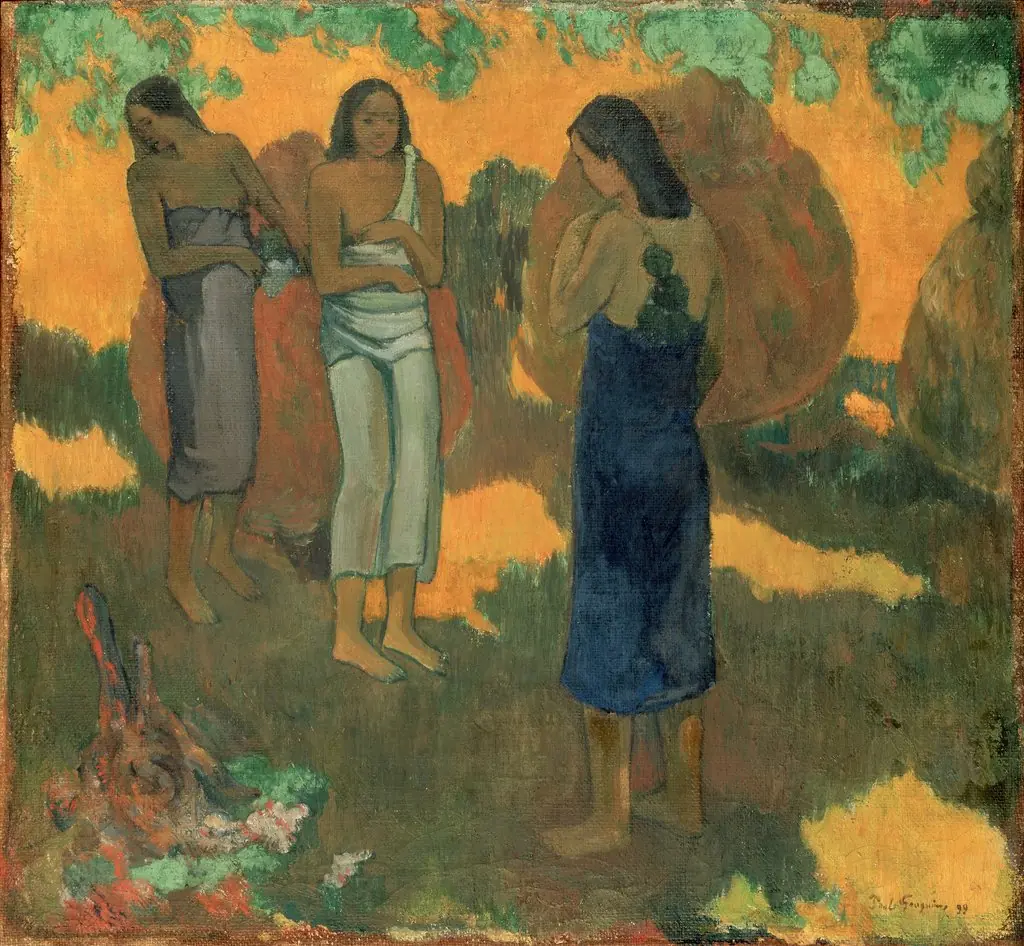
Three Tahitian Women is an oil painting by the Post-Impressionist artist Paul Gauguin. It dates from 1898 and is held in the collection of the Metropolitan Museum of Art.
About this work
Subject & Meaning
The setting includes a prominent tree, integrating the human subjects with their natural environment.
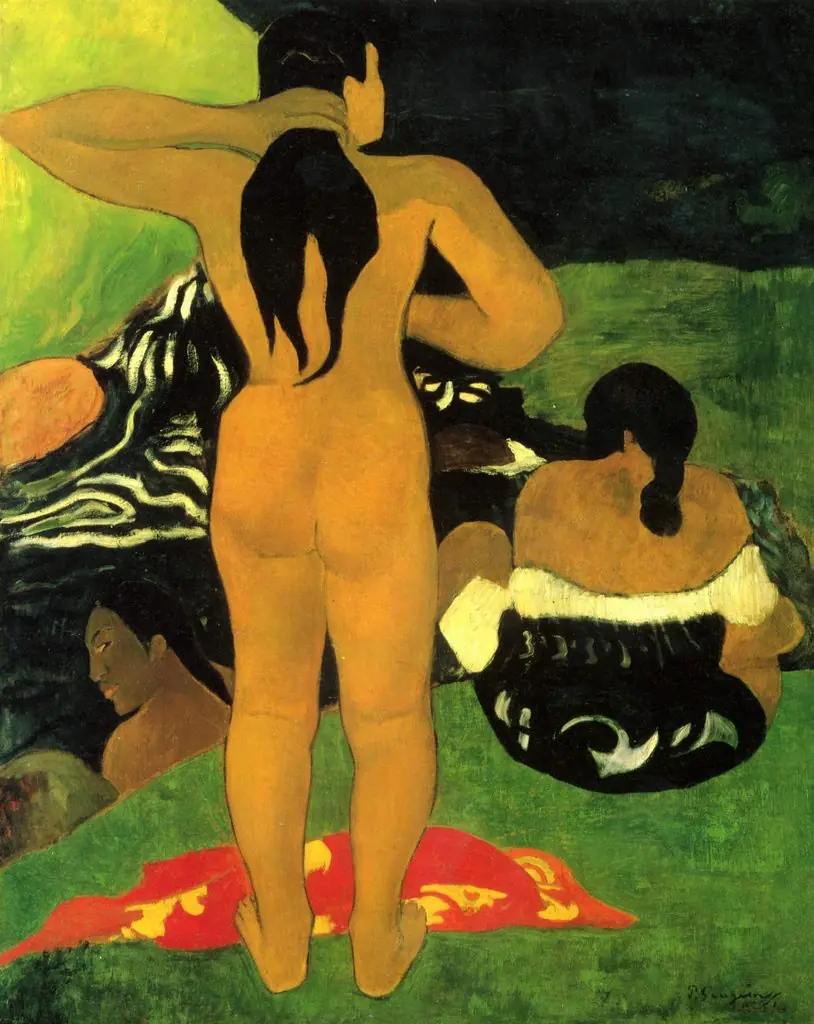
Created in 1896, Paul Gauguin's Three Tahitian Women depicts a scene centered on three female figures, with the composition explicitly featuring women and nudity. The setting includes a prominent tree, integrating the human subjects with their natural environment. While the work presents a straightforward visual narrative of Tahitian life, the inclusion of nude figures alongside specific flora suggests an exploration of the island's perceived primitive state and the artist's fascination with non-Western existence.
The painting captures these elements on an oil-on-panel support, presenting a quiet, static moment that emphasizes the physical presence of the women within their landscape.
Technique & Style
Three Tahitian Women is executed in oil paint on a wooden panel support, a relatively small-scale format measuring approximately 24.4 by 43.2 centimeters. The horizontal panel orientation accommodates Gauguin's compositional arrangement of three female figures set within a Tahitian landscape that includes trees. The use of a rigid panel rather than canvas, combined with the modest dimensions, is consistent with the post-impressionist painter's working methods during his second Tahitian period, when he often favored supports suited to the luminous, saturated coloration he sought. The painting is held in the collection of the Metropolitan Museum of Art.
History & Provenance
Three Tahitian Women is an oil painting on panel created by Paul Gauguin in 1896, classified as a work of the Tahitian period. The painting was produced during Gauguin's active years in Tahiti and later entered the collection of the Metropolitan Museum of Art, where it remains on display. Its dimensions measure 24.4 cm in height by 43.2 cm in width.
The work is documented as part of the museum's holdings, reflecting its provenance from the artist's studio to the institution's custody. No record of a specific commission or sale transaction is provided in the source material.
Three Tahitian Women is housed in the collection of the Metropolitan Museum of Art in New York. The work is listed in the museum’s catalogue under the title “Three Tahitian Women” by Paul Gauguin, created in 1896, and is recorded as an oil on panel painting measuring 24.4 cm by 43.2 cm. The available documentation does not include an explicit inventory or accession number, and no exhibition records are cited in the sources provided. Consequently, the only verifiable provenance detail is its presence in the Metropolitan Museum of Art’s holdings since at least the time of the cataloguing referenced.
Overview
Paul Gauguin, a prominent Post-Impressionist and Symbolist painter, completed Three Tahitian Women in 1898 using oil paint. This work exemplifies his distinctive Synthetist approach, developed during his time in Tahiti, characterized by bold colors and simplified shapes. The painting depicts three women in a tropical setting, reflecting his ongoing exploration of indigenous life. It is currently held in the collection of The Metropolitan Museum of Art.
Context
This painting was created during Paul Gauguin's second extended stay in Tahiti, a period crucial for the development of his mature artistic vision. His immersion in the local culture and landscape profoundly influenced his subject matter and stylistic choices. He sought to capture an imagined primal existence, contrasting it with European modernity, which shaped his unique artistic language.
Artist & collection
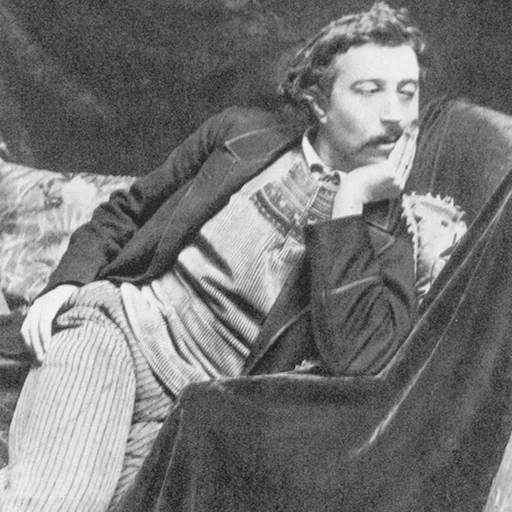
Artist
Eugène Henri Paul Gauguin (; French:; 7 June 1848 – 8 May 1903) was a French painter, sculptor, printmaker, ceramist, and writer, whose work has been primarily associated with the Post-Impressionist and Symbolist movements.