Artwork
Tahitian Women Bathing
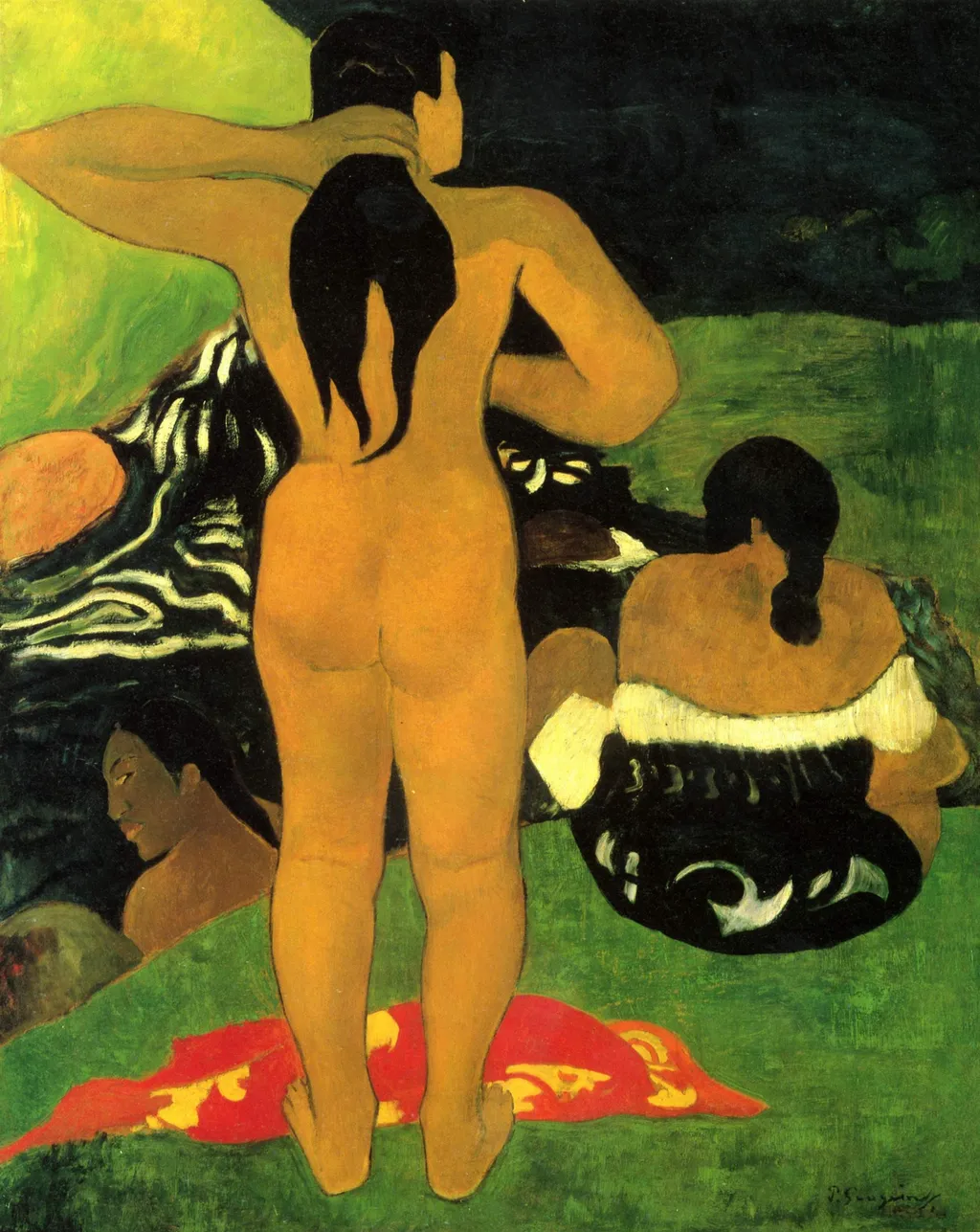
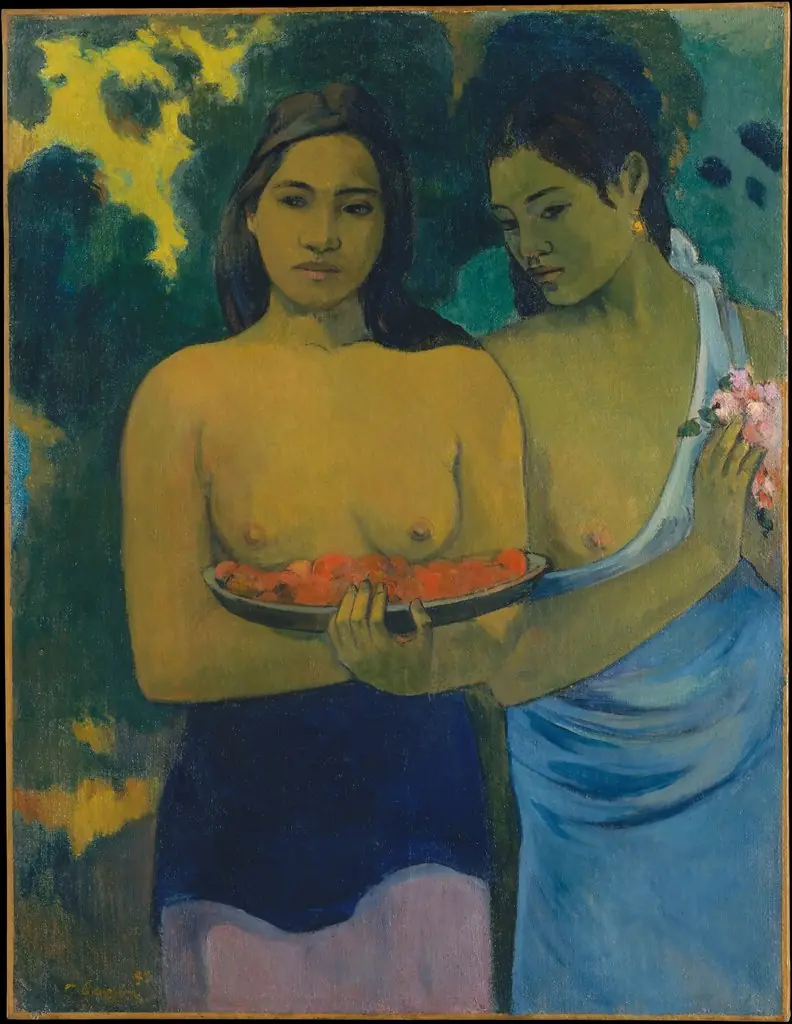
Tahitian Women Bathing is an oil painting by the Post-Impressionist artist Paul Gauguin. It dates from 1896 and is held in the collection of the Metropolitan Museum of Art.
About this work
Subject & Meaning
The work reflects Gauguin's fascination with Tahitian life and his search for a pre-colonial paradise, contrasting European conventions with Polynesian culture.
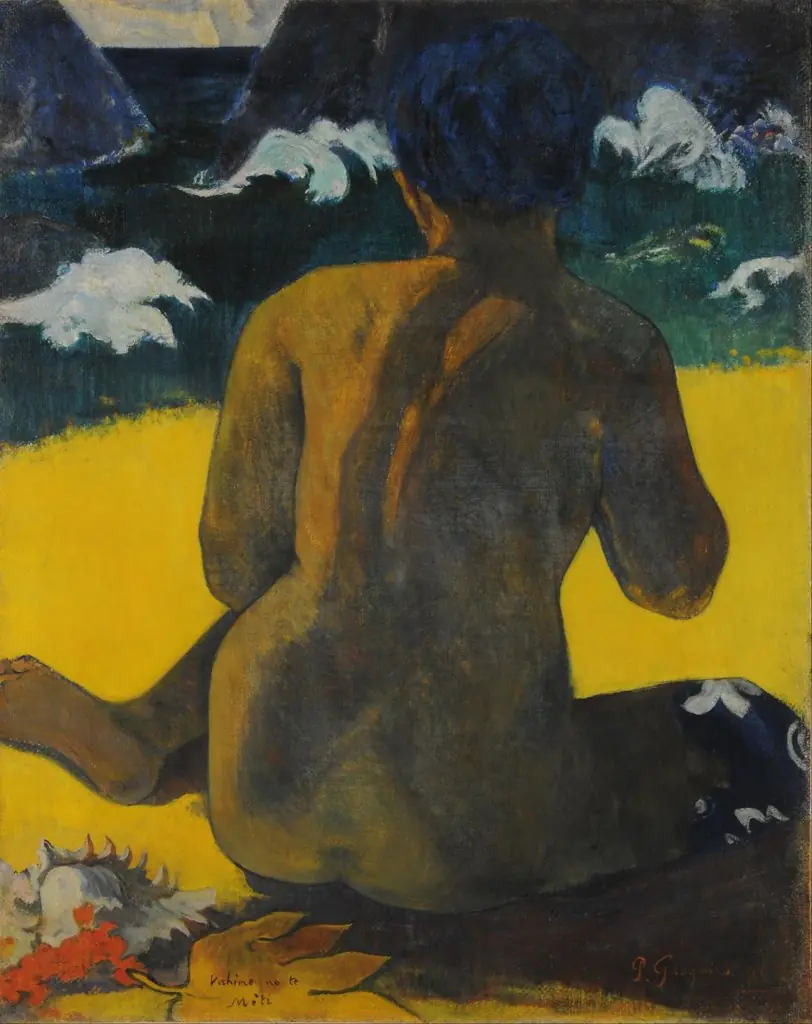
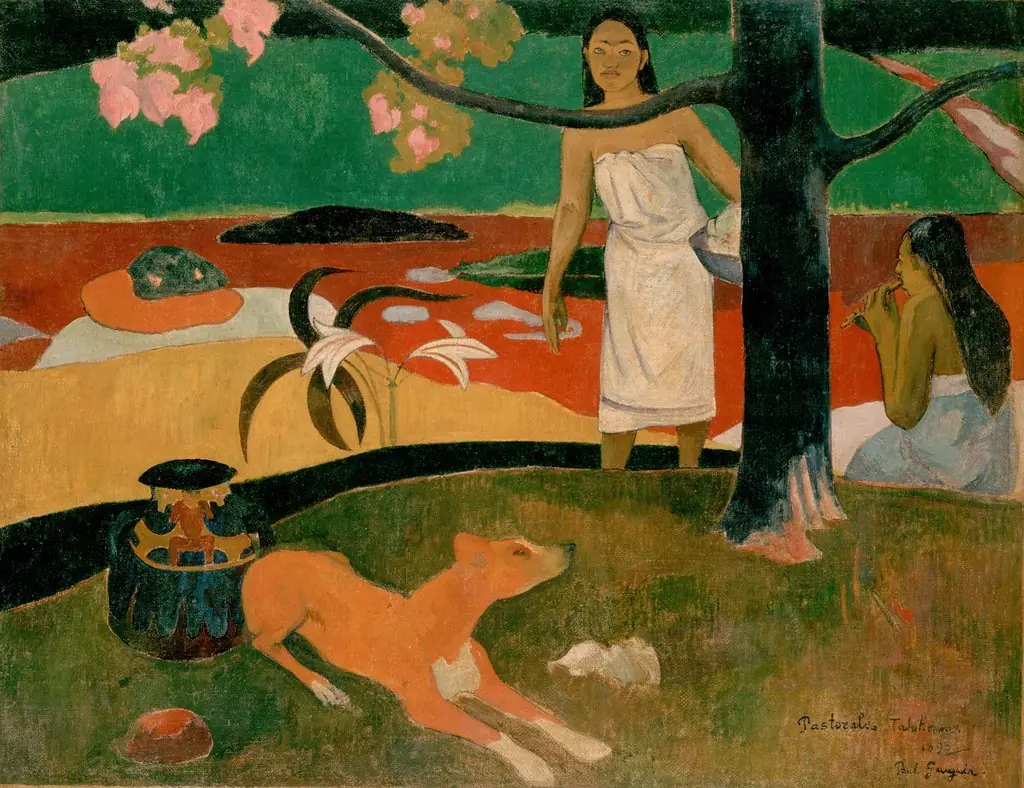
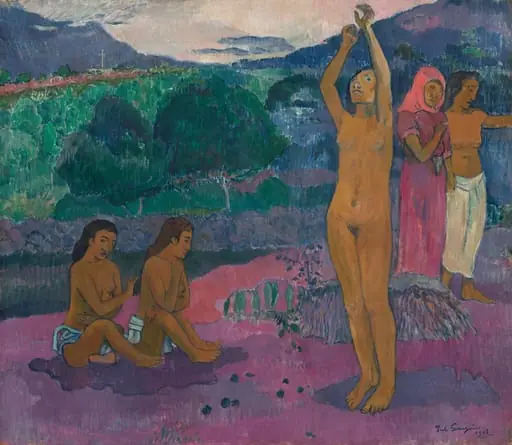
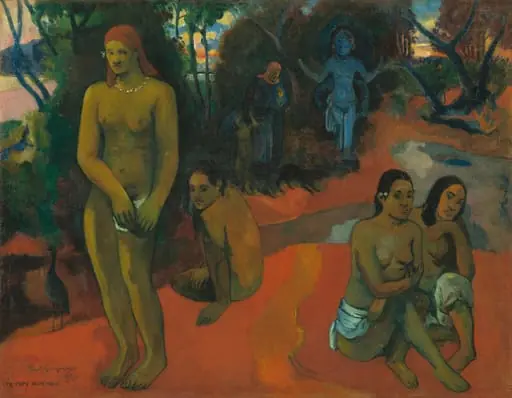
The painting depicts nude Tahitian women by a river, their bodies partially submerged in water, with a further figure wading in the background. Gauguin's composition emphasizes fluid, rhythmic forms and lush tropical surroundings, blending realism with idealized representation.
The work reflects Gauguin's fascination with Tahitian life and his search for a pre-colonial paradise, contrasting European conventions with Polynesian culture. The bathing scene evokes themes of purity, naturalness, and the uninhibited life he associated with Tahiti, aligning with his broader Symbolist and Primitivist aims.
Technique & Style
Paul Gauguin executed Tahitian Women Bathing as an oil painting on canvas in 1896; the work is classified as a painting within the genre of the nude. The canvas measures 109.9 cm in height by 89.5 cm in width and is part of the Metropolitan Museum of Art's collection, having previously been owned by the Bignou Gallery, Josiah Marvel Jr., Alphonse Kann, and Robert Lehman. The composition portrays nude female figures engaged in bathing.
History & Provenance
Paul Gauguin painted Tahitian Women Bathing in 1896, an oil on canvas measuring 109.9 cm by 89.5 cm depicting nude female figures bathing, reflecting the artist's fascination with Tahitian subjects during his time on the island. After its creation, the canvas passed through several dealers and collectors, including the Bignou Gallery, Josiah Marvel Jr., and Alphonse Kann, before entering the collection of Robert Lehman. Lehman's holdings were later donated to the Metropolitan Museum of Art, where the work remains. No specific inventory numbers or details regarding exhibition history are provided in the available sources.
Overview
Paul Gauguin's 1896 oil painting, Tahitian Women Bathing, depicts several nude figures in a vibrant outdoor setting. Created during his time in Tahiti, the work showcases his distinctive approach to color and form. It represents a significant example of his Post-Impressionist period, moving away from the observational style of earlier movements to explore more symbolic and expressive representations of the human figure and landscape.
Context
This painting was created during Paul Gauguin's period living in Tahiti, far from European artistic centers. His relocation to the South Pacific profoundly influenced his subject matter, allowing him to explore themes of nature and indigenous life. Gauguin, a French artist, was a key figure in both Post-Impressionism and Symbolism, known for his innovative methods that extended beyond painting to include significant contributions to wood engraving and woodcuts.
Legacy
Although Gauguin's innovative work, including Tahitian Women Bathing, was not widely recognized during his lifetime, its distinctive style and thematic depth later secured his place as a pivotal figure in modern art. His departure from traditional European aesthetics and his exploration of non-Western cultures left a lasting impact on subsequent generations of artists, influencing the development of various avant-garde movements.
Own this work as a print
Artist & collection
Artist
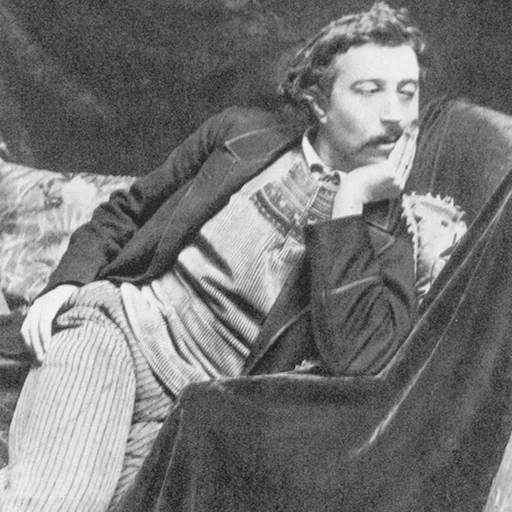
Eugène Henri Paul Gauguin (; French:; 7 June 1848 – 8 May 1903) was a French painter, sculptor, printmaker, ceramist, and writer, whose work has been primarily associated with the Post-Impressionist and Symbolist movements.