Artwork
Timothy Matlack
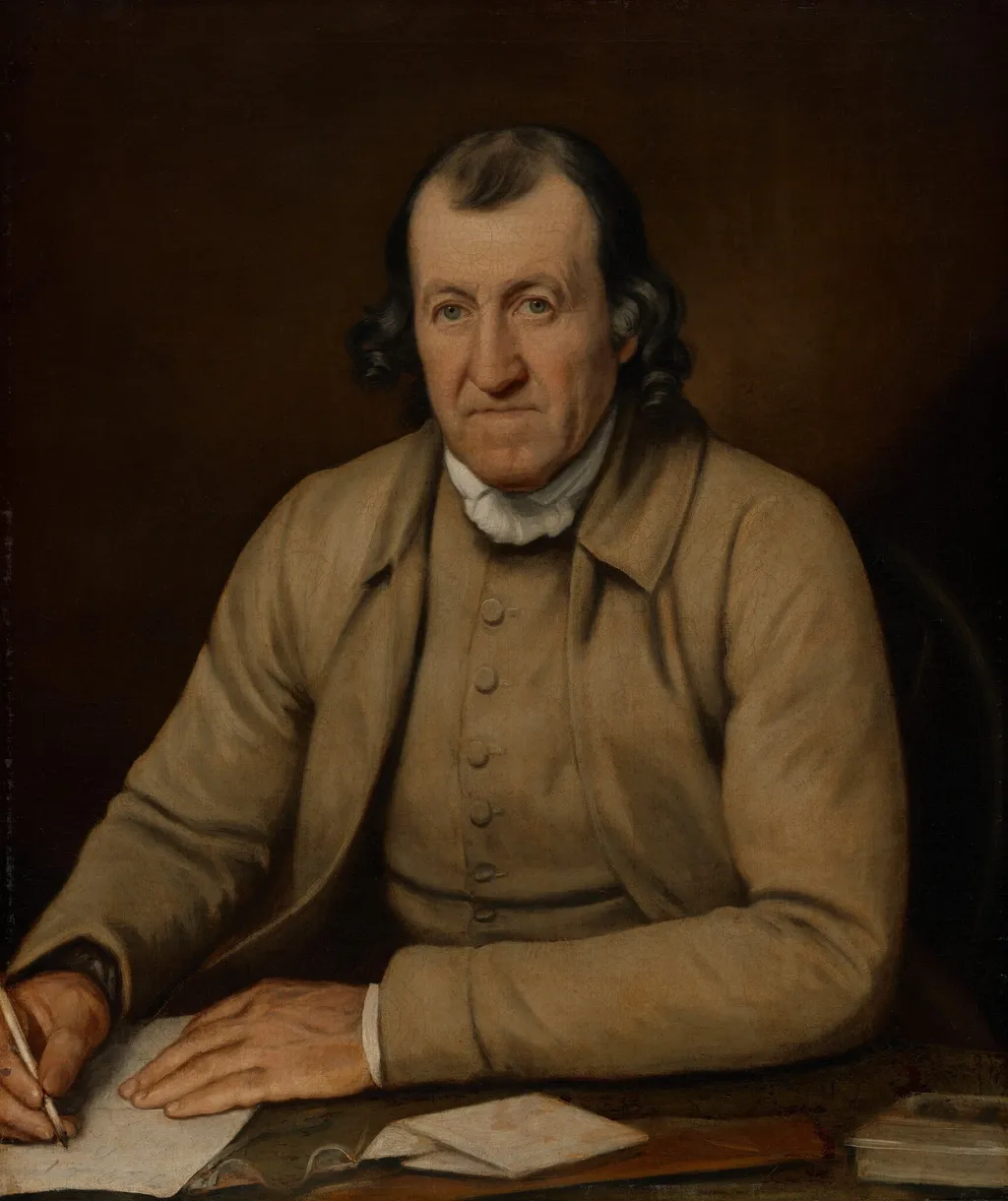
Timothy Matlack is an oil painting by the American Impressionist artist Rembrandt Peale. It dates from 1802 and is held in the collection of the National Gallery of Art.
- Inscription
- Inscribed:on paper under sitter's right hand: The P[ ] / 13
About this work
Rembrandt Peale's 1802 portrait shows Timothy Matlack seated in period dress, his expression serious. The face and hands are carefully observed, an attentive likeness of a real man rather than a type.
Subject & Meaning
Painted by Rembrandt Peale in 1802, the work functions as both a personal likeness and a visual record of the sitter's place within his family's lineage.
The canvas presents Timothy Matlack, a prominent early American figure, rendered in the conventional portrait style of the early 19th century. Matlack is shown in formal attire that signals his social standing, while the restrained background directs attention to his dignified posture, underscoring themes of respectability and civic responsibility. Painted by Rembrandt Peale in 1802, the work functions as both a personal likeness and a visual record of the sitter's place within his family's lineage.
Its subsequent ownership, from Martha Bryan Schott Whitney to Thomas B. Clarke and finally to the National Gallery of Art, reflects the painting's enduring cultural value.
Technique & Style
Executed in 1802 by Rembrandt Peale, this portrait of Timothy Matlack is an oil painting on canvas. The work measures 76.2 centimeters in height and 64.5 centimeters in width. As a formal portrait, the piece utilizes traditional oil paints applied to a woven fabric support, characteristic of early nineteenth-century American portraiture.
The painting currently resides in the National Gallery of Art as part of the Andrew W. Mellon collection, having been gifted to the institution in 1947.
History & Provenance
The portrait of Timothy Matlack was painted by Rembrandt Peale in 1802 in oil on canvas. It descended within the sitter's family to his great-granddaughter Martha Bryan Schott Whitney, who deposited it at the Historical Society of Pennsylvania on November 11, 1872. Ownership subsequently passed to James S. Whitney.
The portrait was sold on February 1, 1923, by C. K. Johnson of Greenwich, Connecticut, to New York collector Thomas B. Clarke. Following Clarke's death in 1931, the painting was sold on January 29, 1936, through M. Knoedler & Co. to The A.W. Mellon Educational and Charitable Trust in Pittsburgh. In 1947, the trust transferred the work as a gift to the National Gallery of Art in Washington, D.C., where it remains in the Andrew W. Mellon collection.
Overview
Painted in 1802 by Rembrandt Peale, this oil-on-canvas portrait depicts Timothy Matlack, a prominent American merchant and public servant. The work presents a three-quarter-length view of the sitter seated in a dark wooden chair against a neutral, shadowed background. Matlack is dressed in formal attire characteristic of the early 19th century, including a black coat and white cravat, which contrasts with the warm tones of his skin and the wooden furniture.
Peale employs a refined Neoclassical style, utilizing soft modeling and precise brushwork to render the sitter's serious expression, deep-set eyes, and the texture of his hands resting on the chair arm. The composition focuses intently on the psychological presence of the subject, avoiding extraneous narrative elements to emphasize character and status. Executed during Peale's mature period, shortly after his return from Europe, the portrait reflects the artist's commitment to creating dignified likenesses of American civic leaders.
This work stands as a significant example of early American portraiture, documenting a key figure in Philadelphia's history while demonstrating Peale's technical mastery in capturing the likeness and demeanor of his sitters.
Own this work as a print
Artist & collection

Artist
Rembrandt Peale (February 22, 1778 – October 3, 1860) was an American artist and museum keeper.

 A Gentleman of the Morris Family
 Portrait of Dr. Mason Fitch Cogswell (1761–1830)
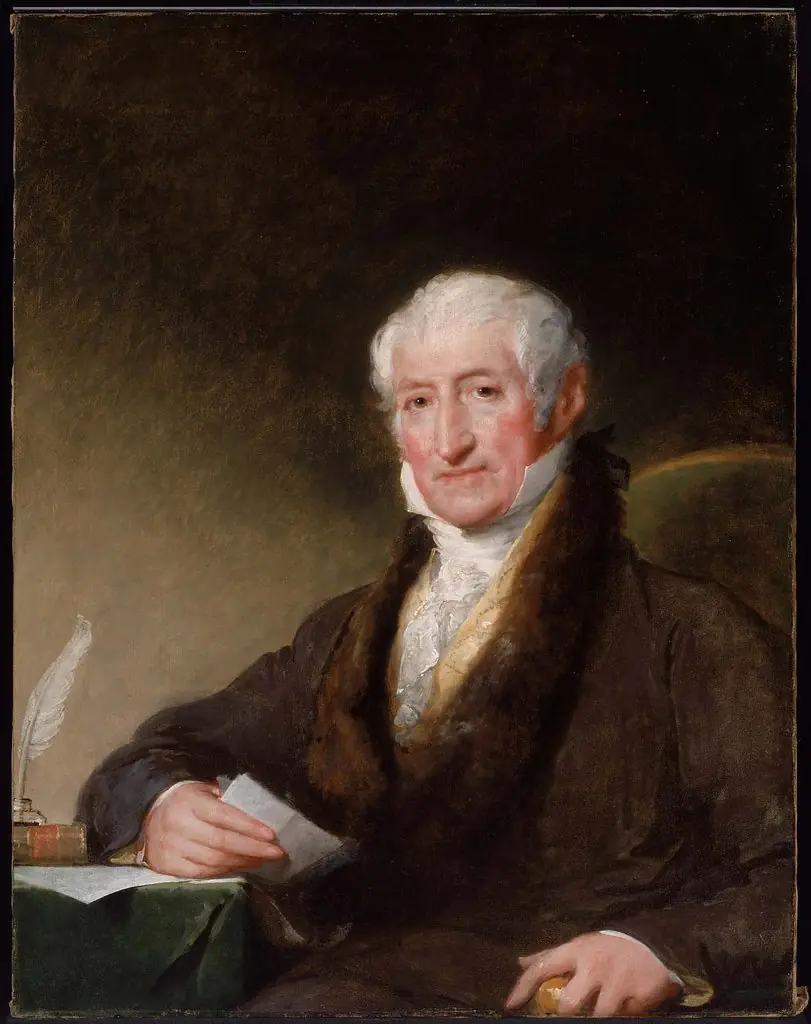 Ward Nicholas Boylston
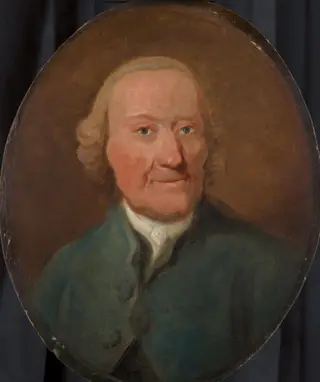 Self-Portrait
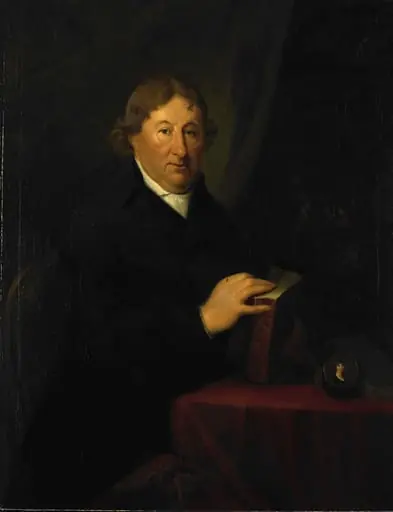 Portrait of Gerrit van der Pot, Lord of Groeneveld, Art Collector in Rotterdam
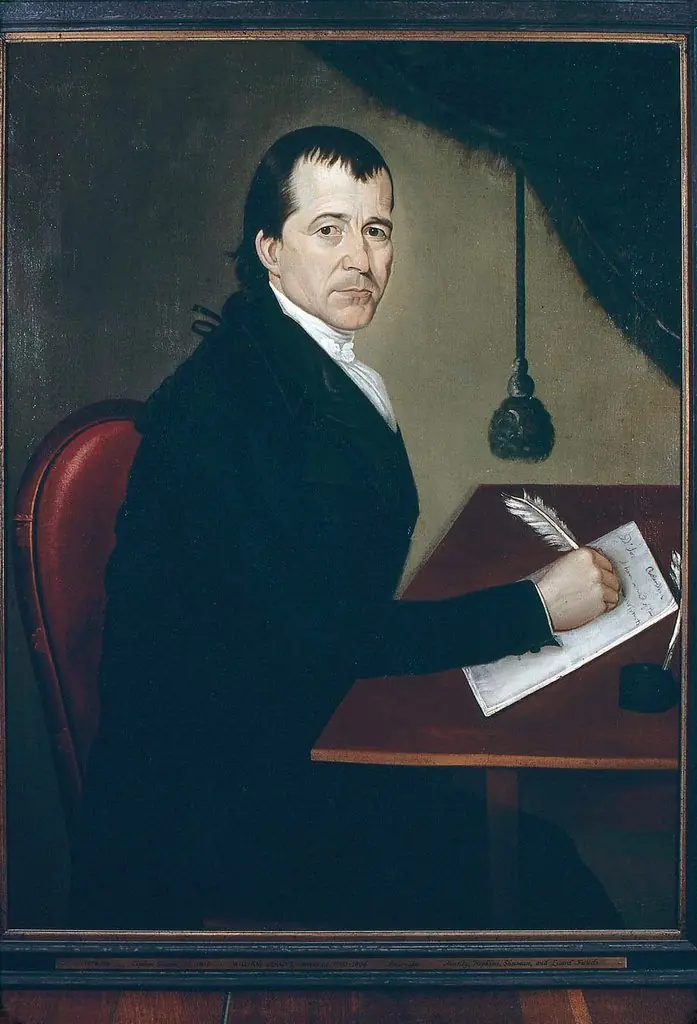 Cephas Smith, Jr.
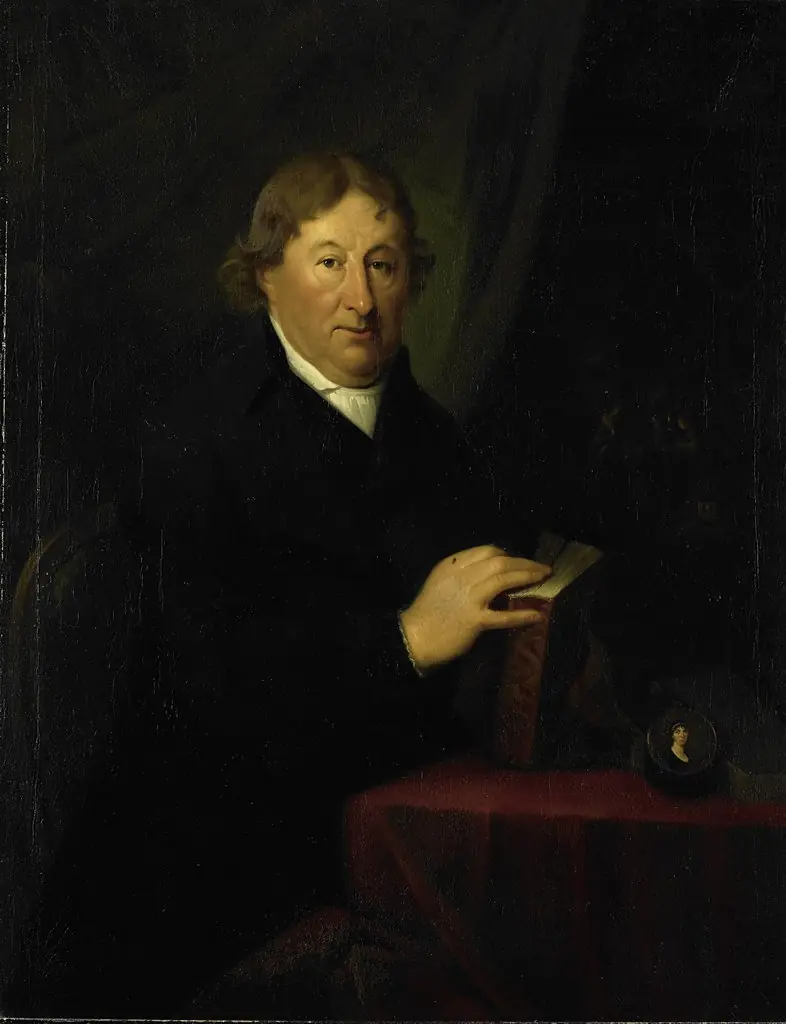 Portrait of Gerrit van der Pot, Lord of Groeneveld, Art Collector in Rotterdam
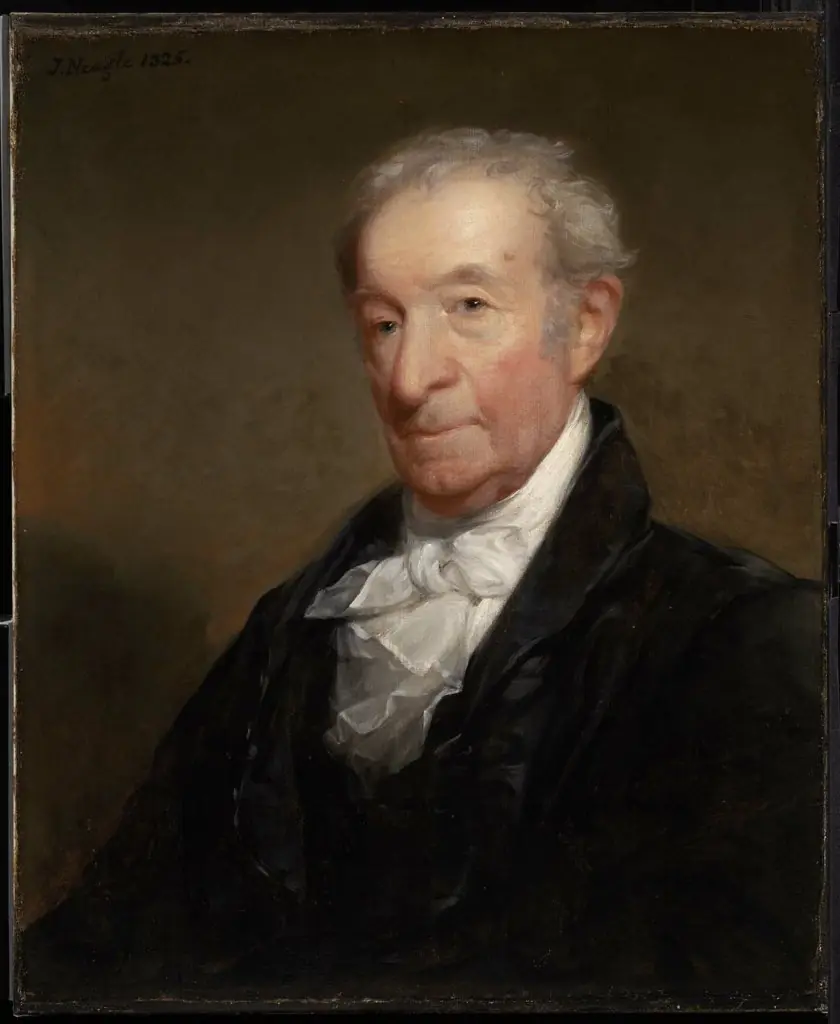 Gilbert Stuart
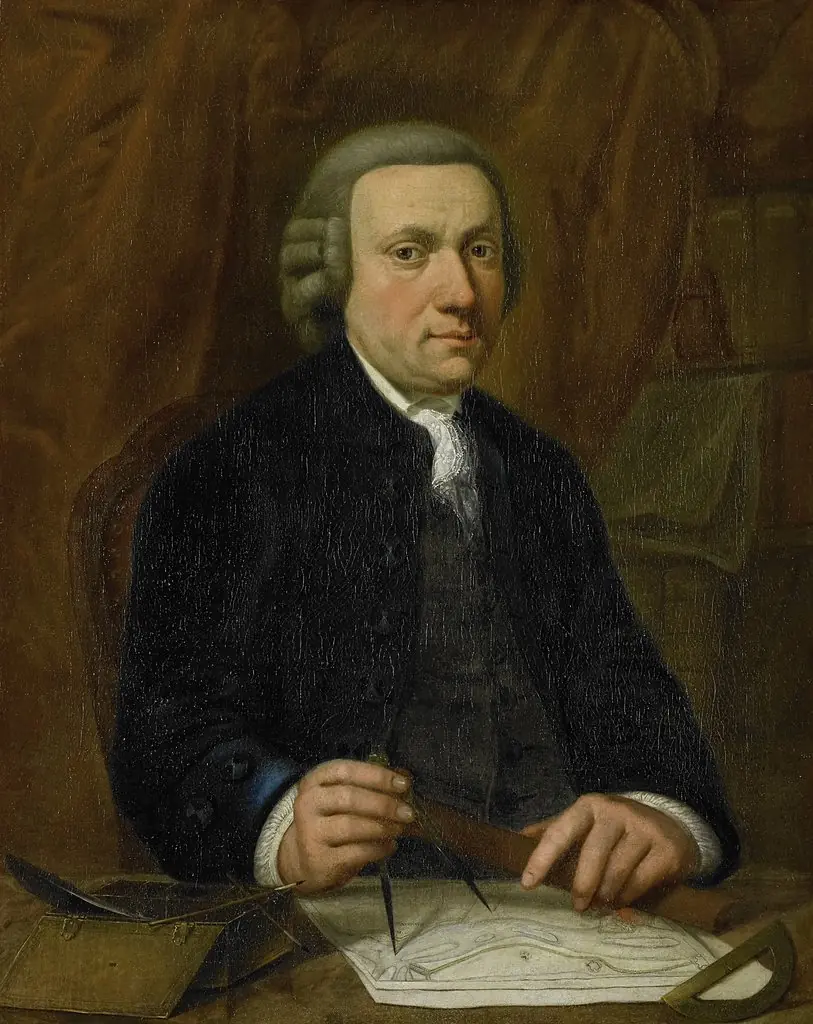 Portrait of Barend Goudriaan Ariesz.
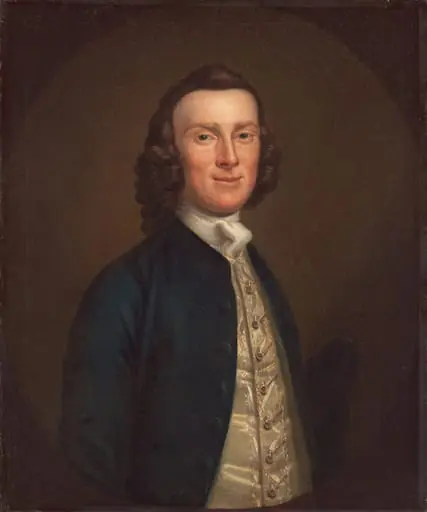 John Stevens (?)