Artwork
Portrait of a Carthusian
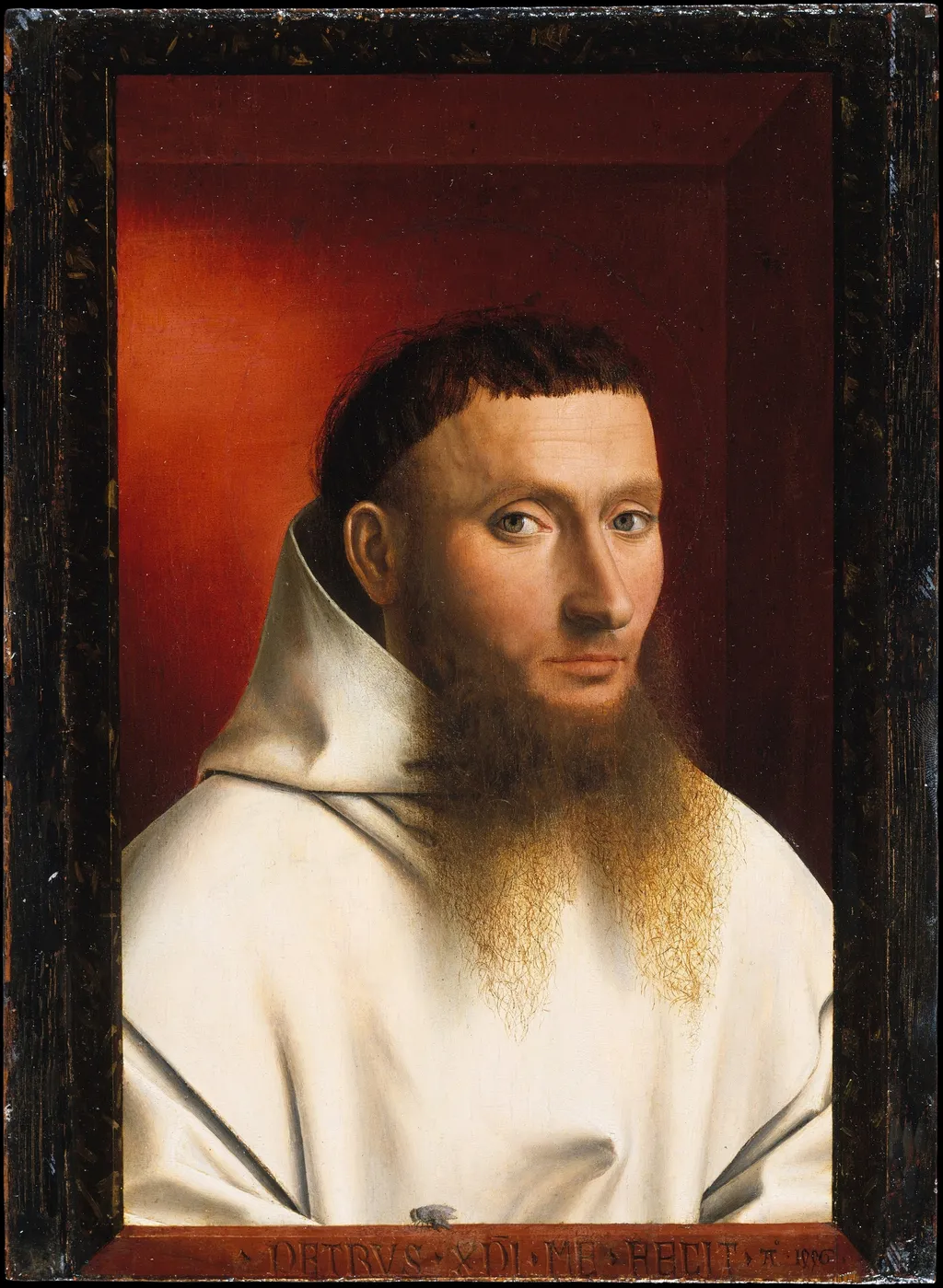
Portrait of a Carthusian is an oil painting by the Northern Renaissance artist Petrus Christus. It dates from 1446 and is held in the collection of the Metropolitan Museum of Art.
About this work
A small oil portrait of a man in a white hood, painted by Petrus Christus in 1446. He is a Carthusian monk, from an order that lived mostly in solitude, praying and copying books. The date is written right on the frame, a rare touch for portraits of the time.
Subject & Meaning
The figure is illuminated by a complex dual-lighting scheme, combining an external source with an internal reflection to create deep three-dimensionality.
The work depicts an anonymous Carthusian monk captured in a three-quarter pose, gazing directly at the viewer over his right shoulder. While traditionally identified as a monk, the subject's lack of a tonsure and presence of a beard suggest he may instead be a lay brother or conversus. The painting is renowned for its trompe-l'œil elements, specifically a painted fly on the lower frame.
Art historians offer divergent interpretations of this insect: some view it as a symbol of sin, corruption, or mortality linked to Beelzebub, while others see it as a professional signature demonstrating the artist's superior skill. The figure is illuminated by a complex dual-lighting scheme, combining an external source with an internal reflection to create deep three-dimensionality. A halo, once present above the subject's head, was removed in 1994 after being identified as a 17th-century addition intended to elevate the figure to sainthood, an alteration that obscured the artist's original spatial intentions.
Technique & Style
Executed in 1446, this work is an oil painting on an oak panel measuring 29.2 by 18.7 centimeters. The composition features an anonymous Carthusian monk in a three-quarter view, captured in a complex diagonal pose where the body turns left while the head rotates right to engage the viewer. Christus employs a distinctive dual-lighting scheme: a strong external source illuminates the figure, while a secondary internal reflection creates depth, allowing for a rich spectrum of shading and a fully three-dimensional effect.
The artist intentionally exaggerated facial proportions, elongating the nose and eyes to create a rare, exaggerated silhouette within Early Netherlandish art. A painted trompe-l'œil frame includes the inscription 'PETRVS XPI ME FECIT' and a realistic fly, the latter serving as a demonstration of painterly prowess. Technical analysis revealed a halo added in the 17th century, likely in Spain, which was removed during a 1994 restoration after experts determined it was an inauthentic alteration that disrupted the original spatial illusion.
History & Provenance
Petrus Christus completed this oil-on-oak portrait in 1446, signing and dating the work within a painted trompe-l'œil frame as 'PETRVS XPI ME FECIT Ao 1446'. By the seventeenth century, the painting resided in Spain, likely within the collection of Don Ramon de Oms, Viceroy of Majorca, where a halo was added to the monk's head to imitate Italian trends. The work was sold to American industrialist Jules Bache in 1911.
Upon its acquisition by the Metropolitan Museum of Art in 1944, the halo remained visible; however, a 1994 examination by specialists determined it was a later addition that compromised the original spatial illusion. Consequently, the museum removed the halo to restore Christus's intended lighting scheme, confirming the alteration likely occurred during the Spanish ownership period prior to Bache's purchase.
Portrait of a Carthusian is held in the Jules Bache Collection at the Metropolitan Museum of Art in New York City. The painting entered the museum's holdings in 1944. Prior to that, it had passed through the collection of Don Ramon de Oms, viceroy of Majorca, from whom American industrialist Jules Bache acquired the work in 1911.
In 1994, the Met organized the exhibition Petrus Christus: Renaissance Master of Bruges, in preparation for which a panel of Early Netherlandish specialists examined the painting and determined that a halo above the monk's head was a later addition, prompting its removal.
Context
Portrait of a Carthusian (1446) is celebrated as a masterwork of Early Netherlandish painting, noted for its sophisticated two‑source illumination that renders the monk in near‑three‑dimensional relief. Scholarship emphasizes its innovative trompe‑l’œil frame, the fly motif as a possible artistic signature rather than purely symbolic, and the later 1994 removal of an anachronistic halo, confirming the painting’s original composition. Within the oeuvre of Petrus Christus, the piece exemplifies his pioneering use of linear perspective and balanced spatial geometry, marking a shift from the more rhythmic style of Jan van Eyck.
The work’s blend of technical virtuosity and subtle symbolism has made it a focal point in studies of Northern Renaissance portraiture and the development of illusionistic space.
Legacy
Portrait of a Carthusian has been cited as a foundational example of Early Netherlandish portraiture, particularly for its innovative use of space and light. Its trompe-l'œil fly, long interpreted as a memento mori, is now widely regarded as a hallmark of Christus’s technical virtuosity and has been emulated in subsequent Netherlandish works. The painting’s later reputation was solidified by its inclusion in the 1994 Metropolitan Museum of Art exhibition Petrus Christus: Renaissance Master of Bruges, which prompted the removal of an anachronistic halo added in the seventeenth century, thereby restoring the work’s intended spatial dynamics.
Its influence is further evidenced by the frequent citation of Panofsky’s observation that Christus’s corner composition created a new psychological intimacy between sitter and viewer, a device later adopted by Hans Memling and other Bruges painters.
Overview
Petrus Christus's Portrait of a Carthusian, painted in 1446, is an oil on oak panel work housed at the Metropolitan Museum of Art. This early Netherlandish painting depicts a monk from the Carthusian order, known for its contemplative lifestyle. It is notable for its detailed realism and innovative elements, including a meticulously rendered fly that demonstrates the artist's skill in creating illusionistic effects. The work offers insight into portraiture during the Northern Renaissance.
Own this work as a print
Artist & collection
Artist
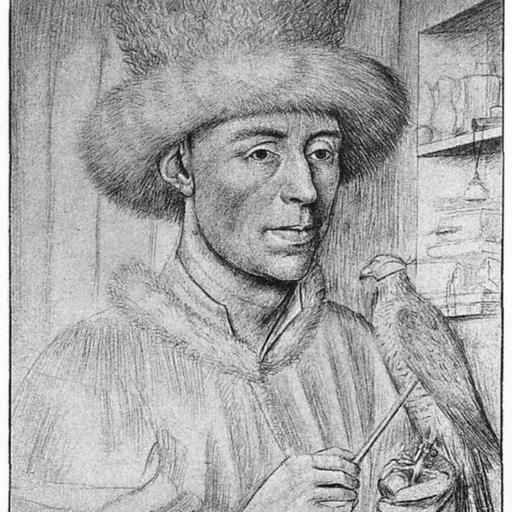
Petrus Christus (Dutch:; c. 1410/1420 – c. 1475/1476) was an Early Netherlandish painter active in Bruges from 1444, where, along with Hans Memling, he became the leading painter after the death of Jan van Eyck. He was…

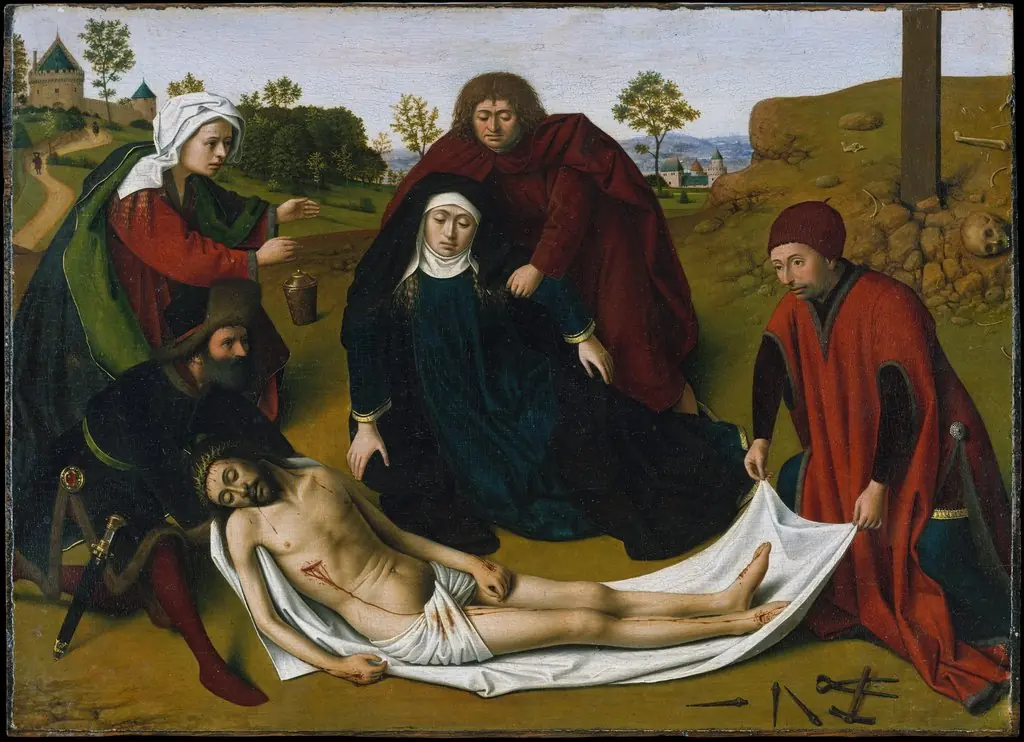
- Portrait of a bearded man, aged 34, before an extensive landscape
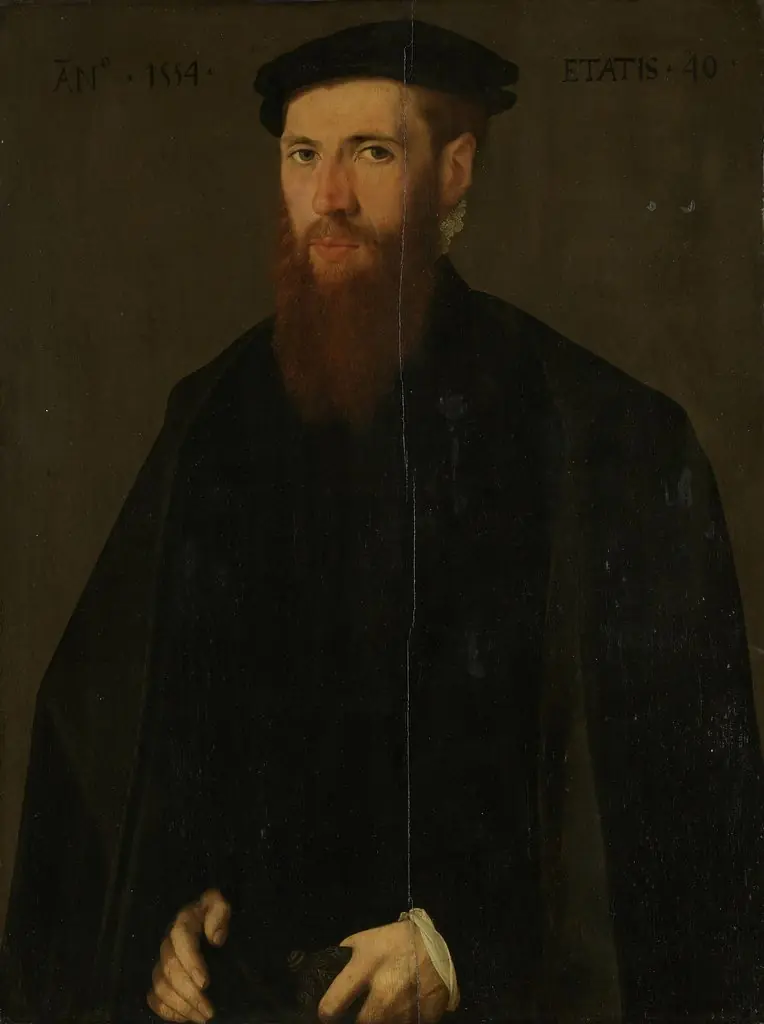 Portrait of Willem van Lokhorst (1514-64)
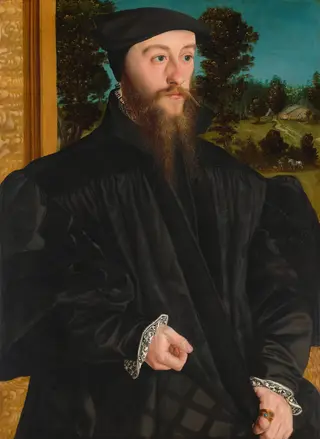 A Member of the Fröschl Family
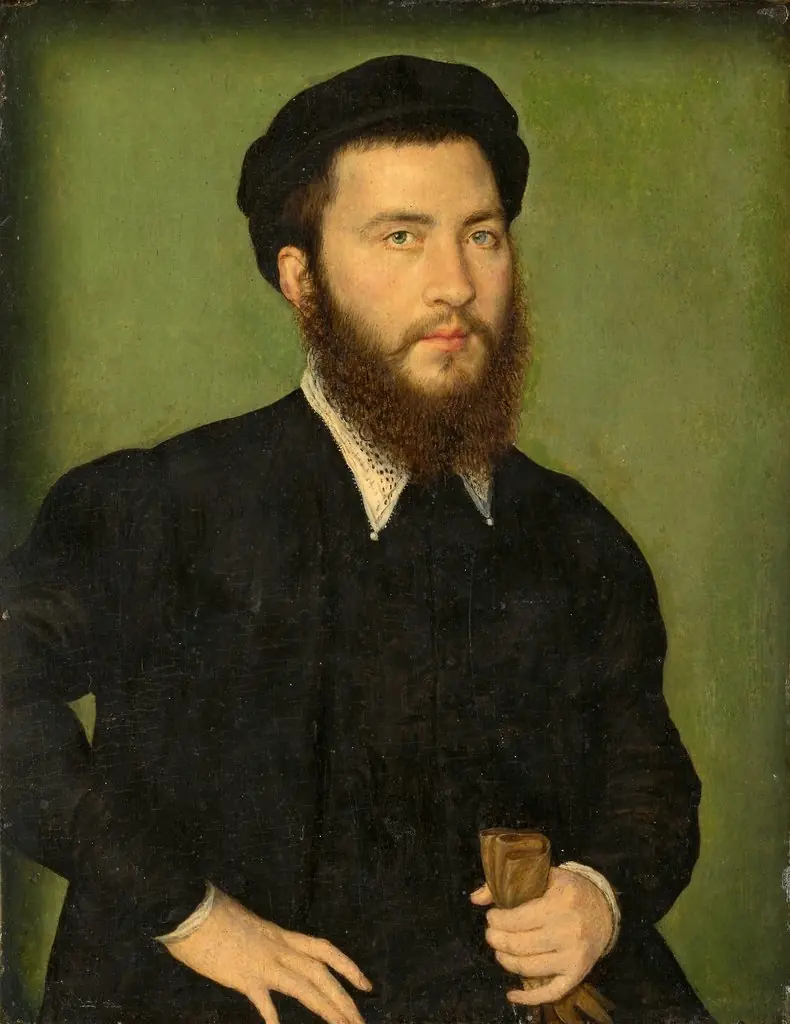 Portrait of a Man
 Bărbat cu barbă brună
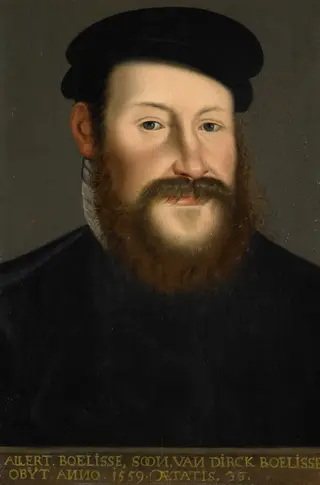 Allert Boelisse (1523-59)
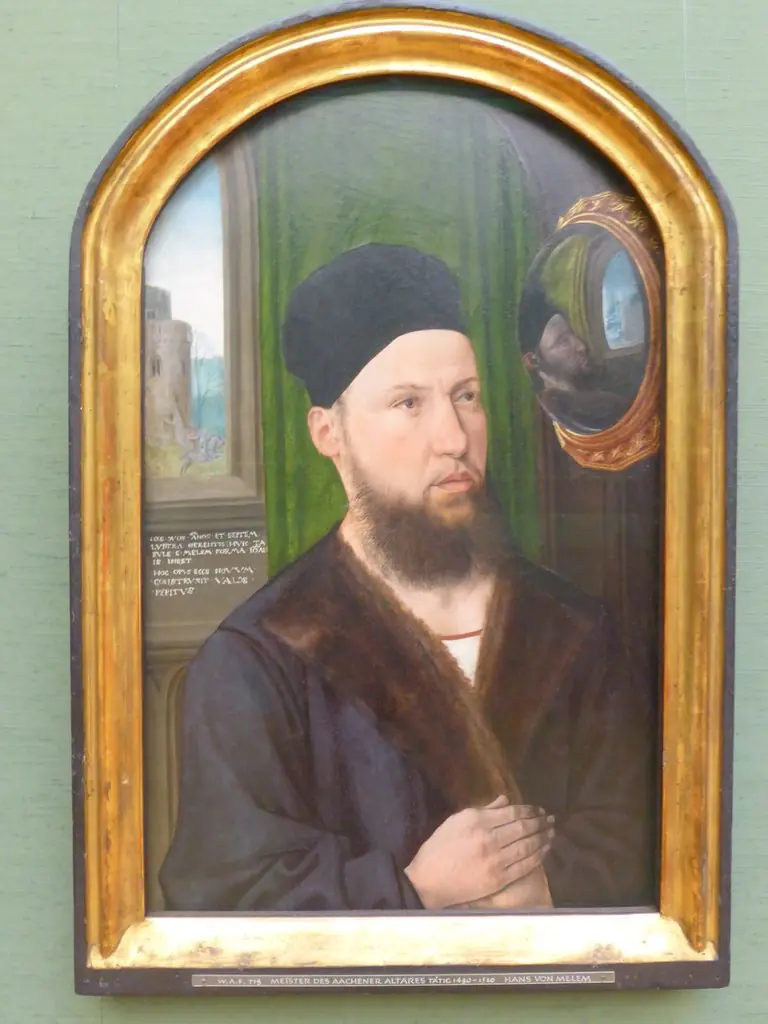 Portrait of Johann von Melem
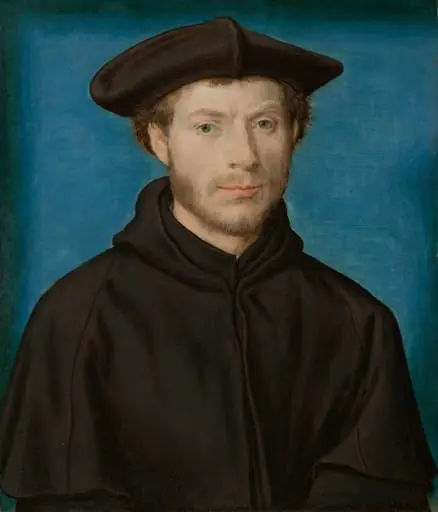 Portrait of a Man
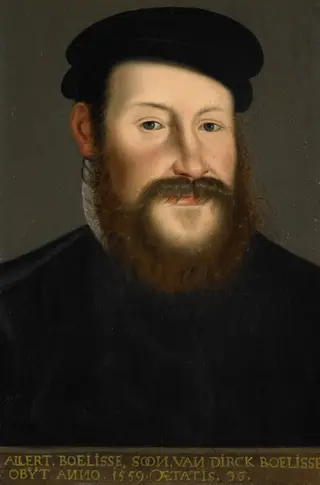 Allert Boelisse (1523-59)
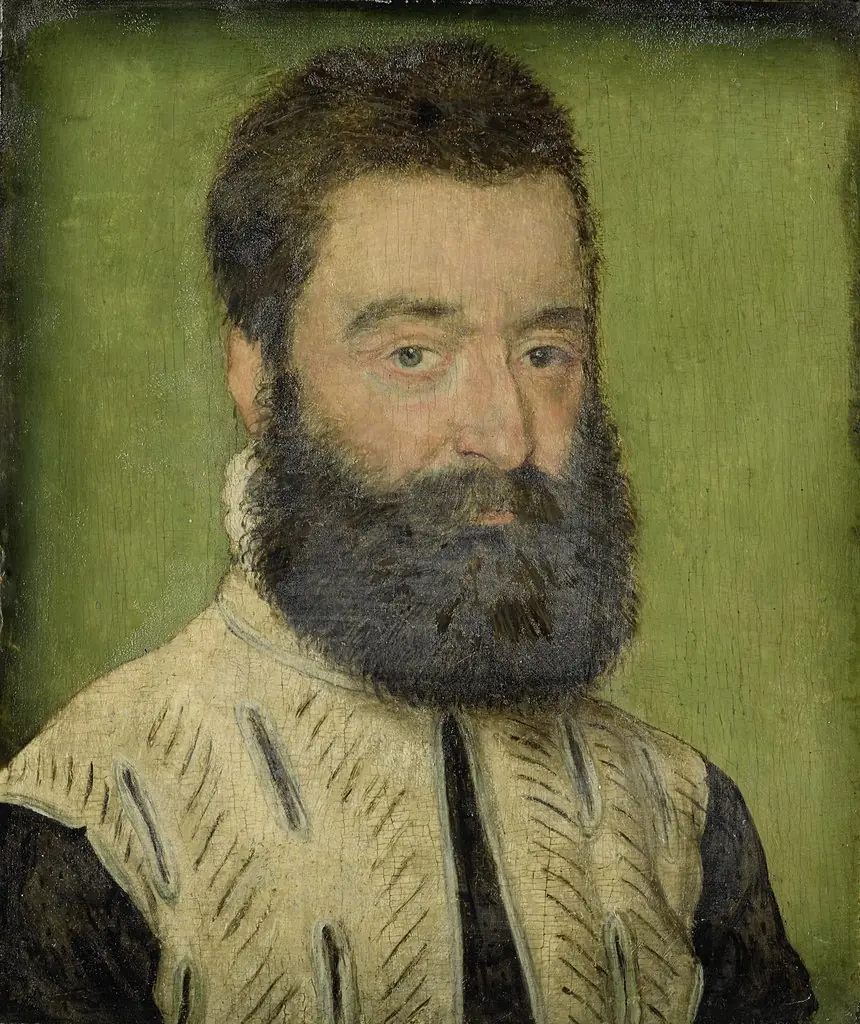 Portrait of Barthélemy Aneau
 Portrait of Willem van Lokhorst (1514-64)
 Louis X, Duke of Bavaria