Artwork
Still life with tumblers and fruit
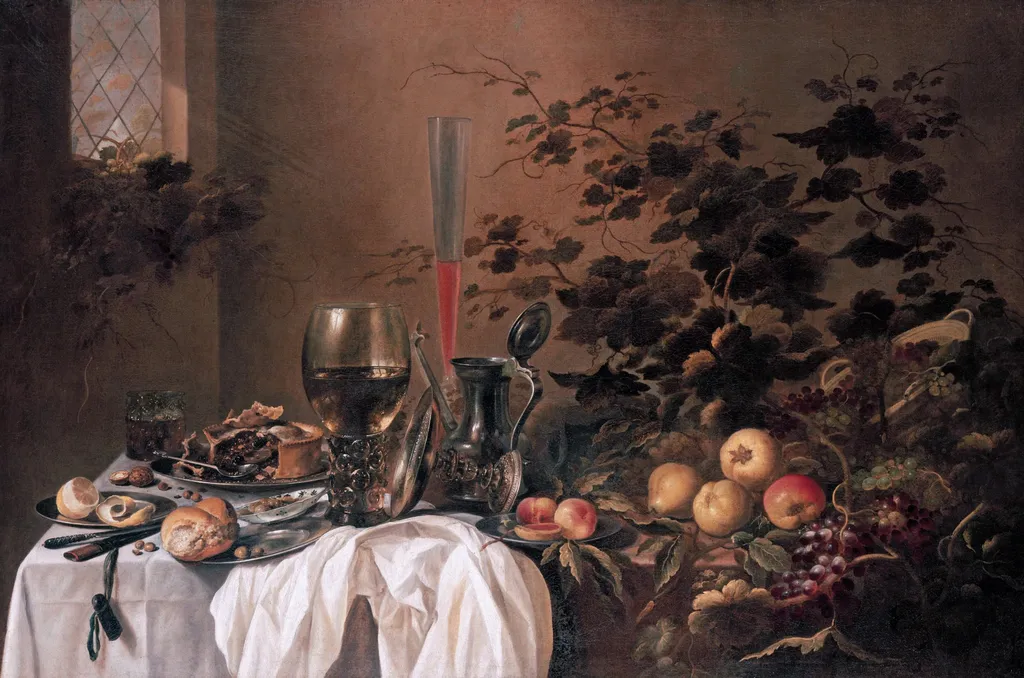
Still life with tumblers and fruit is a paint painting by the Dutch Golden Age artist Pieter Claesz. It dates from 1646 and is held in the collection of the Gemäldegalerie Berlin.
About this work
Subject & Meaning
In Northern European still-life tradition, these objects carry layered meanings.
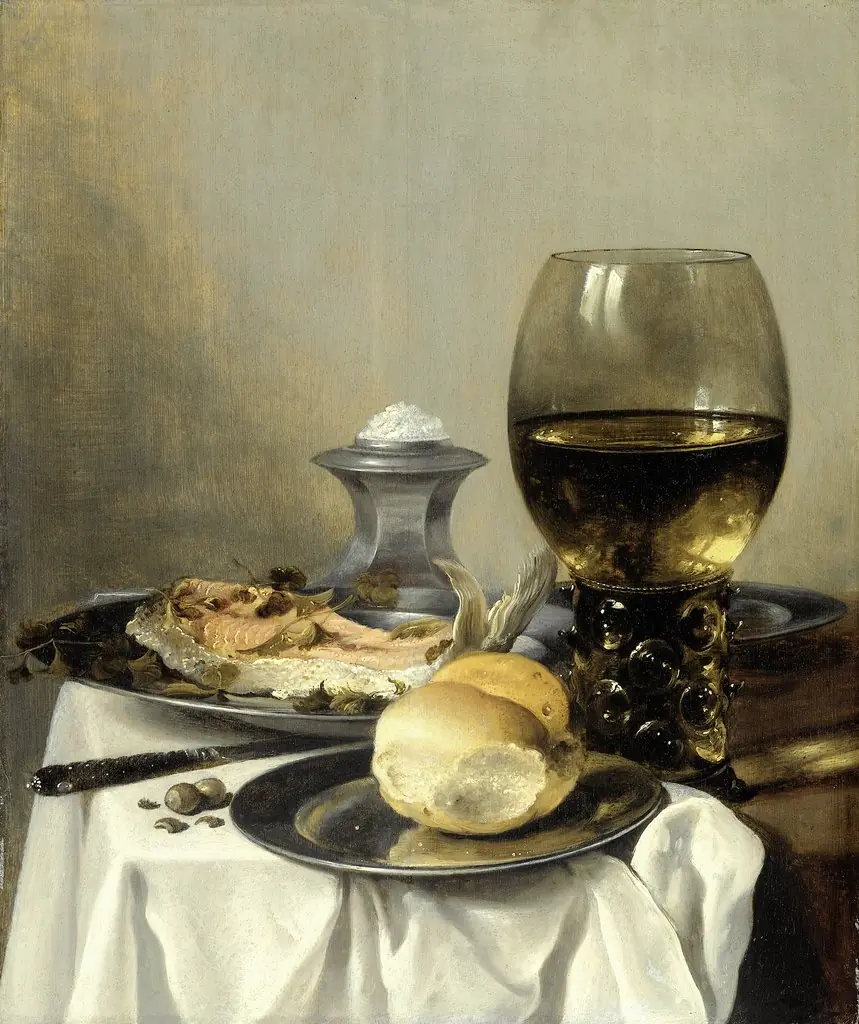
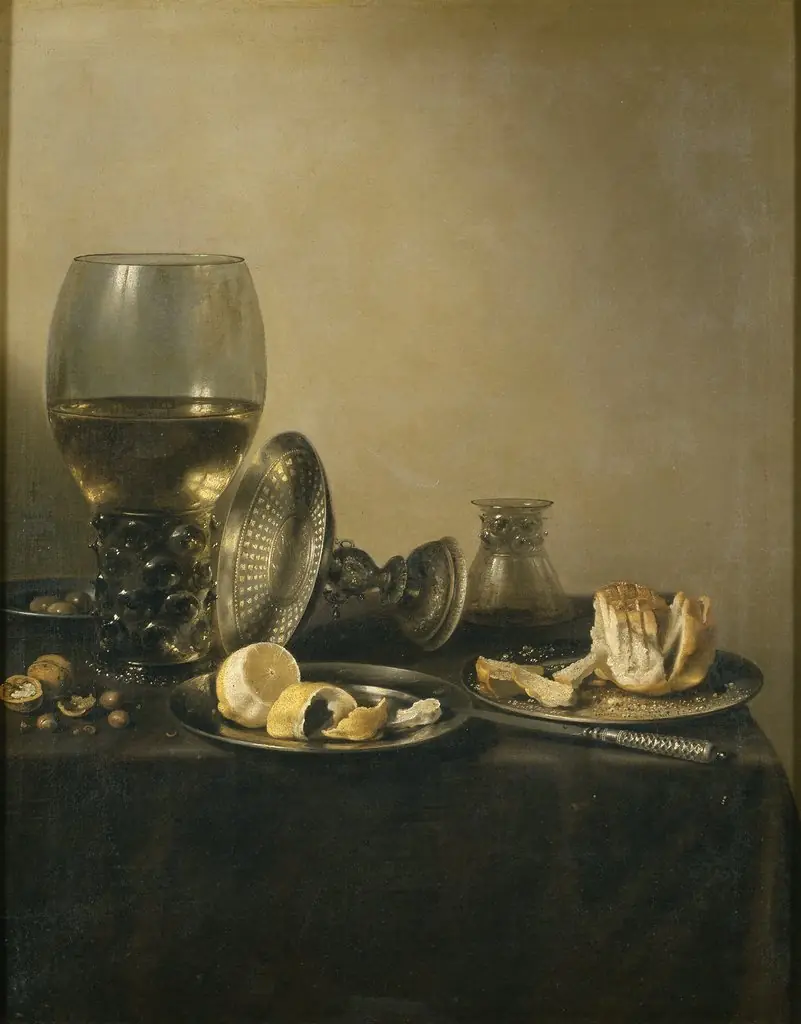
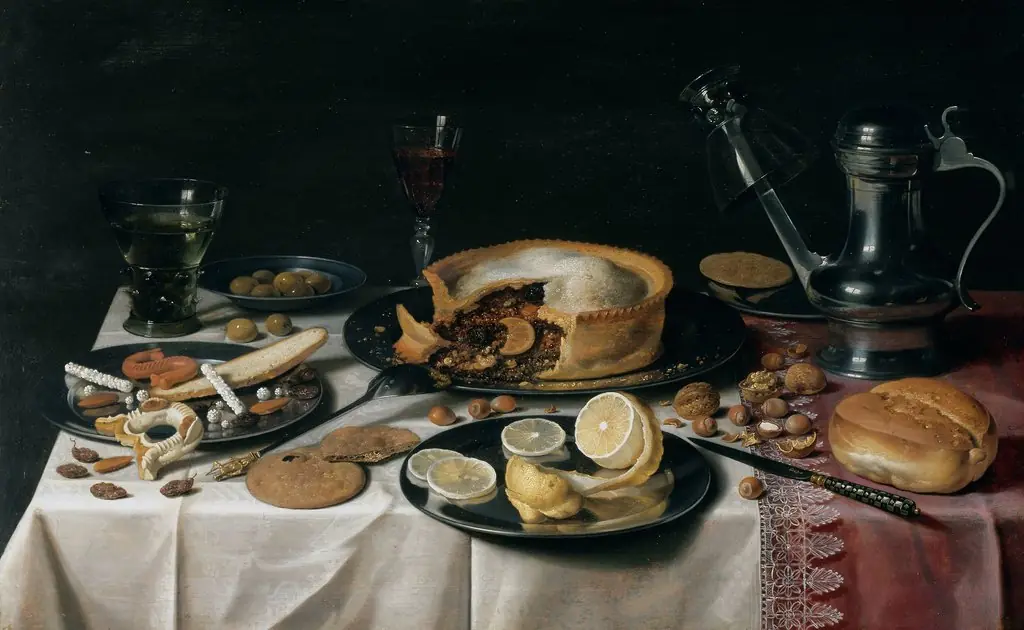
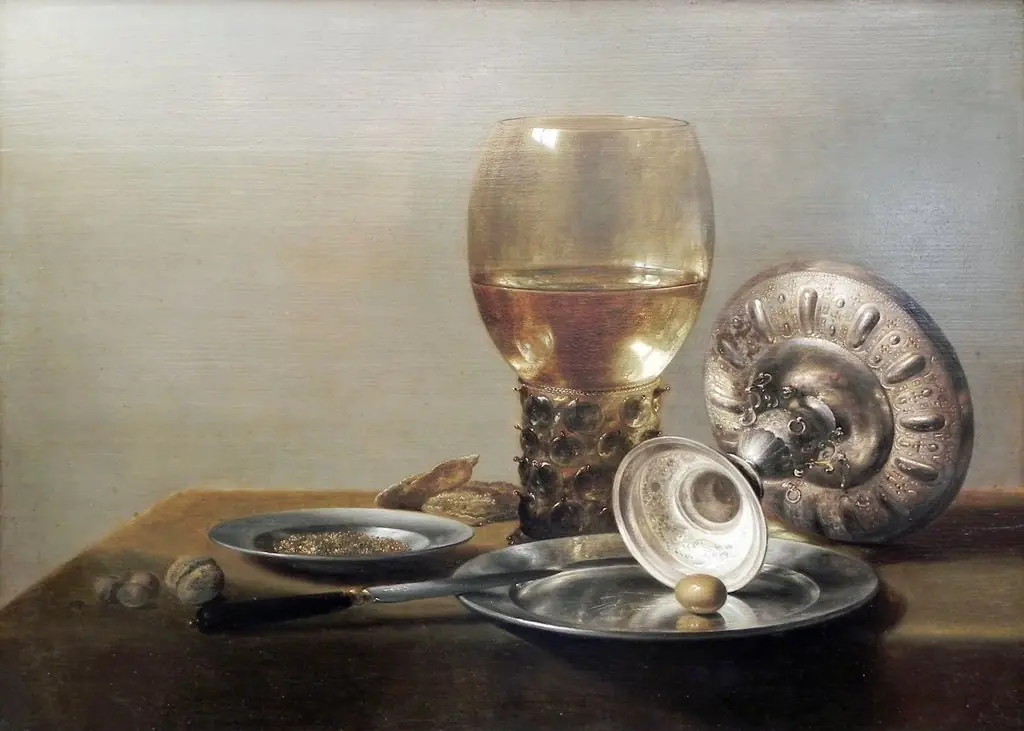
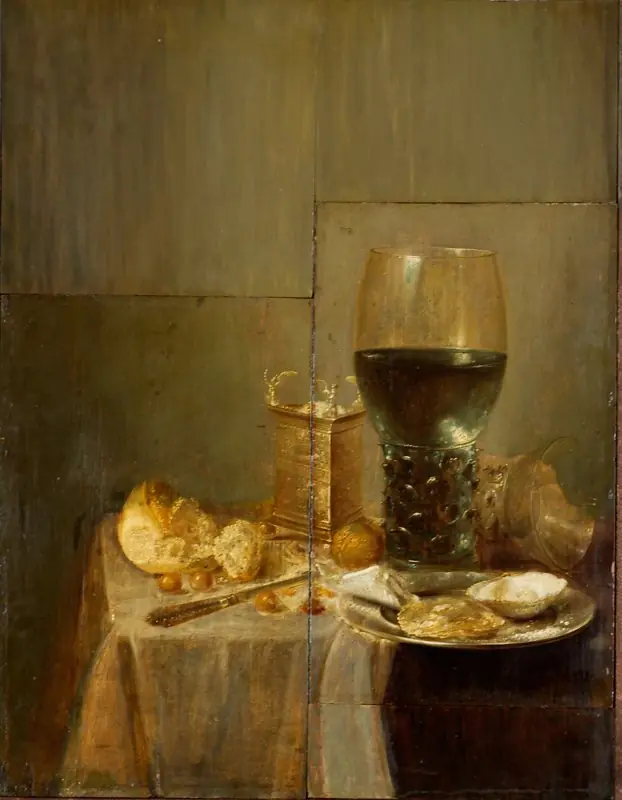
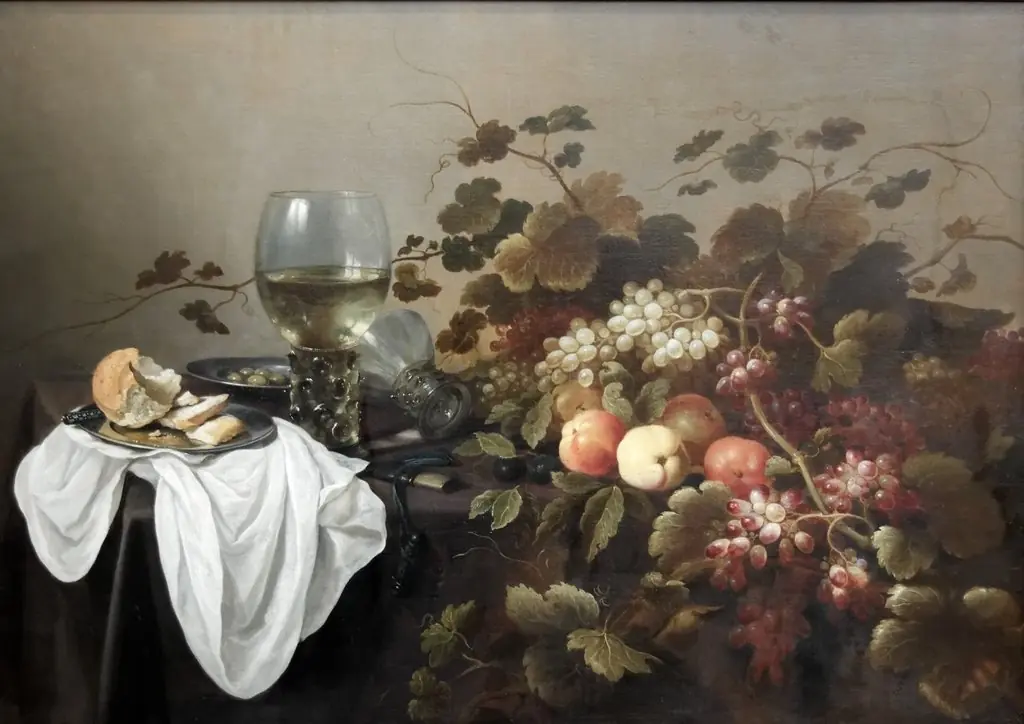
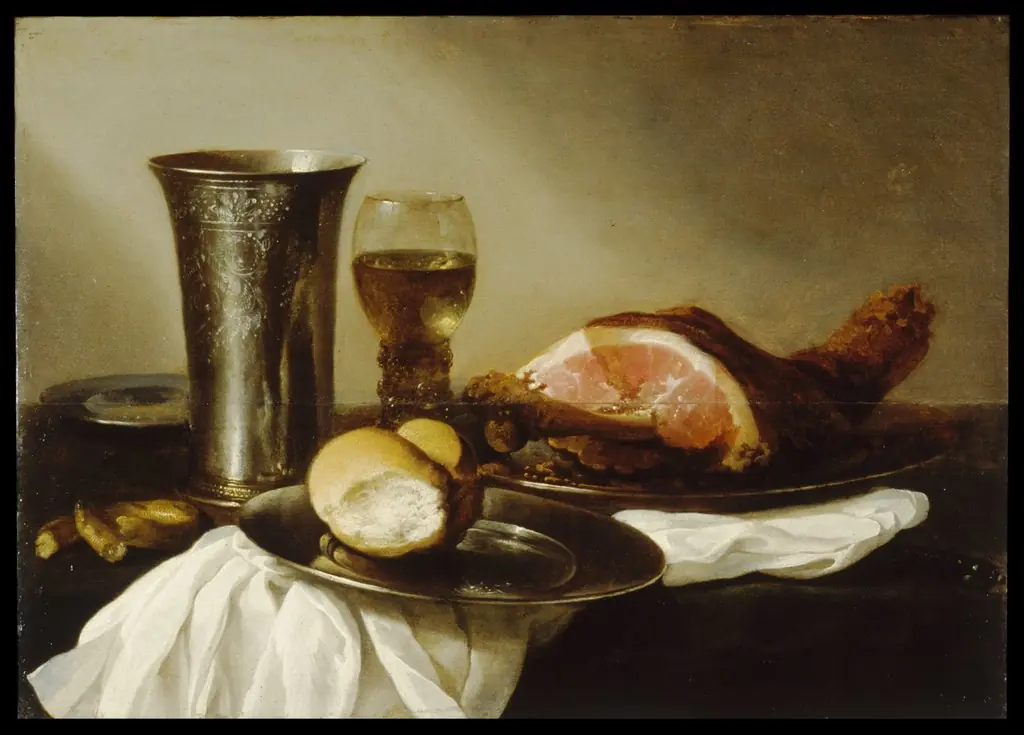
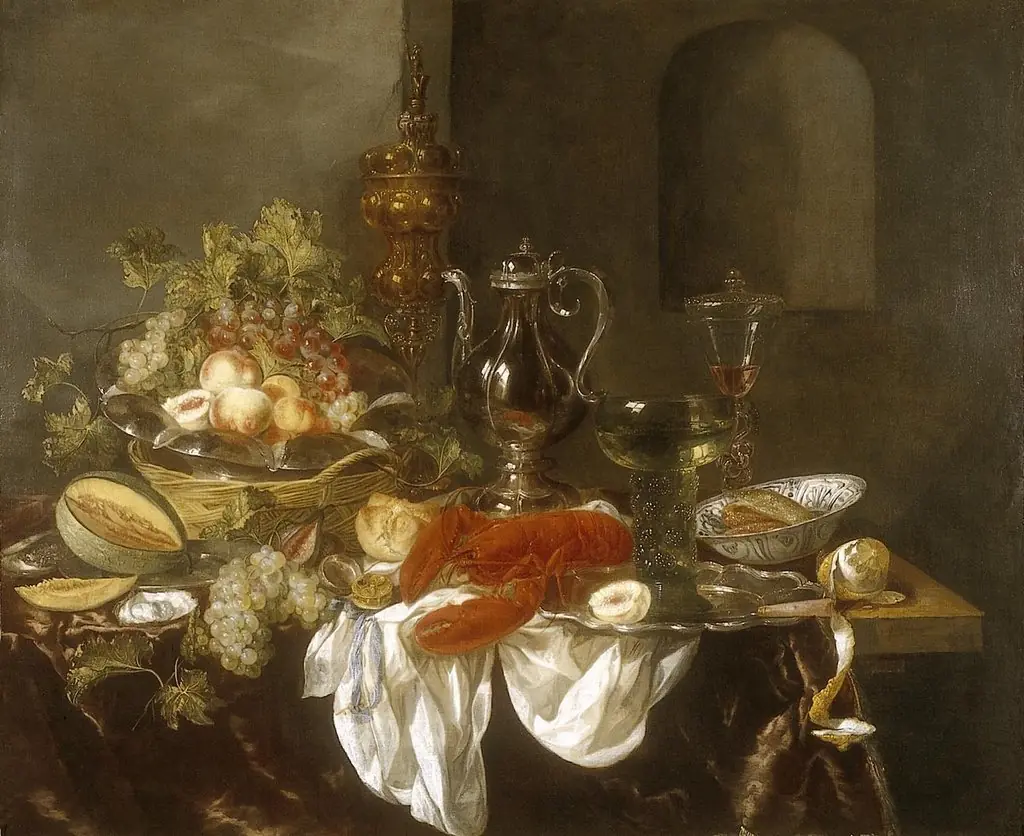
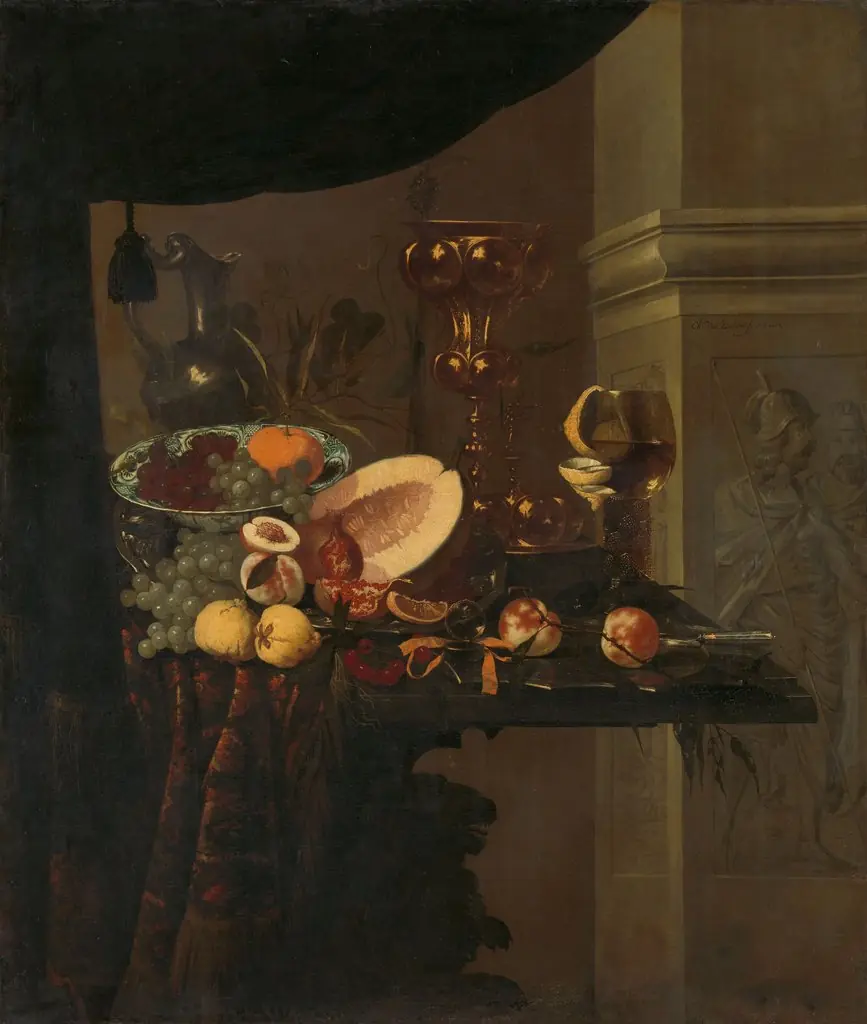
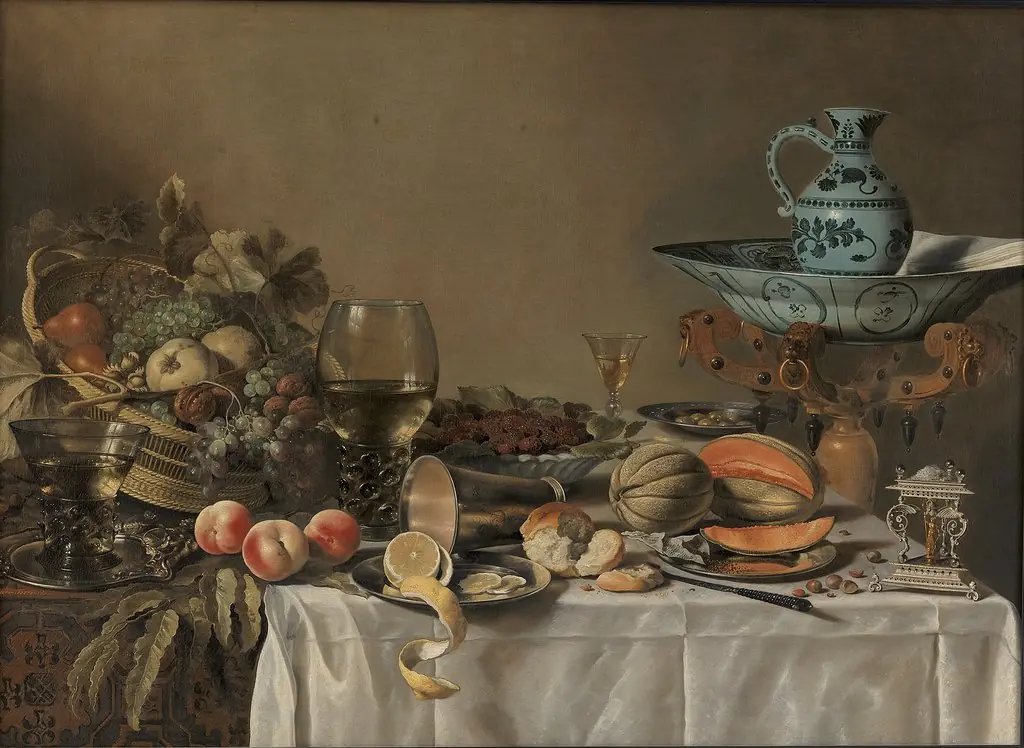
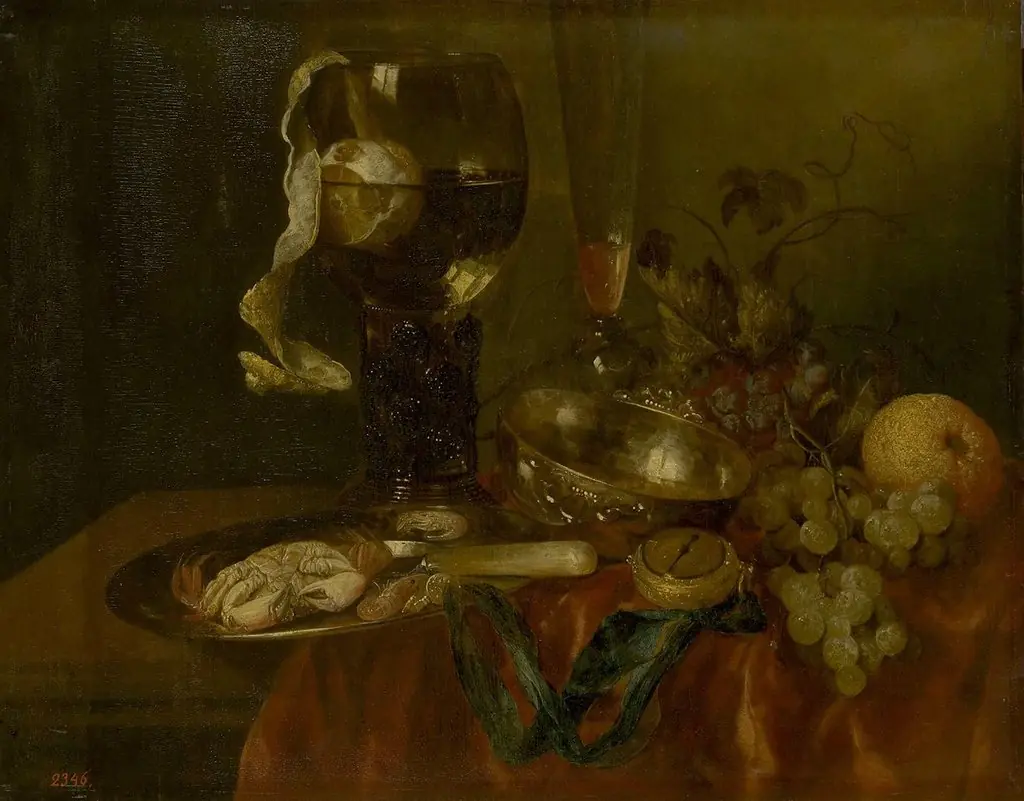
The painting depicts a modest tabletop still life arranged on a draped cloth: a glass rummer (a form of drinking vessel), a wine glass, a metal pitcher, an apple, and a knife.
In Northern European still-life tradition, these objects carry layered meanings. Tumblers and glass vessels often symbolize the fleeting nature of life and the transience of pleasure, while the knife and apple can evoke both abundance and the imminence of decay. The inclusion of a metal pitcher and glassware also signals domestic comfort and hospitality, common motifs in mid-seventeenth-century Dutch and Flemish still lifes.
Technique & Style
The work is executed in oil on canvas. As a Northern European still life, its arrangement of glass vessels, a metal pitcher, fruit, and a knife on a draped cloth reflects the restrained, near-monochrome banketje manner associated with Pieter Claesz, built on a subdued palette of ochres, browns, and silvery whites. The contrast between translucent glass and reflective metal and the matte textures of the tablecloth and fruit underscores the still life's vanitas theme. Specific conservation details are not documented in the available records.
History & Provenance
The painting was created in 1646 by Pieter Claesz, though some records also associate it with Roelof Koets and Cornelis Kruys. It entered the collection of Barthold Suermondt before being acquired by the Gemäldegalerie Berlin, where it remains. The provided sources do not list specific accession numbers or a detailed exhibition history for this work.
Overview
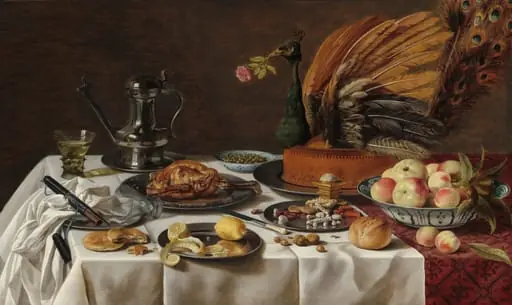
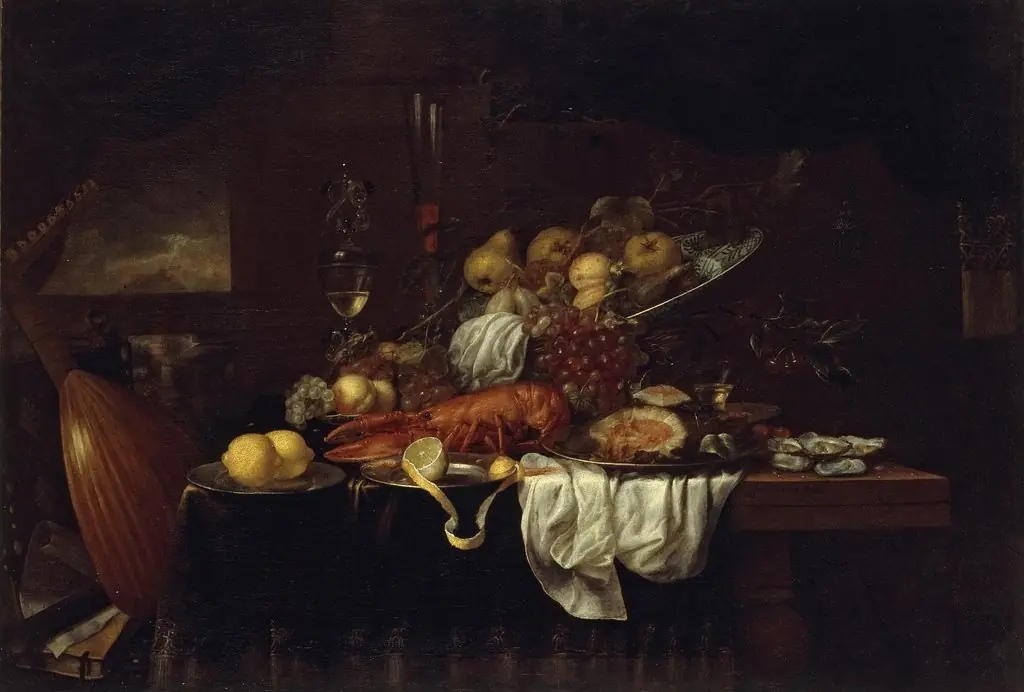
Pieter Claesz’s 1646 oil painting, Still Life with Tumblers and Fruit, presents a modest banquet scene rendered on a table draped in a plain white cloth. The composition includes two glass vessels, one filled with a deep red liquid, a silver pitcher, a partially consumed tart, a knife, a loaf of bread, a peeled lemon, and a generous spill of pears, apples and grapes that tumble over the table’s edge. The work is part of the Gemäldegalerie’s collection in Berlin.
Context
During the Dutch Golden Age, still‑life paintings served both decorative and moral purposes, often incorporating symbolic elements. Claesz, a leading figure in this genre, frequently depicted modest tablescapes that emphasized the skillful observation of everyday objects, aligning with contemporary tastes for realism and quiet domestic scenes.
Own this work as a print
Artist & collection