Artwork
Perseus and Andromeda. Allegory of the liberation of the Netherlands by Prince Frederik Hendrik
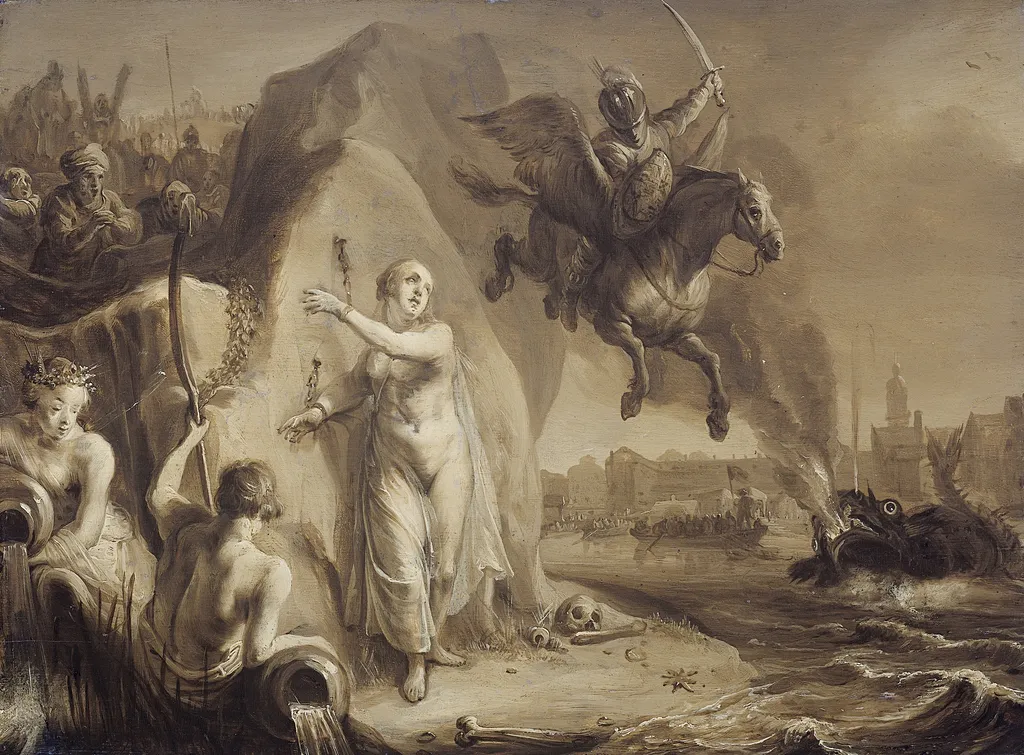
Perseus and Andromeda. Allegory of the liberation of the Netherlands by Prince Frederik Hendrik is an oil painting by the Dutch Golden Age artist Pieter Symonsz Potter. It dates from 1642 and is held in the collection of the Rijksmuseum.
About this work
Subject & Meaning
The narrative of the hero freeing the chained maiden symbolizes the deliverance of the Dutch Republic under the leadership of Prince Frederik Hendrik.
Created in 1642 by Pieter Symonsz Potter, this oil painting on panel functions as a complex allegory rather than a simple mythological scene. While the primary visual subject depicts the classical rescue of Andromeda by Perseus, the work serves as a political metaphor for the liberation of the Netherlands. The narrative of the hero freeing the chained maiden symbolizes the deliverance of the Dutch Republic under the leadership of Prince Frederik Hendrik.
By mapping the ancient myth onto contemporary history, the artist transforms the artwork into a celebration of Dutch independence and the specific military or political achievements of the prince during that era.
Technique & Style
The work is an oil painting on panel, measuring 29.2 by 38.8 cm. Created in 1642, it belongs to the allegorical genre, depicting the mythological rescue of Andromeda by Perseus as a political allegory celebrating Prince Frederik Hendrik's liberation of the Netherlands. The compact dimensions and oil-on-panel support are consistent with Dutch Golden Age cabinet painting practices of the period.
History & Provenance
The painting Perseus and Andromeda. Allegory of the liberation of the Netherlands by Prince Frederik Hendrik by Pieter Symonsz Potter is held in the collection of the Rijksmuseum in Amsterdam. It is also associated with the Gebruder Douwes collection.
The work, created in 1642, is an oil painting on panel measuring 29.2 cm in height and 38.8 cm in width. No specific inventory number or detailed exhibition history is provided in the available sources.
Context
The painting was created in 1642 by Pieter Symonsz Potter, a Dutch artist active during the Golden Age, and was intended as an allegory celebrating the liberation of the Netherlands led by Prince Frederik Hendrik. It depicts the mythological scene of Perseus and Andromeda, merging classical narrative with contemporary political symbolism. Over time, the work has been studied for its blend of allegorical content and its role within Dutch historical painting, reflecting the era's artistic engagement with national identity and republican ideals.
Scholars have examined its stylistic connections to contemporary Dutch art while emphasizing its unique fusion of mythological subject matter and civic symbolism.
Overview
Pieter Symonsz Potter’s 1642 oil canvas, titled Perseus and Andromeda. Allegory of the liberation of the Netherlands by Prince Frederik Hendrik, portrays a mythic rescue scene set against a turbulent sea. The composition centers on the captive Andromeda chained to a rock and the heroic Perseus, mounted on Pegasus, brandishing a sword as he confronts a sea monster. Spectators on a distant shore observe the drama, linking the classical narrative to a contemporary political message.
Own this work as a print
Artist & collection

- Queen Zenobia before the Emperor Aurelian
 The Martyrdom of St. James and St. Christopher
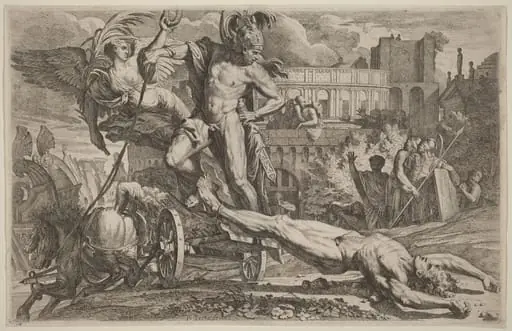 Achilles Dragging the Body of Hector
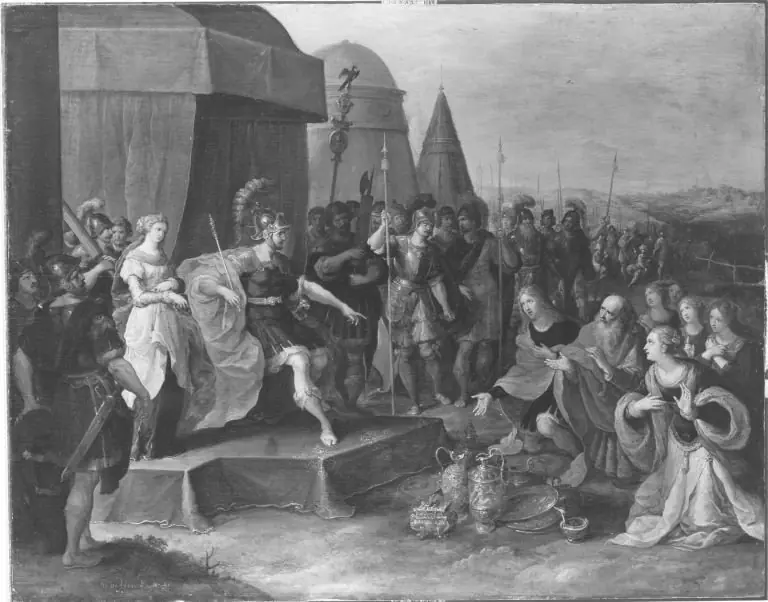 Enthaltsamkeit des Scipio
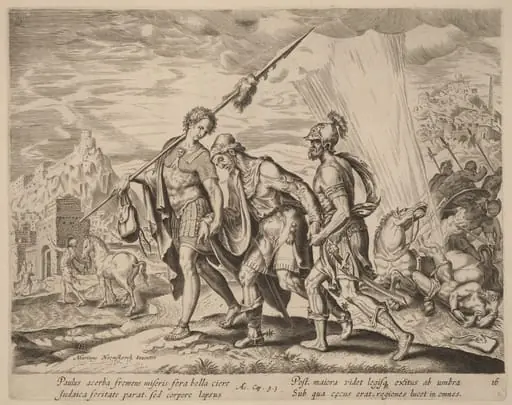 The Conversion of Saint Paul
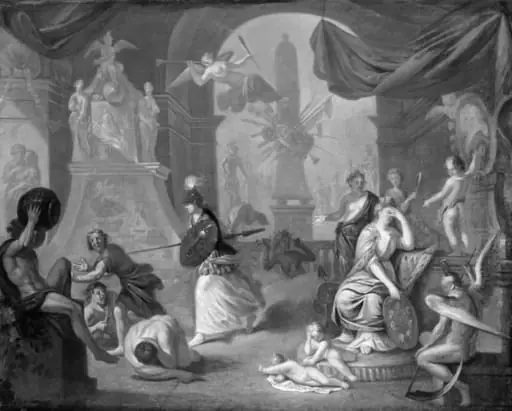 An Allegory
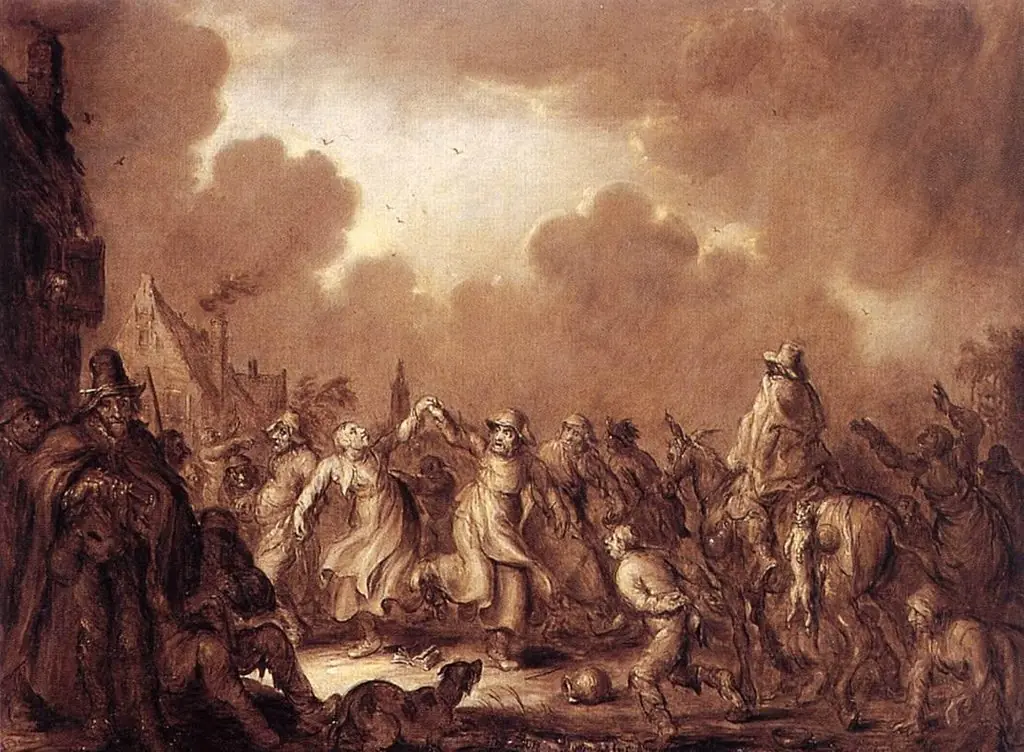 Fools Have the Most Fun
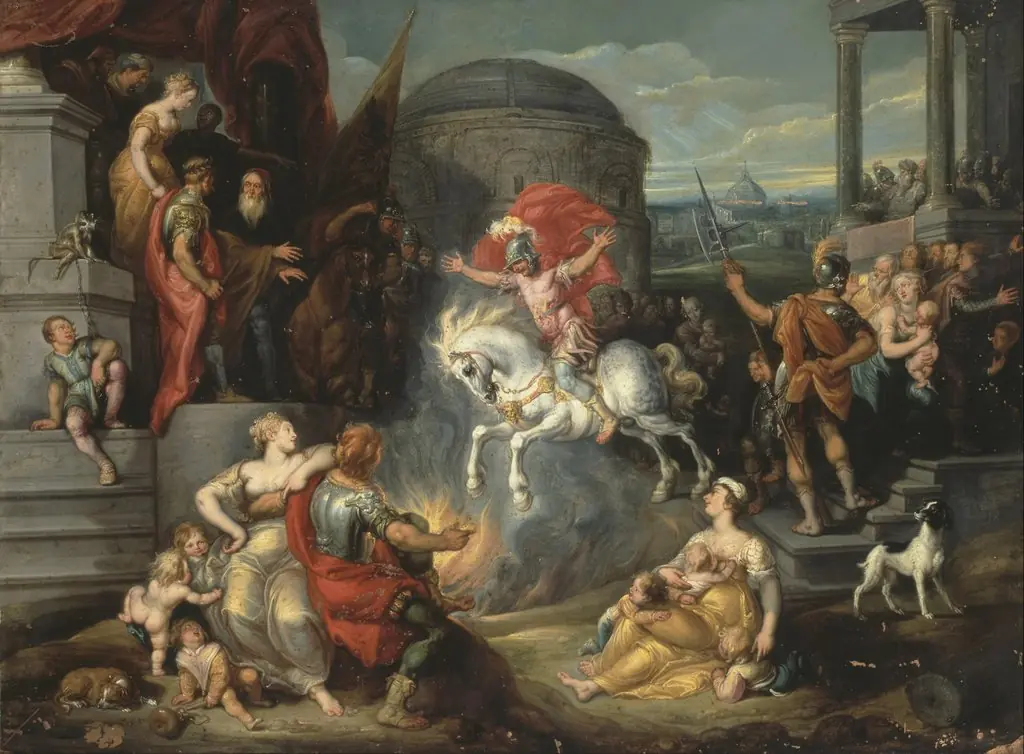 Feat of Marcus Curtius
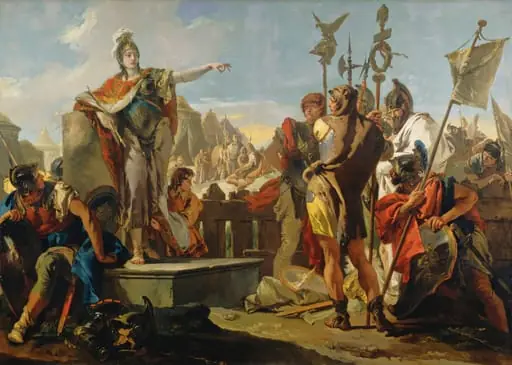 Queen Zenobia Addressing Her Soldiers
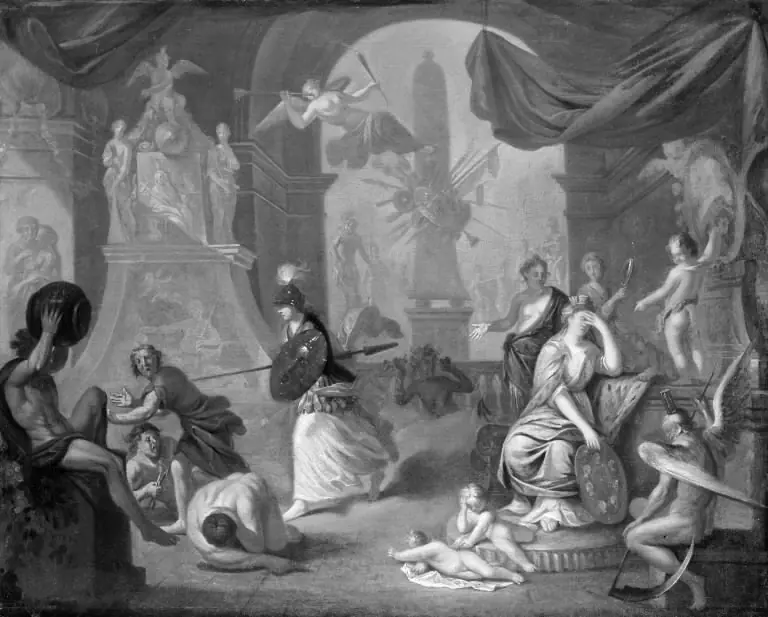 An Allegory
 Achilles Dragging the Body of Hector
 King Jeroboam Making Sacrifice to the Golden Calf (Jeroboam's Sin)