Artwork
Portrait of Christiaan Everhard Vaillant, Refiner of Salpeter, Water Board Member for De Beemster, Director of the Import and Export Rights and Member of the Marine Committee
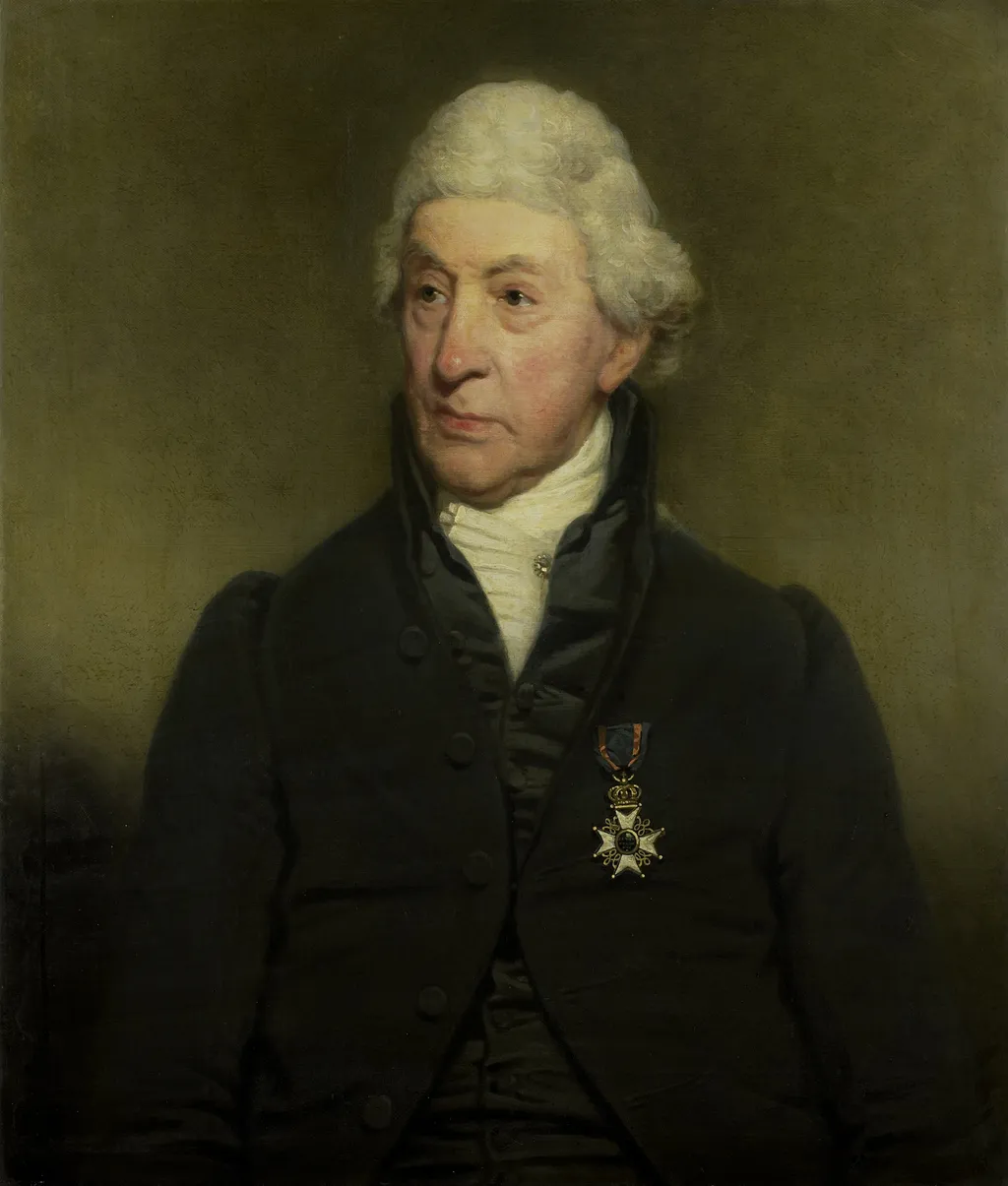
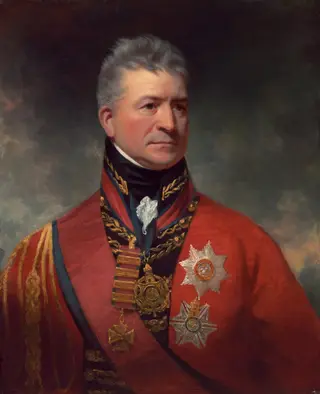
Portrait of Christiaan Everhard Vaillant, Refiner of Salpeter, Water Board Member for De Beemster, Director of the Import and Export Rights and Member of the Marine Committee is an oil painting by the Biedermeier artist Charles Howard Hodges. It dates from 1820 and is held in the collection of the Rijksmuseum.
About this work
Subject & Meaning
His status as a public official is reinforced by the dignified composition and formal attire typical of early nineteenth‑century portraiture.
The portrait shows Christiaan Everhard Vaillant, a prominent Dutch official who served as a refiner of salt, member of the water board for De Beemster, director of import and export rights, and participant in the marine committee. His status as a public official is reinforced by the dignified composition and formal attire typical of early nineteenth‑century portraiture. The work was painted by Charles Howard Hodges in 1820 and is housed in the Rijksmuseum, where it remains on display.
Technique & Style
The portrait is an oil painting executed on canvas, a standard support for early nineteenth-century European portraiture. According to the cataloguing data, the work measures 73 cm in height by 61 cm in width, giving it a modest upright format suited to a single-figure bust- or half-length composition. The medium is recorded as oil paint, consistent with Hodges's broader practice as a portraitist working in the Dutch tradition of the period.
No source addresses the painting's handling, brushwork, surface condition, or stylistic qualities in detail, so those aspects cannot be characterised here.
History & Provenance
Charles Howard Hodges painted this portrait in 1820. The work depicts Christiaan Everhard Vaillant, whose titles as refiner of salpeter, water board member for De Beemster, director of import and export rights, and member of the marine committee are recorded in the painting's full title. The canvas measures 73 by 61 cm. The painting is held in the collection of the Rijksmuseum.
The portrait is held in the collection of the Rijksmuseum, Amsterdam, where it is recorded with inventory number SK-C-1941.
It has been exhibited at the Rijksmuseum as part of its permanent display of Dutch portraits from the early 19th century.
Legacy
The portrait of Christiaan Everhard Vaillant, painted by Charles Howard Hodges in 1820, has been recognized for its detailed representation of a prominent Dutch civic figure and its technical skill in rendering texture and light. It is part of the Rijksmuseum's collection, where it is displayed as an example of early nineteenth-century Dutch portraiture and continues to inform scholarship on the Netherlands' mercantile elite. The work has influenced later depictions of civic leaders by emphasizing realistic characterization and the integration of symbolic attributes such as the refiner's tools.
Overview
Charles Howard Hodges, an English-born artist who worked in the Netherlands, painted this oil portrait in 1820. The canvas presents Christiaan Everhard Vaillant, a senior figure in the Dutch saltpeter industry and a municipal official involved in water management and trade oversight. The work is part of the Rijksmuseum’s collection.
Context
The early 19th century in the Netherlands saw a surge in portraiture of civic leaders, reflecting the nation’s emphasis on administrative competence after the Napoleonic era. Hodges, trained in the English tradition, adapted his style to Dutch tastes, producing works that balanced British portrait conventions with local Biedermeier sensibilities.
Own this work as a print
Artist & collection
Artist
Charles Howard Hodges (1764 – 24 July 1837) was an English painter active in the Netherlands during the late 18th and early 19th centuries.

 Portrait of Johan Fraser
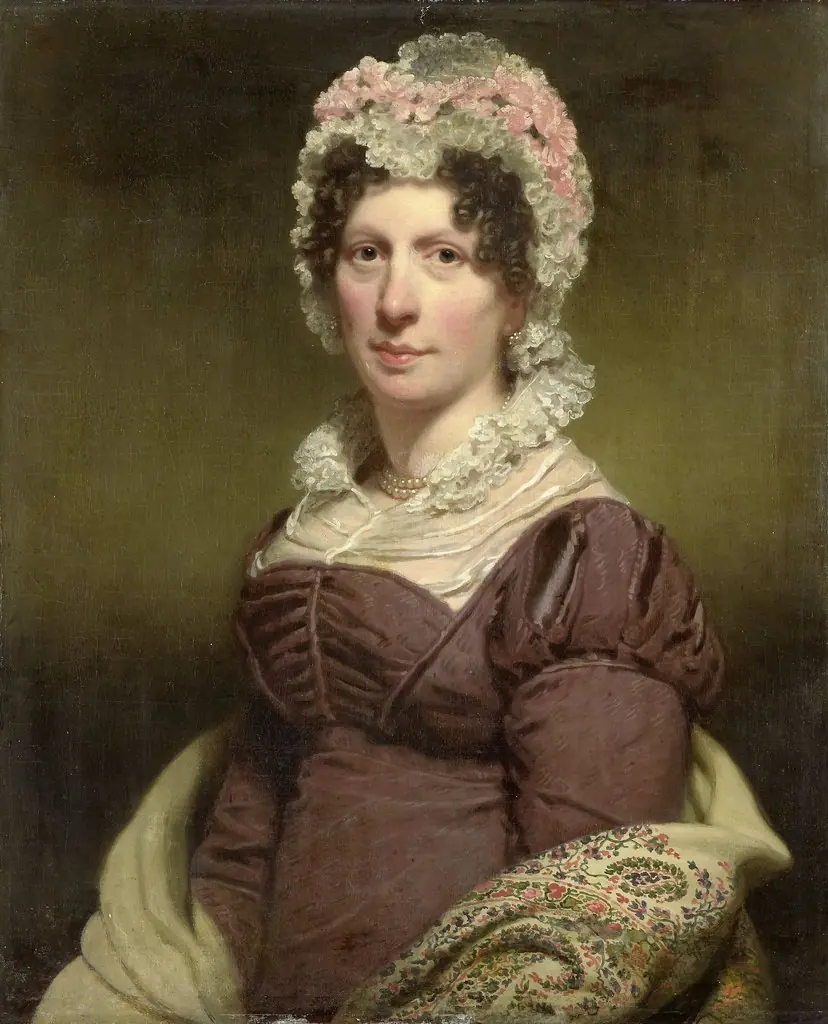 Portrait of a Woman
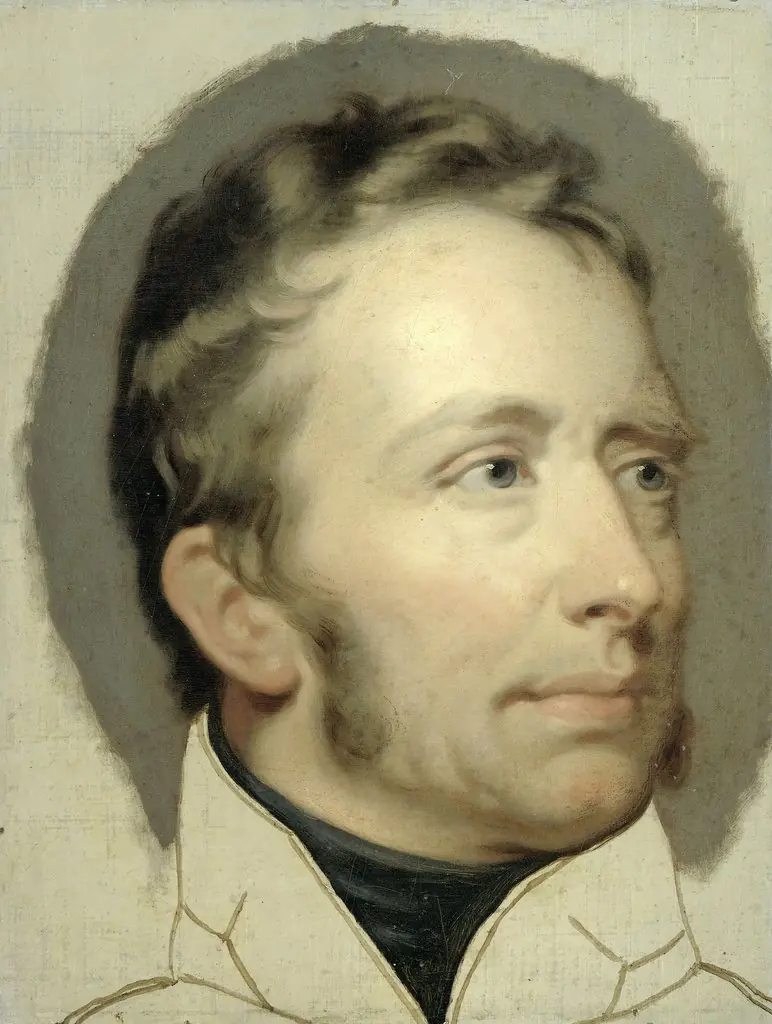 William I (1772-1843), King of the Netherlands
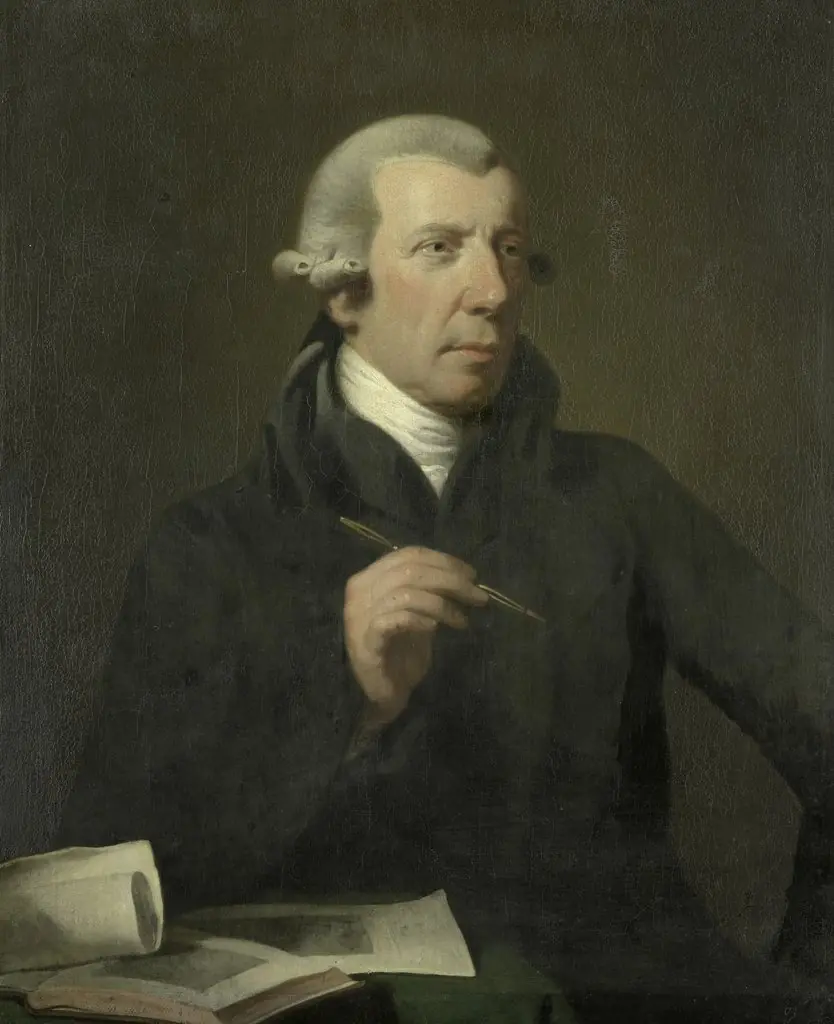 Portrait of Reinier Vinkeles, Draftsman and Engraver
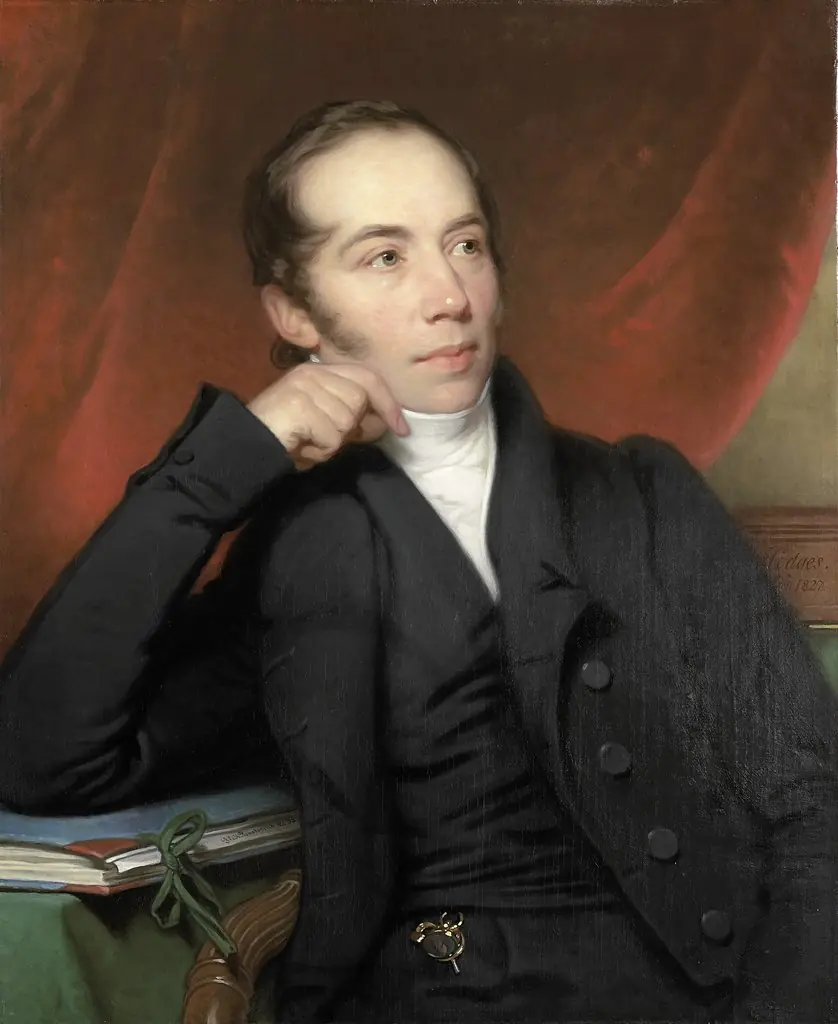 Portrait of Pieter Ernst Hendrik Praetorius, Broker, Draftsman and Painter. Chairman of the Board of the Rijksmuseum 1852-74
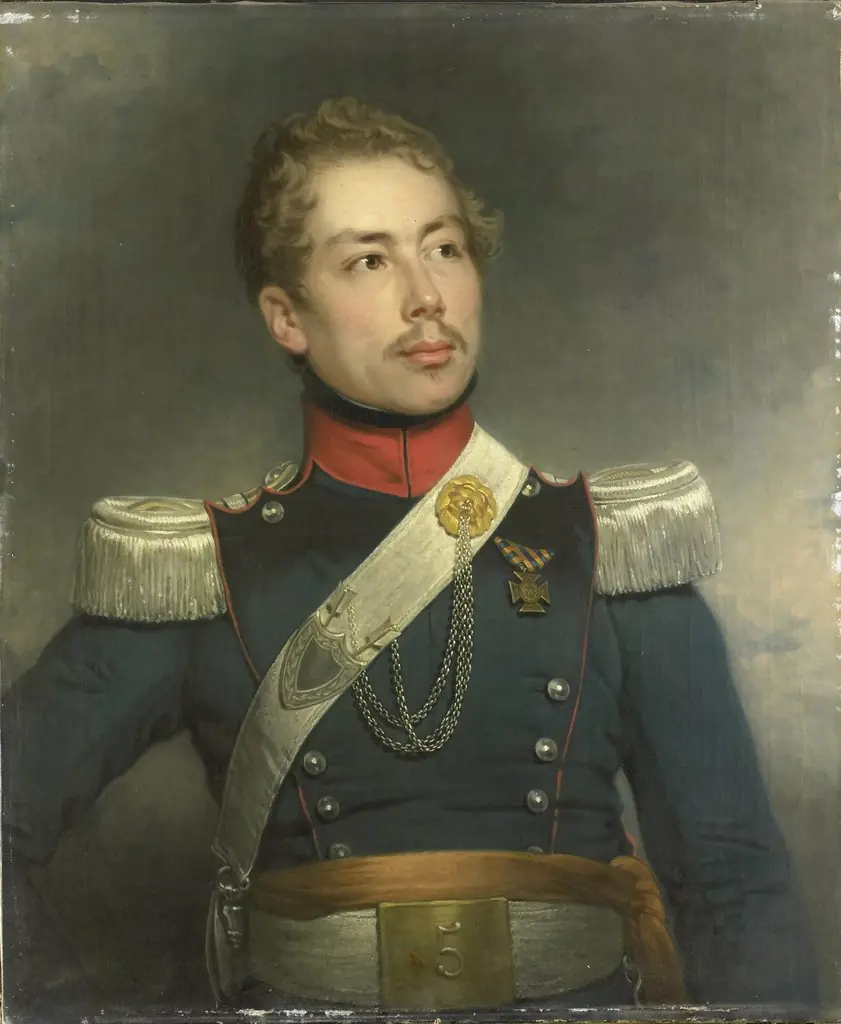 Portrait of Christian Edouard Fraser, Second Lieutenant of the 5th Regiment of the Dragoons
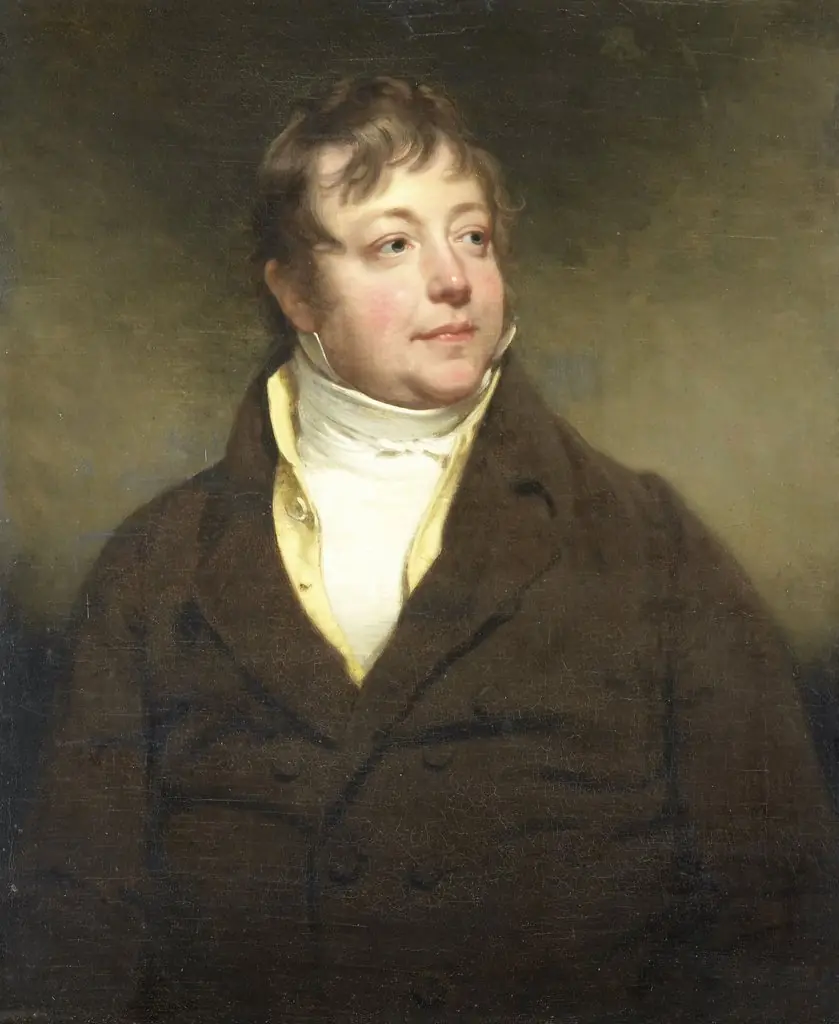 Portrait of a Man, perhaps J.W. Beynen
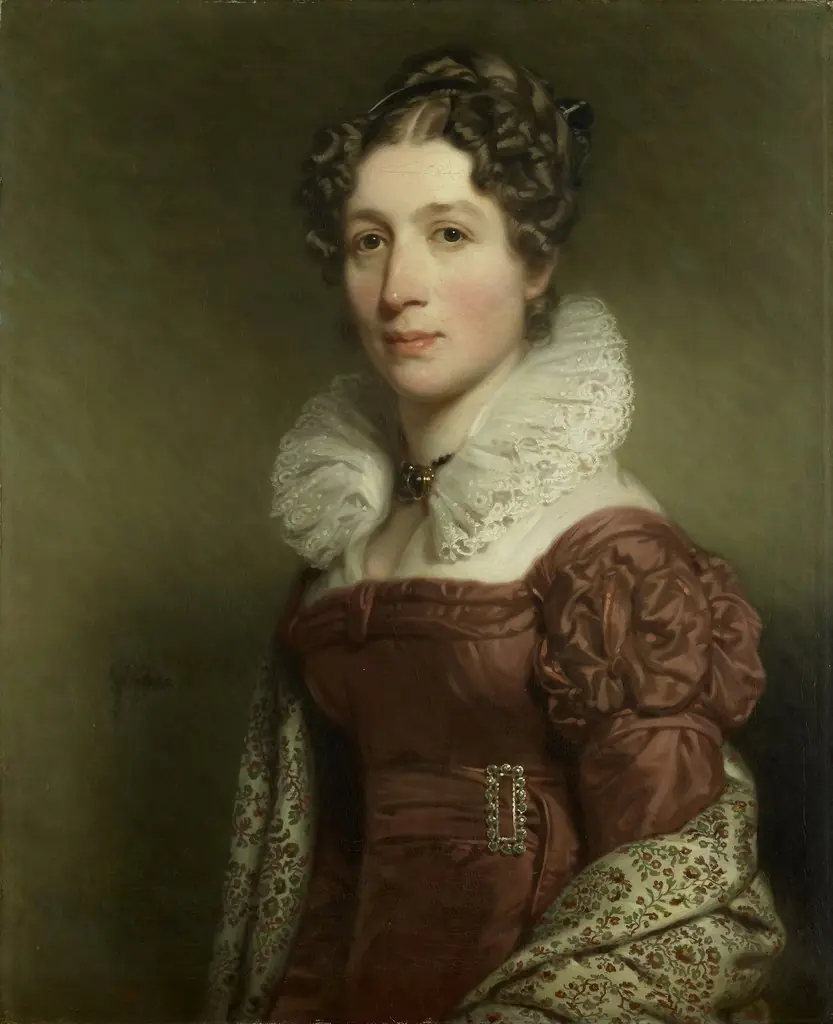 Portrait of Jacoba Vetter, Wife of Pieter Meijer Warnars, Bookseller in Amsterdam
- Portrait of Simon, 1st Earl Harcourt (1714-1777)
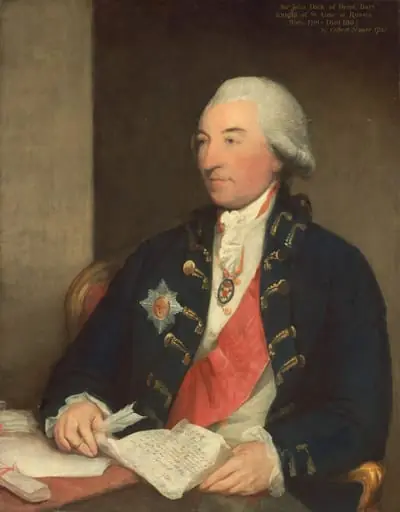 Sir John Dick
 Portrait of a Gentleman
 Portrait of the Artist
 Portrait of a Man
 Sir Frederick Augusta Barnard (1743–1830), Librarian to George III
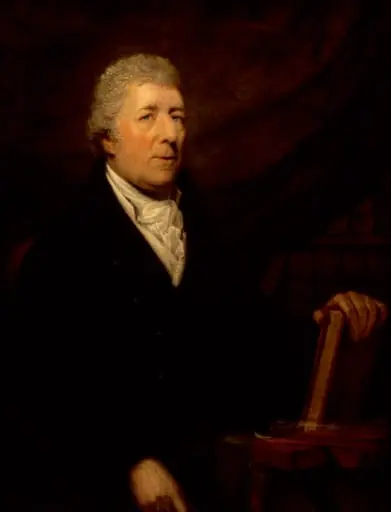 Francis Annesley
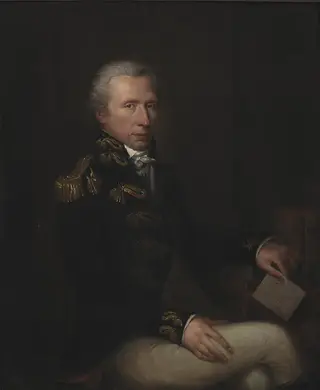 Portrait of the Collector Consul Hans West
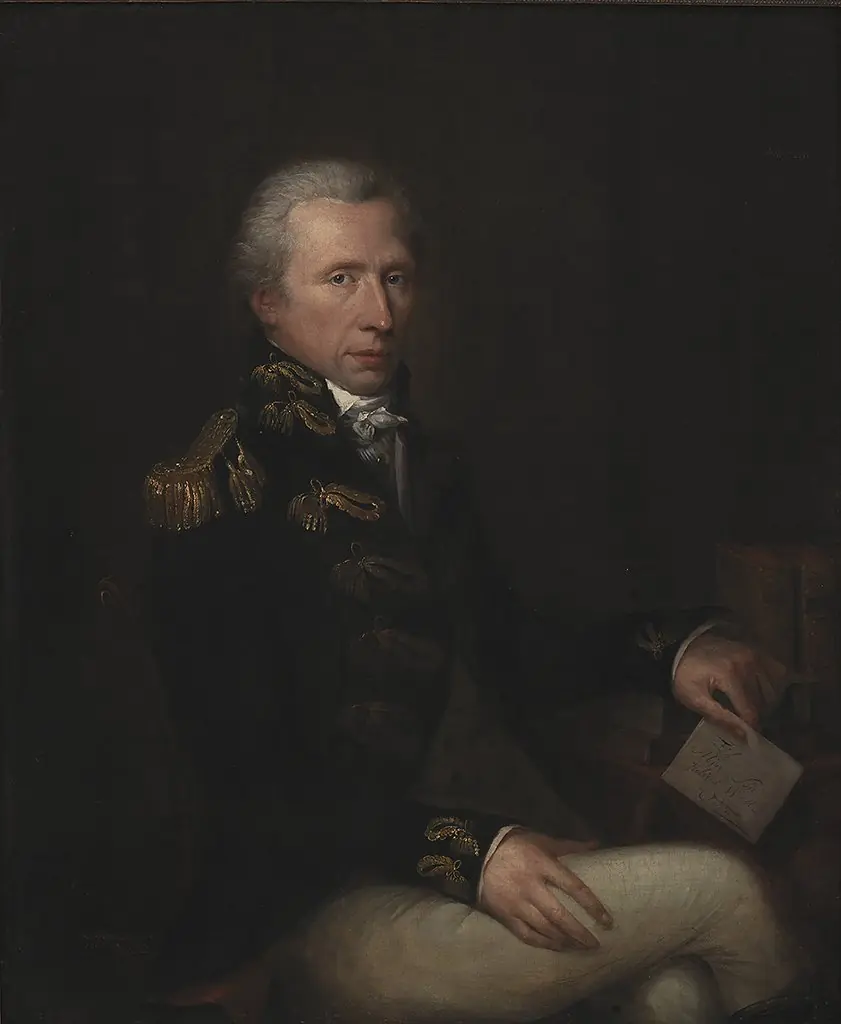 Portrait of the Collector Consul Hans West
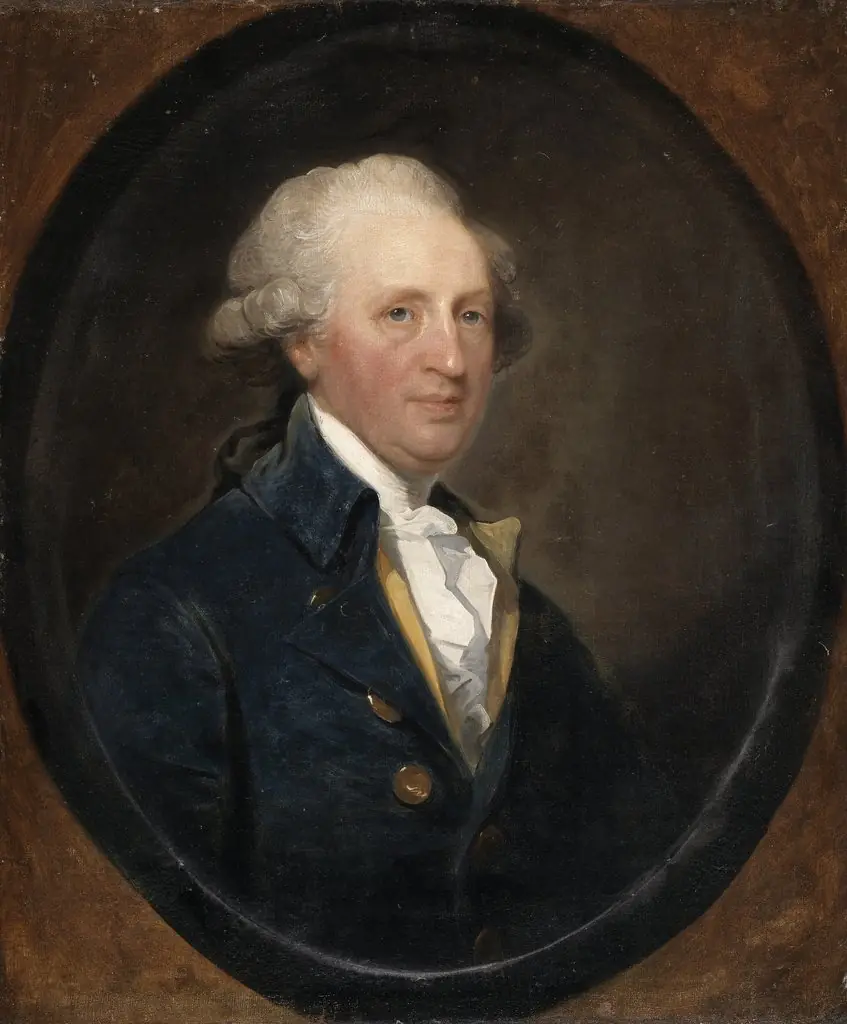 John Beresford (1738-1805), MP
 Lieutenant-General Sir Thomas Picton