Artwork
Portrait of an Historian
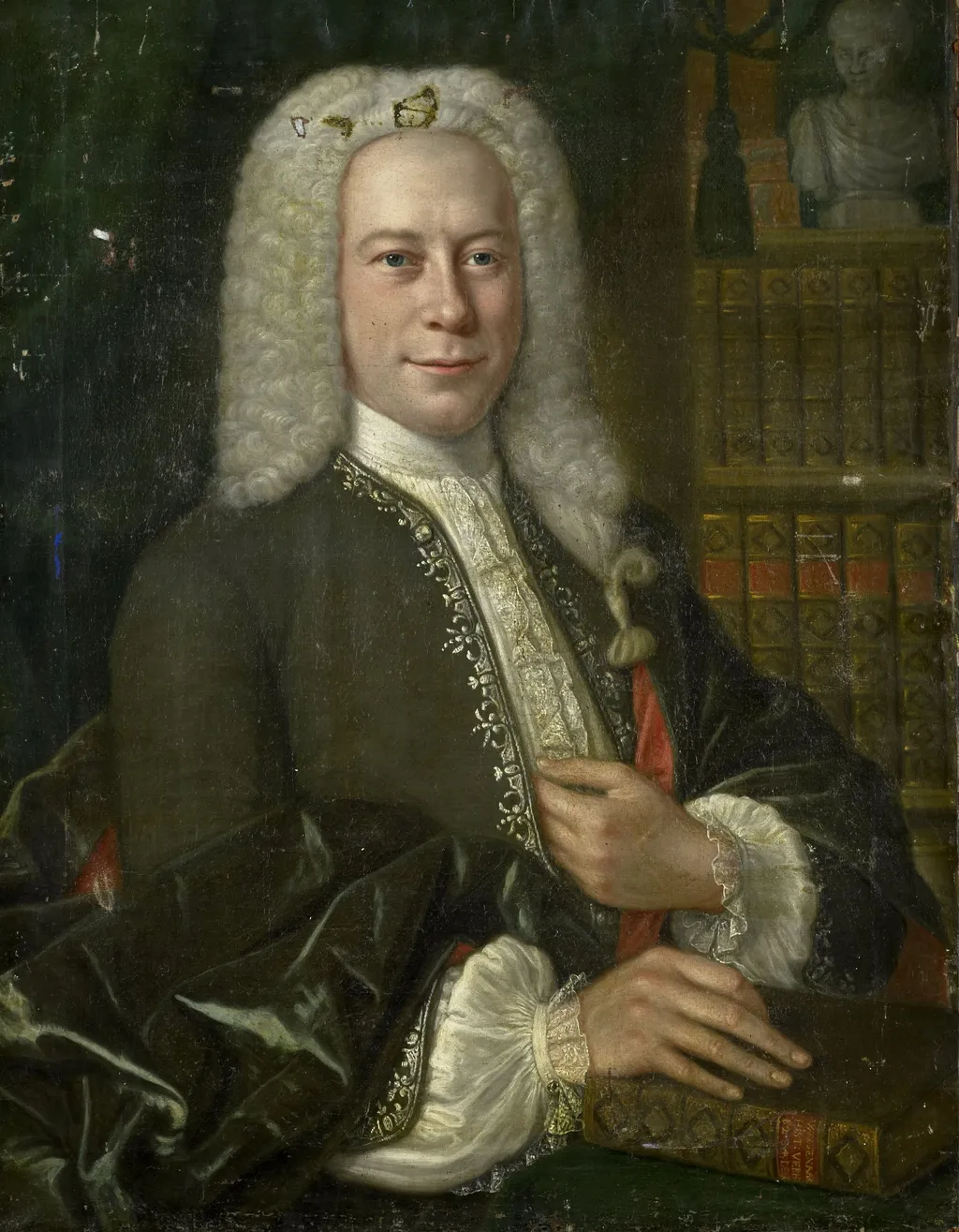
Portrait of an Historian is an oil painting. It dates from 1730 and is held in the collection of the Rijksmuseum. The work is an oil painting portraying a gentleman dressed in elaborate eighteenth‑century attire.
About this work
Technique & Style
These formal qualities contribute to its recognition as a significant example of early Dutch portrait painting.
The work is an oil painting on canvas, measuring 86.5 cm by 67.5 cm, created in the Northern Low Countries in 1730. It depicts a male historian in a style typical of 18th‑century portraiture, rendered with fine brushwork that emphasizes realistic facial detail and subtle chiaroscuro.
The surface bears a smooth finish, suggesting careful handling and preservation over centuries, while the composition balances formal pose with intimate expression, characteristic of the genre.
These formal qualities contribute to its recognition as a significant example of early Dutch portrait painting.
History & Provenance
Portrait of an Historian was created in 1730, executed in oil on canvas and produced in the Northern Low Countries. The work entered the collection of the Rijksmuseum, where it is currently held. No information is available regarding its original commission, the identity of the sitter, or any intermediate owners between its creation in 1730 and its acquisition by the museum.
The oil painting Portrait of an Historian, dated 1730, is held in the collection of the Rijksmuseum in the Netherlands. The work is executed on canvas and depicts a male subject. While the artist remains anonymous, the painting is part of the museum's permanent holdings.
Specific inventory or accession numbers are not provided in the available records. The provided sources do not contain information regarding a history of exhibitions for this specific artwork.
Context
The 1730 oil painting Portrait of an Historian was created in the Northern Low Countries and is housed in the Rijksmuseum collection according to its provenance. It has been described as an anonymous portrait in scholarly records and classified as a portrait genre work within the artist's oeuvre. The piece is examined within broader discussions of 18th-century Dutch portraiture and its role in shaping historical representation, situating it within the artist's development during this period.
Scholarship on the work engages with its stylistic analysis and iconographic interpretation, contributing to understandings of anonymity in historical portraiture. It is contextualized alongside other portraits from the era to explore themes of knowledge production and visual culture, reinforcing its significance within the trajectory of Western art history.
Legacy
Portrait of an Historian has been cited in scholarship as a representative example of 18th-century Dutch portraiture and continues to inform studies of anonymity in early modern art. Its compositional conventions are frequently referenced in surveys of Northern Low Countries painting, with the work often discussed alongside other anonymous portraits in Rijksmuseum collections. The painting’s stylistic analysis contributes to broader reassessments of authorship in anonymous works, particularly those dated to the 1730s.
Its dimensions of 86.5 cm × 67.5 cm remain standard reference points in technical examinations of canvas support and oil paint application.
Overview
The work is an oil painting portraying a gentleman dressed in elaborate eighteenth‑century attire. He wears a towering white wig, a dark coat edged with silver, and a white shirt, while a vivid red sash encircles his waist. One hand rests on the sash, the other holds a sheet of paper, and he is set against a backdrop of book‑filled shelves and a sculptural bust.
Subject & Meaning
The figure appears to be a scholar or historian, suggested by his scholarly dress, the paper in his hand, and the library setting. The red sash provides a striking accent that may denote rank or affiliation, while the surrounding books and bust reinforce an intellectual milieu, emphasizing the sitter’s connection to learning and historical inquiry.
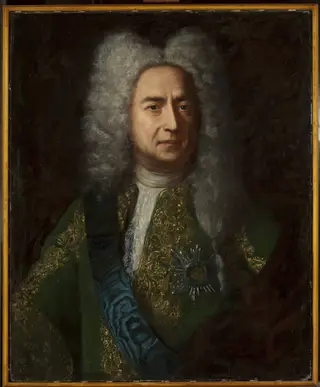
Artist & collection

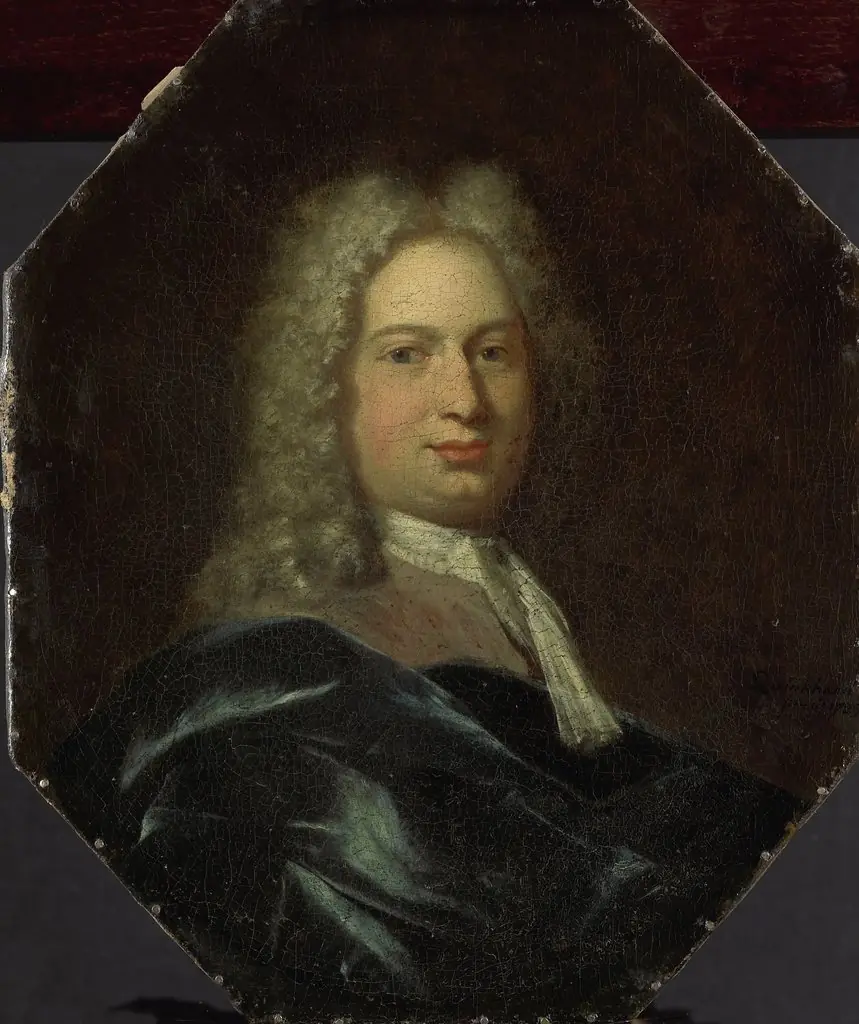 Portrait of Isaac Verburg, Rector of the Latin School in Amsterdam
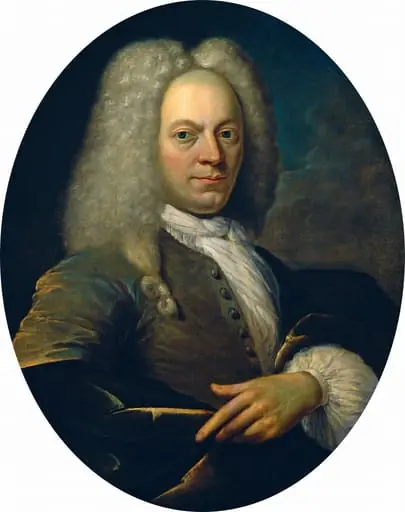 Isaac de Peyster (?)
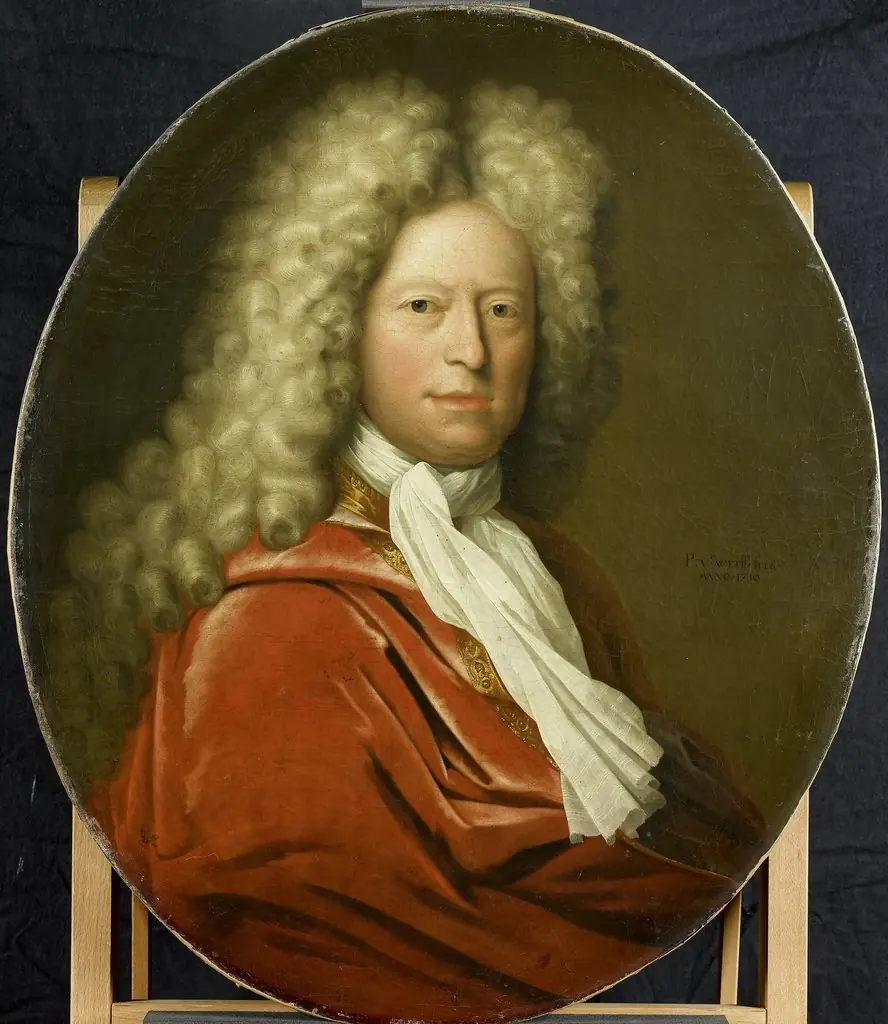 Portrait of Mr. Brust
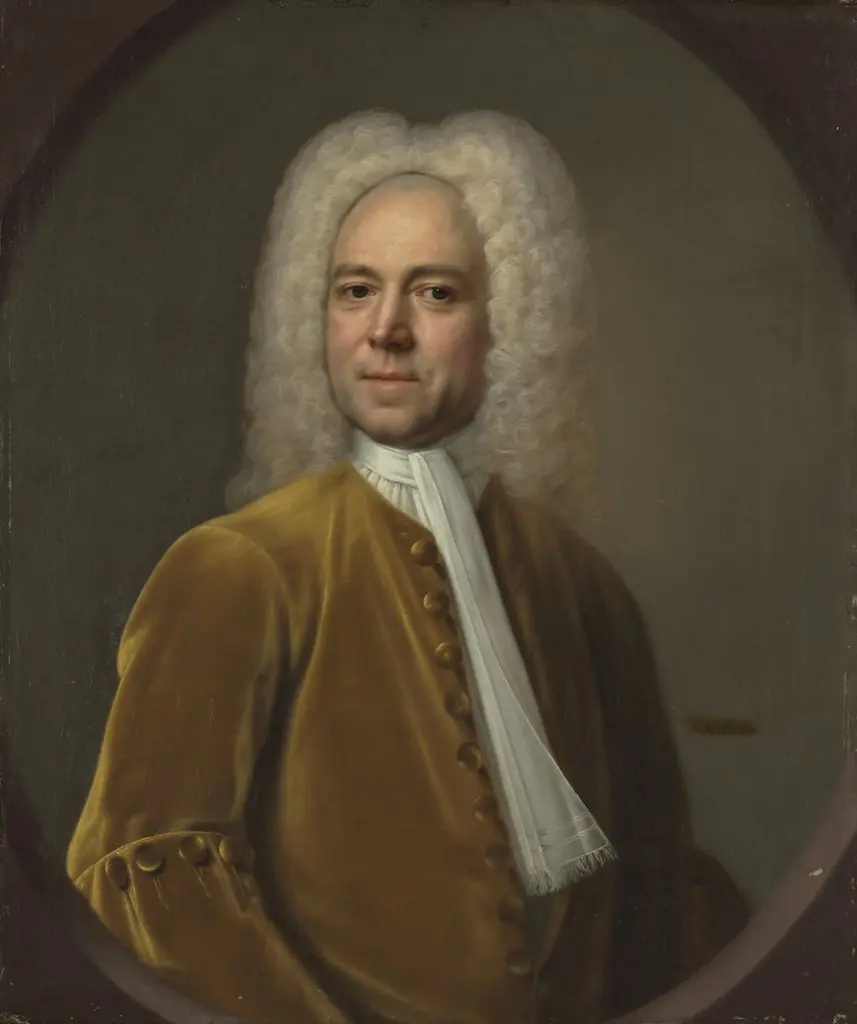 Portrait of a Man
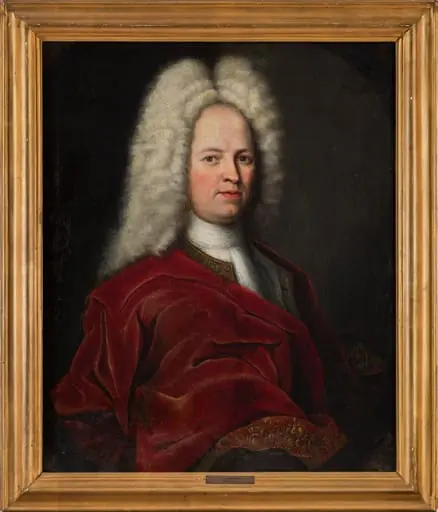 Valtiomies Georg Heinrich von Görtz
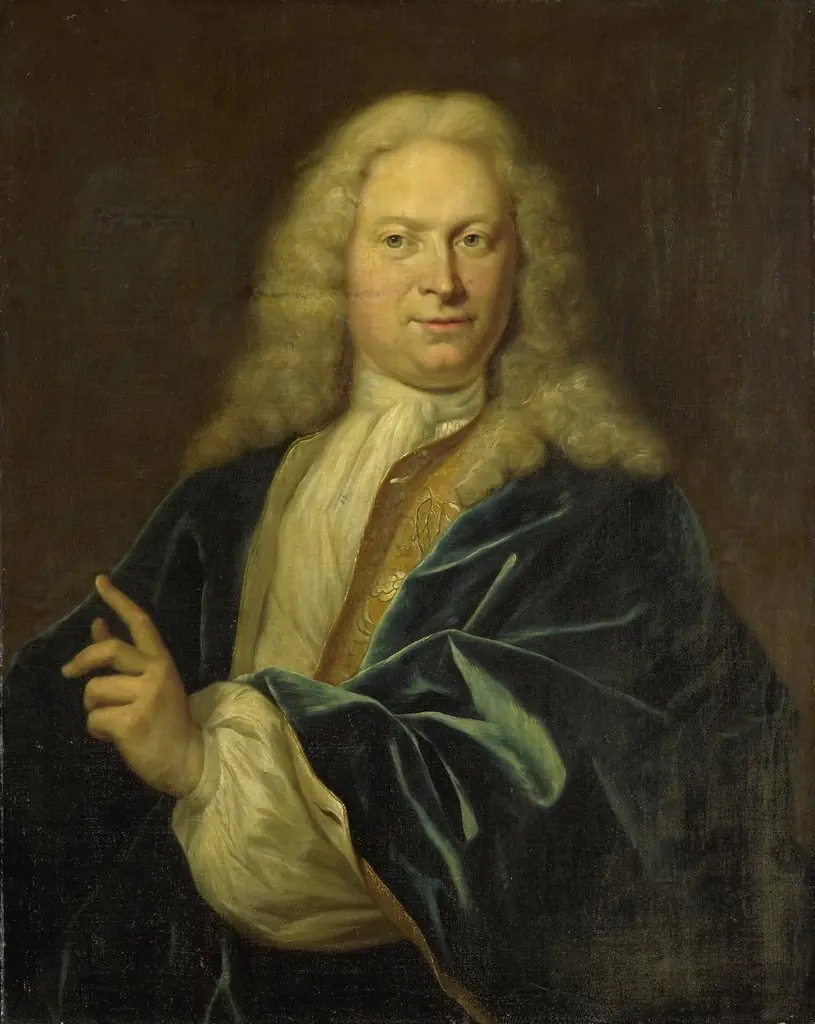 Portrait of Jan Hendrik van Heemskerck, Count of the Holy Roman Empire, Lord of Achttienhoven, Den Bosch and Eyndschoten, Captain of the Citizenry of Amsterdam (Johan Hendrik Graaf Van Heemskerk)
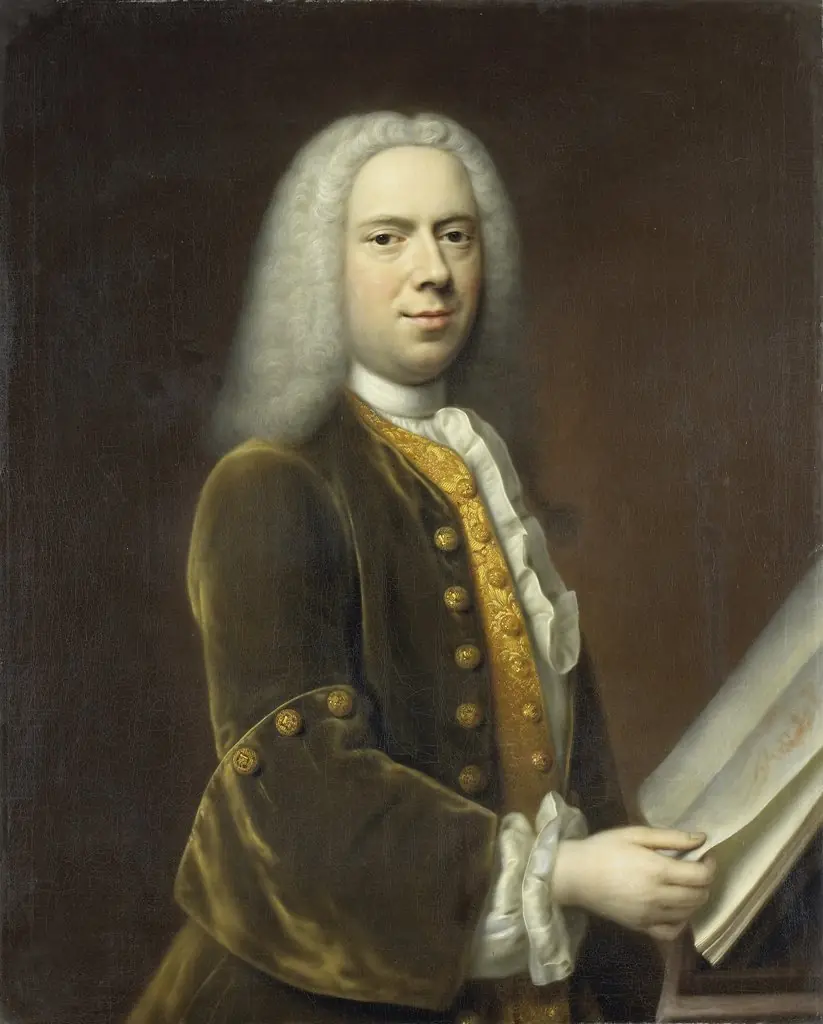 Portrait of a Man, probably Cornelis Troost
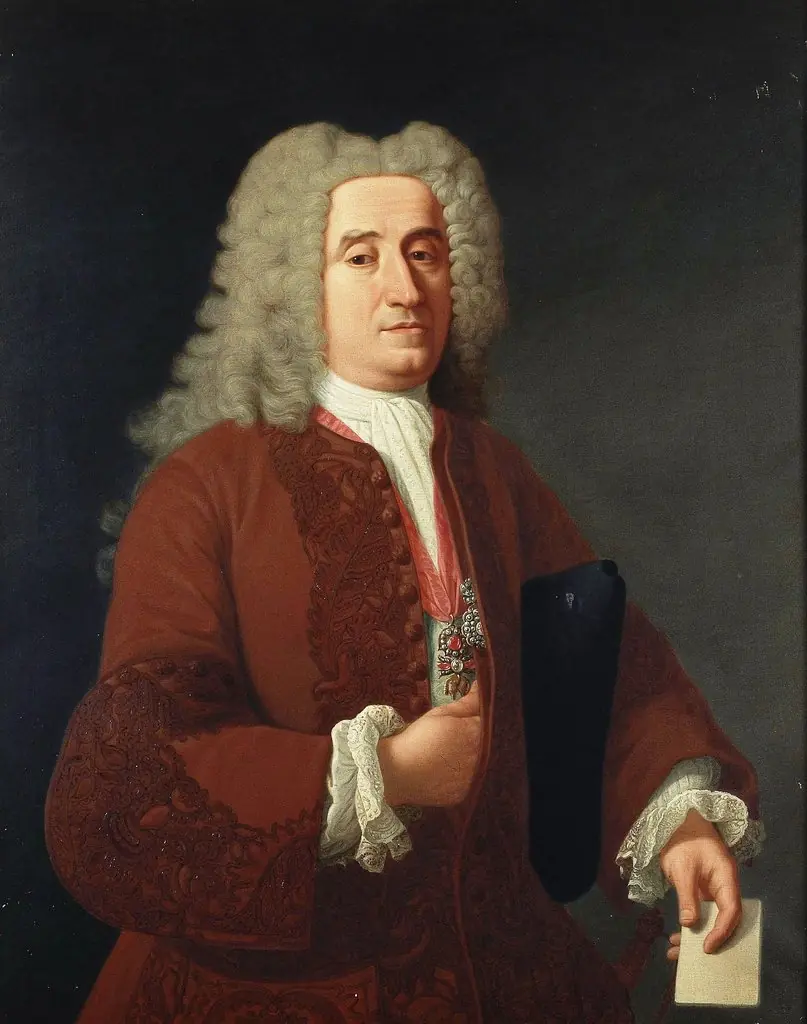 José Patiño Rosales
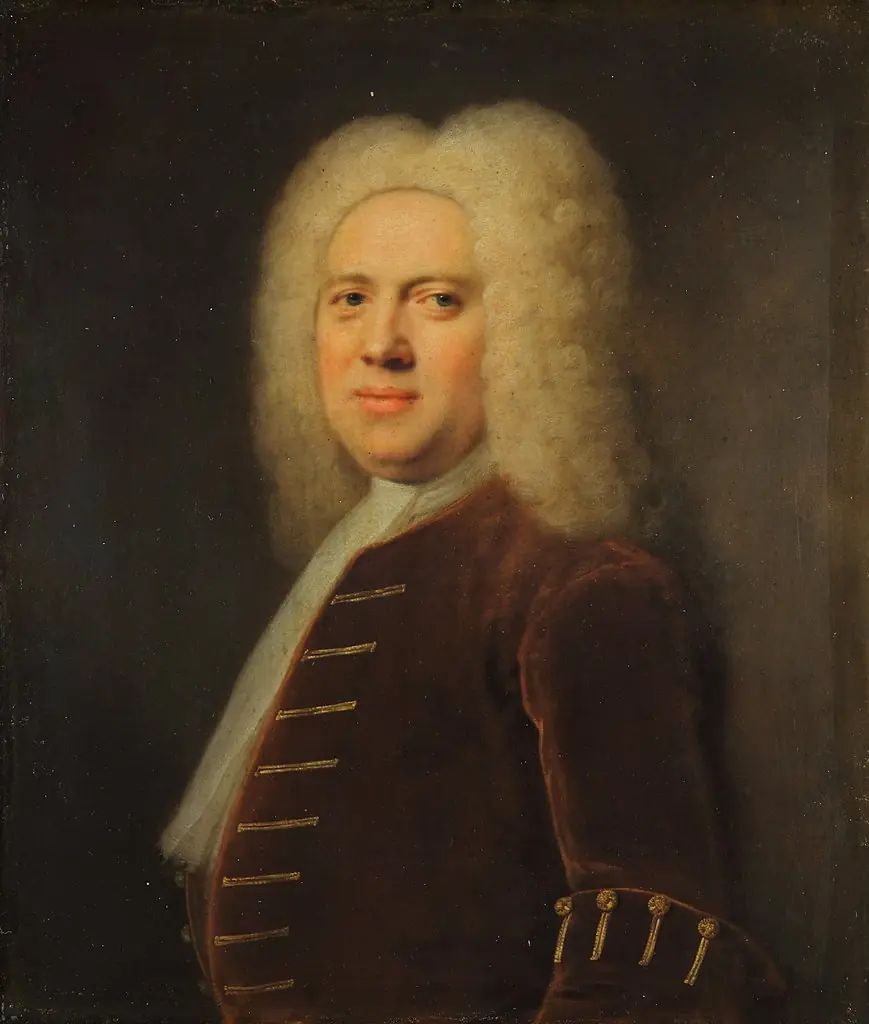 Self-Portrait
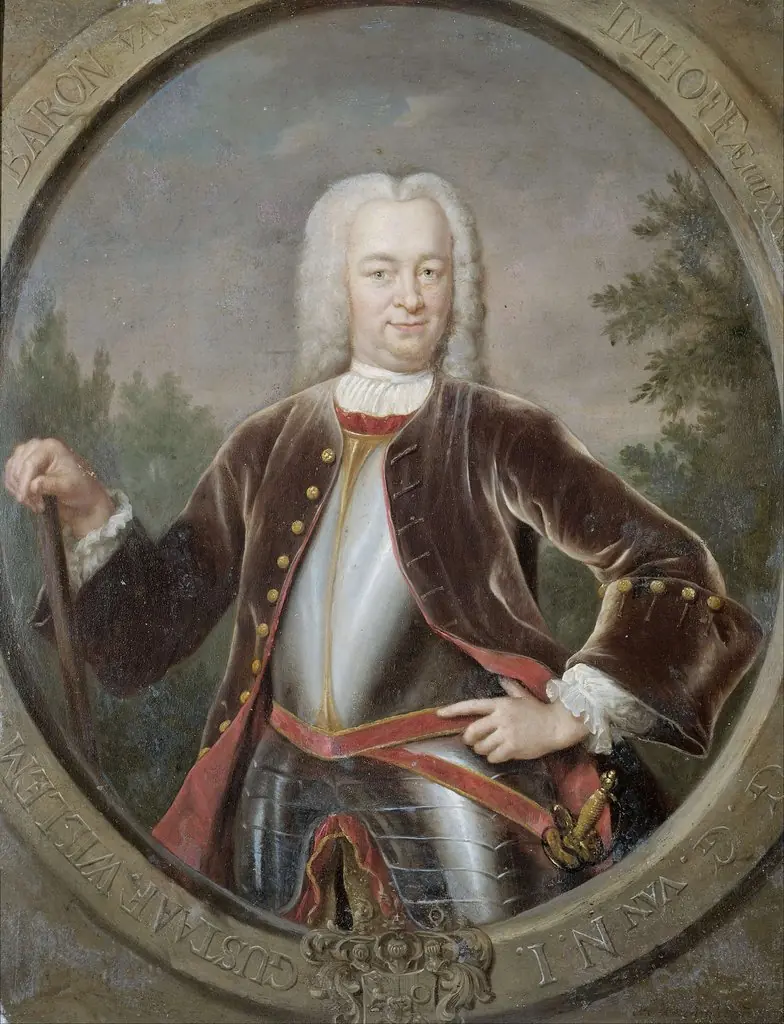 Portrait of Gustaaf Willem, Baron van Imhoff, Governor-General of the Dutch East India Company
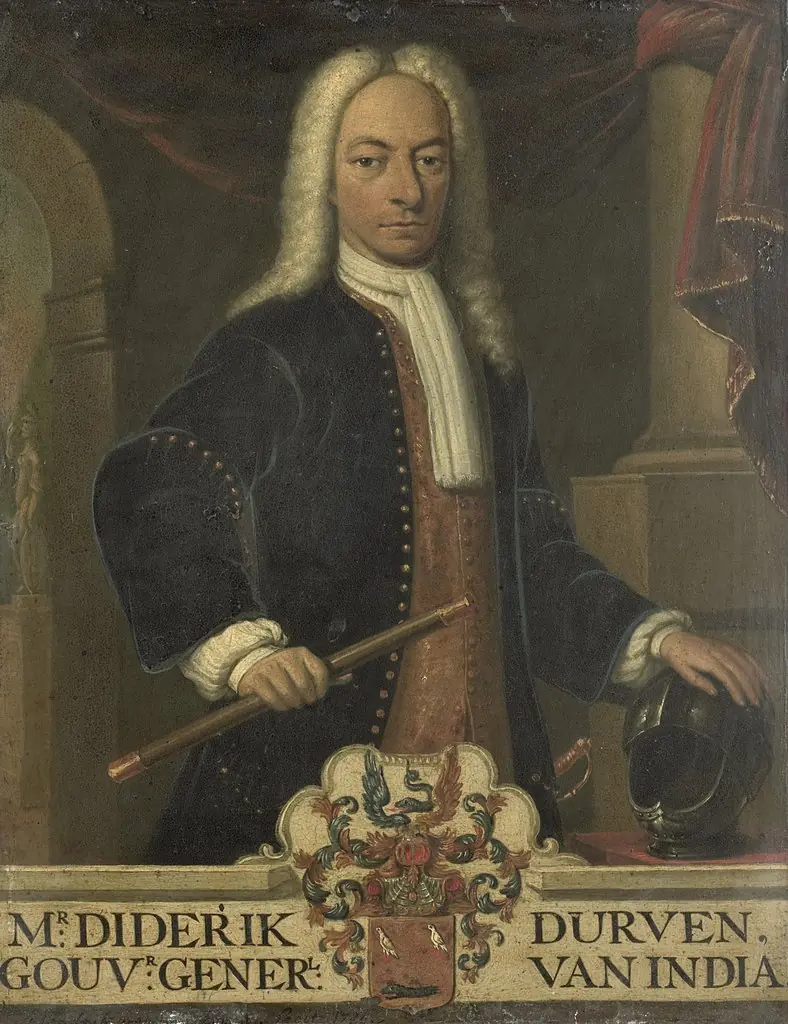 Portrait of Diederik van Durven (1676-1740)
- Portrait of an aristocrat