Artwork
Allegory of Coinage
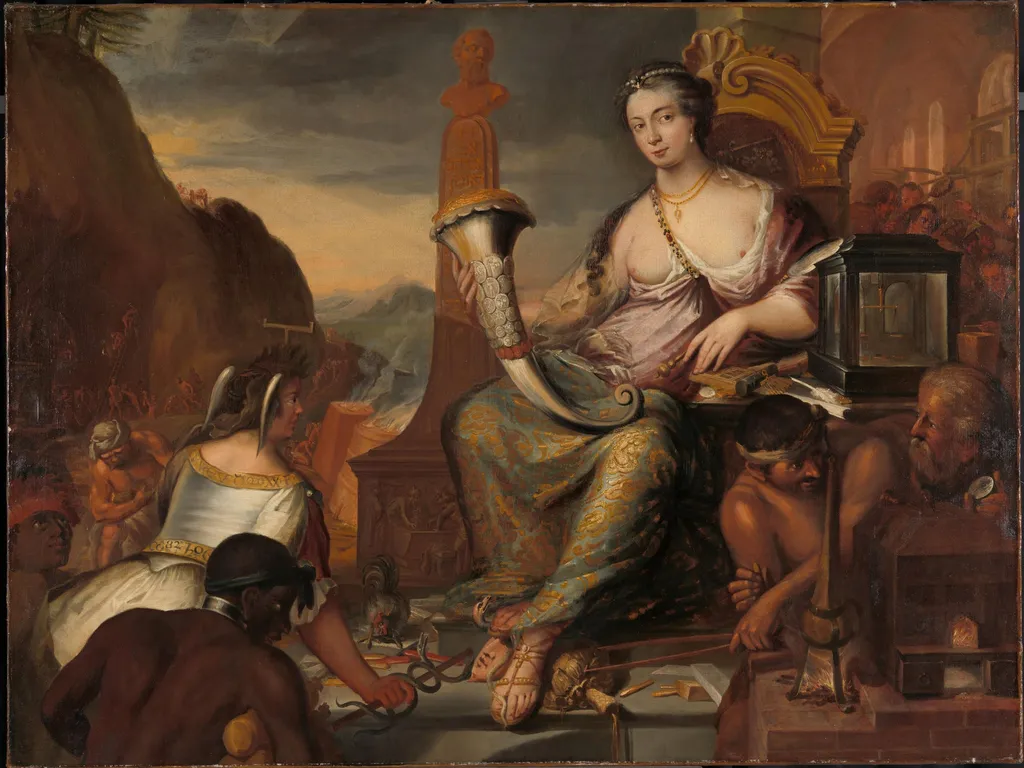
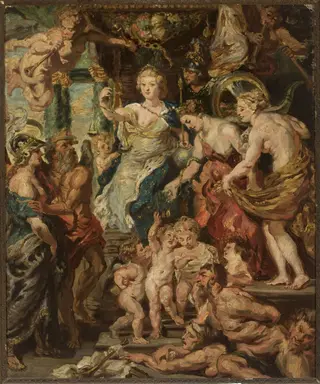
Allegory of Coinage is an unspecified painting by the Dutch Golden Age artist Romeyn de Hooghe. It dates from 1689 and is held in the collection of the Rijksmuseum. The canvas presents an allegorical scene centered on a throne occupied by a female figure embodying the concept of money.
About this work
Overview
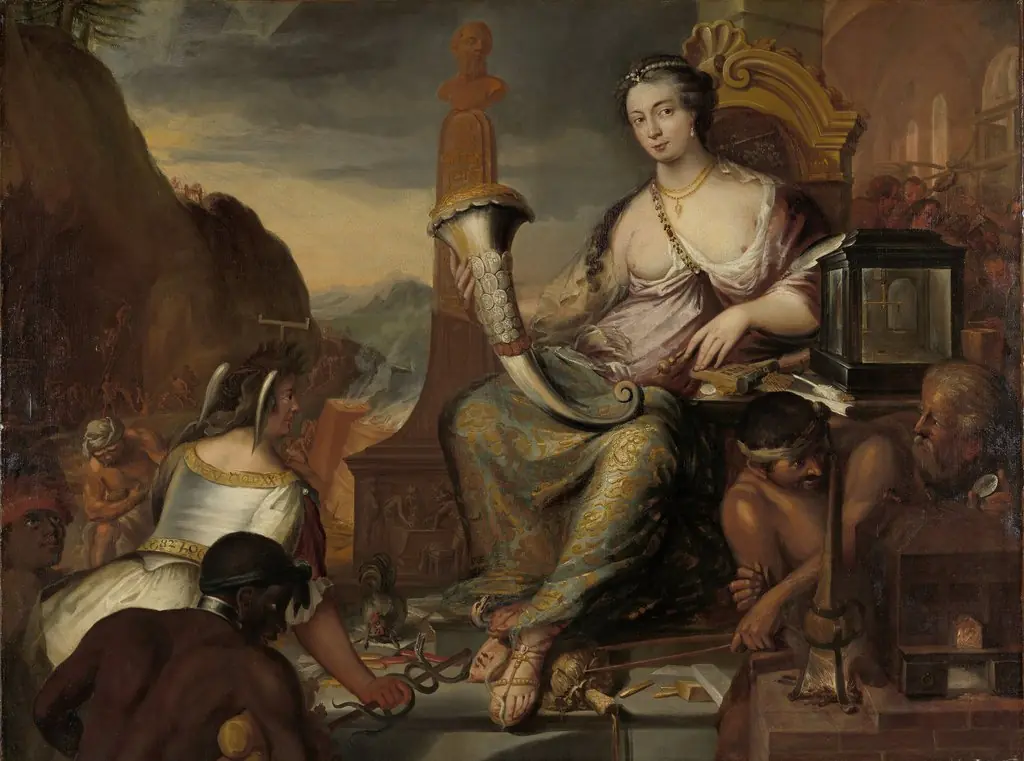
The canvas presents an allegorical scene centered on a throne occupied by a female figure embodying the concept of money. She is attired in exotic, partially exposed garments and rests a silver horn brimming with gold coins upon her lap, while a scale in a dark wooden case lies on a nearby table.
Subject & Meaning
The woman symbolizes wealth itself; at her feet she crushes a mask, a serpent and a purse, objects traditionally linked to deception, avarice and the accumulation of riches. The composition conveys the notion that monetary power rests upon both the allure and the perils of greed.
Technique & Style
The work combines detailed figural rendering with a complex background populated by figures engaged in metalwork. The contrast between the luminous gold in the horn and the darker tones of the forge areas highlights the material focus of the allegory.
Context
The painting reflects a period when allegorical representations were employed to explain economic processes. By integrating mythological figures, labor scenes, and symbolic objects, it illustrates contemporary attitudes toward the production and control of currency.
Own this work as a print
Artist & collection
Artist
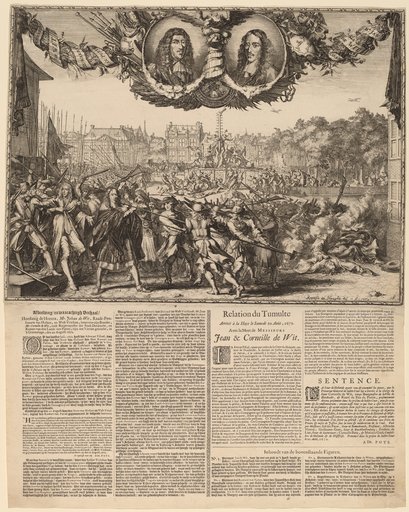
Romeyn de Hooghe (bapt. 10 September 1645 – 10 June 1708) was a late Dutch Baroque painter, sculptor, engraver and caricaturist.

 Untitled
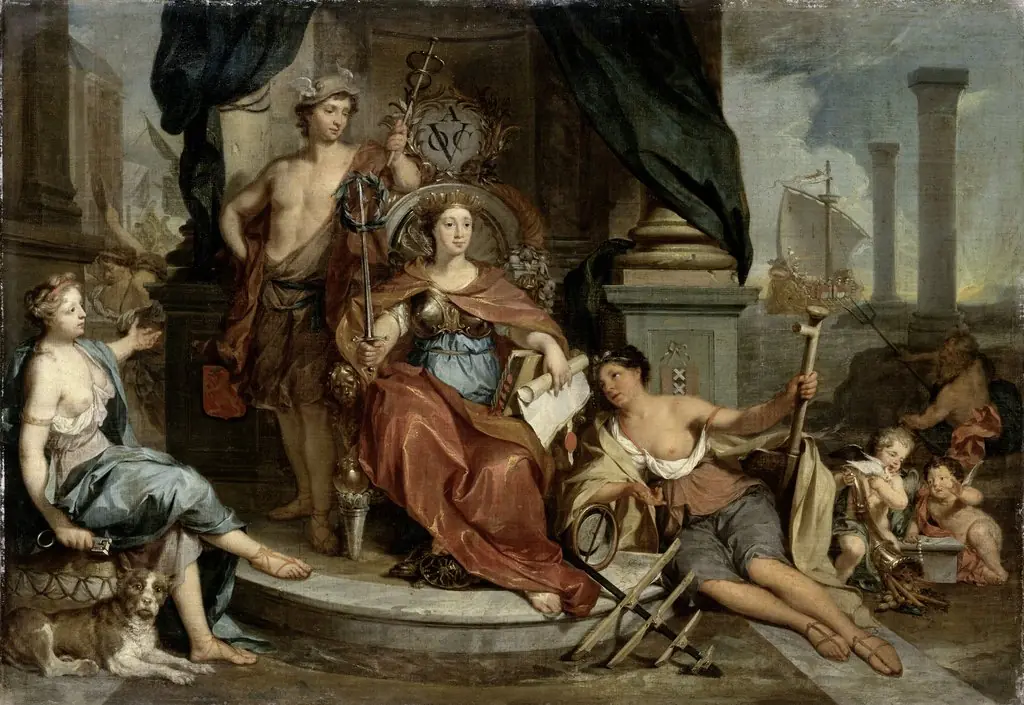 Apotheosis of the Dutch East India Company (Allegory of the Amsterdam Chamber of Commerce of the VOC)
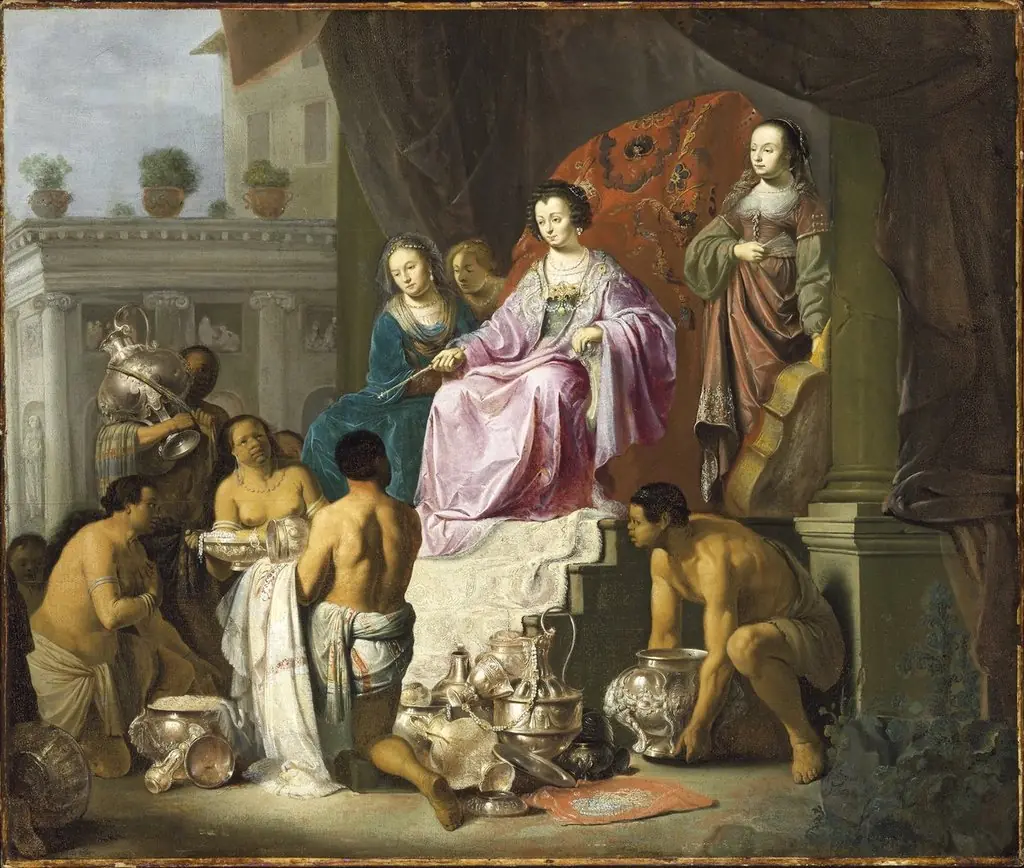 Allegory of Colonial Power
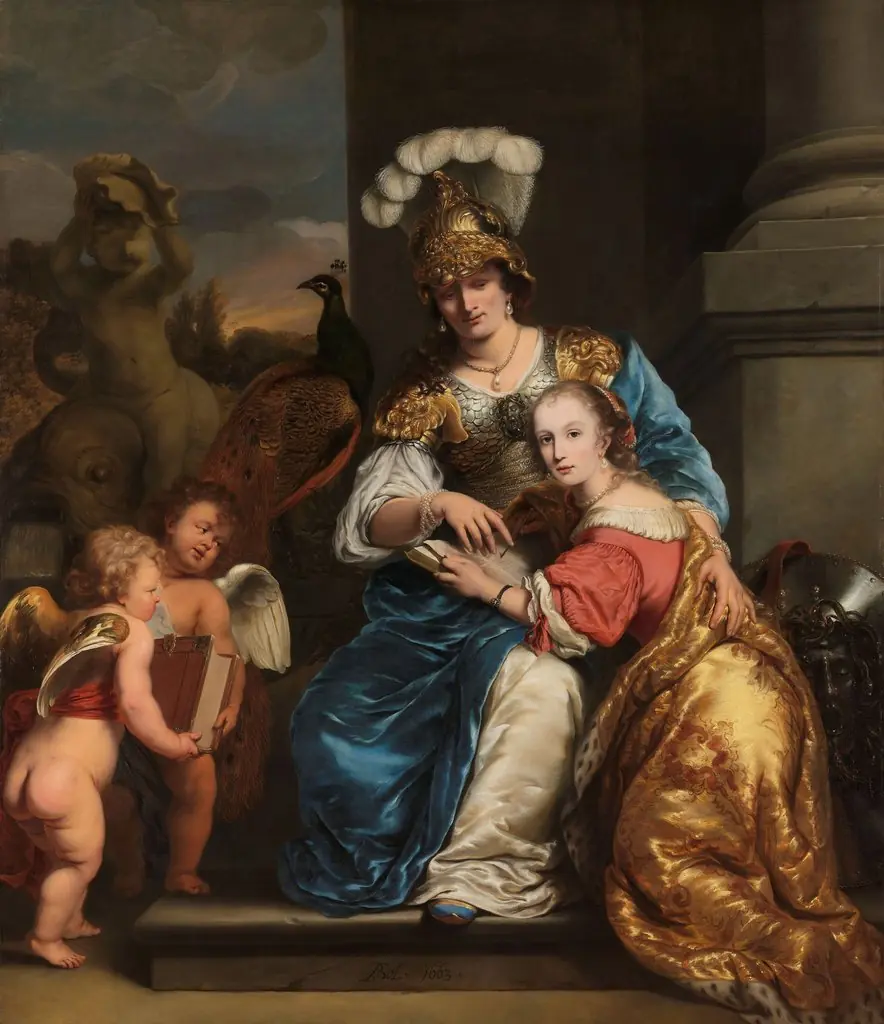 Margarita Trip as Minerva, Instructing her Sister Anna Maria Trip
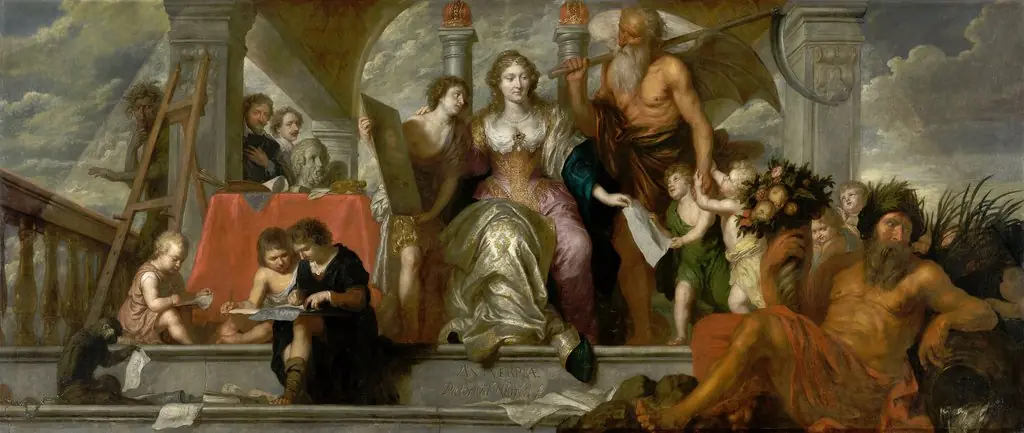 Antwerp, Nourishing the Painters
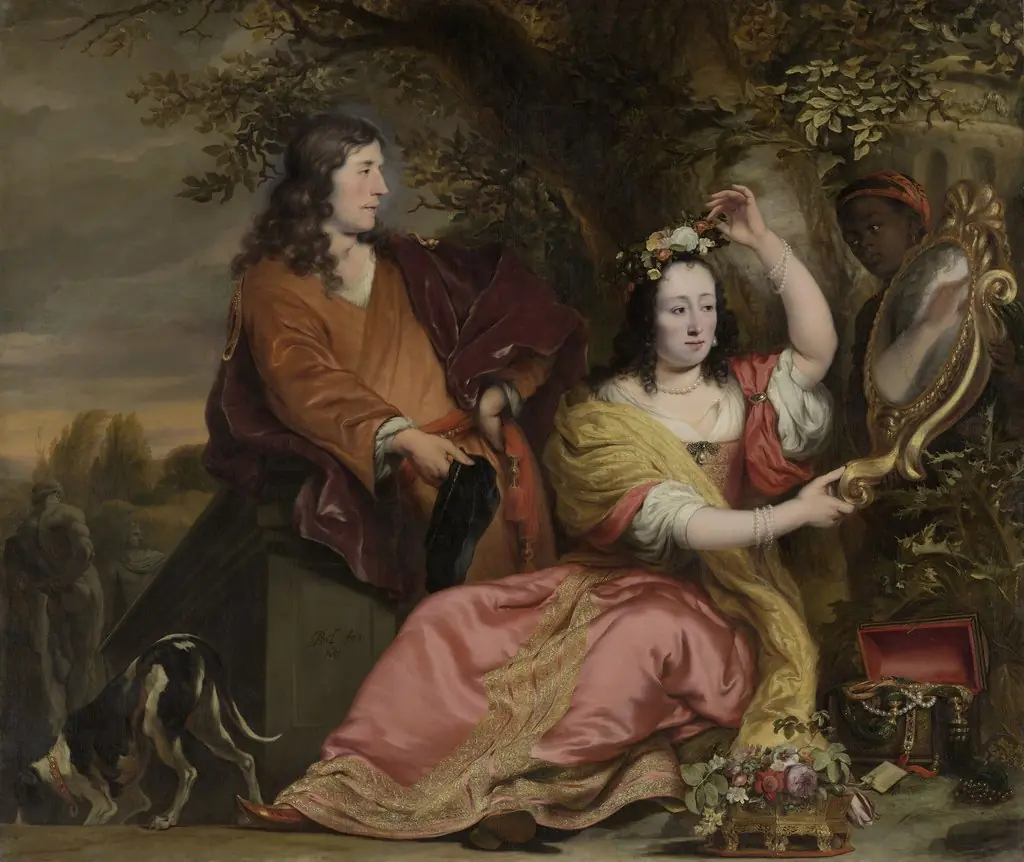 Double portrait of Jan van der Voort (1626-1678) and his sister Catharina van der Voort (1622-1674), with a servant
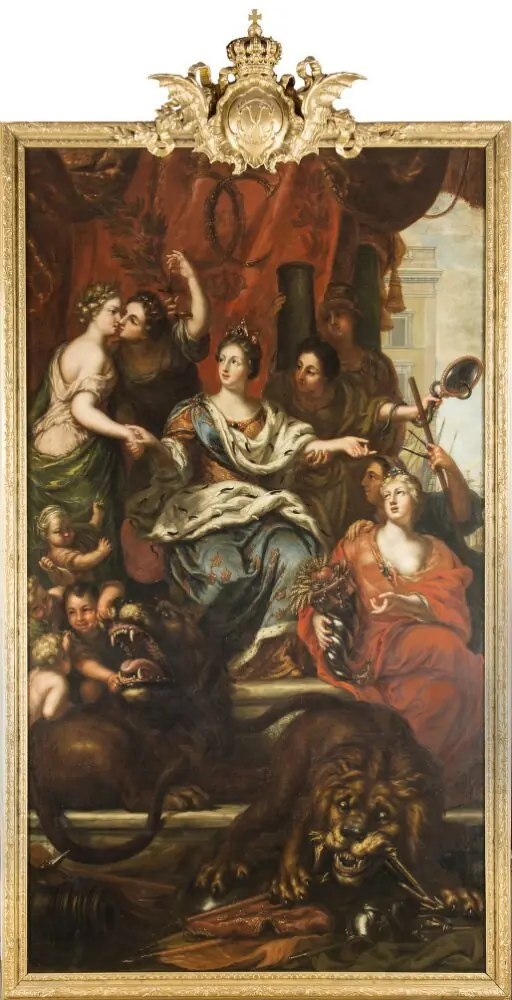 Allegori över konung Karl XI:s fredliga regeringr
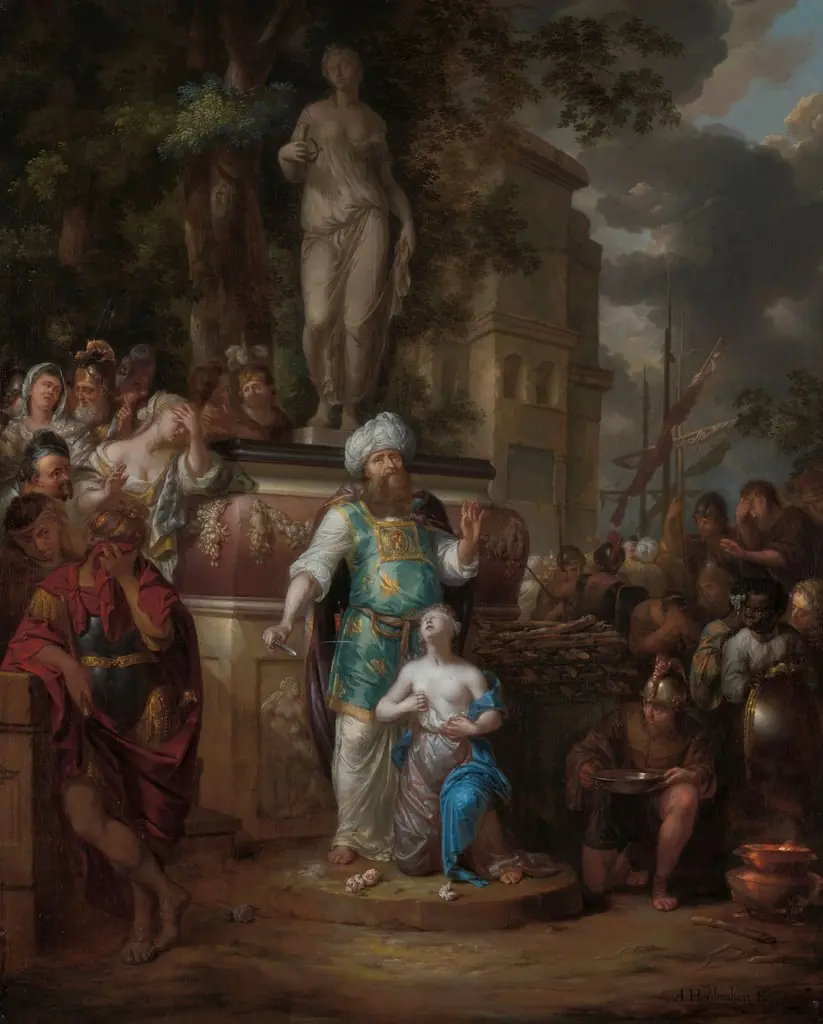 Sacrifice of Iphigenia
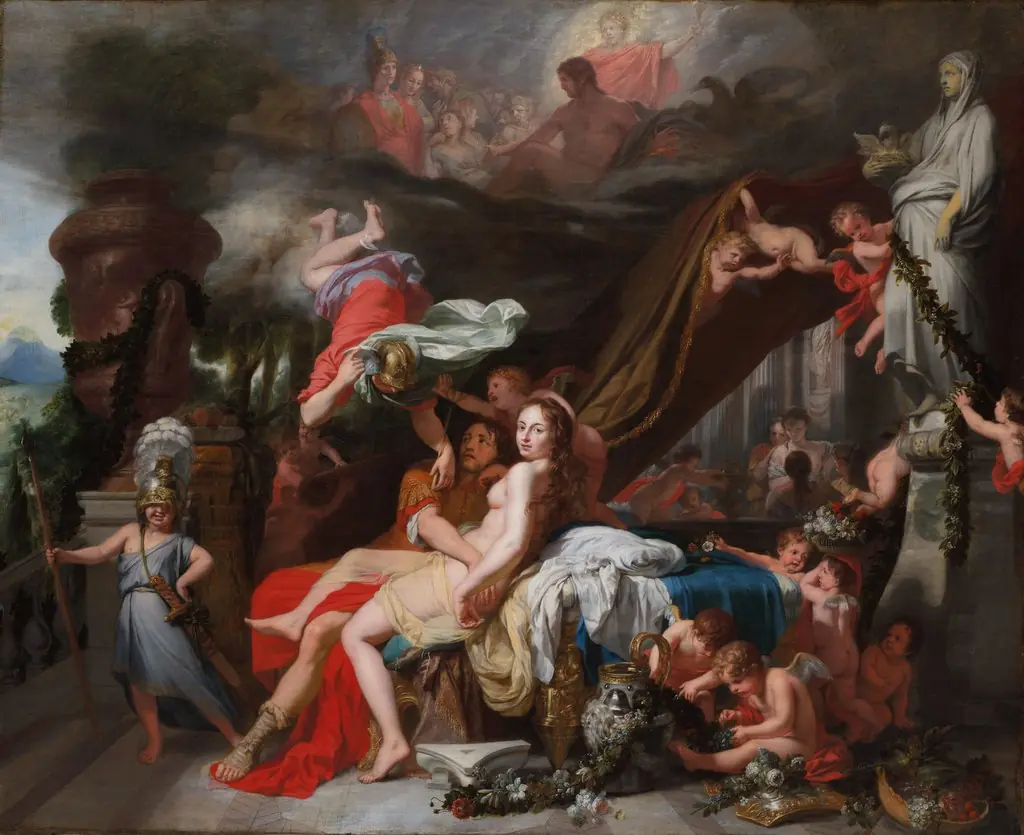 Hermes Ordering Calypso to Release Odysseus
 Apotheosis of Maria Medici