Artwork
Christ presented to the People
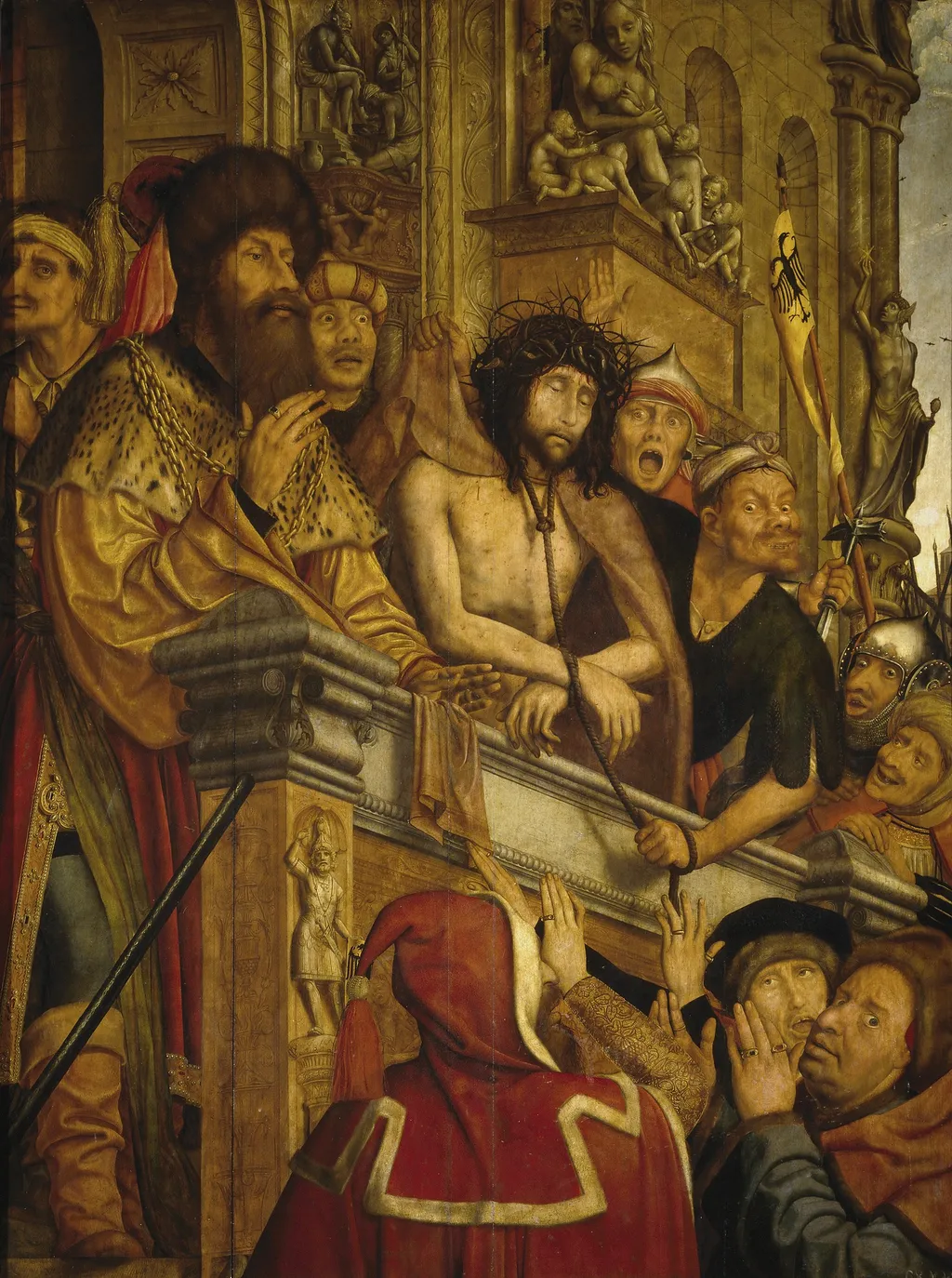
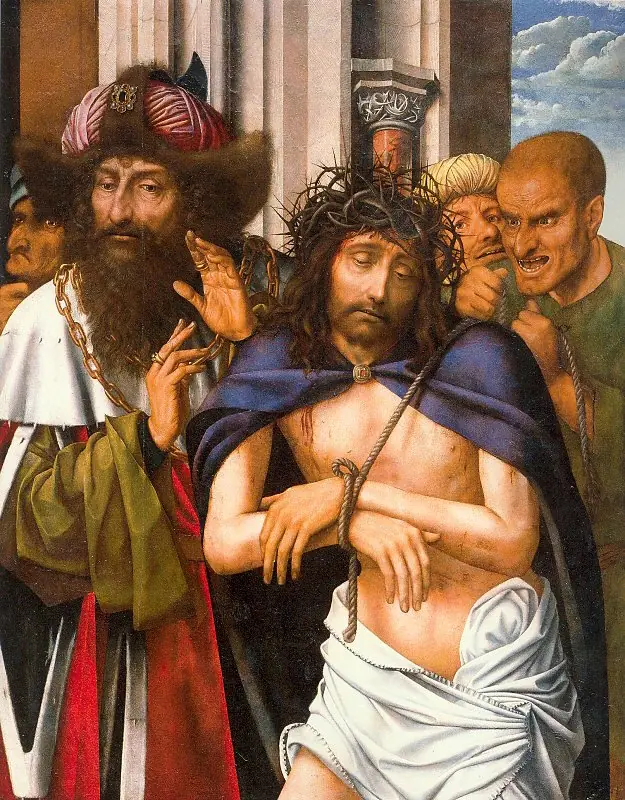
Christ presented to the People is an oil painting by the Northern Renaissance artist Quinten Metsys. It dates from 1515 and is held in the collection of the Museo del Prado.
About this work
Subject & Meaning
Symbolic motifs, such as the sculptural group representing Mercy in the background, reinforce the theological theme of compassion amid condemnation.
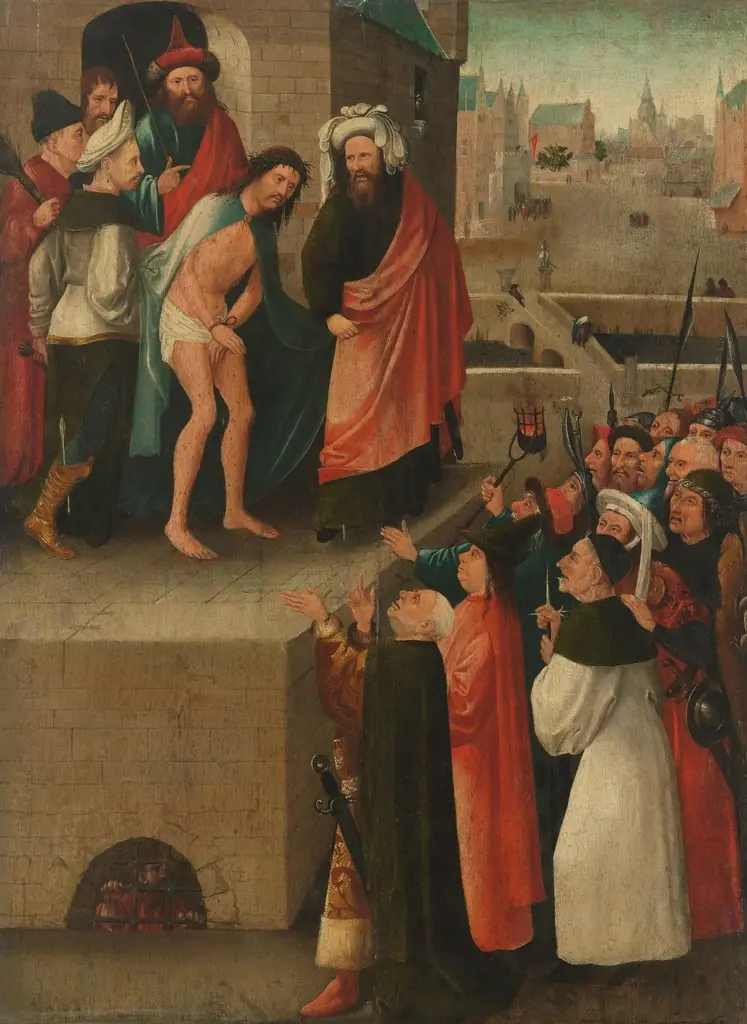
The painting portrays Christ being presented to the crowd by Pontius Pilate, a scene drawn from the Ecce Homo narrative in the Gospel of John. In this composition Quinten Metsys arranges a multitude of figures and architectural elements on the balcony of Pilate’s Praetorium, placing the viewer at the level of the assembled crowd to evoke participation in the judgment. The spatial tension and detailed grotesque rendering of the Jewish onlookers and soldiers contrast with the calm demeanor of Christ and Pilate, highlighting a satirical commentary on human indifference.
Symbolic motifs, such as the sculptural group representing Mercy in the background, reinforce the theological theme of compassion amid condemnation.
The work functions as a visual meditation on the moment of Christ’s condemnation, emphasizing themes of sacrifice, injustice, and the crowd’s role in the Passion narrative. By depicting the scene with heightened realism and emotional nuance, Metsys invites contemplation of the spiritual significance of the episode, linking the historical trial to broader concepts of mercy and divine suffering.
Technique & Style
Christ presented to the People is an oil painting on panel, a medium and support consistent with Quinten Metsys's Flemish practice of the period. The composition is densely packed with figures and architectural elements filling the entire pictorial space, with the Ecce Homo scene staged from a low vantage point that places the viewer on the same level as the crowd gathered for the trial. This spatial treatment is paired with a strongly realist, almost grotesque handling of the Jews and soldiers, lending the work a satirical edge, while only Jesus and Pilate remain composed, the procurator's indifference set against Christ's expression of humble suffering.
A sculptural group symbolizing Mercy appears in the background. The work measures 160 cm in height by 120 cm in width.
History & Provenance
The work was painted by Quinten Metsys between 1518 and 1520 and has been in the collection of the Museo del Prado, Madrid, since at least the early 20th century. Sources consistently place its creation within this narrow interval, noting the panel’s dimensions as 160 cm in height and 120 cm in width. The painting depicts the Ecce Homo scene in which Pontius Pilate presents Jesus to the crowd, a composition noted for its crowded architecture and expressive figures.
The Prado’s 2019 guide lists the work among its holdings and provides an annotated discussion of its iconography.
The painting is held in the Museo del Prado, Madrid, with inventory number P01560.
It was first recorded in the Prado’s holdings in 1834 and has remained in that collection since then. The work has been exhibited at the Museo del Prado on multiple occasions, including in the 2019 guide publication and in the 2015 video commentary titled “Obra comentada: Cristo presentado al pueblo, de Quinten Massys.”
Context
Quinten Metsys's Christ Presented to the People occupies a significant place in Northern Renaissance art through its distinctive compositional and emotional approach. The artist positions the viewer at ground level, creating an immersive perspective that makes the observer a direct witness to the trial scene before the Praetorium. This spatial tension is heightened by a stark contrast in characterization: while Jesus and Pontius Pilate remain composed, the surrounding crowd of soldiers and Jewish figures is rendered with a grotesque realism that borders on satire.
Scholarship highlights how this exaggerated portrayal serves a specific narrative function, emphasizing the indifference of the prefect against the humble suffering of Christ. The work's inclusion in major museum guides and dedicated commentaries by the Museo del Prado underscores its status as a key example of Metsys's ability to blend architectural complexity with intense psychological drama.
Overview
Quentin Matsys painted Christ Presented to the People in 1515, employing oil on canvas. The work is part of the Prado Museum’s collection and exemplifies the Northern Renaissance’s engagement with biblical narratives.
Own this work as a print
Artist & collection
Artist
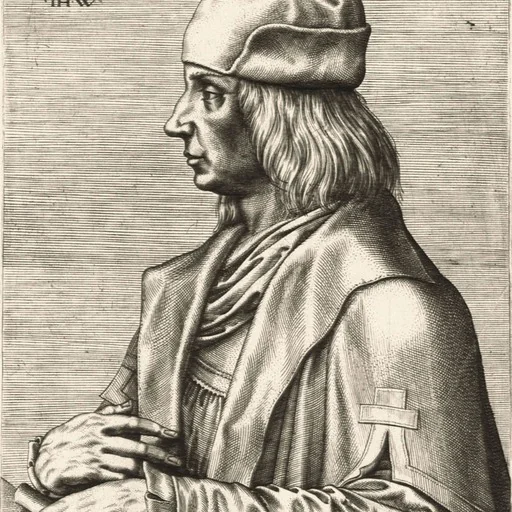
Quentin Matsys (UK: MAT-sysse, US: MAHT-sysse; also Massys or Metsys; Flemish: Quinten Matsijs; 1466–1530) was a Flemish painter in the Early Netherlandish tradition.