Artwork
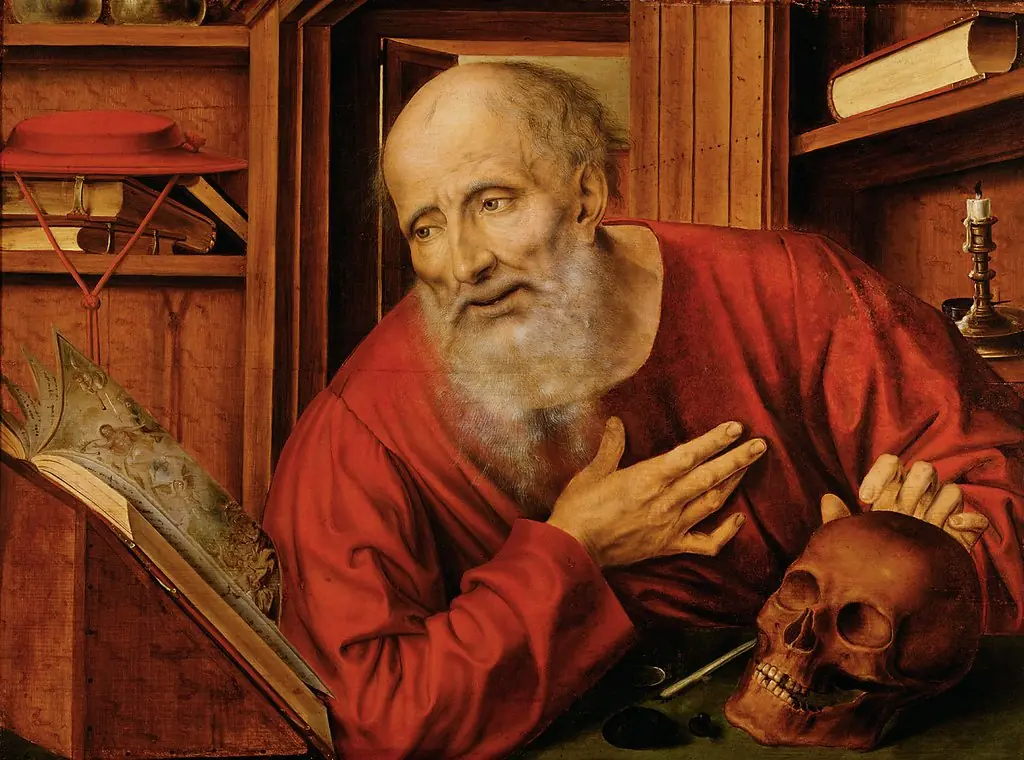
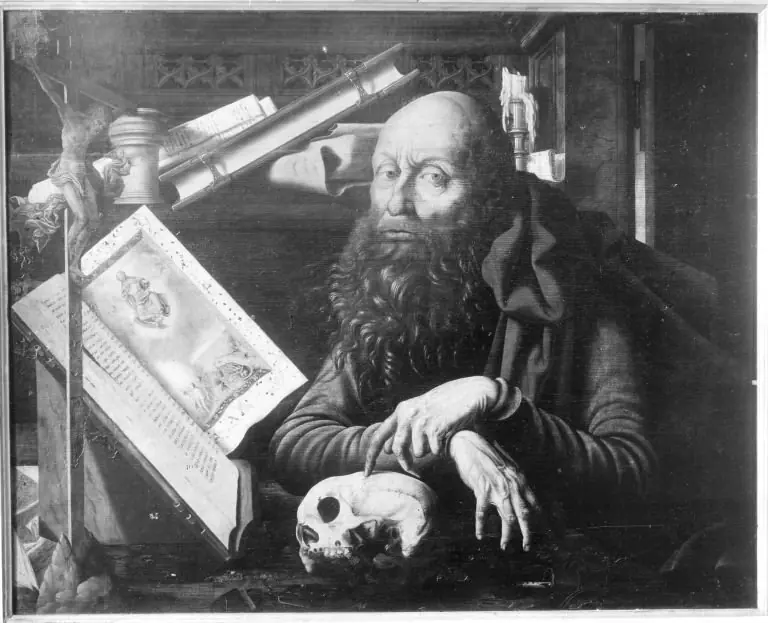
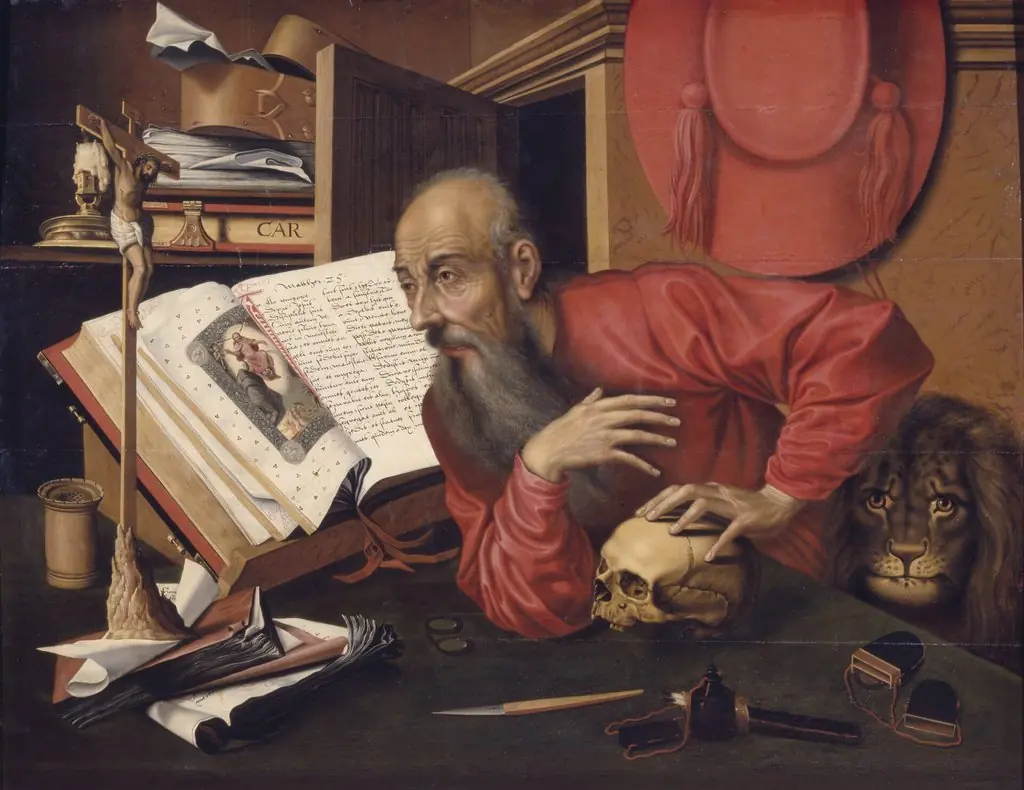
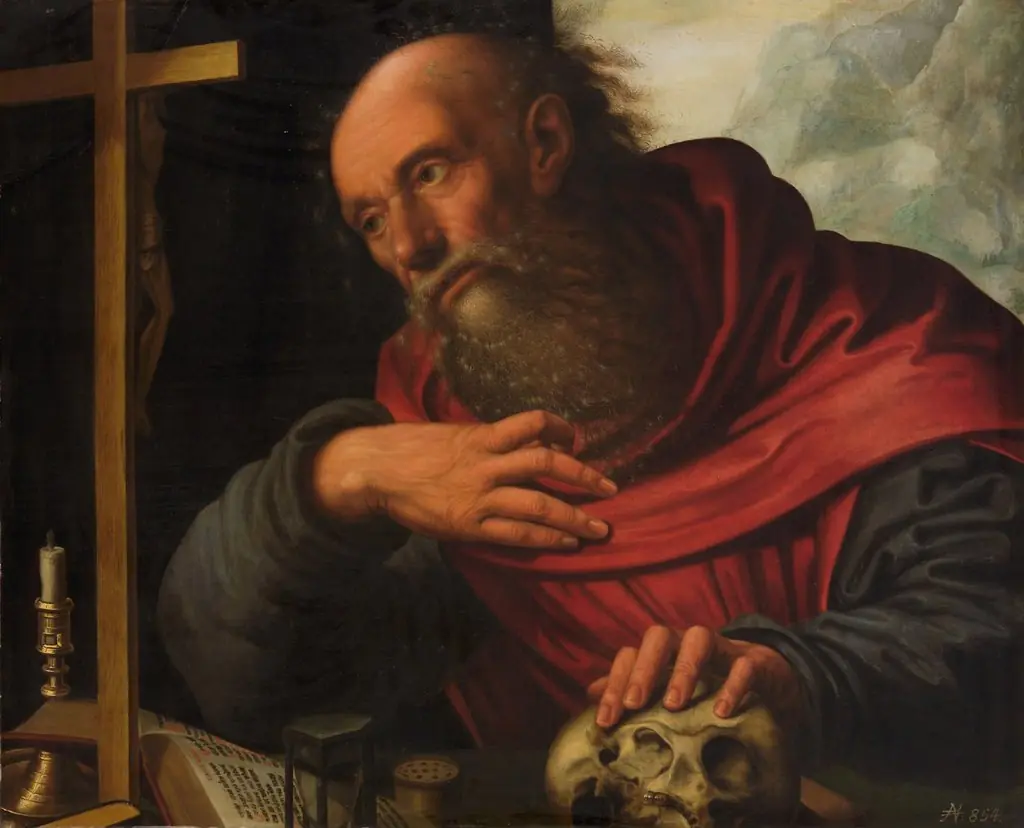
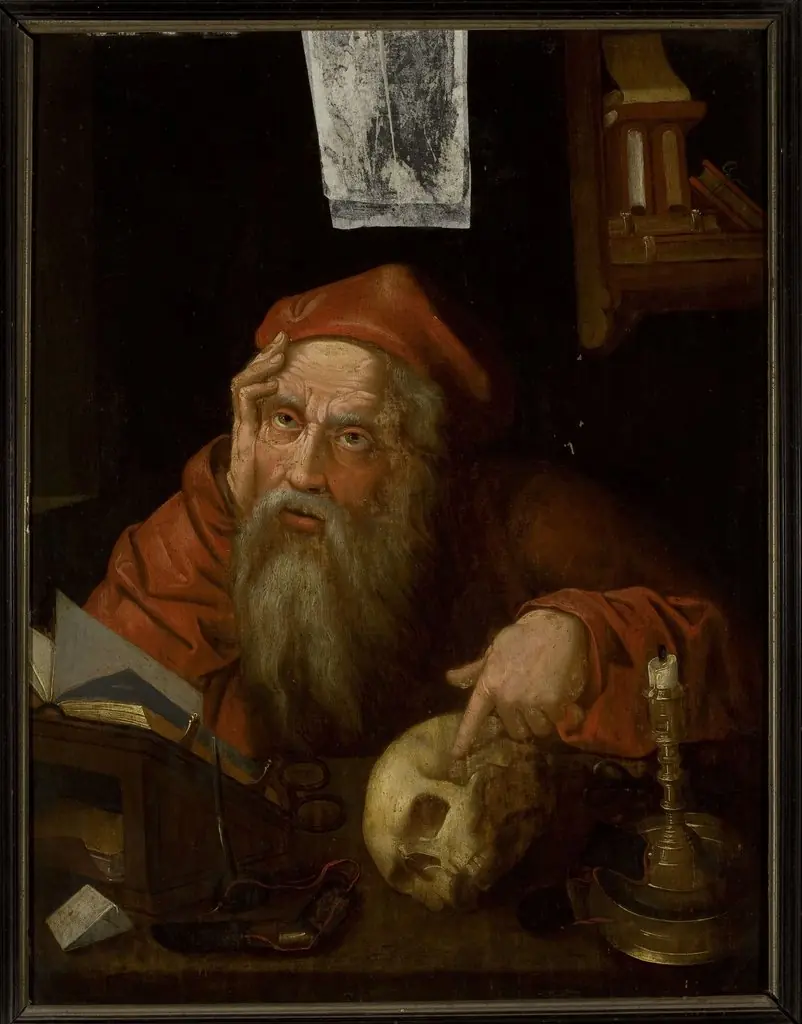
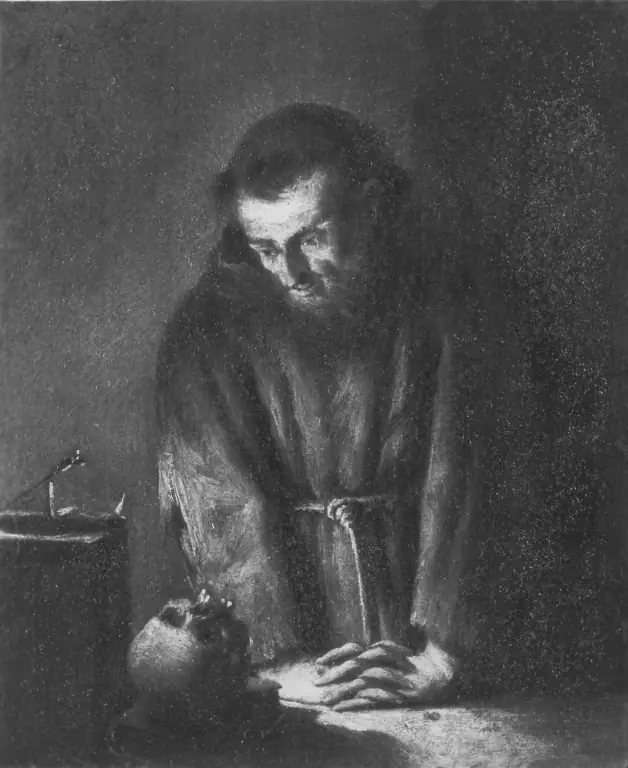
Hl. Hieronymus (Kopie nach einem verlorenen Original) (Kopie nach)
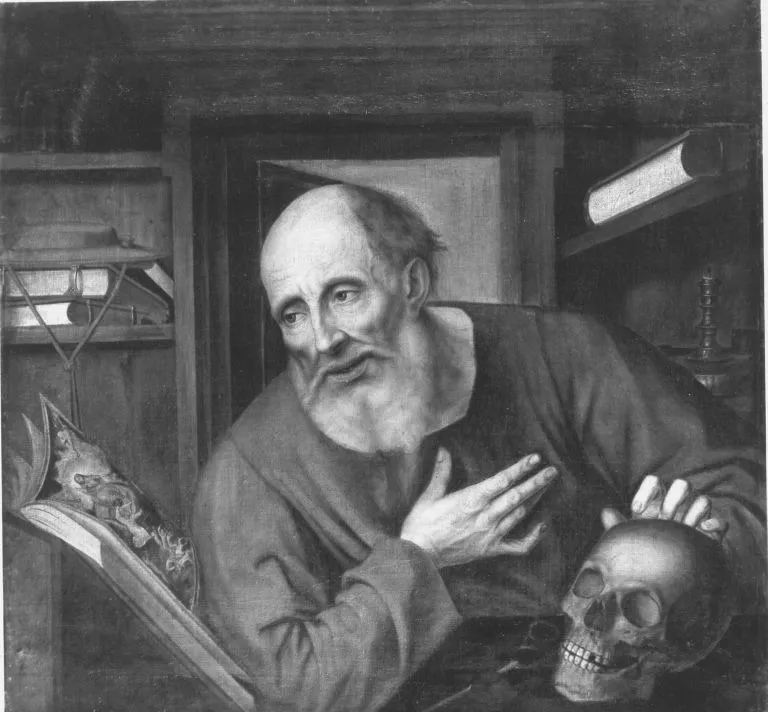
Hl. Hieronymus (Kopie nach einem verlorenen Original) (Kopie nach) is an unspecified painting by the Northern Renaissance artist Quinten Metsys. It dates from 1508 and is held in the collection of the Bavarian State Painting Collections. Hl.
About this work
Subject & Meaning
As a religious work, it belongs to a devotional tradition in which Jerome is venerated as a Doctor of the Church and translator of the Bible.
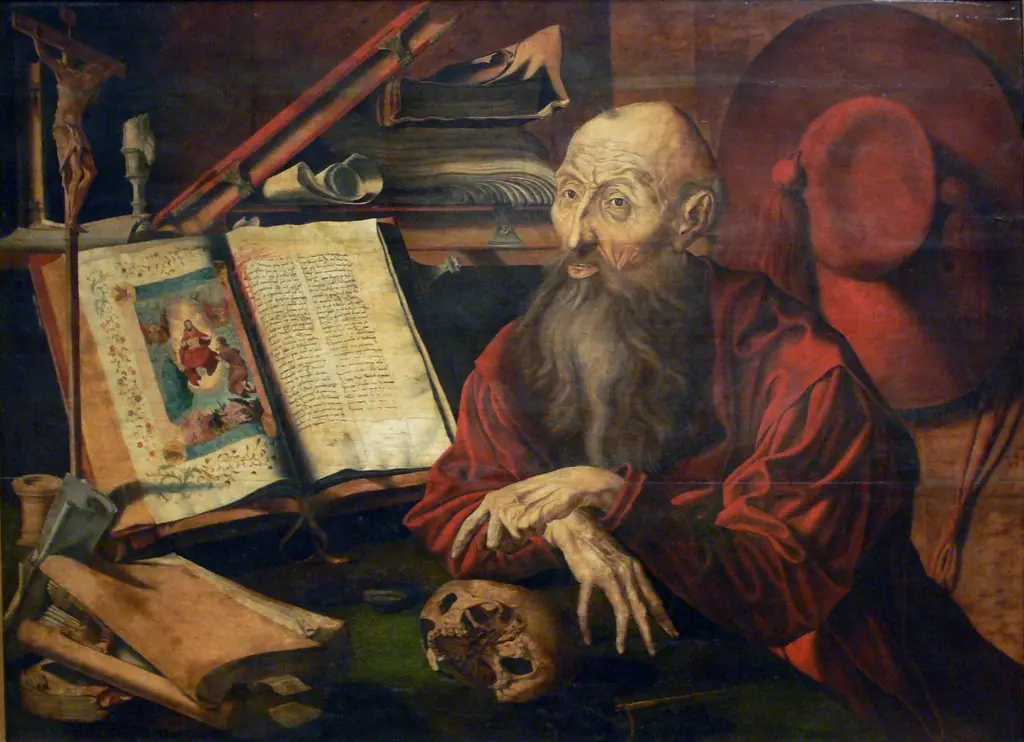
The painting depicts Saint Jerome, a subject of long-standing importance in Christian art and one frequently treated by Quinten Metsys. As a religious work, it belongs to a devotional tradition in which Jerome is venerated as a Doctor of the Church and translator of the Bible.
The composition is identified as a copy after a lost original, meaning the surviving image preserves the iconographic scheme of an earlier prototype rather than Metsys's own invention. The subject is explicitly listed as Jerome, confirming that the saint himself is the central figure of the depiction.
Because the work is catalogued as religious art and held within the Bavarian State Painting Collections at the Alte Pinakothek, its function aligns with the contemplative devotional imagery associated with Jerome portraits in Northern European painting.
History & Provenance
The painting titled Hl. Hieronymus, a copy after a lost original by Quinten Metsys, is held within the Bavarian State Painting Collections. Specifically, the work resides in the Alte Pinakothek in Munich.
As a religious artwork depicting Saint Jerome, it is cataloged under the collection's inventory as part of the holdings managed by the state institution. The piece measures 70.7 cm in height and 74.3 cm in width.
Context
The painting is a religious work by Quinten Metsys depicting Jerome, currently held in the Bavarian State Painting Collections at the Alte Pinakothek. Scholarship regarding its reception remains sparse, though its status as a copy after a lost original is noted in cataloguing records. The work is contextualized within Metsys' broader output as a Northern Renaissance painter active in Antwerp, where he developed a reputation for detailed religious compositions.
Its dimensions of 70.7 cm by 74.3 cm align with typical altarpiece formats of the early 16th century in the Low Countries.
Legacy
The work is recognized as a 16th-century religious painting by Quinten Metsys, now held in the Bavarian State Painting Collections at the Alte Pinakothek in Munich. Its dimensions are recorded as 70.7 cm in height and 74.3 cm in width. Although classified as a copy after a lost original, it remains a key example of Metsys' devotional imagery and continues to be referenced in studies of Northern Renaissance art.
Overview
Hl. Hieronymus (Kopie nach einem verlorenen Original) is a painting created by Quentin Matsys around 1508. It is a work from the northern Renaissance movement and is currently held in the Alte Pinakothek collection.
Technique & Style
The work is characteristic of the Early Netherlandish tradition and reflects Matsys' style, which often incorporated religious themes and satire. As a founder of the Antwerp school of painting, Matsys' influence can be seen in the detailed rendering of objects and the use of symbolism.
Artist & collection
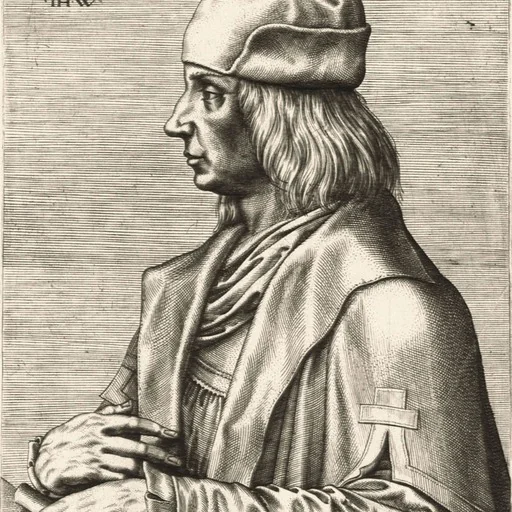
Artist
Quentin Matsys (UK: MAT-sysse, US: MAHT-sysse; also Massys or Metsys; Flemish: Quinten Matsijs; 1466–1530) was a Flemish painter in the Early Netherlandish tradition.