Artwork
Saint Jerome in his cell

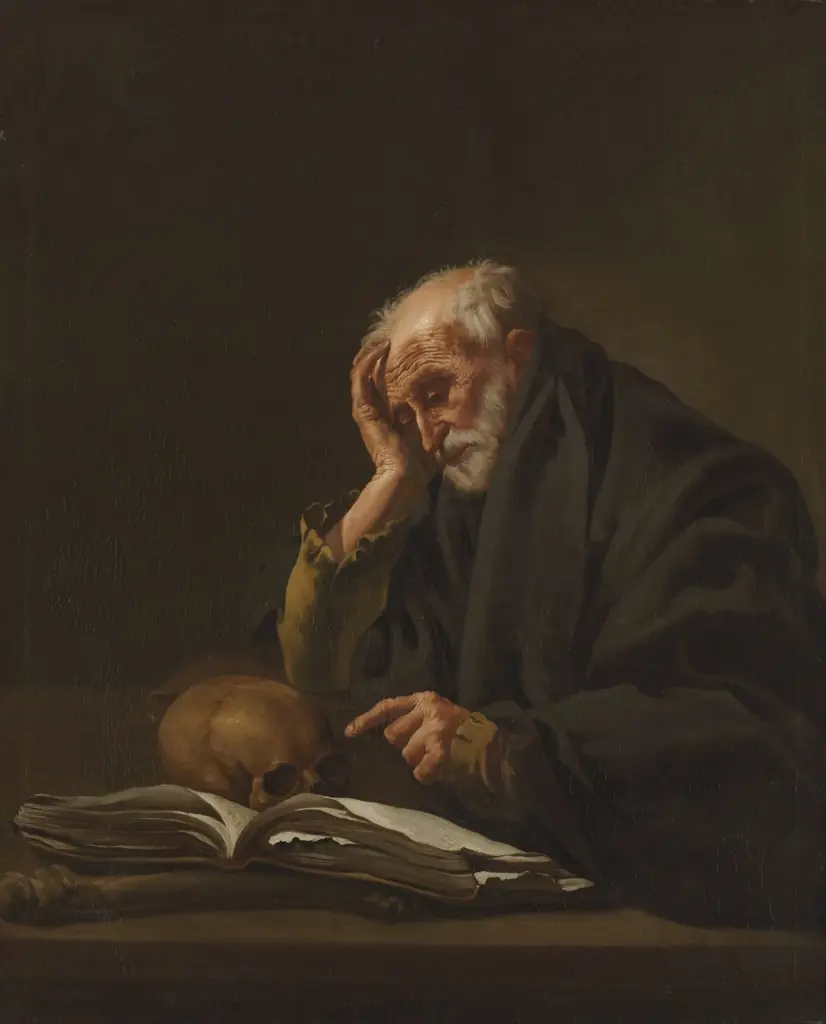
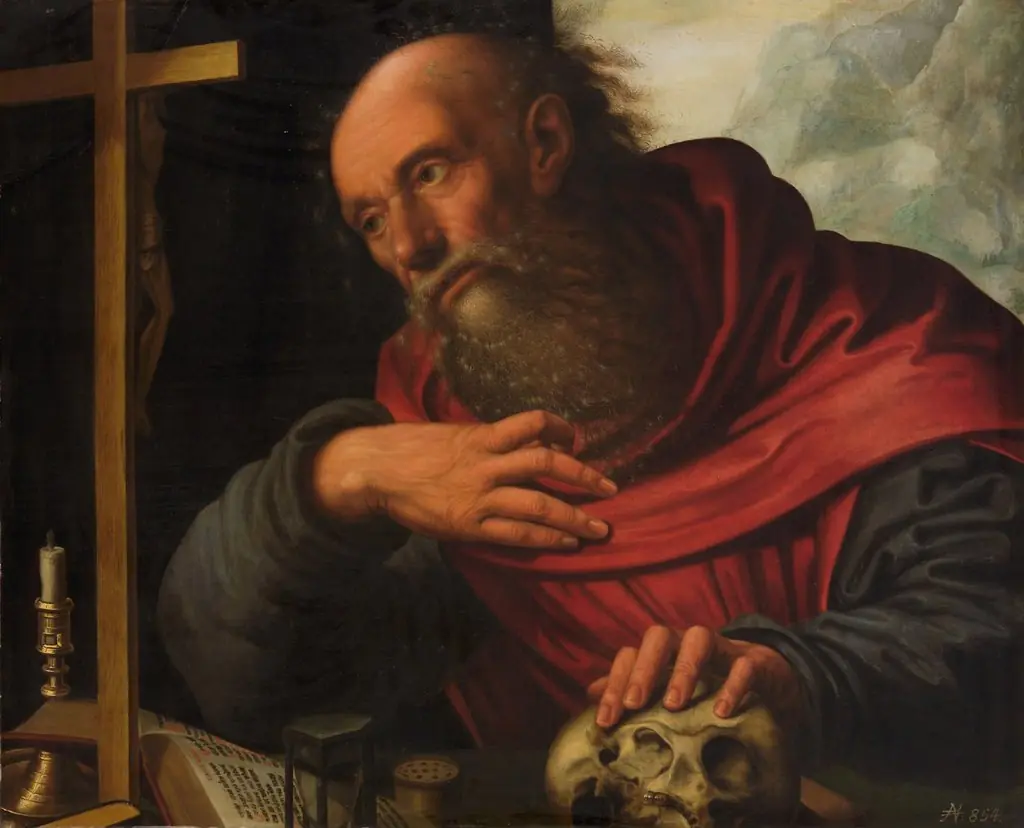
Saint Jerome in his cell is an oil painting by the Northern Renaissance artist Quinten Metsys. It dates from 1524 and is held in the collection of the Kunsthistorisches Museum.
About this work
Subject & Meaning
The setting of the cell serves as the primary context for the narrative, isolating the figure to highlight his devotion and intellectual pursuits.
The painting depicts Saint Jerome within the confines of his cell, presenting him as the main subject of this religious composition. Created in 1524 by Quinten Metsys (also associated with Jan Matsys), the work focuses on the solitary figure of Jerome, a significant saint in Christian tradition often associated with scholarship and penitence. As a piece of religious art, the scene captures the saint in his domestic spiritual environment, emphasizing his role as a scholar and hermit.
The setting of the cell serves as the primary context for the narrative, isolating the figure to highlight his devotion and intellectual pursuits.
Technique & Style
Executed in 1524, this religious painting depicts Saint Jerome and is attributed to Quinten Metsys, with some scholarship also linking Jan Matsys to its creation. The work utilizes oil paint applied to a wooden panel support. Measuring 57 cm in height and 77 cm in width, the piece exemplifies the medium's capacity for detailed representation within the Northern Renaissance tradition.
The composition focuses on the solitary figure of Jerome within his cell, adhering to the iconographic conventions of the genre.
History & Provenance
The painting known as Saint Jerome in his cell was created in 1524. It is attributed to the artist Quinten Metsys, with some records also listing Jan Matsys as a potential creator. Executed in oil paint on a panel, the work depicts the religious figure Jerome within his cell. The piece is currently held in the collection of the Kunsthistorisches Museum.
The dimensions of the artwork are recorded as 57 cm in height and 77 cm in width. The creation date is established as January 1, 1524, according to the inception data associated with the work.
Saint Jerome in his cell is held by the Kunsthistorisches Museum. Wikidata attributes the work to that collection and location, with the painting dated to 1524 and executed in oil on panel. No accession number or exhibition history is recorded in the available sources.
Overview
Saint Jerome in his cell is a 1524 oil painting by Quinten Metsys, a prominent Flemish painter and founder of the Antwerp school. The work exemplifies the Early Netherlandish tradition, combining religious and moral themes.
Context
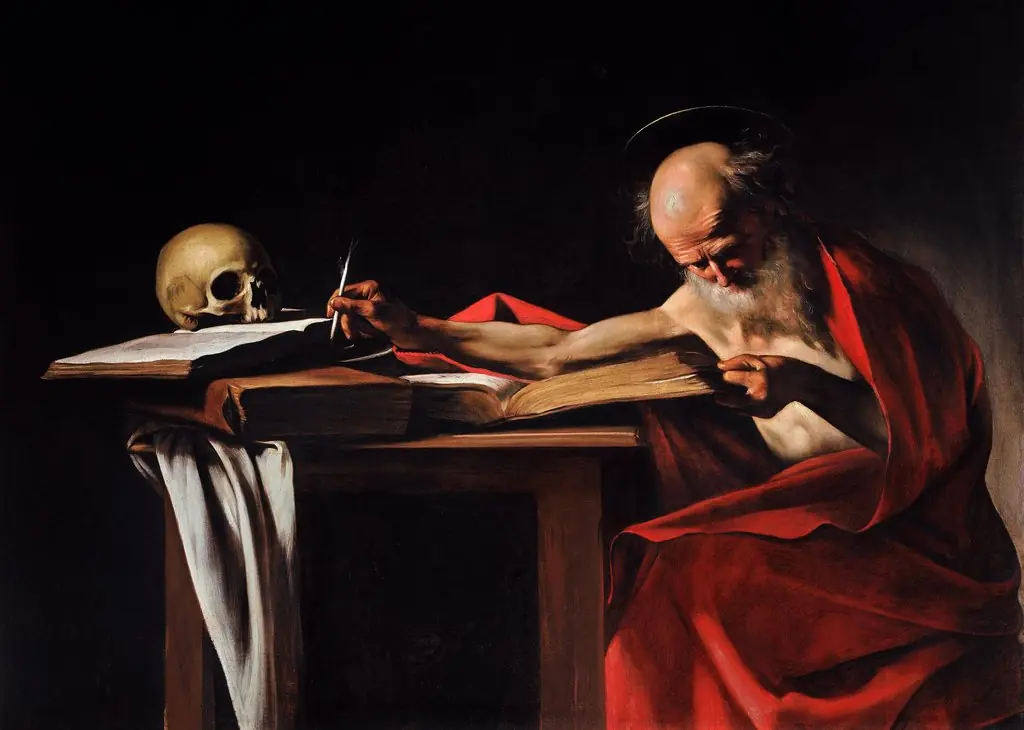
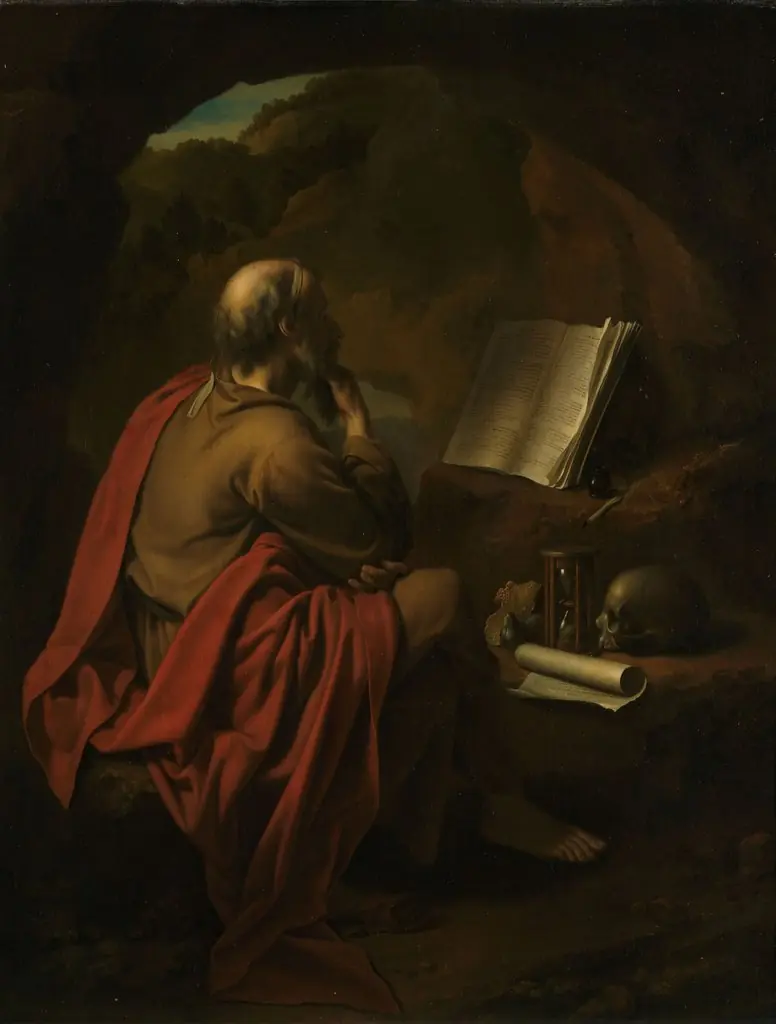
Saint Jerome was a common subject in Northern Renaissance art, often depicted as a scholar. The inclusion of a skull reflects the era's fascination with mortality and the contemplative life of religious figures.
Legacy
As a work by the founder of the Antwerp school, Saint Jerome in his cell contributes to the understanding of the school's development and its blend of religious and moral subjects in Early Netherlandish painting.

Artist & collection
Artist
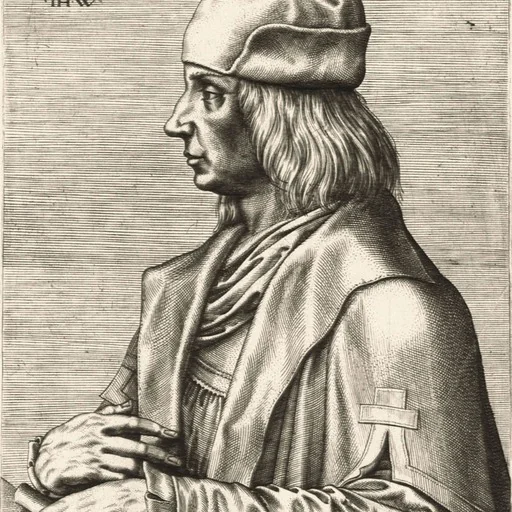
Quentin Matsys (UK: MAT-sysse, US: MAHT-sysse; also Massys or Metsys; Flemish: Quinten Matsijs; 1466–1530) was a Flemish painter in the Early Netherlandish tradition.