Artwork
The Corpus Christi Procession Leaving the Church of Santa Maria del Mar
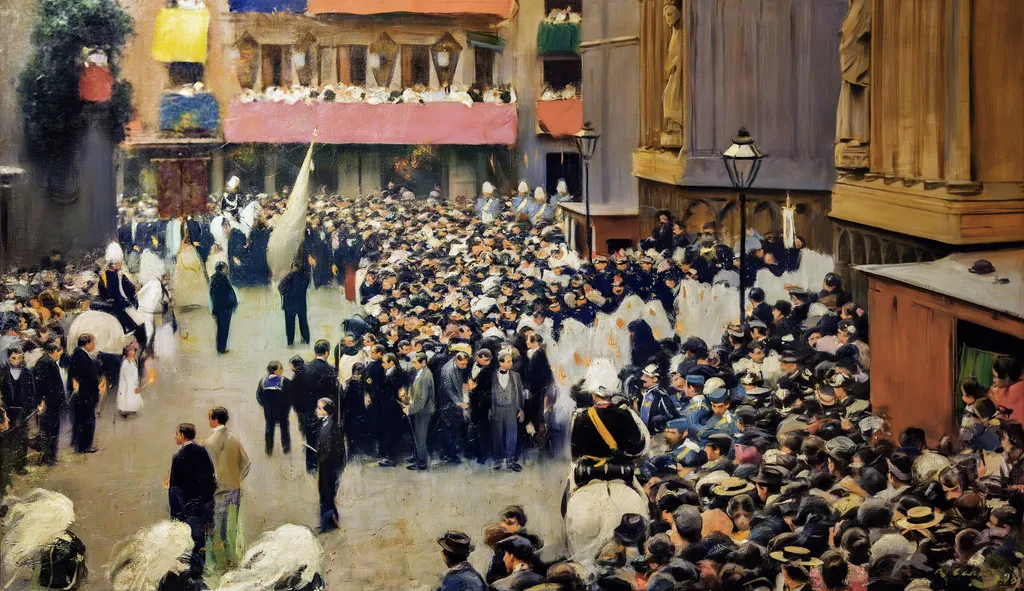
The Corpus Christi Procession Leaving the Church of Santa Maria del Mar is an oil painting by the Art Nouveau artist Ramon Casas. It dates from 1899 and is held in the collection of the Museu Nacional d'Art de Catalunya.
About this work
Overview
Instead, it focuses on the quiet anticipation of the crowd, framing the church’s entrance as a threshold between sacred ritual and the uncertain world beyond.
Painted in 1898 by Ramon Casas, this oil work captures the moment a Corpus Christi procession departs from Santa Maria del Mar in Barcelona. Commissioned as a response to a violent attack on the same event two years prior, the painting avoids depicting the tragedy directly. Instead, it focuses on the quiet anticipation of the crowd, framing the church’s entrance as a threshold between sacred ritual and the uncertain world beyond.
Subject & Meaning
The scene portrays a dense assembly of Barcelona’s middle and upper classes, dressed in formal attire, gathered before the church as the procession begins. The presence of umbrellas and hats suggests a public event shaped by weather and social custom. Casas does not show the religious iconography central to the procession, emphasizing instead the social fabric of the moment, its order, tension, and collective presence, as a quiet commentary on civic life under threat.
Technique & Style
Casas employs loose, energetic brushwork to convey movement through the crowd, with figures emerging from and dissolving into the background. The church’s pale facade contrasts with the muted grays, browns, and blacks of the attendees’ clothing, creating visual rhythm. Light falls unevenly across the scene, enhancing depth and atmosphere.
The composition is deliberately unbalanced, drawing attention to the church’s archway as the focal point of departure and implied danger.
History & Provenance
The painting was completed in 1898, two years after an anarchist bombing during the Corpus Christi procession killed twelve near Canvis Nous street. Casas, who witnessed the aftermath, chose to depict the procession’s departure rather than the violence. It entered the collection of the Museu Nacional d'Art de Catalunya in the early 20th century, where it remains today as part of its core holdings of Catalan modernism.
Context
In late 19th-century Barcelona, political unrest and social division were acute. Religious processions, symbols of tradition and authority, became targets for anarchist groups. Casas’s painting reflects a city on edge, where public ritual carried both spiritual weight and political risk.
His choice to omit the attack, yet evoke its shadow, aligns with a broader trend among Catalan artists to address contemporary tensions through subtle, observational realism.
Legacy
The painting stands as a key example of Casas’s ability to merge social observation with psychological nuance. It influenced later Catalan realists who sought to document urban life without overt drama. While not widely exhibited outside Catalonia, it remains a touchstone in discussions of how art can respond to trauma through restraint, framing collective memory not through spectacle but through stillness and suggestion.
Artist & collection
Artist
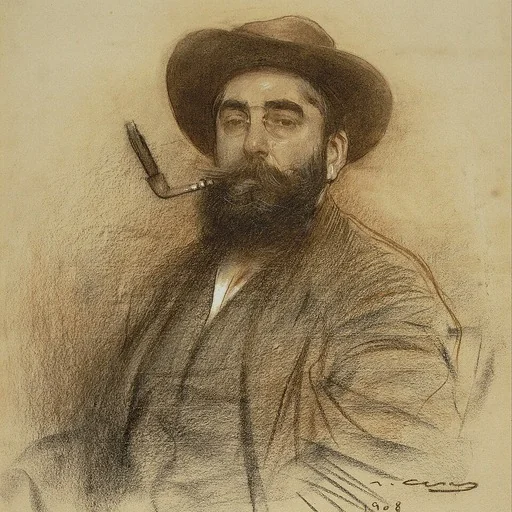
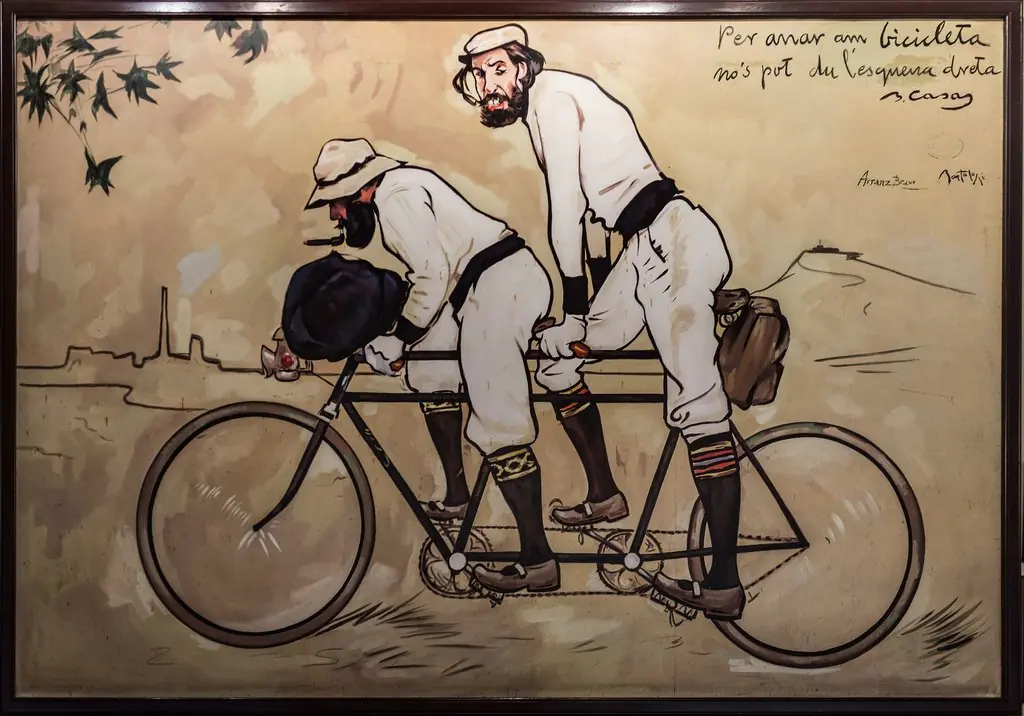
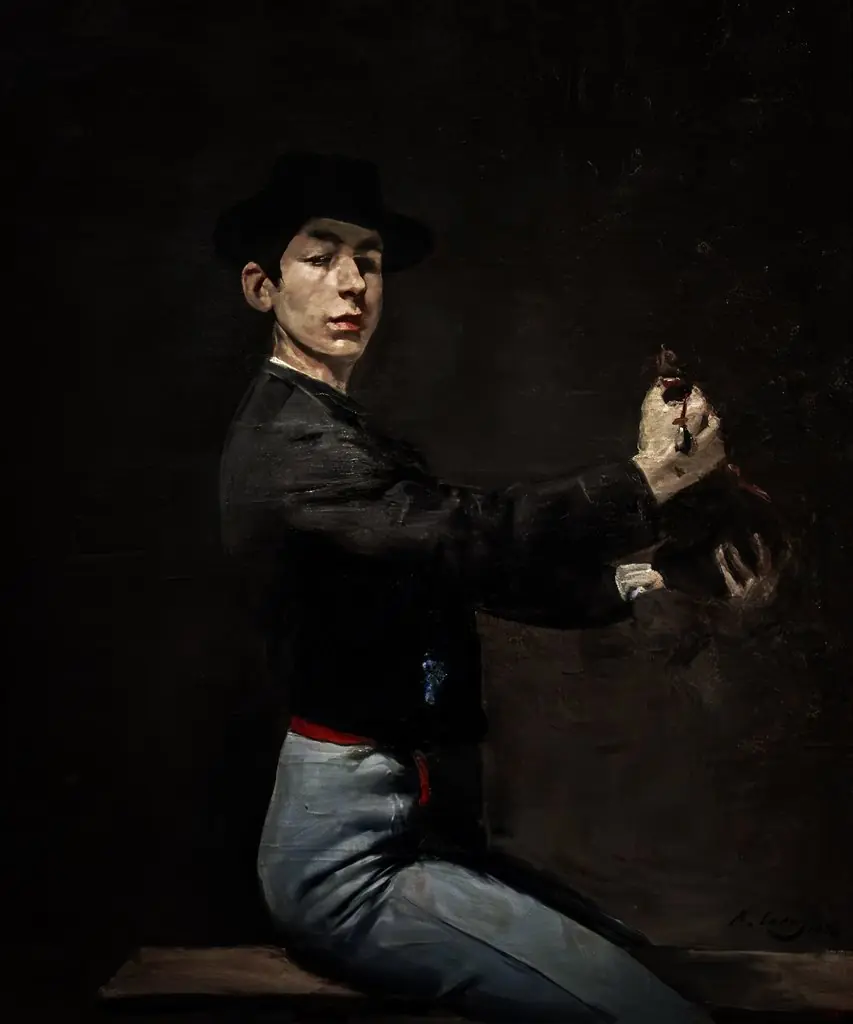
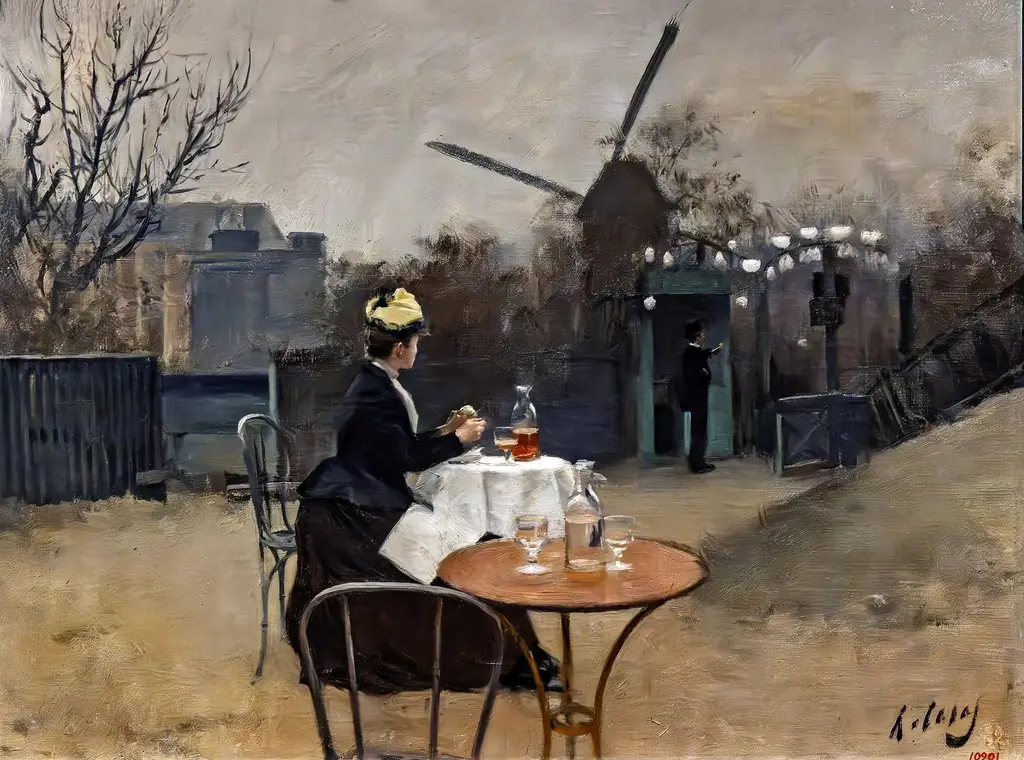
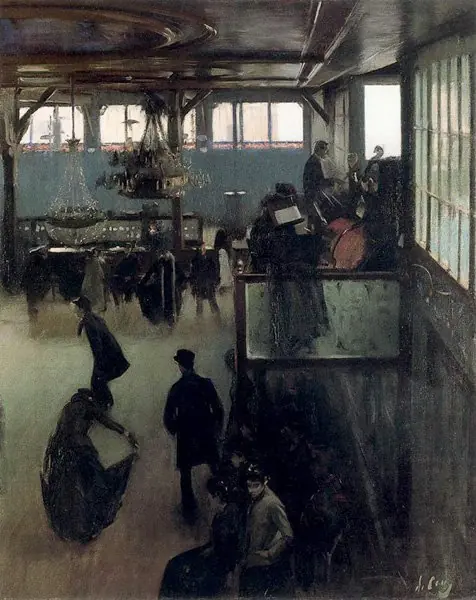
Ramon Casas i Carbó (Catalan pronunciation:; 4 January 1866 – 29 February 1932) was a Catalan artist from Spain.

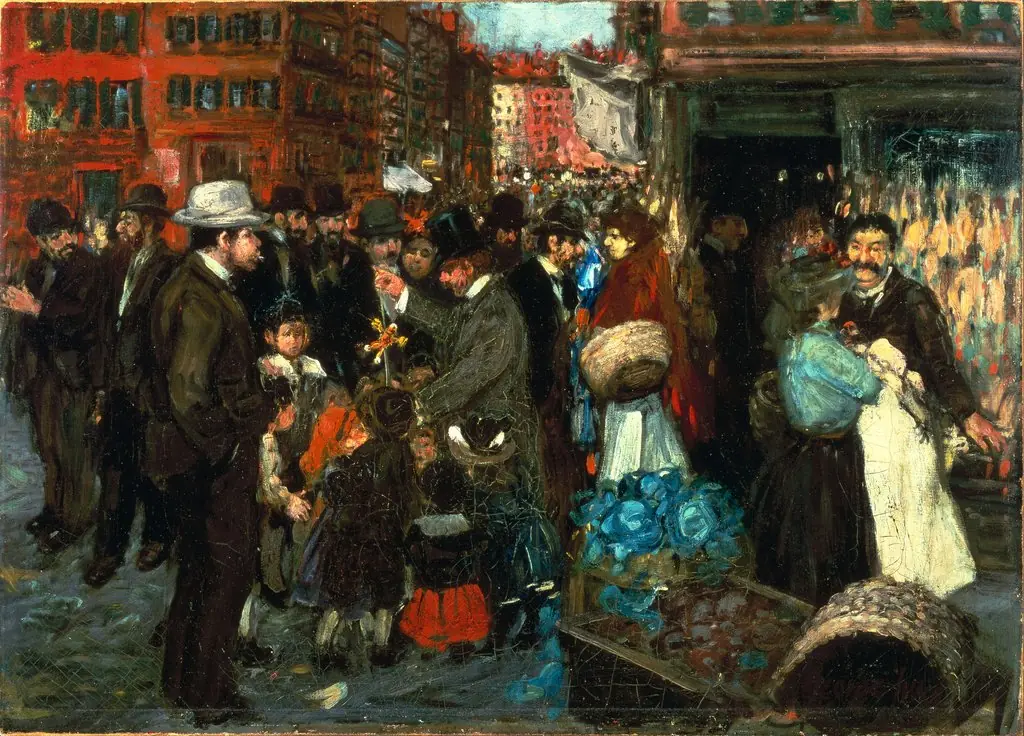 Street Scene (Hester Street)
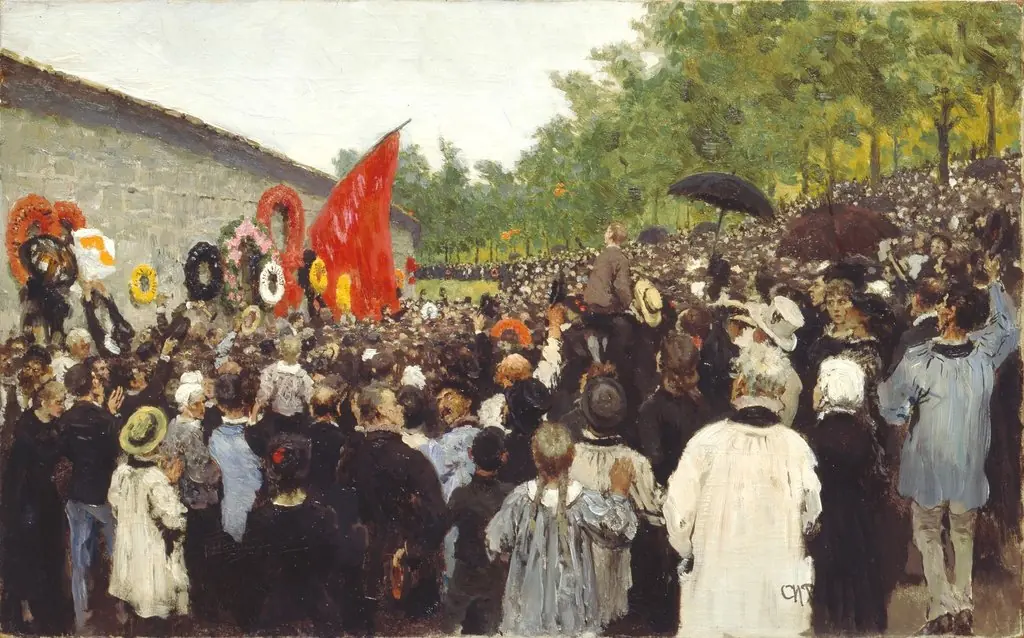 The Annual Memorial Meeting Near the Wall of the Communards in the Cemetery of Père-Lachaise in Paris
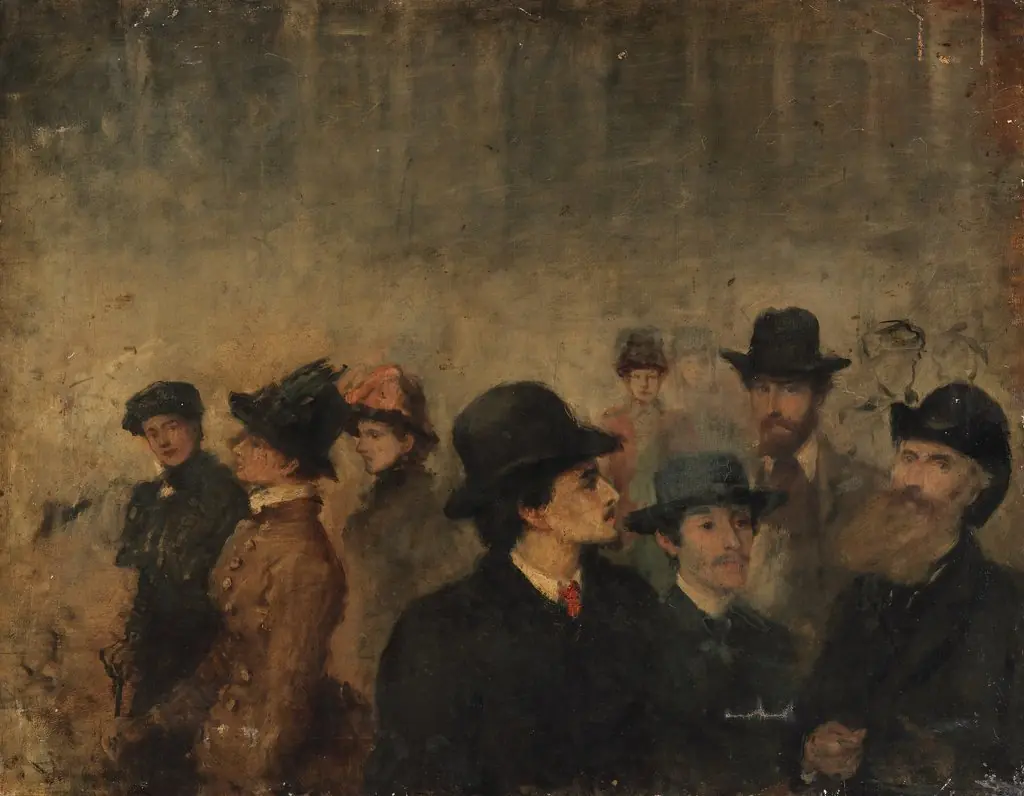 At the Races
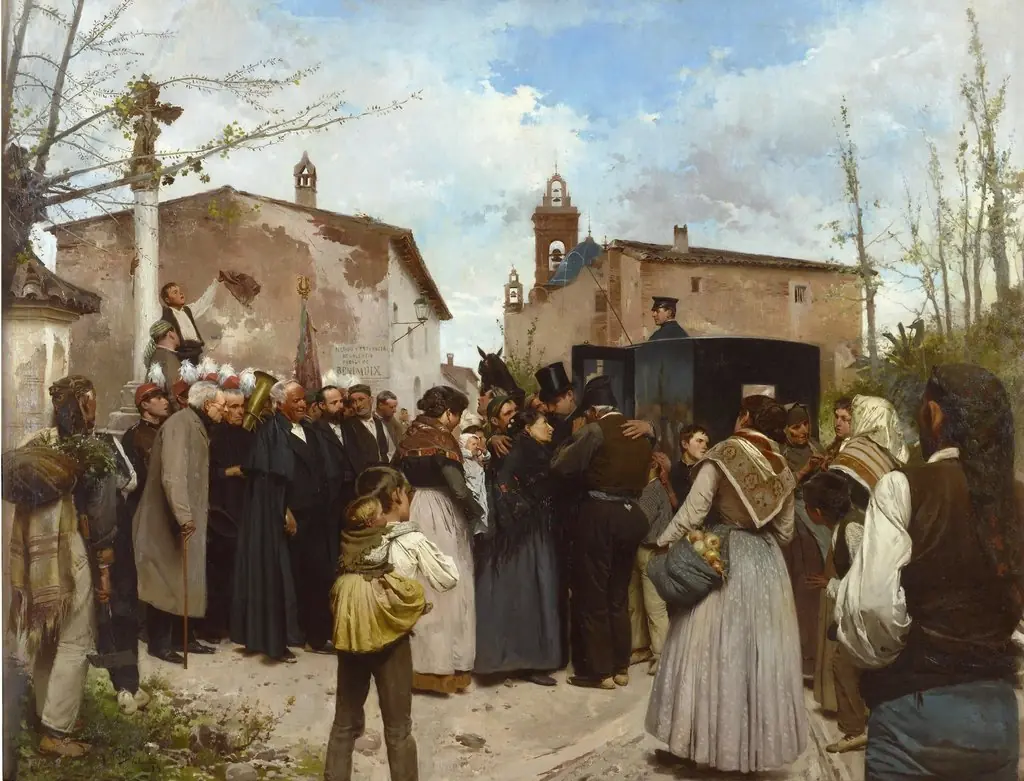 La gloria del pueblo
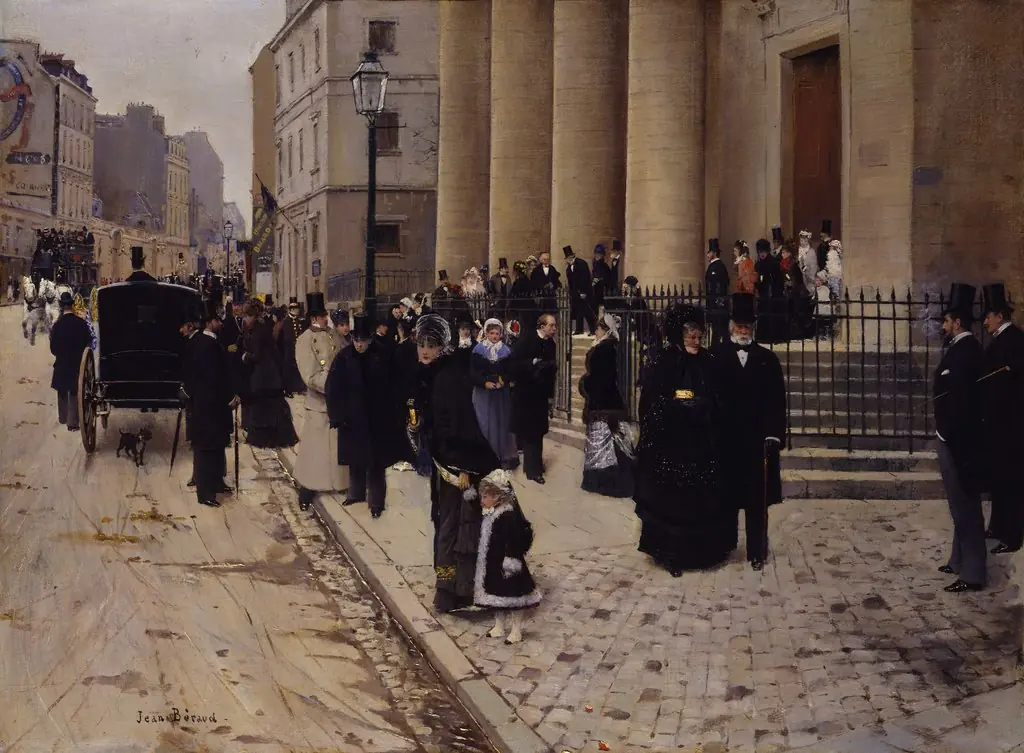 Sunday at the Church of Saint-Philippe-du-Roule, Paris
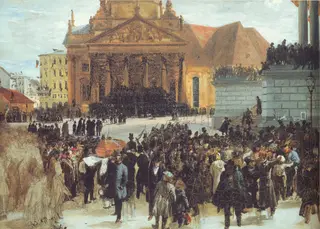 Laying out the March Dead
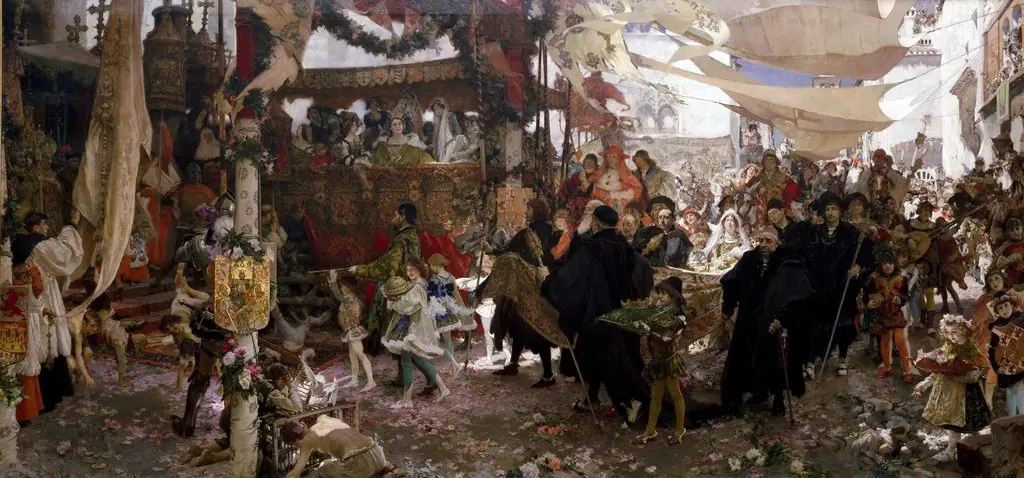 The Baptismal procession of Prince Juan, son of the Catholic Kings, through the streets of Seville
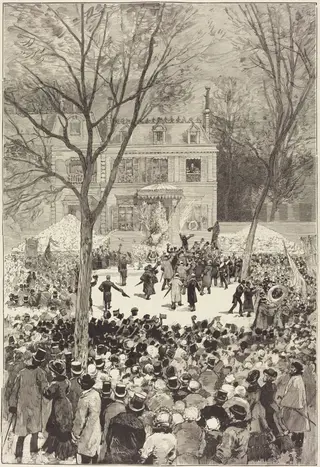 Manifestation populaire du 27 Février pour fêter le 80 année de Victor Hugo
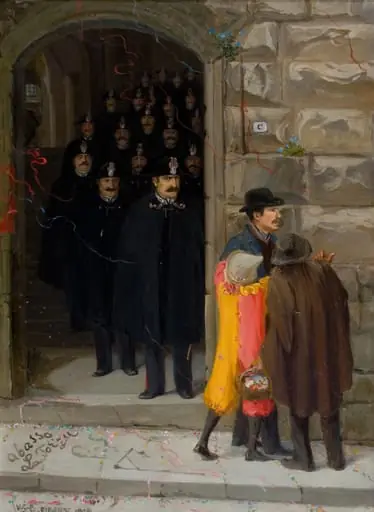 Karnevaalit Firenzessä
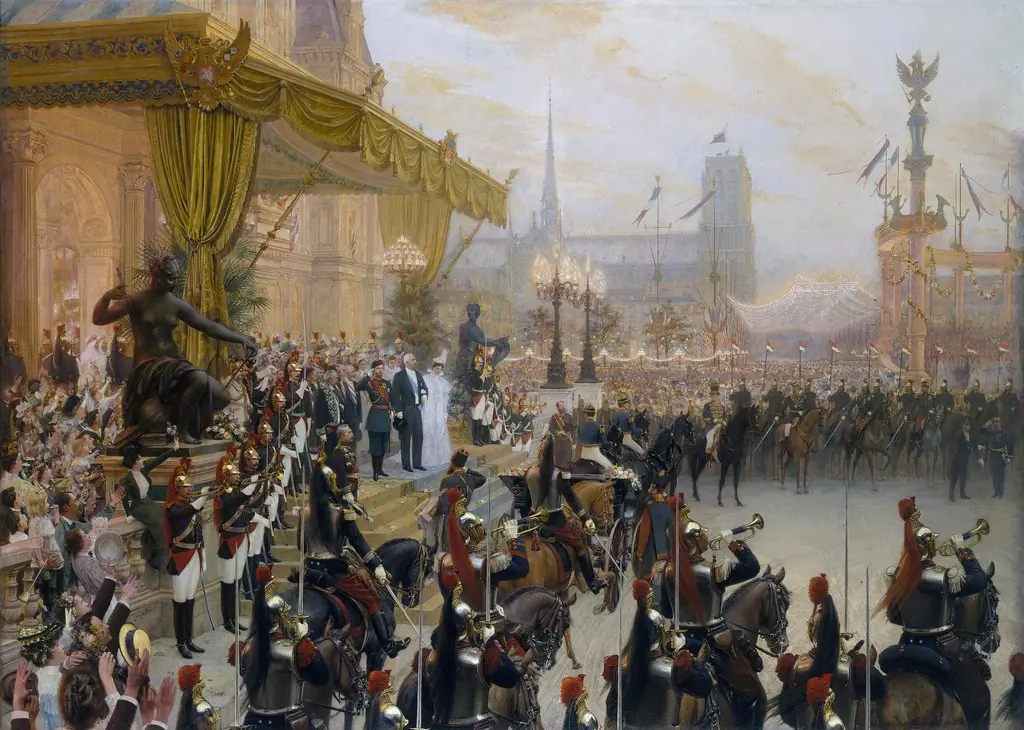 Ceremonial Reception of Nicholas II in Paris
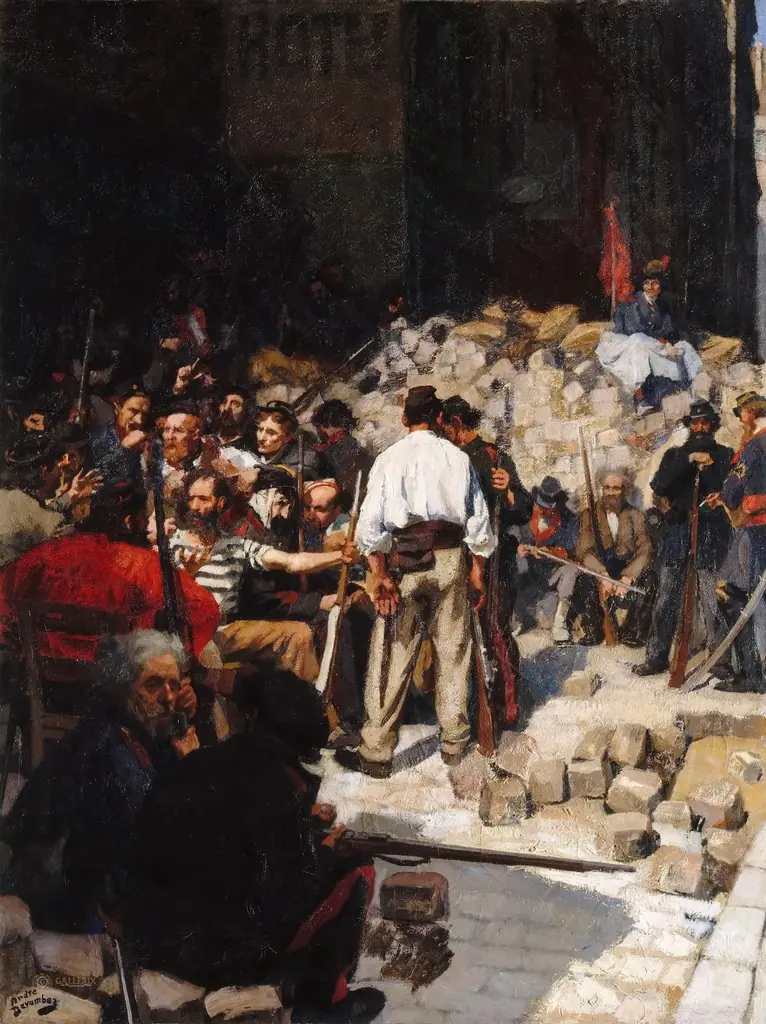 Barricade, the Paris Commune, May 1871
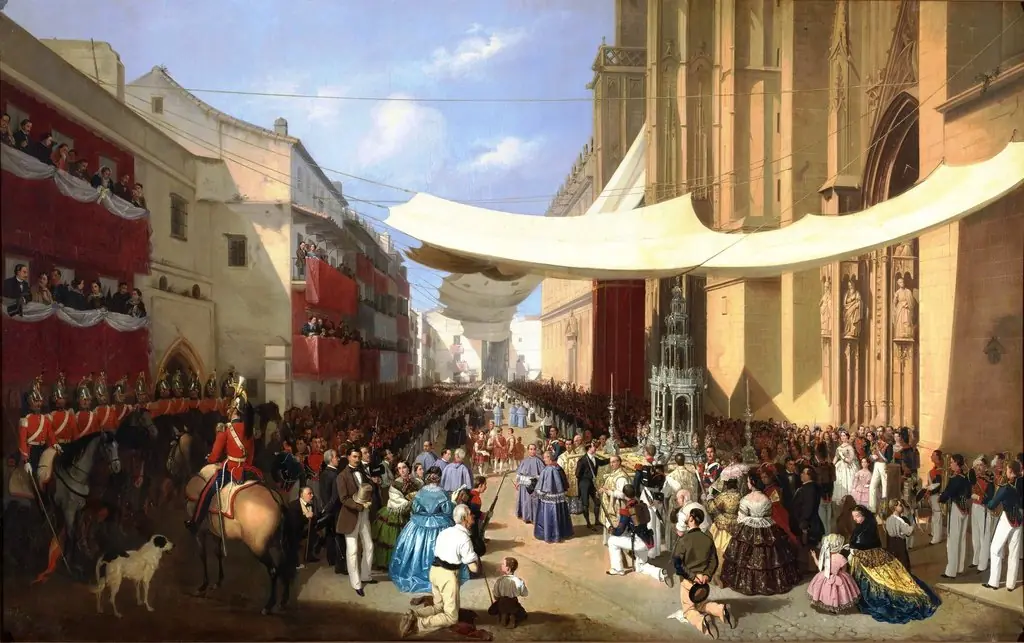
- The Corpus Christi Procession in Seville