Artwork
Portrait of an Old Man with Beret
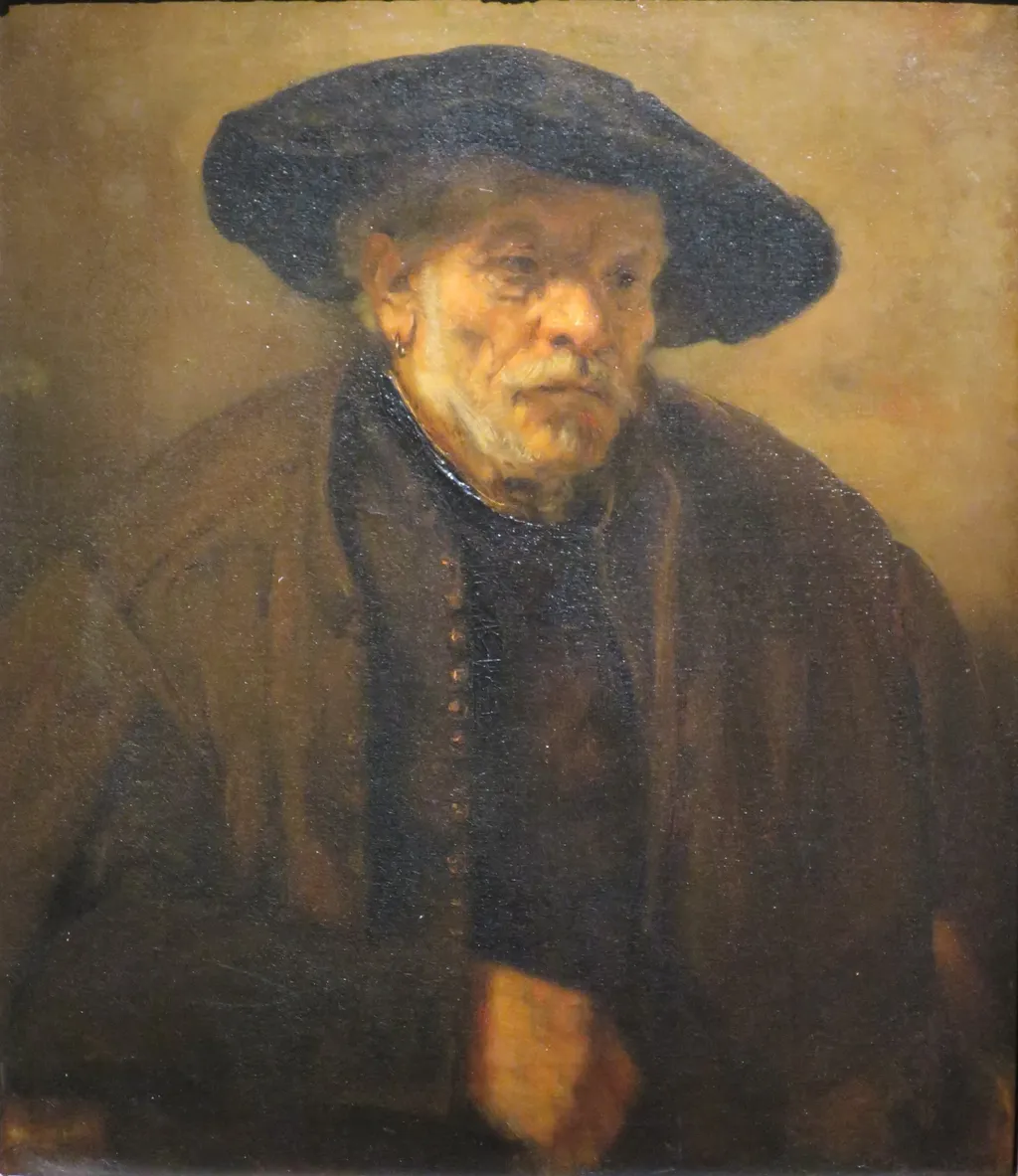
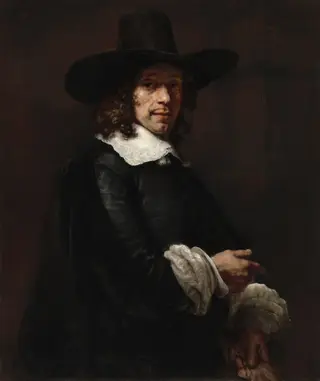
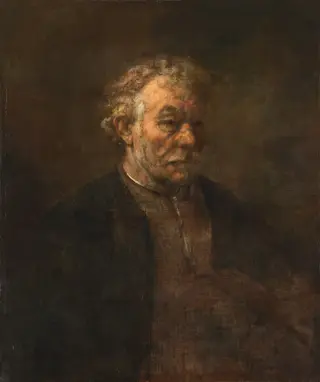
Portrait of an Old Man with Beret is an oil painting by the Dutch Golden Age artist Rembrandt van Rijn. It dates from 1654 and is held in the collection of the Pushkin Museum of Fine Arts. Created in 1654, this oil painting presents a solitary elderly figure rendered with Rembrandt’s characteristic depth of character.
About this work
Subject & Meaning
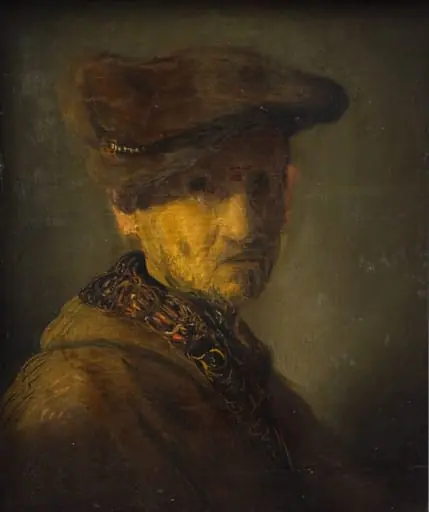
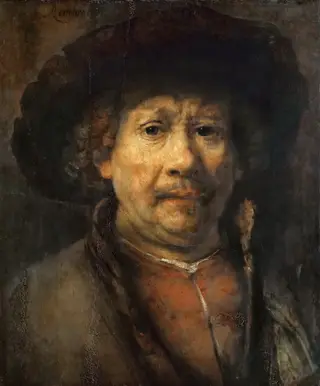
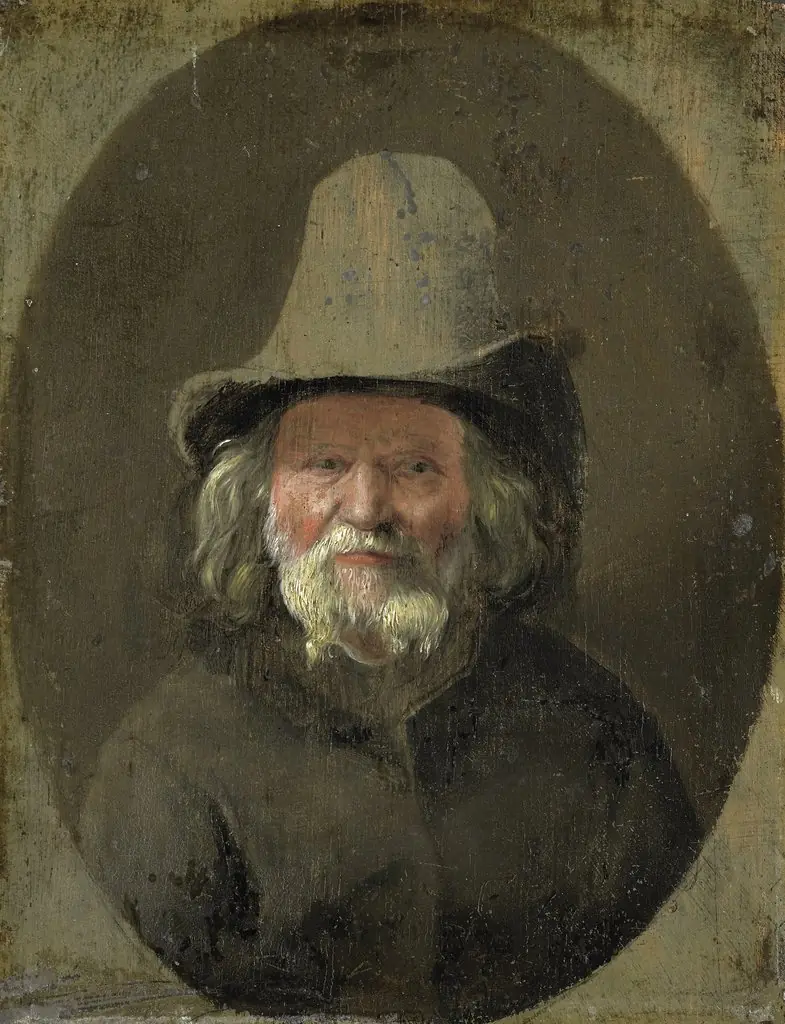
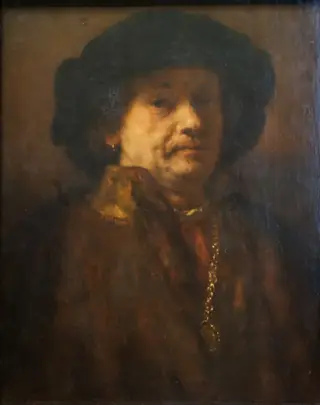
The artwork is a portrait that depicts an elderly male subject wearing a beret. As a work within the portrait genre, it focuses on the representation of the individual and his distinctive headwear, though further iconographic or symbolic meaning is not specified by the available sources.
History & Provenance
It is classified as a portrait and is part of the collection at the Pushkin Museum of Fine Arts, where it has been housed since its inception.
The work titled Portrait of an Old Man with Beret was created by Rembrandt in 1654 as an oil painting on canvas measuring 74 cm by 63 cm. It is classified as a portrait and is part of the collection at the Pushkin Museum of Fine Arts, where it has been housed since its inception. The painting entered the collection of the Hermitage Museum and remains on display there.
The Portrait of an Old Man with Beret is currently held at the Pushkin Museum of Fine Arts. Although data indicates an association with the Hermitage Museum, the specific location is identified as the Pushkin Museum. The work, created in 1654, is cataloged as an oil painting on canvas measuring 74 cm in height and 63 cm in width.
The provided sources do not contain specific inventory or accession numbers for this piece. Furthermore, no exhibition history is recorded in the available documentation.
Context
The 1654 portrait of an elderly man wearing a beret exemplifies Rembrandt's late mastery of psychological depth and chiaroscuro, reflecting his enduring focus on individual character study within Dutch Golden Age portraiture. Its inclusion in the Pushkin Museum of Fine Arts collection underscores the work's significance as part of the artist's broader legacy beyond Amsterdam, where many of his most influential portraits remain housed. Scholarship highlights its role in illustrating Rembrandt's evolving approach to light and texture during his mature period, situating it within the trajectory of his portraiture that bridged personal introspection and civic identity in 17th-century Netherlands.
Legacy
The painting's enduring influence stems from its masterful psychological depth and technical execution, establishing a benchmark for later portraiture. Its reputation as a prime example of Rembrandt's mature style has shaped scholarly interpretations of 17th-century European art, particularly in how artists approach character study and chiaroscuro. The work's presence in the Pushkin Museum of Fine Arts since its acquisition has cemented its status as a cornerstone of the museum's collection, frequently cited in art historical discourse on Old Master portraits.
Legacy is further evidenced by its frequent reproduction in academic studies and exhibitions focused on Dutch Golden Age painting, influencing generations of artists through its nuanced portrayal of aging and dignity.
Overview
Created in 1654, this oil painting presents a solitary elderly figure rendered with Rembrandt’s characteristic depth of character. The sitter, clad in a dark coat and a broad black beret, gazes directly at the viewer, his lined face and white beard conveying a quiet dignity. The muted brown backdrop isolates the subject, lending the work a restrained, introspective atmosphere.
Technique & Style
Executed in oil on canvas, the work employs a subtle chiaroscuro that models the figure through soft transitions of light and shadow. Rembrandt’s brushwork combines delicate glazing on the flesh tones with more vigorous strokes in the dark clothing, creating a tactile contrast. The restrained palette and muted background enhance the three‑dimensional presence of the sitter.
Own this work as a print
Artist & collection

Artist
Rembrandt Harmenszoon van Rijn, known mononymously as Rembrandt, was a Dutch Golden Age painter, printmaker, and draughtsman.