Artwork
Portrait of Eleazar Swalmius
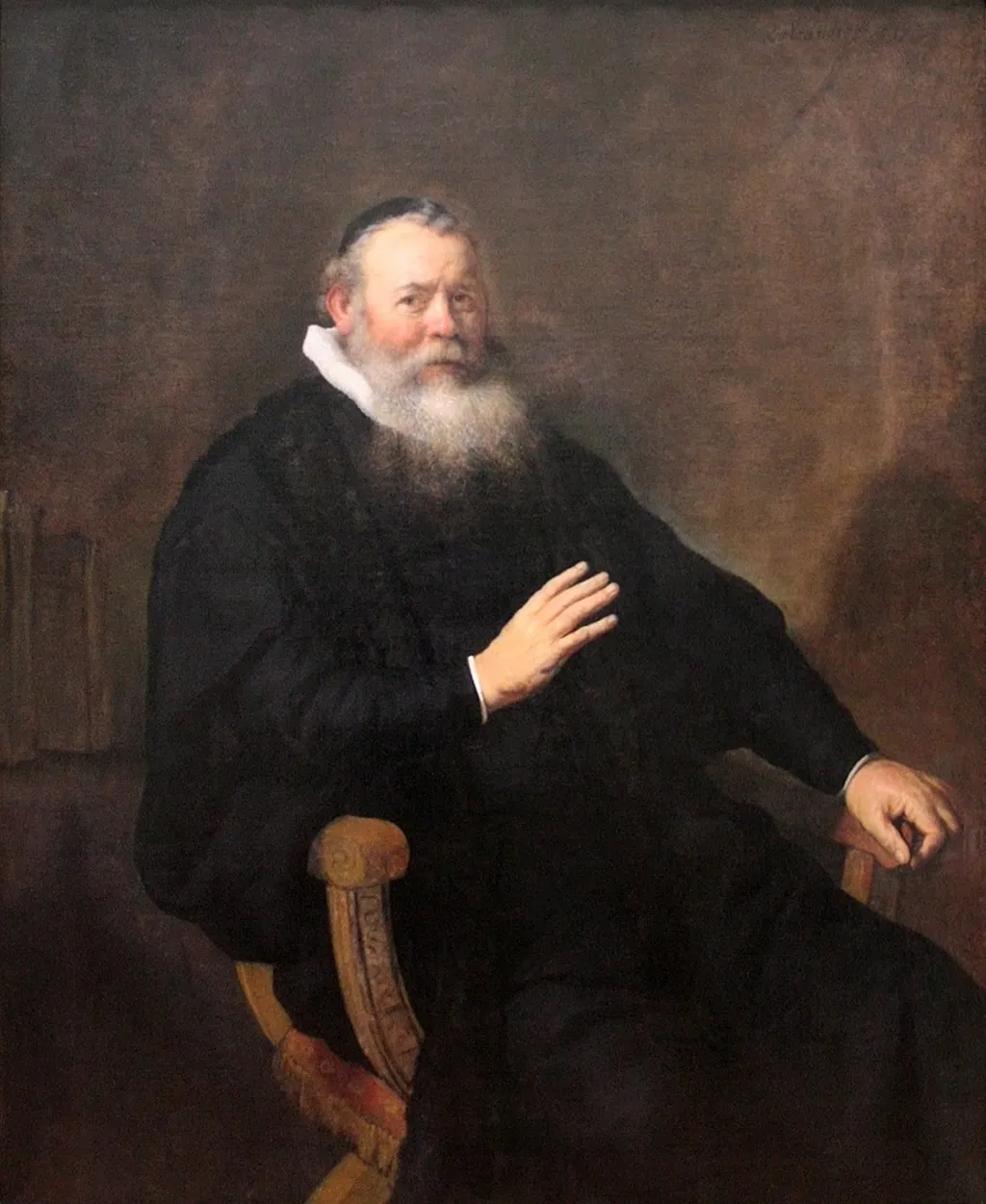
Portrait of Eleazar Swalmius is an oil painting by the Dutch Golden Age artist Rembrandt van Rijn. It dates from 1637 and is held in the collection of the Royal Museum of Fine Arts Antwerp. Created in 1637, this oil-on-canvas work depicts the Dutch preacher Eleazar Swalmius.
About this work
Subject & Meaning
The painting depicts Eleazar Swalmius, a preacher from Rhoon who became active in Amsterdam, rather than an Amsterdam mayor as previously recorded.
The painting depicts Eleazar Swalmius, a preacher from Rhoon who became active in Amsterdam, rather than an Amsterdam mayor as previously recorded. Swalmius was born to Hendrick van de Swalme, a family likely of Flemish origin, and served as a Counter-Remostrant preacher in Poortugaal, Hoogvliet, and Schiedam before settling in Amsterdam where he died in 1652 and was buried in the Oude Kerk. Rembrandt painted the portrait in 1637 when Swalmius was about 55 years old, and the work shows him seated in a sober, three-quarter view on a low wooden armchair against a dim brown background with only faintly visible books on a table. His kind eyes, rubicund nose, and long white beard convey friendliness rather than wisdom, and the composition suggests a personal relationship between artist and sitter. The painting was recorded in 1727 in the Duke of Orléans collection in Paris as a portrait of a mayor, but later scholarship clarified its true subject as the preacher Eleazar Swalmius. After doubts about authenticity led to long storage, restoration revealed subtle color nuances, and Rembrandt expert Ernst van de Wetering confirmed it as an original Rembrandt, leading to its permanent display in the Royal Museum of Fine Arts Antwerp.
Technique & Style
The portrait is executed in oil paint on canvas, with the canvas measuring approximately 132 × 109 cm (visible) and 136 × 111.5 cm overall. The work belongs to the opening of Rembrandt's so-called golden-brown period (1637-1642). The paint layer is smoothly spread, lacking the thicker, more smeared impasto of his later style, and color tones blend almost imperceptibly into one another. Light enters from the upper left, falling across the forehead, temples, and collar in a soft, modeling manner that gradually loses intensity into the surrounding dimness. The composition is austere: Swalmius is shown almost life-size, seated three-quarter view on a low wooden armchair against a dim brown background with barely visible books. The handling is sober and restrained, with flowing contours that dissolve into one another. A thick yellow varnish had long obscured the nuances of the sitter's pink skin tones and black garments; restoration in the late 2000s removed this layer, revealing the painterly subtleties beneath.
History & Provenance
Painted in 1637, the portrait is signed in the top right with Rembrandt. f 1637. It entered the Orléans collection at the Palais Royal in Paris by 1727 as a Rembrandt portrait of an Amsterdam mayor. After remaining in the Orléans family until 1792, the entire collection was sold by Louis Philippe Joseph d'Orléans to settle debts; the work passed through several English collections to the Bourgeois brothers, dealers in Cologne, who sold it to the Royal Museum of Fine Arts Antwerp in 1886 for 200,000 francs as an authentic Rembrandt. Storage and attribution disputes followed until restoration in the late 2000s and expert review by Ernst van de Wetering confirmed its autograph status, after which it was reinstalled in the museum’s holdings.
The Portrait of Eleazar Swalmius is held in the collection of the Royal Museum of Fine Arts Antwerp. Its inventory number is not specified in the provided sources. The work was recorded in 1727 in the catalogue of the Duke of Orléans collection at the Palais Royal in Paris, described as a portrait of an Amsterdam mayor by Rembrandt. It remained in that family until 1792, when Louis Philippe Joseph d'Orléans sold the entire collection to finance his political career and settle debts. The painting then passed through several English collections before being acquired by the Belgian art dealers the Bourgeois brothers, who sold it to the museum in 1886 for 200,000 francs. The museum acquired it as an original Rembrandt. The work was later restored, and after expert evaluation by Ernst van de Wetering confirmed its authenticity as a genuine Rembrandt, it was placed permanently on display.
Context
Portrait of Eleazar Swalmius (1637) is a canonical example of Rembrandt’s mature portraiture, reflecting his engagement with Amsterdam’s intellectual and religious elite. The work was recorded in 1727 in the collection of the Duke of Orléans as a portrait of an Amsterdam mayor, later reidentified as the preacher Eleazar Swalmius, a Dutch Reformed minister active in Amsterdam from 1622 until his death in 1652. Swalmius, born in Rhoon to a Flemish-descended family, served congregations near Rotterdam before settling in Amsterdam, where he was buried in the Oude Kerk. Rembrandt, who knew Swalmius personally through shared Calvinist networks and possibly through Swalmius’s brother Carel, a witness to Rembrandt’s will, created this life‑size, three‑quarter view in a sober composition marked by a dim brown background, sparse books, and a restrained pose on a low wooden armchair. The painting’s authenticity was contested in the 20th century, with early scholars like Gerson attributing it to Rembrandt’s pupil Govert Flinck due to perceived lack of expressive vigor, but extensive restoration and expert assessment by Ernst van de Wetering confirmed it as an original Rembrandt in 2000s. The work remained in storage until its reintegration into the Royal Museum of Fine Arts Antwerp’s collection in 2005, where it is now displayed as a key piece illustrating Rembrandt’s exploration of human psychology and his ‘golden’ period (1637-1642).
Legacy
The painting has long been cited as a portrait of an Amsterdam mayor, appearing in the 1727 Orléans collection catalog and later in English private sales before its 1886 acquisition by the Royal Museum of Fine Arts Antwerp. Restoration work in the late 2000s confirmed its status as an original Rembrandt, overturning earlier doubts that had placed it in storage for decades. Scholars now recognize it as a genuine 1637 portrait of the Amsterdam preacher Eleazar Swalmius, reflecting Rembrandt’s mature portraiture style and his documented personal connection to the sitter’s family.
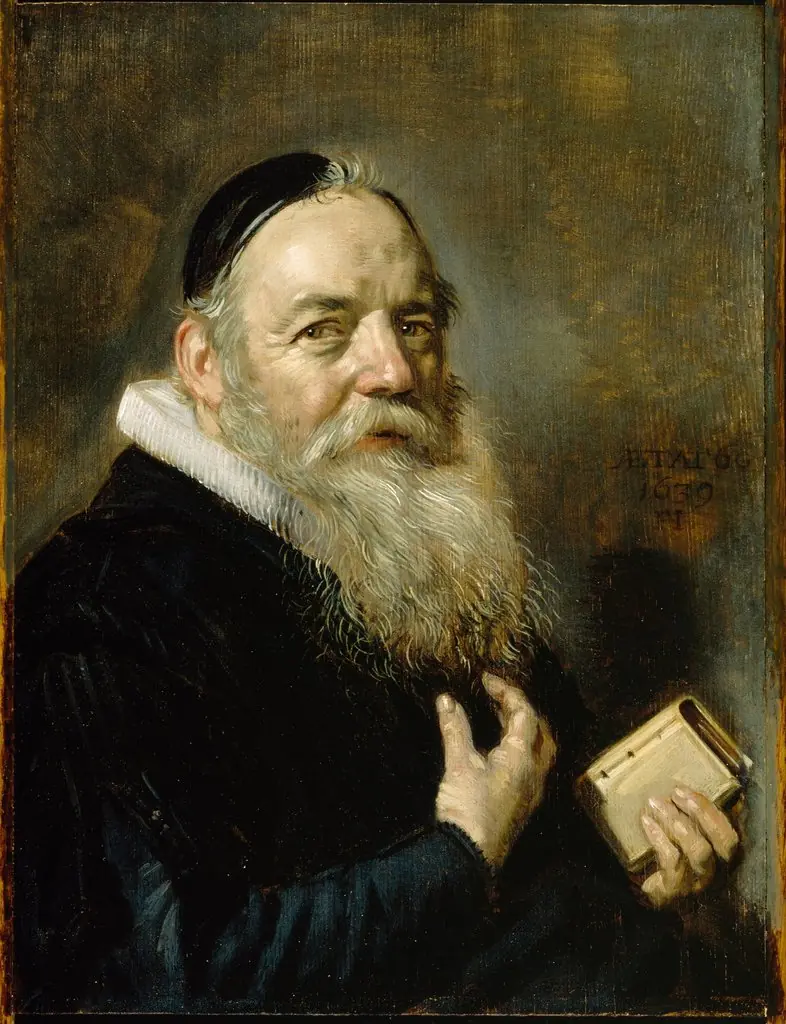
Artist & collection

Artist
Rembrandt Harmenszoon van Rijn, known mononymously as Rembrandt, was a Dutch Golden Age painter, printmaker, and draughtsman.

 Gellius de Bouma
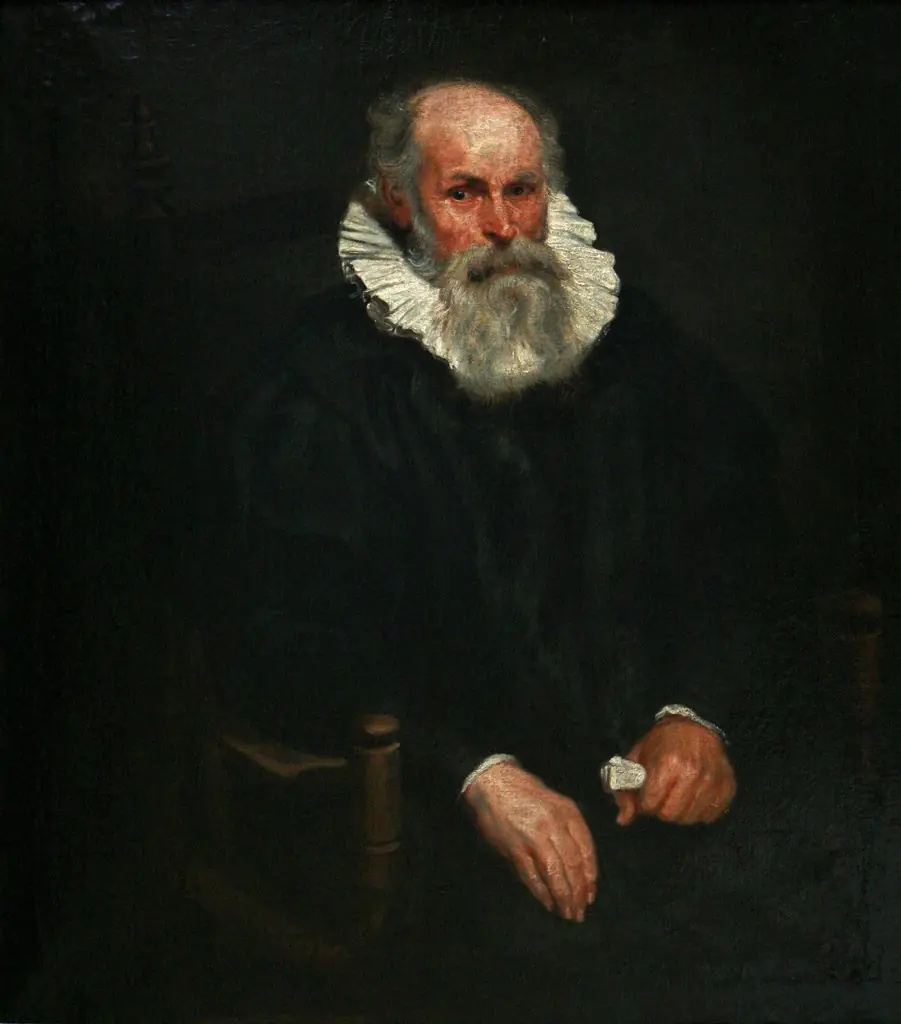 Portrait of an old man
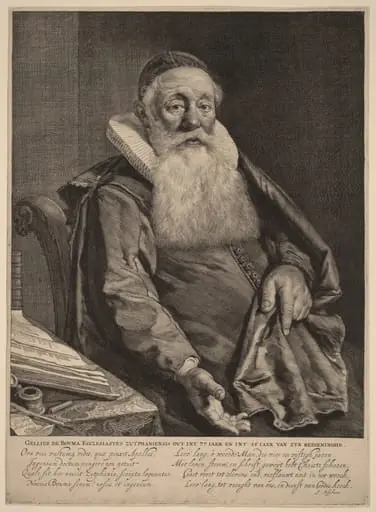
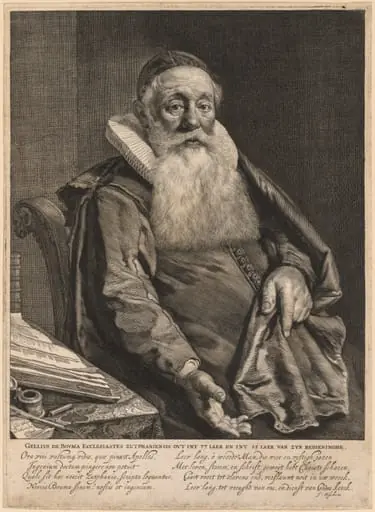 Gellius de Bouma, Minister of the Gospel at Zutphen
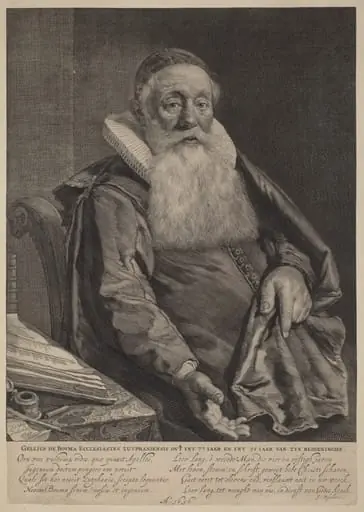 Gellius de Bouma
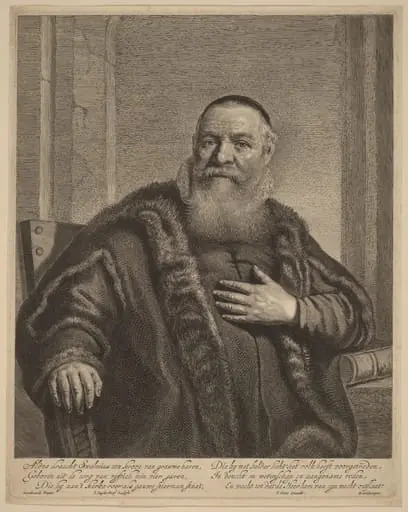 Eleazer Swalmius
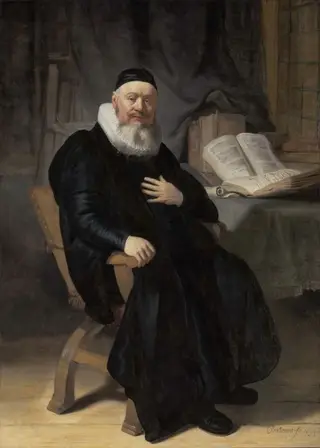 Reverend Johannes Elison
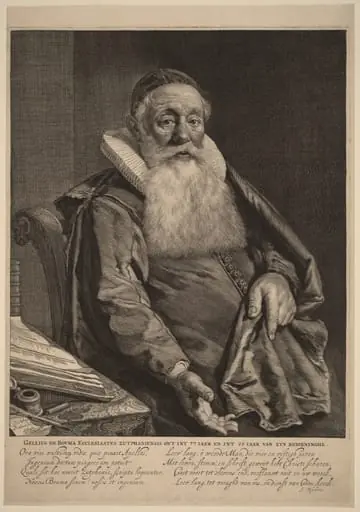 Gellius de Bouma
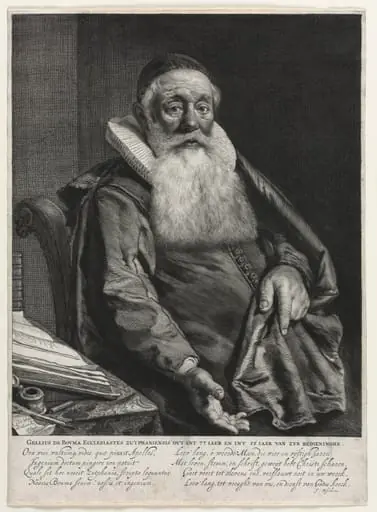 Gellius de Bouma
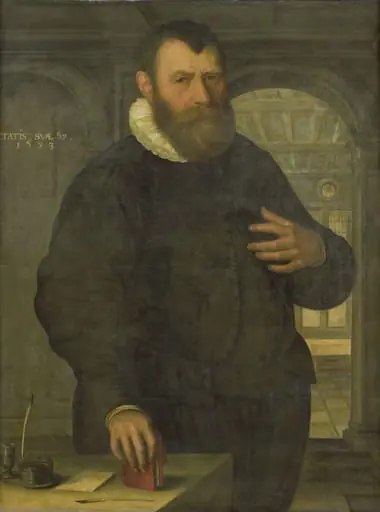 Portrait of Bartholomeus van der Wiere (1534-1603)
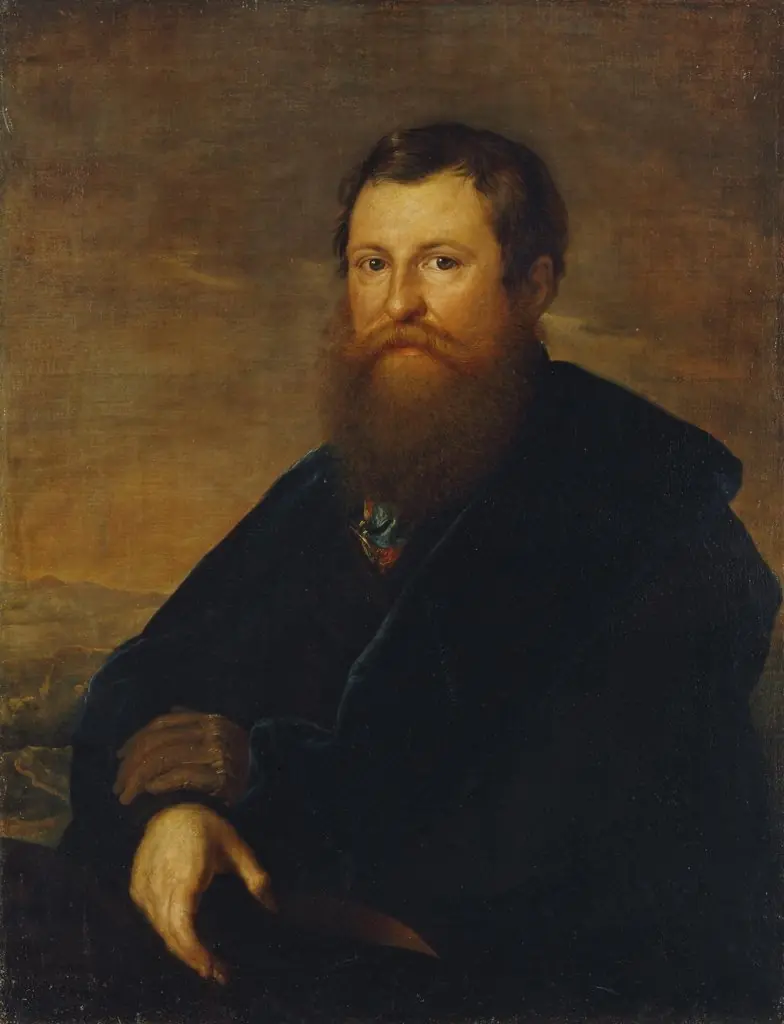 Portrait of the Merchant Alexander Sapozhnikov
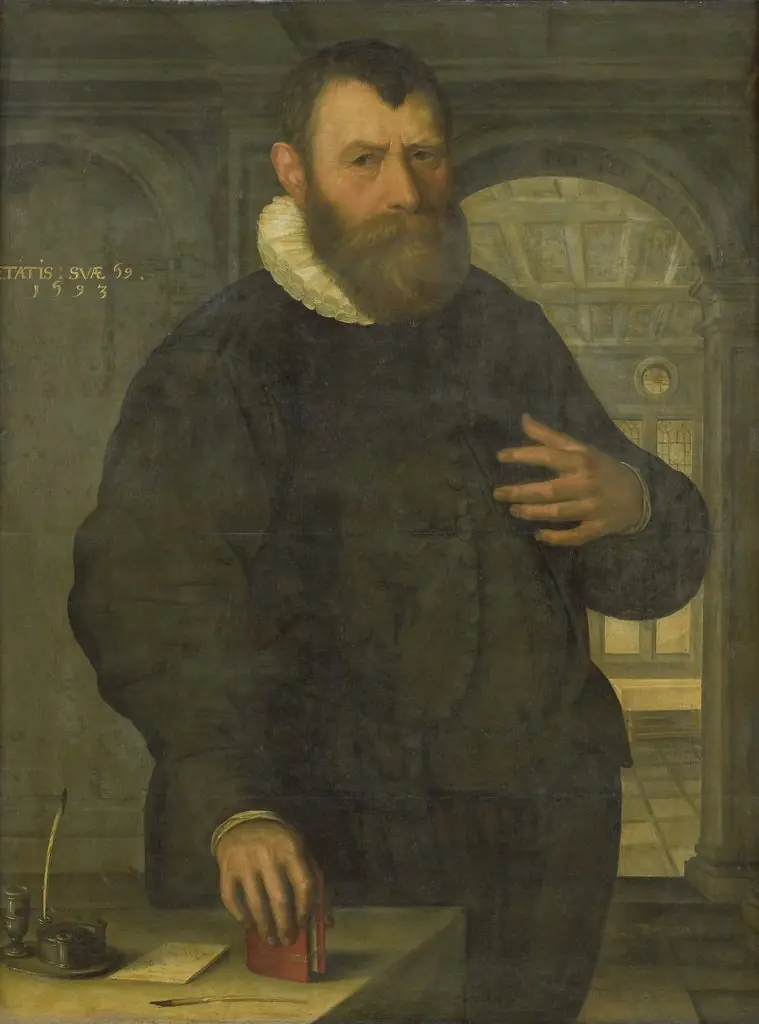 Portrait of Bartholomeus van der Wiere (1534-1603)
- Portrait of Hendrik Swalmius