Artwork
Vuoristomaisema
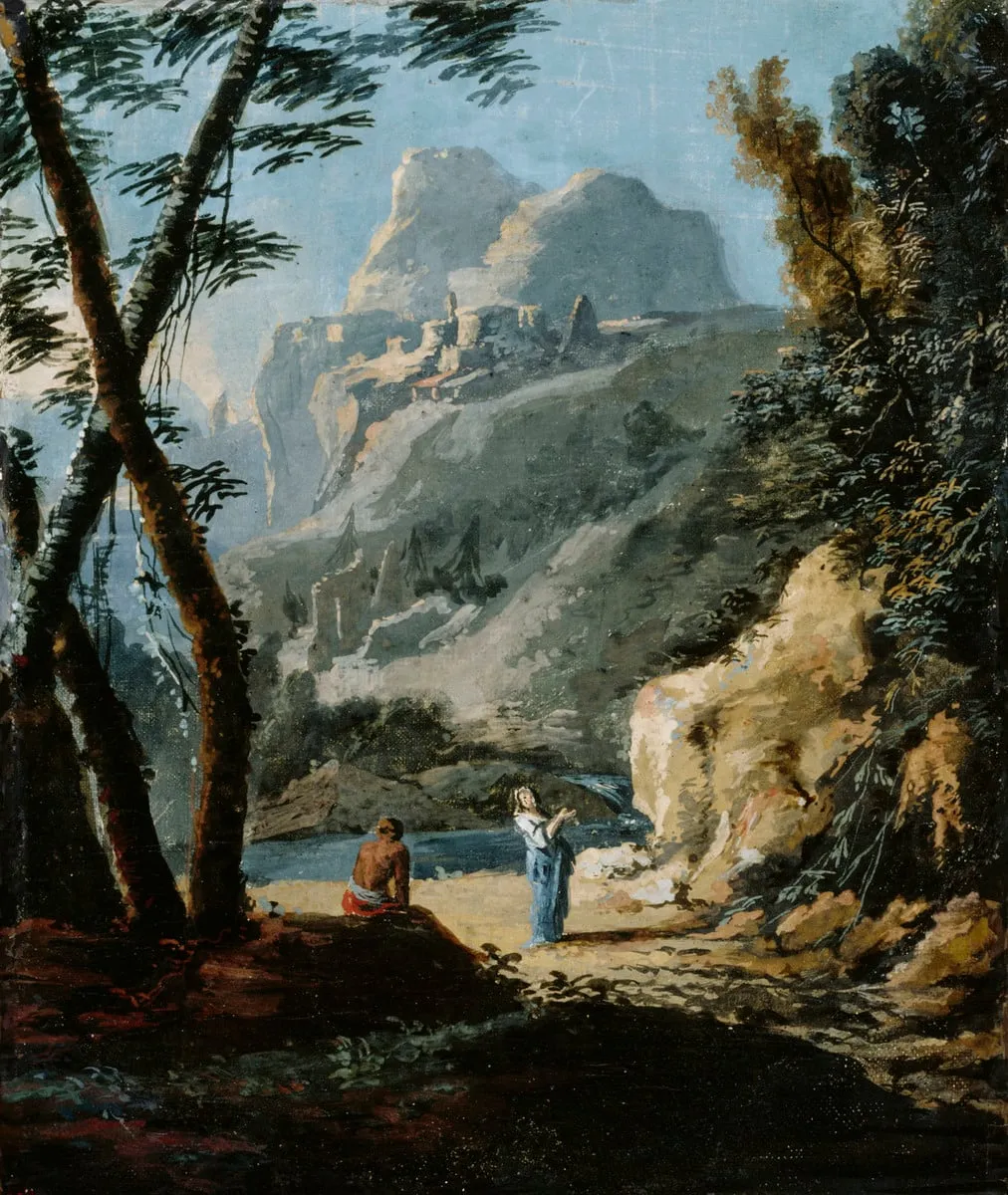
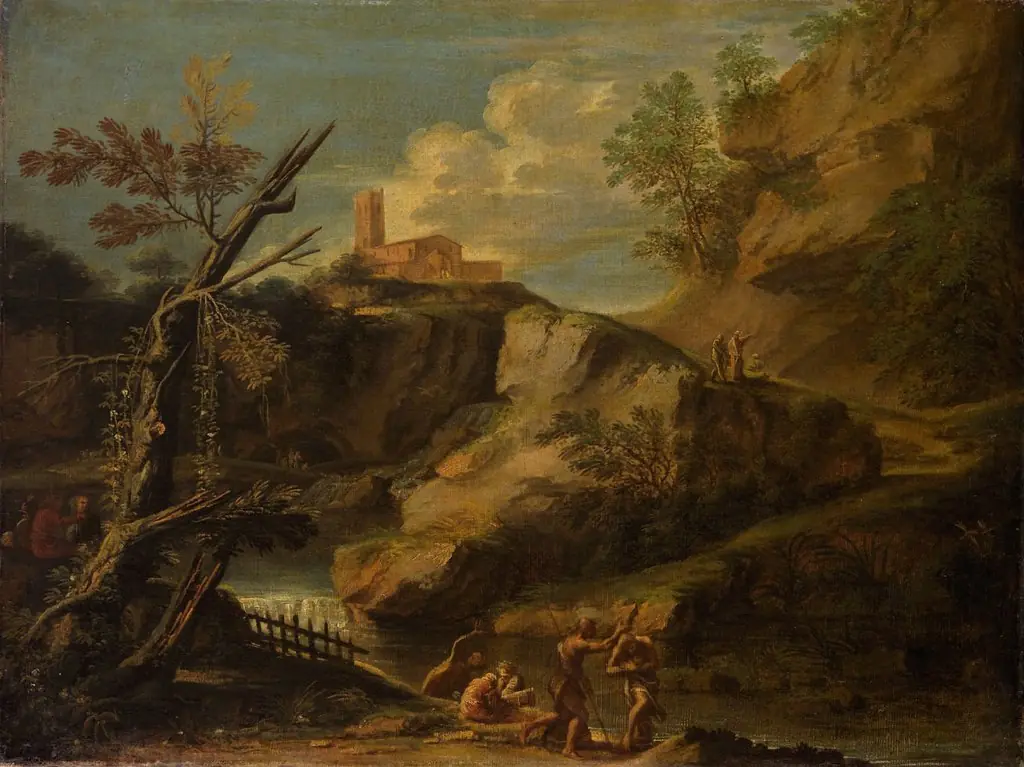
Vuoristomaisema is an unspecified painting by the Rococo painting artist Marco Ricci. It dates from 1712 and is held in the collection of the Finnish National Gallery.
About this work
Overview
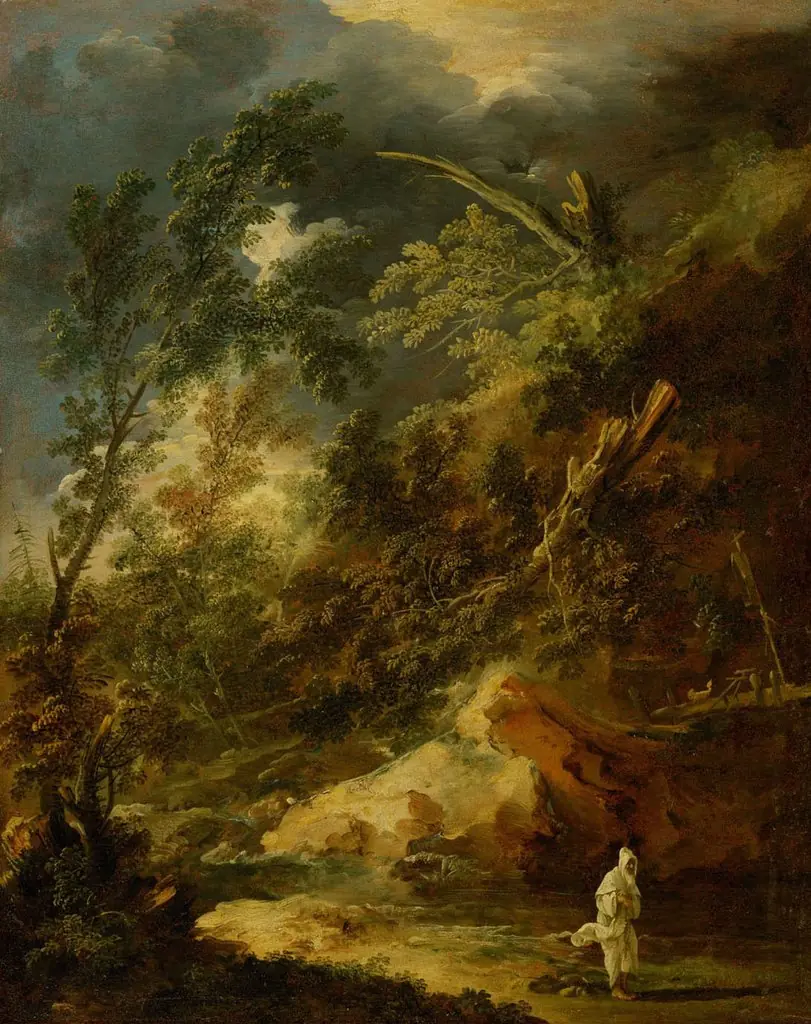
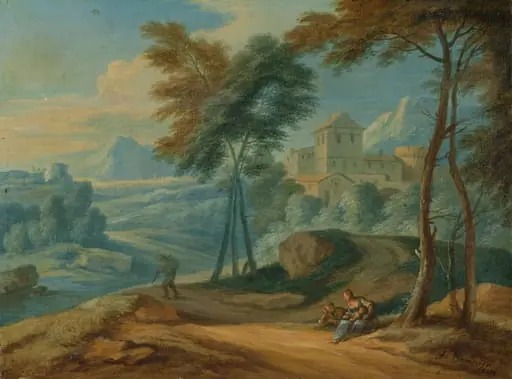
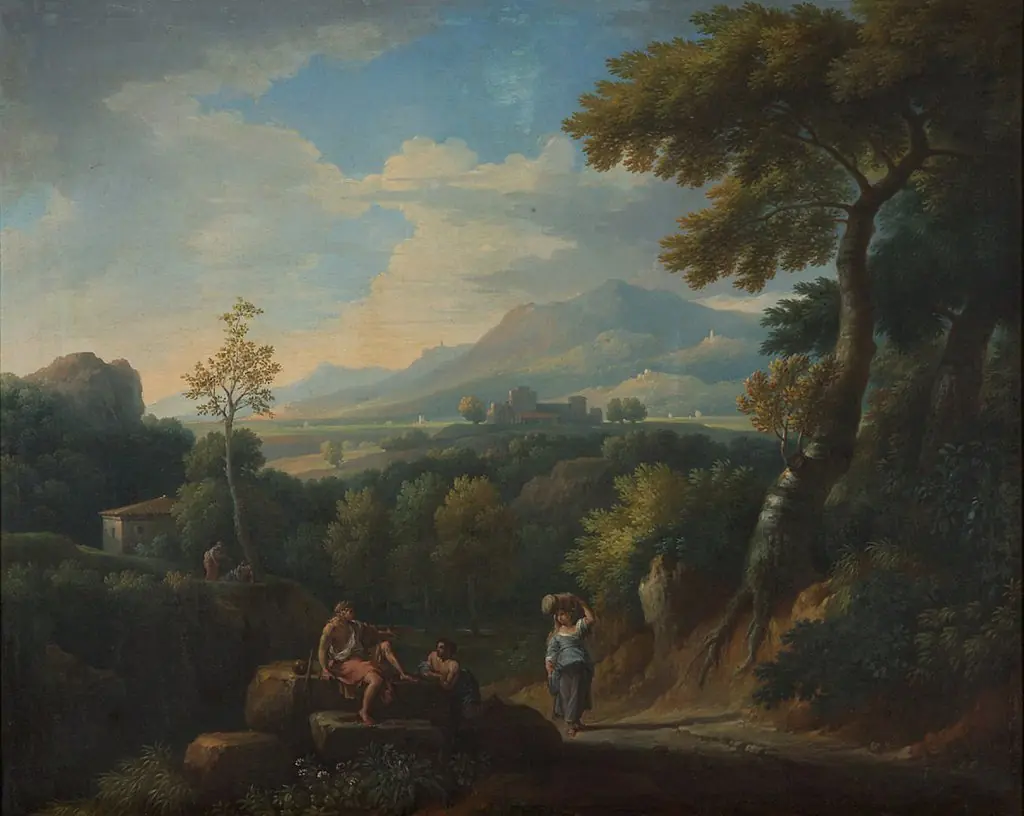
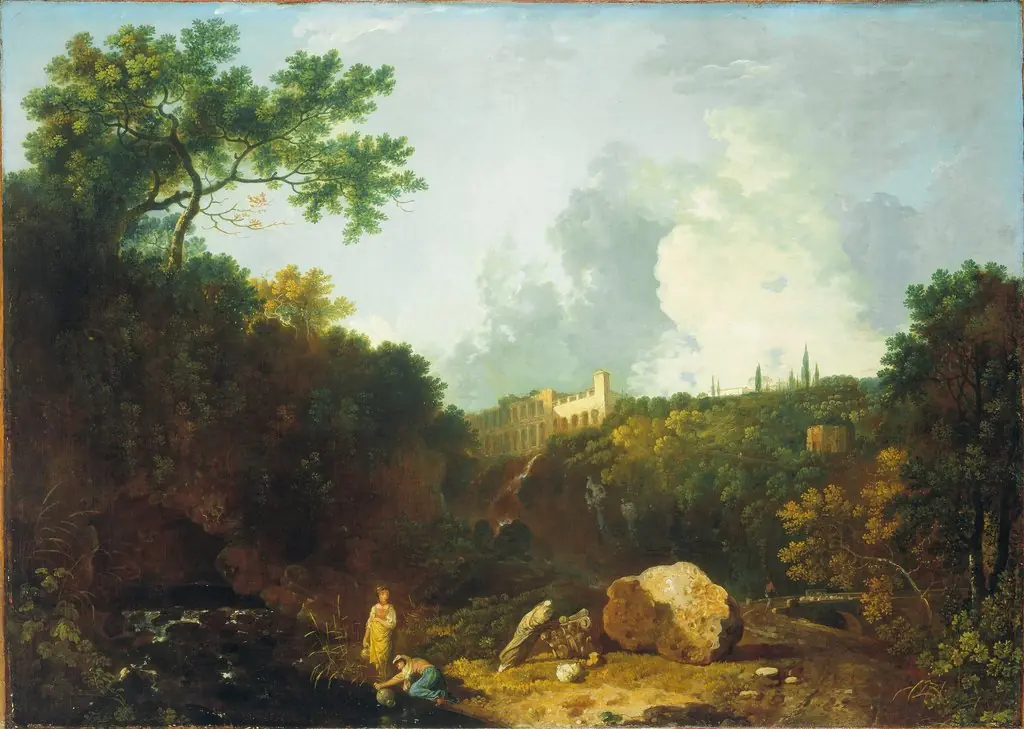
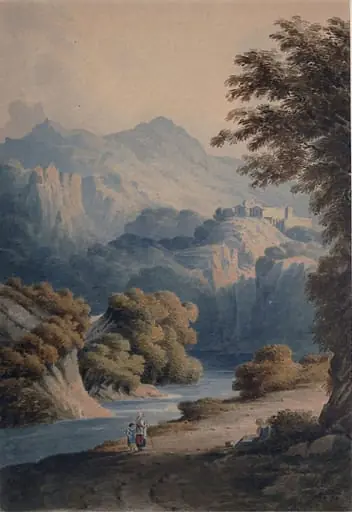
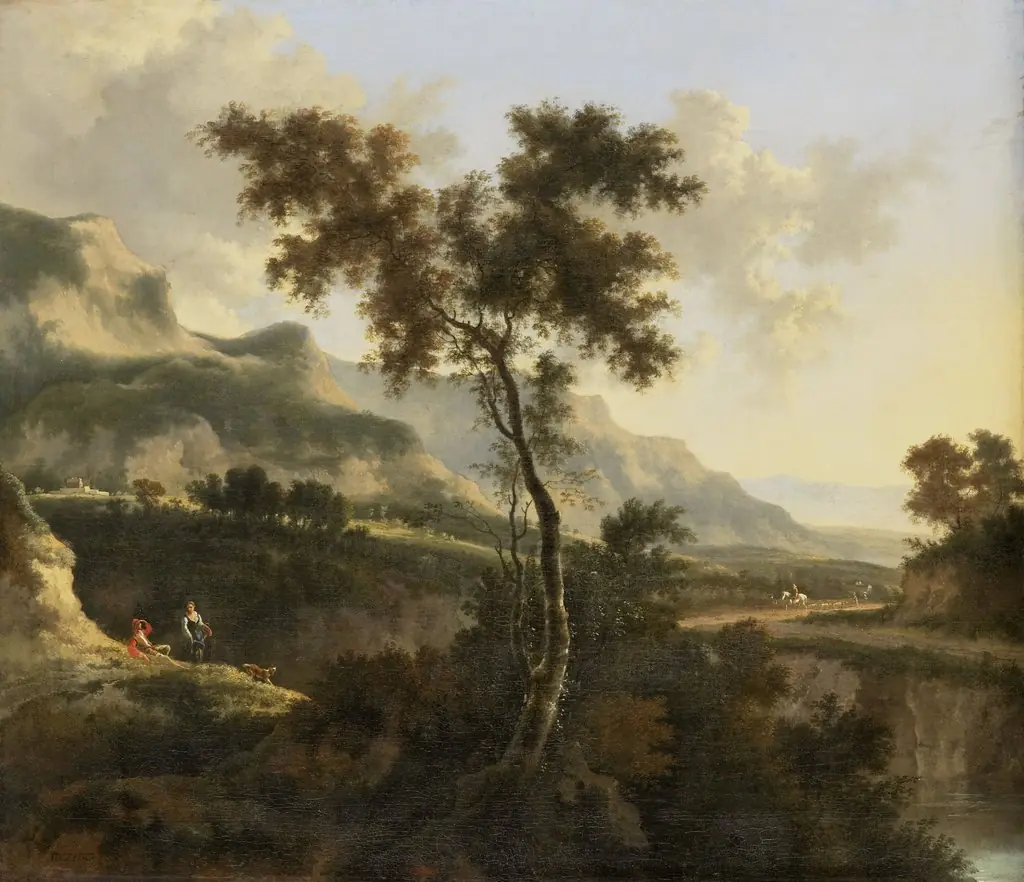
Vuoristomaisema, dated around 1712, is a landscape painting by Marco Ricci, executed in tempera on paper mounted on canvas.
Vuoristomaisema, dated around 1712, is a landscape painting by Marco Ricci, executed in tempera on paper mounted on canvas. It depicts a quiet alpine scene under a muted sky, with snow-dusted peaks rising above forested slopes. Ricci’s choice of materials contributes to a delicate luminosity, characteristic of his technique during this period. The work reflects his interest in naturalistic scenery, distinct from the urban vistas he sometimes rendered.
Subject & Meaning
The painting presents an idealized mountain landscape, devoid of human figures or architectural elements, emphasizing solitude and the quiet grandeur of nature. The soft color palette and subtle gradations of light suggest a tranquil, almost meditative atmosphere. Rather than documenting a specific location, Ricci constructs a poetic vision of the Alps, aligning with contemporary tastes for serene, evocative scenery over topographical accuracy.
Technique & Style
Ricci applied tempera on paper, then adhered it to canvas, a method that allowed for fine detail and a translucent glow in the pigments. His brushwork is precise yet restrained, with dark evergreen patches contrasting against pale snow and hazy skies. The composition balances vertical peaks with horizontal cloud bands, creating rhythm without drama.
This approach echoes the atmospheric sensitivity found in the works of his uncle, Sebastiano Ricci, and his collaborator Canaletto.
History & Provenance
Created during Ricci’s time in Italy, Vuoristomaisema belongs to a series of landscape studies he produced in the early 1700s, likely for private collectors. While its early ownership is undocumented, its technique and style place it firmly within his mature period, following his travels through the Veneto and Trentino regions. The work survived intact, preserving the original mounting and pigment integrity, rare for works on paper of this era.
Context
In early 18th-century Italy, landscape painting was gaining prestige beyond mere background decoration. Ricci contributed to this shift by treating nature as a subject worthy of focused attention. His works, including this one, responded to a growing European interest in the sublime and picturesque, while maintaining a restrained, intimate scale that differed from the theatricality of later Romantic landscapes.
Legacy
Vuoristomaisema exemplifies Ricci’s role in bridging the decorative traditions of Venetian painting with emerging naturalism. Though less celebrated than his cityscapes, his mountain scenes influenced later artists exploring alpine themes. The painting’s quiet composition and material innovation remain notable for their understated elegance, offering a counterpoint to the more dramatic landscapes of his contemporaries.
Artist & collection