Artwork
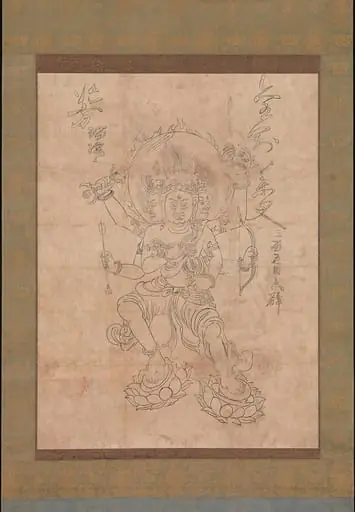
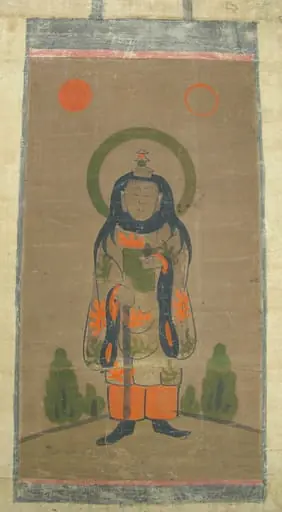
龍湫周沢写 不動明王二童子像|Fudō Myōō and Two Attendants
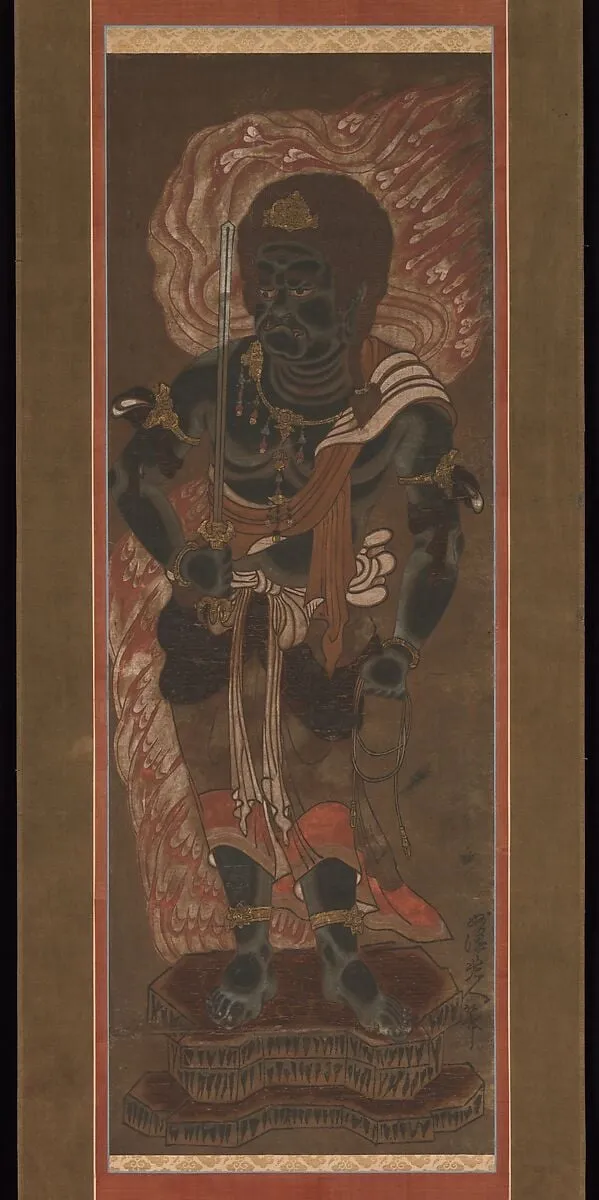
龍湫周沢写 不動明王二童子像|Fudō Myōō and Two Attendants is an ink painting by the Ukiyo-e artist Ryūshū Shūtaku. It dates from 1362 and is held in the collection of the Metropolitan Museum of Art. Fudō Myōō and Two Attendants is a hand-colored woodblock print, originally one of a triptych of hanging scrolls.
About this work
Subject & Meaning
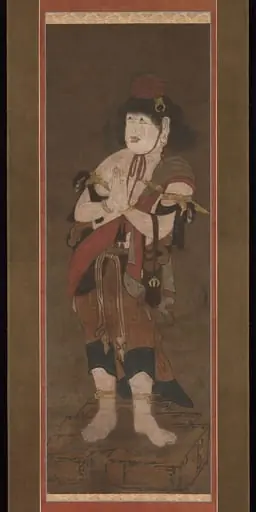
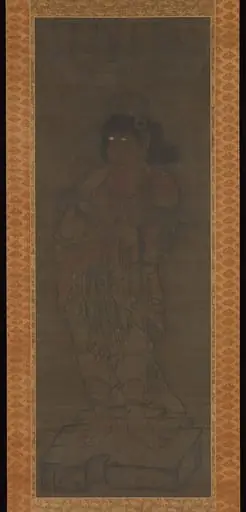
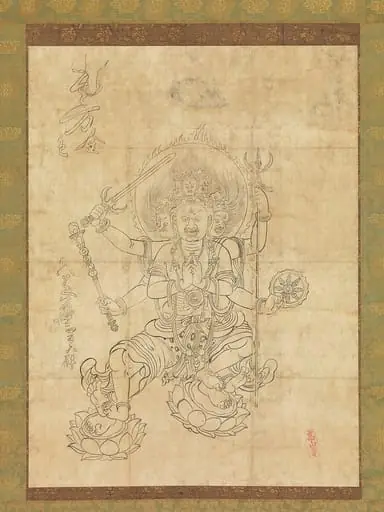
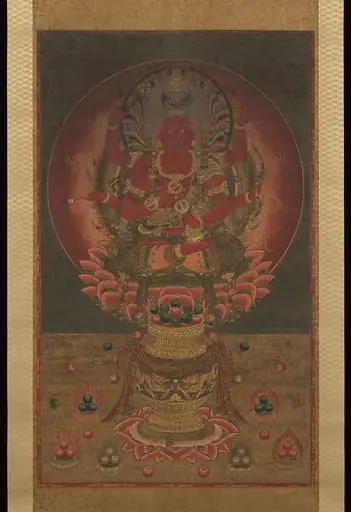
Created in 1362 by the artist Ryūshū Shūtaku, this work depicts Fudō Myōō accompanied by two attendants, serving as a representation of Buddhist deity worship.
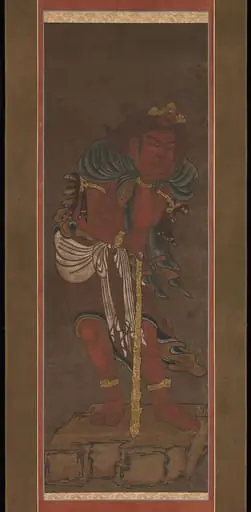
Created in 1362 by the artist Ryūshū Shūtaku, this work depicts Fudō Myōō accompanied by two attendants, serving as a representation of Buddhist deity worship. As part of a triptych of hand-colored woodblock prints on paper, the image features the central figure holding a sword, a key iconographic element associated with the deity's power to cut through ignorance and evil. The composition includes the main deity alongside two male figures, illustrating a specific hierarchy within religious iconography.
The presence of the sword and the grouping of figures emphasize the work's function as a religious object intended for devotion or ritual context within Japanese Buddhism. The depiction focuses on the divine presence and the attendant figures that support the central deity's spiritual authority.
Technique & Style
The artwork is a hand-colored woodblock print on paper, mounted as a hanging scroll and constituting one panel of a triptych. The process begins with carving the image into wooden blocks, inking the surfaces, and pressing them onto paper to transfer the design; after printing, pigments are applied by hand to add color. Dated to 1362 and produced in Japan, the print exemplifies the woodblock techniques current in mid‑fourteenth‑century Buddhist art.
Its support is paper, and the hanging‑scroll format allows vertical display, typical for devotional images of this period.
History & Provenance
Fudō Myōō and Two Attendants was produced in 1362 by Ryūshū Shūtaku (Myōtaku) as one of a triptych of hanging scrolls, executed as hand-colored woodblock prints on paper. The work originated in Japan, where it was created for religious purposes. It subsequently entered the collection of the Metropolitan Museum of Art, where it is now held under the accession designation MET 1975.268.27.
The painting is held by the Metropolitan Museum of Art, where it is catalogued under the accession number 1975.268.27. It forms part of a triptych of hanging scrolls executed in 1362 by Ryūshū Shūtaku (Myōtaku) in Japan. The Metropolitan Museum of Art is identified as both the collection and the holding location in the associated Wikidata record, and the work entered the museum's holdings as part of its Asian art holdings. No specific exhibition history is documented in the available sources.
Overview
Fudō Myōō and Two Attendants is a hand-colored woodblock print, originally one of a triptych of hanging scrolls. This artwork presents Fudō Myōō, a significant Buddhist protector, accompanied by his two youthful attendants. The piece exemplifies the common medieval Japanese artistic practice of combining the replicability of printmaking with the unique touch of manual coloring to create devotional images.
Context
This depiction of Fudō Myōō fits within a rich tradition of Buddhist deity representations in Japanese art. Such images served as focal points for veneration in temples and private settings. The use of hand-colored woodblock prints made these important religious figures more widely available, contributing to the broader dissemination of devotional art across different social strata.
Artist & collection

Artist
Ryūshū Shūtaku, a Zen monk, walked Kyoto's backstreets in worn robes, sketching gods on scraps of paper between temple duties.