Artwork
衿羯羅童子像 |Kongara-doji
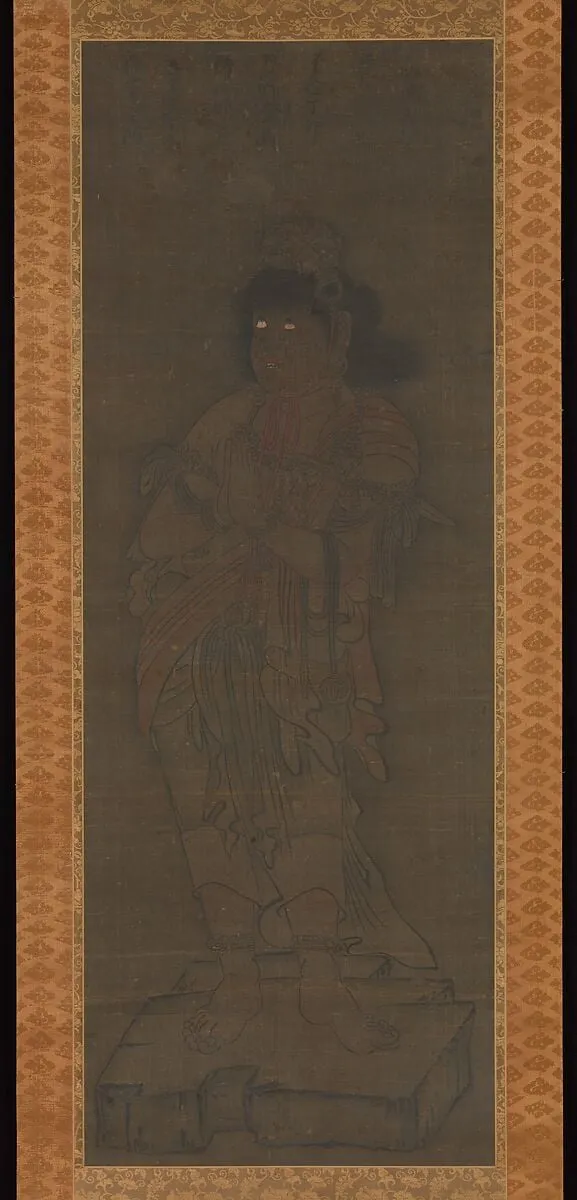
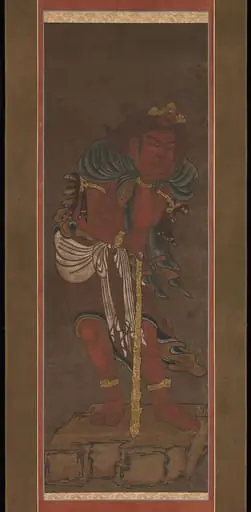
衿羯羅童子像 |Kongara-doji is an ink painting by the Joseon dynasty painting artist Ryūshū Shūtaku. It dates from 1387 and is held in the collection of the Metropolitan Museum of Art.
About this work
Subject & Meaning
The child-like features and serene demeanor suggest the pacification of worldly passions, a key iconographic trait of Kiṃkara as a subduer of negative forces.
The hanging scroll depicts the esoteric Buddhist figure Kiṃkara (衿羯羅), a youthful attendant of the Wisdom King Acala. Kiṃkara is portrayed as a monk with a shaved head and a calm, meditative expression, wearing a simple robe tied at the waist. The child-like features and serene demeanor suggest the pacification of worldly passions, a key iconographic trait of Kiṃkara as a subduer of negative forces.
The painting’s style and inscription by Ryūshū Shūtaku (Myōtaku) in 1387 situate it within Muromachi-period esoteric Buddhist art, where such wrathful deities and their attendants were visualized to cultivate spiritual protection and enlightenment.
Technique & Style
The work is a hanging scroll painted in ink and color on silk, a format typical of Japanese Buddhist art, and measures about 109.2 cm in height by 40 cm in width. Executed in 1387, it portrays a monk identified as Kiṃkara, a religious figure, within a composition that emphasizes delicate line work and subtle color washes. The piece is housed in the Metropolitan Museum of Art, reflecting its provenance from 14th‑century Japan.
Stylistically, the scroll combines fine ink detailing with restrained polychromy to convey a contemplative, devotional atmosphere characteristic of the period.
History & Provenance
The hanging scroll depicting Kiṃkara was painted in 1387 in Japan by the Buddhist artist Ryūshū Shūtaku, also known as Myōtaku. Executed in ink and color on silk, the work belongs to the religious painting genre and portrays a monk figure. Following its creation, the piece entered the collection of the Metropolitan Museum of Art in New York, where it remains on display.
The artwork’s provenance is tied to the museum’s acquisition, though specific details of its ownership prior to museum custody are not recorded in the available sources.
Context
The hanging scroll titled 衿羯羅童子像 |Kongara-doji was created in 1387 by the Japanese painter Ryūshū Shūtaku (also known as Myōtaku). Executed in ink and color on silk, the work belongs to the Paintings genre and is classified as a religious artwork. It depicts the Buddhist figure Kiṃkara together with a monk and a man, a composition noted in both the internal catalogue and the Metropolitan Museum of Art record.
The scroll measures 109.2 cm in height and 40 cm in width and was produced in Japan before entering the museum’s collection. Its presence in the Metropolitan Museum of Art underscores its significance as a 14th‑century example of Buddhist iconography in Japanese painting.
Overview
Kongara-doji, an ink and color on silk hanging scroll, was created by Ryūshū Shūtaku in 1387. This painting presents a depiction of Kiṃkara, known in Japan as Kongara, a young attendant figure in Buddhist tradition. It stands as one of the earliest extant examples of a dōji portrait in Japanese art, offering insight into the representation of these sacred figures during the medieval period.
Artist & collection

Artist
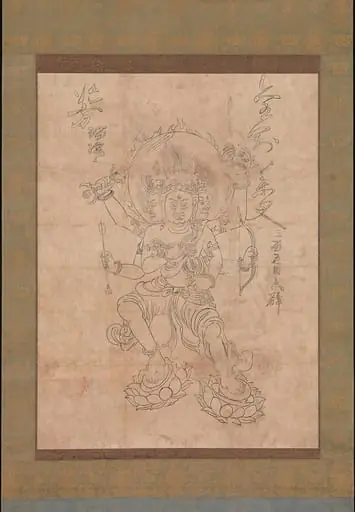
Ryūshū Shūtaku, a Zen monk, walked Kyoto's backstreets in worn robes, sketching gods on scraps of paper between temple duties.

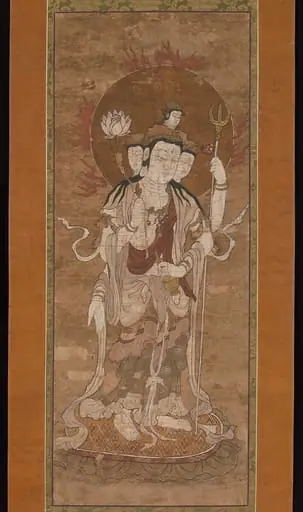 十二天像(梵天)|One of the Twelve Devas: Bonten
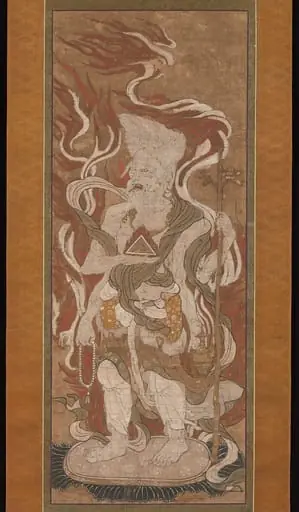 十二天像(火天)|One of the Twelve Devas: Katen
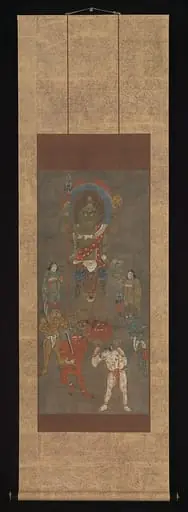 青面金剛夜叉図大津絵|Ōtsu-e of Shōmen Kongōyasha (Vajrayaksha)
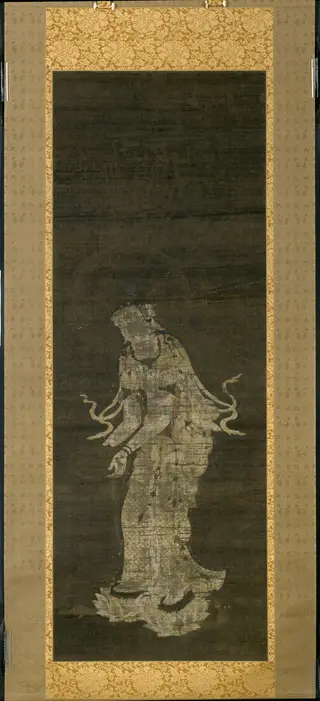 The Bodhisattva Kannon, from the triptych Approach of the Amida Trinity
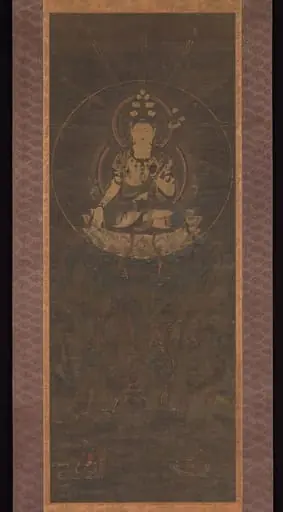 十一面観音影向図|Eleven-Headed Kannon on Mount Fudaraku
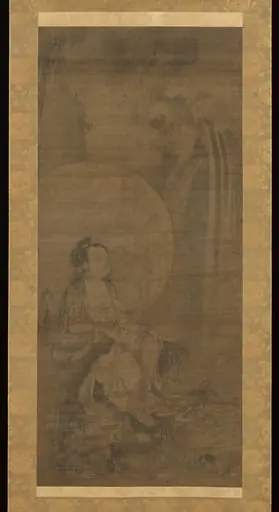 白衣観音図|White-robed Kannon
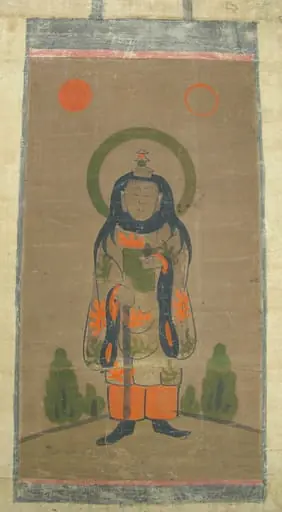 雨宝童子図大津絵|Ōtsu-e of Uhō Dōji