Artwork
Landscape
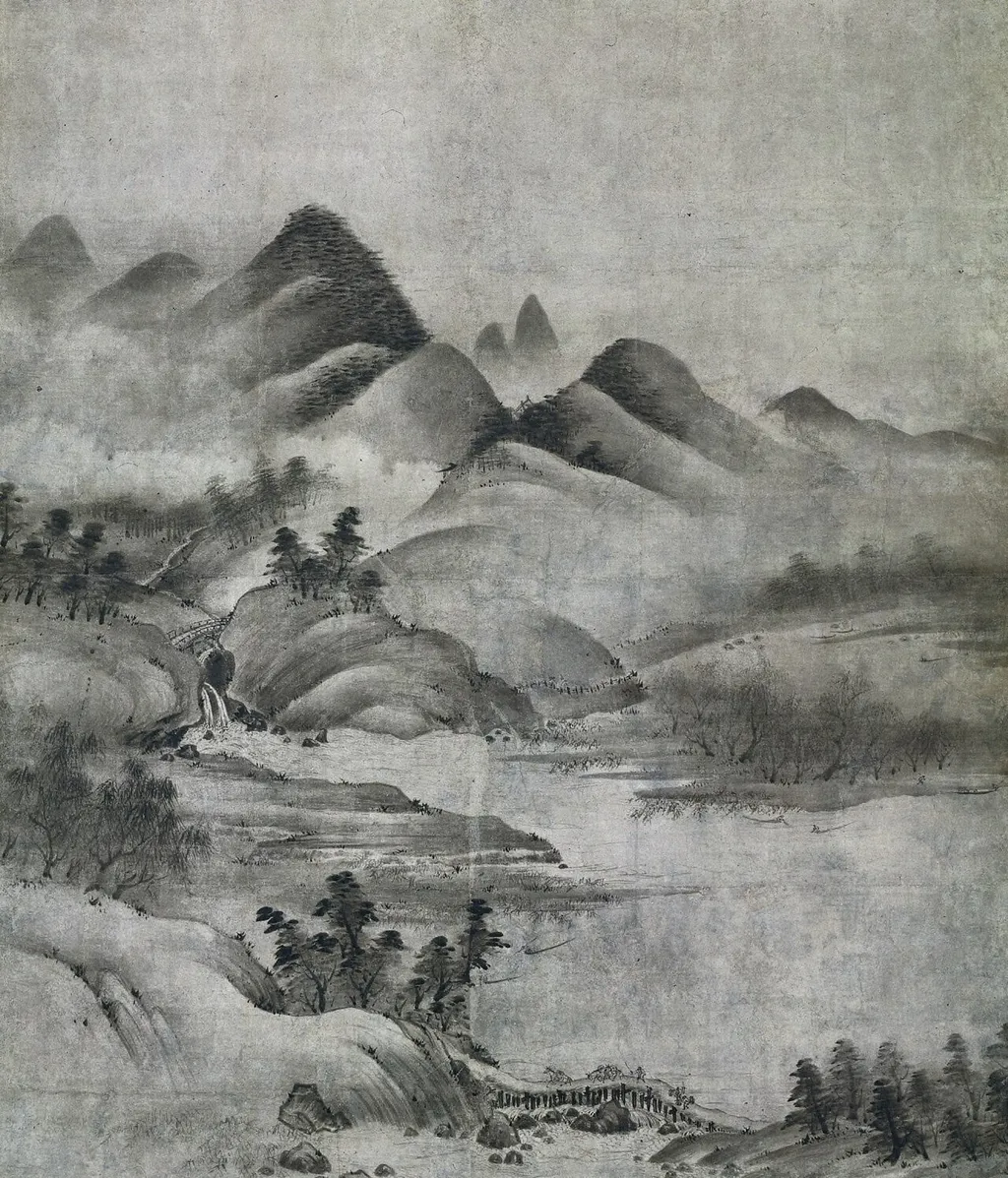
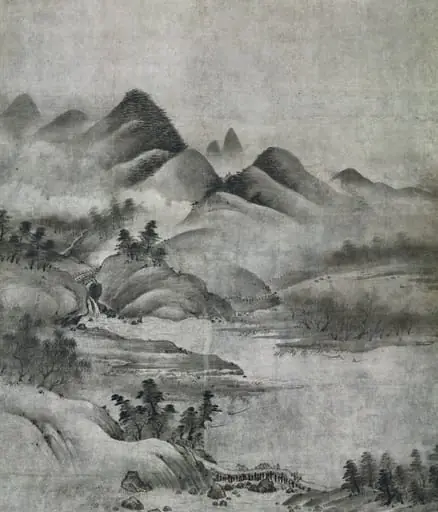
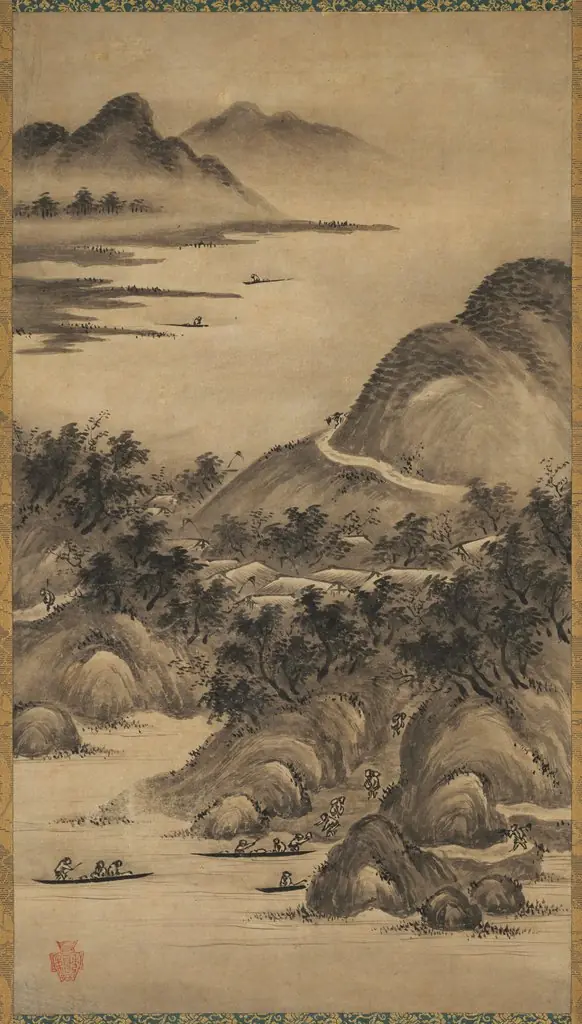
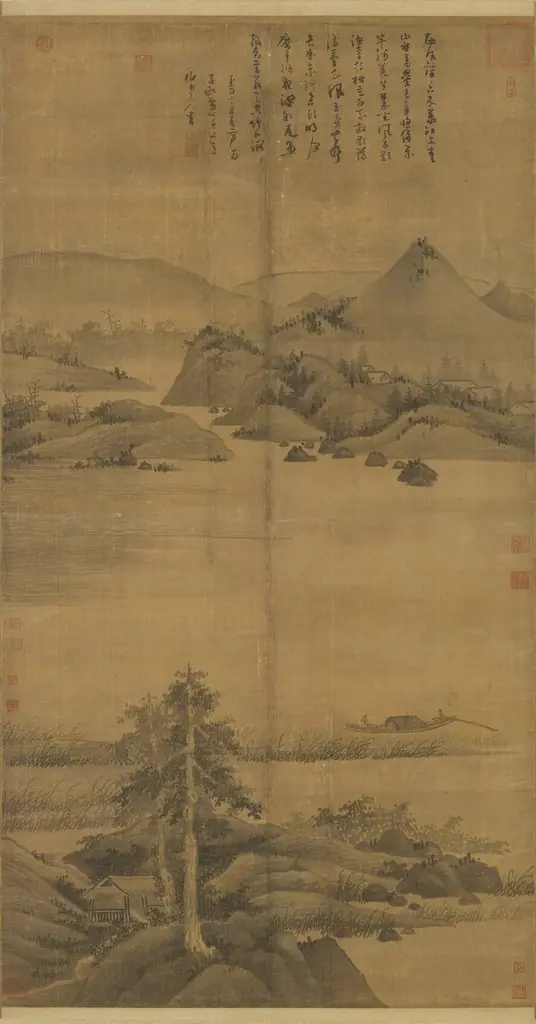
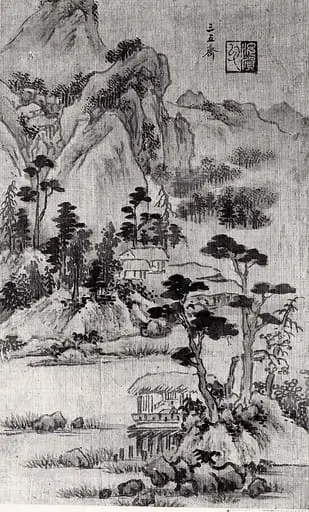
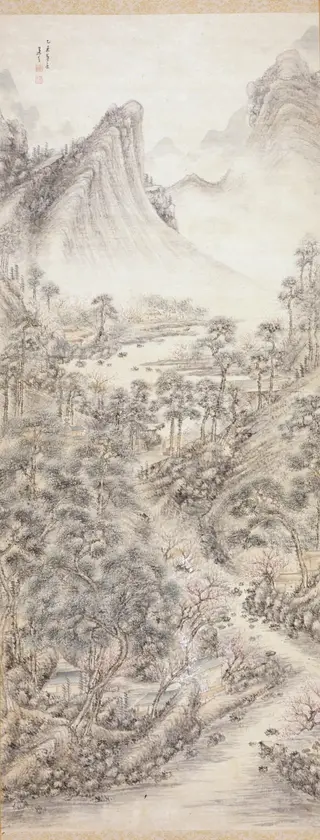
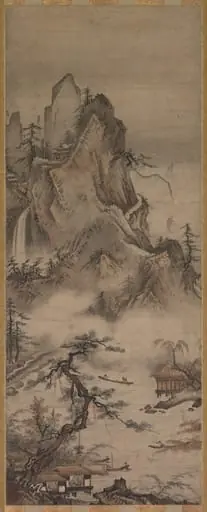
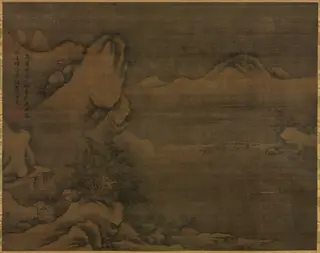
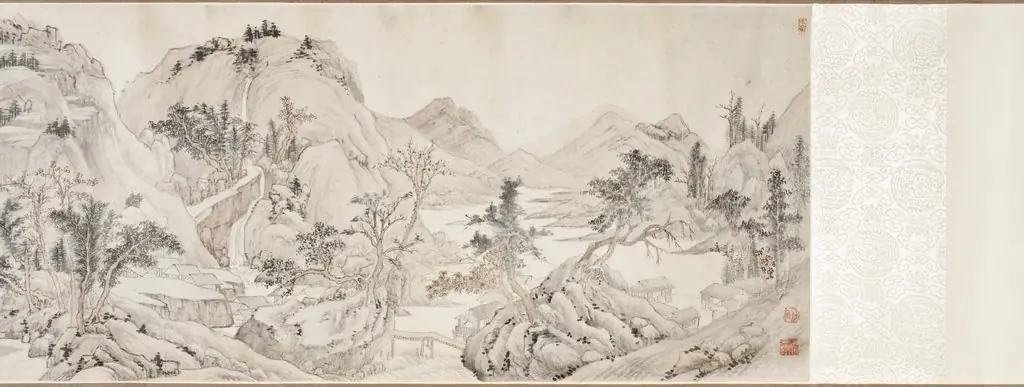
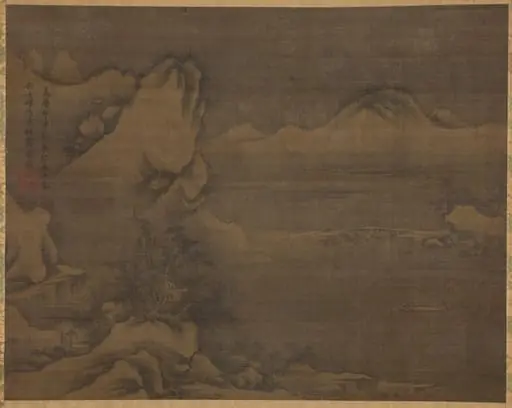
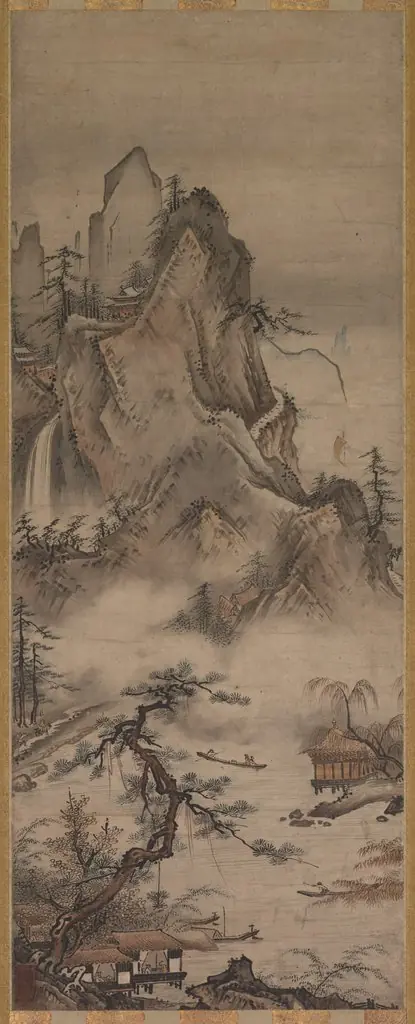
Landscape is an unspecified painting by the Song dynasty landscape artist Sōami. It dates from 1512 and is held in the collection of the Cleveland Museum of Art.
About this work
History & Provenance
The dating is confirmed by the inception date listed in the museum’s catalog, 1512-01-01, which aligns with the artist’s active period.
Landscape is a painting attributed to the Japanese artist Sōami, created in 1512 in Japan. The work is classified as a landscape painting and was produced during the early 16th century. It entered the collection of the Cleveland Museum of Art, where it remains on display.
The painting’s provenance is documented through its acquisition by the museum, though specific ownership details prior to the museum’s custody are not recorded in the available sources. The dating is confirmed by the inception date listed in the museum’s catalog, 1512-01-01, which aligns with the artist’s active period.
Context
The 1512 painting titled Landscape by the Japanese master Sōami exemplifies early Edo-period ink monochrome scenery and marks a pivotal moment in the development of the genre. As documented in the Cleveland Museum of Art’s collection records, the work is classified as a landscape painting and is studied for its refined compositional balance and atmospheric treatment of natural forms, reflecting Sōami’s influence on subsequent Japanese artists. Scholarship highlights the piece as a key example of the artist’s role in codifying landscape motifs within the broader context of East Asian painting traditions, positioning it alongside contemporary works that shaped visual culture in Japan during the early 16th century.
Overview
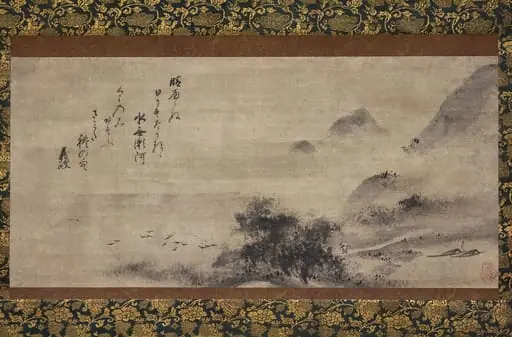
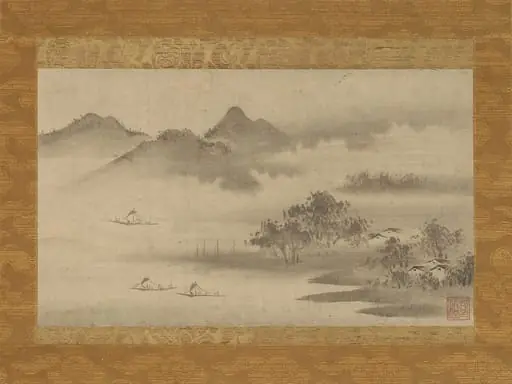
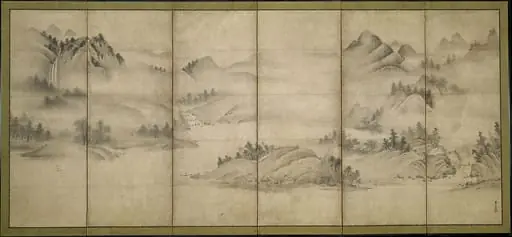
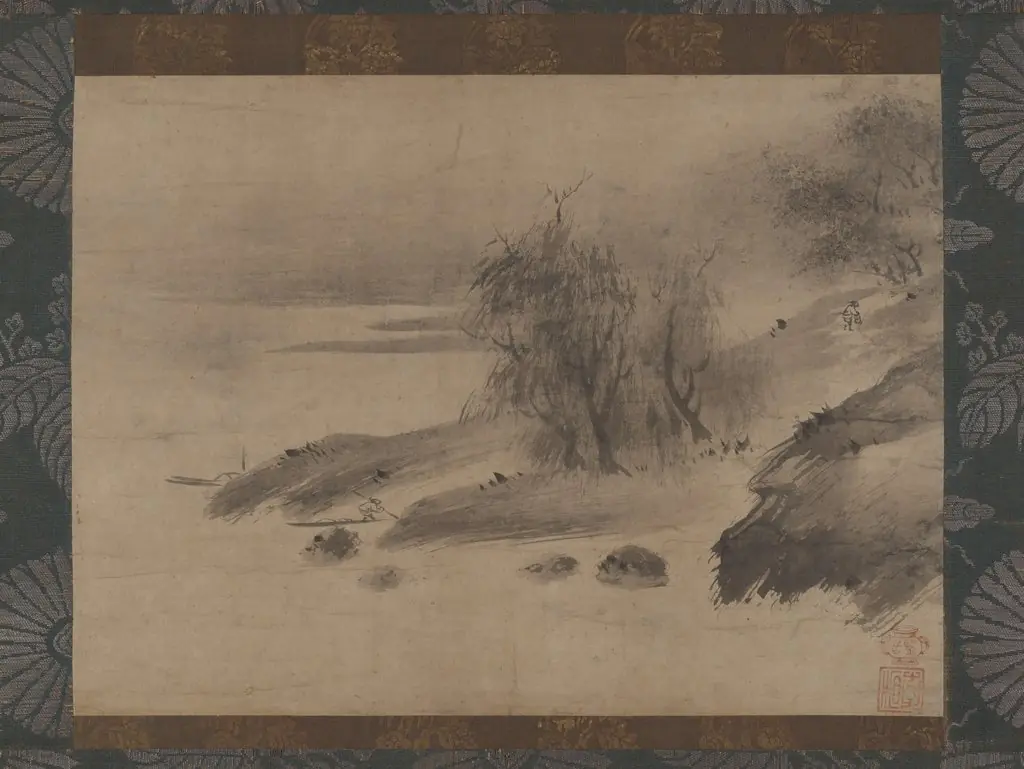
Sōami's painting, titled Landscape and created in 1512, offers a contemplative depiction of the natural world. This work, now part of The Cleveland Museum of Art's collection, presents a serene vista of rolling hills and jagged mountains. Rendered with a restrained palette and fluid brushwork, the composition emphasizes atmosphere and mood, characteristic of East Asian landscape traditions. The scene evokes a quiet, misty quality, inviting viewers into a tranquil, imagined space.
Subject & Meaning
The painting portrays a vast natural expanse, dominated by undulating hills and sharp peaks, depicted in subtle shades of gray and white. A winding path guides the eye through the terrain, interspersed with sparse trees along the slopes. In the distance, faint architectural elements are visible near a body of water, adding a touch of human presence to the otherwise wild environment. The overall impression is one of profound stillness and a misty, almost ethereal, tranquility.
Technique & Style
Sōami employed a distinctive painting technique characterized by loose, rapid brushstrokes, which impart a somewhat abbreviated and "sketchy" quality to the forms. This approach contributes to the landscape's dreamlike and evocative nature, prioritizing emotional resonance over strict realism. Such a stylistic choice was prevalent in East Asian art, where the depiction of nature often aimed to capture an essence or mood rather than meticulous detail, creating a sense of immediacy and spontaneity.
Artist & collection