Artwork
Landscape
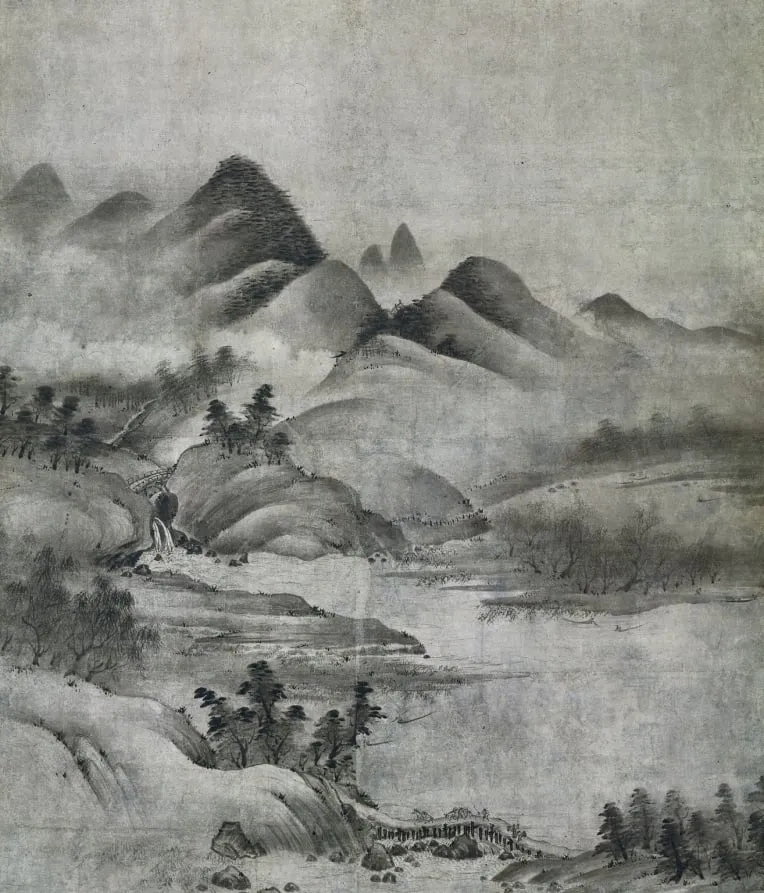
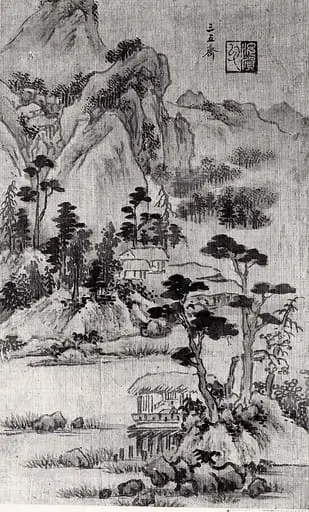
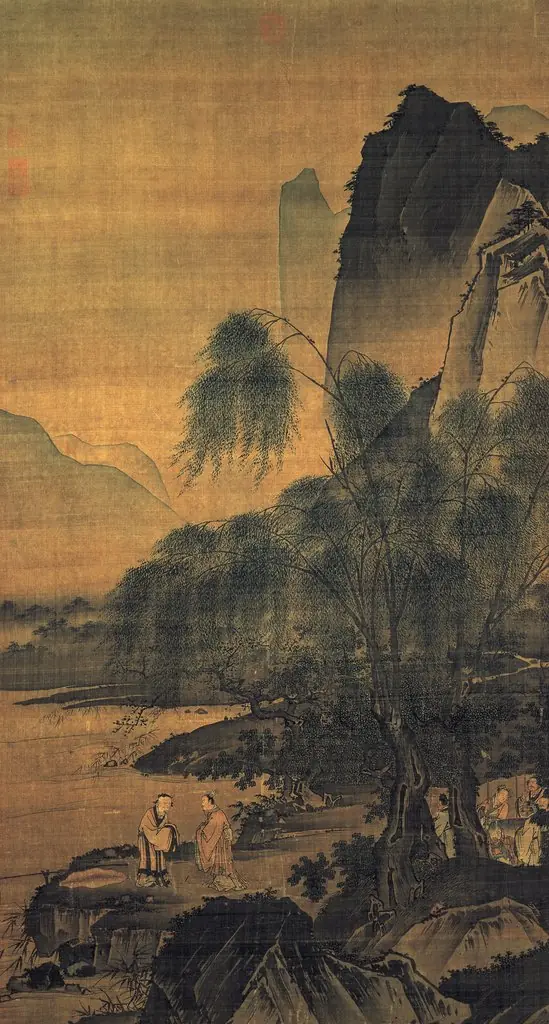
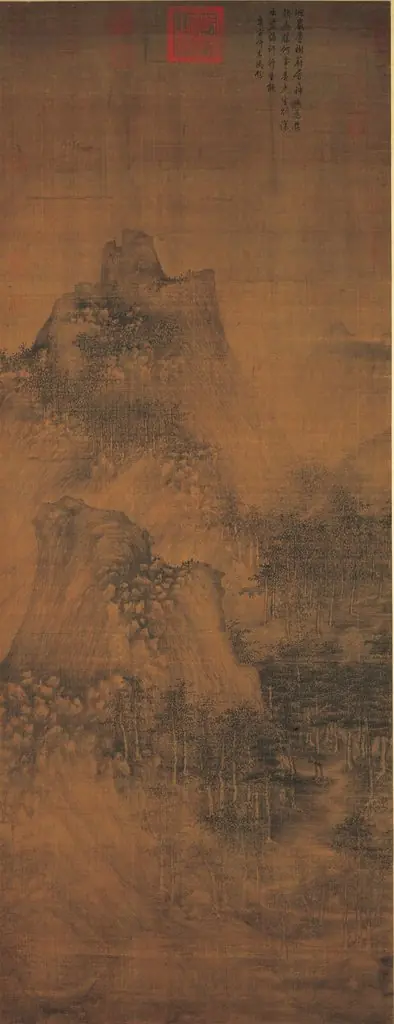
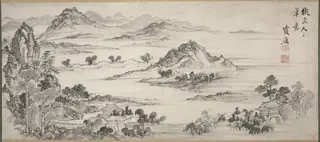
Landscape is an unspecified painting by the Joseon dynasty painting artist Sōami. It dates from 1504 and is held in the collection of the Cleveland Museum of Art.
- Accession no.
- 1963.262
- Credit line
- John L. Severance Fund
About this work
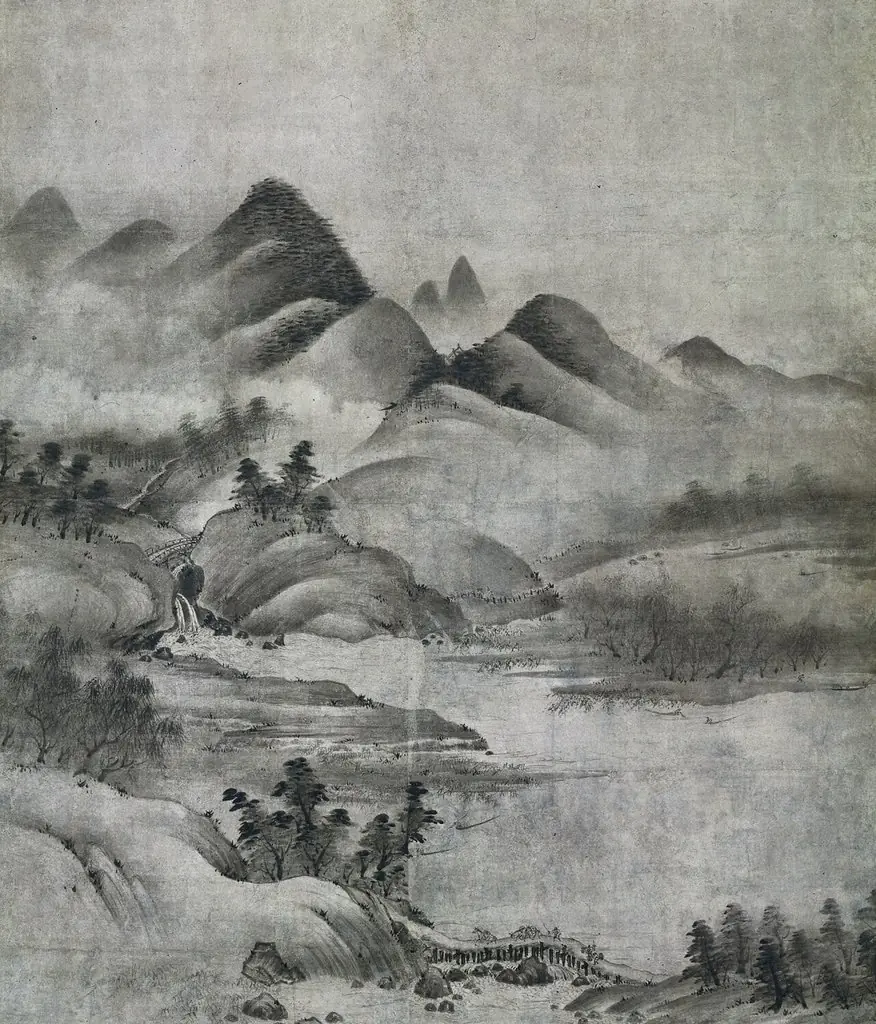
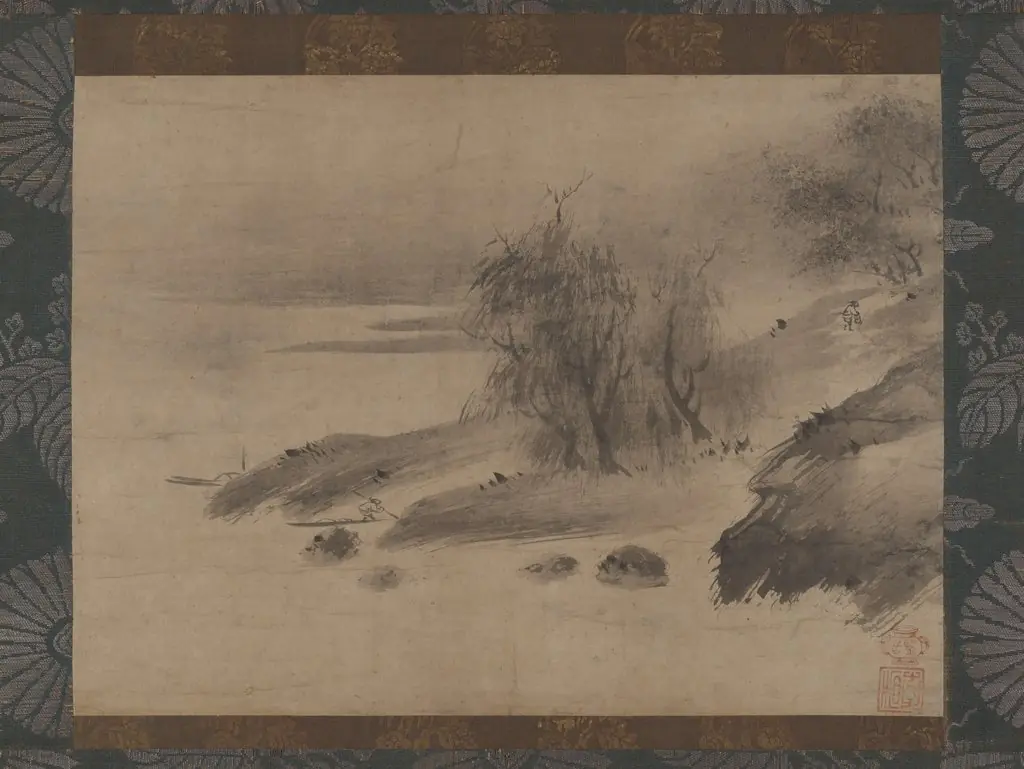
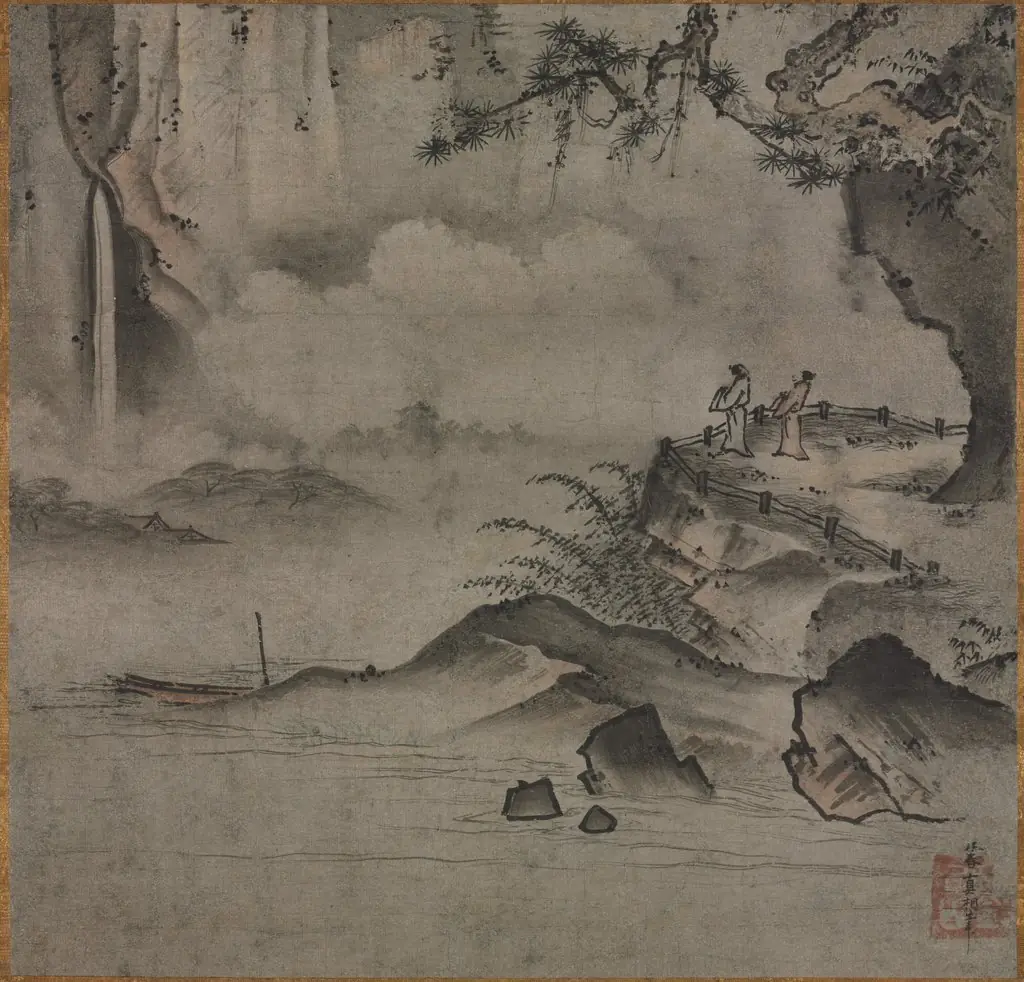
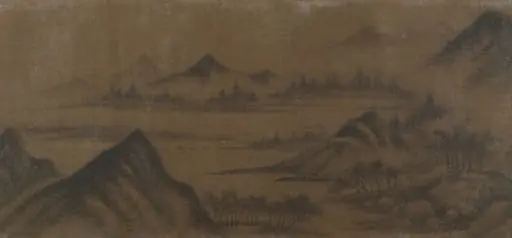
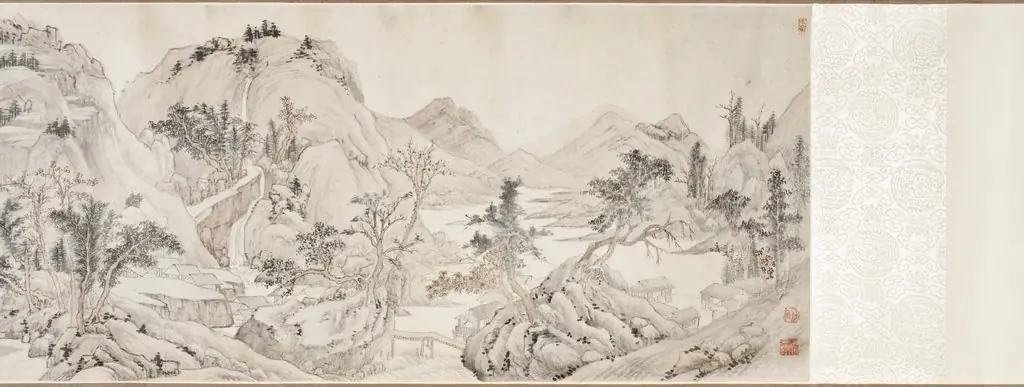
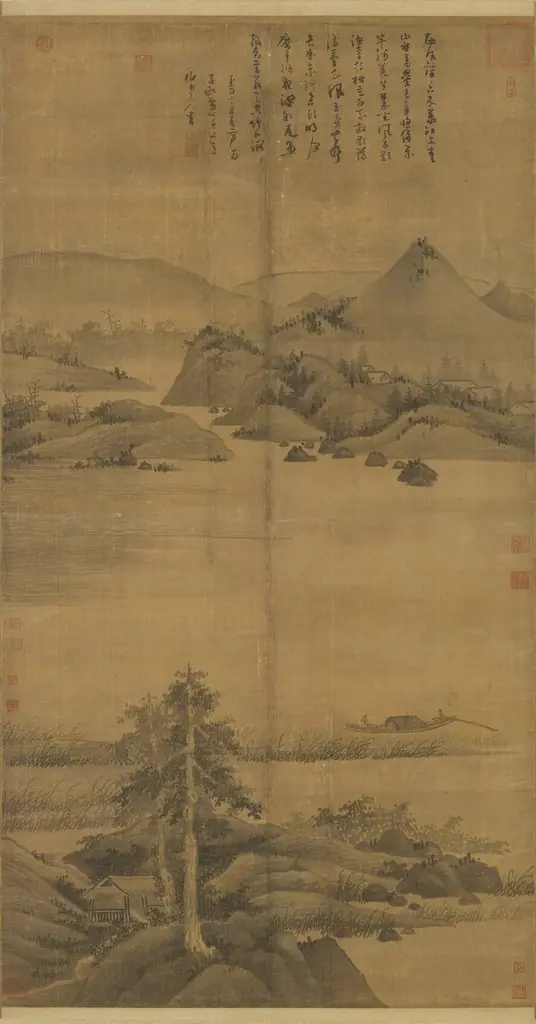
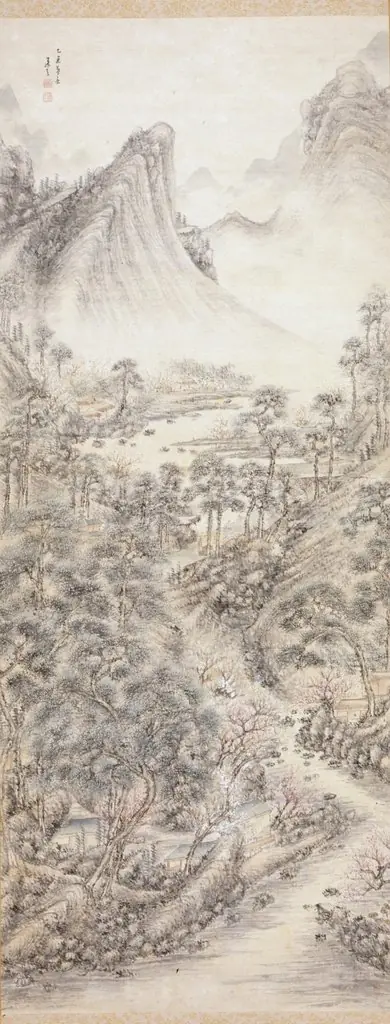
You see a quiet Japanese valley: misty mountains, a winding river, and a few tiny travelers on a bridge.
You see a quiet Japanese valley: misty mountains, a winding river, and a few tiny travelers on a bridge.
This painting was made for a shogun’s home, not a temple. Sōami took small Chinese scroll scenes and stretched them into big wall panels. The soft, blurry brushwork makes the hills feel far away, like looking through morning fog.
To see more of this style, look up japan, muromachi period (1392–1573).
Overview
This work, titled Landscape, is a large-format painting executed by the Kyoto artist Sōami for a shogunal residence. The composition depicts a tranquil valley with mist‑shrouded mountains, a meandering river and a diminutive bridge crossed by travelers. Originally part of a folding‑screen ensemble, the fragment has been removed, reinforced with backing papers and mounted on textile for display.
Subject & Meaning
The scene presents a serene natural setting, emphasizing distance and atmospheric perspective through the soft rendering of hills and water. The tiny figures on the bridge suggest human activity within a vast, contemplative landscape, inviting viewers to reflect on the transience of travel against the enduring backdrop of nature.
Technique & Style
Sōami employed a brush technique derived from Southern Song and Yuan Chinese models, characterized by a gentle, blurred stroke that dissolves outlines into mist. This “soft style” creates a sense of depth and ethereality, echoing the aesthetic of Chinese album leaves while adapting it to a larger, wall‑scale format.
History & Provenance
As curator of the Ashikaga shogunate’s collection, Sōami studied Chinese paintings extensively, informing his adaptation of small scroll motifs into expansive panels for elite domestic spaces. The fragment was later detached from its original screen, fitted with a hanging cord at the top and a roller with knobs at the bottom, and given new backing to preserve its visibility.
Context
Created during the Muromachi period (1392–1573), the painting reflects the era’s cultural exchange between Japan and China, particularly the importation of Chinese artistic conventions into Japanese court and samurai aesthetics. Its production for a shogun’s home rather than a temple underscores the secular patronage of refined landscape imagery at that time.
Artist & collection