Artwork
George Raleigh Dearborn
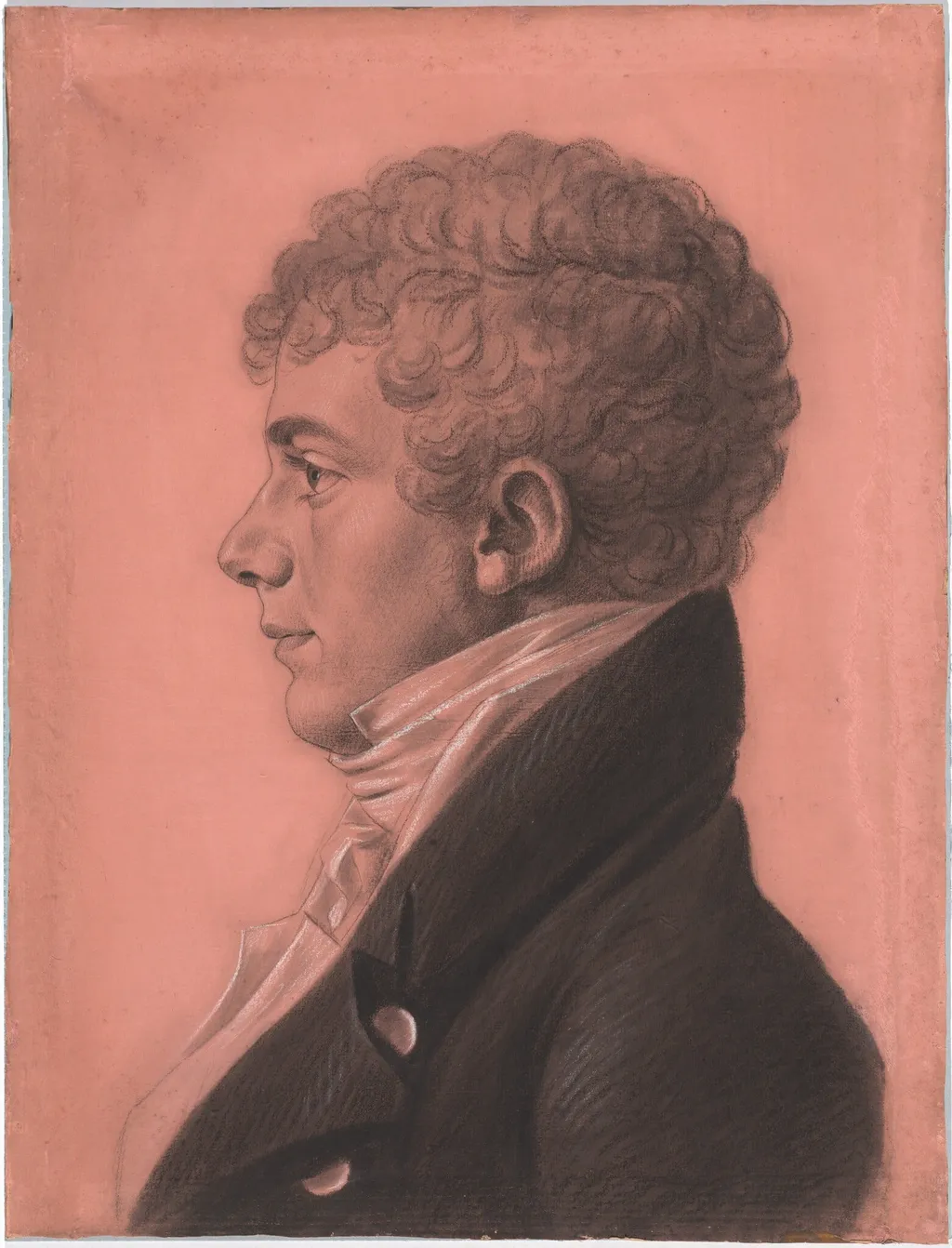
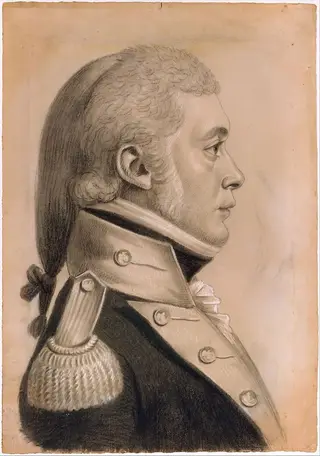
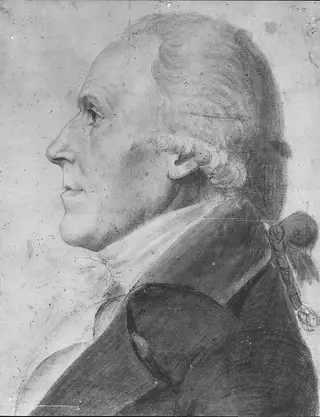
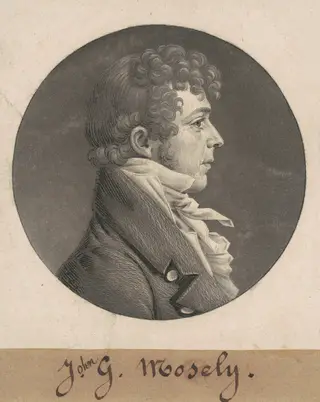
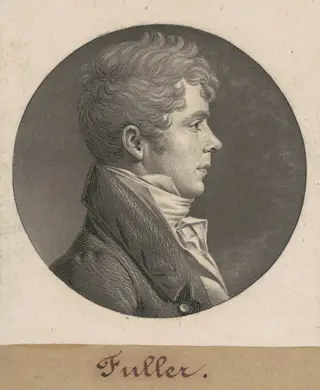
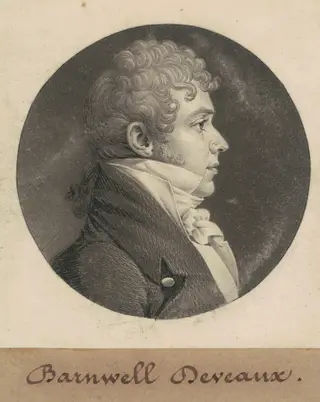
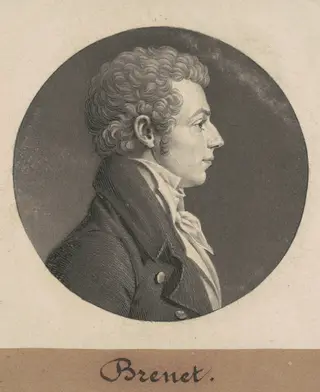
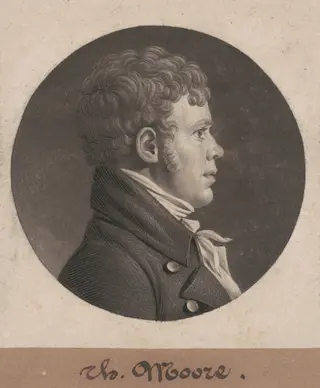
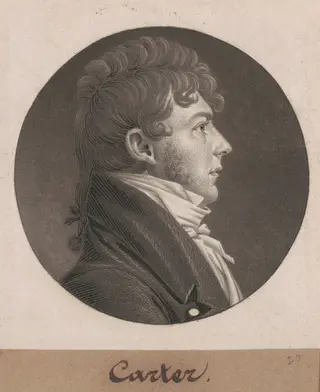
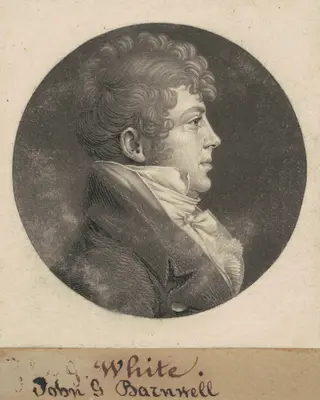
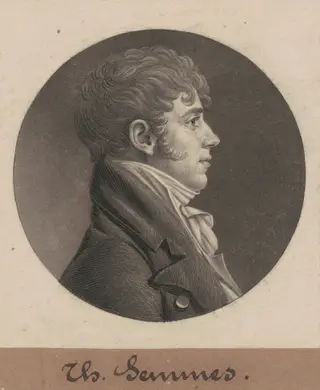
George Raleigh Dearborn is a charcoal drawing by the Romanticist artist Charles B. J. Févret de Saint-Mémin. It dates from 1806 and is held in the collection of the National Gallery of Art. Created in 1806, this profile drawing presents a gentleman rendered in charcoal and pastel on pink‑prepared paper.
About this work
Overview
Created in 1806, this profile drawing presents a gentleman rendered in charcoal and pastel on pink‑prepared paper. The work exemplifies the refined approach of early‑19th‑century portraiture, combining precise draftsmanship with a subtle tonal palette.
Subject & Meaning
The sitter is shown in three‑quarter profile, his curly hair and pronounced nose clearly defined. Dressed in a white shirt beneath a dark jacket, the figure conveys a modest yet dignified presence, typical of the era’s emphasis on individual character.
Technique & Style
Charcoal provides the structural lines and deep shadows, while pastel adds soft color washes that model the flesh tones and background. The pink ground contributes a warm undertone, enhancing the delicate transitions characteristic of Neoclassical portrait drawing.
History & Provenance
The drawing is attributed to Charles B. J. Févret de Saint‑Mémin, a French artist known for his portrait work after emigrating to the United States. Its date places it among his early American productions, reflecting his adaptation of European academic methods to a new clientele.
Context
During the early 1800s, portraiture served both as personal commemoration and as a means of asserting social status. The restrained composition and muted palette align with Neoclassical ideals that favored clarity, order, and restrained emotion.
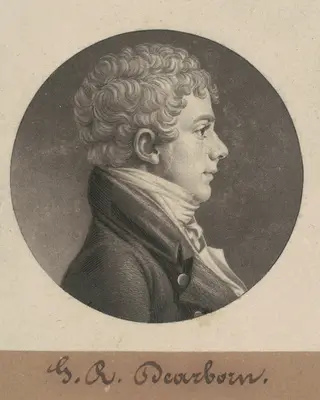
Own this work as a print
Artist & collection
Artist
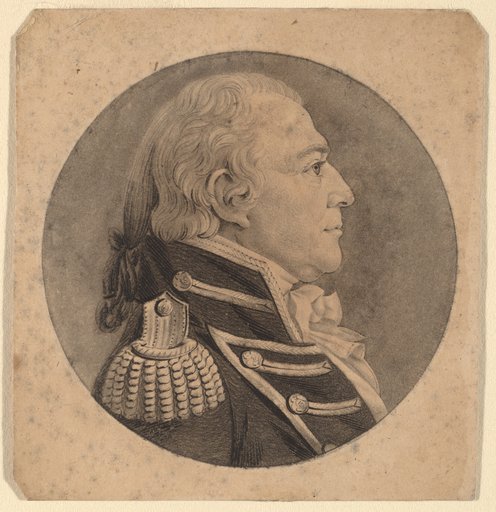
Charles B. J. Févret de Saint-Mémin
Charles Balthazar Julien Févret de Saint-Mémin (French pronunciation: ; 1770–1852) was a French portrait painter and museum director.