Artwork
Poignan
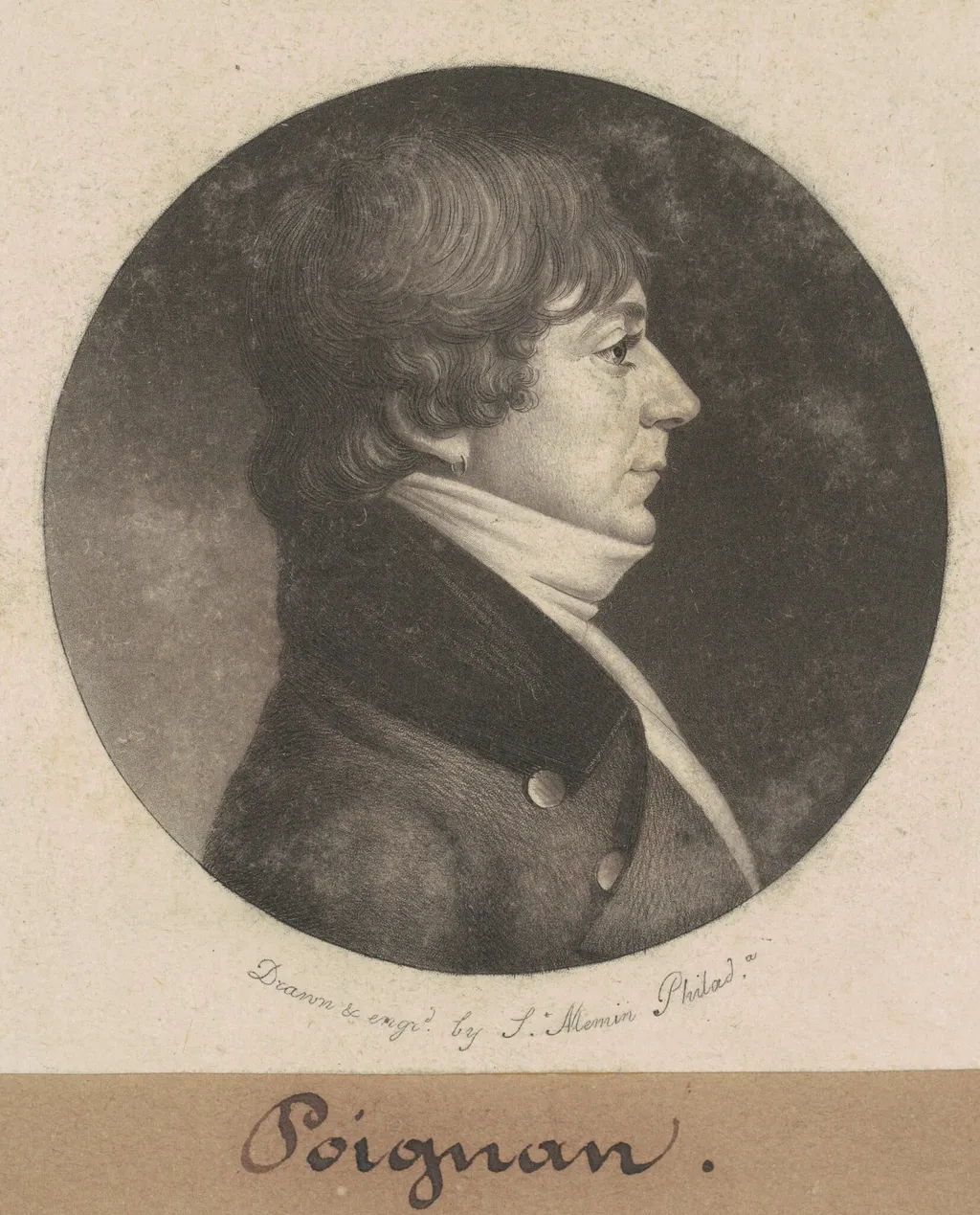
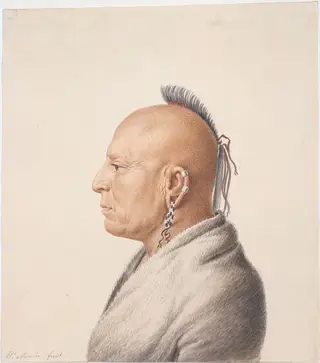
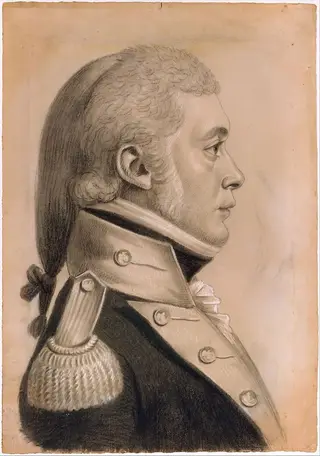
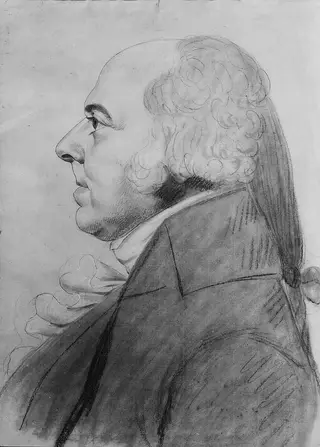
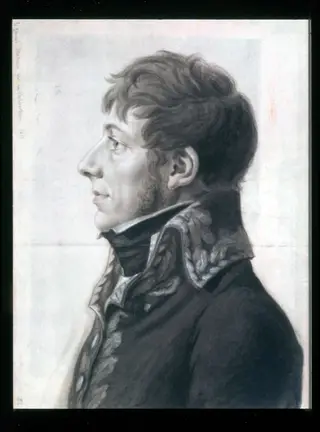
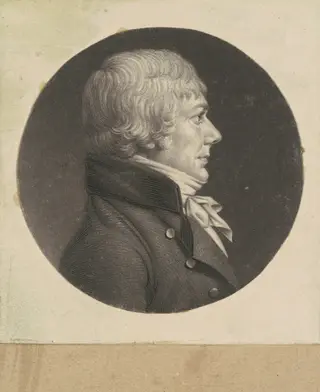
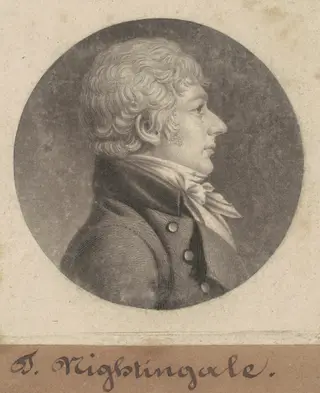
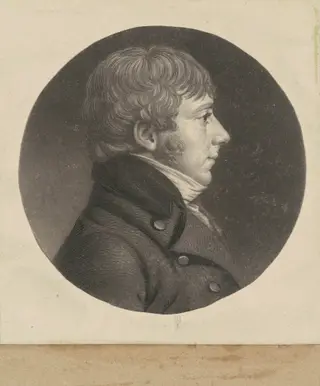
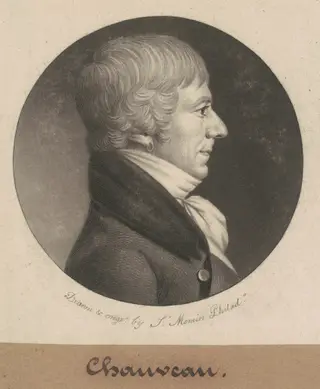
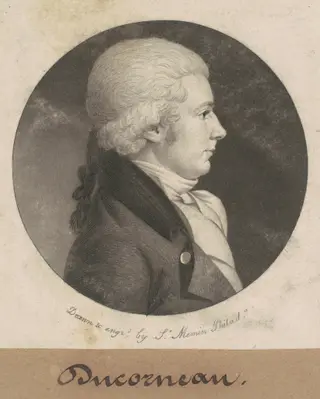
Poignan is an ink print by the Romanticist artist Charles B. J. Févret de Saint-Mémin. It dates from 1801 and is held in the collection of the National Gallery of Art. Created in 1801 by Charles B.
- Inscription
- Inscribed:lower center in plate: Drawn & engrd. by St. Memin Philada.; lower center mount in black ink by unknown hand: Poignan.
About this work
Overview
Févret de Saint-Mémin, 'Poignan' is a small-scale print combining mezzotint and engraving techniques on wove paper, mounted to a brown wove support.
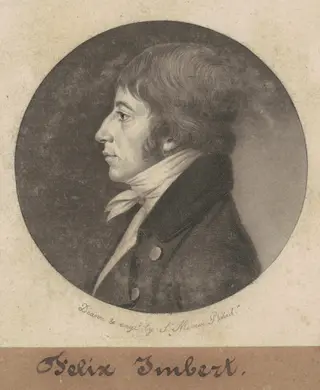
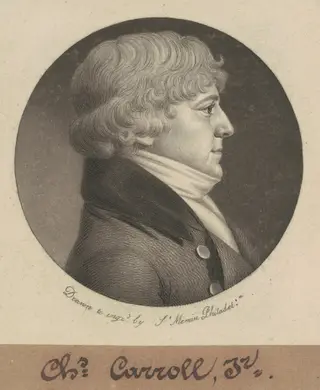
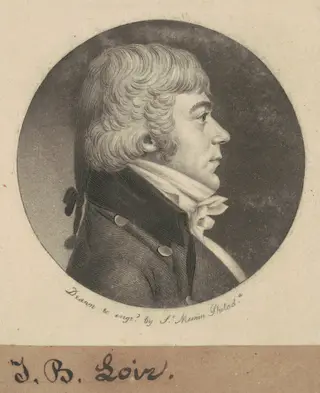
Created in 1801 by Charles B. J. Févret de Saint-Mémin, 'Poignan' is a small-scale print combining mezzotint and engraving techniques on wove paper, mounted to a brown wove support. Measuring just over five centimeters in both dimensions, it belongs to the Corcoran Collection. The work exemplifies Saint-Mémin’s precision in portraiture, capturing a single figure with meticulous attention to form and texture.
Subject & Meaning
The subject, identified as Poignan, is rendered in a strict profile, a convention often used for formal identification in the early 19th century. The absence of contextual elements focuses attention entirely on facial structure and attire, suggesting a documentary intent. The portrait likely served as a record of an individual of social or professional note, reflecting the era’s interest in personal representation through controlled, restrained imagery.
Technique & Style
Saint-Mémin employed mezzotint to achieve subtle gradations of tone, particularly in the skin and hair, while engraving defined sharp contours of clothing and accessories. The combination allowed for both soft modeling and crisp detail within a compact format. The use of black ink on light paper enhances contrast, emphasizing the sitter’s features without embellishment, aligning with the Neoclassical preference for clarity and restraint.
History & Provenance
The print entered the Corcoran Collection in the 19th century, where it remained until the collection’s dispersal. Its small size and medium suggest it was produced as part of a series of portraits, possibly commissioned or intended for private circulation. No record of its original commission survives, but its preservation indicates it was valued for its technical execution and likeness.
Context
In early 1800s America, Saint-Mémin was among the few artists proficient in mezzotint portraiture, a technique imported from Europe. His work catered to a growing middle and upper class seeking accurate, affordable likenesses. 'Poignan' reflects this trend, situated between the grandeur of oil portraiture and the accessibility of printed images, bridging artistic tradition and emerging democratic ideals of representation.
Legacy
Though not widely exhibited, 'Poignan' remains a representative example of Saint-Mémin’s contribution to American printmaking. His technical rigor influenced later generations of engravers and portraitists seeking precision in small-format works. The print endures as a quiet testament to the role of print media in documenting individual identity during a period of cultural consolidation in the young United States.
Own this work as a print
Artist & collection
Artist
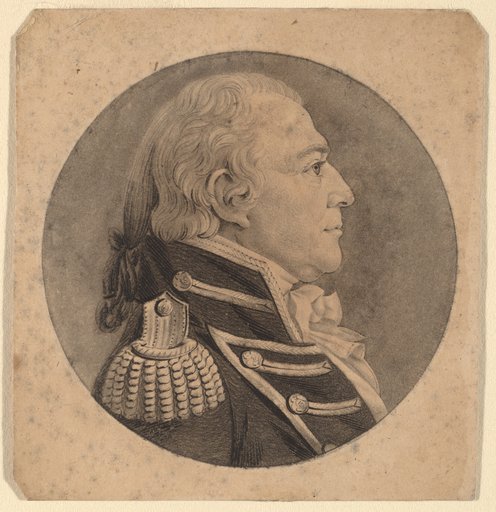
Charles B. J. Févret de Saint-Mémin
Charles Balthazar Julien Févret de Saint-Mémin (French pronunciation: ; 1770–1852) was a French portrait painter and museum director.