Artwork
Reuben Lindsay
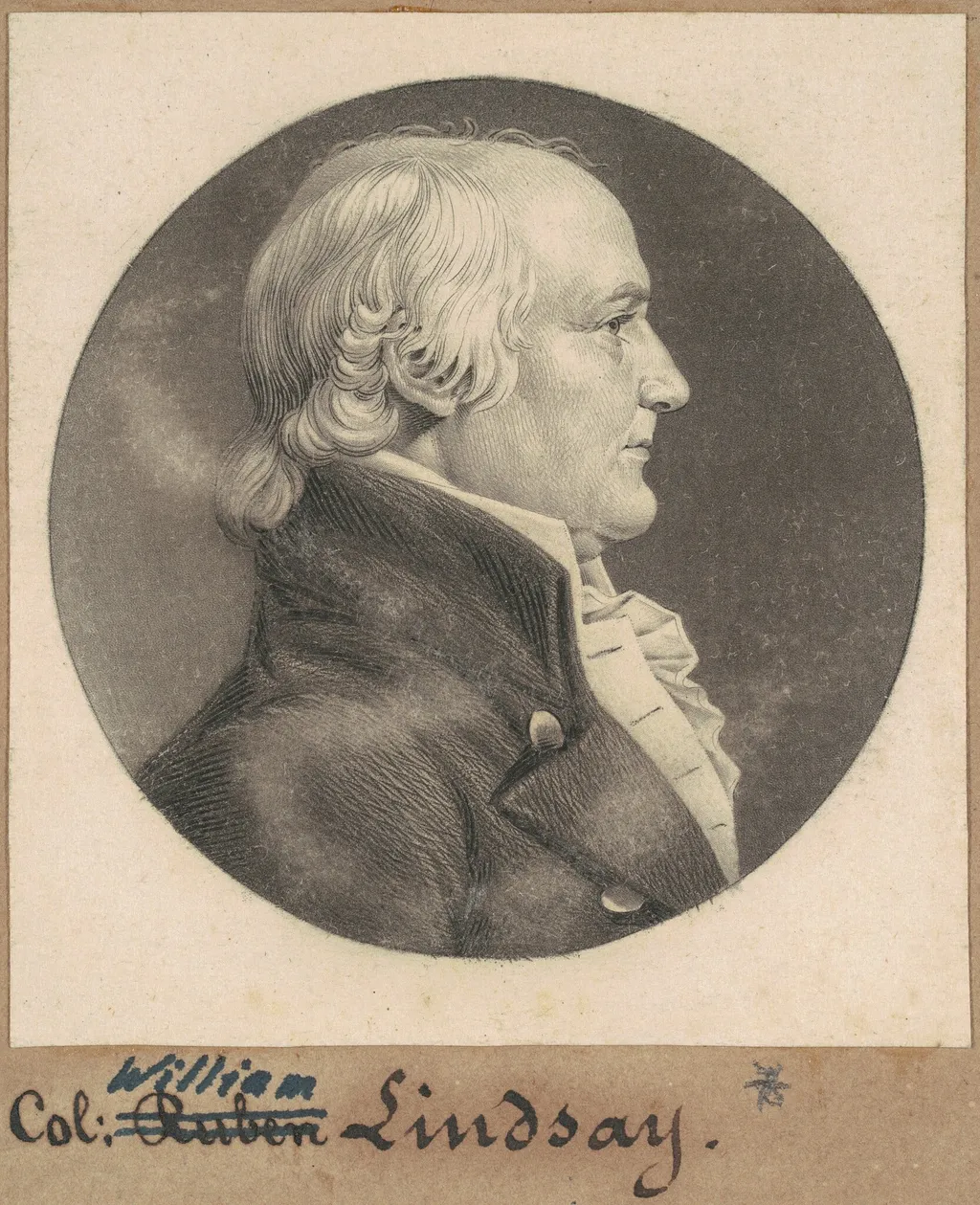
Reuben Lindsay is an ink print by the Romanticist artist Charles B. J. Févret de Saint-Mémin. It dates from 1808 and is held in the collection of the National Gallery of Art. Charles B.
- Inscription
- Inscribed:lower center mount in black ink by unknown hand: William / Col. Ruben [strikethrough] Lindsay.; lower right mount in graphite by unknown hand: *
About this work
Overview
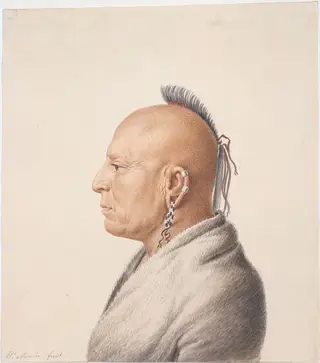
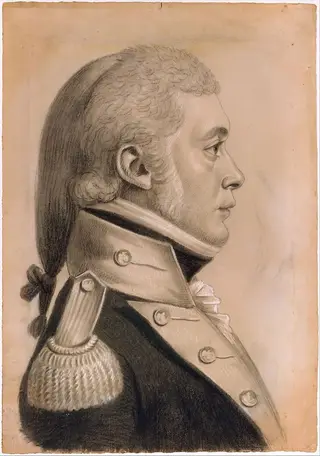
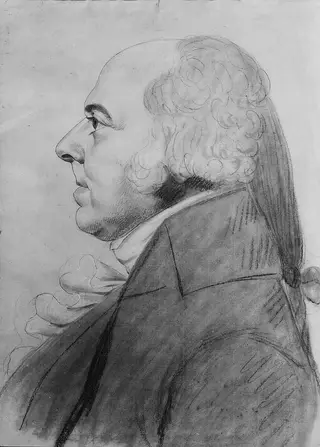
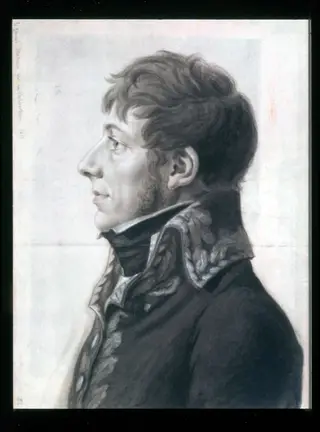
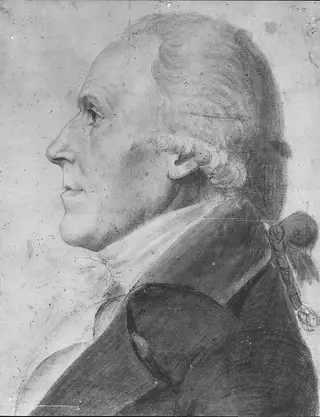
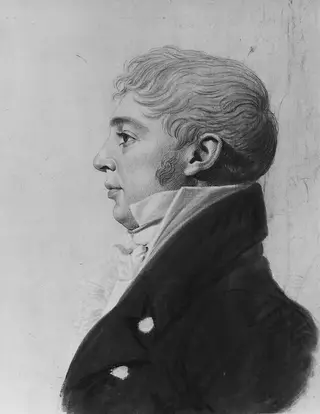
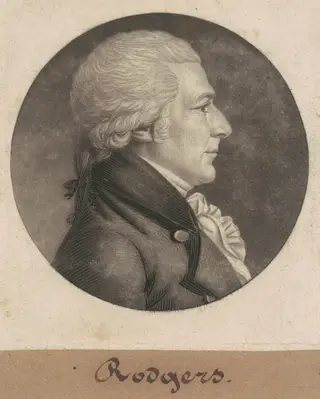
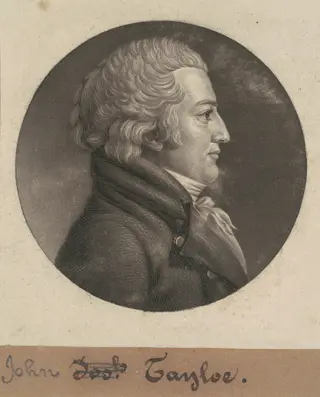
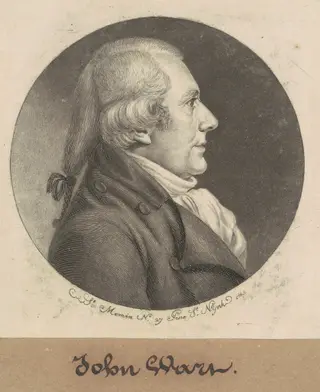
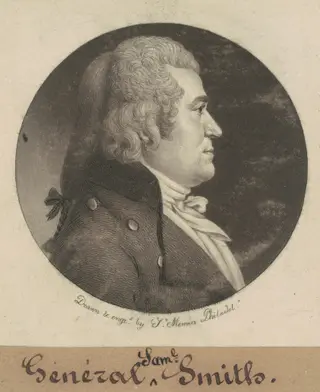
Charles B. J. Févret de Saint‑Mémin’s print presents a solitary profile of Reuben Lindsay. Executed in black mezzotint and engraving, the image is mounted on a brown wove paper backing, giving the work a subtle tonal depth. The composition isolates the sitter’s face against a muted background, emphasizing the delicate gradations of light and shadow that define his features.
Subject & Meaning
The portrait captures Lindsay in a contemplative side view, his gaze directed forward rather than toward the viewer. This pose, common in 19th‑century portraiture, conveys a sense of introspection and dignity, focusing attention on the individual’s character as expressed through the nuanced rendering of his facial expression and the careful modeling of his features.
Technique & Style
The mounting on wove paper enhances the print’s smooth surface, allowing the intricate shading to appear without the interference of a textured substrate.
The work combines mezzotint’s soft, velvety tonal transitions with the precise line work of engraving. Saint‑Mémin employed a copper plate to achieve the deep blacks and subtle mid‑tones characteristic of mezzotint, while the engraved lines add definition to the hair and facial details. The mounting on wove paper enhances the print’s smooth surface, allowing the intricate shading to appear without the interference of a textured substrate.
History & Provenance
This print is part of the collection of the National Gallery of Art in Washington, D.C. It remains catalogued as a fine‑art print rather than a painted portrait, reflecting the artist’s reputation for producing high‑quality reproductive prints in the early 19th century. Its presence in the museum’s holdings underscores its relevance to the institution’s broader assemblage of American portraiture and printmaking.
Context
Saint‑Mémin, a French‑born artist who settled in the United States, was known for his portrait prints of notable figures. The choice of mezzotint aligns with contemporary tastes for reproductions that could convey the tonal richness of oil paintings while remaining affordable. The portrait of Reuben Lindsay thus illustrates the intersection of European print techniques with American subjects during a period of expanding visual culture.
Own this work as a print
Artist & collection
Artist
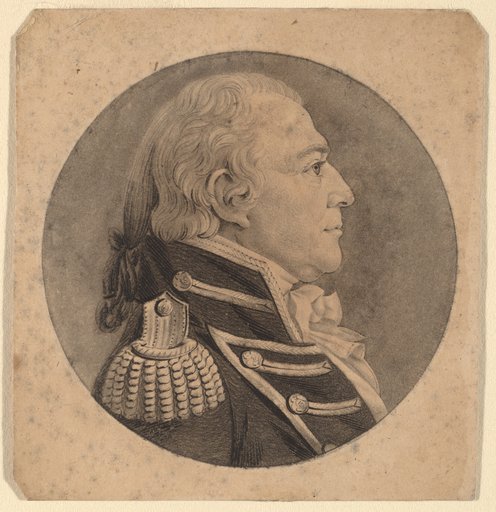
Charles B. J. Févret de Saint-Mémin
Charles Balthazar Julien Févret de Saint-Mémin (French pronunciation: ; 1770–1852) was a French portrait painter and museum director.