Artwork
Untitled
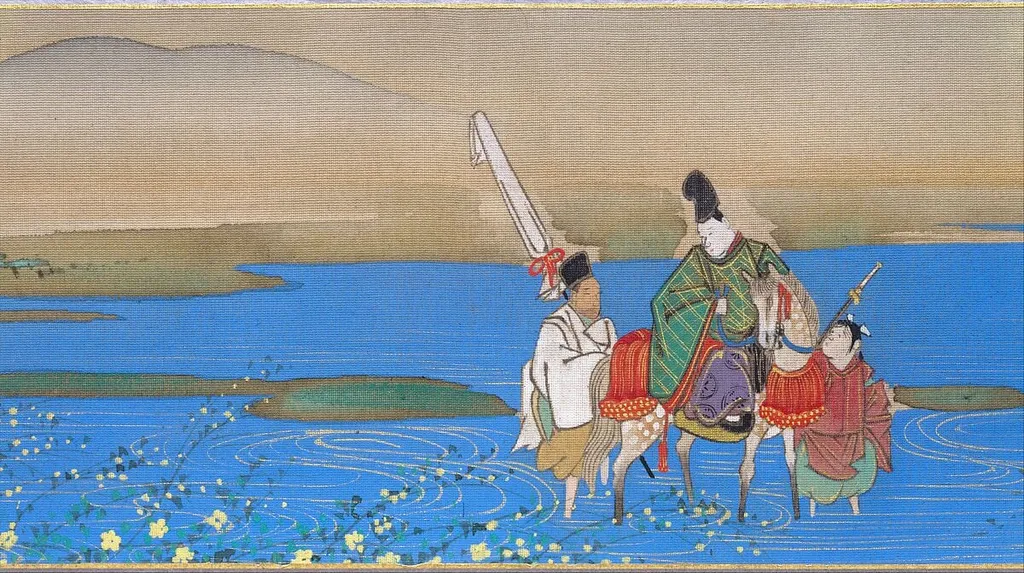
Untitled is an ink painting by the Romanticist artist Sakai Ōho. It dates from 1839 and is held in the collection of the Metropolitan Museum of Art.
About this work
Subject & Meaning
Together, these motifs reflect the Edo‑period aesthetic focus on serene natural scenes and the spiritual connection between the observer and the natural world.
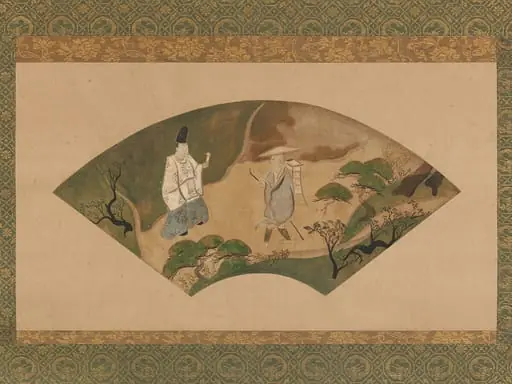
The work portrays a solitary figure standing beside a flowing river within a traditional Japanese landscape, a composition that emphasizes the harmonious relationship between humanity and nature. The man, rendered in a modest pose, serves as a symbolic participant rather than a narrative protagonist, while the river functions as a dynamic element that conveys movement and continuity. Together, these motifs reflect the Edo‑period aesthetic focus on serene natural scenes and the spiritual connection between the observer and the natural world.
The painting’s subject thus embodies themes of contemplation and the fleeting passage of time, as suggested by the juxtaposition of human presence with an ever‑present watercourse.
Technique & Style
The work is executed across six handscrolls using ink, color, and gold on silk, a format and palette consistent with the refined decorative traditions of early nineteenth-century Japanese painting. The classification as a landscape painting, depicting a man and a river, indicates a figural narrative integrated into a broader natural setting rather than a purely abstract composition. The use of gold alongside ink and color on silk suggests a layered handling of materials, allowing for both luminous passages and detailed linear work.
The scroll format implies a sequential reading, in which landscape elements and human figures unfold across the extended horizontal support. Held in the Metropolitan Museum of Art collection, the handscrolls represent a substantial multi-panel undertaking, with the silk support providing a smooth ground suited to fine brushwork and the application of mineral pigments and metallic leaf.
History & Provenance
Created by the Japanese artist Sakai Ōho in 1839, this artwork is a landscape painting featuring a man and a river. The work is executed across six handscrolls, utilizing ink, color, and gold on silk. Originating in Japan, the painting eventually entered the collection of the Metropolitan Museum of Art, where it is currently housed.
The provided sources do not detail any specific commission or earlier ownership chain preceding its acquisition by the museum.
The work is held in the collection of the Metropolitan Museum of Art, as recorded in its Wikidata entry. No specific accession or inventory number is provided in the available sources, and no exhibition history is documented. The painting, a set of six handscrolls executed in ink, color, and gold on silk, was created in 1839 and is catalogued within the museum's paintings holdings.
Overview
Sakai Ōho's Untitled is a series of six handscrolls created around 1839. Rendered in ink, color, and gold on silk, these paintings collectively form an extensive landscape. The work depicts a continuous river scene, characterized by misty mountains and winding waterways, inviting viewers to explore a vast natural environment across its multiple panels.
Artist & collection

- Emperor Xuanzong of the Ming on Horseback
 Untitled
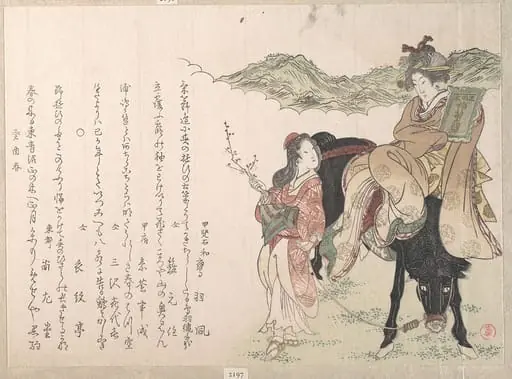 Untitled
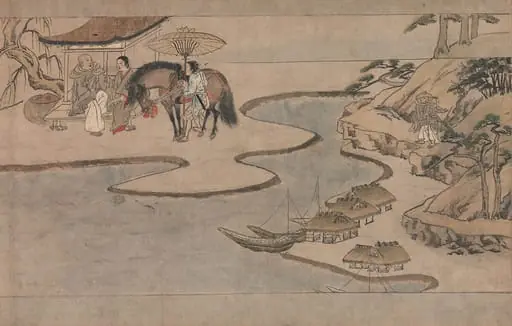 秋夜長物語絵巻|A Long Tale for an Autumn Night (Aki no yo nagamonogatari)
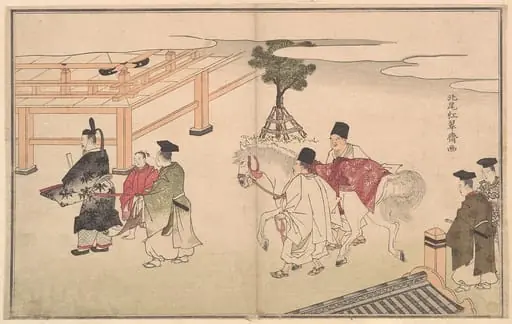 Untitled
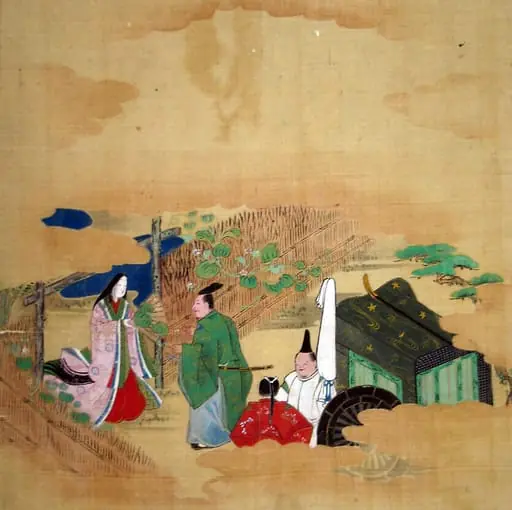 Untitled
 Untitled
 東海道五十三次之内 二川 猿ヶ馬場|Futagawa, Saru ga Baba
 木曽海道六拾九次之内 長久保|Nagakubo, Station No. 28
 Untitled
 Musashi, Omi, Yamashiro, and Settsu Provinces from the series Fashionable Six Jewel Rivers (Furyu Mu Tamagawa)
 A Distant View of Snow on the Sumida River in Edo