Artwork
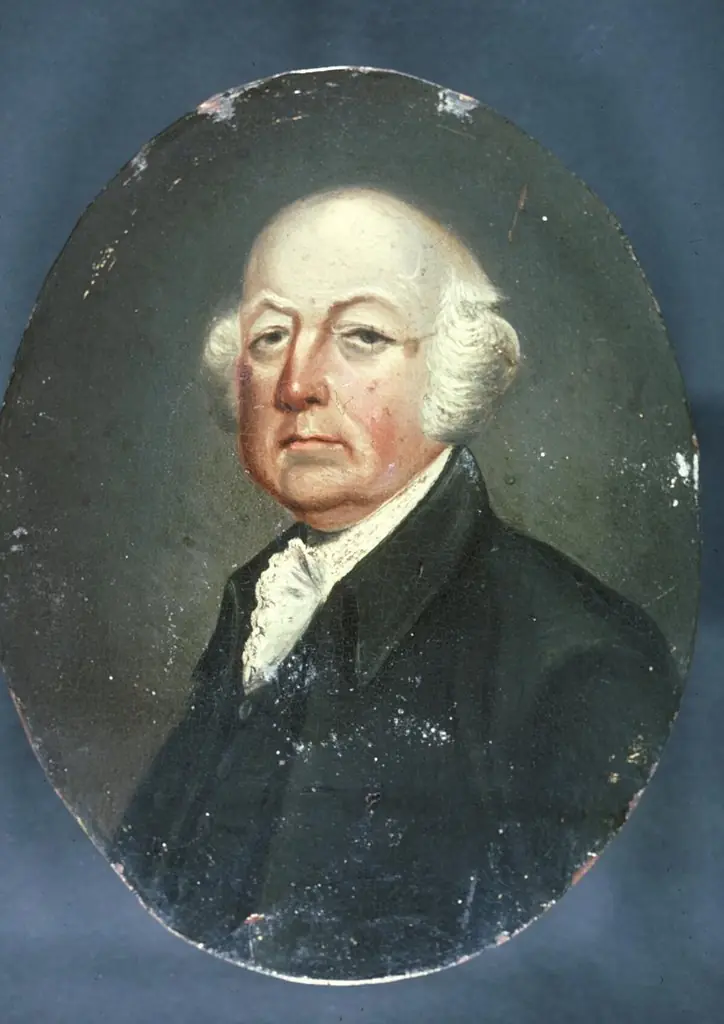
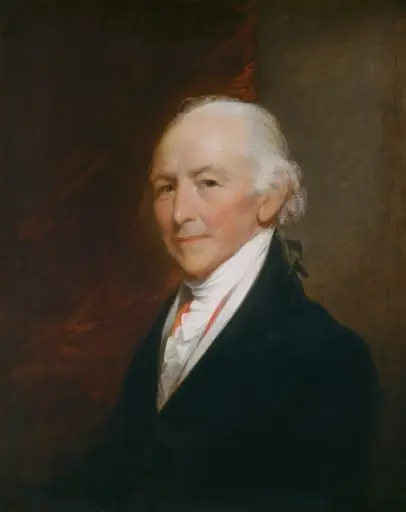
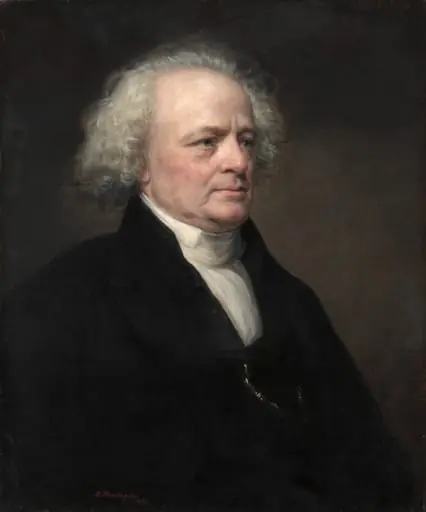
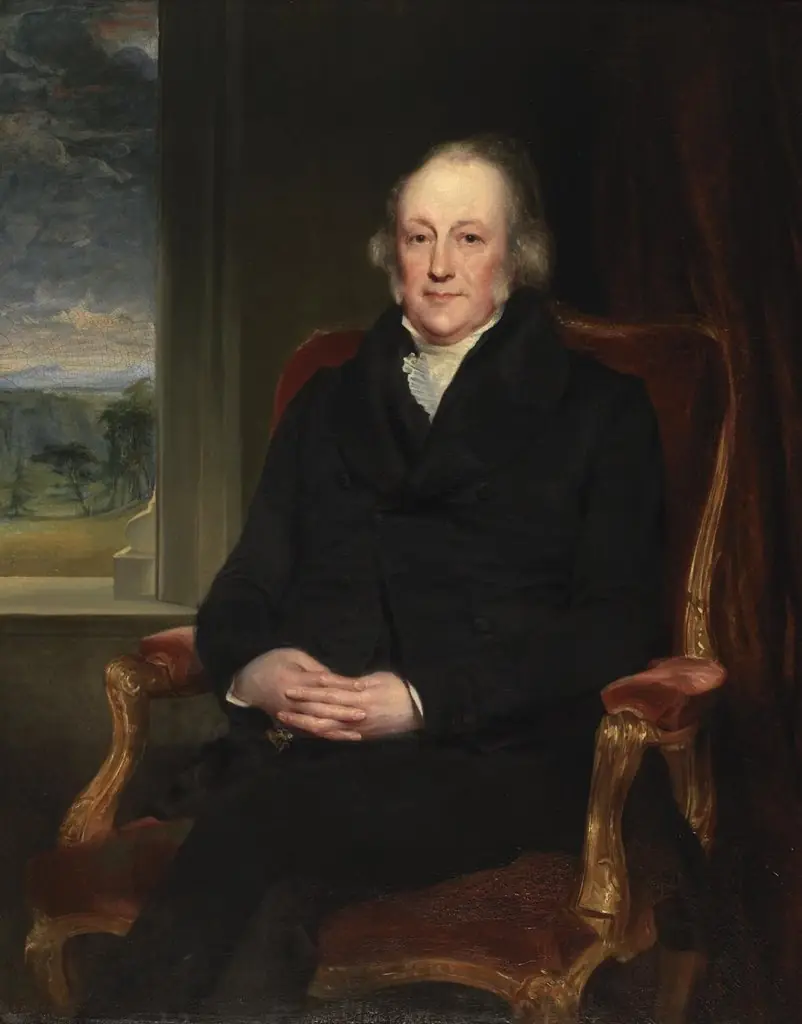
Portrait of John Adams
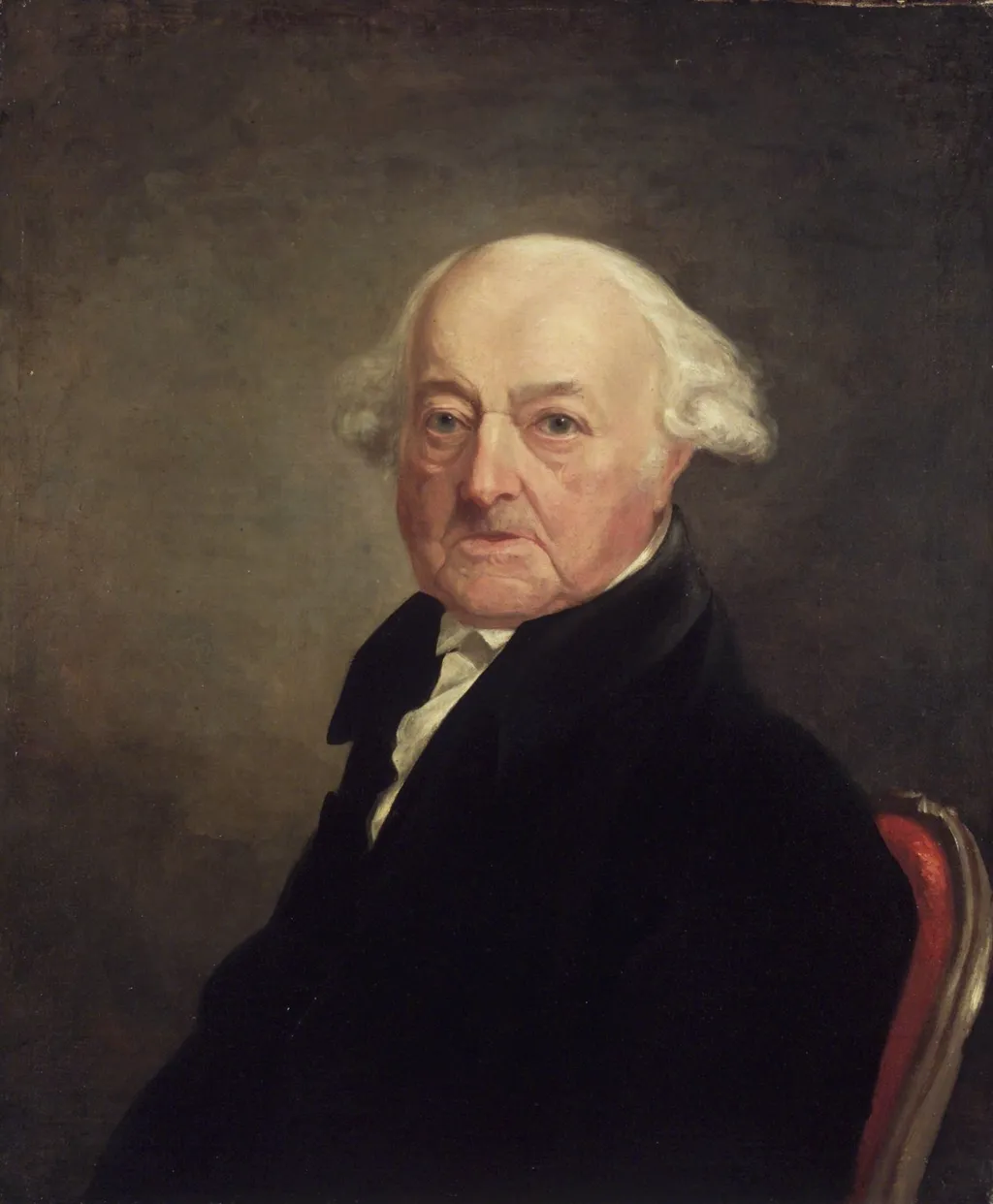
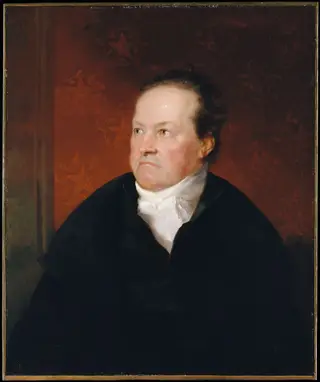
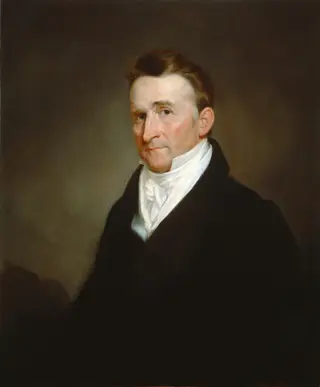
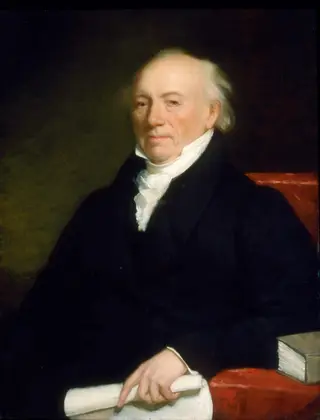
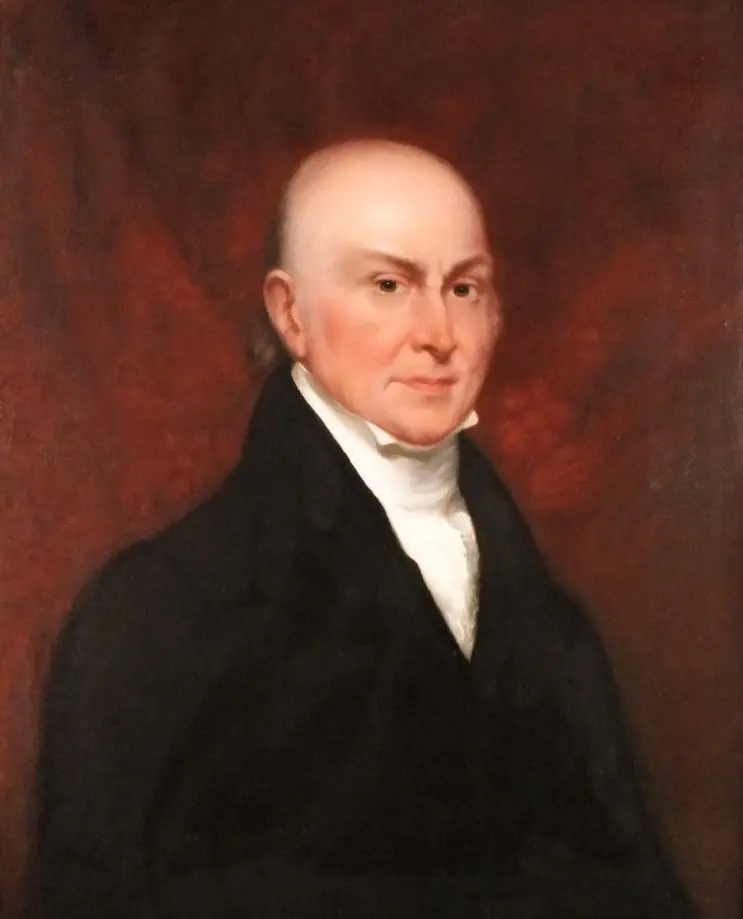
Portrait of John Adams is an oil painting by the American Folk Art artist Samuel Finley Breese Morse. It dates from 1816 and is held in the collection of the Brooklyn Museum. Painted in 1816 by Samuel F.
About this work
Overview
The work reflects his technical training and the conventions of early American portraiture, emphasizing clarity over ornamentation.
Painted in 1816 by Samuel F. B. Morse, this oil portrait captures John Adams, the second president of the United States, in a restrained and direct composition. At the time, Morse was primarily known as a portrait artist, before turning his attention to scientific innovation. The work reflects his technical training and the conventions of early American portraiture, emphasizing clarity over ornamentation.
Subject & Meaning
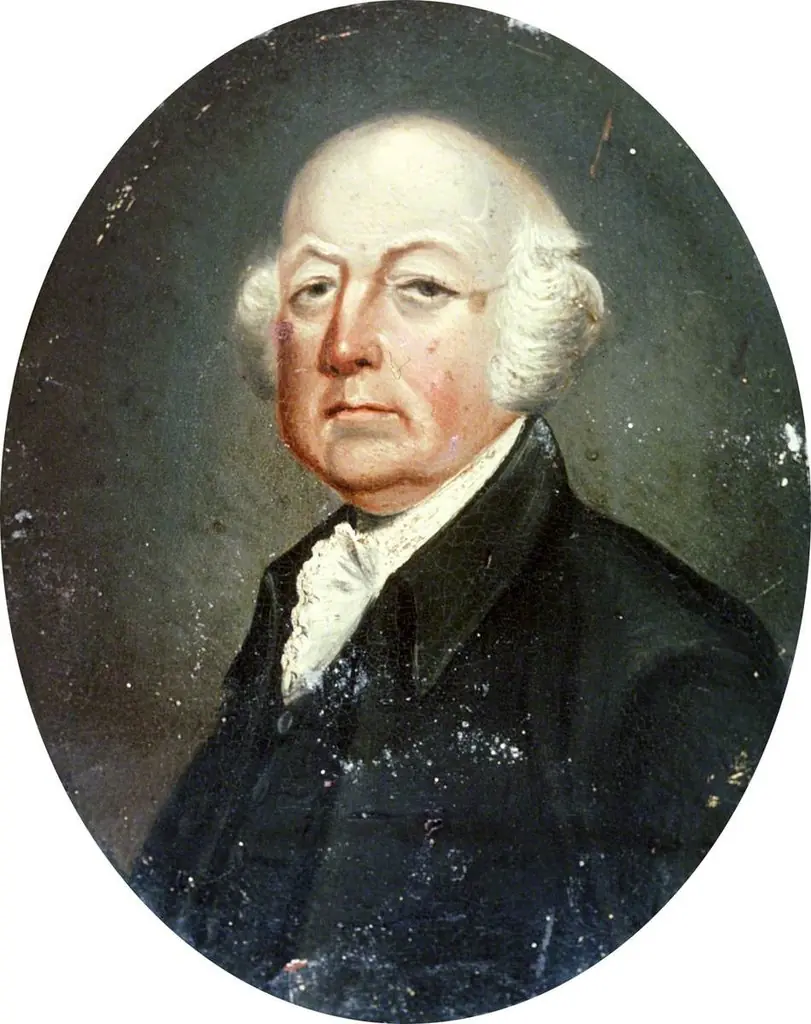
John Adams is depicted in late life, his white hair and formal attire signaling his status and gravitas. His steady gaze and solemn expression convey a sense of quiet authority, consistent with his reputation as a principled statesman. The absence of symbolic props or elaborate settings focuses attention on his character rather than his political achievements, suggesting an intimate, human portrayal.
Technique & Style
Morse employed traditional oil painting methods to render Adams with precise detail, particularly in the texture of fabric and the subtlety of facial planes. The background is deliberately muted, allowing the figure to dominate the composition. The brushwork is controlled and even, avoiding theatricality in favor of a calm, observational realism typical of early 19th-century American portraiture.
History & Provenance
Created during Morse’s active years as a portraitist, the painting was likely commissioned by a private patron or institution. It remained in private hands for much of its early history before entering a public collection. Its attribution to Morse is well-documented through contemporary records and stylistic comparison with his other known portraits from the period.
Context
In 1816, American art was still developing a distinct identity, with portrait painting serving as a primary vehicle for civic and personal commemoration. Morse’s work aligned with a broader trend of depicting national figures with dignity and restraint. His transition from art to invention in the following decades marked a shift in how American creativity was channeled, from visual representation to technological innovation.
Legacy
Though Morse is more widely remembered for the telegraph, this portrait endures as a record of his early artistic skill and the visual culture of the early republic. It stands as an example of how American artists of the time sought to define national identity through the dignified representation of its leaders, without reliance on European models.
Own this work as a print
Artist & collection

Artist
Samuel Finley Breese Morse (April 27, 1791 – April 2, 1872) was an American inventor and painter.