Artwork
Sir Neville Wilkinson on the Steps of the Palladian Bridge at Wilton House
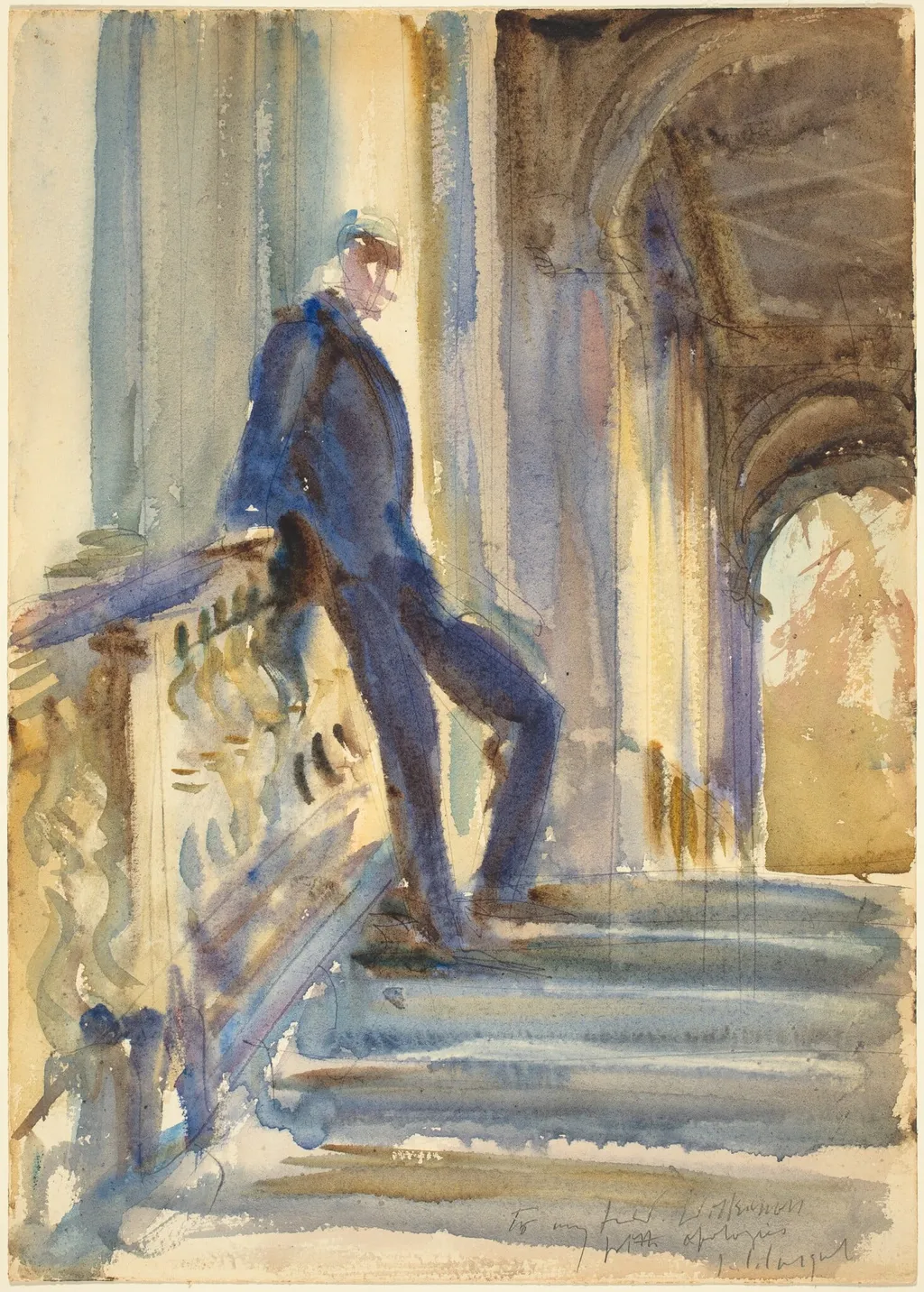
Sir Neville Wilkinson on the Steps of the Palladian Bridge at Wilton House is a graphite drawing by John Singer Sargent. It dates from 1904 and is held in the collection of the National Gallery of Art.
- Inscription
- Inscribed:lower right in graphite: To my friend Wilkenson / with apologies / J.S. Sargent; lower right verso in graphite by unknown hand: 2472 (circled) / John Sargent / 2472
About this work
Overview
Executed by John Singer Sargent, the work belongs to his extensive body of watercolor drawings, which often recorded moments from his travels across Europe.
Painted in 1904, this watercolor on wove paper captures Sir Neville Wilkinson on the steps of the Palladian Bridge at Wilton House. Executed by John Singer Sargent, the work belongs to his extensive body of watercolor drawings, which often recorded moments from his travels across Europe. Unlike his formal portraits, this piece emphasizes atmosphere and quiet observation, reflecting Sargent’s interest in informal, site-specific studies.
Subject & Meaning
Sir Neville Wilkinson, a British army officer and heraldic expert, is depicted alone on the bridge’s stone steps, gazing downward with his hand resting on the railing. His stillness and contemplative posture suggest introspection, contrasting with the monumental architecture around him. The scene avoids narrative drama, instead conveying a sense of private solitude within a grand historical setting, characteristic of Sargent’s more intimate works.
Technique & Style
Sargent employed graphite underdrawing to define the structure of the bridge and figure, then layered translucent watercolor washes to suggest light and texture. The palette is restrained, soft grays, muted browns, and pale highlights, creating a hushed, serene mood. His loose yet precise brushwork captures the play of shadow across stone and fabric, emphasizing spatial depth without overt detail, a hallmark of his mature watercolor style.
History & Provenance
The drawing was made during Sargent’s visit to Wilton House, the ancestral seat of the Earls of Pembroke, where he was a guest. It remained in his personal collection until his death in 1925, after which it passed to his estate. The work entered a public collection in the mid-20th century, where it is now preserved as part of his legacy of topographical and portrait studies.
Context
Sargent painted this during the Edwardian era, a time when British aristocratic estates were still centers of cultural life. His visits to such homes often resulted in informal sketches rather than commissioned portraits. The Palladian Bridge, designed by James Gibbs and completed in the 18th century, exemplified classical ideals that appealed to Sargent’s aesthetic sensibilities and his interest in architectural harmony.
Legacy
This watercolor exemplifies Sargent’s shift from formal portraiture toward lyrical, observational works that valued mood over grandeur. Though less known than his oil paintings, such drawings reveal his mastery of light and composition in a more spontaneous medium. They continue to inform scholarly understanding of his artistic range and his engagement with European landscapes and architecture.
Own this work as a print
Artist & collection
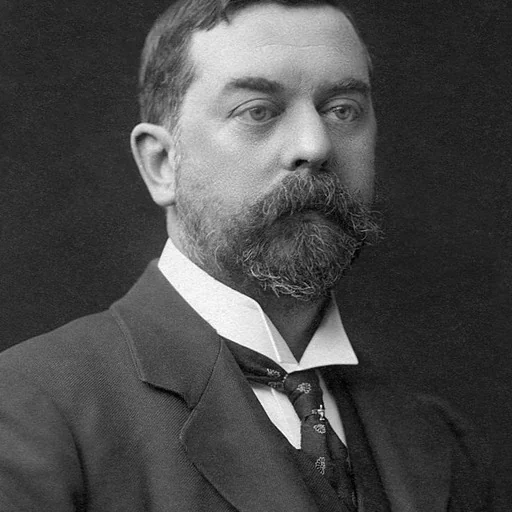
Artist
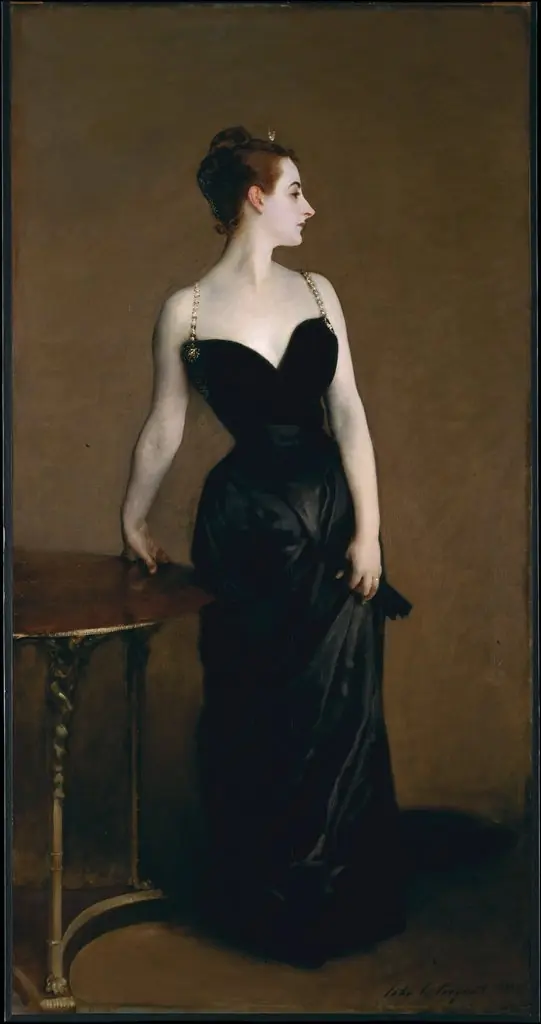
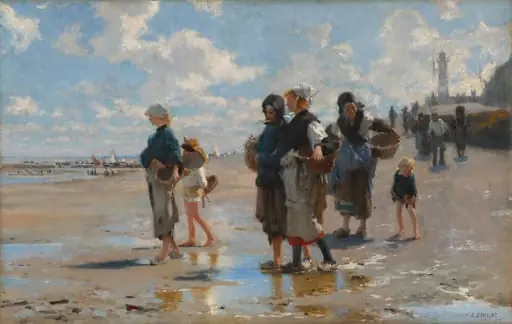
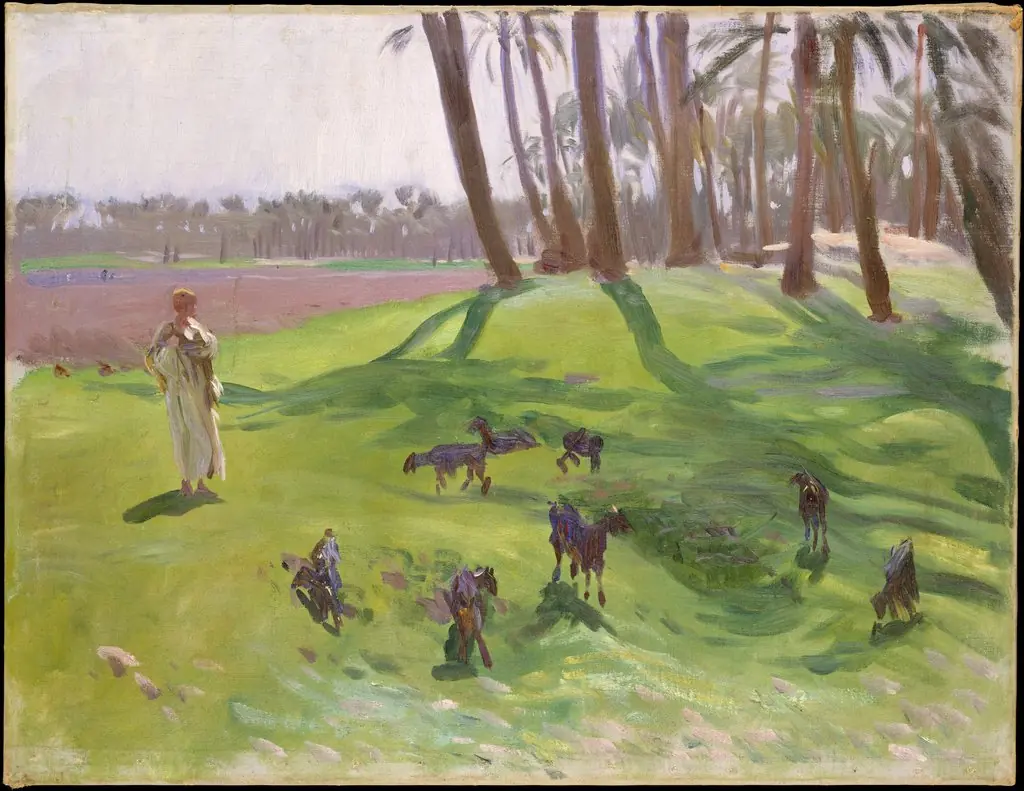
John Singer Sargent (; January 12, 1856 – April 15, 1925) was an American expatriate artist, considered the "leading portrait painter of his generation" for his evocations of Belle Époque and Edwardian-era luxury.

![Bedpost [verso], by Paul Cézanne](https://artifactworldgallery.com/img/paul-cezanne--bedpost-verso--1117199781ad2be5-w320.webp)