Artwork
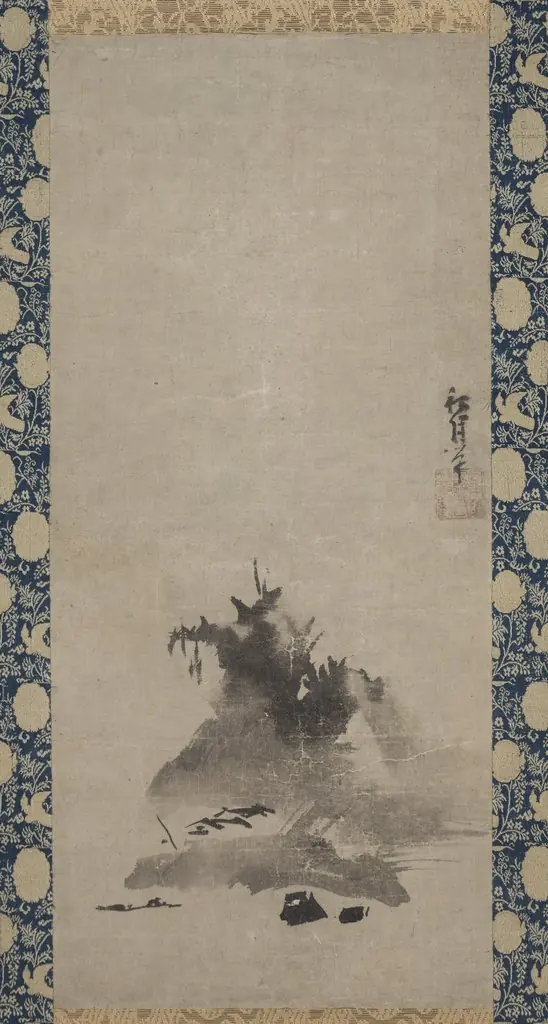
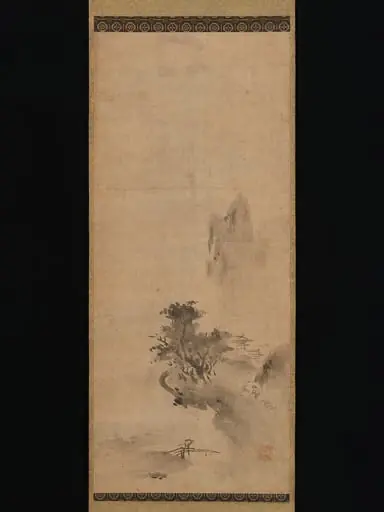
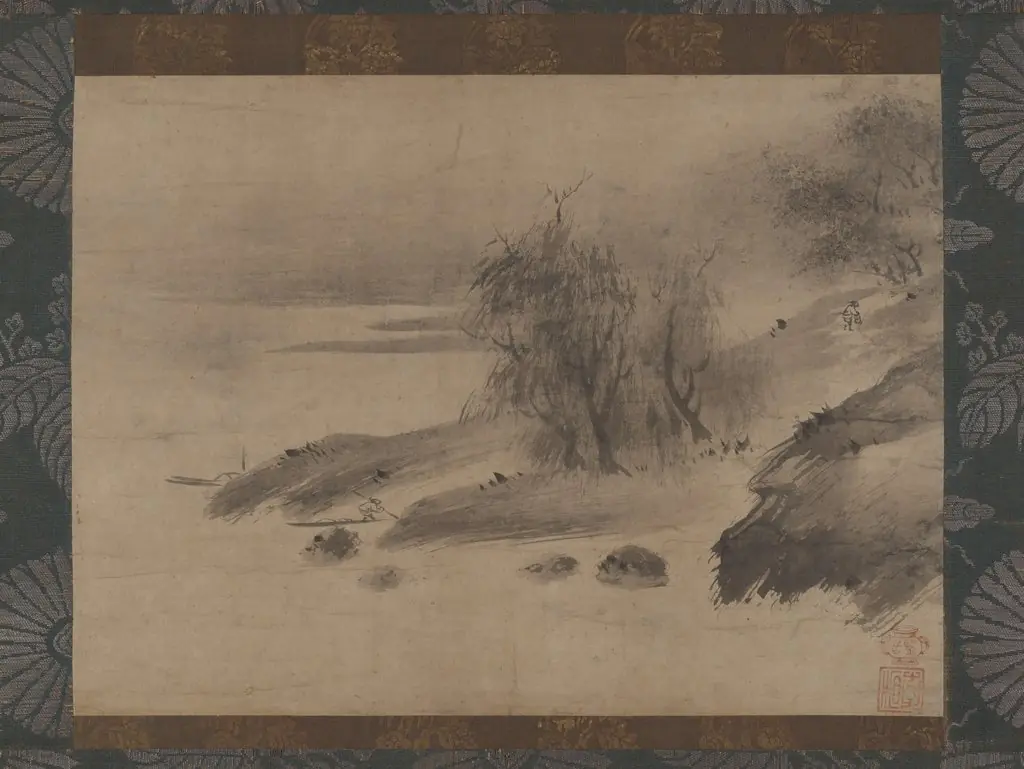
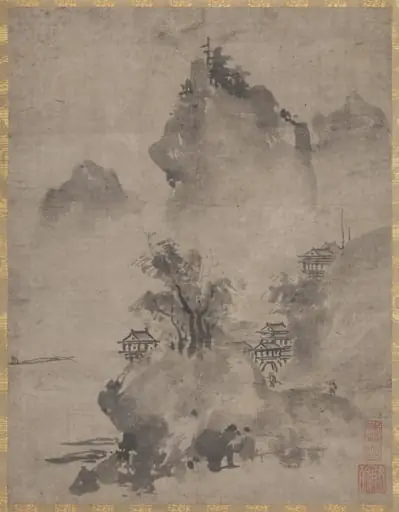
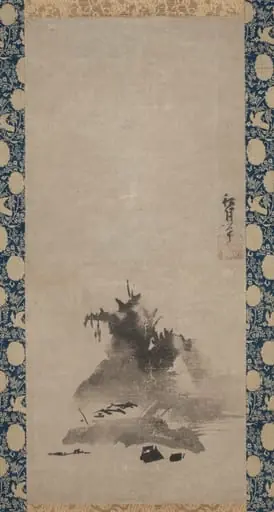
Haboku, Splashed Ink Landscape
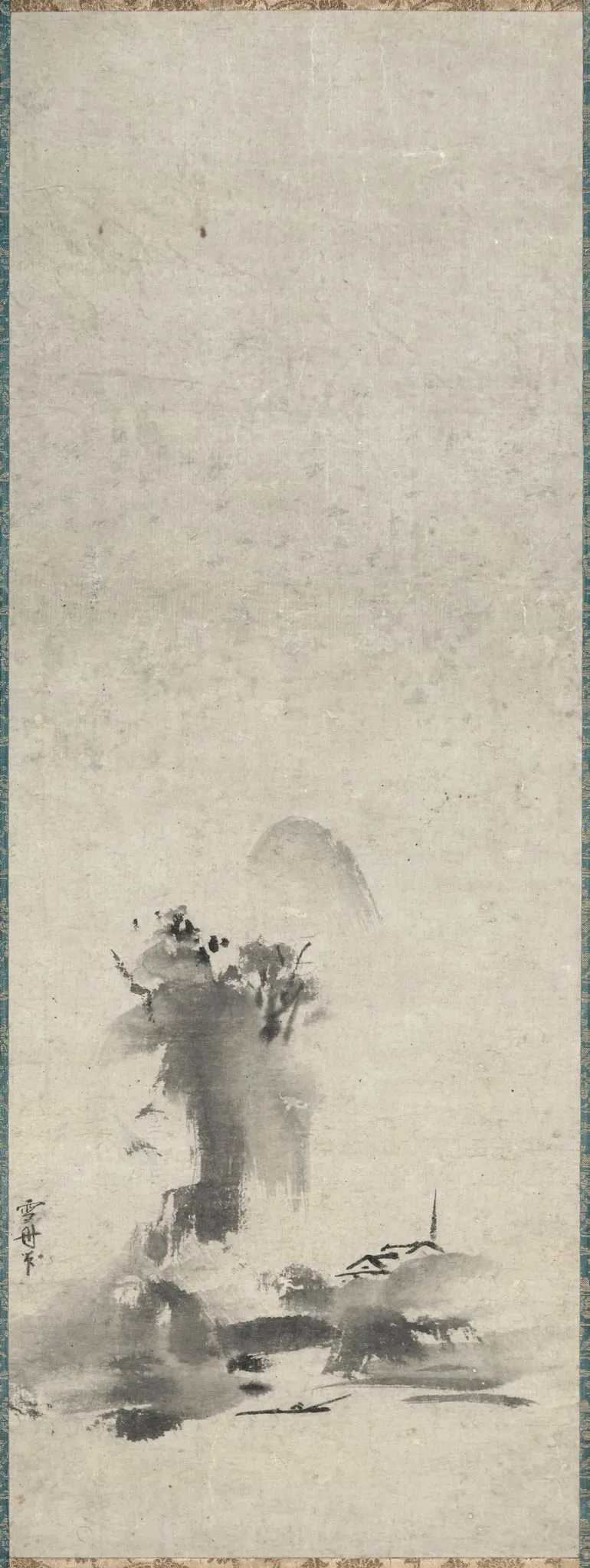
Haboku, Splashed Ink Landscape is an unspecified painting by the Renaissance artist Sesshū Tōyō. It dates from 1473 and is held in the collection of the Cleveland Museum of Art.
- Accession no.
- 1955.43
- Credit line
- Gift of The Norweb Foundation
About this work
Overview
Haboku, Splashed Ink Landscape is a painting created by Sesshū Tōyō in 1490, not 1473 as sometimes stated, though the exact date is disputed. It is an example of ink painting, a technique Sesshū mastered.
Technique & Style
The work features loose, expressive brushstrokes and splattered ink, characteristic of the haboku technique. This style marked a departure from the more precise and detailed painting that preceded it, embracing a more spontaneous and abstracted form of artistic expression.
Subject & Meaning
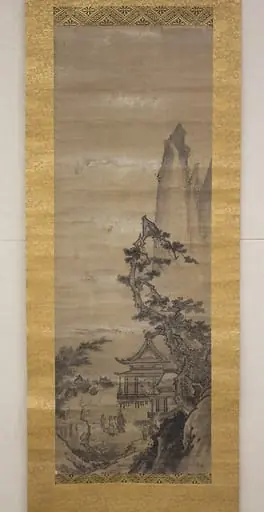
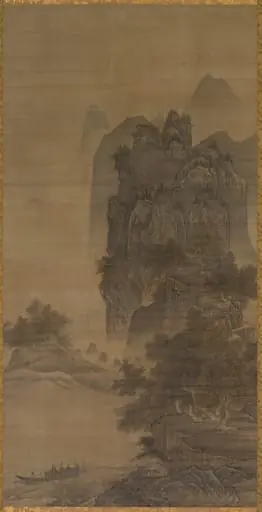
The painting depicts a simple landscape with a few trees and a small building on a pale ground, set against a largely empty sky. The simplicity and abstraction of the composition are thought to reflect Zen Buddhist principles.
History & Provenance
The painting is now held in The Cleveland Museum of Art's collection. While associated with the Muromachi period, its exact relationship to the rinpa school is not clearly established.
Artist & collection

Artist
Sesshū Tōyō (雪舟 等楊; c. 1420 – August 26, 1506), also known simply as Sesshū (雪舟; Japanese pronunciation: ), was a Japanese Zen monk and painter who is considered a great master of Japanese ink painting. Initially…