Artwork
Untitled
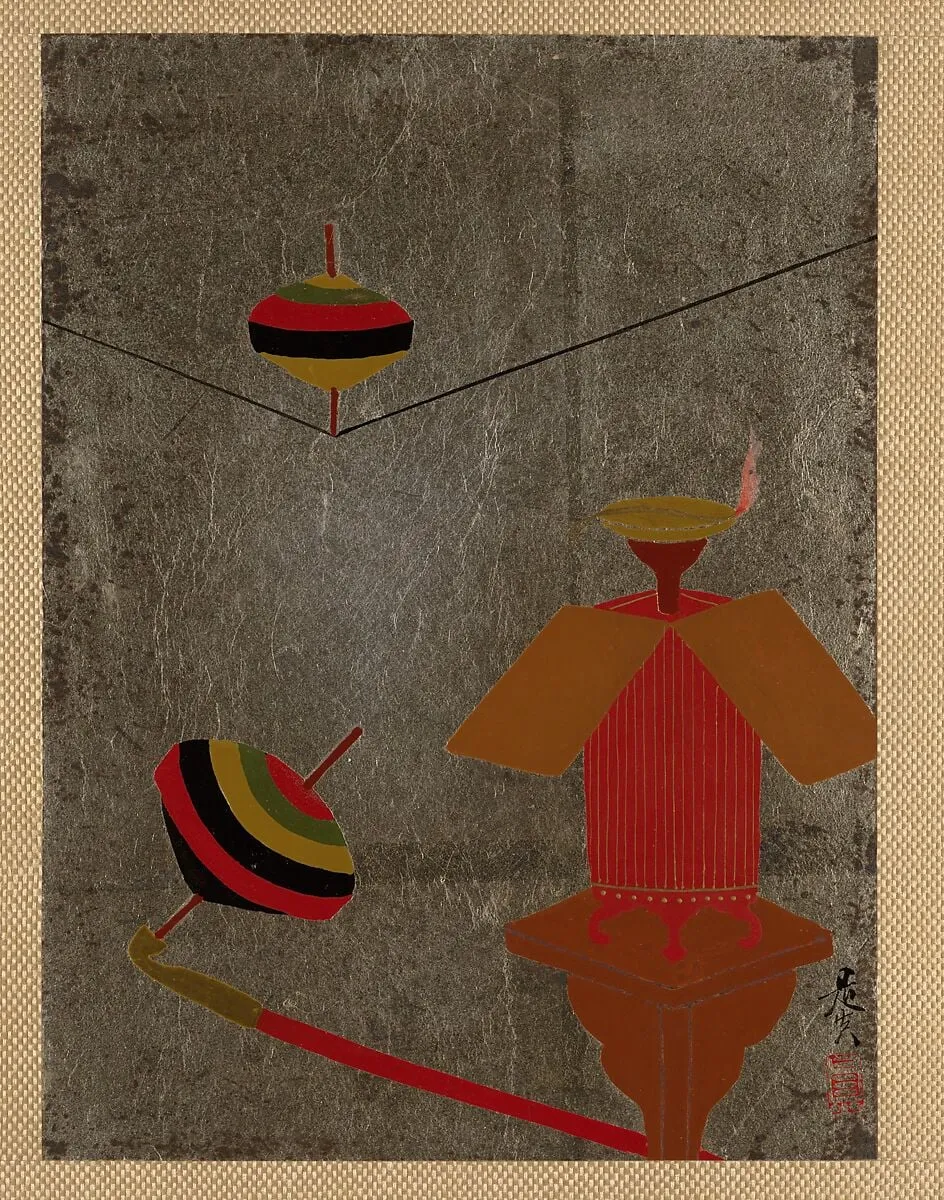
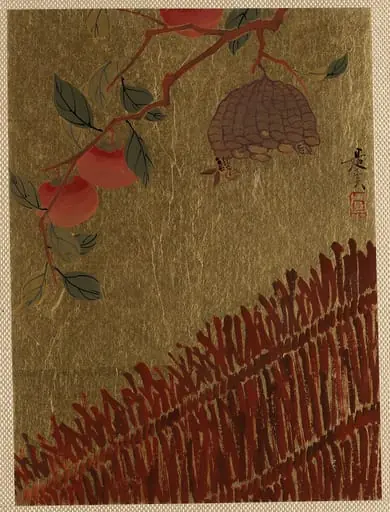
Untitled is a silver painting by the Nihonga artist Shibata Zeshin. It dates from 1837 and is held in the collection of the Metropolitan Museum of Art.
- Accession no.
- 36.100.123
About this work
Subject & Meaning
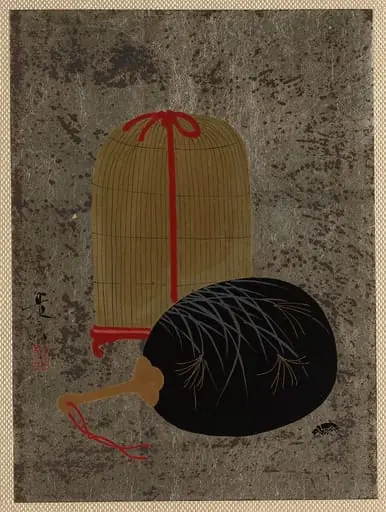
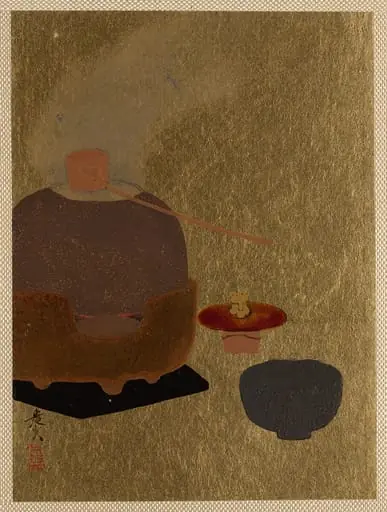
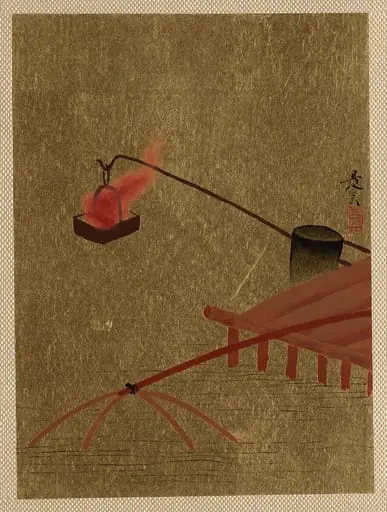
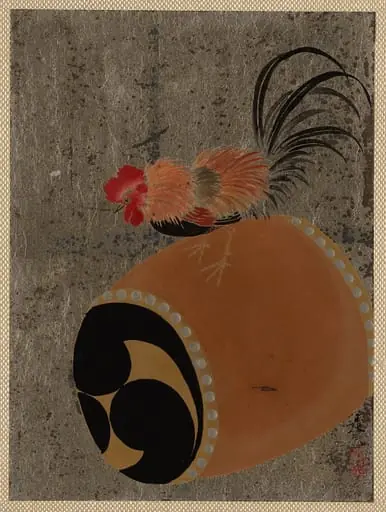
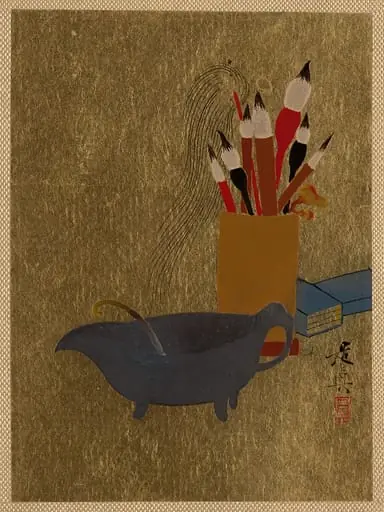
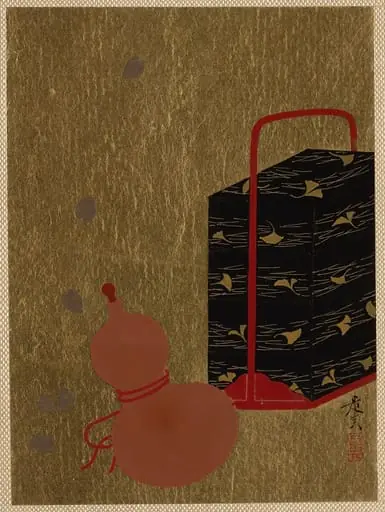
The work is a still-life composition that depicts a toy. Created by Shibata Zeshin in 1837, this album leaf uses lacquer on silver paper to render the object. The subject matter focuses entirely on the toy, presenting it as the central element within the frame.
As a piece of still-life art, the work reflects the aesthetic appreciation of everyday objects through the medium of lacquer.
Technique & Style
Created in 1837, this album leaf by Shibata Zeshin employs lacquer applied to silver paper as its primary medium.
Created in 1837, this album leaf by Shibata Zeshin employs lacquer applied to silver paper as its primary medium. The work measures 12.1 cm in height and 8.9 cm in width and presents a still-life composition depicting a toy. Executed in the Japanese tradition, the piece combines the reflective quality of the silver support with the rich texture of lacquer, characteristic of Zeshin's innovative approach to painting materials.
History & Provenance
The work was created in 1837 in Japan by Shibata Zeshin, an album leaf rendered in lacquer on silver paper depicting a still-life subject of a toy. It is held in the collection of the Metropolitan Museum of Art in New York, which catalogues it with dimensions of 12.1 cm in height and 8.9 cm in width. No specific accession number or exhibition history is documented in the available records.
Context
Shibata Zeshin's 1837 album leaf exemplifies his synthesis of traditional Japanese lacquer techniques with painting, a hallmark of his work spanning the late Edo and early Meiji periods. Executed in lacquer on silver paper and depicting a still-life subject of a toy, the work reflects Zeshin's distinctive use of lacquer (urushi) as a painting medium rather than solely for decorative objects. The piece is held in the collection of the Metropolitan Museum of Art.
Legacy
The work is part of the Metropolitan Museum of Art's collection. Its small album-leaf format, measuring roughly 12.1 by 8.9 cm, exemplifies the delicate still-life subjects and lacquer technique for which Shibata Zeshin is known.
Overview
Created in 1837, this album leaf by Shibata Zeshin depicts a single wooden spinning top with a red string, rendered in black and gold lacquer on silver paper. The work exemplifies Zeshin's mastery of maki-e and urushi techniques, traditionally reserved for functional lacquerware, applied here to a two-dimensional painting surface. The composition is stark and focused, isolating the toy against the reflective silver ground to emphasize its form and texture.
Zeshin manipulates the viscosity and sheen of the lacquer to simulate the glossy finish of the wooden top, creating a trompe-l'œil effect where the object appears wet and tangible. This piece dates from the artist's early career, shortly after he began experimenting with lacquer as a painting medium rather than solely for decorative objects. It reflects the Edo period's appreciation for everyday objects and the technical virtuosity of the Rimpa school, which Zeshin adapted through his unique synthesis of painting and craft.
The work stands as a significant example of his innovative approach to materiality, bridging the gap between fine art and artisanal lacquerware.
Artist & collection