Artwork
Mary Barry
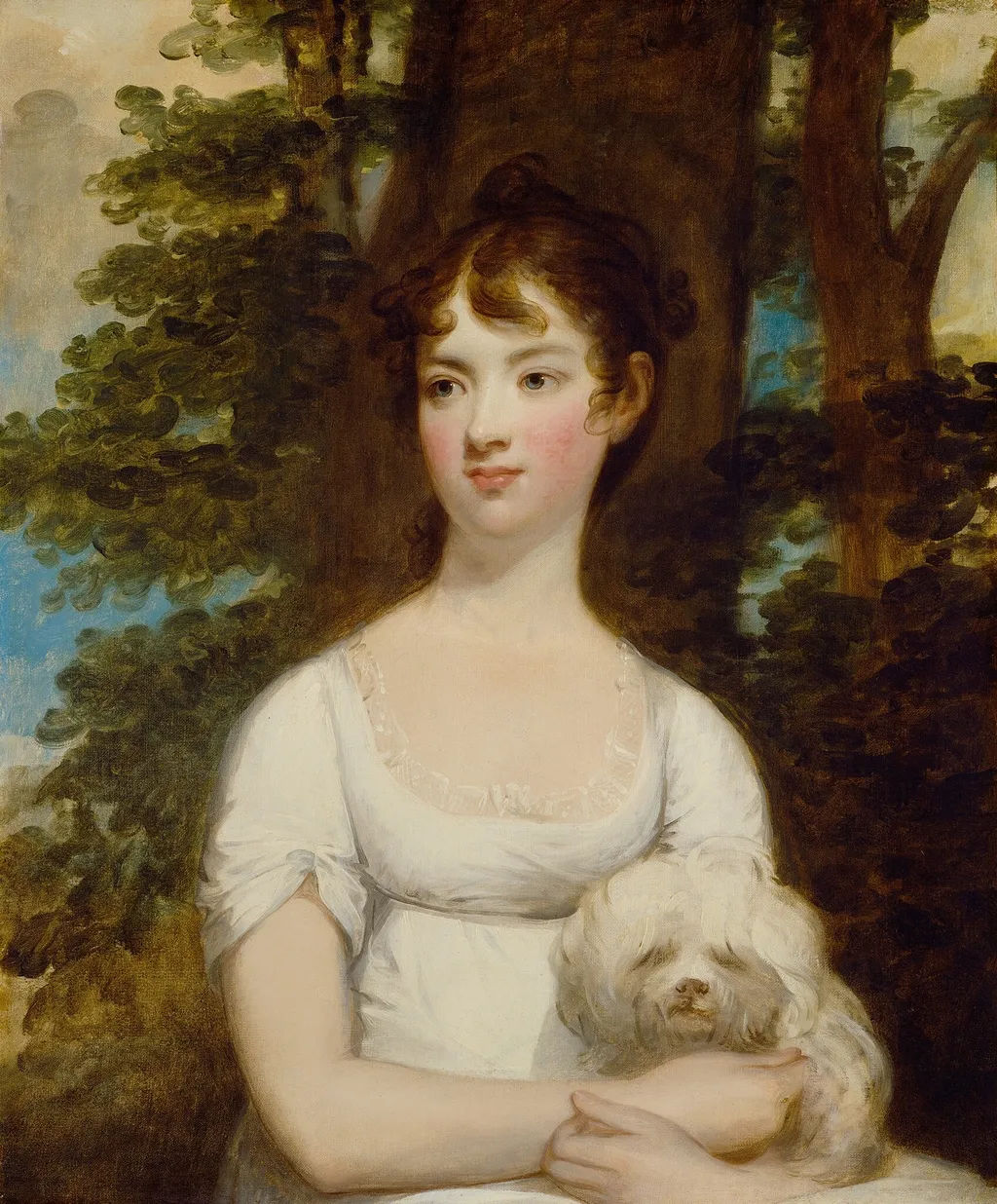
Mary Barry is an oil painting by the American Impressionist artist Gilbert Stuart. It dates from 1804 and is held in the collection of the National Gallery of Art.
About this work
Subject & Meaning
No specific symbolic objects, iconographic attributes, or deeper metaphorical meanings are detailed in the available records regarding this specific canvas.
The work is a portrait depicting Mary Barry, created by Gilbert Stuart in 1804. As a standard genre portrait, the painting focuses on the likeness of the sitter rather than illustrating a narrative scene or complex allegory. The primary subject is Mary Barry herself, whose identity is explicitly confirmed as the main figure in the composition.
No specific symbolic objects, iconographic attributes, or deeper metaphorical meanings are detailed in the available records regarding this specific canvas.
Technique & Style
Mary Barry is an oil painting on canvas, with the canvas serving as the support. The work is a portrait of the sitter, measuring approximately 74.3 cm in height and 61.6 cm in width, and was completed in 1804. The sources describe the medium as oil paint and the genre as portrait, but they do not provide information on the artist's handling, surface condition, or specific stylistic details beyond its classification as a portrait.
History & Provenance
Painted by Gilbert Stuart in 1804, the oil-on-canvas portrait of Mary Barry was originally owned by the sitter's mother, Joanna Barry, who died in Washington, D.C., in 1811. Upon her death, Joanna bequeathed the work, along with other family likenesses by Stuart, to her nephew James David Barry. The painting remained in the family until it passed by descent to George Worthen Whistler of Baltimore, the great-grandson of Robert Barry.
In February 1927, Whistler sold the portrait at Christie, Manson & Woods in London, where it was acquired by a buyer identified as "Barry." Later that year, the work was sold by the Daniel H. Farr Co. to Edward Small Moore of New York. Upon Moore's death in 1948, it passed to his wife, Jean McGinley Moore Draper, who bequeathed the painting to the National Gallery of Art in 1954. The painting is presently held in the collection of the National Gallery of Art, Washington, D.C.
Context
Mary Barry is a 1804 portrait by Gilbert Stuart, recorded in the National Gallery of Art's collection and documented in early catalogues of Stuart's work. Provenance traces the painting from the Barry family through several collectors before its 1954 donation to the NGA, a path noted by scholars such as Mason (1879) and Park (1926). Its inclusion in the museum's holdings reflects its recognized significance within Stuart's portraiture, which helped define early American elite imagery.
The work's subject, Mary Barry, exemplifies the genre of family portraiture in the early Republic, situating the piece within both the artist's development and the broader narrative of American portraiture.
Overview
Painted by Gilbert Stuart in 1804, Mary Barry is an oil on canvas portrait. This work depicts its namesake, Mary Barry, captured in a formal yet engaging pose. Stuart, renowned for his ability to convey the character of his sitters, created this piece during a productive period of his career, contributing to his extensive body of portraiture.
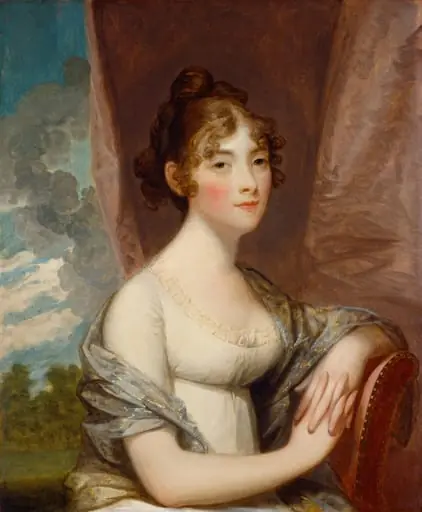
Own this work as a print
Artist & collection

Artist
Gilbert Stuart (né Stewart; December 3, 1755 – July 9, 1828) was an American painter born in the Rhode Island Colony who is widely considered one of America's foremost portraitists.

 Mrs. Dottin
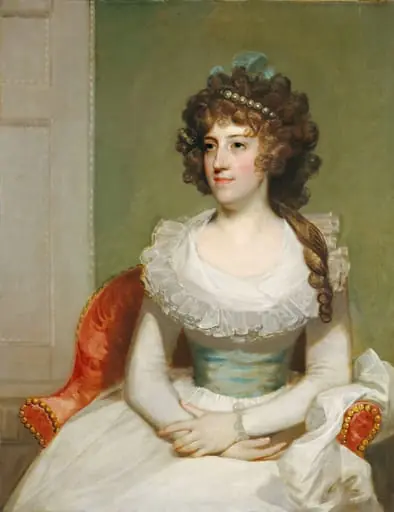 Matilda Caroline Cruger
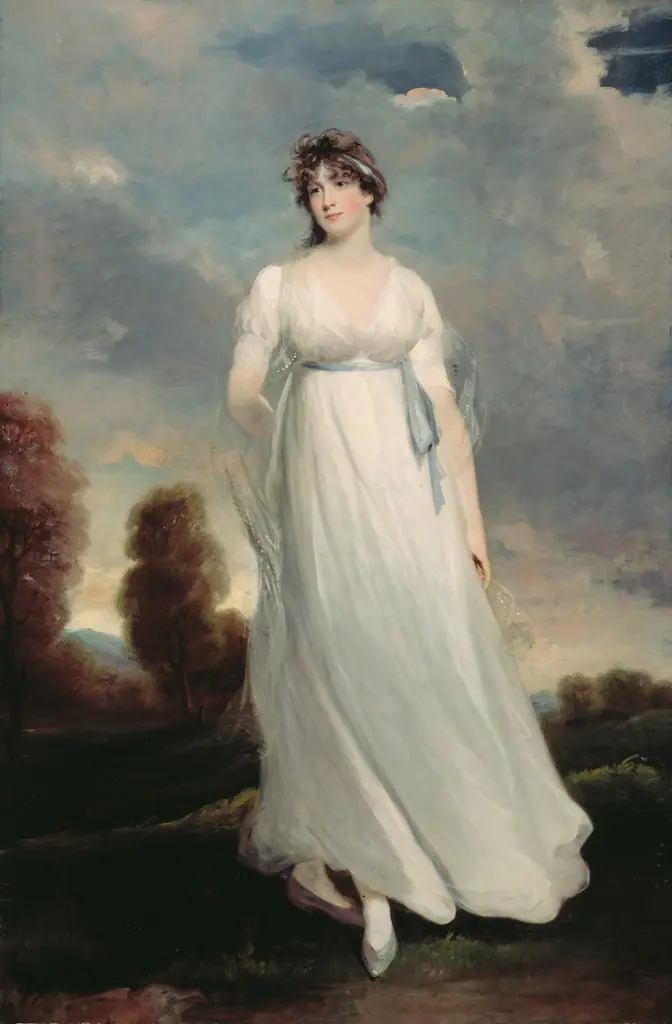
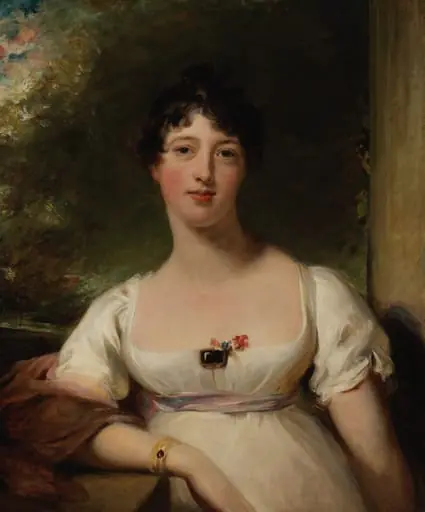 Anna Maria Dashwood, later Marchioness of Ely
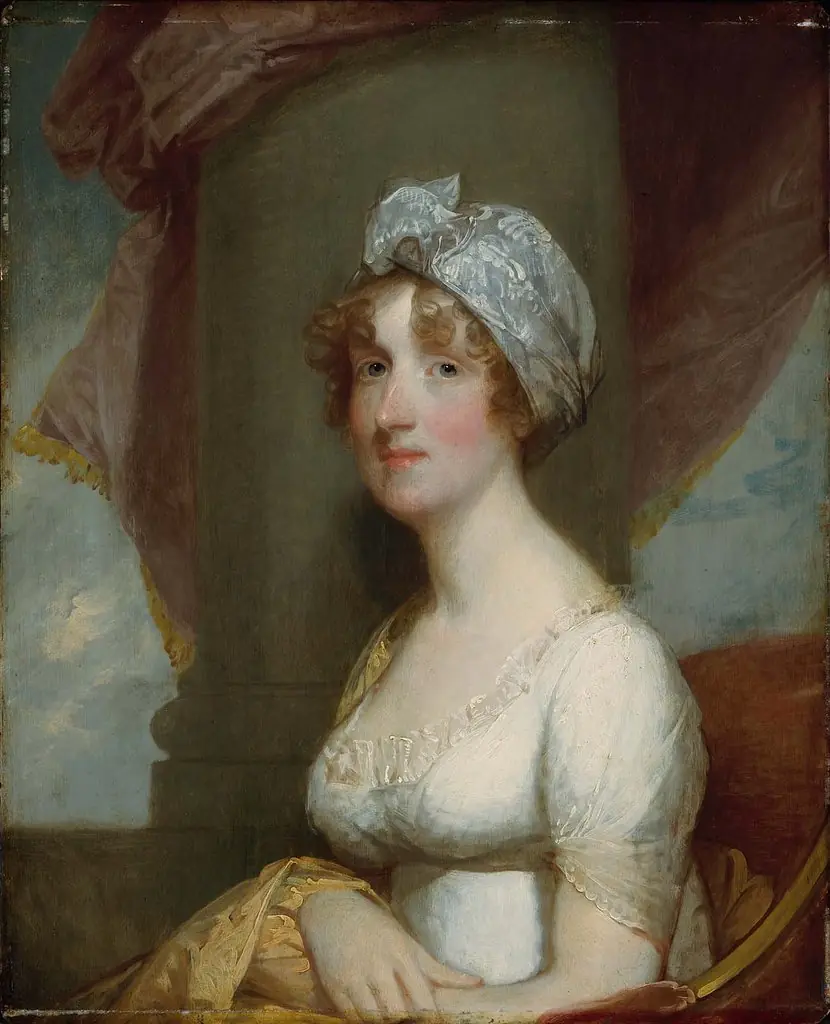 Mrs. Thomas Bartlett (Hannah Gray Wilson)
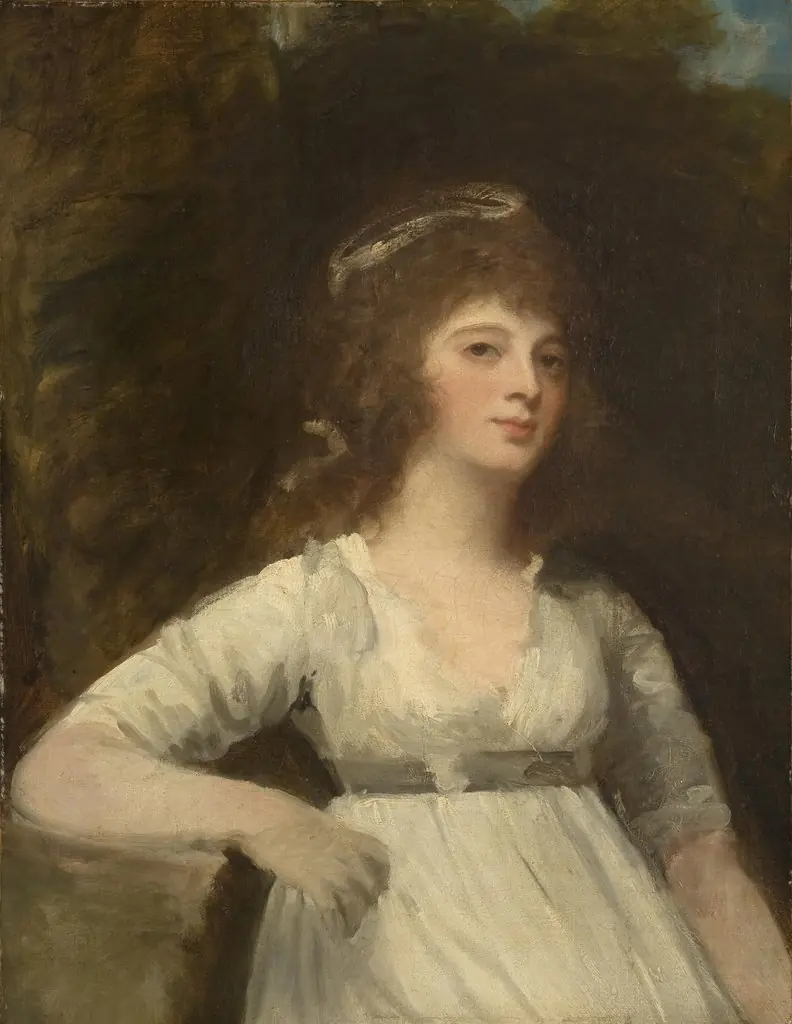 Portrait of Mrs. Finch
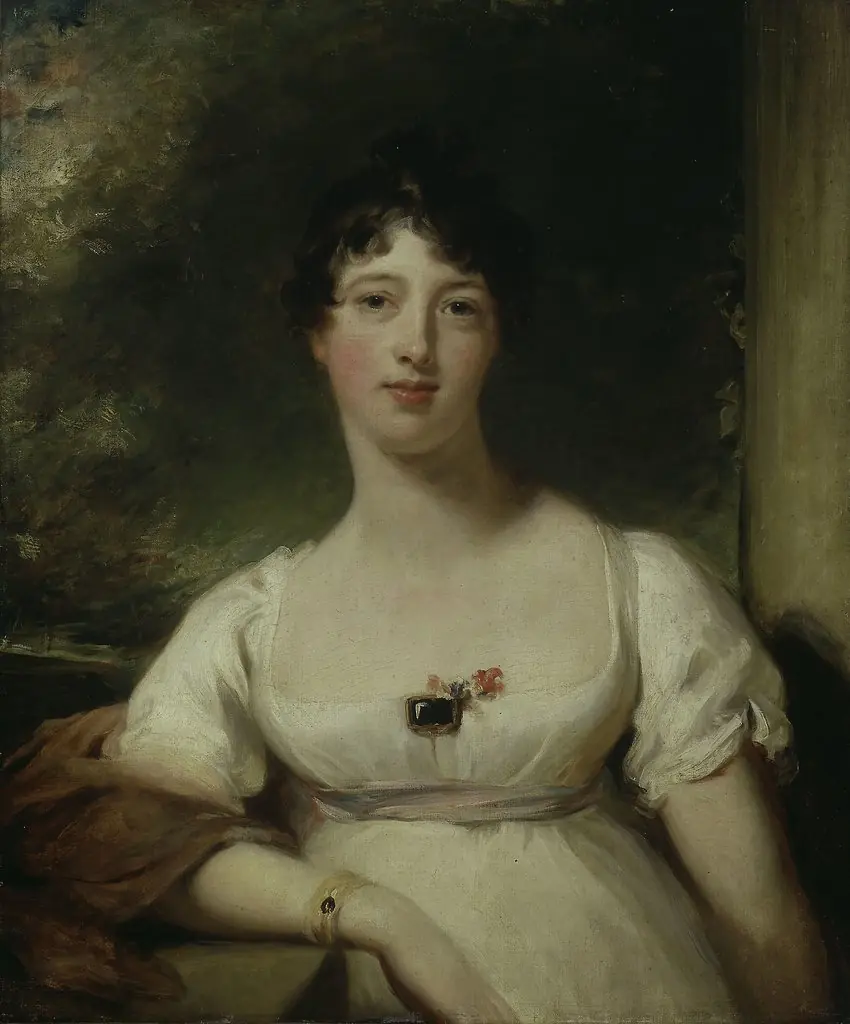 Anna Maria Dashwood, later Marchioness of Ely
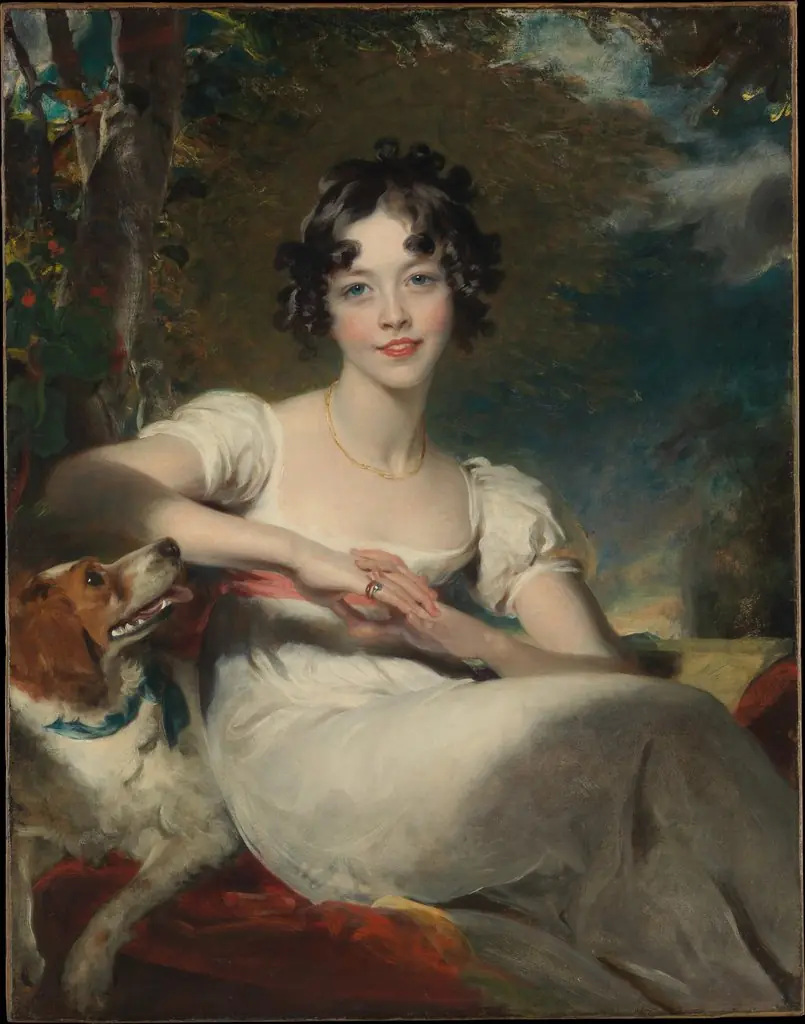 Lady Maria Conyngham (died 1843)
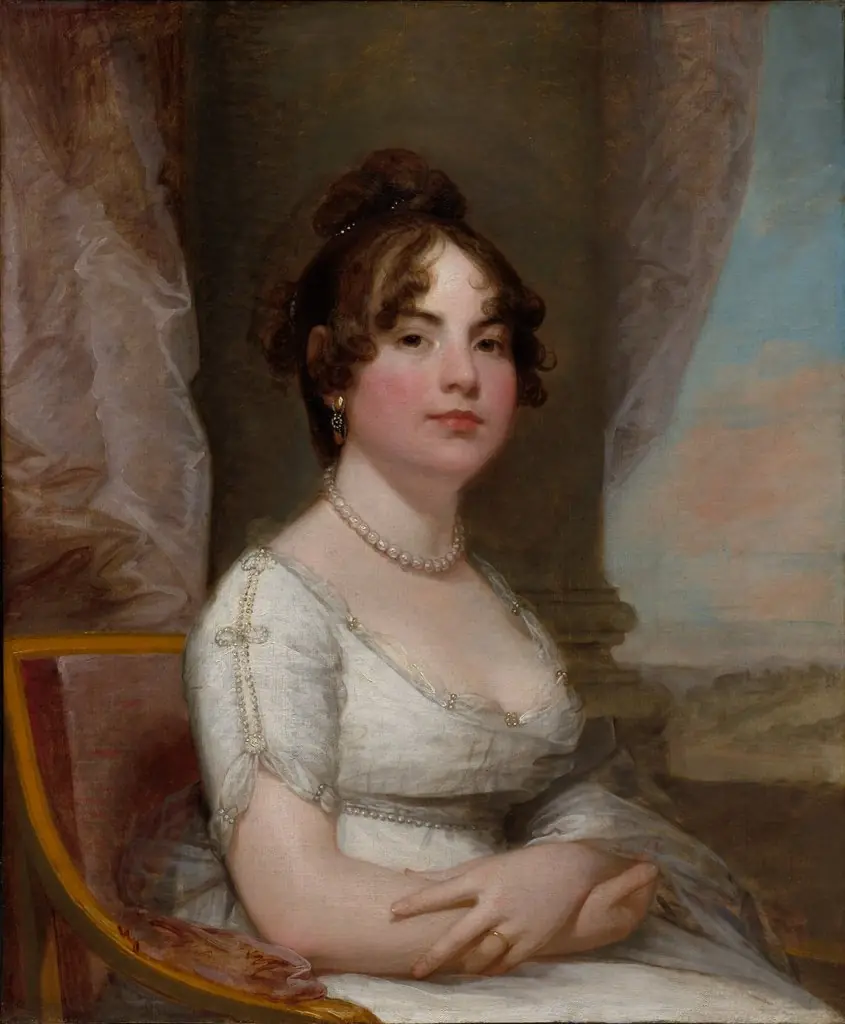 Elizabeth Beltzhoover Mason
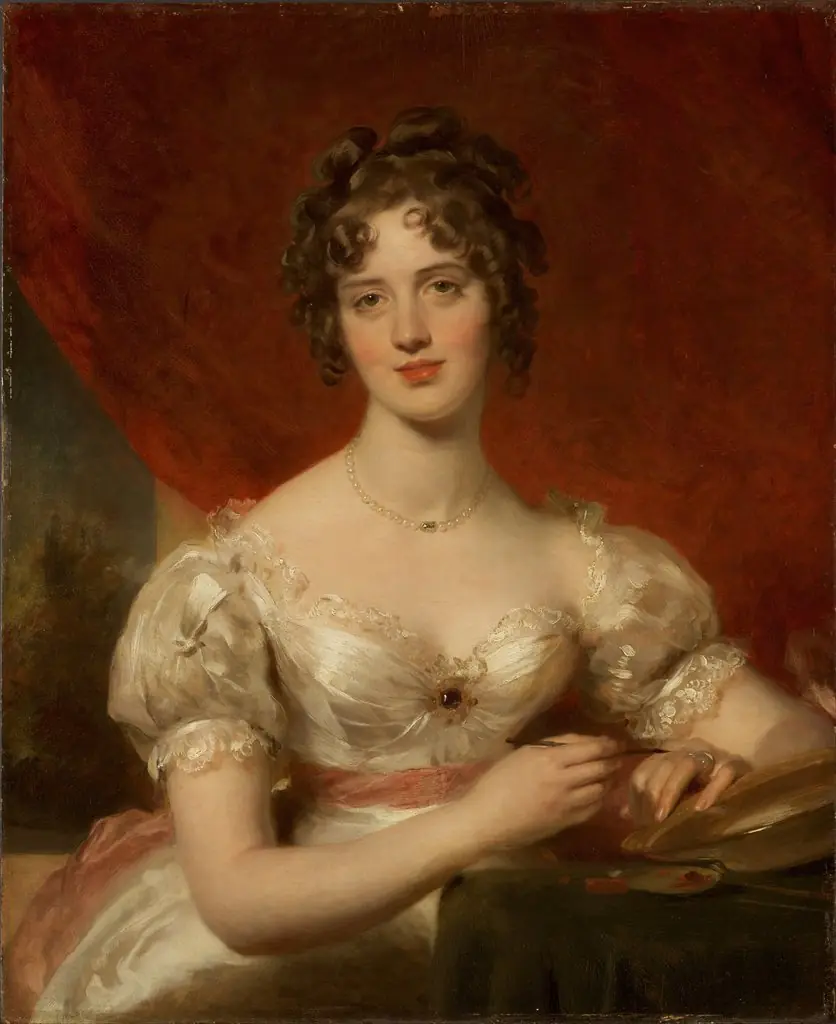 Portrait of Mary Anne Bloxam (later Mrs. Frederick H. Hemming)