Artwork
Children Playing in an Autumn Garden
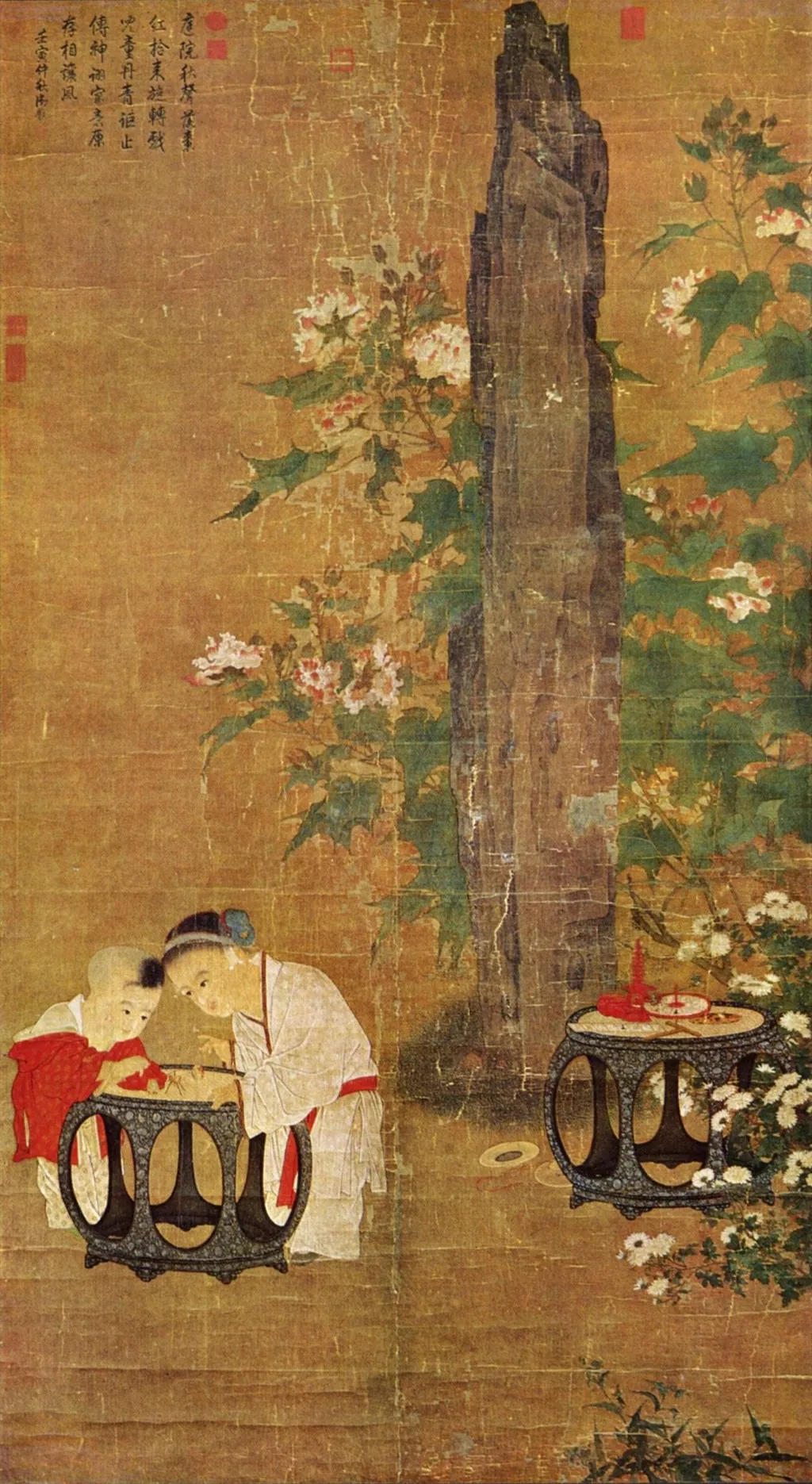
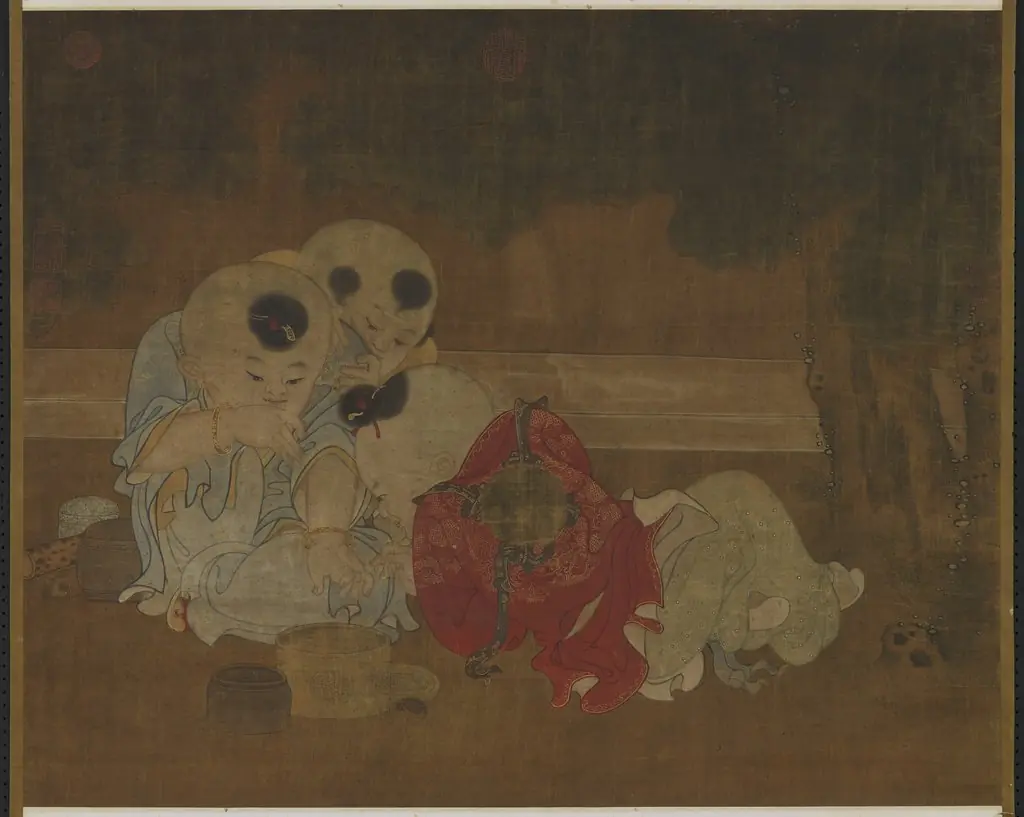
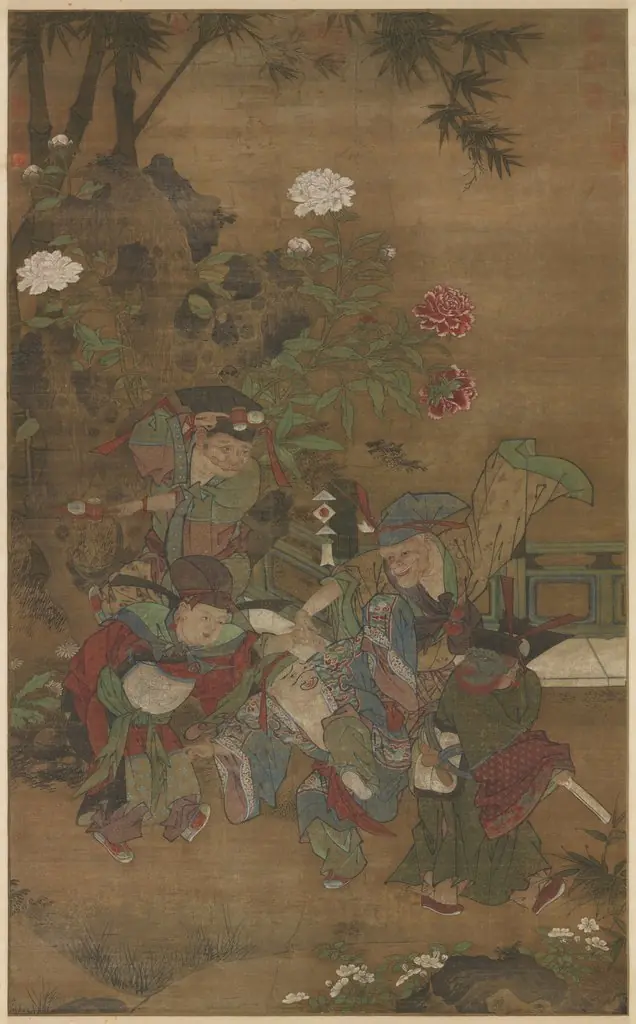
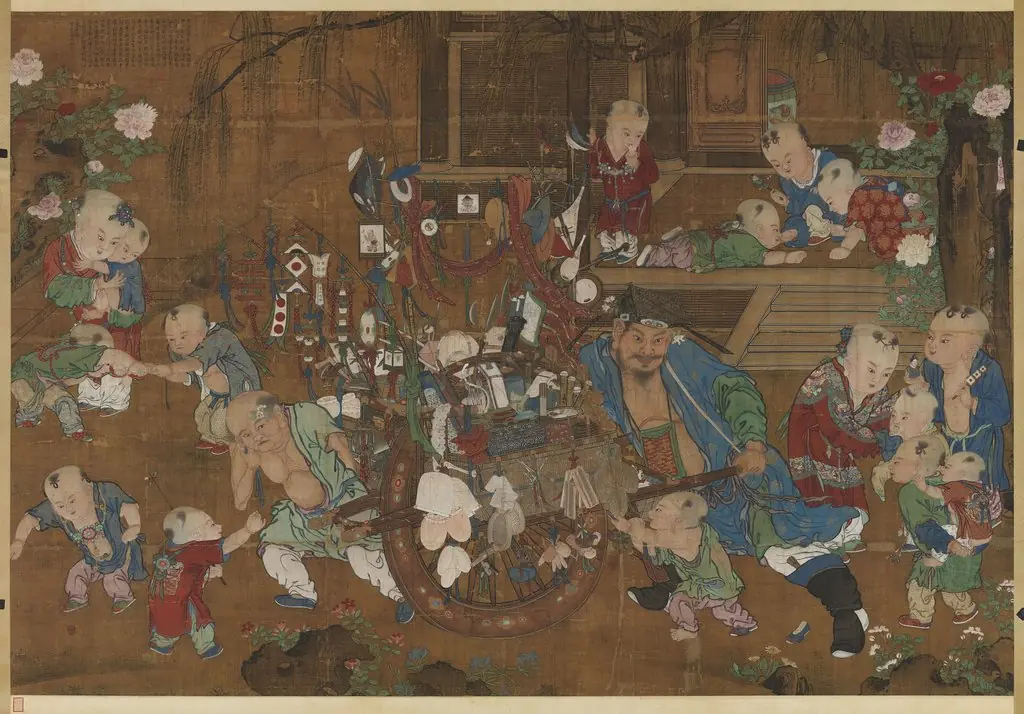
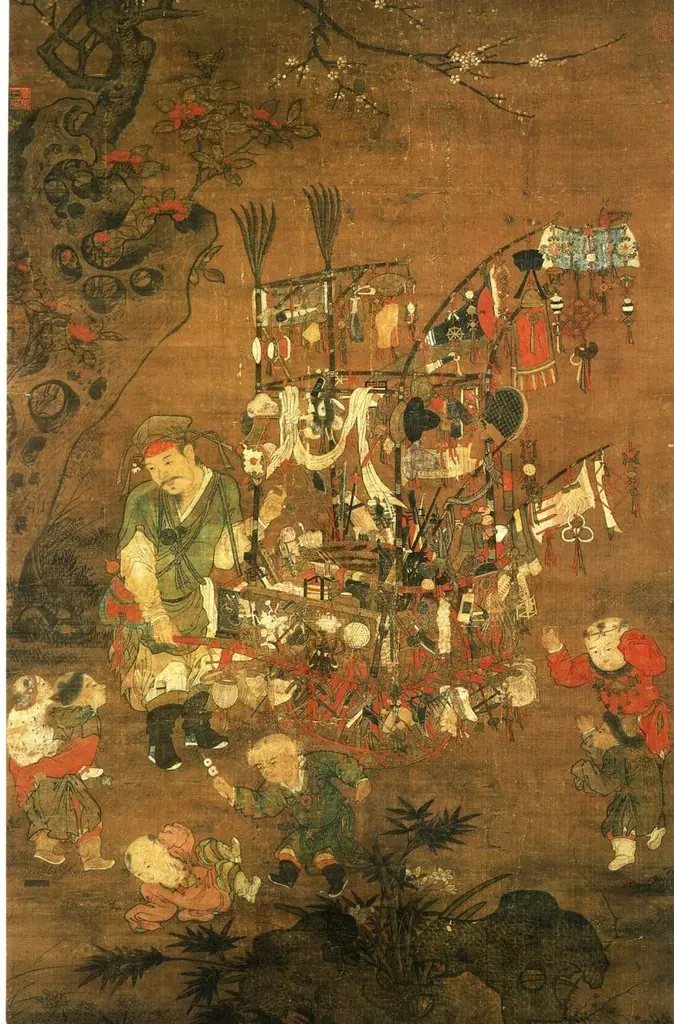
Children Playing in an Autumn Garden is an unspecified painting by the Song dynasty painting artist Su Hanchen. It dates from 1150 and is held in the collection of the National Palace Museum. Created circa 1150 during the Southern Song dynasty, this ink-and-color painting captures a quiet moment of childhood play.
About this work
Overview
The scene is framed by autumn foliage and garden stones, with no adult figures present, a rarity in early Chinese figural painting.
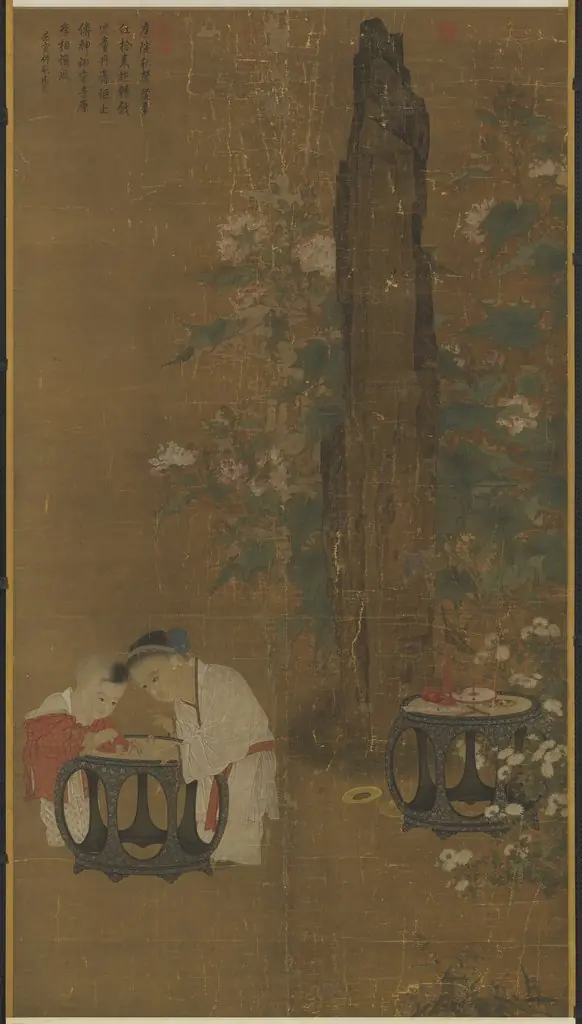
Created circa 1150 during the Southern Song dynasty, this ink-and-color painting captures a quiet moment of childhood play. Attributed to the court artist Su Hanchen, it portrays two children engaged in a game with dried jujubes on a lacquered stool. The scene is framed by autumn foliage and garden stones, with no adult figures present, a rarity in early Chinese figural painting. The work bears later imperial seals and inscriptions, indicating its valued status in imperial collections.
Subject & Meaning
The painting centers on unstructured play, emphasizing the innocence and autonomy of children. The use of jujubes as spinning tops suggests everyday objects repurposed for amusement, reflecting a domestic, intimate world. The surrounding toys and blooming chrysanthemums hint at seasonal transition and the fleeting nature of youth.
Absent of moralizing or didactic elements, the scene prioritizes observation over narrative, offering a rare glimpse into childhood life without adult supervision.
Technique & Style
Su Hanchen employs fine brushwork to render textures with precision: the weave of silk garments, the grain of wood, and the delicate veins of leaves. Colors are restrained, soft browns, muted greens, and pale ochres, enhancing the autumnal mood. The composition balances spatial depth with flat decorative elements, such as the stylized rock and clustered blossoms.
Attention to detail in clothing patterns and toy construction reveals the artist’s mastery of observational realism within the courtly aesthetic.
History & Provenance
The painting entered the imperial collection during the Qing dynasty, where it was annotated by the Qianlong Emperor with seals and a poetic colophon, affirming its cultural significance. It remained in the imperial palace until the mid-20th century, when it was relocated to Taipei with other artifacts from the Beijing Palace Museum. Its survival through centuries of political upheaval underscores its enduring value as a document of both artistic skill and social observation.
Context
In 12th-century China, depictions of children were typically embedded in familial or moral scenes. This work stands out for isolating children in a natural setting, aligning with a broader Song dynasty interest in intimate, everyday moments. The garden setting reflects Daoist and Confucian ideals of harmony with nature, while the absence of adults may signal a shift toward valuing childhood as a distinct, worthy subject of artistic attention.
Legacy
As one of the earliest known Chinese paintings to focus solely on children at play, it influenced later genre scenes in both court and popular art. Its preservation and imperial endorsement helped establish a precedent for depicting domestic life with quiet dignity. Modern scholars regard it as a key example of Song dynasty realism, offering insight into material culture, childhood, and the aesthetic priorities of its time.
Artist & collection
Artist
Su Hanchen (Chinese: 蘇漢臣; pinyin: Sū Hànchén; 1094–1172) was a Chinese painter active in the Song dynasty.


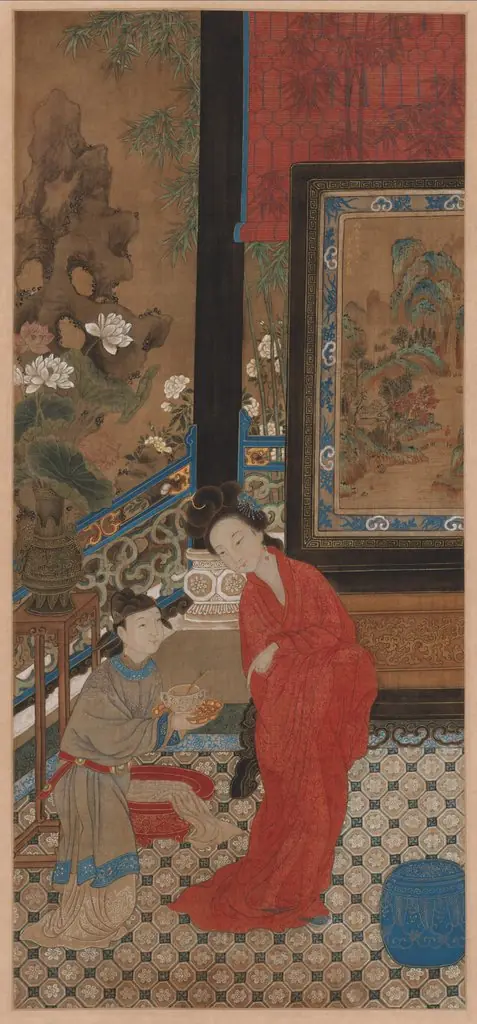 Yang Guifei Leaving the Bath
 Yang Guifei Leaving the Bath
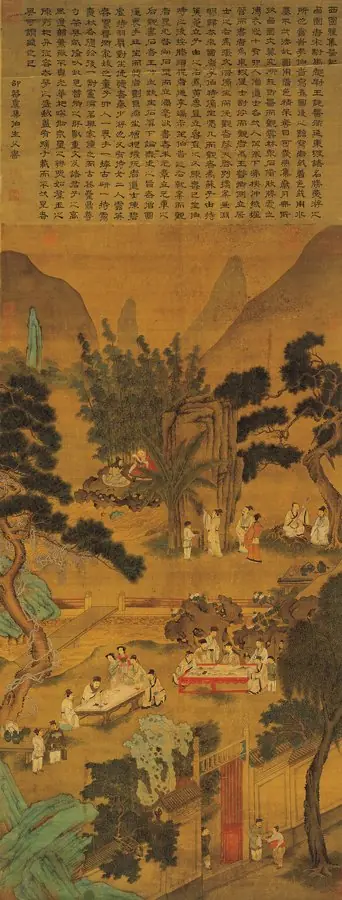 Elegant Gathering in the Western Garden
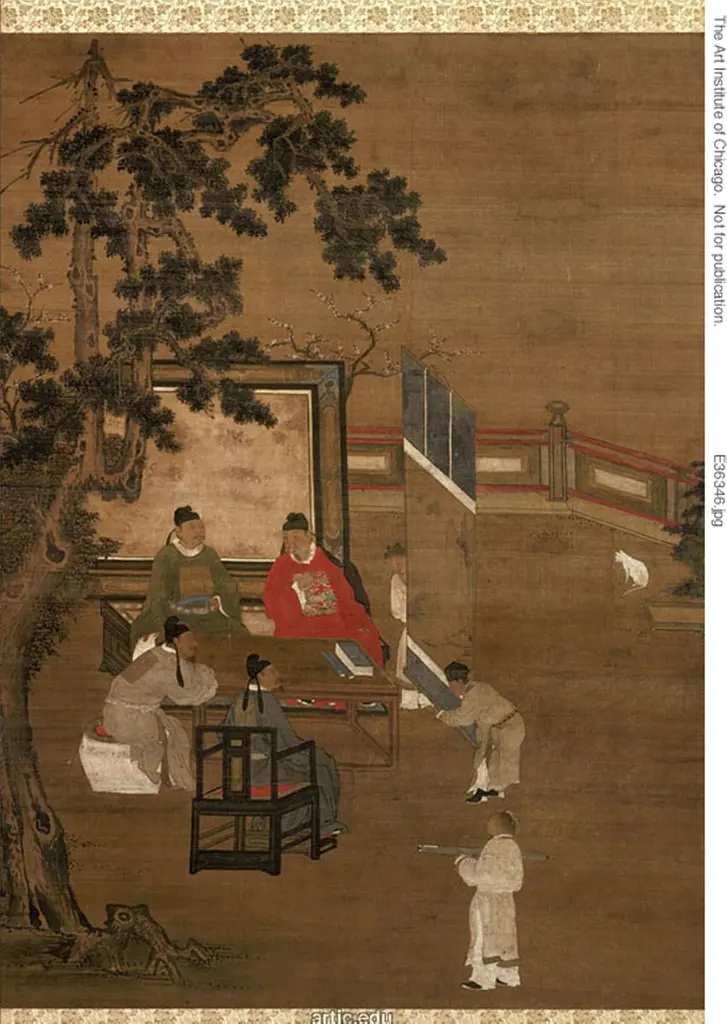 Painting, from the set "The Four Accomplishments"
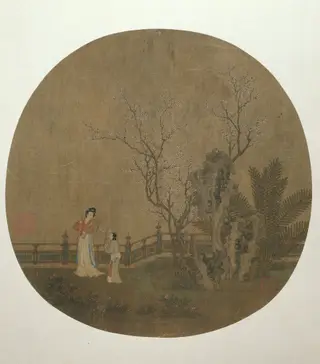 Woman with Female Servant in a Palace Garden
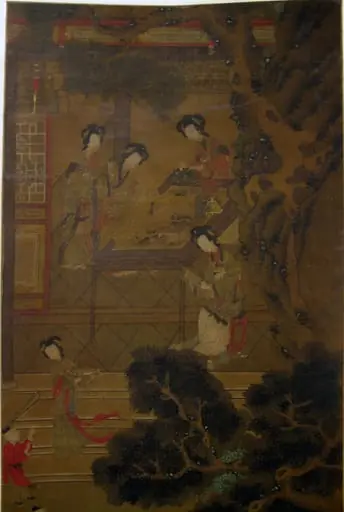 Untitled
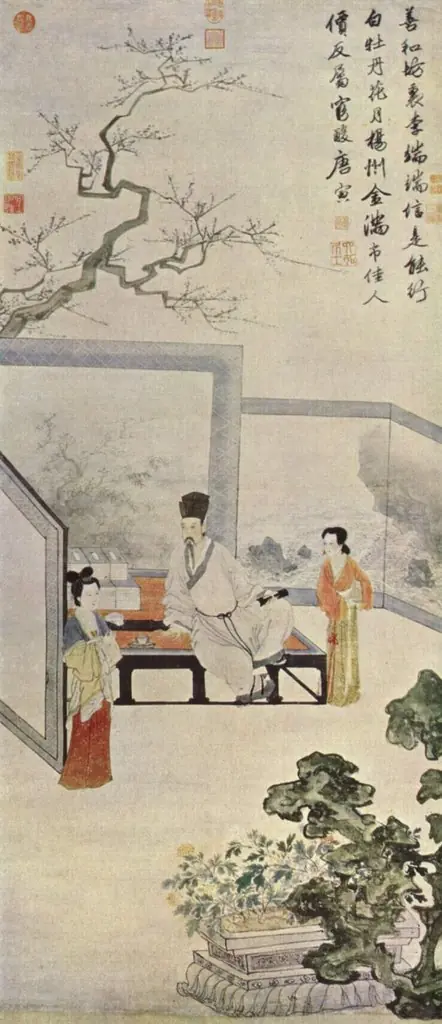 After a Tang Painting of a Courtesan
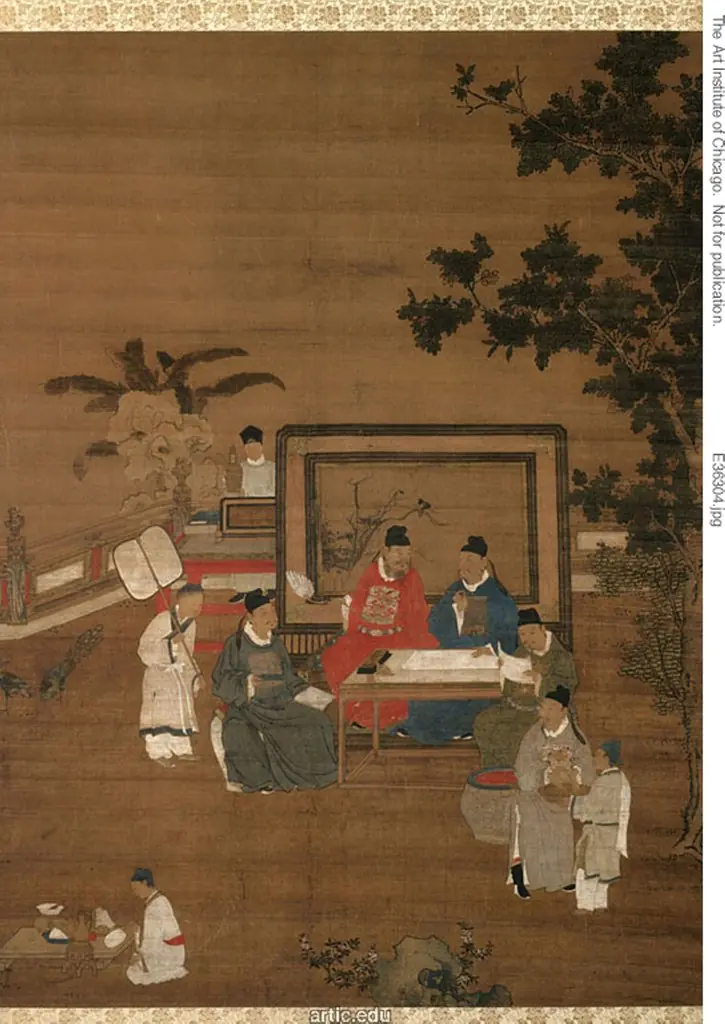 Calligraphy, probably from the set "The Four Accomplishments"
 Morning Toilette in the Women's Quarters